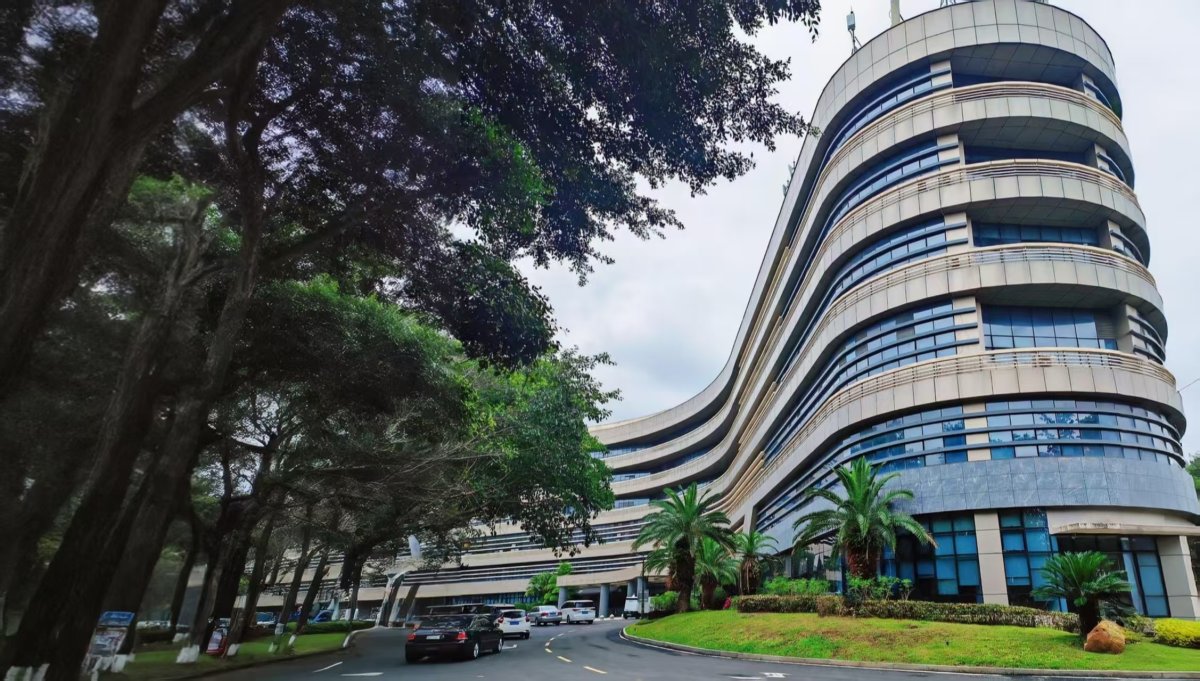
Boao International Medical Center
الصين, تشيونغهاي


تمت مراجعة المقالة طبيا من قبل
فهد مولود
تتراوح تكلفة العلاج الهرموني في الصين عادةً بين $3,000 و $4,500. يعتمد السعر النهائي على الحالة الطبية، وشكل الدواء، والمنشأة الطبية المعالجة. تشمل التكاليف عادةً الاستشارات الأولية وتحاليل الهرمونات التشخيصية في المراكز المتخصصة.
رأي خبراء Bookimed: يوفر اختيار مراكز الأورام المتخصصة، مثل مستشفى فودا للسرطان، قيمة علاجية كبيرة. يعالج هذا المركز الحاصل على اعتماد JCI في جوانزو أكثر من 30,000 مريض دولي. يركز المستشفى على العلاجات طفيفة التوغل بدلاً من العلاج الكيميائي التقليدي. بالنسبة للسرطانات الحساسة للهرمونات، يجمع هذا النهج بين التشخيص عالي التقنية والبروتوكولات الهرمونية المخصصة. غالباً ما يحقق هذا النهج نتائج أفضل للمرضى في مراحل متأخرة مقارنة بالأدوية التقليدية وحدها.
| الصين | تركيا | إسبانيا | |
|---|---|---|---|
| العلاج بالهرمونات | ≈ $3,000 | من $1,100 | من $600 |
| علاج الحرمان من الأندروجين | من $12,500 | ≈ $700 | ≈ $1,900 |
| العلاج الهرموني لسرطان البروستاتا | ≈ $2,800 | ≈ $1,800 | من $2,200 |
يتضمن هذا العلاج استخدام الأدوية لضبط مستويات هرمون الجسم ، وغالبًا ما تستخدم في علاج السرطان أو تخفيف انقطاع الطمث.
يهدف هذا العلاج إلى تقليل مستويات هرمون الذكورة لإبطاء نمو سرطان البروستاتا ، مما يوفر إمكانية التحكم في المرض.
يثبط هذا العلاج هرمونات الذكورة لإبطاء نمو سرطان البروستاتا باستخدام الأدوية أو الجراحة.
اليوم الأول - الوصول
اليوم الثاني - استشارة ما قبل العملية
اليوم الثالث - نتائج الاختبار وخطة العلاج
اليوم الرابع - بدء العلاج بالهرمونات
اليوم الخامس إلى الرابع عشر - استمرار العلاج
الأسبوع 3 - مراقبة ما بعد العملية
الأسبوع الرابع - إعادة التأهيل
الأسبوع السادس
الأسبوع الثامن
يرجى ملاحظة أن هذا دليل عام وقد تختلف التجارب الفردية. دائما استشر مقدم الرعاية الصحية الخاص بك للحصول على مشورة شخصية.
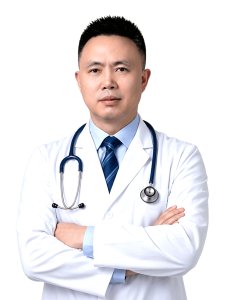
كبير الأطباء وأستاذ. خبير من الدرجة الأولى في مركز السرطان بمستشفى غرب الصين، جامعة سيتشوان (المرتبة الثانية في الصين). أنهى زمالة ما بعد الدكتوراه في الأشعة التداخلية بالمستشفى العام لجيش التحرير الشعبي الصيني. يقود رعاية فريق متعدد التخصصات (MDT) للأورام المعقدة. خبير في طب الأورام التداخلي طفيف التوغل لأورام الكبد والرئة والبنكرياس.
الاعتمادات: عضو مجلس في WATA. عضو في لجان CACA وCMDA للتدخلات، والاستئصال الحراري، والبذور المشعة، وعلاج الألم. في 2023، عضو مجلس مؤسِّس في لجنة الرعاية
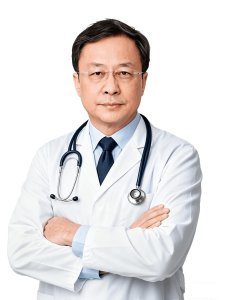
البروفيسور لوو شياوبينغ اختصاصي أشعة تداخلية معترف به على المستوى الوطني ومن أبرز الخبراء في غرب الصين. بدأ ريادة التدخلات الوعائية في أوائل التسعينيات، وأسهم في تأسيس فريق الأشعة التداخلية في المستشفى الثاني الملحق بجامعة تشونغتشينغ الطبية.
أجرى أكثر من 100 ألف إجراء تداخلي، بينها نحو 4 آلاف حالة معقدة. تشمل مهاراته الأساسية الانصمام الكيميائي عبر الشريان الكبدي (TACE) لعلاج سرطان الخلايا الكبدية، وتداخلات متلازمة بود–كياري، وإجراء TIPS، وتركيب دعامتين في مرحلة واحدة لعلاج انسداد القن
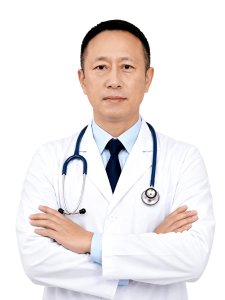
الدكتور هي ويبينغ رائد الاستئصال بالتبريد بالأرجون–الهيليوم في الصين، وله أكثر من 20 عاماً من الممارسة السريرية المباشرة. كان عضواً مؤسِّساً لمستشفى فودا للسرطان (قوانغتشو)، وشارك في تأسيس مركز علاج الأورام طفيفة التوغل فيه وتولى منصب نائب المدير التنفيذي. كما أسهم في تأسيس مجموعة الاستئصال التابعة للجمعية الصينية لمكافحة السرطان. وكان المنفّذ الرئيسي في أكثر من 10,000 إجراء.
يتخصص في الاستئصال بالتبريد للأورام، وهو متمرّس في العلاج الإشعاعي الموضعي ببذور اليود‑125، مع تركيز على سرطاني
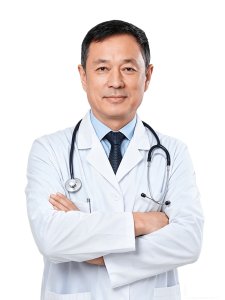
الأستاذ شياو يويونغ هو كبير الأطباء في قسم التشخيص الإشعاعي بالمستشفى العام لجيش التحرير الشعبي الصيني، وخبير بارز في طب الأورام التداخلي طفيف التوغل. يشغل منصب الرئيس المؤسس لـWATA (2025–). ويرأس الجمعية الدولية (2020–) والجمعية الآسيوية (2012–) للعلاج بالتجميد. كما أنه نائب رئيس مجموعة الخبراء بهيئة الصحة الوطنية (NHC) للوائح استئصال الأورام (2009–).
أجرى أكثر من 100,000 إجراء طفيف التوغل موجهًا بالتصوير المقطعي/الرنين المغناطيسي. يشمل عمله الاستئصال الكيميائي، والاستئصال بالترددات ا
 Anna Leonova
في الصين، كان العلاج الهرموني التعويضي لانقطاع الطمث غير شائع تاريخياً، حيث تراوحت نسبة استخدامه عادةً بين 2% و3% بين النساء بعد انقطاع الطمث. ورغم أن استخدامه يتزايد بشكل ملحوظ حالياً في المراكز الحضرية الكبرى، إلا أن المعتقدات الثقافية التقليدية والمخاوف بشأن مخاطر الإصابة بالسرطان غالباً ما تحدّ من انتشاره السريري.
رأي خبراء بوكيمد: على الرغم من أن معدلات الإصابة الإجمالية في البلاد لا تزال منخفضة، إلا أن المرافق الطبية المعترف بها دوليًا، مثل مستشفى فودا للسرطان الحاصل على اعتماد اللجنة الدولية المشتركة (JCI)، تُظهر كيف يدمج النظام الصحي الصيني أساليب مراقبة الهرمونات المتقدمة. ينبغي على المرضى الذين يحتاجون إلى هذا العلاج اختيار المدن الكبرى مثل قوانغتشو أو شنغهاي. تشير الأبحاث إلى أ
في الصين، يُعدّ العلاج الهرموني لتأكيد الهوية الجنسية قانونيًا، ولكنه يخضع لرقابة مركزية صارمة. يجب على المرضى الحصول على تشخيص رسمي لاضطراب الهوية الجنسية من طبيب نفسي مرخص قبل بدء العلاج. تُصدر الوصفات الطبية بشكل أساسي من خلال عيادات متخصصة في المدن الكبرى مثل شنغهاي وبكين وقوانغتشو.
رأي خبراء بوكيمد: يعتمد الوضع القانوني في الصين إلى حد كبير على سياسات المستشفيات الفردية، وليس على تنظيم وطني موحد. فبينما تضع مؤسسات مثل مستشفى جامعة فودان للأطفال المعايير، غالبًا ما يفسر الأطباء القواعد بشكل مختلف. إذا رفض طبيب ما العلاج، فإن الاستراتيجية الشائعة والفعالة هي طلب رأي ثانٍ من مؤسسة
في الصين، لا يُسمح للأشخاص المتحولين جنسيًا بشراء أدوية العلاج الهرموني البديل عبر الإنترنت بشكل قانوني. تحظر اللوائح الوطنية التي تم اعتمادها في ديسمبر 2022 بيع الإستراديول، وأسيتات سيبروتيرون، والتستوستيرون عبر الإنترنت بشكل صارم. ولا تُعفي الوصفات الطبية الصادرة عن المستشفيات من هذا الحظر المطلق على منصات البيع بالتجزئة الإلكترونية.
رأي خبراء بوكيمد: على الرغم من أن تكلفة العلاج في المستشفيات تتراوح بين [مبلغ محدد] و[مبلغ محدد]، إلا أن العقبة الحقيقية تكمن في الموقع الجغرافي. تتركز العيادات المتخصصة في بكين وشنغهاي، مما يحرم المرضى في المقاطعات الأخرى من الحصول على الأدوية بشكل مستقر ومنظم.
في الصين، يجمع علاج انقطاع الطمث بين العلاج الهرموني الغربي والطب الصيني التقليدي لتخفيف أعراض انقطاع الطمث والأرق. كثيراً ما تُوصف أدوية تحتوي على الإستراديول، مثل فيموستون وتيبولون للنساء اللواتي تتراوح أعمارهن بين 51 و60 عاماً، بالإضافة إلى العلاجات العشبية مثل كبسولات كون تاي أو ليو وي دي هوانغ وان.
رأي خبراء بوكيمد: في الممارسة السريرية الصينية، يسود نهجٌ محافظٌ وشاملٌ بشكلٍ ملحوظٍ مقارنةً بالبروتوكولات الغربية. تشير الأدلة إلى أن الجمع بين الطب الصيني التقليدي والهرمونات الغربية بجرعاتٍ منخفضةٍ يقلل من الآثار الجانبية مع تخفيف الأعراض بفعالية. غالبًا ما تتلقى المريضات تركيباتٍ عشبيةً متخصصةً، مثل شيا
غالباً ما تجمع النساء الصينيات بين الطب الصيني التقليدي والعلاج الهرموني الحديث، فيما يُعرف بالطب الصيني التقليدي والغربي المتكامل. يساعد هذا النهج المتكامل على إدارة أعراض مثل الهبات الساخنة وتقلبات المزاج، مع تقليل الآثار الجانبية للأدوية المرتبطة بانقطاع الطمث والعقم والتعافي من السرطان.
رأي خبراء بوكيمد: على الرغم من شيوع الأساليب التقليدية، إلا أن المراكز المتخصصة مثل مستشفى فودا للسرطان في قوانغتشو تُبرز أهمية الإشراف المعتمد من قبل اللجنة الدولية المشتركة (JCI). إن الجمع بين حكمة الطب العشبي القديمة والتقنيات المتطورة مثل تقنية نانو نايف يضمن علاجًا شاملًا قائمًا على الأدلة العلمية. لذا، ينبغي على المرضى إعطاء
