علاج سرطان الرحم في الهند: 17 مستشفيات


تمت مراجعة المقالة طبيا من قبل
فهد مولود
ما هي تكلفة سرطان الرحم إجراءات التشخيص والعلاج في الهند؟ اعرف الآن
Uterine cancer treatment cost in India typically involves diagnostic imaging like PET-CT scans, which run from السعر عند الطلب to السعر عند الطلب, and primary interventions such as radiotherapy for uterine cancer. Treatment ranges from $4,200 to $6,500 depending on the complexity and technology used. Total expenses are influenced by the cancer stage and hospital choice, offering 60-80% savings compared to the US. Top cities include Gurgaon, Delhi, and Mumbai.
Typical Uterine Cancer Treatment Costs in India
- PET-CT scan: السعر عند الطلب
- Radiotherapy for uterine cancer: $4,200 – $6,500
- Chemotherapy for uterine cancer: $2,800 – $4,300
- Hormone therapy: $1,500 – $3,200
- Halcyon: $5,500 – $8,200
Bookimed Expert Insight: Patients requiring advanced precision should consider centers with robotic platforms. Fortis Gurgaon and Global Hospital Chennai utilize Da Vinci technology for minimally invasive surgery. For complex cases, HCG Manavata offers extensive expertise with over 50,000 surgeries performed. International patients benefit from JCI-accredited facilities like Artemis, which provide comprehensive assistance including interpreters and visa support.
| الهند | تركيا | إسبانيا | |
|---|---|---|---|
| العلاج بالهرمونات | ≈ $1,500 | من $1,100 | من $600 |
| العلاج الكيميائي لسرطان الرحم | ≈ $2,800 | من $3,000 | من $2,800 |
| العلاج الإشعاعي لسرطان الرحم | ≈ $4,200 | من $6,500 | من $13,500 |
| العلاج الإشعاعي الموضعي لسرطان الرحم | من $1,500 | ≈ $3,800 | من $6,000 |
| استئصال الرحم بواسطة روبوت دا فنشي | من $8,500 | من $11,600 | من $21,600 |
مزاياك وضماناتك مع Bookimed
أسعار مباشرة
Bookimed لا يضيف رسوماً إضافية على أسعار علاج سرطان الرحم. الأسعار مأخوذة من قوائم الأسعار الرسمية للعيادات. تدفع مباشرة في العيادة مقابل علاجك عند وصولك إلى البلد.
عيادات وأطباء معتمدون فقط
Bookimed ملتزم بسلامتك. نحن نعمل فقط مع المؤسسات الطبية التي تحافظ على معايير دولية عالية في علاج سرطان الرحم ولديها التراخيص اللازمة لخدمة المرضى الدوليين في جميع أنحاء العالم.
مساعدة مجانية على مدار الساعة
Bookimed يقدم مساعدة خبراء مجانية. منسق طبي شخصي يدعمك قبل وأثناء وبعد العلاج، ويحل أي مشاكل. لن تكون وحيداً أبداً في رحلة علاج سرطان الرحم.

منسقك الطبي الشخصي في Bookimed
- يدعمك في كل مرحلة
- المساعدة في اختيار العيادة الطبية المناسبة والطبيب المناسب
- يضمن الوصول السريع والمريح إلى المعلومات
اكتشف أفضل سرطان الرحم العيادات في الهند: 17 خيارات معتمدة والأسعار









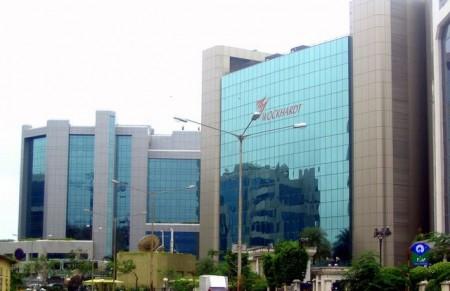
Wockhardt Hospital





Dr. Rela Institute & Medical Centre
احصل على تقييم طبي لـ في الهند. استشر الآن 9 أطباء ذوي الخبرة.
عرض جميع الأطباء
Anoosha K Ravi

Sarat Chandra P
الدكتور سارات شاندرا بي هو طبيب أورام متخصص في مستشفيات مانيبال، ويتمتع بخبرة متخصصة في رعاية سرطان الرحم.
- ممارسة مركزة في علم الأورام
- تابع لمؤسسة رعاية صحية رائدة
- ملتزم بنهج العلاج القائم على الأدلة

Raj Nagarkar
أكثر من 50,000 جراحة سرطان على مدى _doctor_2241_عاماً – يتخصص الدكتور راج في تحسين جودة حياة المرضى بعد العلاج في مركز HCG Manavata للسرطان.
- تدرب في مستشفى تاتا التذكاري والكلية الملكية للجراحين في إدنبرة
- مجالات التركيز الرئيسية: جراحة أورام الثدي والصدر
- شارك في أكثر من 200 تجربة سريرية، بما في ذلك دراسات المرحلة 1-3
- أستاذ في تخصص جراحة الأورام وجراحة الثدي (DNB) في جامعة MUHS
مشاركة المحتوى
قصص فيديو من مرضى Bookimed
 Anna Leonova
أسئلة متكررة حول علاج سرطان الرحم في الهند
ما هي المستشفيات في الهند المعترف بها لعلاج سرطان الرحم عالي الجودة؟
توفر الهند علاجاً عالي الجودة لسرطان الرحم في مرافق معتمدة من قبل JCI وNABH مثل مستشفى أبولو إندرابراستا ومستشفيات مانيبال. توفر هذه المراكز رعاية متعددة التخصصات تشمل استئصال الرحم الروبوتي والعلاج الإشعاعي المتقدم. غالباً ما يكون لدى كبار أطباء الأورام تدريب من مؤسسات مرموقة مثل مستشفى تاتا التذكاري.
- المرافق المعتمدة: تحمل مستشفيات أبولو وأرتميس اعتماد اللجنة الدولية المشتركة (JCI).
- الخبرة الجراحية: يقوم الجراحون بإجراء عمليات استئصال الرحم المعقدة بمساعدة الروبوت وبالمنظار لإزالة الأورام بدقة.
- التشخيص المتقدم: تستخدم العيادات فحوصات PET-CT وأنظمة HALCYON لتحديد مرحلة السرطان بدقة.
- الفرق المتخصصة: تحتفظ مراكز مثل فورتيس جورجاون بلجان أورام مخصصة لكل عضو للحالات المعقدة.
رؤية خبير Bookimed: يعد حجم المرضى مؤشراً موثوقاً للخبرة السريرية في الهند. تخدم مستشفيات مانيبال 2,000,000 مريض سنوياً. ويعالج مستشفى أبولو إندرابراستا أكثر من 1,000,000 مريض من دول مختلفة. عادة ما توفر الشبكات الكبيرة نتائج أكثر استقراراً لجراحات تحديد المرحلة المعقدة بسبب كثرة الممارسة.
إجماع المرضى: يؤكد المرضى على اختيار مراكز كبيرة متعددة التخصصات بدلاً من العيادات المستقلة لضمان بقاء جميع العلاجات تحت سقف واحد. يقترح الكثيرون طلب مراجعة ثانية لعلم الأمراض قبل بدء العلاج لتأكيد التشخيص وتحديد المرحلة.
ما هي العلاجات القياسية القائمة على الأدلة المتاحة لسرطان الرحم (بطانة الرحم) في الهند؟
تشمل العلاجات القياسية لسرطان بطانة الرحم في الهند الجراحة، والإشعاع، والعلاجات الجهازية. تتبع المرافق الهندية إرشادات NCCN الدولية وإرشادات ICMR الوطنية. تستخدم المراكز المتقدمة الجراحة الروبوتية والتحليل الجزيئي لتوفير رعاية دقيقة. تضمن اعتمادات JCI وNABH التزام العيادات بمعايير سلامة عالية خلال هذه الإجراءات الأورام المعقدة.
- التدخل الجراحي: استئصال الرحم مع إزالة المبيضين هو العلاج الأولي النهائي.
- الجراحة المتقدمة: يستخدم الجراحون روبوتات DaVinci لإجراء استئصال دقيق للرحم بأقل قدر من التدخل الجراحي.
- العلاج المساعد: يتبع الجراحة علاج إشعاعي أو كيميائي لمنع تكرار الإصابة بالسرطان.
- الأنظمة الجهازية: يستخدم أطباء الأورام مزيج كاربوبلاتين-باكليتاكسيل للحالات المتقدمة أو عالية الخطورة.
رؤية خبراء Bookimed: على الرغم من أن الجراحة الروبوتية قد تكلف ما بين 6,500 إلى 10,500 دولار، إلا أنها غالبًا ما توفر قيمة أفضل. تخدم المراكز الكبيرة مثل مستشفيات مانيبال أكثر من 2,000,000 مريض سنويًا. وهي تدمج نظام IBM Watson لاختيار علاج السرطان، مما يساعد الأطباء على اختيار بروتوكولات الأدوية الأكثر فعالية بشكل أسرع. هذا الحجم الكبير والوصول إلى التكنولوجيا يؤدي غالبًا إلى خبرة جراحية أكثر دقة. وقد أجرى الجراحون الخبراء في هذه المراكز، مثل الدكتور راج ناجاركار، أكثر من 50,000 عملية جراحية.
إجماع المرضى: يشير المرضى إلى أنه من المهم العثور على طبيب أورام نسائية بدلاً من جراح عام. ويؤكدون أن خطط العلاج النهائية غالبًا ما تتغير بعد مر
ما هي معدلات البقاء على قيد الحياة المتوقعة بعد علاج سرطان الرحم في الهند؟
يتراوح معدل البقاء على قيد الحياة لمدة 5 سنوات لسرطان الرحم في الهند بين 59% و 92%. تعتمد النتائج بشكل كبير على مرحلة المرض وتخصص المستشفى. تبلغ مراكز الأورام الهندية الرائدة عن احتمالات بقاء على قيد الحياة بنسبة 95% للحالات في المراحل المبكرة. التدخل الجراحي الفوري هو العامل الأساسي للتعافي على المدى الطويل.
- البقاء على قيد الحياة في المرحلة الأولى: تظهر الأورام المحصورة معدل بقاء على قيد الحياة لمدة 5 سنوات يصل إلى 83.5% إلى 95%.
- نتائج المراحل المتقدمة: تبلغ نسبة البقاء على قيد الحياة في المرحلة الثالثة حوالي 66% بينما في المرحلة الرابعة 37.1%.
- النجاح الجراحي: تؤدي الجراحة وحدها لسرطان الرحم في المرحلة المبكرة إلى معدل بقاء على قيد الحياة بنسبة 95.6%.
- العلاج متعدد الوسائط: يؤدي الجمع بين الجراحة والعلاج الكيميائي أو الإشعاعي إلى بقاء على قيد الحياة بنسبة 85.5% للمراحل المتوسطة.
رؤية خبير Bookimed: غالبًا ما يشير حجم المرضى إلى المكان الذي يتم فيه استخدام التقنيات المتقدمة مثل روبوت دا فينشي أو نظام هالسيون بشكل أكبر. على سبيل المثال، يتعامل مستشفى جلوبال في تشيناي ومستشفى أبولو مع أكثر من 80,000 إلى 1,000,000 مريض سنويًا. غالبًا ما تجذب هذه المراكز ذات الحجم الكبير متخصصين مثل الدكتورة شروتي كيت أو الدكتور راج ناجاركار الذين تدربوا في معاهد مرموقة مثل مستشفى تاتا التذكاري. عادةً ما يضمن اختيار عيادة ذات حجم كبير الوصول إلى بروتوكولات الجراحة الروبوتية المتقدمة.
إجماع المرضى: يؤكد المرضى أن الكشف المبكر عن النزيف
هل الحفاظ على الخصوبة ممكن للنساء الأصغر سناً اللاتي تم تشخيص إصابتهن بسرطان الرحم في مرحلة مبكرة في الهند؟
الحفاظ على الخصوبة ممكن في الهند للنساء الأصغر سناً المصابات بسرطان بطانة الرحم الغدي من الدرجة الأولى، المرحلة IA. تستخدم المراكز المتخصصة علاج البروجستين بجرعات عالية أو الأجهزة الهرمونية داخل الرحم لعكس نمو السرطان. يتطلب هذا النهج تصويراً واضحاً وخزعات للتأكد من أن السرطان محصور في بطانة الرحم.
- معايير الورم: يجب أن يكون من النوع الغدي من الدرجة الأولى بدون غزو عضلي.
- طرق العلاج: يستخدم الأطباء البروجستين الفموي أو الأجهزة داخل الرحم التي تطلق الليفونورجيستريل لتحقيق الهجوع.
- بروتوكول المراقبة: تخضع المريضات لخزعات بطانة الرحم وفحوصات كل 3 إلى 6 أشهر.
- الدعم الاستراتيجي: يقدم متخصصون مثل الدكتورة شروتي كيت تجميد البويضات قبل بدء العلاج المكثف.
رؤية خبير Bookimed: تسلط بيانات حجم المرضى الضوء على الهند كمركز عالمي للأورام، حيث تخدم مستشفيات مانيبال وحدها 2,000,000 مريض سنوياً. يسمح هذا النطاق الهائل للمرافق المعتمدة من قبل JCI في جورجاون وبنغالور باستضافة فرق متعددة التخصصات عالية التخصص. غالباً ما تضم هذه الفرق كلاً من أطباء أورام النساء وأخصائيي الإنجاب تحت سقف واحد، وهو أمر ضروري لإدارة النافذة الضيقة بين هجوع السرطان والحمل.
إجماع المرضى: تؤكد المريضات أن هذا المسار متطلب نفسياً بسبب الخزعات المتكررة. تشير الكثيرات إلى أنه على الرغم من نجاحهن في تأجيل الجراحة، يظل استئصال الرحم هو التوصية القياسية بمجرد اكتمال الإنجاب.
لماذا يختار المرضى الدوليون علاج سرطان الرحم في الهند بدلاً من دول أخرى؟
يختار المرضى الدوليون الهند لعلاج سرطان الرحم للوصول إلى تكنولوجيا متخصصة في طب الأورام النسائي بتكاليف أقل. توفر المرافق المعتمدة مثل مستشفيات أرتميس ومستشفى أبولو إندرابراستا وصولاً فورياً إلى الجراحة الروبوتية دا فينشي. تحمل هذه المراكز شهادات من اللجنة الدولية المشتركة (JCI) ولا تعاني من قوائم انتظار طويلة.
- فرق جراحية خبيرة: أجرى جراحون مثل الدكتور راج ناجاركار أكثر من 50,000 جراحة للسرطان.
- تشخيص متقدم: تستخدم المرافق أنظمة العلاج الإشعاعي PET-CT وHalcyon لتحديد مرحلة الورم بدقة.
- اعتمادات عالمية: تحافظ العيادات على معايير تم التحقق منها من قبل المجلس الوطني لاعتماد المستشفيات.
- رعاية شاملة: تخدم مراكز مثل مستشفيات مانيبال أكثر من 2,000,000 مريض سنوياً عبر تخصصات متعددة.
رؤية خبير Bookimed: تمثل الهند مركزاً فريداً حيث يترجم حجم المرضى الكبير مباشرة إلى كفاءة جراحية. تظهر بياناتنا أن العيادات الرائدة مثل مستشفى أبولو إندرابراستا تتعامل مع أكثر من 1,000,000 مريض سنوياً. يسمح هذا النطاق الهائل للجراحين بإدارة أنواع نادرة من سرطان الرحم قد يراها المتخصصون الغربيون مرة واحدة فقط في السنة.
إجماع المرضى: يقدر المرضى فرق التنسيق المتفانية التي تتعامل مع كل شيء بدءاً من التأشيرات الطبية وصولاً إلى الخدمات اللوجستية المحلية. يلاحظ الكثيرون أن وجود فرق الجراحة والإشعاع وعلم الأمراض تحت سقف واحد يسرع عملية اتخاذ القرار بأكملها.