علاج مرض الكلى المزمن في الصين: 2 مستشفيات


تمت مراجعة المقالة طبيا من قبل
فهد مولود
ما هي تكلفة مرض الكلى المزمن إجراءات التشخيص والعلاج في الصين؟ اعرف الآن
مزاياك وضماناتك مع Bookimed
أسعار مباشرة
Bookimed لا يضيف رسوماً إضافية على أسعار علاج مرض الكلى المزمن. الأسعار مأخوذة من قوائم الأسعار الرسمية للعيادات. تدفع مباشرة في العيادة مقابل علاجك عند وصولك إلى البلد.
عيادات وأطباء معتمدون فقط
Bookimed ملتزم بسلامتك. نحن نعمل فقط مع المؤسسات الطبية التي تحافظ على معايير دولية عالية في علاج مرض الكلى المزمن ولديها التراخيص اللازمة لخدمة المرضى الدوليين في جميع أنحاء العالم.
مساعدة مجانية على مدار الساعة
Bookimed يقدم مساعدة خبراء مجانية. منسق طبي شخصي يدعمك قبل وأثناء وبعد العلاج، ويحل أي مشاكل. لن تكون وحيداً أبداً في رحلة علاج مرض الكلى المزمن.

منسقك الطبي الشخصي في Bookimed
- يدعمك في كل مرحلة
- المساعدة في اختيار العيادة الطبية المناسبة والطبيب المناسب
- يضمن الوصول السريع والمريح إلى المعلومات
اكتشف أفضل مرض الكلى المزمن العيادات في الصين: 2 خيارات معتمدة والأسعار
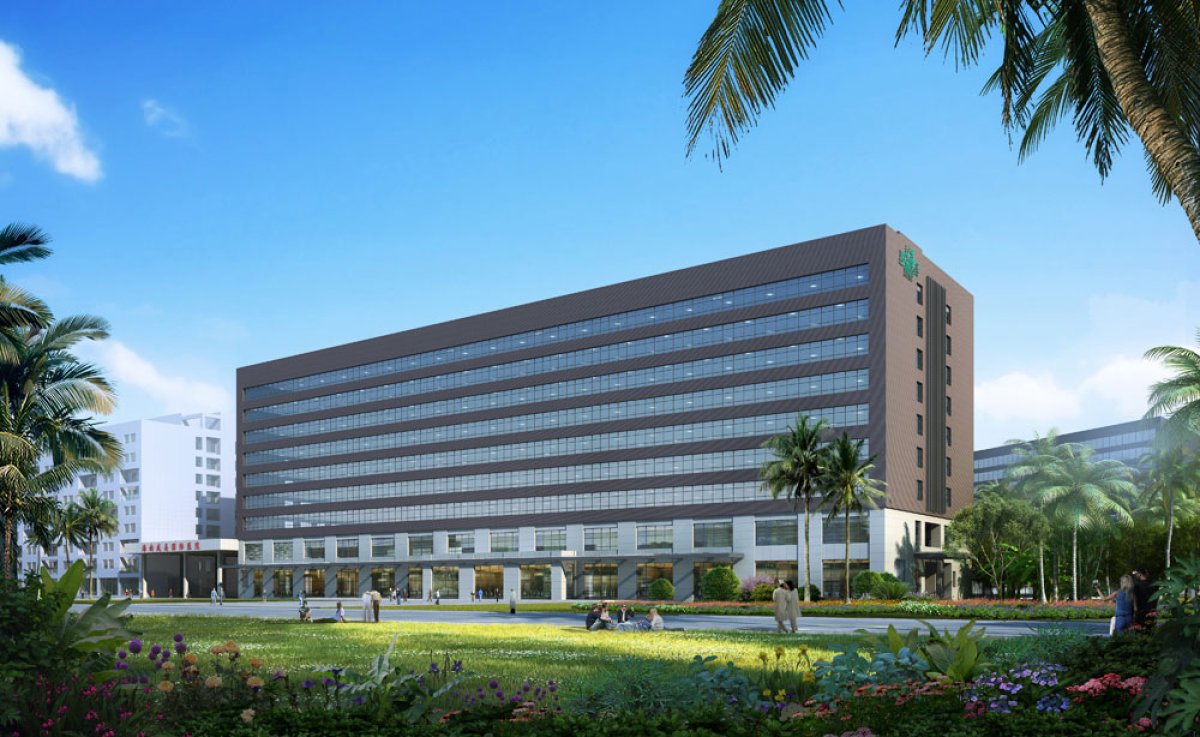

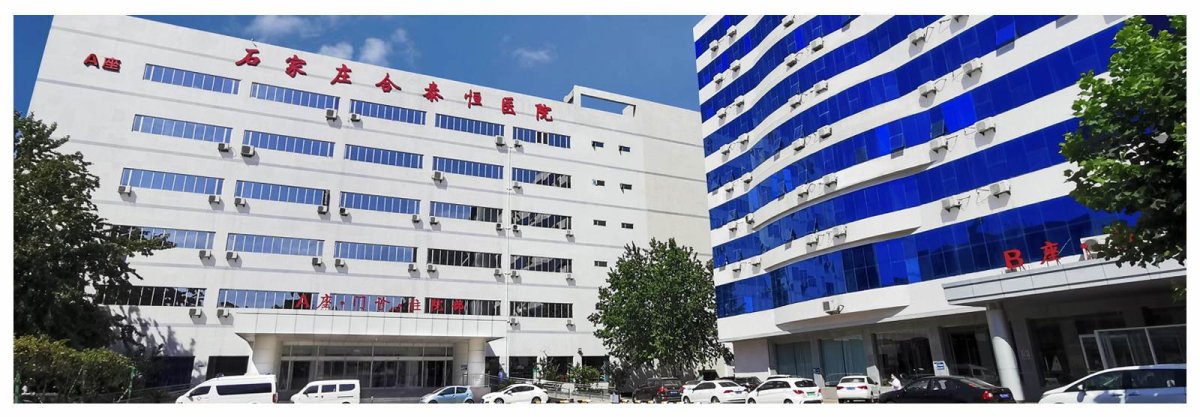
Shijiazhuang Hetaiheng Hospital
احصل على تقييم طبي لـ في الصين. استشر الآن 10 أطباء ذوي الخبرة.
عرض جميع الأطباء
Liao Zhengyin
كبير الأطباء وأستاذ. خبير من الدرجة الأولى في مركز السرطان بمستشفى غرب الصين، جامعة سيتشوان (المرتبة الثانية في الصين). أنهى زمالة ما بعد الدكتوراه في الأشعة التداخلية بالمستشفى العام لجيش التحرير الشعبي الصيني. يقود رعاية فريق متعدد التخصصات (MDT) للأورام المعقدة. خبير في طب الأورام التداخلي طفيف التوغل لأورام الكبد والرئة والبنكرياس.
الاعتمادات: عضو مجلس في WATA. عضو في لجان CACA وCMDA للتدخلات، والاستئصال الحراري، والبذور المشعة، وعلاج الألم. في 2023، عضو مجلس مؤسِّس في لجنة الرعاية
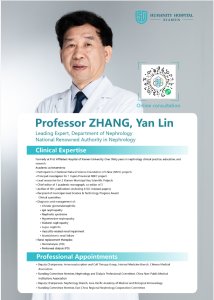
Zhang Yan Lin
الدكتور تشانغ يان لين اختصاصي أمراض كلى معترف به على المستوى الوطني، لديه أكثر من 30 عامًا من الخبرة في الرعاية السريرية والتدريس والبحث. عمل الدكتور تشانغ سابقًا في المستشفى الأول التابع لجامعة شيامن.
شارك الدكتور تشانغ في مشروعين للمؤسسة الوطنية للعلوم الطبيعية (NSFC)، وكان الباحث الرئيس في مشروع لصندوق العلوم الطبيعية بمقاطعة فوجيان، وقاد مشروعين رئيسيين لبلدية شيامن. وهو رئيس تحرير لمؤلف علمي واحد ومحرر مشارك لثلاثة، ونشر أكثر من 30 بحثًا، بينها ستة في مجلات مفهرسة ضمن SCI.
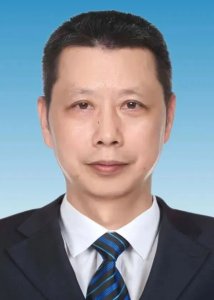
Fan Yu
الأستاذ فان يو كبير الأطباء ومدير قسم زراعة الكلى. تصدّر مركزه ترتيب فوجيان ثلاث سنوات متتالية في زراعة الكبد والكلى. أجرى فريقه 112 عملية زراعة كلى وعملية زراعة كبد-كلية مشتركة واحدة خلال عامين.
يتخصص في زراعة الكلى، ومضاعفات ما بعد الزراعة، وإدارة العلاج المثبط للمناعة. وطوّر نظامًا يحسّن بقاء الطعوم والمرضى على المدى الطويل.
كان رائدًا في تشخيص وعلاج الرفض المزمن وتحت السريري. قاد بصفته الباحث الرئيسي أكثر من 10 منح، ونشر أكثر من 30 مقالة مفهرسة في SCI. وهو نائب رئيس فرع جرّا

Shi Wei
مشاركة المحتوى
قصص فيديو من مرضى Bookimed
 Anna Leonova
أسئلة متكررة حول علاج مرض الكلى المزمن في الصين
كيف يعالج الطب الصيني التقليدي (TCM) أمراض الكلى المزمنة في المستشفيات الصينية؟
تعالج المستشفيات الصينية أمراض الكلى المزمنة (CKD) باستخدام بروتوكولات تكاملية تجمع بين الطب الصيني التقليدي (TCM) وطب الكلى الغربي. يركز هذا النهج متعدد الأهداف على تقليل بيلة البروتين، وإدارة الوذمة، وتأخير غسيل الكلى من خلال مغلي الأعشاب، والوخز بالإبر، وعلاجات تحسين الدورة الدموية داخل المرافق المعتمدة من قبل JCI.
- العلاج بالأعشاب: يصف الأطباء تركيبات فردية مثل القتاد والراوند لخفض الكرياتينين.
- دعم الدورة الدموية الدقيقة: تعمل العلاجات المتخصصة على إزالة ركود الدم لتحسين تدفق الدم الكلوي والتليف.
- الطرق الخارجية: تستخدم العيادات الوخز بالإبر، والكي، والحقن الشرجية العشبية لتقليل السموم اليوريمية.
- إدارة الأعراض: تستهدف الرعاية التكاملية بشكل خاص التعب، وضعف الشهية، والوذمة الشائعة في أمراض الكلى المزمنة.
رؤية خبير Bookimed: يحافظ مستشفى ياندا الدولي على حالة الفئة (أ) المستوى الثالث، وهو أعلى تصنيف في الصين، من خلال دمج البروتوكولات الدولية مع الطب الصيني التقليدي لأكثر من 2,500,000 مريض سنويًا. بينما يدير الطب الغربي ضغط الدم، تستخدم مستشفيات مثل ياندا الطب الصيني التقليدي كطبقة ثانوية لتحسين جودة الحياة. يجب على المرضى إعطاء الأولوية لأطباء مثل الدكتور فان يو في مستشفى شيامن الإنساني، الذي يوازن بين الدعم التقليدي وأكثر من 30 عامًا من الخبرة في زراعة الكلى المتقدمة.
إجماع المرضى: يشير المرضى إلى أن الطب الصيني التقليدي يعمل بشكل أفضل كعلاج داعم للتعب والتورم بدلاً من كونه علاجًا مستقلاً. يؤكد الكثيرون على ضرور
هل هناك مخاطر محددة للسمية العشبية أو السمية الكلوية من علاجات أمراض الكلى المزمنة الصينية؟
تنطوي علاجات أمراض الكلى الصينية على مخاطر السمية العشبية والسمية الكلوية الناتجة عن مركبات مثل حمض الأريستولوشيك. يمكن أن تسبب هذه السموم ندبات عضوية لا رجعة فيها أو التهاب الكلية الخلالي. تعالج المراكز المتقدمة مثل مستشفى ياندا الدولي هذه المخاطر من خلال الجمع بين البروتوكولات الدولية والأساليب التقليدية الخاضعة للمراقبة.
- خطر حمض الأريستولوشيك: يسبب هذا المسرطن القوي تليفًا كلويًا سريعًا وغير قابل للإصلاح وسرطانات الجهاز البولي.
- سمية المعادن الثقيلة: قد تحتوي التركيبات غير الموحدة على الزئبق أو الزرنيخ، مما يؤدي إلى تلف النظام الكبيبي.
- التفاعلات بين الأعشاب والأدوية: يمكن للأعشاب التقليدية أن تغير بشكل خطير تركيزات أدوية ضغط الدم الحيوية.
- انخفاض التخلص من السموم: تكافح الكلى التالفة لتصفية نواتج الأيض العشبية، مما يؤدي إلى تراكم سام سريع.
رؤية خبير Bookimed: يجب على المرضى الذين يبحثون عن رعاية متكاملة إعطاء الأولوية للعيادات من الفئة (أ) المستوى الثالث مثل مستشفى ياندا الدولي. تحمل هذه المرافق اعتماد اللجنة الدولية المشتركة (JCI) وتخدم أكثر من 2,500,000 مريض سنويًا. يضمن هذا الحجم الكبير والشهادة الصارمة أن الأساليب التقليدية يشرف عليها متخصصون يستخدمون معايير السلامة الدولية لمنع التفاعلات السامة.
إجماع المرضى: يحذر المرضى من أن الشعور بالتحسن في البداية قد يخفي تدهور نتائج المختبر. ويؤكدون على ضرورة مراقبة الكرياتينين ومعدل الترشيح الكبيبي التقديري (eGFR) فور البدء في أي تركيبة عشبية جديدة.
هل يمكن دمج العلاجات العشبية الصينية بأمان مع أدوية أمراض الكلى المزمنة الغربية مثل مثبطات SGLT2 أو مثبطات الإنزيم المحول للأنجيوتنسين (ACE)؟
إن الجمع بين العلاجات العشبية الصينية ومثبطات SGLT2 أو مثبطات الإنزيم المحول للأنجيوتنسين (ACE) أمر محفوف بالمخاطر ويتطلب إشرافاً طبياً متخصصاً. قد تسبب هذه المجموعات تفاعلات دوائية عشبية تهدد الحياة، أو ارتفاعاً خطيراً في مستويات البوتاسيوم، أو إصابة حادة في الكلى. يجب ألا يقوم المرضى أبداً بخلط هذه العلاجات دون مراجعة طبيب الكلى لكل مكون عشبي للتأكد من عدم وجود سمية محتملة.
- خطر فرط بوتاسيوم الدم: ترفع مثبطات الإنزيم المحول للأنجيوتنسين والعديد من مغليات الأعشاب مستويات البوتاسيوم بشكل كبير.
- ضغط الدم: الأعشاب ذات الخصائص المدرة للبول يمكن أن تسبب انخفاضاً مفاجئاً وخطيراً في الضغط.
- نقص حجم الدم: غالباً ما تؤدي مثبطات SGLT2 المدمجة مع الأعشاب المدرة للبول إلى جفاف شديد.
- سمية الكلى العشبية: قد تحتوي التركيبات غير الموحدة على أحماض الأريستولوشيك أو معادن ثقيلة تضر بالكلى.
رؤية خبراء Bookimed: في حين تحذر النصائح العامة من جميع الأعشاب، تظهر البيانات الصادرة عن مؤسسات صينية رائدة مثل مستشفى ياندا الدولي نمطاً مختلفاً. فهم يستخدمون إطار عمل من الفئة (أ) المستوى الثالث لدمج البروتوكولات الدولية مع الطب التقليدي بأمان. تستخدم هذه البيئة المنظمة معايير سلامة معتمدة من اللجنة الدولية المشتركة (JCI) لمراقبة التفاعلات الدوائية العشبية في الوقت الفعلي. إن اختيار مستشفى بهذه المؤهلات المحددة يضمن أن التكامل العشبي يعتمد على تركيبات موحدة وغير سامة بدلاً من المكملات غير الموثقة.
إجماع المرضى: يؤكد المرضى أن شاي الأعشاب ليس لطي
ما هي المستشفيات في الصين التي تعتبر من الطراز الأول للمرضى الدوليين المصابين بأمراض الكلى المزمنة (CKD)؟
تشمل المستشفيات الصينية من الطراز الأول لأمراض الكلى المزمنة مرافق معتمدة من اللجنة الدولية المشتركة (JCI) مثل مستشفى ياندا الدولي ومراكز متخصصة مثل مستشفى شيامن هيومانيتي. تقدم هذه المؤسسات غسيل كلى متطور، ودمج الطب الصيني التقليدي، وزراعة الكلى المعقدة. توفر المراكز الأكاديمية الرائدة في بكين وشنغهاي رعاية متعددة التخصصات للفشل الكلوي في المرحلة النهائية.
- الجودة المؤسسية: يحمل مستشفى ياندا الدولي اعتماد JCI وحالة الفئة (أ) المستوى الثالث.
- الخبرة الجراحية: يقود البروفيسور الدكتور فان يو في مستشفى شيامن هيومانيتي فريق زراعة عالي الكفاءة.
- القدرة السريرية: تدير أفضل المرافق أكثر من 175 جهازاً لتنقية الدم لرعاية الكلى في المرحلة النهائية.
- العلاجات المتخصصة: تدمج المراكز بين طب الكلى الغربي والطب الصيني التقليدي للأمراض المناعية.
رؤية خبير Bookimed: بينما يبحث الكثيرون عن عيادات صغيرة، فإن أقوى النتائج للحالات المعقدة توجد في المستشفيات ذات الحجم الكبير. أكمل مستشفى شيامن هيومانيتي 112 عملية زراعة كلى في عامين. يضمن هذا الحجم أن تحافظ الفرق الجراحية على مهارات حادة لإدارة بقاء الطعم على المدى الطويل والرفض. هذه الخبرة المتخصصة ضرورية للمرضى الدوليين الذين يبحثون عن أكثر من مجرد غسيل كلى روتيني.
إجماع المرضى: يلاحظ المرضى أنه على الرغم من أن الأجنحة الدولية توفر دعمًا أفضل باللغة الإنجليزية، فإن البحث عن مراكز أكاديمية كبيرة أمر حيوي لرعاية الكلى المتقدمة. تعد الخبرة في الوصول الوعائي والمراقبة الطارئة على مدار 24 ساع
ما هي علاجات أمراض الكلى المزمنة (CKD) الغربية المتقدمة المتاحة حاليًا في الصين والتي قد لا أجدها في أماكن أخرى؟
توفر الصين وصولاً فريدًا إلى علاجات متقدمة للجزيئات الصغيرة لأمراض الكلى المزمنة. وتشمل هذه مثبطات فموية من الدرجة الأولى مثل روكسادستات (Roxadustat) وديسيدستات (Desidustat). غالبًا ما توافق الهيئات التنظيمية الصينية على هذه الأدوية قبل السلطات الغربية. تستخدم المرافق بروتوكولات متكاملة تجمع بين الطب الغربي والمركبات الجزيئية المدروسة.
- أدوية فقر الدم الفموية: تقود الصين استخدام حبوب HIF-PHI الفموية مثل روكسادستات.
- الوصول إلى الجزيئات المتقدمة: يساعد دوتينيوراد (Dotinurad) الكلى على التخلص من حمض اليوريك وهو متاح للغاية.
- علاج استبدال الكلى: تستخدم المراكز الرائدة غسيل الكلى عالي التدفق وترشيح الدم الوريدي (HDF).
- الرعاية المتكاملة الحديثة: تستخدم العيادات كبسولات جزيئية موحدة مثل هايكون شينشي (Haikun Shenxi) للالتهابات.
رؤية خبير Bookimed: تتركز رعاية أمراض الكلى المتقدمة في الصين بشكل كبير في مؤسسات الفئة (أ) من المستوى الثالث مثل مستشفى ياندا الدولي. تتعامل هذه المراكز مع أحجام هائلة من المرضى، تصل إلى 2,500,000 سنويًا. يسمح هذا الحجم الكبير للجراحين مثل الدكتور فان يو بتطوير بروتوكولات متخصصة لرفض الزرع تحت السريري. يمكن للمرضى الوصول إلى علاجات دوائية تجريبية على الطراز الغربي قبل سنوات من وصولها إلى الأسواق العالمية الأخرى.
إجماع المرضى: يشير المرضى إلى أن المراكز الصينية الرائدة تستخدم أوضاع غسيل الكلى المتقدمة مثل HDF بشكل أكثر عدوانية من العديد من البيئات الغربية. ويؤكدون على ضرورة تجهيز جميع سجلات الأمراض،
ما هي بيانات الجودة والبقاء على قيد الحياة لغسيل الكلى في المدن الصينية الكبرى للمرضى الدوليين؟
تتوافق معدلات البقاء على قيد الحياة لغسيل الكلى في المدن الصينية الكبرى مع المعايير الدولية، حيث تبلغ نسبة البقاء لمدة عام واحد 95.4% للمرضى في المناطق الحضرية. تحافظ المرافق ذات الموارد العالية في بكين وشنغهاي على معدل بقاء لمدة 5 سنوات يبلغ حوالي 74.1%. تعطي المستشفيات من الدرجة الأولى الأولوية لسلامة الوصول الوعائي والتحكم الصارم في العدوى للمرضى الدوليين.
- معدلات البقاء: تبلغ المراكز الحضرية المتميزة عن معدل 84.4% لمدة 3 سنوات و74.1% لمدة 5 سنوات.
- الوصول الوعائي: يستخدم حوالي 84.7% من المرضى الناسور الشرياني الوريدي (AVF).
- معايير الجودة: يحافظ أكثر من 80% من المرضى في المناطق الحضرية على مستويات صحية من ألبومين المصل.
- التحكم في العدوى: تفرض المرافق فحوصات صارمة وأجهزة معزولة لمسببات الأمراض المنقولة بالدم.
رؤية خبير Bookimed: تختلف الجودة بشكل كبير حسب نوع المستشفى وليس فقط حسب جغرافيا المدينة. يحمل مستشفى ياندا الدولي في بكين اعتماد JCI وحالة الفئة (أ) المستوى الثالث. يمثل هذا أعلى مستوى سريري في الصين من حيث السلامة. في حين تستخدم العديد من المراكز الحضرية بروتوكولات مرتين في الأسبوع، يمكن لهذه المرافق النخبوية استيعاب المعايير الغربية ثلاث مرات في الأسبوع. يعد تأكيد هذه الوصفة مبكرًا أمرًا حيويًا للحفاظ على استمرارية رعايتك.
إجماع المرضى: يشير المرضى إلى أن سهولة الإجراءات الإدارية وتوفر الموظفين الناطقين بالإنجليزية أكثر أهمية من البيانات على مستوى المدينة. يؤكد الكثيرون على أهمية تأمين جداول زمنية مستقرة
هل أنا مؤهل لزراعة الكلى في البر الرئيسي للصين كمريض أجنبي؟
المرضى الأجانب غير مؤهلين لعمليات زراعة الكلى من متبرعين متوفين في البر الرئيسي للصين. تعطي اللوائح الوطنية الأولوية للمواطنين الصينيين والمقيمين الدائمين في تخصيص الأعضاء. المسار القانوني الوحيد للمرضى الدوليين هو من خلال متبرع حي قريب من نفس الجنسية يسافر معهم.
- علاقة المتبرع: يجب أن يكون المتبرعون الأحياء أزواجاً أو أقارب بالدم حتى الدرجة الثالثة.
- المراجعة الأخلاقية: يجب على لجان الأخلاقيات في المستشفيات التحقق من التوافق الطبي ووثائق القرابة القانونية.
- تصريح الحكومة: يجب أن تمنح وزارات الصحة الإقليمية والوطنية الموافقة على أساس كل حالة على حدة لإجراء الجراحة.
- قيود التأشيرة: لا يمكن للأجانب الحاصلين على تأشيرات سياحية تلقي عمليات زراعة أعضاء بشكل قانوني في الصين.
رؤية خبير Bookimed: على الرغم من أن البر الرئيسي للصين يضم مراكز ذات حجم كبير مثل مستشفى ياندا الدولي الذي يخدم 2.5 مليون مريض سنوياً، إلا أن جراحة الزرع منظمة بشكل صارم. يركز الجراحون ذوو الأولوية العالية مثل الدكتور فان يو في مستشفى شيامن الإنساني على بقاء الطعم على المدى الطويل. تظهر البيانات أن الصين تحتل مرتبة أدنى في الطلبات الدولية لعمليات الزرع مقارنة بتركيا أو الهند بسبب هذه المتطلبات القانونية الصارمة للمواطنين الأجانب.
إجماع المرضى: يؤكد المرضى أن التوثيق هو العقبة الأكبر. يجب عليك تقديم سجلات طبية كاملة وإثبات واضح لعلاقة المتبرع لاجتياز الفحوصات الأخلاقية الصارمة التي تهدف إلى منع تجارة الأعضاء.