
INVICTA Clinics
بولندا, Gdansk


تمت مراجعة المقالة طبيا من قبل
فهد مولود
| بولندا | تركيا | إسبانيا | |
|---|---|---|---|
| علاج الأعراض | ≈ $350 | من $220 | ≈ $900 |
Bookimed لا يضيف رسوماً إضافية على أسعار علاج مرض تكيس الكلى. الأسعار مأخوذة من قوائم الأسعار الرسمية للعيادات. تدفع مباشرة في العيادة مقابل علاجك عند وصولك إلى البلد.
Bookimed ملتزم بسلامتك. نحن نعمل فقط مع المؤسسات الطبية التي تحافظ على معايير دولية عالية في علاج مرض تكيس الكلى ولديها التراخيص اللازمة لخدمة المرضى الدوليين في جميع أنحاء العالم.
Bookimed يقدم مساعدة خبراء مجانية. منسق طبي شخصي يدعمك قبل وأثناء وبعد العلاج، ويحل أي مشاكل. لن تكون وحيداً أبداً في رحلة علاج مرض تكيس الكلى.

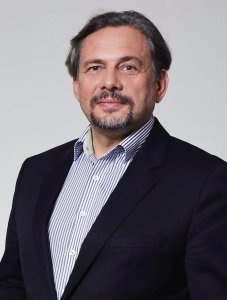
الدكتور Artur A. Antoniewicz، MD، PhD، أخصائي مسالك بولية بخبرة تزيد على 20 عامًا. ترأس قسم المسالك البولية في مستشفى مييندزيليسكي التخصصي في وارسو لمدة 7 سنوات. ويعمل في المستشفى منذ أكثر من 20 عامًا. ومنذ 2018 يجري عمليات بمساعدة الروبوت في مركز علاج سرطان البروستاتا.
تخرّج في كلية الطب الأولى بجامعة وارسو الطبية. وهو اختصاصي في المسالك البولية والجراحة العامة (1992). عمل في المستشفى السريري الحكومي رقم 1 في وارسو، وقسم المسالك البولية بجامعة وارسو الطبية، ومستشفى السكك الحديدية في و

الدكتور توماش جيد هو أخصائي مؤهل تأهيلاً عالياً في جراحة المسالك البولية والجراحة العامة، ومعروف بتشخيصاته الدقيقة وعلاجاته الفعالة في الحالات الصعبة.
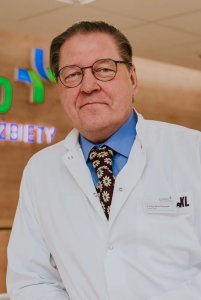
الدكتور Maciej Zbrzezniak اختصاصي مسالك بولية حاصل على شهادة FEBU (2000). نال دكتوراه في العلوم الطبية في يناير 2004؛ وكان عنوان أطروحته: "جدوى الدراسات الديناميكية للبول في تأهيل مرضى تضخم البروستاتا الحميد للعلاج الجراحي"، تحت إشراف البروفيسور Andrzej Borówka. تخرّج في أكاديمية الطب في وارسو (1986–1993).
يركّز عمله السريري على تدبير حصيات الكلى والحالب (PCNL، RIRS، URSL) وتشخيص ديناميكا البول. كما يعالج تضخم البروستاتا الحميد علاجياً تحفظياً وباستئصال البروستاتا عبر الإحليل (TURP)، و
 Anna Leonova
يجب أن يبدأ التحضير الرسمي لزراعة الكلى في بولندا عندما ينخفض معدل الترشيح الكبيبي المقدر (eGFR) لديك إلى 20 مل/دقيقة/1.73 م². يسمح هذا الحد لمرض الكلى المزمن في المرحلة الرابعة بإجراء عملية زراعة استباقية. يساعد اتخاذ إجراء مبكر في تجنب غسيل الكلى وتقصير فترة الانتظار الإجمالية.
رؤية خبير Bookimed: يمكن للمرضى في بولندا تسريع عملية التأهيل العامة التقليدية التي تستغرق 12 شهرًا باستخدام مسارات التشخيص الخاصة. تظهر البيانات أنه على الرغم من دقة النظام الوطني، فإن إكمال الفحوصات الأولية بشكل خاص يمكن أن يقلل مرحلة التقييم إلى 3 أشهر فقط. هذا أمر حيوي لأولئك الذين يعانون من مرض الكلى المتعدد الكيسات، حيث تتطلب الأكياس الكبيرة غالبًا وقت تعافٍ إضافي قبل أن تتم عملية الزراعة الفعلية.
إجماع المرضى: يؤكد المرضى على ضرورة الاتصال بمراكز زراعة الأعضاء بمجرد وصول معدل الترشيح الكبيبي إلى 25 لضمان مطابقة المتبرع الحي. يشير الكثيرون إلى أن التحضير المبكر هو الطريقة الوحيدة للتعامل مع البيروقراطية الإدارية بفعالية.
يجب أن تحصل المراكز الطبية البولندية التي تقدم عمليات زراعة الكلى للمرضى الدوليين المصابين بمرض تكيس الكلى على شهادة وطنية من وزارة الصحة. تحافظ مرافق مثل المستشفى الجامعي في كراكوف ومستشفى ماتوبات في تورون على اعتمادات ISO أو JCI. تضمن هذه المعايير أن خدمات أمراض الكلى وزراعة الأعضاء المتخصصة تتبع بروتوكولات السلامة الأوروبية بدقة.
رؤية خبير Bookimed: على الرغم من أن بولندا تلبي أكثر من 430 طلباً دولياً سنوياً، إلا أن عمليات زراعة الكلى للمواطنين من خارج الاتحاد الأوروبي معقدة بسبب الأولويات المحلية. إذا لم تكن لديك روابط عائلية بولندية، ففكر في مراكز مثل عيادة KCM لجراحة الكلى بالمنظار المتقدمة. يتخصص الدكتور توماش جيد في عيادة KCM في جراحة المسالك البولية طفيفة التوغل، وهو أمر حيوي لإدارة أعراض مرض تكيس الكلى قبل أن تصبح عملية الزراعة ضرورية.
إجماع المرضى: يشير المرضى إلى أنه على الرغم من أن مرافق غسيل الكلى البولندية ممتازة، إلا أن تأمين مكان للزراعة يتطلب غالباً إقامة موثقة أو تأميناً صحياً أوروبياً محدداً. يقترح الكثيرون التحقق
يجب على المرضى التخطيط لإقامة إجمالية تتراوح من 6 إلى 13 أسبوعًا في بولندا. يشمل الجدول الزمني من أسبوع إلى أسبوعين للتشخيص. تتطلب الجراحة والاستشفاء من أسبوع إلى 3 أسابيع. يجب أن تبقى محليًا لمدة 4 إلى 8 أسابيع للمراقبة الخارجية والتعافي.
رؤية خبير Bookimed: بولندا وجهة ذات حجم كبير، حيث تحتل المرتبة التاسعة عالميًا في شبكتنا للطلبات الطبية. بالنسبة لمرض الكلى المتعدد الكيسات، يؤكد متخصصون مثل الدكتور توماش جيد في عيادة KCM على جراحة الكلى بالمنظار. يجب على المرضى مراعاة 3 إلى 5 أيام إضافية لتقييمات الكلى الأصلية أو تصريف الكيسات قبل الزرع.
إجماع المرضى: يوصي المرضى بحجز سكن مرن بالقرب من العيادة لمدة لا تقل عن 6 أسابيع. ويؤكدون على أهمية إحضار مقدم رعاية واستخدام تطبيقات الترجمة للمساعدة في إدارة عملية الخروج السريعة.
تستخدم مراكز زراعة الأعضاء البولندية نظام صيانة يعتمد على العلاج الثلاثي لمتلقي زراعة الكلى المصابين بداء الكلى المتعدد الكيسات. يجمع هذا البروتوكول عادةً بين تاكروليموس، وميكوفينولات موفيتيل، وبريدنيزون. غالبًا ما تتلقى الحالات عالية الخطورة تحريضًا باستخدام باسليكسيماب أو الغلوبولين المضاد للخلايا التائية. تقدم المراكز المتخصصة مثل عيادة KCM جراحة بالمنظار للحالات المعقدة.
رؤية خبير Bookimed: تحتل بولندا المرتبة التاسعة عالميًا في شبكتنا من حيث طلبات المرضى. نرى اتجاهًا قويًا حيث تفضل المراكز البولندية مثبطات mTOR مثل إيفيروليموس لحالات معينة من PKD. يساعد هذا الاختيار في إدارة الكلى الأصلية الكبيرة مع الحفاظ على كبت المناعة. يتخصص الدكتور توماش جيد في عيادة KCM في جراحات الكلى بالمنظار التي غالبًا ما تكون مطلوبة قبل بدء هذه البروتوكولات.
إجماع المرضى: يؤكد المرضى على أهمية مراقبة مستويات تاكروليموس والفحص الدوري لفيروسات CMV أو BK. يشير الكثيرون إلى أن المناقشات المبكرة حول تقليل الستيرويدات تساعد في تقليل المخاطر طويلة المدى مثل مرض السكري.
تشمل بدائل استئصال الكلية الكامل قبل الزرع الانصمام الشرياني عبر القسطرة، وشفط الكيسات، وبضع الكيسات بالمنظار. تقلل هذه الخيارات طفيفة التوغل من حجم الكلى مع تجنب الجراحة الكبرى. تسمح إجراءات مثل تنظير البطن بمساعدة اليد بإزالة أو تقليل حجم الكلى المتعددة الكيسات المتضخمة بشكل كبير بطريقة أكثر أماناً.
رؤية خبير Bookimed: أصبحت بولندا مركزاً لجراحة المسالك البولية طفيفة التوغل. يقوم متخصصون مثل الدكتور توماش جيد في عيادة KCM بإجراءات تنظيرية معقدة. تظهر البيانات أن المرضى غالباً ما يختارون المراكز البولندية للتقنيات التنظيرية المتقدمة. تُفضل هذه الطرق عندما يقل حجم الكلى عن 25 سم. قد تتطلب الكلى الأكبر حجماً النهج الهجين بمساعدة اليد لضمان السلامة.
إجماع المرضى: يشير المرضى إلى أن شفط الكيسات وعلاج التصلب يمكن أن يكسبا وقتاً ويوفران الراحة لمدة تصل إلى 18 شهراً. يقترح الكثيرون طلب آراء ثانية في مراكز أكبر في مدن مثل وارسو أو كراكوف للحصول على هذه الخيارات التي تجنب استئصال الكلية.
قبل السفر إلى بولندا لتقييم زراعة الكلى المتعددة الكيسات (PKD)، يجب عليك تحديث تطعيمات معينة. وتشمل هذه التهاب الكبد B، ومرض المكورات الرئوية، والإنفلونزا الموسمية. تقترح البروتوكولات الطبية البولندية أيضًا جرعات معززة لشلل الأطفال والتهاب الكبد A. يجب إكمال اللقاحات الحية قبل 4 أسابيع من التقييم.
رؤية خبير Bookimed: تُظهر بيانات المرضى أن المراكز البولندية تعطي الأولوية لتوثيق اللقاحات على العلامات التجارية المحددة. تتطلب معظم التقييمات سجلات مترجمة إلى البولندية أو الإنجليزية. يركز خبراء مثل الدكتور توماش جيد في عيادة KCM على التحضير التشخيصي الدقيق. تأكد من اختبار عيارات الأجسام المضادة لديك إذا كنت تخضع حاليًا لغسيل الكلى. هذا يؤكد أن مستويات مناعتك عالية بما يكفي لقائمة انتظار الزراعة.
إجماع المرضى: يؤكد المرضى على طلب قائمة مرجعية خاصة بالمركز قبل 8 أسابيع من السفر. يوصي الكثيرون بتوثيق سجلات التطعيم لدى كاتب عدل لتجنب التأخير أثناء الاستشارة الطبية الأولية.
يدير المتخصصون البولنديون مضاعفات مرض الكلى المتعدد الكيسات بعد الزرع من خلال العلاج بالمضادات الحيوية الموجهة والتصوير العصبي المتقدم. تتبع المراكز بروتوكولات الجمعيات الوطنية باستخدام الفلوروكينولونات الوريدية لالتهابات الكيسات. تستخدم الفرق متعددة التخصصات تصوير الأوعية بالرنين المغناطيسي للكشف عن تمدد الأوعية الدموية الدماغية، بغض النظر عن التاريخ العائلي.
رؤية خبير Bookimed: تحتل بولندا مرتبة ضمن أفضل 10 دول عالمياً في الطلبات الطبية، مما يعكس ثقة سريرية عالية. يتخصص كبار أطباء المسالك البولية مثل الدكتور توماش جيد في عيادة KCM في جراحة الكلى بالمنظار. هذه الخبرة في الجراحة طفيفة التوغل ضرورية للمرضى الذين يحتاجون إلى استئصال الكلية الأصلية بعد الزرع. يساعد تقليل الصدمة الجراحية في حماية العضو المزروع حديثاً من الإجه
تُقدم جراحة الأعصاب في بولندا رعاية عالية الجودة في مرافق معتمدة من قبل اللجنة الدولية المشتركة (JCI) والمنظمة الدولية للمعايير (ISO). يلتزم جراحو الأعصاب البولنديون بمعايير تدريب صارمة معتمدة من قبل الاتحاد الأوروبي. وقد أكمل العديد منهم زمالات في الولايات المتحدة أو ألمانيا. وتتوفر التقنيات المتقدمة، مثل جهاز سايبر نايف وجهاز جاما نايف والأنظمة الروبوتية، على نطاق واسع في المراكز الخاصة.
رأي خبراء بوكيمد: تُظهر البيانات وجود علاقة وثيقة بين تخصص العيادة وأصول مرضاها. تعالج عيادة KCM أكثر من 700 مريض دولي سنويًا، وهي متخصصة في جراحة العمود الفقري طفيفة التوغل. يُمكّنها هذا الحجم من العمل من تقديم باقات خدمات متخصصة، تشمل غالبًا حواجز تشخيصية وزرعات محددة،
يُعدّ جراحو الأعصاب البولنديون متخصصين ذوي كفاءة عالية، إذ أتموا ما لا يقل عن 13 عامًا من التدريب الطبي المكثف. يشمل ذلك ست سنوات من الدراسة في كلية الطب، و13 شهرًا من التدريب العملي، وست سنوات من الإقامة. ويجب عليهم اجتياز امتحان التخصص الحكومي (PES)، وغالبًا ما يحصلون على شهادة من الجمعية الأوروبية لجمعيات جراحة الأعصاب (EANS).
رأي خبراء بوكيميد: تشير البيانات إلى أن جراحي الأعصاب البولنديين غالبًا ما يتخصصون في تقنيات بالغة التخصص، مثل نظام ApiFix أو نظام SED-YESS لتنظير الفقرات القطنية. ويجمع أخصائيون مثل الدكتور ستانيسواف كويك من عيادة KCM بين أبحاث ما بعد الدكتوراه والممارسة الجراحية النشطة. هذا المزيج من المعرفة الأكاديمية المتعمقة والخبرة الجراحية الوا
من بين أفضل عيادات جراحة الأعصاب في بولندا مستشفى كارولينا، وعيادة KCM، ومراكز أكاديمية رائدة مثل مستشفى جامعة كراكوف. تقدم هذه المؤسسات علاجات متطورة لأمراض العمود الفقري والدماغ، مطابقة لمعايير الجودة ISO، وتضم أخصائيين أعضاء في منظمات دولية مثل AO Spine.
رأي خبراء بوكيمد: بينما يتجه الكثيرون إلى أكبر المستشفيات، تُظهر البيانات أن عيادات مثل مستشفى كارولينا تُقدم كفاءة أعلى في العمليات الجراحية الاختيارية. فمع وجود أكثر من 40 طبيباً متخصصاً في هذه المنشأة التي تضم 30 سريراً، تكون نسبة الأطباء إلى المرضى أعلى بكثير مما هي عليه في المراكز الجامعية الحكومية. وهذا يعني رعاية ما بعد الجراحة أكثر عناية، وجدولة أسرع بكثير لإجراءات مثل علاج الانزلاق الغضروفي