جراحة الوجه والفكين في فيتنام — التكاليف 2026


تمت مراجعة المقالة طبيا من قبل
فهد مولود
ما هي تكلفة جراحة الوجه والفكين في فيتنام؟ اكتشف الآن
Maxillofacial surgery in Vietnam typically costs between $3,900 and $7,200. The total expense depends on the surgical complexity, the technology used for 3D planning, and the type of medical facility chosen. Patients can expect approximately 60-70% savings compared to prices in the United States.
Typical Maxillofacial Surgery Costs in Vietnam
- CT of the mandible: من $20
- Orthognathic surgery: من $7,200
- Mandibular osteotomy: من $3,200
- Jaw Implant: $2,800 – $4,500
Major medical centers are located in Ho Chi Minh City and Hanoi, providing access to both public and private international hospitals. Prices may be lower at public facilities compared to private clinics. Consult with a specialist to get accurate pricing for your specific case.
| فيتنام | تركيا | تايلاند | |
|---|---|---|---|
| فغر العظم الفك السفلي | من $3,200 | من $8,000 | ≈ $4,000 |
| جراحة تكبير الفك | ≈ $2,800 | من $3,700 | من $5,000 |
| جراحة تقويم الأسنان | من $7,200 | من $5,800 | من $20,100 |
جميع أمراض جراحة الوجه والفكين
مزاياك وضماناتك مع Bookimed
أسعار مباشرة
Bookimed لا يضيف رسوماً إضافية على أسعار علاج جراحة الوجه والفكين. الأسعار مأخوذة من قوائم الأسعار الرسمية للعيادات. تدفع مباشرة في العيادة مقابل علاجك عند وصولك إلى البلد.
عيادات وأطباء معتمدون فقط
Bookimed ملتزم بسلامتك. نحن نعمل فقط مع المؤسسات الطبية التي تحافظ على معايير دولية عالية في علاج جراحة الوجه والفكين ولديها التراخيص اللازمة لخدمة المرضى الدوليين في جميع أنحاء العالم.
مساعدة مجانية على مدار الساعة
Bookimed يقدم مساعدة خبراء مجانية. منسق طبي شخصي يدعمك قبل وأثناء وبعد العلاج، ويحل أي مشاكل. لن تكون وحيداً أبداً في رحلة علاج جراحة الوجه والفكين.

منسقك الطبي الشخصي في Bookimed
- يدعمك في كل مرحلة
- المساعدة في اختيار العيادة الطبية المناسبة والطبيب المناسب
- يضمن الوصول السريع والمريح إلى المعلومات
اكتشف أفضل عيادات جراحة الوجه والفكين: 2 خيارات معتمدة والأسعار
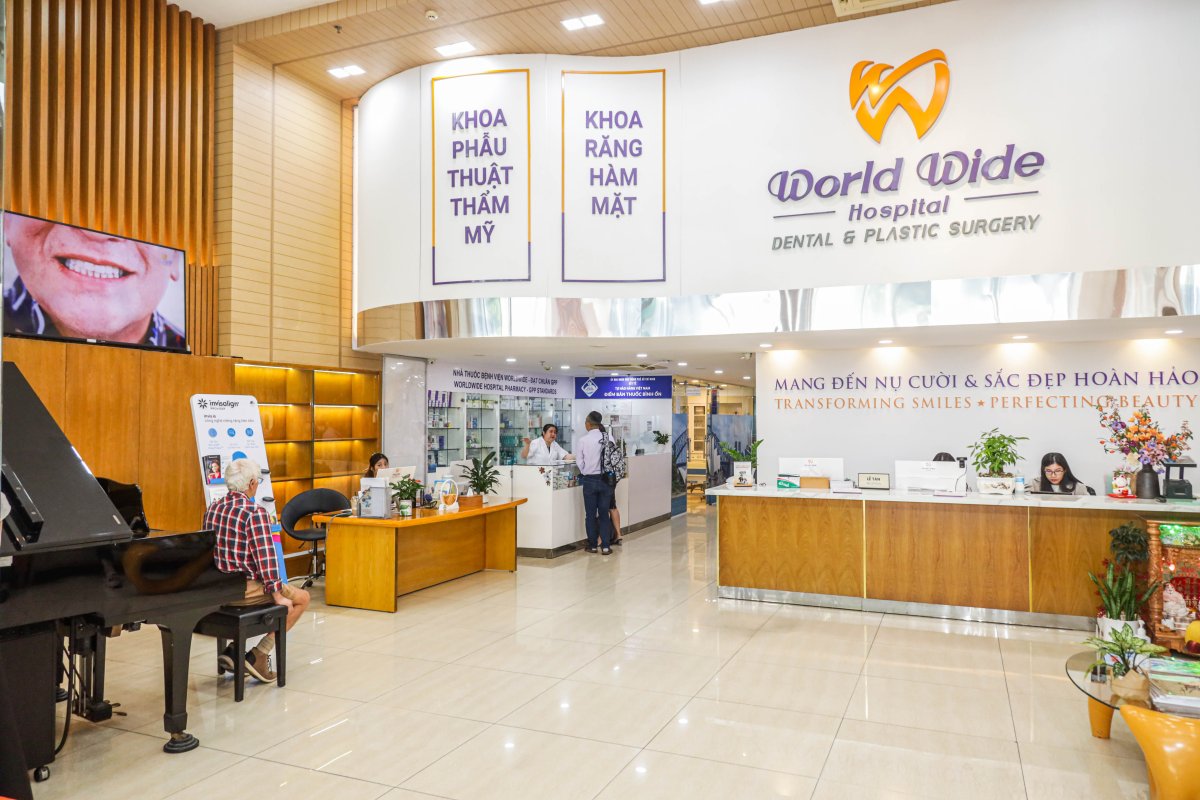



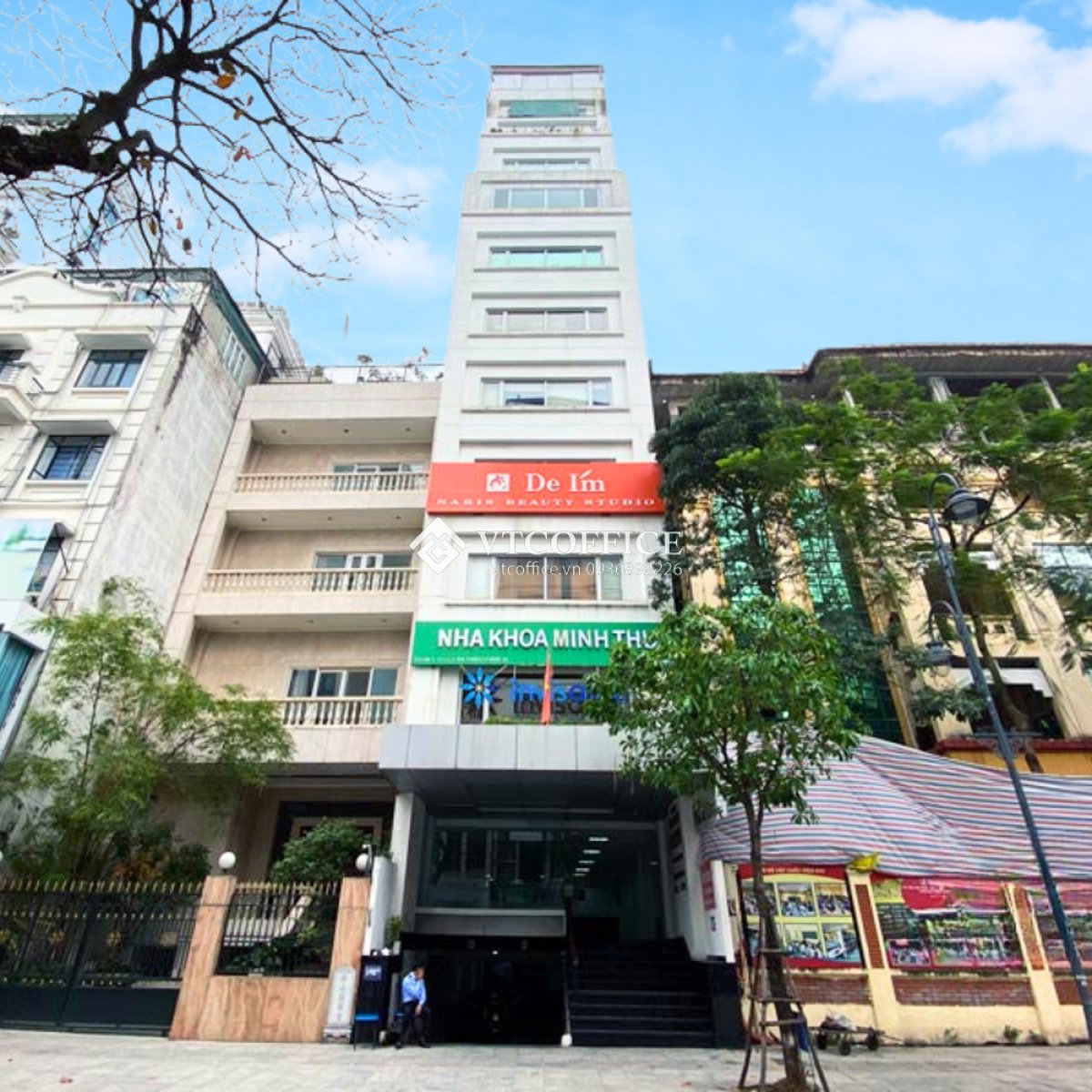

احصل على تقييم طبي لـ جراحة الوجه والفكين في فيتنام. استشر الآن 15 أطباء ذوي الخبرة.
عرض جميع الأطباء
Do Nhu Chuyen
أكثر من 5000 حالة زراعة ناجحة - يتخصص الدكتور دو نهو شوين في زراعة الأسنان وإجراءات الوجه والفكين في عيادة جرينفيلد لطب الأسنان.
- خبرة تزيد عن 7 سنوات في جراحة الأسنان والوجه والفكين
- ماهر في قشور الأسنان (فينير) وخلع الأسنان
- خريج جامعة هانوي الطبية

Kim Truc
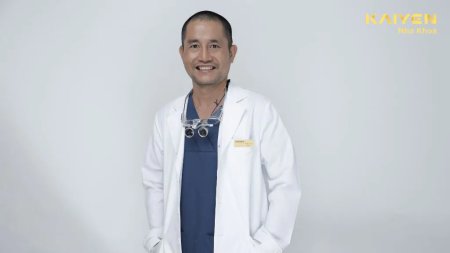
Dr Phong
مشاركة المحتوى
قصص فيديو من مرضى Bookimed
 Anna Leonova
أسئلة متكررة حول جراحة الوجه والفكين في فيتنام
ما هي أنواع جراحات الوجه والفكين التي يتم إجراؤها في فيتنام؟
تقوم فيتنام بشكل روتيني بإجراء إجراءات معقدة في طب وجراحة الفم والفكين بما في ذلك جراحة الفك التقويمية، وإعادة بناء الوجه بعد الصدمات، وزراعة الأسنان المتقدمة. تستخدم المراكز المتخصصة في مدينة هوشي منه وهانوي غرسات الزيجوماتيك وتقنية التنظير المفصلي. غالباً ما تتميز هذه المرافق بوجود مختبرات داخلية لتحليلات تشخيصية سريعة وتخطيط جراحي دقيق.
- جراحة تصحيح الفك: تعالج الإجراءات التقويمية بفعالية بروز الفكين السفلي والعلوي، وتعيد تشكيل شكل الوجه على هيئة حرف V للتجميل.
- إعادة بناء الصدمات: يقوم الجراحون بإصلاح عظام الوجه باستخدام تقنيات الأسلاك والألواح المتقدمة.
- زراعة الأسنان المتقدمة: العيادات تقدم زراعة متخصصة لغرسات الزيجوماتيك وتقنية زراعة ZTwingen.
- علاجات مفصل الفك الصدغي: يتم التعامل مع اضطرابات المفصل الصدغي الفكية المزمنة ومشاكل المحاذاة بتقنية التنظير المفصلي الأقل غزواً.
رأي خبير من Bookimed: مراكز جراحة الفم والفكين في فيتنام مثل مستشفى الأسنان والتجميل الشامل تقدم خدمات شاملة تجمع بين خدمات المستشفيات ورعاية الأسنان. تدير هذه المراكز أكثر من 5000 مريض سنوياً بتوفير مراقبة طبية داخلية على مدار الساعة. تتيح لها هذه البنية التحتية إجراء جراحات كبيرة مثل جراحة الفكين المزدوجة واستخراجات معقدة بأمان في مكان واحد.
توافق المرضى: يلاحظ المرضى أن إعادة توجيه الفك شائعة جداً لأسباب وظيفية وجمالية. يوصون بالتأكيد على دعم اللغة الإنجليزية في وقت مبكر حيث قد تختلف مستويات التواصل في العيادات الخاصة.
من هو المرشح المناسب لجراحة الفك والوجه التصحيحية في فيتنام؟
المرشح الجيد لجراحة تصحيح الفك في فيتنام يعاني من مشاكل وظيفية مثل سوء إطباق الأسنان الشديد، أو ألم مزمن في الفك، أو صعوبات في التنفس. يتم تأكيد الأهلية عادةً للبالغين الذين تتراوح أعمارهم بين 20 و50 عامًا بمجرد اكتمال نمو الوجه. يتطلب الجراحون فحوصات CBCT ثلاثية الأبعاد مفصلة للتشخيص الدقيق.
- المعايير الوظيفية: غالبًا ما يعاني المرشحون من انقطاع النفس أثناء النوم، أو اضطرابات المفصل الصدغي الفكي، أو أنماط الفصل الثاني/الثالث الكبيرة.
- حالة النمو: يجب على المرضى عادة الانتظار حتى سن 18-20 عندما تكون لوحات نمو الوجه قد أُغلقت.
- التاريخ الطبي: يقيم الجراحون كثافة العظام ويفحصون الحالات المزمنة مثل السكري أو التدخين.
- عمق التقييم: يخضع المرشحون الناجحون لتحليل سفالومتري وتصوير قبل الجراحة شامل قبل أي تخطيط جراحي.
رؤية خبير بوكيميد: توفر مراكز جراحة الوجه والفكين في فيتنام مثل مستشفى طب وجراحة الأسنان والتجميل العالمية رعاية كبيرة الحجم، حيث تعالج 5000 مريض سنويًا. يسمح هذا الحجم للعيادات بالحفاظ على معامل أسنان داخل الموقع. تظهر بياناتنا أن المستشفيات التي تحتوي على معامل داخلية تنتج أجهزة موجه الجراحة بدقة أكبر. غالبًا ما يؤدي هذا التكامل إلى تحسين نتائج المحاذاة لإعادة البناء الفكي المعقدة.
اتفاق المرضى: يشير المرضى إلى أن الجراحين البارزين يفضلون الإصلاح الوظيفي على التغييرات التجميلية البحتة. يقترحون تجنب العيادات التي لا تُصر على تصوير ثلاثي الأبعاد شامل قبل الاستشارة الأولية.
كيف أتحقق من مؤهلات جراح الوجه والفكين في فيتنام؟
تحقق من كفاءة الجراحين في فيتنام من خلال البحث عن ترخيص وزارة الصحة والتدريب الدولي للمرحلة العليا. غالبًا ما يحمل الجراحون المتخصصون درجات علمية من جامعة هانوي الطبية. ابحث عن شهادات من مؤسسات عالمية مثل جامعة بوردو II أو جامعة يونسي للإجراءات المتقدمة لجراحة الفم والوجه والفكين.
- التعليم الطبي: ابحث عن درجة دكتور في جراحة الأسنان (DDS) من جامعات فيتنامية معترف بها.
- التدريب الدولي: كبار المتخصصين غالبًا ما يكملون برامج الدراسات العليا في فرنسا أو كوريا الجنوبية أو روسيا.
- الخبرة السريرية: اعط الأولوية للجراحين الذين قاموا بأداء أكثر من 5,000 إجراء، مثل الدكتور فو تونج جوانج.
- اعتماد المنشأة: اختر المستشفيات التي تحمل وضع مقدم الخدمة الرسمي من العلامات التجارية العالمية مثل شتراومان أو بيو 3.
نظرة خبراء Bookimed: يتجه مجال جراحة الفم والفكين في فيتنام نحو مراكز متخصصة بمستوى المستشفيات بدلاً من العيادات الصغيرة. تُظهر البيانات من مدينة هو تشي منه أن منشآت مثل مستشفى جراحة الأسنان والتجميل العالمي تدمج أجنحة كاملة للرعاية الداخلية ومختبرات في الموقع. هذا الإعداد يدعم الجراحات الفكية المعقدة التي تتطلب مراقبة بعد الجراحة على مدار الساعة والتعديلات التشخيصية الفورية.
إجماع المرضى: يركز المرضى على أهمية التحقق من تدريب الجراح المحدد في كوريا الجنوبية أو تايوان لعملية تشكيل الفك. يقترحون طلب صور قبل وبعد غير محررة وربما الحصول على رأي ثانٍ عبر استشارة فيديو قبل السفر.
هل جراحة الوجه والفكين في فيتنام آمنة؟
جراحة الوجه والفكين في فيتنام تكون آمنة عند إجرائها في المستشفيات المعتمدة. تشمل الاعتبارات الأساسية المخاطر التي يمكن التحكم فيها مثل التورم والعدوى أو خدر الأعصاب المؤقت. يستفيد المرضى في المرافق الرائدة مثل مستشفى Worldwide لجراحة الأسنان والتجميل من الرعاية الداخلية على مدار الساعة. وهذا يقلل بشكل كبير من مضاعفات ما بعد الجراحة.
- مكافحة العدوى: تستخدم المستشفيات بيئات معقمة لمنع العدوى خلال عملية الشفاء.
- إدارة التورم: تساعد الرعاية المكثفة بعد الجراحة في إدارة تورم الوجه خلال الأسابيع الأولى.
- سلامة الأعصاب: يستخدم الجراحون المتمرسون تقنيات دقيقة لحماية وظائف الأعصاب الوجهية بشكل فعال.
- سلامة التخدير: توفر الفرق المتخصصة مراقبة مستمرة لضمان انتعاش سلس من التنويم.
رؤية خبير من Bookimed: تركز أفضل العيادات في فيتنام على الرعاية الشاملة لتحسين نتائج السلامة. يحتوي مستشفى Worldwide لجراحة الأسنان والتجميل على مختبر في الموقع وأجنحة داخلية متخصصة. يضمن هذا التكامل أن 5,000 مريض سنويًا يحصلون على التعديلات الفورية. تمنع هذه اللوجستيات الداخلية من خطر عدم محاذاة الأجهزة الشائع في أماكن أخرى.
إجماع المرضى: يؤكد المرضى على البقاء محليًا لمدة لا تقل عن 4 أسابيع لمراقبة الشفاء. كما يقترحون حزم مجموعة للعناية بالجروح الشخصية لزيادة الاطمئنان.
ما هي عملية التعافي بعد جراحات الوجه والفكين الكبرى في فيتنام؟
التعافي بعد جراحة الوجه والفكين الكبرى في فيتنام يستغرق عادة من 6 إلى 8 أسابيع لاستعادة الوظيفة الكاملة. يخرج معظم المرضى من المستشفى في غضون 3 إلى 5 أيام. يتزايد التورم عادة بحلول اليوم الرابع. غالباً ما يعود المرضى إلى العمل المكتبي بعد 4 إلى 6 أسابيع من الراحة.
- الشفاء الأولي: يتم خروج المرضى من المستشفى عادة بعد 3 إلى 5 أيام من العملية الأساسية.
- مراحل النظام الغذائي: يحتاج المرضى إلى نظام غذائي سائل في البداية، ثم ينتقلون إلى الأطعمة الطرية بحلول الأسبوع الرابع.
- إدارة التورم: يتراجع معظم التورم في غضون أسبوعين، ويتم حله تماماً بحلول 6 أسابيع.
- مستويات النشاط: يُنصح بالمشي الخفيف بحلول اليوم الخامس لتعزيز الدورة الدموية الصحية.
- التعافي الكامل: تصل عمليات إعادة بناء الفك الرئيسية عادة إلى نتائج مستقرة في غضون 3 إلى 6 أشهر.
رأي خبراء بوكيميد: غالباً ما توفر المستشفيات الفيتنامية مثل مستشفى طب الأسنان والجراحة التجميلية العالمي خدمات شاملة في الموقع. إجراء فحوصات الدم، والأشعة السينية، والجراحة في منشأة واحدة يبسط عملية ما قبل الجراحة. هذه الكفاءة تمكن الجراحين من بدء إعادة التأهيل المكثف في وقت أبكر. تضمن مختبرات الأسنان في الموقع أيضاً أن أي جبائر أو تركيبات تحتاج إليها تتناسب بشكل مثالي. يقلل هذا من الحاجة إلى التعديلات خلال مرحلة الشفاء الحساسة المبكرة.
إجماع المرضى: يلاحظ المرضى أن الفرق الطبية المحلية تستخدم الثلج المتكرر والستيرويدات لإدارة التورم بفعالية. يقترح العديد منهم تخزين مش
هل تترك جراحة الوجه والفكين في فيتنام ندوباً مرئية؟
عادةً لا تكون الندوب الخارجية مرئية بعد جراحة الفك في فيتنام. يستخدم الجراحون المهرة أسلوباً داخل الفم، مما يعني أنهم يضعون الشقوق داخل الفم. يرى معظم المرضى عدم وجود ندوب مرئية بعد 6 أشهر من إجراءات مثل ليفورت I أو BSSO. تضمن العيادات المتخصصة نتائج عالية الجودة.
- مكان الشقوق: يفضل الجراحون التقنية الداخلية. هذا يمنع أي علامات مرئية على الوجه.
- الندوب المخفية: تقع الشقوق الخارجية النادرة على طول خط الشعر. هذه الندوب تندمج مع فروة الرأس.
- تعافي الجلد: عادةً ما تتلاشى الندوب إلى خطوط بيضاء رفيعة. تستغرق هذه العملية من 1 إلى 2 سنوات.
- رعاية المرضى: توفر عيادات مثل مستشفى جراحة الأسنان والتجميل العالمية الرعاية بعد الجراحة 24/7.
رأي خبير بوكيميد: تُعتبر فيتنام مركزاً للعمل المكثف في مجال طب الأسنان والجراحة الفكية. يخدم مستشفى جراحة الأسنان والتجميل العالمية وحده 5000 مريض سنوياً. يتيح هذا الحجم الكبير للعيادات الحفاظ على مختبرات في الموقع وأجنحة للمرضى المتخصصين. غالباً ما تقدم هذه المرافق دعماً أكبر للتعافي مقارنة بالعيادات الصغيرة في مناطق أخرى.
إجماع المرضى: يشير المرضى إلى أن اتباع رعاية ما بعد الجراحة مثل استخدام صفائح السيليكون أمر حيوي للشفاء. يشعر معظمهم بالراحة لاكتشاف أن الشقوق داخل الفم تترك الوجه يبدو طبيعياً بالكامل.
ما هي حالة جراحة الوجه والفكين في فيتنام؟
تُعد مدينة هو تشي منه المحور الرئيسي في فيتنام لجراحة الفم والوجه والفكين المعترف بها دوليًا. تتميز المستشفيات هناك بشهادات من مزودي خدمات طب الأسنان العالميين مثل Straumann وBio3 Implants. توفر هذه المرافق تشخيصات شاملة في الموقع، بما في ذلك اختبارات الدم والأشعة السينية والرعاية المتخصصة للمرضى الداخليين للحالات المعقدة.
- مدينة هو تشي منه: الوجهة الرائدة لحالات جراحة الفم والوجه والفكين الخارجية والتجميلية الدولية.
- الاعتماد الأكاديمي: تحمل المرافق مكانة مزود رسمي لمنتجات Straumann السويسرية وBio3 Implants الألمانية.
- هانوي: موطن لجراحين تلقوا تدريبًا متقدمًا في روسيا وفرنسا وكوريا الجنوبية.
- مختبرات داخلية: تستخدم المراكز الكبرى مختبرات الأسنان الداخلية لتحقيق نتائج جراحية دقيقة.
رؤية خبير Bookimed: تُظهر البيانات أن عيادات مدينة هو تشي منه مثل مستشفى Worldwide Dental & Plastic Surgery تخدم 5000 مريض سنويًا. يسافر العديد من الولايات المتحدة وكندا وأستراليا خصيصًا إليها. غالبًا ما توفر هذه المراكز ذات الحجم الكبير أكثر من 21 سريرًا للتعافي بعد الجراحة. اختيار عيادة تتضمن جناحًا داخليًا للمرضى يعد أمرًا حيويًا لإجراءات جراحة الفم والوجه والفكين المعقدة.
رأي المرضى: يُفيد المرضى أن مدينة هو تشي منه تُعد المكان الأكثر استقبالاً للمرضى الدوليين المختلفين لإجراء الجراحات المعقدة في الوجه. يوصي الكثيرون بالتأكد من أن الطاقم يتحدث الإنجليزية بطلاقة قبل وصولك.