جراحة الوجه والفكين في الهند — التكاليف 2026


تمت مراجعة المقالة طبيا من قبل
فهد مولود
ما هي تكلفة جراحة الوجه والفكين في الهند؟ اكتشف الآن
| الهند | تركيا | تايلاند | |
|---|---|---|---|
| فغر العظم الفك السفلي | ≈ $3,800 | من $8,000 | ≈ $4,000 |
| جراحة تكبير الفك | ≈ $2,600 | من $3,500 | من $5,000 |
| جراحة تقويم الأسنان | ≈ $4,500 | من $5,800 | من $20,100 |
جميع أمراض جراحة الوجه والفكين
مزاياك وضماناتك مع Bookimed
أسعار مباشرة
Bookimed لا يضيف رسوماً إضافية على أسعار علاج جراحة الوجه والفكين. الأسعار مأخوذة من قوائم الأسعار الرسمية للعيادات. تدفع مباشرة في العيادة مقابل علاجك عند وصولك إلى البلد.
عيادات وأطباء معتمدون فقط
Bookimed ملتزم بسلامتك. نحن نعمل فقط مع المؤسسات الطبية التي تحافظ على معايير دولية عالية في علاج جراحة الوجه والفكين ولديها التراخيص اللازمة لخدمة المرضى الدوليين في جميع أنحاء العالم.
مساعدة مجانية على مدار الساعة
Bookimed يقدم مساعدة خبراء مجانية. منسق طبي شخصي يدعمك قبل وأثناء وبعد العلاج، ويحل أي مشاكل. لن تكون وحيداً أبداً في رحلة علاج جراحة الوجه والفكين.

منسقك الطبي الشخصي في Bookimed
- يدعمك في كل مرحلة
- المساعدة في اختيار العيادة الطبية المناسبة والطبيب المناسب
- يضمن الوصول السريع والمريح إلى المعلومات
اكتشف أفضل عيادات جراحة الوجه والفكين: 12 خيارات معتمدة والأسعار

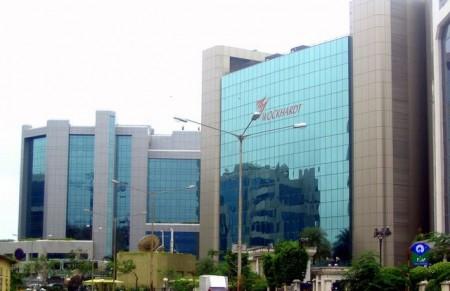
Wockhardt Hospital










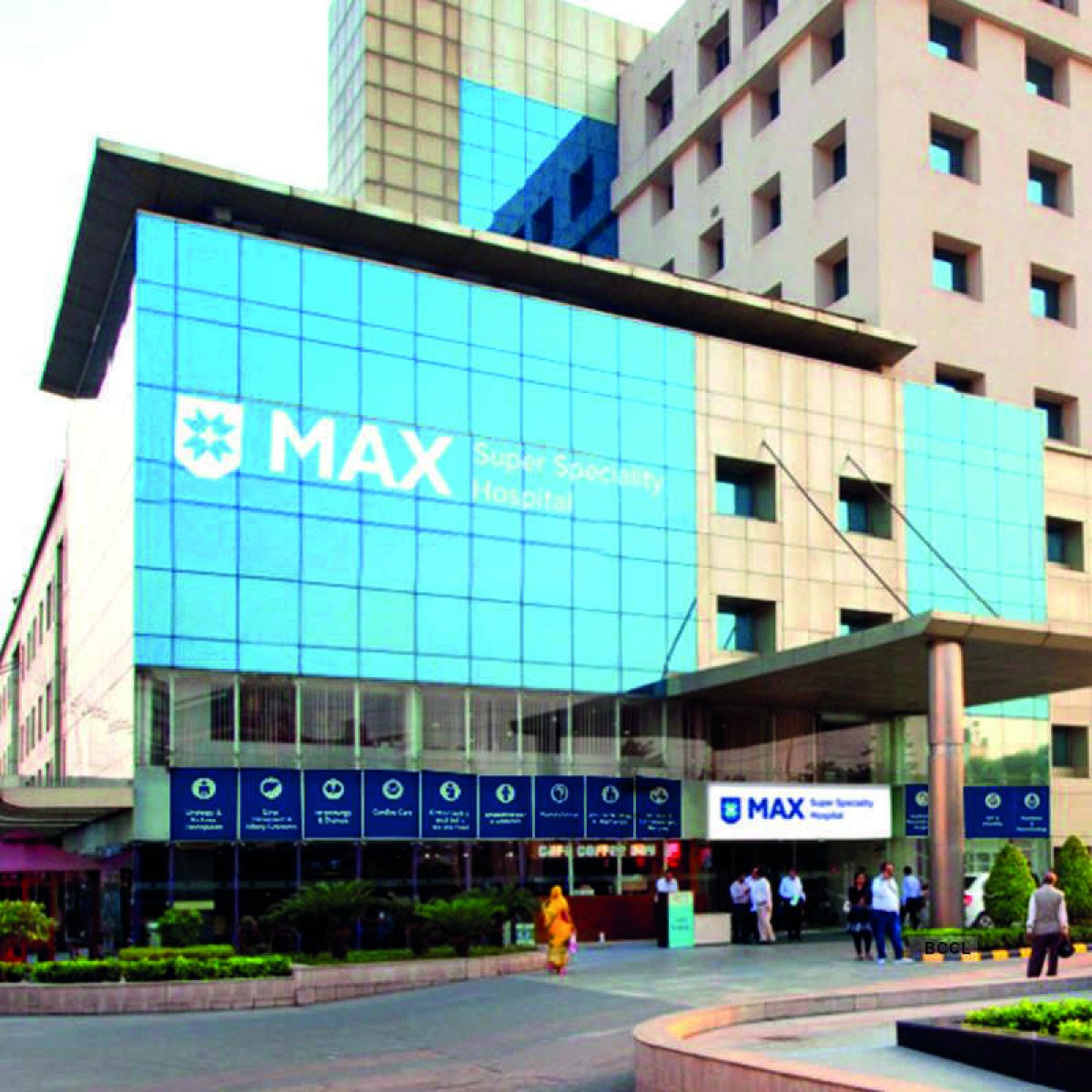
Max Vaishali
أفضل مراكز جراحة الوجه والفكين في الهند
- Medanta Hospital, الهند
- Wockhardt Hospital, الهند
- Manipal Hospitals, الهند
- Global Hospital Chennai, الهند
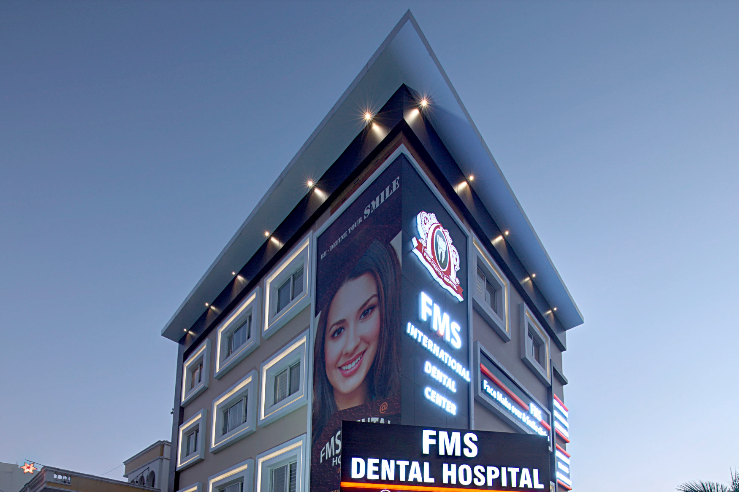
- FMS International Dental Center, الهند
- Global Hospital Mumbai, الهند
- Manipal Goa Hospital, الهند
- Aster Medcity, الهند
- HCG Manavata Cancer Centre, الهند
- Max Vaishali, الهند
احصل على تقييم طبي لـ جراحة الوجه والفكين في الهند. استشر الآن 8 أطباء ذوي الخبرة.
عرض جميع الأطباء
Preeti Yadav
تتخصص الدكتورة بريتي ياداف في تحديد خط الفك مع أكثر من عقد من الخبرة في الجراحة التجميلية في Konarc Aesthetics.
- نهج شامل مخصص لاحتياجات كل مريض الفريدة
- خبير في جراحة تجميل الوجه بما في ذلك إجراءات خط الفك
- يوفر حلولاً مستدامة للمخاوف الجمالية
- جراحة تجميل تركز على الاحتياجات الخاصة للمرأة
Rangnath Jhawar

Sanchaita Kohli
مشاركة المحتوى
قصص فيديو من مرضى Bookimed
 Anna Leonova
أسئلة متكررة حول جراحة الوجه والفكين في الهند
ما هي مؤهلات جراحي الوجه والفكين في الهند؟
يجتاز جراحو الفم والوجه والفكين الهنود المؤهلون برنامج بكالوريوس جراحة الأسنان (BDS) لمدة 5 سنوات يليه برنامج ماجستير جراحة الأسنان (MDS) لمدة 3 سنوات. يجب عليهم التسجيل لدى مجلس طب الأسنان في الهند (DCI). يمارس العديد منهم العمل في منشآت معتمدة من NABH مثل مستشفيات مانيبال أو مستشفى ميدانتا.
- الأساس الأكاديمي: إتمام بكالوريوس جراحة الأسنان لمدة 5 سنوات وماجستير جراحة الفم والوجه والفكين لمدة 3 سنوات.
- التسجيل الإلزامي: يجب أن يحمل الجراحون تسجيلًا نشطًا لدى مجلس طب الأسنان في الهند (DCI).
- التدريب السريري: تشمل الإقامة تدريبًا مكثفًا في الصدمات والأورام وجراحة التصحيح الترميمية للوجه.
- اعتمادات متقدمة: غالبًا ما يسعى المتخصصون البارزون لإجراء زمالات دولية في المملكة المتحدة أو الولايات المتحدة الأمريكية أو ألمانيا.
رؤية خبيرة من Bookimed: يُعَدّ حجم العمل السريري عاملًا رئيسيًا مميزًا في الهند. الجراحون في مراكز عالية القدرة مثل مركز FMS الدولي للأسنان، الذي يعالج مليون مريض سنويًا، غالبًا ما يديرون حالات تصحيحية معقدة أكثر من تلك الموجودة في العيادات الخاصة الأصغر. عند الاختيار، فضلوا الممارسين في المستشفيات متعددة التخصصات مثل مستشفى جلوبال في تشيناي، حيث تتعاون فرق الفم والوجه والفكين مع أقسام الأورام والتجميل.
إجماع المرضى: يلاحظ المرضى أنه من الضروري التحقق من أن درجة الماجستير في جراحة الأسنان صادرة عن جامعة حكومية معترف بها أو جامعة خاصة من الدرجة الأولى. يقترحون طلب حجم حالات محددة للإجراءات المعقدة بدلاً من
كيف يتم تنظيم سلامة جراحة الوجه والفكين في الهند؟
تراقب الهند سلامة جراحة الوجه والفكين من خلال معايير مجلس الاعتماد الوطني للمستشفيات ومقدمي الرعاية الصحية (NABH) الإلزامية. كما أن المرافق الرائدة مثل أستر مدسيتي تحافظ على اعتماد اللجنة المشتركة الدولية (JCI). تتطلب هذه الهيئات تتبعاً دقيقاً لنتائج الجراحة. تستخدم المستشفيات سجلات داخلية وتدقيقات سريرية مراجعَة من قبل الأقران لضمان سلامة المرضى.
- اعتماد المستشفيات: تفرض معايير NABH وJCI تقارير صارمة لنتائج الجراحة.
- التدقيق السريري: تقوم مرافق مثل مستشفيات مانيبال بتتبع بيانات 2,000,000 مريض سنويًا.
- المعايير النوعية: تضمن المختبرات المعتمدة من NABL في مستشفى جلوبال تشيناي مراقبة تشخيصية دقيقة.
- المراكز المتخصصة: يتبع مركز FMS الدولي للأسنان البروتوكولات الدولية للإجراءات الوجه والفكين.
رؤى خبراء Bookimed: غالبًا ما تُظهر المراكز ذات الكثافة العالية في الهند أنماط سلامة متفوقة بسبب الأعداد الكبيرة من الحالات. فعلى سبيل المثال، ينفذ مستشفى جلوبال تشيناي 18,000 عملية جراحية سنويًا. يتيح هذا النطاق فرق الجراحة لتحسين البروتوكولات. يجب على المرضى إعطاء الأولوية للعيادات التي تتمتع بكل من شهادات NABH وNABL. يضمن هذا الجمع السلامة في كل من غرفة العمليات والمختبر التشخيصي.
إجماع المرضى: يلاحظ المرضى أنه من المهم التحقق من التاريخ الخاص بالجراحين على المنصات الاجتماعية والمجموعات المخصصة. يركزون غالبًا على سماع تجارب التعافي الحقيقية ومكافحة العدوى بدلاً من مجرد النظر إلى كتيبات العيادة.
ما هي خيارات جراحة الوجه والفكين المتقدمة المتاحة في الهند؟
تقدم الهند تقنيات متقدمة في جراحة الوجه والفكين تشمل تمدد لي فورت الأول وتقنية شق السهمي الثنائي (BSSO). تصحح هذه الإجراءات اصطدام الفك في المراكز المعتمدة من JCI مثل مستشفى أستر ميدسيتي. كما يستخدم الجراحون الترميميون تثبيت الصفائح التيتانيوم وتقنيات طفيفة التوغل لحالات الصدمات الوجهية المعقدة.
- تقنيات التصحيح: الإجراءات القياسية تشمل تمدد لي فورت الأول وتقنية شق السهمي الثنائي (BSSO).
- بروتوكولات الصدمات: يولي الجراحون الأولوية لتثبيت الصفائح التيتانيوم لكسور الفك السفلي والوجه الأوسط.
- التخطيط المتقدم: توفر المدن من الفئة الأولى تخطيط جراحي افتراضي (VSP) وطباعة ثلاثية الأبعاد.
- المراكز المتخصصة: يتميز مركز FMS الدولي لطب الأسنان في جراحة الفم والوجه والفكين.
رؤية خبراء Bookimed: تُظهر بيانات من مستشفيات مانيبال ومستشفى جلوبال تشيناي حجمًا كبيرًا من حالات الترميمية. على الرغم من أن العديد من المرضى يبحثون عن تشكيل خط الفك الجمالي، إلا أن هذه المراكز تُجري أكثر من 18,000 عملية سنويًا. يضمن هذا الحجم الحفاظ على الجراحين بكفاءة عالية في تصحيح اللدغة الوظيفية جنبًا إلى جنب مع النتائج التجميلية. اختر المنشآت التي تحتوي على مختبرات معتمدة من NABL لضمان تشخيصات دقيقة قبل الجراحة.
اتفاق المرضى: يلاحظ المرضى أنه على الرغم من توفر التخطيط ثلاثي الأبعاد، قد تحتاج إلى طلبه بشكل محدد. يحذر الكثيرون من التورم الكبير الذي يستمر من 4 إلى 6 أسابيع ويوصون بالتخطيط لاتباع حمية سائلة خلال فترة التعافي الأولى.
كم تستغرق فترة التعافي بعد جراحة الوجه والفكين في الهند؟
التعافي بعد جراحة الوجه والفكين في الهند يتطلب عادة مدة تتراوح من 4 إلى 8 أسابيع للتعامل مع التورم الكبير. ويحتاج التئام العظام الكامل عادة من 6 إلى 12 شهرًا. يكون الألم أسوأ خلال الأيام من 3 إلى 7 الأولى. يدير الأخصائيون هذه الأعراض بواسطة مزيج من الأدوية وبروتوكولات كثيفة للتبريد.
- البقاء في المستشفى: عادةً ما يبقى المرضى في المستشفى لمدة تتراوح من 2 إلى 3 أيام للمراقبة الأولية.
- إدارة الألم: تتحول البروتوكولات من الأدوية الكثيفة إلى مضادات الالتهاب غير الستيرويدية خلال الأسبوع الأول.
- القيود الغذائية: يُفرض نظام غذائي صارم يعتمد على السوائل وغير قابل للمضغ لمدة تتراوح من 4 إلى 6 أسابيع تقريبًا.
- السيطرة على التورم: يبلغ التورم ذروته بحلول اليوم الخامس وغالبًا ما يتطلب استخدام الستيرويدات بشكل مُدار.
- مستويات النشاط: يجب على المرضى تجنب التمارين الشاقة والحرارة لمنع زيادة التورم في الوجه.
رؤية خبراء Bookimed: تُظهر البيانات من المراكز عالية النشاط مثل مركز FMS الدولي لطب الأسنان أن المرافق المتخصصة غالبًا ما تدير أكثر من مليون مريض. يتيح هذا الحجم للعيادات توفير مجموعات شاملة بعد الجراحة. وتحتوي هذه المجموعات في كثير من الأحيان على أدوية محددة للألم العصبي مثل الجابابنتين. وهذا أمرٌ ضروري لأن الشعور بالوخز المرتبط بالأعصاب يمكن أن يستمر لفترة أطول بكثير من ألم العظام نفسه.
اتفاق المرضى: يبرز المرضى ضرورة شراء خلاط عالي السرعة قبل الجراحة للحفاظ على التغذية خلال مرحلة السوائل فقط. يلاحظ الكث
ما هي المدة الموصى بها للإقامة في الهند لإجراء جراحة الفم والوجه والفكين؟
يُنصح السائحون الطبيون بالتخطيط للإقامة في الهند لمدة تتراوح بين 14 إلى 21 يومًا لإجراء جراحة الوجه والفكين. هذه الفترة الزمنية تتيح القيام بالتقييمات الضرورية قبل العملية والشفاء. يركز معظم المرضى على الشفاء الحرج خلال الأيام 7 إلى 10 الأولى. وتوفر المراكز المتخصصة في مومباي وبنغالورو وحيدر آباد رعاية شاملة.
- الشفاء الأولي: تُعتبر الأيام السبعة الأولى حاسمة لمراقبة التورم والشفاء.
- سلامة السفر: يُوصى الجراحون بالانتظار على الأقل 10 أيام قبل السفر بالطائرة بسبب الضغط الجوي داخل الطائرة.
- الرعاية اللاحقة: عادةً ما تتم إزالة الخيوط الجراحية والفحوصات النهائية بين اليوم العاشر والرابع عشر.
- قرب العيادة: ينبغي على المرضى البقاء بالقرب من المنشأة خلال الأيام الخمسة الأولى بعد الجراحة.
رأي خبير Bookimed: تُظهر البيانات السريرية أن المنشآت التي تستقبل أكثر من مليون مريض سنويًا، مثل مركز FMS الدولي لطب الأسنان، غالبًا ما تكون لديها بروتوكولات ما بعد الجراحة مرتبة ومُنظمة للغاية. عادةً ما تُنسق هذه المراكز ذات الحجم الكبير جميع المواعيد اللاحقة ضمن مدة 12 يومًا. تُساعد هذه الكفاءة المرضى الدوليين على تقليل تكاليف الفنادق دون التأثير على أمان الجراحة أو جودة الشفاء.
إجماع المرضى: يُؤكد المرضى على ضرورة البقاء لمدة لا تقل عن أسبوعين حيث يصل التورم إلى ذروته حوالي اليوم الخامس، مما يجعل السفر المبكر غير مريح للغاية. ينصح الكثيرون بالوصول قبل عدة أيام لإجراء الاستشارات بدلاً من بدء الجراحة في يوم الوصول.
ما هي أفضل المدن في الهند لجراحة الوجه والفكين؟
تتصدر بنغالور وحيدر آباد وتشيناي الهند في برامج جراحة الوجه والفكين بمعايير دولية. تستضيف هذه المدن منشآت معتمدة من JCI وNABH. تقدم هذه المنشآت تخطيطًا جراحيًا ثلاثي الأبعاد وإعادة بناء متقدمة. تقدم مراكز مثل مركز FMS الدولي لطب الأسنان ومستشفيات مانيبال رعاية متخصصة للفم والوجه.
- بنغالور: تخدم مستشفيات مانيبال 2,000,000 مريض سنويًا من خلال بروتوكولات معتمدة iso وتصوير متقدم.
- حيدر آباد: يحتل مركز FMS الدولي لطب الأسنان المرتبة الأولى من بين أفضل 5 على مستوى العالم حسب التصنيف العالمي للعيادات.
- تشيناي: حصل مستشفى جلوبال تشيناي على جوائز أفضل مستشفيات من نيوزويك لأجل التميز الجراحي عالي الكفاءة.
- جورجاون: يتميز مستشفى مدانتا بمركز بحثي مخصص و1,600 سرير للحالات المعقدة.
رؤية خبير Bookimed: بنغالور تعد مركزًا ناشئًا للعناية بالوجه والفكين المعتمدة على التكنولوجيا. تُظهر بياناتنا أن المستشفيات هناك، مثل مانيبال، تدمج التصوير ثلاثي الأبعاد و CBCT كإجراءات قياسية. تجذب هذه البنية التحتية الحديثة العديد من المرضى الدوليين. تحتل مرتبة أعلى في استشارات ما قبل العملية الرقمية مقارنة بالمراكز الطبية الأقدم.
توافق المرضى: يلاحظ المرضى أن دلهي تقدم أوقات انتظار أقصر للعمليات الجراحية. يشير المرضى في مومباي إلى التركيز على تحسين ملامح الفكين التجميلية لكنهم يذكرون تكاليف أعلى. يؤكد الكثيرون على التحقق من الزمالات الدولية وقدرات التخطيط ثلاثي الأبعاد قبل الحجز.
هل تترك جراحات الفم والوجه والفكين في الهند ندوباً مرئية؟
معظم جراحات الوجه والفكين في الهند لا تترك ندوبًا مرئية على الوجه. عادة ما يقوم الجراحون بإجراء الشقوق داخل الفم أثناء عمليات تقويم الفكين. هذا النهج يخفي جميع علامات الجراحة بالكامل. كما أن إصلاحات إصابات الوجه تفضل هذه النقاط الداخلية أو الطيات الطبيعية المخفية للوصول.
- مكان الشق: يقوم الجراحون بعمل شقوق داخل اللثة أو الشفاه لتصحيح محاذاة الفك.
- إصلاح الإصابات: غالبًا ما تستخدم كسور الفك السفلي الطرق الفموية لتجنب ندوب الجلد الخارجية.
- جدول زمني للشفاء: عادةً ما تتلاشى خطوط الإصابات الخارجية إلى علامات بيضاء باهتة خلال سنة واحدة.
- تقنيات متقدمة: تقلل الطرق التنظيرية في المستشفيات مثل ميدنتا من الندوب في إجراءات الذقن.
رأي خبراء Bookimed: توفر المراكز ذات الحجم الكبير في الهند، مثل مستشفيات مانيبال التي تعالج 2,000,000 مريض سنويًا، خبرة فريدة في علاجات التجميل الترميمية. غالبًا ما يجمع جراحوهم بين تصحيح وظائف الفك والتجميل. يضمن هذا التركيز المزدوج أن التغييرات الهيكلية تعزز ملامح الوجه مع الحفاظ على نقاط دخول الجراحة غير مرئية تمامًا.
إجماع المرضى: يشير المرضى إلى أن التورم الأولي يخفي أي كدمات، وبحلول 18 شهرًا، تظهر نتائج جراحة الفك المزدوج بلا خطوط مرئية. ويؤكد الأشخاص الذين يعانون من تمزقات في الوجه على استخدام الألواح السيلكونية مبكرًا ليساعد في تلاشي الندوب إلى قوام الجلد الطبيعي.