جراحة الوجه والفكين في تايلاند — التكاليف 2026


تمت مراجعة المقالة طبيا من قبل
فهد مولود
ما هي تكلفة جراحة الوجه والفكين في تايلاند؟ اكتشف الآن
تتراوح تكلفة جراحة الوجه والفكين في تايلاند عادةً ما بين $5,800 / 197,200฿ و $20,100 / 683,400฿. وتختلف النفقات بناءً على ما إذا كان الإجراء وظيفياً أو تجميلياً، ومدى تعقيد محاذاة الفك، ومدة الإقامة في المستشفى. وغالباً ما يجد المرضى توفيراً يتراوح بين 65-85% مقارنة بالأسعار في الولايات المتحدة.
تكاليف جراحة الوجه والفكين النموذجية في تايلاند
- استشارة جراح الوجه والفكين: من $200 / 6,800฿
- تصوير مقطعي للفك السفلي: $80 / 2,700฿ – $100 / 3,400฿
- جراحة تقويم الفك: من $20,100 / 683,400฿
- قطع عظم الفك السفلي: $4,000 / 136,000฿ – $6,500 / 221,000฿
- زراعة الفك: من $5,000 / 170,000฿
تُعد بانكوك المركز الرئيسي لإجراءات الفك المتخصصة، بينما قد تقدم العيادات في بوكيت وتشيانغ ماي أسعاراً أقل لتحديد ملامح الوجه التجميلية. استشر أخصائياً للحصول على تسعير دقيق وخطة علاج مصممة خصيصاً لحالتك.
| تركيا | تايلاند | كوريا الجنوبية | |
|---|---|---|---|
| فغر العظم الفك السفلي | من $8,000 / 272,000฿ | ≈ $4,000 / 136,000฿ | من $2,800 / 95,200฿ |
| جراحة تكبير الفك | من $3,900 / 132,600฿ | من $5,000 / 170,000฿ | من $5,200 / 176,800฿ |
| جراحة تقويم الأسنان | من $5,800 / 197,200฿ | من $20,100 / 683,400฿ | من $14,000 / 476,000฿ |
جميع أمراض جراحة الوجه والفكين
مزاياك وضماناتك مع Bookimed
أسعار مباشرة
Bookimed لا يضيف رسوماً إضافية على أسعار علاج جراحة الوجه والفكين. الأسعار مأخوذة من قوائم الأسعار الرسمية للعيادات. تدفع مباشرة في العيادة مقابل علاجك عند وصولك إلى البلد.
عيادات وأطباء معتمدون فقط
Bookimed ملتزم بسلامتك. نحن نعمل فقط مع المؤسسات الطبية التي تحافظ على معايير دولية عالية في علاج جراحة الوجه والفكين ولديها التراخيص اللازمة لخدمة المرضى الدوليين في جميع أنحاء العالم.
مساعدة مجانية على مدار الساعة
Bookimed يقدم مساعدة خبراء مجانية. منسق طبي شخصي يدعمك قبل وأثناء وبعد العلاج، ويحل أي مشاكل. لن تكون وحيداً أبداً في رحلة علاج جراحة الوجه والفكين.

منسقك الطبي الشخصي في Bookimed
- يدعمك في كل مرحلة
- المساعدة في اختيار العيادة الطبية المناسبة والطبيب المناسب
- يضمن الوصول السريع والمريح إلى المعلومات
اكتشف أفضل عيادات جراحة الوجه والفكين: 31 خيارات معتمدة والأسعار










Dr. Chen Surgery Hospital International Center




أفضل مراكز جراحة الوجه والفكين في تايلاند
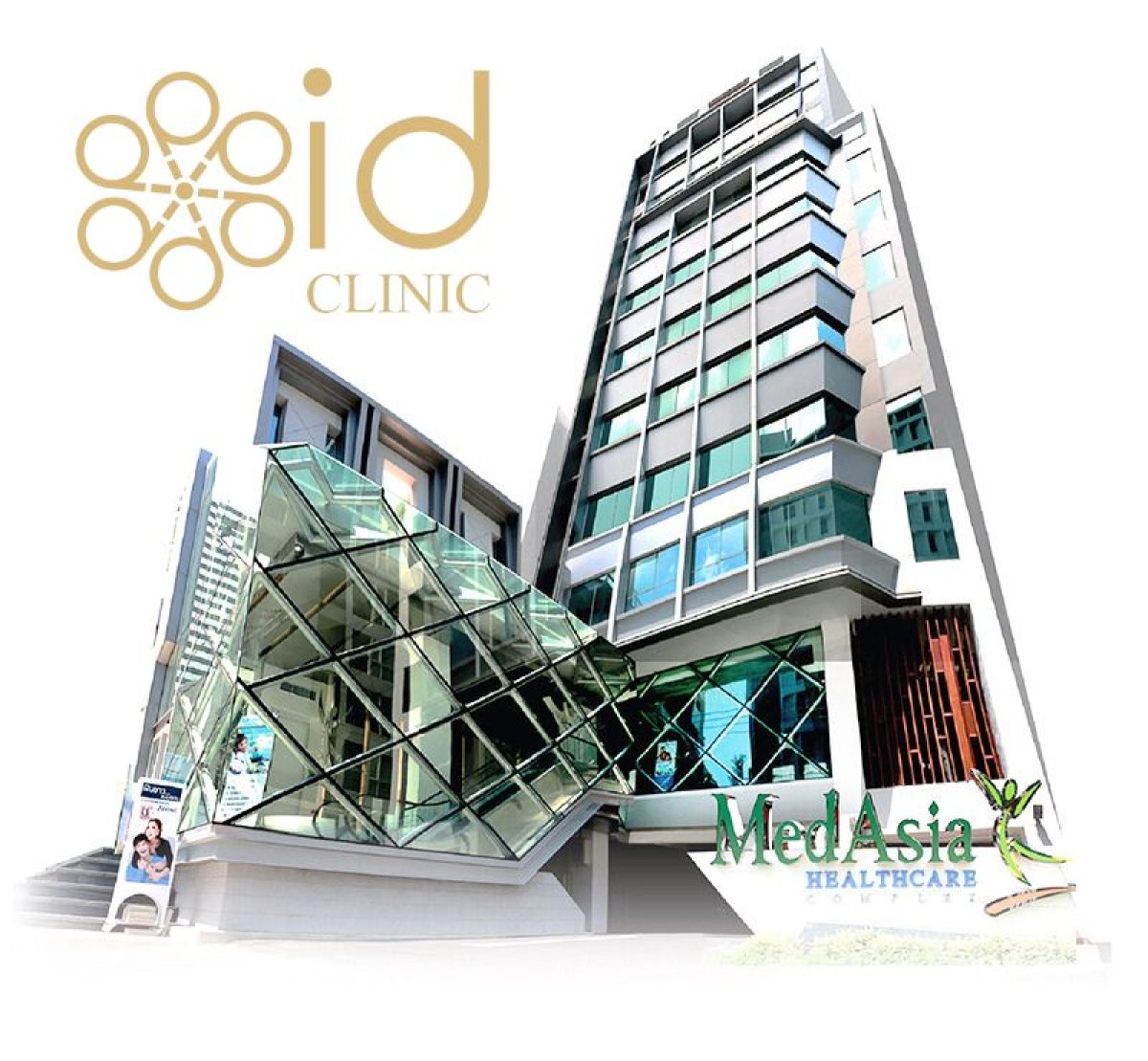
- ID Clinic Bangkok, تايلاند
- Asia Cosmetic Hospital, تايلاند
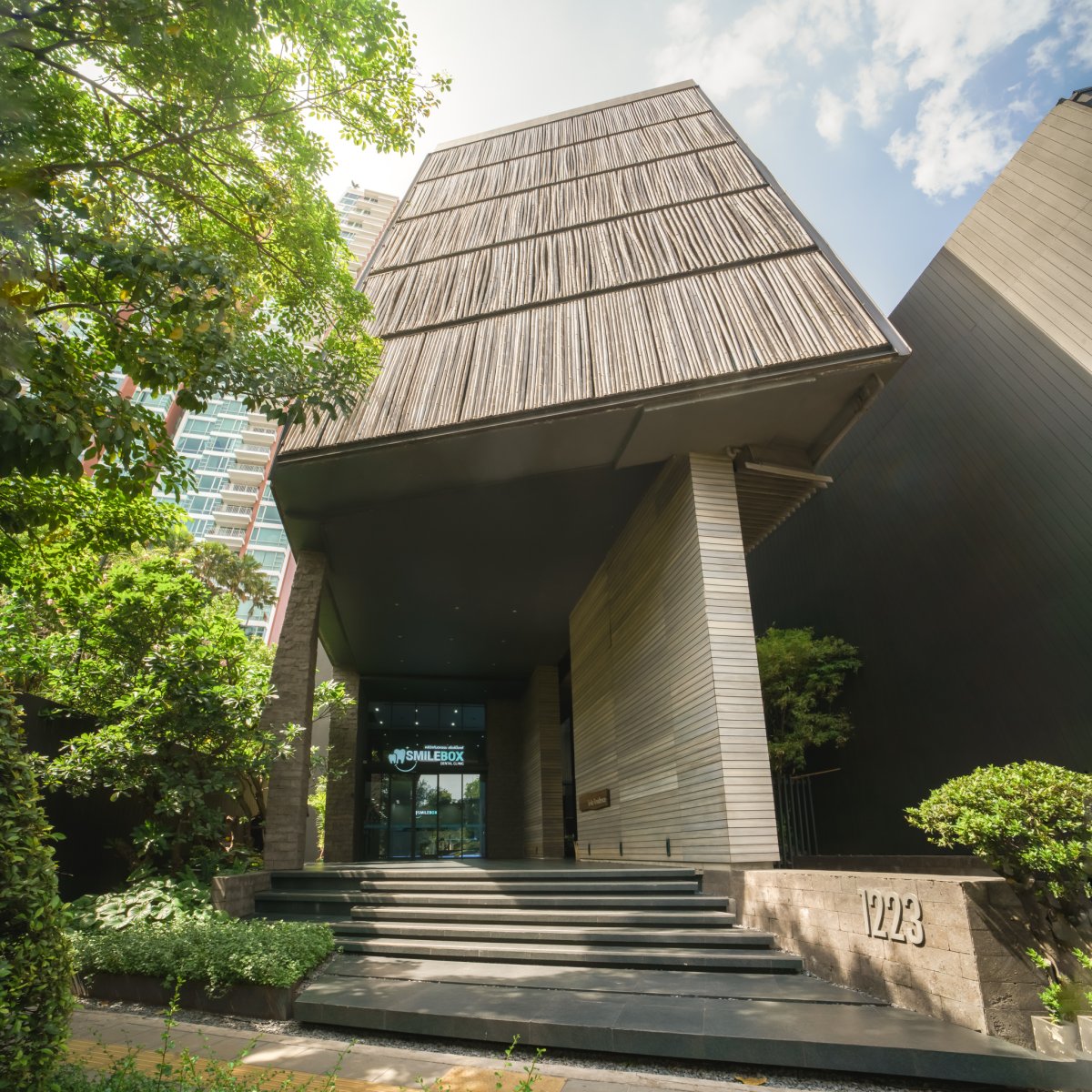
- SmileBox Dental Clinic - Thonglor, Sukhumvit Branch, تايلاند
- Bumrungrad International Hospital, تايلاند
- Bangkok International Dental Center , تايلاند
- Dr. Chen Surgery Hospital International Center, تايلاند
- Kitcha Dental Clinic, تايلاند
- Smile Signature Dental Clinic, تايلاند
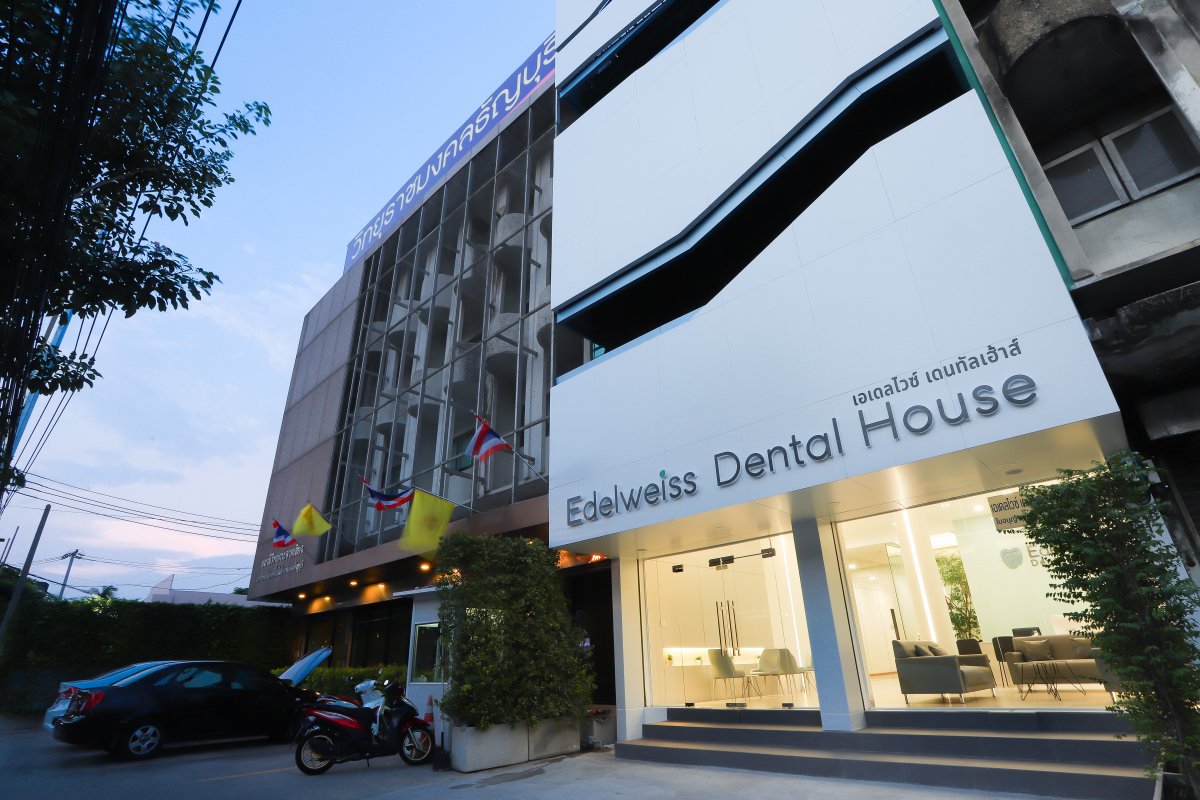
- Edelweiss Dental House, تايلاند
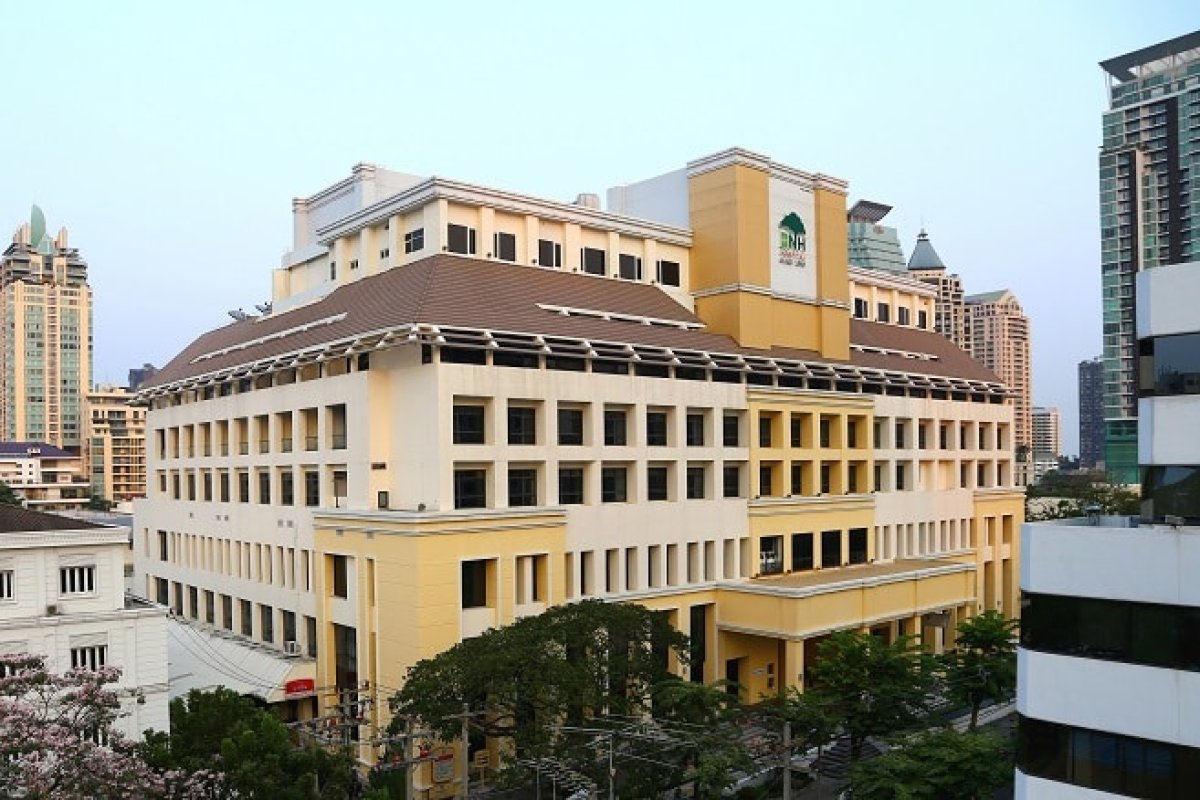
- BNH Hospital, تايلاند
احصل على تقييم طبي لـ جراحة الوجه والفكين في تايلاند. استشر الآن 19 أطباء ذوي الخبرة.
عرض جميع الأطباء
Tanongsak Panyawirunroj
يتخصص الدكتور تانونجساك في جراحة الوجه والجمجمة والجراحة التجميلية مع تدريب دولي في تايوان والولايات المتحدة وكندا وكوريا الجنوبية.
- أكثر من 15 عاماً من الخبرة في الجراحة التجميلية والترميمية
- حاصل على شهادة في جراحة الوجه والفكين AO وجراحة الوجه والجمجمة
- مؤسس والمدير التنفيذي لعيادة ASIA
- يجري عمليات تجميل الأنف وجراحة الوجه بدقة
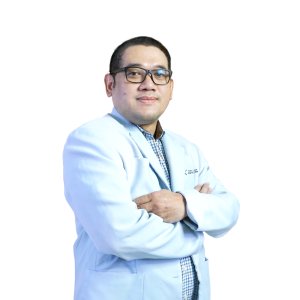
Thanakom Laisakul
يتخصص الدكتور ثاناكوم لايساكول في جراحة الوجه والفكين التجميلية والترميمية في مستشفى آسيا للتجميل، حيث يجمع بين الدقة واللمسة الفنية.
- تدرب في جراحة التجميل في مستشفى راماتيبودي
- خبير في تقنيات تجديد شباب الوجه وتحديد ملامحه
- خبرة دولية في سنغافورة وكوريا والولايات المتحدة الأمريكية
- عضو في الجمعية الدولية للجراحة التجميلية

Thanaphat Pomyukon
الدكتور ثانافات بوميكون جرّاح عام (ศัลยแพทย์ทั่วไป). رقم الترخيص الطبي التايلاندي: ว.50550. حصل على درجة دكتور في الطب (MD) من كلية الطب بجامعة شولالونغكورن. كما يحمل دبلوم البورد التايلاندي في الجراحة العامة من مستشفى روي إت، وزارة الصحة.
يركّز عمله السريري على الفتوق والبواسير. كما يعالج كتل الثدي وحصوات المرارة. ويعالج أمراض الجهاز الهضمي. ويُجري تنظير الجهاز الهضمي، بما في ذلك تنظير المعدة وتنظير القولون.
اللغات: التايلاندية (الرئيسية) والإنجليزية (مستوى مهني سريري).

Phattrapohn Liangcheep
الدكتورة Phattrapohn Liangcheep، M.D.، جرّاحة تجميل وترميم حاصلة على شهادة البورد. تتخصص في جراحات تجميل الوجه وتجديد الشباب والجراحات الترميمية. تعالج شيخوخة الوجه، وتدلّي الجفون، وأكياس الجفون، وتشوهات الأنف، وعدم تماثل الوجه، وتشوهات الأذن أو الشفاه، وندبات الوجه، والآفات الحميدة للجلد والأنسجة الرخوة، وتراكمات الدهون الموضعية.
الاعتمادات: دبلوم البورد التايلاندي في جراحة التجميل والترميم. تدريب في جراحة التجميل والترميم في مستشفى سيريراج، جامعة ماهيدول. درجة M.D. من كلية طب فرامونغ
مشاركة المحتوى
قصص فيديو من مرضى Bookimed
 Anna Leonova
أسئلة متكررة حول جراحة الوجه والفكين في تايلاند
هل جراحة الوجه والفكين في تايلاند آمنة؟
تكون جراحة الوجه والفكين في تايلاند آمنة عندما تُجرى في مرافق معتمدة من قبل اللجنة الدولية المشتركة (JCI) بواسطة أخصائيين معتمدين من المجلس. يجب أن يحمل الجراحون دبلوم المجلس التايلاندي لجراحة الفم والوجه والفكين. تحافظ المستشفيات الرائدة مثل مستشفى بومرونجراد الدولي على معايير السلامة الدولية وتحقق معدلات نجاح عالية لإجراءات الفك المعقدة.
- شهادات الجراحين: يحمل الأخصائيون شهادات المجلس التايلاندي لجراحة الفم والوجه والفكين وزمالات دولية.
- اعتماد المستشفيات: تحافظ المراكز الكبرى على اعتماد اللجنة الدولية المشتركة (JCI) ومعايير ISO الدولية.
- فرق متخصصة: تجرى الجراحة تحت إشراف أطباء التخدير وأطباء القلب لضمان السلامة.
- التكنولوجيا المتطورة: تستخدم المرافق التصوير الرقمي والأنظمة الروبوتية للتخطيط الدقيق لجراحة الفكين التقويمية.
رؤية خبراء بوكيميد: تُظهر البيانات أن المراكز في بانكوك التي تستقبل أكثر من 20,000 مريض سنوياً، مثل مركز بانكوك الدولي لطب الأسنان، عادة ما يكون لدى الجراحين درجات مزدوجة في طب الأسنان والطب. هذه الخبرة المشتركة تعتبر إشارة جودة رئيسية. عادة ما تتعامل هذه العيادات ذات الحجم الكبير مع استئصال العظم الفكي السفلي المعقد بشكل أكثر تكراراً من المراكز التجميلية الأصغر.
إجماع المرضى: يشير المرضى إلى أنه من الضروري البقاء 10-14 يوماً بعد الجراحة. يمكن أن يؤدي السفر في وقت مبكر إلى مضاعفات لأن تورم الوجه عادة ما يصل إلى ذروته حوالي اليوم الخامس. ينصحون باختيار المستشفيات الحضرية الكبرى على العيادات الريفي
ما هي مخاطر جراحة الوجه والفكين؟
المخاطر الأساسية لجراحة الوجه والفكين تشمل الضرر العصبي، العدوى، وانتفاخ طويل الأمد. قد يعاني المرضى من خدر مؤقت أو دائم في الذقن أو الشفاه أو اللسان. يمكن أيضًا حدوث مضاعفات هيكلية مثل اختلال الانطباق أو ضعف المفصل. يستخدم الجراحون المتخصصون في تايلاند تقنيات تصوير ثلاثي الأبعاد متقدمة لتقليل هذه المخاطر.
- إصابة العصب: قد يحدث خدر دائم في الشفة السفلى أو الذقن بعد قطع الأسنان الفكي السفلي.
- التغيرات الهيكلية: قد يتطلب انحراف الانطباق بعد العملية أو طقطقة مفصل الفك جراحة تصحيحية متابعة.
- خطر العدوى: قد تنشأ عدوى في موقع الجراحة نتيجة لسوء النظافة الفموية أو مراحل الشفاء المعقدة.
- الجدول الزمني للتعافي: يستمر الانتفاخ الوجه الكبير عادة من 4 إلى 8 أسابيع قبل ظهور النتائج النهائية.
نظرة خبيرة من Bookimed: تقارير العيادات التايلاندية مثل مستشفى آسيا التجميلي تشير إلى نسبة 0% من المضاعفات الجراحية الكبرى. وغالبًا ما يعود ذلك إلى بروتوكولها في إجراء العمليات تحت الإشراف المشترك لكل من أطباء التخدير وأطباء القلب. عند اختيار عيادة، ابحث عن الفرق التي تتبع هذا النهج متعدد التخصصات لضمان أقصى قدر من الأمان خلال إجراءات الفك المعقدة.
إجماع المرضى: يلاحظ المرضى أن شدة الانتفاخ غالبًا ما تكون مثل وجه القمر وتستمر لأطول مما هو متوقع. ويُقترح العديد منهم أخذ إجازة لمدة لا تقل عن 4 أسابيع من العمل والحصول على جميع سياسات إعادة التصحيح كتابيًا قبل السفر.
كم من الوقت يجب أن أخطط لجراحة الفم والوجه والفكين في تايلاند؟
يجب أن يخطط السياح الطبيون للإقامة لمدة 3 إلى 6 أسابيع في تايلاند لإجراء جراحة الفكين. يغطي هذا الإطار الزمني الفحوصات قبل الجراحة والإجراء الجراحي وفترة التعافي الضرورية. غالبًا ما يحتاج المرضى الذين يخضعون لجراحة الفكين المعقدة إلى ما لا يقل عن 4 أسابيع قبل أن يتم التصريح لهم بالسفر الجوي الدولي.
- جراحة الفكين: خطط لـ 4-5 أسابيع للإجراءات التقويمية لإدارة انتفاخ الذروة بأمان.
- الإجراءات البسيطة: تتطلب زراعة الفكين أو الجراحات الفموية البسيطة عادة 10-14 يومًا في الدولة.
- الاستشارات السريرية: خطط 7 أيام قبل الجراحة للفحوص المقطعية والتخطيط العلاجي المخصص.
- مرحلة التعافي: يوصي الجراحون بـ 3 أسابيع بعد الجراحة لتجنب المخاطر الناتجة عن تغييرات ضغط المقصورة.
نظرة خبير من Bookimed: تشير البيانات من المراكز ذات الأحجام الكبيرة مثل مستشفى آسيا التجميلي ومستشفى د. تشين الجراحي إلى أن العيادات المتخصصة غالبًا ما تتعامل مع 2,500 إلى 10,000+ مريض سنويًا. عادة ما تكون هذه المرافق مجهزة بفِرَق تصوير وتخدير في الموقع. يمكن أن يؤدي هذا التكامل إلى تقليل مدة المرحلة السابقة للعملية. ومع ذلك، تبقى الإقامة لـ 4 أسابيع الأكثر أمانًا للعمليات الجراحية التي تتضمن تحريك العظام.
إجماع المرضى: يلاحظ المرضى أن الجراحين قد يقترحون أسبوعين، لكن 28 يومًا هي أكثر واقعية. يمكن أن يؤدي الحر الاستوائي إلى زيادة التورم، والطيران مبكرًا جدًا سبب مرة شعورًا غير مريح بسبب ضغط الجيوب الأنفية.
ما هي تقنيات جراحة تقويم الفكين المستخدمة في المراكز الطبية التايلاندية؟
تستخدم المراكز الطبية التايلاندية تقنيات تقويم العظم المتقدمة بما في ذلك تقنيتي قطع العظم السهمي الثنائي (BSSO) وتقنية القطع العلوي ليفورت الأول. غالبًا ما يستخدم الجراحون تخطيط الجراحة الافتراضية (VSP) لتخطيط دقيق. تستخدم العديد من المرافق تقنية المساعدة بالموجات فوق الصوتية. وهذا يقلل من إصابات الأنسجة الرخوة ويسرع فترات التعافي خلال عمليات تعديل الفك المعقدة.
- قطع العظم: تستخدم الجراحة بمساعدة الموجات فوق الصوتية لقطع العظم مع حماية الأنسجة الرخوة.
- تعديل الفك السفلي: يعد قطع العظم السهمي الثنائي (BSSO) معيارًا لتصحيح وضع الفك السفلي.
- الفك العلوي: تتيح عملية قطع العظم ليفورت الأول للجراحين إعادة وضع الفكين العلوي بفعالية.
- التخطيط الجراحي: يساعد تخطيط الجراحة الافتراضية (VSP) في محاكاة النتائج قبل الشق الأول.
رؤية خبراء بوكيميد: تظهر البيانات أن العيادات ذات الكميات الكبيرة من العلاجات السنية مثل مركز بانكوك الدولي للأسنان تقدم عادةً رعاية أكثر تكاملًا. تدمج هذه المراكز بين التحضيرات تقويم الأسنان والجراحة الفكية تحت سقف واحد. هذا التنسيق الداخلي يقلل عادةً من الإجمالي الزمني للعلاج. وغالبًا ما يمنع الحاجة إلى استشارات خارجية منفصلة.
إجماع المرضى: يشير المرضى إلى أن استخدام الجراحة فوق الصوتية بدلاً من المناشير التقليدية يؤدي إلى تورم أقل بكثير. يوصي العديد من المرضى بالتحقق مما إذا كانت التثبيتات الثابتة بالصفائح والبراغي مدرجة في خطة الجراحة الأولية.
ما هي عملية التعافي بعد جراحة الفك؟
يجب على المرضى توقع فترة تعافي تمتد من 4 إلى 6 أسابيع للشفاء الأولي. عادة ما تستمر الإقامة في المستشفى من 3 إلى 7 أيام مع إدارة مكثفة للألم. عادة ما يستغرق اندماج العظام الكامل والنتائج النهائية من 6 إلى 12 شهرًا. الأنظمة الغذائية السائلة المتخصصة والتمارين الصارمة للفك ضرورية لتحقيق نتائج ناجحة.
- المرحلة داخل المستشفى: توقع 3 إلى 7 أيام من المراقبة مع المضادات الحيوية عبر الوريد ورعاية الممرضات.
- القيود الغذائية: الانتقال من السوائل إلى الأطعمة اللينة على مدى 4 إلى 6 أسابيع.
- إدارة التورم: يبلغ التورم في الوجه أقصاه في اليوم الثالث ويستمر لمدة تصل إلى 4 أسابيع.
- إعادة تأهيل الفك: تبدأ تمارين التمدد اليومي في الأسبوع الثاني لمنع تصلب المفاصل.
رؤية الخبراء مع Bookimed: غالبًا ما تشمل العيادات التايلاندية مثل مستشفى آسيا التجميلي إشرافًا متعدد التخصصات من كل من أطباء التخدير وأطباء القلب. هذا النهج ضروري لأن الإجراءات الجراحية تتطلب أوقات تخدير أطول. تظهر بياناتنا أن العيادات ذات الأحجام الكبيرة، مثل عيادة كيتشا لطب الأسنان، تركز على الاستقرار الطويل الأمد من خلال خبرة متابعة تمتد لأكثر من 30 عامًا.
إجماع المرضى: يلاحظ المرضى أن التورم يمكن أن يكون ملحوظًا لكنه قابل للتعامل معه عن طريق التبريد المستمر. يؤكدون على استخدام المحاقن للتغذية لأن الشفاطات ممنوعة تماماً خلال الشهر الأول.
هل تترك جراحة الوجه والفكين في تايلاند ندوباً مرئية؟
تؤدي جراحة الفكين في تايلاند إلى ظهور ندوب غير مرئية بفضل تقنيات الشقوق الفموية وشقوق خط الشعر. عادة ما يلاحظ المرضى تحسينات كبيرة في جماليات الوجه مع زوال التورم. تكون النتائج النهائية للإجراءات مثل الجراحة التقويمية للفك أو استئصال الفك السفلي مرئية بالكامل خلال 9 إلى 12 شهرًا.
- مكان الشقوق: يستخدم الجراحون بشكل أساسي شقوقًا فموية لضمان عدم بقاء أي ندوب خارجية على الوجه.
- جدول زمني للتعافي: يبلغ التورم الأولي ذروته في 3 أشهر ويختفي بعد سنة واحدة.
- التكامل الجمالي: تساعد المحاكاة ثلاثية الأبعاد الجراحين مثل الدكتور تانغساك بانياويرونروج في تخطيط السمات المتوازنة والطبيعية.
- نضوج الندوب: أي ندوب ضرورية في خط الشعر الخارجي أو خط الفك تتلاشى عادةً خلال 12 شهرًا.
رؤية خبيرة من Bookimed: تُظهر البيانات من مراكز ذات حجم عالٍ مثل مستشفى بومرونجراد الدولي أن النجاح السريري يعتمد على البنية التحتية المتخصصة. توفر العيادات التي تجري أكثر من 10,000 جراحة سنويًا التصوير ثلاثي الأبعاد كمعيار. هذه التكنولوجيا مهمة للتنبؤ بكيفية استقرار الأنسجة الرخوة على الهياكل العظمية المعاد ترتيبها.
إجماع المرضى: يشير المرضى إلى أن التورم الأولي يمكن أن يكون شديدًا، ويعتبر متابعة الرعاية بعد الجراحة باستخدام كريمات الأرنكا أو الستيرويد أساسية. يؤكد معظمهم أن اختيار مستشفيات معتمدة من JCI يضمن نتائج جمالية أفضل وعملية شفاء أكثر سلاسة.
ما هو أفضل مكان لجراحة الوجه والفكين في تايلاند؟
بانكوك هي المركز الرئيسي لجراحة الوجه والفكين الموثوقة في تايلاند، وتحتوي على منشآت حاصلة على اعتماد JCI مثل مستشفى بومرونجراد الدولي. يقدم جراحون خبراء مثل الدكتور فورابات تاتشو والدكتور ناريسورن سواتويروت رعاية متقدمة. تتخصص هذه المراكز في جراحة تقويم الفكين وإعادة بناء الفك المعقدة.
- المدينة الأولى: تقدم بانكوك أعلى تركيز من المستشفيات المعتمدة من JCI والجراحين المتخصصين.
- المستشفى الرائد: يعالج مستشفى بومرونجراد الدولي مليون مريض سنويًا بتكنولوجيا الروبوت المتقدمة.
- مراكز الأسنان: مركز بانكوك الدولي لطب الأسنان (BIDC) معتمد من JCI ومزود رسمي لـ Straumann.
- الرعاية المتخصصة: يعلن مستشفى آسيا التجميلية عن معدل مضاعفات 0% تحت إشراف صارم لأخصائيي التخدير.
رؤية خبراء Bookimed: تقدم عيادات بانكوك ذات الأحجام الكبيرة من المرضى غالبًا دقة تشخيصية فائقة. على سبيل المثال، يخدم مركز بانكوك الدولي لطب الأسنان 20,000 مريض عالمي سنويًا ويستخدم أخصائيين متخصصين معتمدين من البورد الأمريكي. يتيح هذا الحجم لهذه المراكز الاحتفاظ بمختبرات داخلية، مما يمكن أن يقلل بشكل كبير من وقت الانتظار للأدلة الجراحية المخصصة.
إجماع المرضى: يؤكد المرضى على اختيار بانكوك لإجراءات الفك المعقدة نظرًا لتوافر المعاينات الجراحية ثلاثية الأبعاد والموظفين المتحدثين بالإنجليزية بطلاقة. بينما تعد شيانغ ماي مناسبة للعلاجات الأساسية، ينصح معظم الأشخاص بالسفر إلى العاصمة من أجل العمليات الترميمية الكبيرة.