جراحة الوجه والفكين في كوريا الجنوبية — التكاليف 2026


تمت مراجعة المقالة طبيا من قبل
فهد مولود
ما هي تكلفة جراحة الوجه والفكين في كوريا الجنوبية؟ اكتشف الآن
تتراوح تكلفة جراحة الوجه والفكين في كوريا الجنوبية بشكل عام من $9,600 إلى $18,000. تعتمد التكلفة الإجمالية على نوع الجراحة، مثل جراحة تصحيح الفك أو نحت الوجه التجميلي، بالإضافة إلى مدى تعقيد إعادة المحاذاة ومدة الإقامة في المستشفى. غالبًا ما يمكن للمرضى تحقيق وفورات تتراوح بين 40-60% مقارنة بالولايات المتحدة.
تكاليف جراحة الوجه والفكين النموذجية في كوريا الجنوبية
- الأشعة المقطعية للفك السفلي: من $75
- مراجعة نتائج التصوير بالرنين المغناطيسي: من $50
- جراحة تقويم الفكين: $14,000 – $18,000
- قطع عظم الفك السفلي: من $2,800
تقع معظم المراكز المتخصصة في سيول وجيونجي دو. وبينما تظل سيول المركز الرئيسي للمرضى الدوليين، قد تقدم العيادات في المدن المجاورة أسعار باقات مختلفة قليلاً. استشر أخصائياً للحصول على تسعير دقيق لاحتياجاتك التشريحية الخاصة.
| تركيا | تايلاند | كوريا الجنوبية | |
|---|---|---|---|
| فغر العظم الفك السفلي | من $8,000 | ≈ $4,000 | من $2,800 |
| جراحة تكبير الفك | من $3,700 | من $5,000 | من $4,900 |
| جراحة تقويم الأسنان | من $5,800 | من $20,100 | من $14,000 |
مزاياك وضماناتك مع Bookimed
أسعار مباشرة
Bookimed لا يضيف رسوماً إضافية على أسعار علاج جراحة الوجه والفكين. الأسعار مأخوذة من قوائم الأسعار الرسمية للعيادات. تدفع مباشرة في العيادة مقابل علاجك عند وصولك إلى البلد.
عيادات وأطباء معتمدون فقط
Bookimed ملتزم بسلامتك. نحن نعمل فقط مع المؤسسات الطبية التي تحافظ على معايير دولية عالية في علاج جراحة الوجه والفكين ولديها التراخيص اللازمة لخدمة المرضى الدوليين في جميع أنحاء العالم.
مساعدة مجانية على مدار الساعة
Bookimed يقدم مساعدة خبراء مجانية. منسق طبي شخصي يدعمك قبل وأثناء وبعد العلاج، ويحل أي مشاكل. لن تكون وحيداً أبداً في رحلة علاج جراحة الوجه والفكين.

منسقك الطبي الشخصي في Bookimed
- يدعمك في كل مرحلة
- المساعدة في اختيار العيادة الطبية المناسبة والطبيب المناسب
- يضمن الوصول السريع والمريح إلى المعلومات
اكتشف أفضل عيادات جراحة الوجه والفكين: 24 خيارات معتمدة والأسعار




Wonjin Plastic Surgery Clinic

S-plant Dental Hospital




أفضل مراكز جراحة الوجه والفكين في كوريا الجنوبية
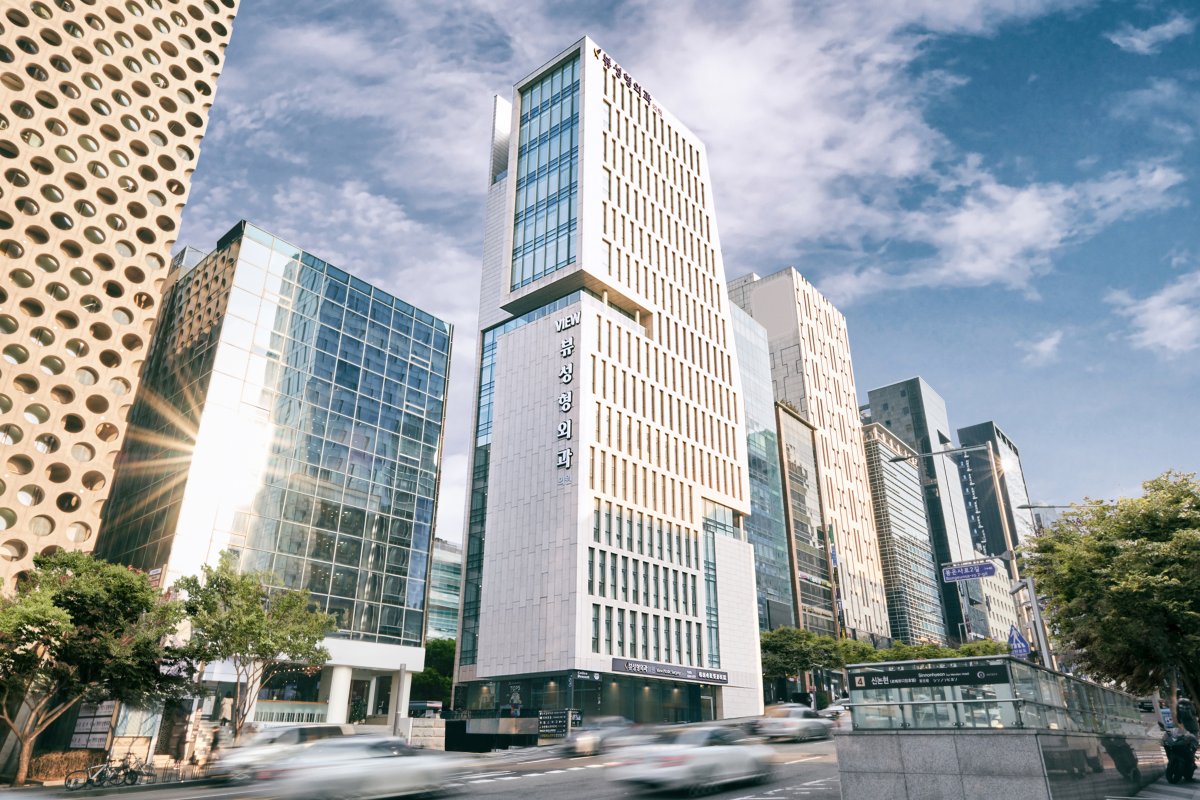
- View Plastic Surgery Hospital, كوريا الجنوبية
- VG Plastic Surgery, كوريا الجنوبية
- 365 Seoul OneTop Dental Clinic, كوريا الجنوبية
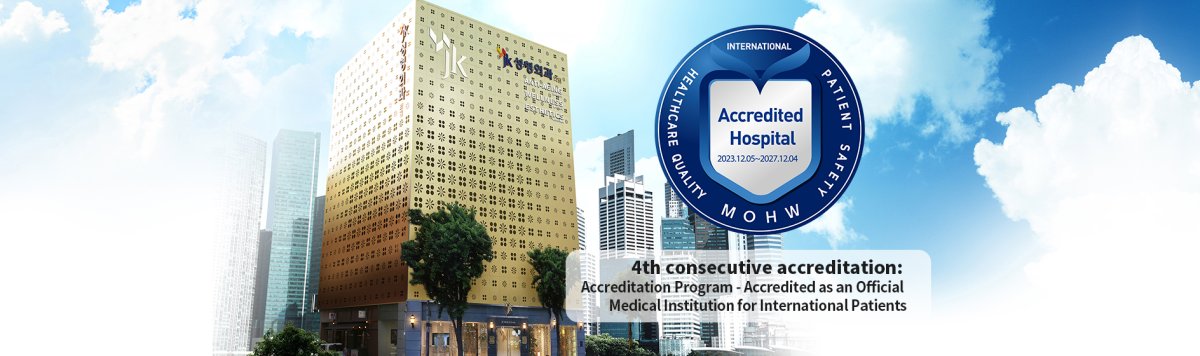
- JK Plastic Surgery Center, كوريا الجنوبية
- Samsung Medical Center, كوريا الجنوبية
- Wonjin Plastic Surgery Clinic, كوريا الجنوبية
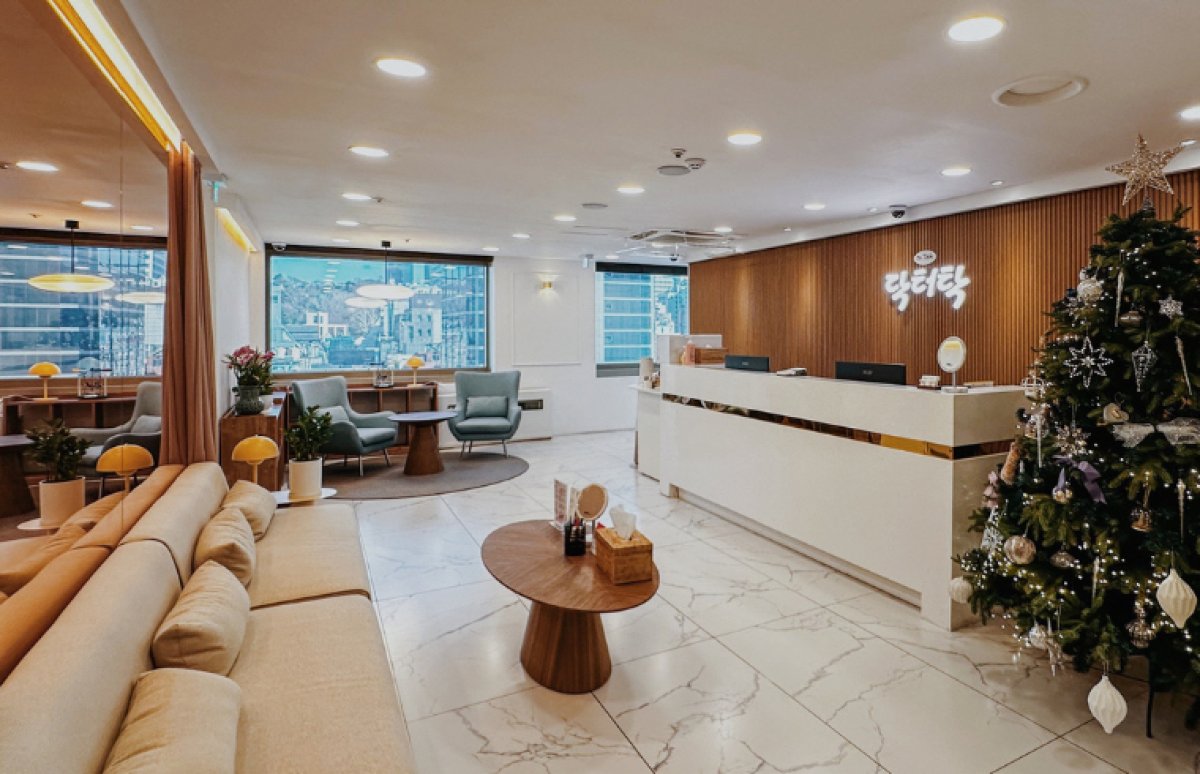
- Dr. Tak Plastic Surgery Clinic, كوريا الجنوبية
- S-plant Dental Hospital, كوريا الجنوبية
- Asan Medical Center, كوريا الجنوبية
- Seoul National University Bundang Hospital (SNUBH), كوريا الجنوبية
احصل على تقييم طبي لـ في كوريا الجنوبية: اختر أخصائيك من بين الأفضل في هذا المجال
عرض جميع الأطباء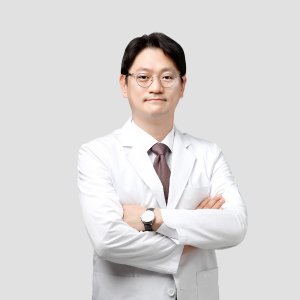
Yun Chang Woon
الدكتور يون تشانغ وون جرّاح تجميل وترميم. شغل سابقاً منصب أستاذ في جامعة سون تشون هيانغ ورئيس قسم في مستشفى العاصمة للقوات المسلحة.
العضويات المهنية: الجمعية الطبية الكورية؛ الجمعية الكورية لجراحي التجميل والترميم (عضو مدى الحياة)؛ الجمعية الكورية لجراحة التجميل؛ الرابطة الكورية لجراحة تحديد الوجه والفكين؛ الرابطة الكورية لجراحة القحف والوجه والفكين؛ الجمعية الكورية للجراحة المجهرية؛ IPRAS. وهو رئيس اللجنة العلمية في جمعية جراحة التجميل طفيفة التوغل.
المنشورات: مؤلف مشارك في "Ne

Koo YT
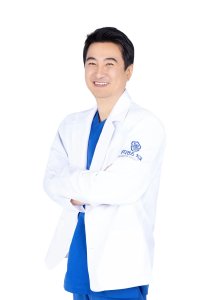
Minwoo Choi

Lee Gon Mo
الدكتور لي غون مو هو جراح فم وفكين في مستشفى سينشون داين للأسنان في سيول. يجري الدكتور لي عمليات ترميمية مثل ترقيع العظام الكتلي ورأب العظم. يعمل الدكتور لي في منشأة تعالج أكثر من 33,000 حالة سنوياً، وهو عضو في تحالف سيول للسياحة الطبية.
- يجري إجراءات زراعة الأسنان، بما في ذلك أنظمة All-on-4 و All-on-6.
- يعالج أكياس الفك ويجري عمليات الاستئصال الجراحي للأكياس.
- يجري عمليات رفع الجيوب الأنفية وترقيع العظام الذاتية لترميم الأسنان.
- يعمل في مستشفى مرخص لعلاج المرضى
مشاركة المحتوى
قصص فيديو من مرضى Bookimed
 Anna Leonova
أسئلة متكررة حول جراحة الوجه والفكين في كوريا الجنوبية
من يقوم بإجراء جراحة الفك في كوريا الجنوبية وما هي مؤهلاتهم؟
يُجري جراحو الفم والوجه والفكين المعتمدون (OMFS) هذه العمليات في كوريا الجنوبية. يخضعون لتعليم في طب الأسنان لمدة 6 سنوات يعقبها برنامج إقامة جراحية مكثف. يحمل الأخصائيون شهادات من الجمعية الكورية لجراحي الفم والوجه والفكين (KAOMFS) لضمان معايير السلامة العالية.
- تدريب الأخصائي: يكمل الجراحون 6 سنوات من كلية طب الأسنان بالإضافة إلى برامج إقامة جراحية متخصصة.
- شهادة مجلس: عادة ما يحصل الممارسون على شهادة من الجمعية الكورية لجراحي الفم والوجه والفكين.
- اعتماد المستشفى: مثل مركز سيڤيرانس ومستشفى آسان الطبي الحاصلين على اعتماد JCI.
- الممارسون الخبراء: يقوم الأخصائيون مثل الدكتور لي وون هو بإجراء عمليات متقدمة في منشآت مخصصة في سيول.
رؤية الخبراء من Bookimed: تُظهر البيانات تمييزًا واضحًا بين العيادات التجميلية والمستشفيات متعددة التخصصات. بينما تقدم العديد من العيادات تنسيق الوجه، تتعامل المؤسسات الكبرى مثل مركز سامسونج الطبي مع أكثر من 2,000,000 مريض سنويًا. غالبًا ما تقدم هذه المستشفيات واسعة النطاق رعاية متكاملة حيث يعمل جراحو الفم والوجه والفكين جنبًا إلى جنب مع أطباء التخدير في المنزل. يعد هذا التعاون الداخلي مؤشرًا رئيسيًا على مستوى أمان أعلى لإعادة بناء الفك المعقدة.
إجماع المرضى: يشير المرضى إلى أهمية التحقق من شهادات المجلس مباشرة. غالبًا ما يوصون باختيار مستشفيات مرتبطة بالجامعة للعمليات التصحيحية المعقدة للفك لضمان الوصول إلى معدات الطوارئ المتخصصة.
ما الذي يتضمنه الفحص الطبي القياسي للجراحة في كوريا الجنوبية؟
الفحوصات القياسية في كوريا الجنوبية تشمل التصوير المقطعي للجمجمة ونمذجة الوجه ثلاثية الأبعاد. تقوم العيادات بإجراء تحاليل دم كاملة، وتخطيط القلب الكهربائي، والأشعة السينية للصدر لضمان السلامة الجراحية. تُكمل معظم المرضى الأجانب هذه الفحوصات في غضون 1 إلى 3 أيام. تستخدم مرافق مثل SNUBH أنظمة رقمية لمنع الأخطاء الطبية.
- تقنيات التصوير: النمذجة ثلاثية الأبعاد والتصوير المقطعي للجمجمة إلزامية للتخطيط الجراحي الدقيق.
- شاشات الأمان: تحاليل الدم الكاملة، وفحوصات التهاب الكبد/فيروس نقص المناعة البشرية، واختبارات التخثر هي بروتوكولات قياسية.
- تقييم القلب: يضمن تخطيط القلب الكهربائي والأشعة السينية للصدر أن المرضى في حالة جيدة للتخدير العام.
- جدول الفحوصات التشخيصية: عادة ما تستغرق الفحوصات الكاملة عند الوصول 1 إلى 3 أيام في سيول.
رؤية خبراء Bookimed: مراكز كبيرة الحجم مثل مركز سامسونج الطبي أو SNUBH تخدم أكثر من 1,500,000 مريض سنويًا. تتيح بنيتهم التحتية الرقمية الحصول على نتائج التصوير في نفس اليوم. هذه السرعة تُعتبر ميزة كبيرة للمرضى الدوليين ذو الجداول الضيقة. دائماً تحقق إذا كانت عيادتك معتمدة من KOIHA لضمان اتباعها هذه المعايير الوطنية الصارمة للسلامة.
إجماع المرضى: لاحظ المرضى أن عملية الفحص أكثر كثافة مما هو متوقع. أبلغ بعضهم بأنه تم سحب أكثر من 20 أنبوب دم لفحص كل شيء من وظائف الغدة الدرقية إلى الإلكتروليتات. من المفيد الكشف عن أي تاريخ من مشاكل القلب البسيطة في وقت مبكر. قد يؤجل الجراحون العملية حتى يتم التأكد من ملا
ما هي إجراءات جراحة الفك والوجه الشائعة للمرضى الدوليين في كوريا الجنوبية؟
عادة ما يصل المرضى الدوليون في جمهورية كوريا إلى الجراحة التقويمية المتقدمة للفكين، وقطع العظم للفك السفلي، وزرع الفك. تهدف هذه الإجراءات إلى تصحيح محاذاة الفك الوظيفية والتناسق الوجهي. تستخدم المراكز المتخصصة في سيول نمذجة ثلاثية الأبعاد لضمان التخطيط الجراحي الدقيق ونتائج esttéticas متوقعة للمرضى الدوليين.
- الجراحة التقويمية للفكين: تصحيح عدم تطابق الفكين العلوي والسفلي لتحسين العض والتوازن الوجهي.
- قطع العظم للفك السفلي: يعيد تشكيل الفك السفلي لتحسين الوظيفة أو لتحديد معالم الوجه.
- زرع الفك: تعزيز بنية الوجه باستخدام مواد متوافقة حيوياً لتعريف دائم للذقن أو الفك.
- التشخيص بالنماذج ثلاثية الأبعاد: يستخدم مسح CT للجمجمة والتصوير ثلاثي الأبعاد لتقليل المخاطر أثناء عمليات إعادة البناء المعقدة.
رأي خبير بوكيمد: تستفيد مراكز الأمراض الكبيرة مثل مركز جراحة التجميل JK ومركز سامسونج الطبي من المقاييس الكبيرة للمرضى لتنقيح التقنيات المتخصصة. تُظهر بياناتنا أن العيادات التي تعالج أكثر من 6000 مسافر دولي سنوياً تقدم عادةً أنظمة سلامة أكثر قوة. عادة ما تدمج هذه المرافق النمذجة ثلاثية الأبعاد في الموقع، مما يسرع بشكل كبير من الانتقال من الاستشارة إلى الجراحة.
إجماع المرضى: يلاحظ المرضى أن النتائج لعمليات V-line وجراحة الفك المزدوج تغير الحياة، وينصحون بالتخطيط لفترة انتفاخ من 3 إلى 6 أشهر. يشدد الكثيرون على أن وجود منسقين يتحدثون الإنجليزية هو أمر ضروري لاستيعاب العملية المكثفة للتصوير قبل الجراحة.
هل الندبات بعد جراحة الوجه في كوريا الجنوبية مرئية؟
تكون ندوب جراحة عظام الوجه في جمهورية كوريا غير مرئية عادة أو قليلة الإدراك. يستخدم الجراحون بشكل أساسي شقوق داخل الفم لإخفاء العلامات داخل الفم. تتيح التقنيات التنظيرية المتقدمة تشكيل العظام بدقة دون عمليات جراحية خارجية. أي شقوق مرئية في خط الشعر أو الذقن غالبًا ما تتلاشى بشكل ملحوظ خلال 6 إلى 12 شهرًا.
- وضع الشقوق: يخفي الجراحون معظم الشقوق داخل الفم أو على طول خطوط الشعر الطبيعية.
- الأساليب التنظيرية: استخدام الكاميرات الداخلية يقلل من حجم الشقوق ويمنع الندوب الخارجية الكبيرة.
- العناية بعد الجراحة: تقدم العيادات الكورية غالبًا علاجات بالليزر لدمج الندوب وتسطحها.
- جدول الشفاء: عادة ما تتحول الاحمرار الأولي إلى خطوط بيضاء باهتة بعد سنة واحدة.
رؤية الخبراء من Bookimed: تُظهر البيانات من المراكز ذات الحجم العالي مثل مركز JK لجراحة التجميل أن البرامج المتخصصة للسياحة الطبية غالبًا ما تشمل إدارة الندوب. في حين أن عيادات مثل مستشفى S-plant Dental تستخدم النمذجة ثلاثية الأبعاد لتخطيط نقاط دخول محددة وصغيرة، تتضمن عيادات أخرى جلسات ليزر Fraxel أو Pico المجانية. يضمن هذا النهج الاستباقي أن المرضى الذين لديهم مستويات ميلانين أعلى يتجنبون فرط التغميق طويل الأمد.
إجماع المرضى: يلاحظ المرضى أنه بينما قد تستمر الندوب في الاحمرار لبضعة أشهر، فإنها تصبح شبه غير مرئية مع الاستخدام المتواصل لجل السيليكون. يؤكد الكثيرون أن متتابعة الحماية من الشمس بانضباط كامل لمدة سنة هي مفتاح تجنب العلامات الداكنة.
كم تستغرق فترة التعافي بعد جراحة الوجه والفكين في كوريا الجنوبية؟
فترة التعافي من جراحة الوجه والفكين في كوريا الجنوبية تتطلب عادة من 10 إلى 14 يومًا في البلد. يخضع معظم المرضى لعملية جراحة تقويم الفك أو قطع عظمة الفك السفلي في منشآت معتمدة من قبل JCI أو KOIHA. يقوم الجراحون عادة بإزالة الغرز والتأكد من تقليل التورم بأمان قبل السماح برحلات طيران دولية للعودة إلى الوطن.
- الإقامة في المستشفى: يبقى المرضى عادة 1-3 أيام للمراقبة المكثفة بعد العملية.
- التعافي الأولي: يصل التورم عادة إلى ذروته بين اليوم 3 واليوم 5 بعد الجراحة.
- مستويات النشاط: يتم تشجيع الحركة الأساسية والمشي الخفيف في غضون 7-14 يومًا.
- الانتقال الغذائي: يعود معظم المرضى إلى الأطعمة اللينة بعد حوالي 14 يومًا من العملية.
رأي خبراء Bookimed: غالبًا ما تدمج المراكز الكبرى مثل مركز جراحة التجميل JK أو مركز أسام الطبي سكنًا للتعافي أو مهاجع. تتيح هذه المرافق للجراحين إجراء فحوصات يومية خلال الأسبوع الأول. وغالبًا ما تمنع هذه القربى المشكلات الطفيفة من التحول إلى مضاعفات قبل أن يغادر المريض إلى موطنه.
إجماع المرضى: يلاحظ المرضى أن البقاء لمدة لا تقل عن 10 أيام هو أمر ضروري للراحة. يمكن أن يتسبب السفر قبل 7 أيام في عدم راحة في الممرات الهوائية بسبب زيادة التورم وضغط الطائرة.
من هو المرشح المناسب لجراحة تقويم الفكين؟
عادةً ما يظهر الشخص المناسب لجراحة تقويم الفكين مع تباينات هيكلية في الفك لا يمكن تصحيحها بالتقويم فقط. تعالج هذه العملية المشكلات الوظيفية مثل توقف التنفس أثناء النوم، الألم المزمن في المفصل الفكي الصدغي، أو سوء الإطباق الشديد. يجب أن يكون المرشحون قد وصلوا إلى النضج الهيكلي الكامل، وهو ما يتم التأكد منه عادةً بواسطة الأشعة المقطعية وأشعة الأسنان السينية.
- النضج الهيكلي: عادةً ما يكون المرضى في عمر 18 عامًا أو أكثر للتأكد من أن الفك قد توقف عن النمو.
- الحاجة الوظيفية: غالبًا ما يعاني المرشحون من صعوبات في المضغ أو التكلم، أو مشكلات في التنفس مثل توقف التنفس أثناء النوم.
- الجاهزية التقويمية: يجب أن يكون معظم المرضى قد أتموا 80% من علاج تقويم الأسنان باستخدام التقويم التقليدي أو الأقواس الشفافة أولاً.
- الصحة العامة: يجب على المرشحين معالجة أمراض اللثة أو التسوس قبل التقدم للجراحة.
لمحة خبير بوكيميد: تُظهر بياناتنا أن العيادات الرائدة في سيول مثل مركز جاي كاي لجراحة التجميل ومستشفى سيفيرانس تركز على السلامة المعتمدة على الحجم. أجرى مركز جاي كاي لجراحة التجميل أكثر من 85,000 عملية مع معدلات نجاح عالية. يستفيد المرضى الذين يختارون هذه المراكز ذات السعة العالية غالبًا من فرق الأسنان والجراحة المتكاملة التي تعمل في موقع واحد.
إجماع المرضى: يشير المرضى إلى أهمية توثيق المشكلات الوظيفية بواسطة اختصاصي لتعزيز أهليتهم. يؤكد الكثيرون على ضرورة توظيف مترجم مستقل لفهم نماذج الموافقة المعقدة وتعليمات الشفاء بوضوح.
لماذا تعد سيول مركزاً رائداً لجراحة الوجه والفكين؟
سيول هي المركز العالمي الرئيسي لجراحة الوجه والفكين في جمهورية كوريا. تستضيف أعلى تركيز من المستشفيات المعتمدة من JCI والمراكز المتخصصة في تشكيل الوجه. يستخدم الخبراء هنا النمذجة ثلاثية الأبعاد لإعادة ترتيب الفك المعقدة. يختار معظم المرضى الدوليين سيول لخبرتها الواسعة وبروتوكولات الأمان المتقدمة.
- المناطق المتخصصة: تستضيف مناطق مثل غانغنام وأبغوجيونغ عيادات رائدة تركز على جراحة الفكين الوظيفية والتجميلية.
- التشخيص المتقدم: توفر منشآت سيول مسوحات ثلاثية الأبعاد للأشعة المقطعية ورصد الأعصاب لضمان دقة الجراحة.
- حجم العمل السريري: تعالج مراكز مثل مستشفى سيفرانس أكثر من 4,000,000 مريض سنويًا، مما يضمن كفاءة عالية في الجراحة.
- الريادة في الابتكار: يعمل مستشفى جامعة سيول الوطنية بوندانغ كمركز جراحي رقمي بالكامل في كوريا.
رؤية خبراء بوكيميد: تظهر البيانات أن العيادات التي تستقبل حجماً كبيراً من المرضى الدوليين، مثل مركز جراحة التجميل جي كي الذي يستقبل 6,000 سائح طبي سنويًا، تقدم رعاية شاملة بعد العلاج بشكل أكبر. بينما يسعى الكثيرون إلى التجميل في غانغنام، فإن المراكز متعددة التخصصات مثل مركز سامسونغ الطبي تناسب أكثر لحالات الترميم التي تتطلب مراقبة طبية مكثفة.
إجماع المرضى: يؤكد المرضى أن البقاء في سيول بالقرب من العيادة أمر حيوي لفترة التعافي التي تتراوح بين 2 إلى 4 أسابيع. وغالبًا ما يشيرون إلى أن الجراحين في المحاور الرئيسية في سيول يحققون نتائج أكثر طبيعية مع مضاعفات أقل تتعلق بالأعصاب مقارنة بالعيادات الإقليمية.