جراحة تكبير الفك في تايلاند — احصل على 3 عيادات مطابقة مع التكاليف


تمت مراجعة المقالة طبيا من قبل
فهد مولود
ما هي تكلفة جراحة تكبير الفك في تايلاند؟ اكتشف الآن
من $5,000 / 170,000฿. تعتمد الأسعار على نوع المادة المختارة، مثل السيليكون أو Medpor المخصص، ومدى تعقيد نحت الوجه. تشمل الباقات التايلاندية القياسية غالباً رسوم الجراح، والتخدير، وتكاليف غرفة العمليات، والأدوية بعد الجراحة.
- الغرسات المخصصة: ترتفع تكلفتها غالباً بنسبة 30-50 % عن خيارات السيليكون العادية بسبب الحاجة للمسح الثلاثي الأبعاد للوجه.
- مستوى المستشفى: تفرض المرافق المتميزة المعتمدة من JCI في بانكوك أسعاراً أعلى من العيادات الإقليمية.
- الإجراءات المدمجة: قد تؤدي إضافة غرسة ذقن أو تجميل الأنف إلى زيادة كبيرة في إجمالي سعر الباقة.
- المراكز الطبية: تُجرى معظم الجراحات المتخصصة في بانكوك، وباتايا، وتشيانغ ماي.
رأي خبراء Bookimed: يوفر اختيار المراكز المتخصصة في بانكوك أفضل توازن بين التكنولوجيا والتكلفة. تستخدم عيادات مثل دكتور تشين كلينيك المسح السويسري ثلاثي الأبعاد للوجه لضمان دقة تركيب الغرسات. يوفر مستشفى بامرونجراد الدولي، المصنف ضمن أفضل 10 مرافق عالمية، جراحة روبوتية للحالات المعقدة. تتمتع العديد من المستشفيات التايلاندية باعتماد JCI، مما يضمن معايير أمان عالية بأسعار تناسب السوق المحلي.
المزايا الرئيسية
- احصل على زراعة الفك في تايلاند بأقل بنسبة 40-60% من السعودية وألمانيا.
- خيارات الزراعة: Medpor®، Silicone Implants، وTitanium Implants.
- مراجعة صور مجانية من قبل طبيب مختص لتحديد الخيار الأفضل لك.
- ضمان حماية البيانات والسرية بنسبة 100%.
- عروض حصرية من العيادات التايلاندية الموثوقة من $5,000.
| تركيا | تايلاند | كوريا الجنوبية | |
|---|---|---|---|
| جراحة تكبير الفك | من $3,700 / 125,800฿ | من $5,000 / 170,000฿ | من $4,900 / 166,600฿ |
مزاياك وضماناتك مع Bookimed
أسعار مباشرة
Bookimed لا يضيف رسوماً إضافية على أسعار جراحة تكبير الفك. الأسعار مأخوذة من قوائم الأسعار الرسمية للعيادات. تدفع مباشرة في العيادة مقابل جراحة تكبير الفك عند وصولك.
عيادات وأطباء معتمدون فقط
Bookimed ملتزم بسلامتك. نحن نعمل فقط مع المؤسسات الطبية التي تحافظ على معايير دولية عالية في جراحة تكبير الفك ولديها التراخيص اللازمة لخدمة المرضى الدوليين في جميع أنحاء العالم.
مساعدة مجانية على مدار الساعة
Bookimed يقدم مساعدة خبراء مجانية. منسق طبي شخصي يدعمك قبل وأثناء وبعد العلاج، ويحل أي مشاكل. لن تكون وحيداً أبداً في رحلة جراحة تكبير الفك.

منسقك الطبي الشخصي في Bookimed
- يدعمك في كل مرحلة
- المساعدة في اختيار العيادة الطبية المناسبة والطبيب المناسب
- يضمن الوصول السريع والمريح إلى المعلومات
اكتشف أفضل جراحة تكبير الفك العيادات في تايلاند: 8 خيارات معتمدة والأسعار




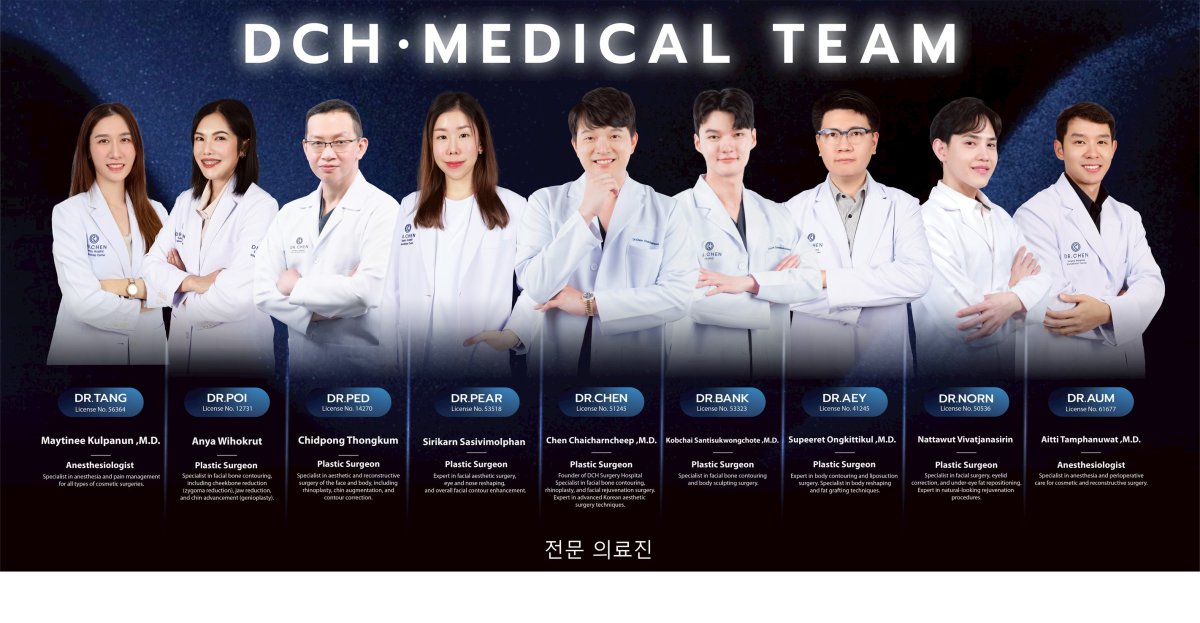
Dr. Chen Surgery Hospital International Center

Preecha Aesthetic Institute

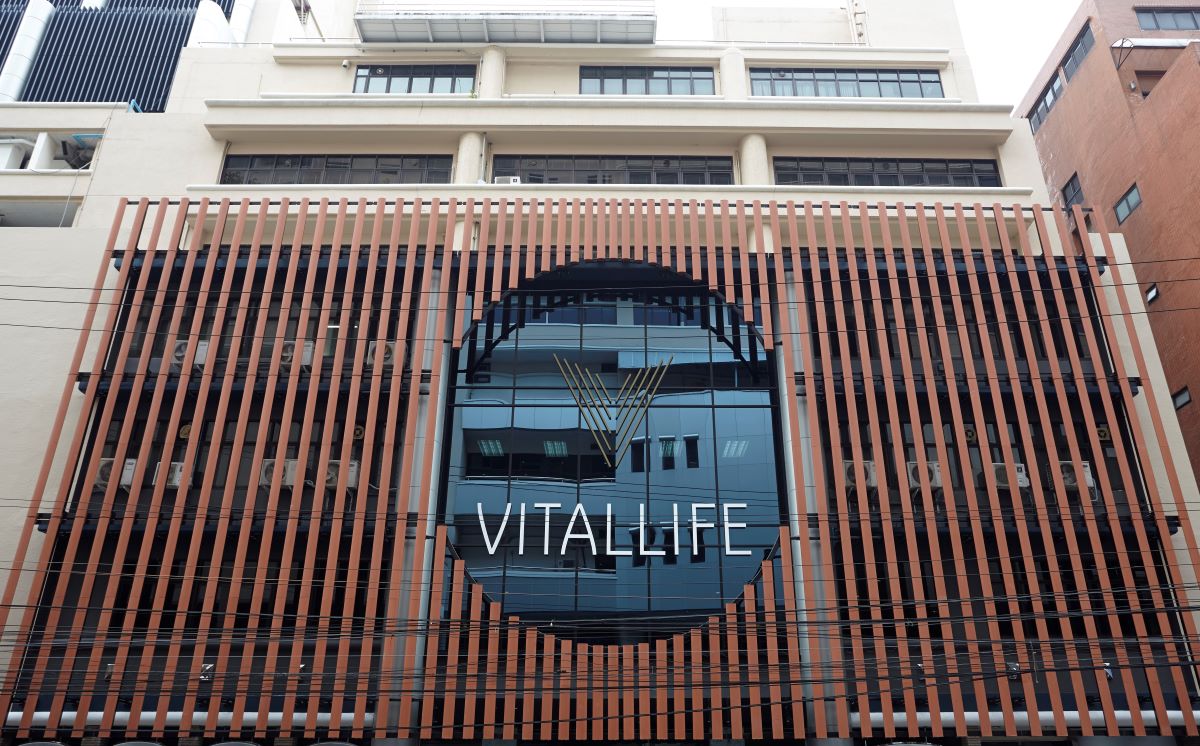
VitalLife Scientific Wellness Center

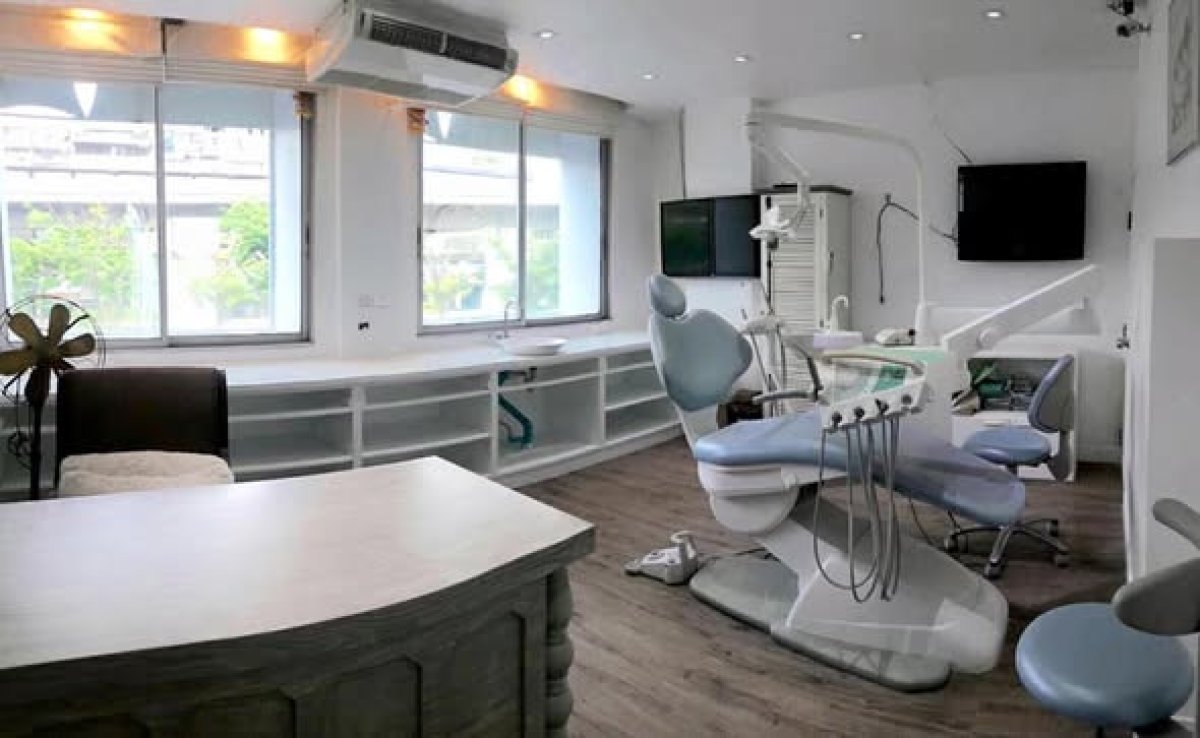
Bangkok Dental Hospital (Silom Dental Building) / Bangkok Dental Hospital Co., Ltd

Dr. Chen Clinic
نظرة عامة على جراحة تكبير الفك في تايلاند
- تشكيل الفك - من $1,200
تقوم العملية بنحت الجزء السفلي من الوجه وتعزيز الجماليات والتوازن من خلال طرق جراحية أو غير جراحية.
- رأب الذقن المنزلق - من $2,300
تعيد العملية تشكيل الذقن عن طريق تحريك العظم إلى الأمام ، مما يوفر تناسقًا وتوازنًا محسّنًا في الوجه.
- جراحة تكبير الفك - من $5,000تعمل هذه الجراحة التجميلية على تحسين تناسق الوجه عن طريق إدخال غرسة سيليكون أو مادة أخرى في خط الفك لتحسين المظهر وغالباً ما تتطلب فترة نقاهة قصيرة.
- تحديد محيط الفك - من $1,800تعيد هذه الجراحة التجميلية تشكيل خط الفك باستخدام الحشوات أو الحشوات أو تقنيات التصغير لتحسين توازن الوجه وجمالياته، مع فترة نقاهة تستغرق عدة أسابيع.
- إيداع Bookimed: 200 دولار أو 200 يورو.
- وديعة العيادة: ادفع نسبة محددة مقدمًا.
احصل على تقييم طبي لـ جراحة تكبير الفك في تايلاند: اختر أخصائيك من بين الأفضل في هذا المجال
عرض جميع الأطباء
Jiraroch Meevassana
الدكتور جيراروتش ميفاسانا هو جراح تجميل وترميم في مستشفى وانسيري في بانكوك. وهو متخصص في إجراءات تأكيد الجنس، وشد الوجه العميق، وجراحات تجميل الأنف المعقدة. أكمل الدكتور ميفاسانا تدريباً مرموقاً في منتدى ASAN الطبي لجراحة تجميل الأنف في كوريا الجنوبية. كما أنه حاصل على شهادات جراحية من جامعة شولالونغكورن والكلية الملكية للجراحين في تايلاند.
- يجري جراحات متخصصة لتغيير الجنس وإجراءات تأنيث الوجه.
- حاصل على شهادة في دعم الحياة في حالات الإصابات والقلب من الكلية الأمريكية للجراحي
قصص فيديو من مرضى Bookimed
المراجعات
جميع المراجعات
مشاركة المحتوى
 Anna Leonova
أسئلة متكررة حول جراحة تكبير الفك في تايلاند
ما المواد المستخدمة عادةً في زراعات الفك في تايلاند؟
يستخدم الجراحون في تايلاند بشكل أساسي السيليكون الطبي وPMMA وPEEK لزرعات الفك. وتستخدم معظم الإجراءات السيليكون لمرونته أو PMMA للنحت غير المسامي. وتوفر المراكز المتقدمة زرعات مخصصة من PEEK أو التيتانيوم بناءً على صور الأشعة المقطعية ثلاثية الأبعاد لتتوافق مع بنية عظام الوجه المحددة.
- السيليكون الطبي: مادة مرنة غير مسامية تُشكَّل أثناء الجراحة لتحديد ملامح الوجه فورًا.
- نحت PMMA: راتنج أكريليك متين يُستخدم كبديل غير مسامي للسيليكون التقليدي.
- PEEK مخصص: مادة متقدمة مطبوعة بتقنية ثلاثية الأبعاد تحاكي صلابة عظام الإنسان لتحديد خط الفك بدقة.
- تثبيتات التيتانيوم: براغٍ صغيرة وصفائح تُستخدم لتثبيت الزرعات بإحكام في الفك السفلي.
رؤية خبير Bookimed: بينما تفضل العيادات الأمريكية غالبًا مادة Medpor المسامية، يعطي الجراحون التايلانديون في مراكز مثل Dr. Chen Surgery Hospital الأولوية للسيليكون وPMMA. وتُظهر البيانات أن هذه المواد تسمح بإجراء تعديلات أسهل إذا تغيرت الأهداف الجمالية.
إجماع المرضى: يفضل كثير من الأشخاص السيليكون لأن الجراحين يستطيعون ضبط الشكل بدقة أثناء العملية. ويختار آخرون زرعات مخصصة مصممة ثلاثية الأبعاد لضمان أفضل ملاءمة طبيعية لبنية عظامهم الفريدة.
ما هو الجدول الزمني للتعافي بعد جراحة زراعة الفك في تايلاند؟
يستغرق التعافي الأولي بعد جراحة زرع الفك في تايلاند نحو 4 إلى 6 أسابيع، رغم أن معظم المرضى يبدون بمظهر مناسب اجتماعيًا بحلول اليوم السادس. ينبغي التخطيط للبقاء في البلد لمدة 10 إلى 14 يومًا لإجراء الفحوصات الضرورية بعد العملية وإزالة الغرز قبل السفر جوًا إلى المنزل.
- الالتئام الفوري: يحدث أقصى تورم وتيبس في الفم خلال أول 48 إلى 72 ساعة.
- القيود الغذائية: يجب على المرضى الالتزام بنظام غذائي من السوائل أو الأطعمة اللينة لمدة أسبوع إلى 4 أسابيع.
- إزالة الغرز: عادةً ما يزيل الجراحون الغرز ويسمحون للمرضى بالسفر بحلول اليوم الرابع عشر.
- النتائج النهائية: يختفي التورم الدقيق المتبقي مع استقرار خط الفك خلال 3 إلى 6 أشهر.
رؤية خبير Bookimed: تستخدم عيادات مثل Dr. Chen Surgery Hospital الأكسجين عالي الضغط والعلاج بالضوء لتسريع الالتئام. تساعد هذه الأدوات على تقليل التيبس الذي يشعر به المرضى غالبًا في منطقة العضلة الماضغة. يمكن أن يؤدي اختيار منشأة تتوفر فيها هذه التقنيات إلى تقصير أول أسبوعين، وهما الأصعب في التعافي، بشكل ملحوظ.
إجماع المرضى: يُعد أول أسبوعين الأكثر صعوبة بسبب شد الفم والقيود الغذائية. يصف معظم الأشخاص الإحساس بأنه تيبس يمكن التحكم به وليس ألمًا حادًا، رغم أن ظهور الملامح النهائية يستغرق أشهرًا.
كيف تُجرى العملية، وهل ستكون الشقوق مرئية في جراحة زراعة الفك في تايلاند؟
تستخدم جراحة زرعات الفك في تايلاند نهجًا داخل الفم، حيث يضع الجراحون الزرعات عبر شقوق داخل الفم لضمان عدم ظهور ندبات على الوجه. يتضمن الإجراء مسحًا ثلاثي الأبعاد للوجه للتخطيط المخصص وتثبيت الزرعات مباشرةً بالعظم تحت التخدير العام أو التهدئة.
- موضع الشق: تُجرى شقوق صغيرة على طول خط اللثة داخل الشفة السفلية.
- نهج الوصول: يرفع الجراحون الأنسجة بلطف لإنشاء جيوب دقيقة بمحاذاة عظم الفك السفلي.
- تثبيت الزرعة: غالبًا ما تثبت براغٍ دقيقة من التيتانيوم زرعات السيليكون أو Medpor لمنع تحركها.
- وضوح الندبات: تلتئم الشقوق الداخلية بشكل مخفي تمامًا، مما يترك الوجه خاليًا من العلامات الخارجية.
- إغلاق الجرح: تُستخدم غرز قابلة للذوبان، مما يلغي الحاجة إلى إزالة الغرز يدويًا بصورة مؤلمة.
رؤية خبير Bookimed: بينما يركز كثيرون على النتائج الخالية من الندبات، فإن العامل الفارق الحقيقي في بانكوك هو استخدام مسح الوجه السويسري ثلاثي الأبعاد. تستخدم مراكز مثل Dr. Chen Surgery Hospital هذه التقنية لرسم خريطة كثافة العظام قبل الجراحة. تساعد هذه الدقة على منع مشكلة تحرك الزرعة الشائعة، والتي يخشاها المرضى غالبًا أكثر من الندبات.
إجماع المرضى: ينبغي أن تتوقع تورمًا شديدًا في الوجه وشعورًا بالشد قد يغير ملامحك مؤقتًا خلال الأسبوع الأول. يجد معظم المرضى أن الندبات الداخلية المخفية مصدر ارتياح كبير، لكنهم يؤكدون أهمية اختيار الجراح بناءً على دراسات حالات محددة لزرعات الفك بدلًا من النتائج العامة لعمليات قطع العظام.
ما أفضل الأماكن أو المستشفيات لإجراء زراعة الفك في تايلاند؟
تشمل أفضل المستشفيات لزراعة الفك في تايلاند مرافق معتمدة من JCI مثل Bumrungrad International Hospital وSikarin Hospital في بانكوك. وتوفر المراكز المتخصصة، مثل Dr. Chen Surgery Hospital، مسحًا متقدمًا للوجه بتقنية ثلاثية الأبعاد سويسرية وتصحيحًا مخصصًا للتناظر لتحقيق نتائج دقيقة لنحت الجزء السفلي من الوجه.
- Bumrungrad International Hospital: منشأة معتمدة من JCI في بانكوك تستقبل أكثر من 1,000,000 مريض دولي سنويًا.
- Dr. Chen Surgery Hospital: مركز متخصص يضم مسحًا ثلاثي الأبعاد للوجه وتخطيطًا علاجيًا مخصصًا.
- Sikarin Hospital: معتمد من JCI وISO، ويقدم جراحة تجميل وجراحة فم ووجه وفكين متخصصة.
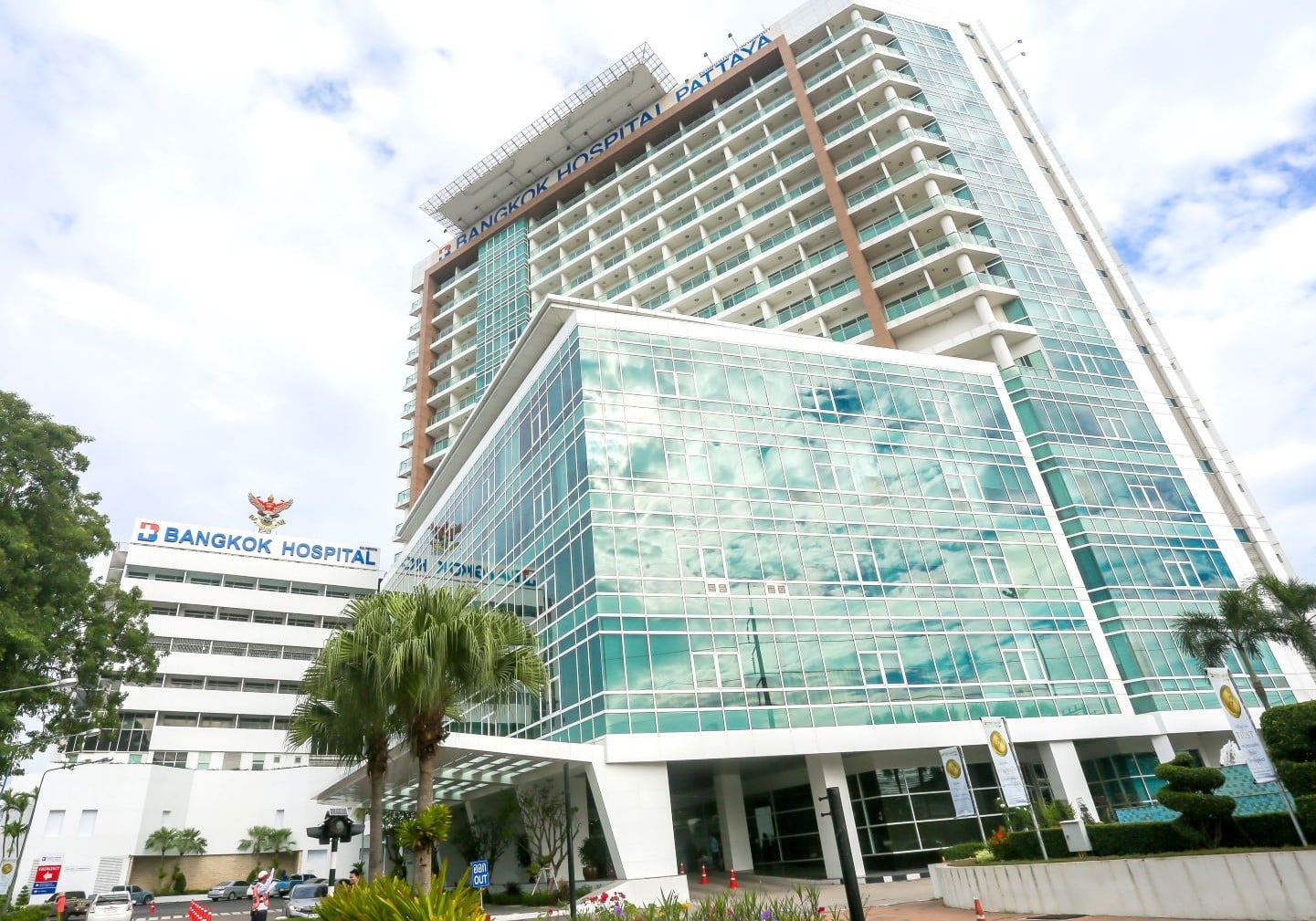
- Bangkok Hospital Pattaya: مستشفى كبير متعدد التخصصات مع اعتماد JCI و100 طبيب ذي خبرة.
رؤية خبير Bookimed: رغم أن المستشفيات الكبيرة مثل Bumrungrad توفر موارد واسعة، فإن العيادات المتخصصة في تايلاند غالبًا ما تقدم تقنيات أكثر استهدافًا لإجراءات الفك. فعلى سبيل المثال، يعالج Dr. Chen Surgery Hospital أكثر من 10,000 مريض سنويًا باستخدام المسح ثلاثي الأبعاد تحديدًا لضمان تناظر الغرسات.
إجماع المرضى: يوصي المرضى باختيار جراحين لديهم سجل واسع في العمل على عظام الوجه بدلًا من الجراحة التجميلية العامة. وينصحون بمناقشة مخاطر الأعصاب وبروتوكولات إزالة الغرسات قبل بدء الإجراء.