ندوب الجرويد العلاج في أوكرانيا - التكاليف 2026


تمت مراجعة المقالة طبيا من قبل
فهد مولود
ما هي تكلفة ندوب الجرويد إجراءات التشخيص والعلاج في أوكرانيا؟ اعرف الآن
مزاياك وضماناتك مع Bookimed
أسعار مباشرة
Bookimed لا يضيف رسوماً إضافية على أسعار علاج ندوب الجرويد. الأسعار مأخوذة من قوائم الأسعار الرسمية للعيادات. تدفع مباشرة في العيادة مقابل علاجك عند وصولك إلى البلد.
عيادات وأطباء معتمدون فقط
Bookimed ملتزم بسلامتك. نحن نعمل فقط مع المؤسسات الطبية التي تحافظ على معايير دولية عالية في علاج ندوب الجرويد ولديها التراخيص اللازمة لخدمة المرضى الدوليين في جميع أنحاء العالم.
مساعدة مجانية على مدار الساعة
Bookimed يقدم مساعدة خبراء مجانية. منسق طبي شخصي يدعمك قبل وأثناء وبعد العلاج، ويحل أي مشاكل. لن تكون وحيداً أبداً في رحلة علاج ندوب الجرويد.

منسقك الطبي الشخصي في Bookimed
- يدعمك في كل مرحلة
- المساعدة في اختيار العيادة الطبية المناسبة والطبيب المناسب
- يضمن الوصول السريع والمريح إلى المعلومات
اكتشف أفضل ندوب الجرويد العيادات في أوكرانيا: 6 خيارات معتمدة والأسعار

ADONIS Medical Group of Companies
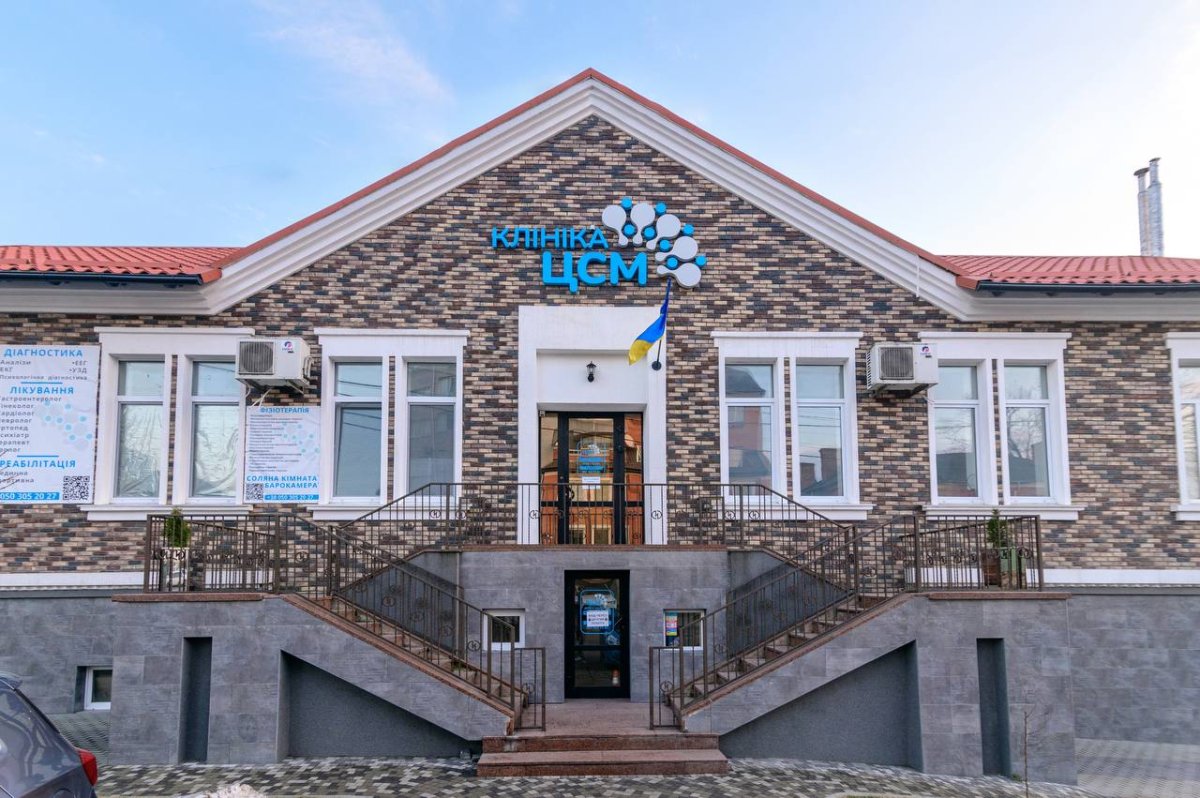
CSM Clinic


Ukrainian Academy of Plastic Surgery

Coollaser Clinic
احصلوا على تقييم طبي لـ ندوب الجرويد في أوكرانيا: استشيروا أطباء ذوي خبرة الآن
عرض جميع الأطباء
Spilnyi Vitalii

Hennadii Patlazhan
يجري الدكتور باتلاجان أكثر من 500 عملية جراحية سنوياً، وهو مؤسس مدرسة باتلاجان للجراحة التجميلية. وهو جراح رائد في عيادة باتلاجان في أوديسا.
- _doctor_3172_عاماً_ من الخبرة في الجراحة التجميلية
- حائز على جوائز Stella International Beauty Awards في عام 2018
- عضو في الجمعية الدولية لجراحي التجميل
- حاصل على سبع براءات اختراع لابتكارات جراحية
- ينظم دورات تدريبية دولية مع جراحات حية

Abu Shamsiya Rami Nuamanovych
يتخصص الدكتور أبو شمسية في العلاجات الجراحية لمجموعة واسعة من حالات البطن، بما في ذلك الفتق ومرض حصوات المرارة.
- خبرة في تقنيات إزالة الفتق بالمنظار
- مهارة في علاج حالات البطن الحادة
- يوفر حلولاً جراحية للدوالي
مشاركة المحتوى
قصص فيديو من مرضى Bookimed
 Anna Leonova
أسئلة متكررة حول علاج ندوب الجرويد في أوكرانيا
ما هي أكثر العلاجات فعالية لندبات الجدرة (Keloid) المتوفرة في أوكرانيا؟
تشمل أكثر علاجات الجدرة فعالية في أوكرانيا حقن الكورتيكوستيرويد داخل الآفة، والعلاج بالليزر، والاستئصال الجراحي المقترن ببروتوكولات مساعدة. تستخدم العيادات في كييف ولفيف تقنيات متقدمة للإزالة بالموجات الراديوية والعلاج بالتبريد. غالبًا ما يجمع المتخصصون بين هذه الطرق لتحقيق تقليل في حجم الندبة بنسبة 50% إلى 80%.
- العلاج بالحقن: تعمل الكورتيكوستيرويدات مثل كينالوج (Kenalog) على تنعيم وتسطيح الأنسجة الندبية الكثيفة بفعالية.
- تقنية الليزر: تعمل الليزرات الوعائية وإعادة التسطيح الجزئي على تحسين الملمس وتقليل الاحمرار.
- الاستئصال الجراحي: يعطي الجراحون الأولوية للإزالة المقترنة بحقن الإنزيمات لمنع التكرار.
- خيارات مبتكرة: تقدم مراكز مثل عيادة كول ليزر (Coollaser Clinic) العلاج بالخلايا الجذعية لتجديد الندبات.
رؤية خبير Bookimed: بينما يسعى الكثيرون إلى الإزالة البسيطة، تشير البيانات من المراكز الأوكرانية الرائدة إلى أن النهج متعدد الوسائط هو المعيار للنجاح. على سبيل المثال، تستخدم الأكاديمية الأوكرانية للجراحة التجميلية النمذجة ثلاثية الأبعاد للتخطيط الدقيق. اختيار منشأة مثل شبكة دوبروبوت الطبية (Dobrobut Medical Network)، التي تجري أكثر من 11,000 عملية سنويًا، يضمن الوصول إلى الرعاية المتكاملة بعد الجراحة اللازمة للحفاظ على انخفاض معدل التكرار.
إجماع المرضى: يشير المرضى إلى أن البدء بحقن الستيرويد هو خطوة أولى موثوقة. وغالبًا ما يؤكدون أن الجمع بين العلاجات المهنية وهلام السيليكون في المنزل يؤدي إلى نتائج أفضل على المدى
ما هي العيادات الأعلى تقييماً لإزالة الجُدرة (Keloid) في أوكرانيا؟
تشمل العيادات الأعلى تقييماً لإزالة الجُدرة في أوكرانيا مركز Dievo للجراحة والأكاديمية الأوكرانية للجراحة التجميلية. تستخدم هذه المرافق العلاج بالليزر، والإزالة بالموجات الراديوية، والجراحة الترميمية. تقع معظم المراكز الرائدة في كييف وأوديسا، وتحافظ على تقييمات عالية لرضا المرضى.
- مركز Dievo للجراحة: حاصل على تقييم 4.9 ومتخصص في الخطط الجراحية للجُدرة المعقدة أو المتكررة.
- مستويات الخبرة: يحمل الدكتور هينادي باتلازهان في أوديسا 7 براءات اختراع لابتكارات في الجراحة التجميلية.
- المراكز ذات الحجم الكبير: أجرت الأكاديمية الأوكرانية للجراحة التجميلية أكثر من 14,000 عملية جراحية تجميلية ناجحة.
- سعة الشبكة: تدير شبكة Dobrobut الطبية 75 فرعاً وتخدم أكثر من 330,000 مريض كل عام.
رؤية خبير Bookimed: بينما يبحث الكثيرون عن عيادات متخصصة صغيرة، توفر الشبكات الكبيرة مثل Dobrobut أماناً إضافياً. تتعامل مرافقهم المعتمدة من ISO مع أكثر من 11,000 عملية سنوياً، مما يضمن دعماً قوياً للطوارئ. غالباً ما يترجم هذا الحجم إلى نتائج أكثر اتساقاً لعمليات ترميم الجُدرة الصعبة في الأنسجة العميقة.
إجماع المرضى: يشير المرضى إلى أن العلاجات الأوكرانية ميسورة التكلفة بشكل ملحوظ مقارنة بالخيارات الغربية. ويؤكدون على البدء بالطرق التحفظية مثل هلام السيليكون قبل اختيار الإزالة بالليزر أو الجراحة.
ما هو خطر تكرار الجدرة (Keloid) بعد العلاج؟
يتراوح خطر تكرار الجدرة من 45% إلى 100% عند استخدام الاستئصال الجراحي وحده. تتحسن معدلات النجاح بشكل ملحوظ مع العلاجات متعددة الوسائط. عادةً ما تؤدي الجمع بين الجراحة وحقن الستيرويد أو الإشعاع إلى تقليل التكرار إلى أقل من 20%. يحدث معظم النمو مرة أخرى خلال الأشهر الـ 12 الأولى بعد العلاج.
- الجراحة وحدها: تظهر التقارير أن معدلات الفشل تصل غالبًا إلى 100% بدون رعاية متابعة.
- العلاج الأحادي بالستيرويد: تشير الإحصاءات إلى تكرار بنسبة 33% إلى 50% على الرغم من انكماش الندبة الأولي.
- العلاج المركب: الجراحة المقترنة بالإشعاع أو الستيرويدات توفر أعلى معدل نجاح.
- فترة المتابعة: يوصي الأطباء بمراقبة الموقع لمدة 12 إلى 24 شهرًا.
رؤية خبير Bookimed: تظهر البيانات الصادرة عن الأكاديمية الأوكرانية للجراحة التجميلية وعيادات مثل Dobrobut اتجاهًا نحو التخصص عالي الحجم. في أوكرانيا، غالبًا ما تستعين العيادات التي تجري أكثر من 10,000 عملية سنويًا بجراحين تلقوا تدريبًا دوليًا في تركيا أو ألمانيا. يعد هذا التعرض للبروتوكولات العالمية عاملاً رئيسياً في إدارة الحالات الترميمية المعقدة بفعالية.
إجماع المرضى: يؤكد المرضى أن الجدرة غالبًا ما تعود ما لم يتم استخدام طرق علاج متعددة معًا. غالبًا ما يُشار إلى الالتزام بملابس الضغط بعد العلاج وهلام السيليكون على أنها الخطوة الأكثر صعوبة ولكنها ضرورية للحصول على نتائج طويلة الأمد.
من هم كبار المتخصصين في علاج الجُدرة (Keloid) في أوكرانيا؟
من بين كبار متخصصي الجُدرة في أوكرانيا الدكتور فاسيلي بينشوك في الأكاديمية الأوكرانية للجراحة التجميلية والدكتور غينادي باتلازهان في أوديسا. يستخدم هؤلاء الخبراء تقنيات ترميمية متقدمة وعلاجات بالليزر. تتخصص مراكز مثل مركز ديفو للجراحة (Dievo Surgery Center) في كييف في الحالات المعقدة والمتكررة للمرضى الدوليين.
- الدكتور فاسيلي بينشوك: يقود أكاديمية كييف مع أكثر من 14,000 عملية جراحية وأكثر من 35 عاماً من الخبرة.
- الدكتور غينادي باتلازهان: متخصص مقيم في أوديسا مع أكثر من 20 عاماً من الممارسة وسبع براءات اختراع جراحية.
- الدكتور أبو شمسية: خبير في مركز ديفو للجراحة يركز على مراجعات الندبات الترميمية المعقدة.
- تقنيات متخصصة: تستخدم عيادة كول ليزر (Coollaser) تطويرات ليزر خاصة وعلاجات بالخلايا الجذعية للندبات.
رؤية خبير Bookimed: تظهر البيانات حجماً كبيراً من النتائج الناجحة في المراكز التي تجري أكثر من 4,000 إجراء سنوياً، مثل مركز ديفو للجراحة. بينما يبحث الكثيرون عن الاستئصال الأساسي، فإن اختيار عيادات مثل كول ليزر التي تدمج العلاج بالخلايا أو الأكاديمية الأوكرانية للجراحة التجميلية يوفر الوصول إلى جراحين تدربوا في جميع أنحاء أوروبا والولايات المتحدة. هذا التدريب الدولي هو عامل تمييز رئيسي لإدارة تكرار الجُدرة الصعب.
إجماع المرضى: يؤكد المرضى على أهمية رؤية صور قبل وبعد لحالات جُدرة محددة. ويشيرون إلى أن الجمع بين الجراحة وعلاجات المتابعة ضروري لضمان عدم نمو الندبة مرة أخرى بشكل أكبر.