علاج الصدفية في تركيا — احصل على 3 عيادات مختارة خصيصاً لك


تمت مراجعة المقالة طبيا من قبل
فهد مولود
كيف نعمل؟
ما هي تكلفة الصدفية إجراءات التشخيص والعلاج في تركيا؟ اعرف الآن
عادةً ما تشمل تكلفة علاج الصدفية في تركيا الضروريات التشخيصية مثل مخطط المناعة (Immunogram) الذي يتراوح سعره من $90 إلى $200. قد يحتاج المرضى أيضًا إلى تحليل دم موسع يتراوح سعره من $100 إلى $450 لتحديد النهج السريري الأمثل. تعتمد النفقات الإجمالية على شدة الحالة والعلاج المختار. يمكن للمرضى توقع توفير 50% مقارنة بالولايات المتحدة. تشمل أفضل المدن لتلقي الرعاية إسطنبول وأنطاليا.
تكاليف علاج الصدفية النموذجية في تركيا
- مخطط المناعة (Immunogram): $90 – $200
- تحليل دم موسع: $100 – $450
- تحليل دم للملف الهرموني: $90 – $130
- تخطيط القلب (ECG): $30 – $50
رؤية خبراء Bookimed: بالنسبة للحالات المزمنة، توفر المراكز المعتمدة من اللجنة الدولية المشتركة (JCI) مثل مركز الأناضول الطبي تشخيصات متميزة من خلال ارتباطها بجونز هوبكنز. يجب على الطلاب أو المرضى المهتمين بالميزانية النظر في مستشفى جامعة ميديبول ميجا للحصول على خبرة عالية المستوى. إذا كنت بحاجة إلى علاج بيولوجي متقدم أو أبحاث الخلايا الجذعية، فإن البروفيسورة سيفيلاي أوز كيليتش تقدم تخصصًا أكاديميًا رفيع المستوى. غالبًا ما يجد المرضى الذين يعانون من صدفية فروة الرأس قيمة في عيادات الشعر المتخصصة التي تركز على الترميم الجلدي.
اكتشف أفضل الصدفية العيادات في تركيا: 14 خيارات معتمدة والأسعار








Hair Clinic
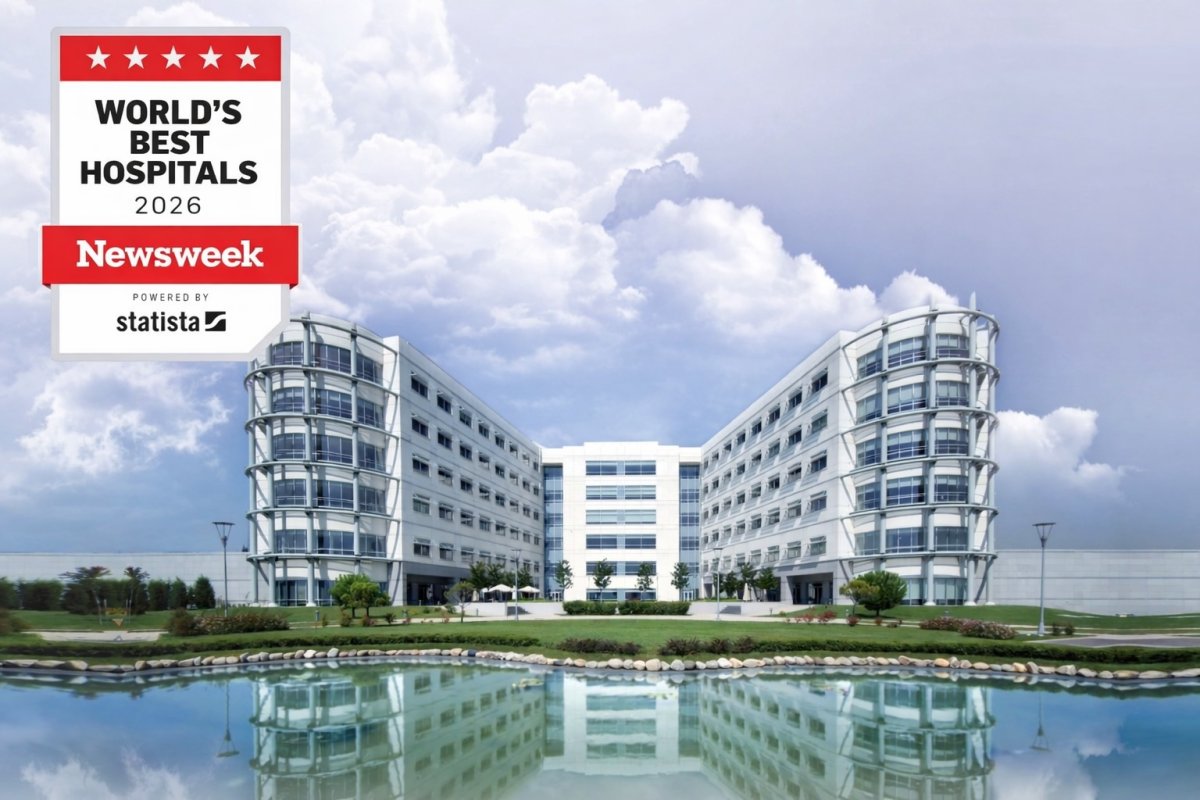


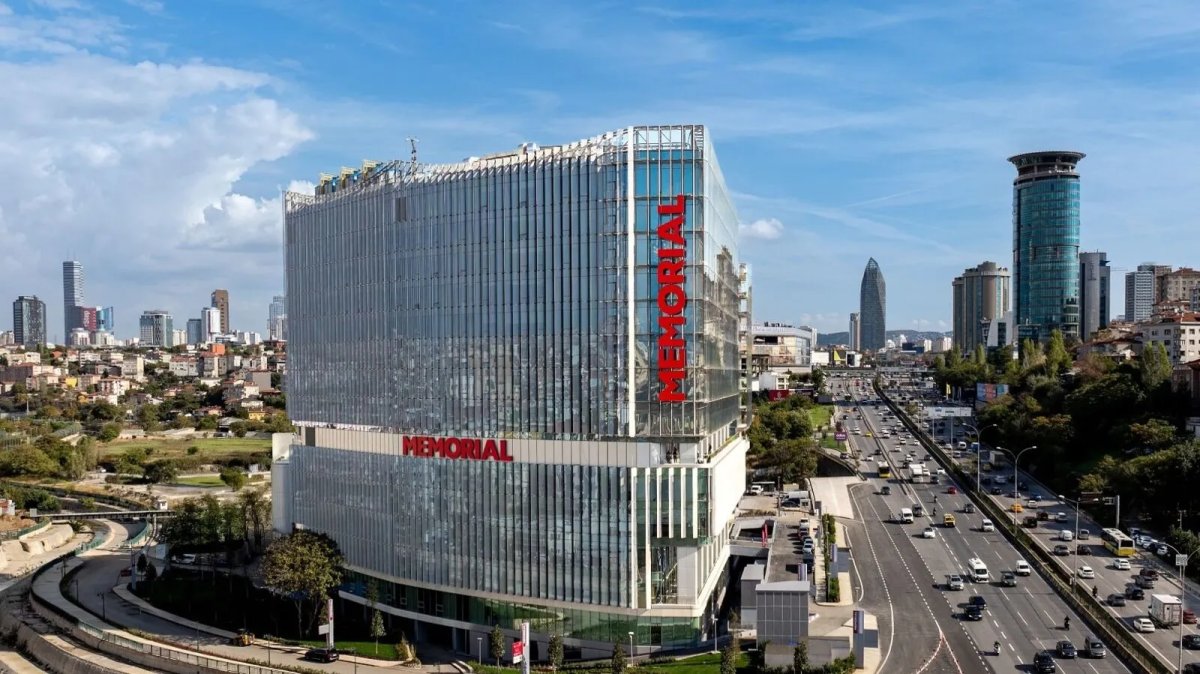
Memorial Göztepe Hospital






احصل على تقييم طبي لـ في تركيا. استشر الآن 10 أطباء ذوي الخبرة.
عرض جميع الأطباء
Funda Ataman
تخرج الطبيب من كلية الطب بجامعة إسطنبول في عام 1986 وأكمل إقامة في الأمراض الجلدية في مستشفى حيدر باشا نوموني في عام 1990. متخصص في الجراحة الجلدية، يركز الطبيب سريرياً على سرطان الجلد، والعلاج بالتبريد، وعلاج فرط التعرق، والأمراض الجلدية التحسسية. كما يتمتع الطبيب بمهارات في الكي الكهربائي، والعلاجات بالليزر، والأمراض الجلدية التجميلية، والتنظير الجلدي، وتقنيات تجديد البشرة مثل البوتوكس. عمل الطبيب في مؤسسات مختلفة، بما في ذلك مركز صحة غوريل، ومستشفى تدريب وأبحاث فاتح سلطان محمد، والمستشفى ا

Fusun Bilgin Karahalli

Cemile Dilek Uysal
الدكتورة جميلة ديليك أويسال هي طبيبة أمراض جلدية في مستشفى هيسار إنتركونتيننتال في إسطنبول. تخرجت بمرتبة الشرف من جامعة أكدنيز. تعالج الدكتورة أويسال العديد من الأمراض الجلدية، بما في ذلك حب الشباب والأكزيما والصدفية. كما تدير الأمراض الطفيلية مثل الجرب واضطرابات الشعر مثل الثعلبة.
- متخصصة في العلاج الدوائي لحب الشباب والأمراض الجلدية الفيروسية أو البكتيرية.
- تعالج الالتهابات الفطرية والحالات المعقدة من الحكة المزمنة.
- تعمل في مستشفى هيسار، وهو مرفق معتمد من اللجنة الد
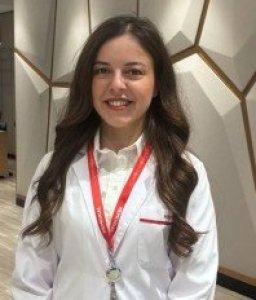
Asli Tatliparmak
الأستاذة المشاركة الدكتورة أصلي تطليبارماك طبيبة أمراض جلدية في Memorial Bahçelievler Hospital (2025–الآن). شغلت سابقًا منصب أستاذة مشاركة في Medicana Ataköy (2023–2024) وفي Şişli Kolan International (2021–2023). وكانت رئيسة قسم الأمراض الجلدية في İstinye University Liv Hospital (2018–2021). حصلت على شهادة الطب من جامعة إيجه عام 2006، وأتمّت اختصاصها في الأمراض الجلدية والتناسلية هناك عام 2012. كما عملت اختصاصية في مستشفى Artvin State وMedical Park Fatih سابقًا.
من أبرز إنجازاتها جائزة
المراجعات
جميع المراجعاتمشاركة المحتوى
قصص فيديو من مرضى Bookimed
 Anna Leonova
أسئلة متكررة حول علاج الصدفية في تركيا
ما هي أنواع علاجات الصدفية المتاحة في تركيا؟
توفر تركيا علاجات طبية متقدمة وعلاجات طبيعية فريدة للصدفية. تقدم العيادات المعتمدة من اللجنة الدولية المشتركة (JCI) في إسطنبول وأنطاليا حقناً بيولوجية، وعلاجاً ضوئياً بالأشعة فوق البنفسجية ضيقة النطاق (UVB)، وأدوية جهازية. كما يمكن للمرضى الاستفادة من العلاج بالأسماك (الإكتيوثيرابي) المشهور عالمياً في الينابيع الحرارية المتخصصة لإدارة الأعراض المزمنة في أقسام الأمراض الجلدية ذات الحجم الكبير.
- الأدوية الجهازية: يصف أطباء الجلد الميثوتريكسيت والسيكلوسبورين لنوبات الالتهاب الشديدة.
- العلاجات البيولوجية: تركز الحقن المستهدفة مثل أداليموماب على مسارات محددة في الجهاز المناعي.
- العلاج الضوئي المتخصص: تستهدف علاجات الأشعة فوق البنفسجية ضيقة النطاق والليزر اللويحات العنيدة في البيئات السريرية.
- العلاج الطبيعي بالأسماك: توفر ينابيع سيفاس كانغال علاجاً بالأسماك جنباً إلى جنب مع الأشعة فوق البنفسجية.
رؤية خبير Bookimed: مراكز الأمراض الجلدية في تركيا سريعة بشكل استثنائي في تصعيد مستويات العلاج. بينما تتطلب بعض الأنظمة شهوراً من التجارب الموضعية، ينتقل المتخصصون في المراكز الكبيرة مثل ميديبول ميغا أو ليف هوسبيتال أولوس غالباً إلى العلاجات البيولوجية أو الجهازية بشكل أسرع بكثير. هذا المسار السريري الأسرع هو السبب في أن تركيا تخدم مرضى من أكثر من 180 دولة سنوياً.
إجماع المرضى: يشير المرضى إلى أن العيادات الخاصة توفر وصولاً أسرع بكثير إلى العلاجات المتقدمة مقارنة بالمسارات العامة. ويؤكدون على أهمية إحضار الصور والوصفات الطبية السا
ما مدى سرعة ظهور نتائج علاجات الصدفية في تركيا؟
غالباً ما تظهر علاجات الصدفية في تركيا تحسناً ملحوظاً خلال أسبوعين إلى 3 أسابيع. يمكن للبرامج المكثفة التي تستغرق 21 يوماً تقليل شدة الأعراض بنسبة 50% إلى 75%. بينما تعمل الكريمات الموضعية في غضون أيام، غالباً ما تتطلب العلاجات الجهازية المتقدمة من 2 إلى 12 أسبوعاً للحصول على أقصى تأثير.
- البرامج المكثفة: تستهدف بروتوكولات التنويم المتخصصة لمدة 21 يوماً تقليل شدة اللويحات بنسبة 75%.
- العلاج الموضعي: تقلل الكريمات الطبية عادةً من الاحمرار والحكة في غضون 14 يوماً من الاستخدام.
- الأدوية البيولوجية المتقدمة: تظهر العلاجات الجهازية تغيرات أولية في غضون أسبوعين وتصل إلى ذروتها في 12 أسبوعاً.
- نتائج العلاج بالضوء: يلاحظ المرضى عموماً تحسناً مستمراً في حالة الجلد بعد عدة أسابيع من الجلسات المنتظمة.
رؤية خبير بوكيميد (Bookimed): يُعد حجم المرضى مؤشراً رئيسياً للجودة في تركيا. على سبيل المثال، يعالج مستشفى جامعة ميديبول ميغا 1,000,000 مريض سنوياً. تسمح هذه التكرارية العالية لأطباء الجلدية مثل الأستاذ الدكتور سيلاي أوغوز كيليتش بتحسين البروتوكولات للحصول على نتائج أسرع. غالباً ما يستخدمون تقنيات متقدمة مثل نظام دا فينشي للجراحات ذات الصلة، مما يضمن بيئة رعاية عالية التقنية.
إجماع المرضى: يشير المرضى إلى أن الراحة الأولية من الحكة تحدث بسرعة، لكنهم يؤكدون على الحاجة إلى خطة طويلة المدى. يقترح الكثيرون تأكيد نقاط الالتقاء مع سائقي المستشفى مبكراً لتجنب التأخير في المطار.
هل تقدم العيادات التركية علاجات تقليدية أو علاجات منتجعات صحية مثل العلاج بالمياه المعدنية أو العلاج بالأسماك؟
تقدم العيادات التركية علاجات تقليدية مثل العلاج بالمياه المعدنية (البالنيوتيرابي) إلى جانب العلاجات الطبية للصدفية. توفر مراكز متخصصة علاجات بالمياه المعدنية والعلاج المائي لتخفيف الأعراض. في حين أن العلاج بالأسماك موجود في بيئات العافية أو السياحة، تركز عيادات الأمراض الجلدية بشكل أساسي على البروتوكولات الطبية المتقدمة مثل العلاج بالضوء أو الأدوية البيولوجية الجهازية.
- أنواع العلاج: يُعد العلاج بالمياه المعدنية والعلاج المائي مكملات شائعة لتهدئة التهاب الجلد المزمن.
- التركيز الطبي: يركز أطباء الجلدية المتخصصون مثل الأستاذ الدكتور سيلاي أوغوز كيليتش على الرعاية الطبية الجهازية.
- دمج العافية: تدمج مراكز مثل فيزيومر تيرابيا (Fizyomer Terapia) علاجات المياه الحرارية مع إعادة التأهيل العلاجي الطبيعي.
- معايير العيادة: تحافظ المؤسسات الرائدة مثل مركز الأناضول الطبي على اعتماد اللجنة الدولية المشتركة (JCI).
رؤية خبير بوكيميد (Bookimed): تظهر بياناتنا أن معظم المرضى يختارون تركيا بسبب الكثافة العالية للعيادات المعتمدة من JCI مثل ميديبول ميغا أو ليف هوسبيتال أولوس، وليس بسبب المنتجعات الحرارية. على الرغم من أن العلاج بالمياه المعدنية هو أداة دعم شائعة، إلا أنه نادراً ما يحل محل الأدوية البيولوجية أو جراحة الأمراض الجلدية المتخصصة التي يقدمها الأساتذة الأتراك. إذا كنت ترغب في تحكم مستدام، تأكد من أن خطتك تجمع بين التشخيص عالي التقنية وأي علاج في المنتجع الصحي يتم اختياره.
إجماع المرضى: يشير المرضى إلى أنه على الرغم من أن الحما
هل يلزم إحالة من طبيب لتلقي علاج الصدفية في تركيا؟
لا يلزم وجود إحالة من طبيب لعلاج الصدفية في العيادات التركية الخاصة. يمكن للمرضى الدوليين حجز المواعيد مباشرة مع المتخصصين. تقبل معظم المرافق السجلات الطبية أو نتائج الخزعات بدلاً من خطابات الإحالة الرسمية. توفر المستشفيات المعتمدة من اللجنة الدولية المشتركة (JCI) في إسطنبول وأنطاليا وصولاً فورياً إلى أطباء الجلدية.
- الوصول المباشر: يحجز المرضى استشارات المتخصصين مباشرة دون زيارة طبيب الرعاية الأولية.
- الوثائق الطبية: أحضر تقارير الخزعات السابقة وقوائم الأدوية لتحسين دقة التشخيص.
- الرعاية الصحية الخاصة: يتجاوز المرضى الذين يدفعون على نفقتهم الخاصة عقبات الإحالة المعتادة في نظام الصحة العامة.
- معايير الاعتماد: تحمل معظم العيادات الأعلى تصنيفًا شهادات اللجنة الدولية المشتركة أو الآيزو.
رؤية خبير Bookimed: على الرغم من عدم الحاجة إلى إحالة، فإن الحجز مع أساتذة محددين مثل الدكتورة سيفيلاي أوز كيليك في مستشفى ليف يعد استراتيجية جيدة. تظهر بياناتنا أن المراكز ذات الحجم الكبير مثل ميديبول ميجا تخدم 1,000,000 مريض سنويًا. هذا النطاق الهائل يعني غالبًا أن أطباء الجلدية يرون أنواعًا نادرة من الصدفية في شهر واحد أكثر مما يراه الآخرون في سنوات.
إجماع المرضى: يلاحظ المرضى أنه من السهل الحجز مباشرة. يؤكدون أنه على الرغم من عدم الحاجة إلى خطاب إحالة، فإن توفر تاريخك الطبي الكامل يساعد الطبيب على تجنب تكرار الفحوصات.