العودة إلى الصفحة الرئيسية

كيف نعمل؟

لقد قمنا بتحويل عملية البحث عن العيادة، وجعلناها بسيطة وسريعة وشخصية.
أجب عن بعض الأسئلة املأوا استمارة قصيرة لتخبرونا عن حالتكم الصحية واحتياجاتكم الطبية.
احصل على عروض مخصصة٣ عيادات تم اختيارها بعناية بناءً على إجاباتك، ستقدّم خطط علاج وتقديرات تكلفة مخصصة لك.
اختر الخيار الأفضلقارن بين العروض واختر العيادة الأنسب لك.
يمكنك أيضًا تصفح 10 عيادة أدناه.
820К+ مريضًا حصلوا على المساعدة منذ عام 2014
50 دول
1,500 عيادات
6K+ تقييمات
3K+ طبيب مؤهل

ما هي تكلفة الصدفية إجراءات التشخيص والعلاج في كوريا الجنوبية؟ اعرف الآن

Psoriasis treatment cost in Republic of Korea depends on disease severity and the chosen therapy, with a blood test for hormonal profile ranging from $100 to $300. While topical options are standard, advanced cases may require specialized care. Expenses are influenced by clinic tier and whether a patient requires biologics or regenerative medicine. Patients can find high-quality care in Seoul, Incheon, and Cheonan.

Typical Psoriasis Treatment Costs in Republic of Korea

  • Blood test for hormonal profile: $100 – $300
  • Extended analysis of blood: $100 – $200
  • ECG: $100 – $100

Bookimed Expert Insight: Patients with autoimmune-related skin conditions benefit from multidisciplinary facilities like Severance Hospital. This JCI-accredited center serves 4 million patients annually with advanced digital imaging and AI. For those seeking innovative regenerative approaches, RE:YOUTH in Cheonan specializes in arterial stem cell therapy. This method ensures 100% delivery to targeted organs, providing an alternative for complex cases where traditional IV delivery may be less effective.

اكتشف أفضل الصدفية العيادات في كوريا الجنوبية: 10 خيارات معتمدة والأسعار

تم تصنيف العيادات بواسطة نظام Bookimed الذكي، باستخدام تحليل علوم البيانات عبر 5 معايير رئيسية.
Asan Medical Center
إعلان
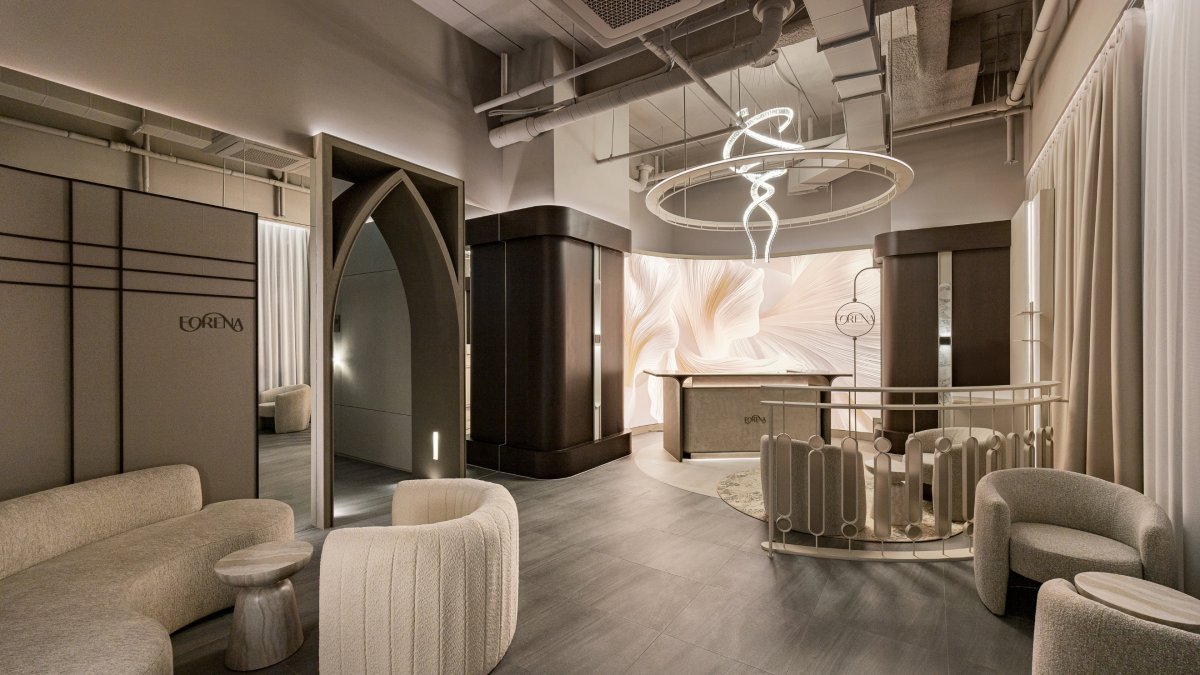
Forena Clinic
Seoul National University Bundang Hospital (SNUBH)
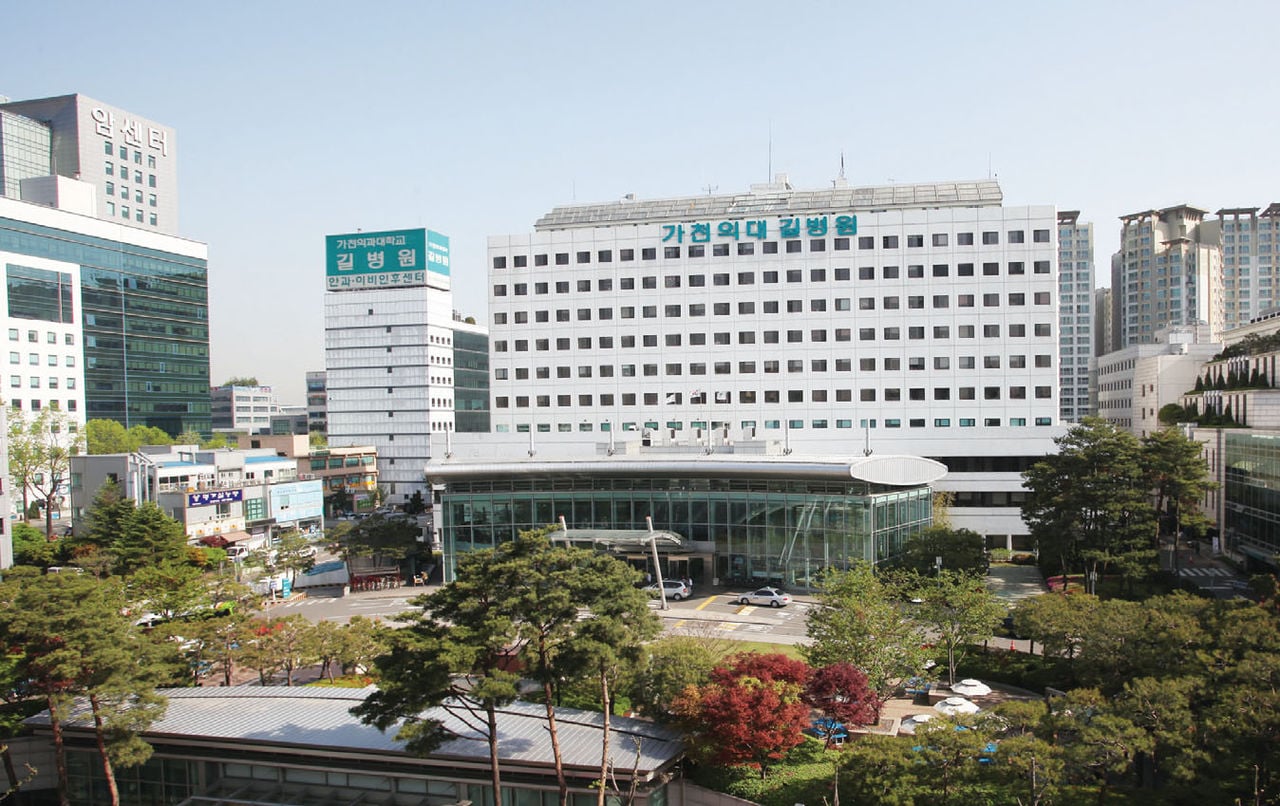
Gachon University Gil Medical Center
Severance Hospital

احصلوا على تقييم طبي لـ الصدفية في كوريا الجنوبية: استشيروا أطباء ذوي خبرة الآن

عرض جميع الأطباء
يؤكد

Jiwoo Kim

15سنة خبره ١٦ سنة

نُشرت أبحاث الدكتورة كيم حول الإجهاد التأكسدي وموت الخلايا المبرمج في مجلة Biochemical Pharmacology، مما يسلط الضوء على فهمها العميق للآليات الخلوية ذات الصلة بمرض الصدفية.

  • التقديم في المؤتمرات الدولية بما في ذلك الجمعية الآسيوية لأبحاث الجذور الحرة
  • المشاركة في الجمعيات الطبية المحلية مثل الجمعية الكورية لطب الأطفال
  • البحث في المسارات الجزيئية المرتبطة بالتهاب الجلد
يؤكد

Byung-hee Lee

42سنة خبره ١٦ سنة

Dr. Byung-hee Lee is a neurosurgeon at RE:YOUTH Clinic in South Korea. He is a founding member of the Korean Society of Interventional Neurology. He also helped found the Korean Stroke Society. Dr. Lee treats complex conditions like Parkinson's, Alzheimer's, and cerebral aneurysms.

  • Published 24 SCI theses in domestic and international medical journals.
  • Delivered over 50 lectures at medical conferences worldwide.
  • Maintains active membership in the World Stroke Society and American Stroke Association.
  • Works at RE:YOUTH, the only Korean clinic providing arterial stem cell therapy.

مشاركة المحتوى

Twitter XLinkedinFacebookWhatsAppEmail
أحصل على الرابط

قصص فيديو من مرضى Bookimed

Dayana
جمعت بين إجازتي في أنطاليا والفحص الطبي.
إجراء: فحص صحة الإناث (انظر فحص النساء)
Igor
كان رائعاً! التنقلات والإقامة والعلاج - كل شيء مشمول.
إجراء: زرع الأسنان
مستشفى: WestDent Clinic
Marina
قام Bookimed بكل شيء من أجلي. لم أضطر للقلق بشأن أي شيء.
إجراء: فحص صحة الإناث (انظر فحص النساء)
مستشفى: Severance Hospital
محدث: 10/10/2025
تأليف
Anna Leonova
Anna Leonova
رئيس فريق تسويق المحتوى
محررة طبية معتمدة لديها خبرة تزيد عن 10 سنوات، طوّرت محتوى Bookimed الموثوق، مدعومة بماجستير في علم اللغة ومقابلات مع خبراء طبيين من جميع أنحاء العالم.
تمت المراجعة من قبل المستشار الطبي في Bookimed
فهد مولود
محرر طبي وعالم بيانات
طبيب عام. حاصل على 4 جوائز علمية. خدم في غرب آسيا. رئيس الفريق الطبي الناطق بالعربية سابقا ومسؤول عن معالجة البيانات ودقة المحتوى الطبي حاليا.
فهد مولود Linkedin
قد تحتوي هذه الصفحة على معلومات تتعلق بمختلف الحالات الطبية والعلاجات وخدمات الرعاية الصحية المتوفرة في بلدان مختلفة. يرجى العلم أن المحتوى مقدم لأغراض إعلامية فقط ولا ينبغي تفسيره على أنه نصيحة أو إرشادات طبية. يرجى استشارة طبيبك أو أخصائي طبي مؤهل قبل البدء أو تغيير العلاج الطبي.

أسئلة متكررة حول علاج الصدفية في كوريا الجنوبية

هذه الأسئلة الشائعة مأخوذة من مرضى حقيقيين يبحثون عن رعاية طبية عبر Bookimed. يتم تقديم الإجابات من قبل منسقين طبيين ذوي خبرة وممثلين موثوقين من العيادات.

ما هي علاجات الصدفية المتاحة للمرضى الدوليين في كوريا الجنوبية؟

يحصل المرضى الدوليون في كوريا الجنوبية على رعاية متقدمة للصدفية من خلال دمج الأمراض الجلدية الغربية والطب الكوري التقليدي (هانبانغ). توفر مرافق من الدرجة الأولى مثل مستشفى سيفيرانس وعيادة أوراكل تشيونغدام علاجات بيولوجية، وليزر إكسيمر، ومخططات مناعية تشخيصية متخصصة. تحمل هذه المراكز اعتمادات اللجنة الدولية المشتركة (JCI) وKOIHA للسلامة السريرية.

  • العلاجات البيولوجية: تعالج مثبطات الإنترلوكين المستهدفة الصدفية اللويحية المتوسطة إلى الشديدة في المستشفيات الجامعية.
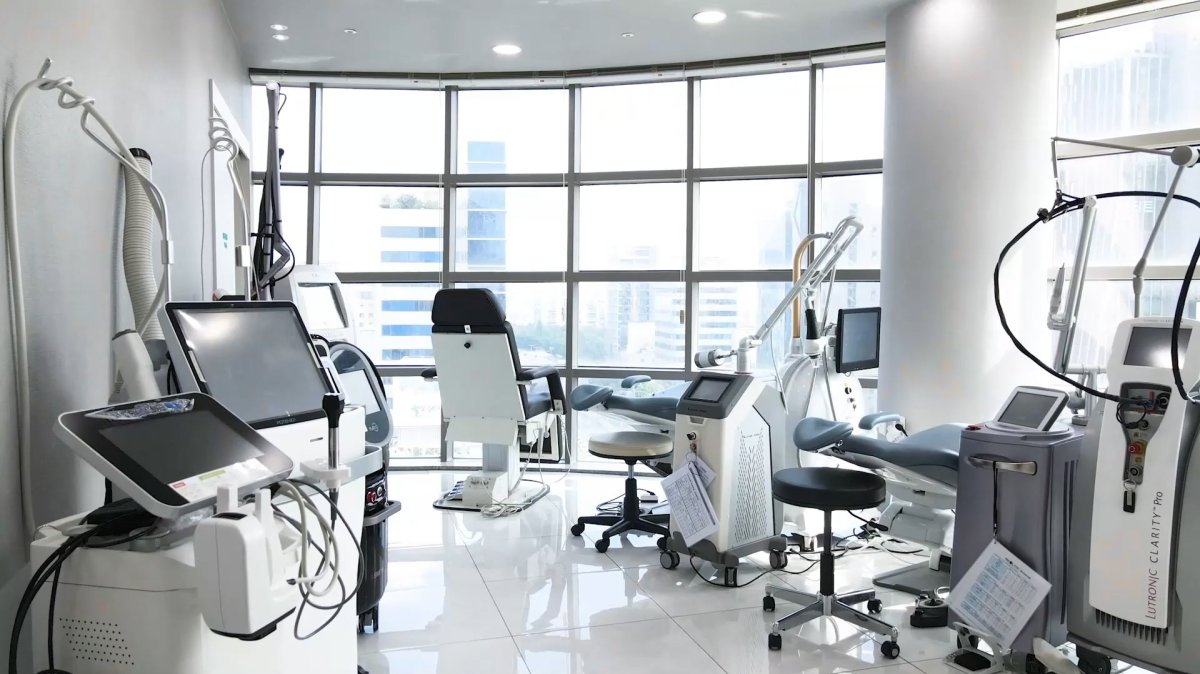
  • علاجات الليزر: يقلل ليزر إكسيمر والعلاج بالضوء UVB ضيق النطاق من الالتهاب الموضعي والتقشر.
  • طب الهانبانغ: تقدم العيادات التقليدية مغليات عشبية والوخز بالإبر المناعي لتنظيم المناعة الجهازية.
  • التشخيص المعقد: يستخدم المتخصصون تصوير دوبلر بالموجات فوق الصوتية والتحليل الهرموني لمراقبة الالتهاب الجهازي.

رؤية خبير Bookimed: تسلط بيانات حجم المرضى الضوء على انقسام حاد في التركيز السريري بين سيول وإنشيون. في سيول، تدير مراكز متخصصة مثل عيادة أوراكل تشيونغدام 25000 زائر سنويًا مع التركيز على أنظمة الليزر عالية التقنية. وعلى العكس من ذلك، تتعامل المستشفيات الجامعية الكبيرة مثل مستشفى جامعة سيول الوطنية بوندانغ مع أكثر من 1.5 مليون حالة، مما يجعلها أكثر ملاءمة للعلاجات البيولوجية التي تتطلب مراقبة جهازية معقدة.

إجماع المرضى: يشير المرضى إلى أن المستشفيات الجامعية الكبيرة أكثر موثوقية للحالات الشديدة من العيادات التجميلية الصغيرة. وغالبًا ما يوصون بإحضار صور واضحة وتاريخ مفصل للأعراض لسد أي فجوات لغوية محتملة أثناء الاستشارات.

هل تمتلك المراكز الكورية مجموعة كاملة من العلاجات البيولوجية، وهل اختبارات الأهلية مطلوبة للمرضى الأجانب؟

تقدم المراكز الطبية الكورية مجموعة واسعة من العلاجات البيولوجية لمرض الصدفية. يجب على المرضى الأجانب الخضوع لاختبارات الأهلية والفحوصات التشخيصية الإلزامية. تضمن هذه البروتوكولات السلامة قبل البدء في علاجات متخصصة. توفر المرافق الرائدة في سيول وإنتشون إمكانية الوصول إلى عوامل مثل أوستيكينوماب وأداليموماب.

  • الاختبارات التشخيصية: تتطلب العيادات تحاليل دم، ومخططات مناعية، وتشخيصًا معقدًا للأمراض الجلدية.
  • فحص العدوى: الفحوصات الإلزامية للكشف عن السل الكامن والتهاب الكبد B/C هي إجراء قياسي.
  • العلاج السابق: غالبًا ما يتحقق الأطباء مما إذا كانت مثبطات المناعة الفموية قد فشلت قبل وصف العلاجات البيولوجية.
  • السجلات الطبية: يجب على المرضى تقديم ملاحظات طبيب الجلدية السابق ونتائج المختبر للمراجعة.

رؤية خبراء Bookimed: من المرجح أن تمتلك المراكز الأكاديمية الأكبر مثل مستشفى جامعة سيول الوطنية أو مركز سامسونج الطبي مخزونًا أوسع من العلامات التجارية البيولوجية المحددة مقارنة بالعيادات المتخصصة الأصغر. في حين تخدم عيادة أوراكل تشيونغدام 25,500 مريض سنويًا وتركز على الأمراض الجلدية، فإن أحجام المرضى الهائلة في مستشفى جامعة سيول الوطنية أو مركز أسان الطبي تشير إلى تكامل أعمق مع إمدادات صيدلانية متنوعة للحالات المزمنة.

إجماع المرضى: يشير المرضى إلى أن كونهم أولوية للعلاج يعتمد على تقديم سجلات دولية واضحة والخضوع لفحص أساسي للعدوى. يؤكد الكثيرون أن الأطباء يركزون على المراقبة والسلامة طويلة المدى بدلاً من مجرد تقديم وصفة طبية سريعة.

كم من الوقت يجب أن أبقى في كوريا الجنوبية لعلاج الصدفية كسائح طبي؟

يتطلب علاج الصدفية في كوريا الجنوبية عادةً إقامة تتراوح من 3 إلى 14 يومًا. يستوعب هذا الإطار الزمني التشخيصات المتقدمة والتدخلات الطبية الأولية. تعتمد مدة زيارتك على ما إذا كنت ستخضع للعلاج البيولوجي، أو العناية المركزة بالبشرة، أو بروتوكولات العلاج بالضوء متعددة الجلسات في مراكز الأمراض الجلدية المتخصصة.

  • بدء العلاج البيولوجي: يتطلب من 4 إلى 7 أيام للتشخيص وحقن جرعة التحميل الأولى.
  • العلاج المكثف: يستمر من 7 إلى 14 يومًا، ويجمع بين العناية الطبية بالبشرة وإجراءات الليزر المستهدفة.
  • دورات العلاج بالضوء: تتطلب من 3 إلى 4 أسابيع لجلسات متسقة وتعديلات جرعة الأشعة فوق البنفسجية.
  • الجدول الزمني للتشخيص: تكمل العيادات تحاليل الدم، ومخططات المناعة، وخزعات الجلد في غضون 48 ساعة.

رؤية خبير Bookimed: تعد كوريا الجنوبية موطنًا لـ 5 من أفضل المستشفيات في العالم لعام 2023. تتعامل هذه المراكز، بما في ذلك مستشفى سيفيرانس ومركز أسان الطبي، مع آلاف المرضى يوميًا. غالبًا ما تقدم المراكز ذات الحجم الكبير تشخيصات رقمية مثل نظام BESTcare لتسريع تحديد المرحلة. وهذا يسمح للسياح بإكمال التقييمات الجلدية المعقدة في حوالي نصف الوقت المطلوب في مناطق أخرى.

إجماع المرضى: يشير المرضى إلى أن تحسن الجلد الملحوظ يستغرق وقتًا ويقترحون إضافة أيام احتياطية لنتائج المختبر. يوصون بتأكيد عدد الزيارات المطلوبة مع العيادة قبل حجز الرحلات الجوية.

هل سيرشدني موظفون يتحدثون الإنجليزية خلال التشخيص والعلاج والمتابعة؟

يقوم المنسقون الناطقون بالإنجليزية في المستشفيات الكورية الجنوبية بتوجيه المرضى خلال التشخيص والعلاج ورعاية المتابعة. تقدم المراكز الكبيرة مثل مستشفى سيفيرانس (Severance Hospital) ومركز سامسونج الطبي (Samsung Medical Center) خدمات معتمدة من قبل اللجنة الدولية المشتركة (Joint Commission International). تستخدم هذه المرافق أقساماً دولية مخصصة لترجمة المصطلحات الطبية والتعامل مع الأوراق اللوجستية.

  • التنسيق المتخصص: تدير مكاتب مخصصة للمرضى الأجانب عمليات التسجيل وجدولة المواعيد.
  • الدعم اللغوي: يساعد المترجمون خلال الفحوصات المعقدة مثل مخططات المناعة وتحاليل الدم.
  • الجودة السريرية: تضمن المستشفيات المعتمدة من قبل KOIHA المعايير الدولية لسلامة المرضى والتواصل.
  • التكامل الرقمي: تعمل المستشفيات الرقمية مثل مستشفى جامعة سيول الوطنية في بوندانغ (Seoul National University Bundang Hospital) على تبسيط سجلات المتابعة.

رؤية خبير Bookimed: تخدم المراكز ذات الحجم الكبير مثل مستشفى سيفيرانس 1.6 مليون مريض خارجي سنوياً. يدعم هذا النطاق الضخم مكاتب دولية متخصصة تفتقر إليها العيادات الأصغر. من الحكمة مراجعة عيادات مثل Oracle Clinic Cheongdam لأنها تسوق خدماتها خصيصاً للمرضى الدوليين من الولايات المتحدة وأستراليا.

إجماع المرضى: يلاحظ المرضى أن المنسقين يتفوقون في لوجستيات العمليات، بينما قد يختلف التواصل بين الطبيب والمريض. من المفيد إحضار صور لنوبات المرض وقوائم الأدوية المترجمة لدعم مناقشة التشخيص.

How do I find a good English-speaking dermatologist for psoriasis in Seoul?

Find an English-speaking dermatologist in Seoul by selecting major university centres or specialised medical skin clinics. Facilities like Severance Hospital and Samsung Medical Center provide dedicated international coordinators. These centres offer specialised psoriasis care, including UV light therapy and biologic injections, within JCI-accredited environments.

  • Clinical focus: Select centres advertising medical dermatology rather than purely aesthetic or cosmetic services.
  • Advanced diagnostics: Major hospitals like Severance Hospital and Samsung Medical Center provide dedicated international coordinators.

Bookimed Expert Insight: Chronic psoriasis cases benefit from Korea's high-volume university hospitals. Severance Hospital treats 4,000,000 patients annually and holds JCI accreditation. Their massive case volume ensures specialists have seen every psoriasis subtype. These institutions offer better access to the latest biologic medications compared to small boutique clinics.

Patient Consensus: Patients recommend checking for UV light therapy options and confirming the doctor's English fluency via email. Experienced patients note that clear explanations of long-term management are more valuable than promises of a quick cure.

What advanced medical treatments are available for psoriasis in South Korea?

South Korea provides psoriasis care through targeted biologics like IL-17 and IL-23 inhibitors. It also uses integrated traditional medicine. Leading JCI-accredited centres in Seoul use laser phototherapy and systemic immunotherapy to clear skin. Specialists provide precise diagnosis using Doppler sonography and hormonal profiling.

  • Biologic therapy: Clinicians use inhibitors like Skyrizi and Dupixent. They treat moderate-to-severe plaque psoriasis.
  • Laser systems: Excimer lasers at centres like Oracle Clinic Cheongdam target localised plaques with high intensity.
  • Integrated medicine: Specialists like Dr Woo Jung Choi use immuno-acupuncture and herbal decoctions for holistic immune regulation.
  • Digital diagnostics: Seoul National University Bundang Hospital uses digital systems to monitor inflammation and hormonal triggers.

Bookimed Expert Insight: South Korea's psoriasis care is uniquely split between massive digital hospitals and specialised laser centres. Severance Hospital treats 4,000,000 cases annually across all specialties. In contrast, boutique clinics like Oracle Clinic Cheongdam handle 25,000 aesthetic and dermatological patients. For Australians, these smaller specialised clinics often provide faster access to the latest laser technologies. They also have board-certified dermatologists like Dr Ro Youngwoo.

Patient Consensus: Patients find biologic injections very effective for symptom management. However, they suggest bringing extra moisturiser for Korea's dry winters. Experiences show that many Korean dermatologists also recommend avoiding sugar and processed foods. This helps control skin inflammation.

Are there alternatives to conventional medicine, like traditional Korean medicine (Hanyak), for psoriasis treatment in Korea?

Traditional Korean medicine is known as Hanbang or Hanyak. It provides popular alternatives to conventional psoriasis treatments in Korea. Approximately 67% of Korean patients use complementary therapies. These include herbal decoctions, immune-acupuncture, and specialised bath therapies. These methods aim to reduce systemic inflammation and regulate immune function alongside modern dermatology.

  • Herbal decoctions: Personalised Hanbang remedies aim to detoxify the blood and boost immune function.
  • Immuno-acupuncture: Specialists like Dr Woo Jung Choi use acupuncture to help regulate the immune system.
  • Integrated clinics: Facilities often combine Western biologics or phototherapy with traditional herbal medicine.
  • Specialised bathing: Balneotherapy uses herbal additives to remove scales and relieve itching naturally.

Bookimed Expert Insight: While traditional medicine is culturally significant, South Korea's major JCI-accredited facilities prioritise diagnostic immunograms. For example, Severance Hospital uses these tests. Australian patients should note that Korean specialists often use these complex blood tests. They confirm the psoriasis subtype before integrating any traditional Hanyak elements. As a result, herbal treatments do not interfere with the efficacy of modern biologics.

Patient Consensus: Patients find conventional dermatology is the primary solution in Korea. However, they often use gentle Korean skincare brands as helpful adjunct support. Many note that managing Korea's dry winters is just as vital. Choosing between Eastern or Western therapies is equally important.

Can I combine Western dermatology with traditional Korean medicine (Hanbang) for psoriasis treatment?

Combining Western dermatology with Hanbang for psoriasis is common and legally recognised in South Korea. Integrative protocols often pair Western phototherapy or biologics for symptom relief. These Western treatments are paired with Hanbang acupuncture and herbal medicine for systemic balance. This dual approach aims to manage inflammation while reducing relapse rates through holistic care.

  • Integrated diagnostics: Clinics perform complex immunograms and blood tests alongside traditional skin assessments.
  • Synergistic techniques: Traditional acupuncture often accompanies Western laser systems to manage chronic psoriasis symptoms.
  • Safety standards: Facilities like Severance Hospital hold JCI accreditation, ensuring rigorous, high-quality patient safety.
  • Expert specialists: Doctors like Dr Woo Jung Choi specialise in holistic Korean medical care.

Bookimed Expert Insight: South Korea is unique because the government officially recognises Hanbang as a primary medical discipline. Hospitals like Na-Eun Hospital and Gachon University Gil Medical Center operate within a system. Here, Western specialists and Hanbang doctors often collaborate under one healthcare model. For patients, this means medical records are shared across departments. It ensures herbal decoctions do not interfere with Western biologics or steroids prescribed during treatment.

Patient Consensus: Patients find that ginseng-based Hanbang creams effectively hydrate the skin. They also reduce irritation caused by strong Western topicals. Many note that fermented herbal extracts help repair the skin barrier. This occurs when they are used alongside standard medical treatments in South Korea.

Are there special precautions to take for my skin while undergoing psoriasis treatment in Korea?

Psoriasis patients in Korea must manage extreme seasonal humidity shifts and a potent skincare culture. Protecting the skin barrier involves avoiding harsh traditional bathhouse scrubbing and choosing fragrance-free moisturisers. Specialists such as Dr Ro Youngwoo at Oracle Clinic Cheongdam provide tailored guidance for these environmental triggers.

  • Environmental control: Use humidifiers during dry winters to prevent skin cracks and flares.
  • Product selection: Avoid popular Korean products containing alcohol, sulphates, or artificial fragrances.
  • Bathhouse caution: Skip traditional scrubbing (Jjimjilbang) as physical trauma can trigger new plaques.
  • Dietary adjustment: Patients suggest prioritising boiled vegetables and legumes while avoiding spicy foods.

Bookimed Expert Insight: University hospitals like Severance Hospital serve millions. However, local dermatology specialists often provide faster access to advanced laser systems. Oracle Clinic Cheongdam serves 25,000 patients annually and includes Australians in its regular patient base. This high volume means clinicians quickly identify if a flare is climate-related. They also know when systemic treatment is required.

Patient Consensus: Patients in Korea recommend treating scalp psoriasis as gently as the face. They do this by using jojoba oil and snail mucin. Experience shows that early skin scans are vital. They help distinguish psoriasis from similar-looking fungal infections common in humid months.

How do I choose between a private dermatology clinic and a university hospital for psoriasis treatment in South Korea?

The choice between a private dermatology clinic and a university hospital in South Korea depends on the severity of the condition. Private clinics provide rapid access for mild psoriasis. University hospitals like Severance Hospital offer multidisciplinary care and advanced biologics. These treat complex or severe cases and psoriatic arthritis.

  • Private clinics: Best for mild cases and fast appointments without requiring a GP referral.
  • University hospitals: Preferred for severe psoriasis needing biologics or specialised rheumatology for joint pain.
  • Diagnostic depth: Major centres like Asan Medical Center handle vast volumes with deep diagnostic experience.
  • Accreditation standards: JCI-accredited facilities such as Gangnam Severance Hospital ensure globally recognised safety protocols.

Bookimed Expert Insight: Quality varies significantly between large-scale digital hubs and specialised private centres. Seoul National University Bundang Hospital uses the digital BESTcare system. This minimises medical errors across 1.5 million annual patients. Conversely, Oracle Clinic Cheongdam handles 25,000 cases yearly with a dedicated six-specialist team. For faster, personal service, specialised private centres often outperform large hospitals.

Patient Consensus: South Korean patients note that private clinics in areas like Itaewon offer better English support. This is for international arrivals. For chronic psoriasis, patients suggest pushing for a tertiary hospital referral. This is when initial clinic treatments seem too generic or ineffective.

What is the climate like in South Korea and how does it affect psoriasis?

South Korea features a continental climate with four distinct seasons. Sharp transitions between freezing, dry winters and hot, humid summers frequently trigger psoriasis flare-ups. Low humidity in winter strips skin moisture. Meanwhile, high summer humidity and urban air pollution further irritate sensitive psoriatic lesions.

  • Winter triggers: Extreme cold and low humidity cause dry, itchy plaques and scalp flares.
  • Summer triggers: High heat and sweat irritate lesions, while air conditioning further dehydrates skin.
  • Pollution impact: Fine dust and poor air quality in cities like Seoul often worsen symptoms.
  • UV therapy: Specialist clinics use light therapy to clear up to 99% of flares.

Bookimed Expert Insight: South Korea is a global hub for dermatology, ranking 5th in our global market data. Clinics like Oracle Clinic Cheongdam treat over 25,000 patients annually using laser systems. Climate shifts are challenging. However, the high concentration of specialists in Seoul means patients can access complex diagnostic sets. These include immunograms and Doppler sonography. With these, patients can manage weather-related flares more precisely than standard consultations allow.

Patient Consensus: Patients report that Korea's rapid weather changes cause sudden full-body flares. Many find city air quality particularly harsh on their skin. However, they note that using shower filters and local UVB therapy helps. This helps manage the transition between humid and dry seasons.

احصل على استشارة مجانية

حدد أفضل طريقة للاتصال بك