علاج الصدفية في تايلاند: 5 مستشفيات


تمت مراجعة المقالة طبيا من قبل
فهد مولود
كيف نعمل؟
ما هي تكلفة الصدفية إجراءات التشخيص والعلاج في تايلاند؟ اعرف الآن
تتراوح تكلفة علاج الصدفية في تايلاند عادةً بين $350 / 11,900฿ و $850 / 28,900฿ لتشخيص معقد لأمراض الجلد. وتبلغ تكلفة الفحوصات الأساسية مثل مخطط المناعة (Immunogram) ما بين $90 / 3,100฿ و $150 / 5,100฿. تعتمد التكاليف الإجمالية على شدة الحالة واستخدام العلاجات البيولوجية المتقدمة. يمكن للمرضى تحقيق وفورات تتراوح بين 40-70% مقارنة بالولايات المتحدة. وتشمل أفضل المدن لهذا العلاج بانكوك وباتايا.
تكاليف علاج الصدفية النموذجية في تايلاند
- تشخيص معقد لأمراض الجلد: $350 / 11,900฿ – $850 / 28,900฿
- مخطط المناعة (Immunogram): $90 / 3,100฿ – $150 / 5,100฿
- تحليل دم موسع: من $100 / 3,400฿
- تحليل دم للملف الهرموني: $100 / 3,400฿ – $190 / 6,500฿
- تخطيط كهربية القلب (ECG): $19 / 650฿ – $50 / 1,700฿
- مخطط التخثر (Coagulogram): $30 / 1,000฿ – $50 / 1,700฿
- تصوير الأوعية الدموية بالدوبلر: من $120 / 4,100฿
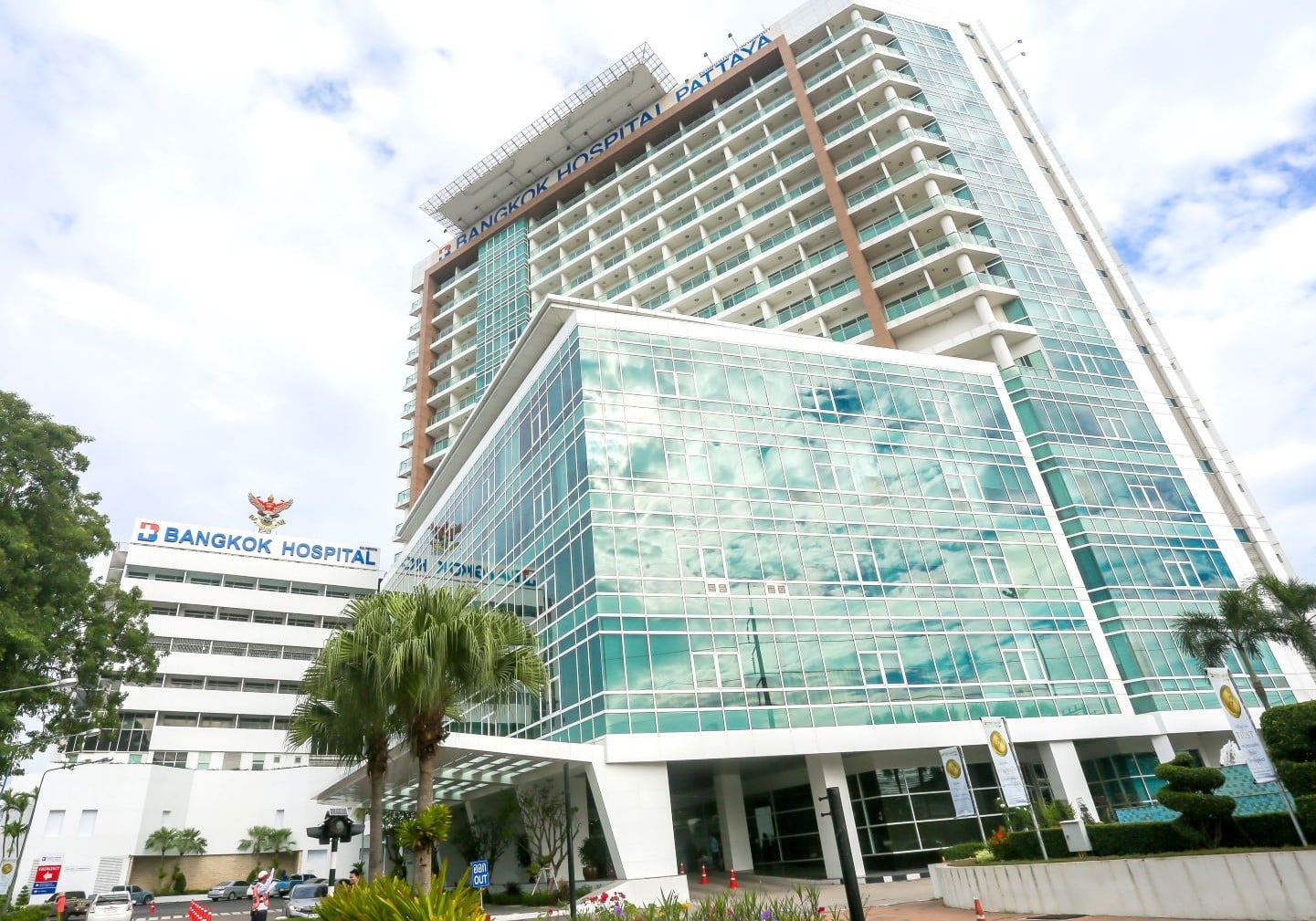
رؤية خبراء Bookimed: يجب على المرضى الدوليين الباحثين عن رعاية عالية التقنية إعطاء الأولوية للمرافق الحاصلة على اعتماد اللجنة الدولية المشتركة (JCI) في بانكوك. يُعد مستشفى بامرونجراد الدولي (Bumrungrad International Hospital) أحد أفضل 10 مراكز عالمية ويخدم مليون مريض سنوياً. ويدعم استخدامهم للذكاء الاصطناعي والتصوير الرقمي تحديد مراحل الصدفية بدقة. وللحصول على رعاية إقليمية، يقدم مستشفى بانكوك باتايا (Bangkok Hospital Pattaya) خبرة واسعة مع 400,000 مريض سنوياً. كما يوفر مستشفى نافامين 9 (Navamin9 Hospital) نهجاً متعدد التخصصات بسعة 285 سريراً للحالات الجهازية.
اكتشف أفضل الصدفية العيادات في تايلاند: 5 خيارات معتمدة والأسعار


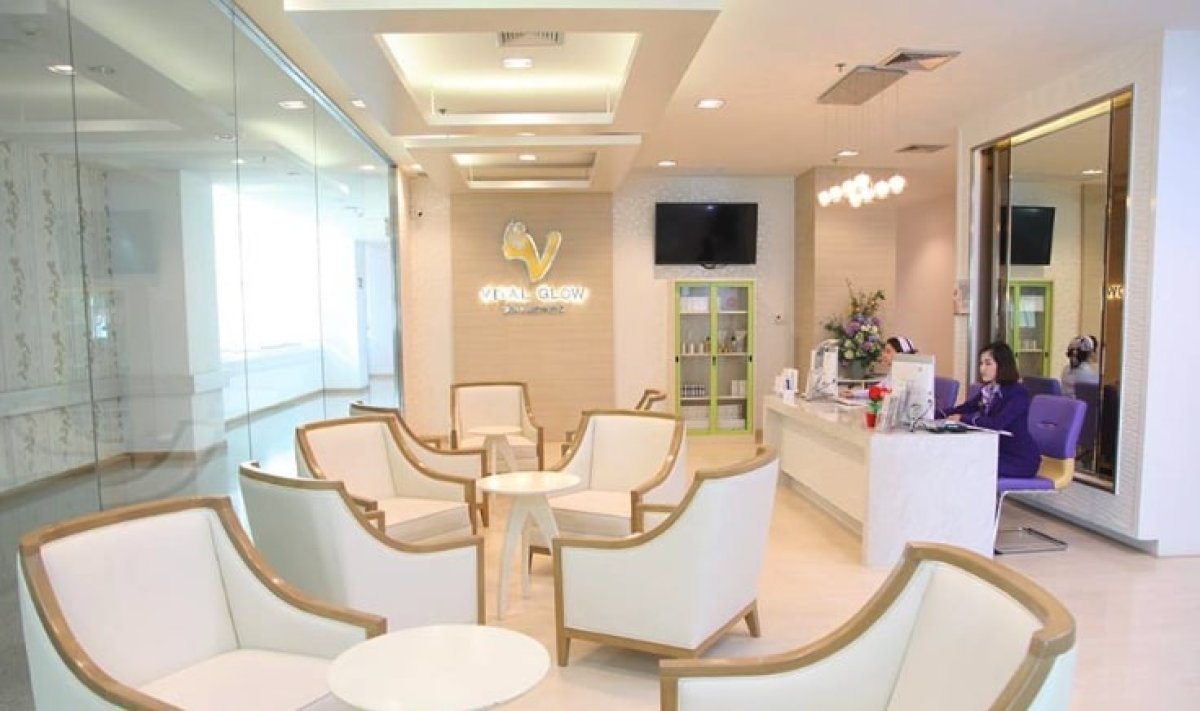






Preecha Aesthetic Institute


احصل على تقييم طبي لـ في تايلاند. استشر الآن 6 أطباء ذوي الخبرة.
عرض جميع الأطباء
Dr Phatcharasak Kraisornphongsakul Md

Chollawat Thongthaisin
الدكتور تشولاوات ثونغثايسين هو الطبيب الرئيسي في عيادات Vega Wellness و Bioprime Sindhorn. وهو متخصص في الطب التجديدي، وعلاجات مكافحة الشيخوخة، وأبحاث الخلايا الجذعية. الدكتور ثونغثايسين معتمد من قبل المجلس الأمريكي للطب التجديدي. وهو يقود الاستشارات السريرية في عيادة Vega في بانكوك.
- يقدم علاجات بالخلايا الجذعية لمرض الزهايمر، ومرض باركنسون، والتصلب المتعدد.
- يجري إجراءات تجميلية بما في ذلك علاجات تساقط الشعر بالبلازما الغنية بالصفائح الدموية (PRP) وعلاج الإكسوسوم.
- ي

Jiraporn Phisalaphong
Patcharasinee Prukwiwat
مشاركة المحتوى
قصص فيديو من مرضى Bookimed
 Anna Leonova
أسئلة متكررة حول علاج الصدفية في تايلاند
أين يمكن الحصول على علاج متخصص للصدفية في تايلاند؟
يمكن للمرضى الحصول على علاج متخصص للصدفية في تايلاند في المستشفيات المعتمدة من قبل اللجنة الدولية المشتركة (JCI) وعيادات الأمراض الجلدية المتخصصة في بانكوك وباتايا. توفر هذه المرافق العلاج بالضوء، والأدوية الجهازية، والعلاجات البيولوجية المتقدمة. توفر مراكز مثل مستشفى بامرونجراد الدولي اختبارات تشخيصية شاملة ورعاية متكاملة للحالات المرتبطة مثل التهاب المفاصل الصدفي.
- مراكز الأمراض الجلدية المتخصصة: مستشفى أسوك للجلدية هو المستشفى الوحيد المخصص للأمراض الجلدية في تايلاند.
- التشخيص المتقدم: تستخدم العيادات مخططات المناعة وتحاليل الدم لتخصيص خطط العلاج الجهازية.
- الرعاية متعددة التخصصات: توفر المستشفيات الكبيرة فحوصات لالتهاب المفاصل الصدفي إلى جانب علاج الجلد.
- تنوع العلاج: توفر المرافق العلاج بالضوء (UVB) ونهجاً غير ستيرويدية للإدارة المزمنة.
رؤية خبير Bookimed: يخدم مستشفى بامرونجراد الدولي مرضى من أكثر من 190 دولة ويضم 1300 طبيب. هذا الحجم الكبير من الحالات الدولية يعني أن الفرق الطبية خبراء في أنواع الصدفية النادرة. غالباً ما يستخدمون التصوير الرقمي المتقدم والسجلات الصحية الإلكترونية لتتبع استجابة العلاج طويلة الأمد بدقة. بالنسبة للمرضى الذين لديهم تاريخ طبي معقد، تضمن هذه البنية التحتية معايير أمان عالية أثناء العلاج البيولوجي.
إجماع المرضى: يشير المرضى إلى أنه من المهم اختيار المستشفيات الخاصة الكبرى للتأكد من أن الأطباء يتحدثون الإنجليزية. كما يوصون بطلب فحوصات التهاب المفاصل الصدفي بشكل خاص أثناء موعدك الأول م
هل تتوفر علاجات بيولوجية متقدمة للصدفية المتوسطة إلى الشديدة؟
تتوفر علاجات بيولوجية متقدمة في تايلاند لعلاج الصدفية المتوسطة إلى الشديدة. توفر المراكز الثالثية المعتمدة من قبل اللجنة الدولية المشتركة (JCI) مثبطات حديثة مثل سيكوكينوماب وأوستيكينوماب. تستهدف هذه العلاجات مسارات مناعية محددة عندما تفشل العلاجات الجهازية القياسية. وهي توفر تنظيفاً كبيراً للويحات وتمنع تلف المفاصل.
- المسارات المستهدفة: تثبط العلاجات البيولوجية بروتينات محددة مثل TNF-alpha أو IL-17 أو IL-23 لوقف الالتهاب.
- الإعطاء السريري: يتم إعطاء الأدوية عن طريق الحقن تحت الجلد أو الحقن الوريدي تحت إشراف متخصص.
- الفحص قبل العلاج: تتطلب المستشفيات المعتمدة من قبل اللجنة الدولية المشتركة فحوصات شاملة للسل والتهاب الكبد قبل بدء العلاج.
- معدلات النجاح: غالباً ما يحقق المرضى تنظيفاً كبيراً للجلد وتحسناً في جودة الحياة مقارنة بالعلاجات الموضعية.
رؤية خبير بوكيميد (Bookimed): تخدم المراكز الطبية التايلاندية مثل مستشفى بامرونجراد الدولي أكثر من مليون مريض سنوياً. حجم عملهم المرتفع يسمح بخبرة واسعة مع مختلف العلامات التجارية البيولوجية. قد يقوم بعض المتخصصين بتحويل المرضى من العلاج الضوئي المتكرر إلى العلاجات البيولوجية لراحة أفضل على المدى الطويل. يضمن اختيار مركز ثالثي توفر مجموعة كاملة من المخططات المناعية التشخيصية داخل المركز.
إجماع المرضى: يؤكد المرضى أن العلاجات البيولوجية غيرت حياتهم في التخلص من اللويحات المستمرة. ويوصون بالبحث عن أطباء جلدية في المستشفيات الكبرى للتعامل بفعالية مع التأمين وإحالات المتخصصين.
ما هي طرق علاج الصدفية المتوفرة في المستشفيات التايلاندية؟
توفر المستشفيات التايلاندية علاجات للصدفية تتراوح بين العلاجات الموضعية والعلاج الضوئي وصولاً إلى العلاجات البيولوجية المتقدمة. تقدم المرافق المعتمدة من قبل اللجنة الدولية المشتركة (JCI) مثل مستشفى بامرونجراد الدولي ومستشفى بانكوك باتايا تشخيصات شاملة. وتشمل هذه المخططات المناعية والملفات الهرمونية لتخصيص العلاجات للحالات المتوسطة إلى الشديدة.
- العلاج الجهازي: تستخدم المستشفيات عوامل تقليدية مثل ميثوتريكسات وعلاجات بيولوجية أحدث تشمل سيكوكينوماب.
- الدقة التشخيصية: تجري المراكز تحاليل دم موسعة وتصوير دوبلر بالموجات فوق الصوتية لتقييم التأثير الجهازي.
- الطب التجديدي: تقدم العيادات المتخصصة مثل عيادة فيجا (Vega Clinic) العلاج بالخلايا الجذعية لدعم المناعة الذاتية.
- العلاج الضوئي المتقدم: توفر المرافق علاجاً ضوئياً بالأشعة فوق البنفسجية (UVB) تحت الإشراف للتحكم في معدلات تجدد خلايا الجلد.
رؤية خبير بوكيميد (Bookimed): في حين يبحث الكثيرون عن رعاية جلدية قياسية، غالباً ما ترتبط أعلى درجات رضا المرضى بالمراكز متعددة التخصصات. تتعامل المرافق الكبيرة مثل بامرونجراد مع أكثر من مليون مريض سنوياً باستخدام أنظمة السجلات الصحية الإلكترونية المتكاملة. تضمن هذه البنية التحتية الرقمية قدرة المتخصصين على تتبع الاستجابات البيولوجية المعقدة بدقة أكبر من العيادات الخاصة الصغيرة.
كيف تتم إدارة استمرارية العلاج للمسافرين الذين يعودون إلى ديارهم؟
تتم إدارة استمرارية علاج الصدفية بعد السفر إلى تايلاند من خلال تحويلات الرعاية الموثقة والتكامل الرقمي. يتلقى المرضى سجلات طبية رسمية وخطط علاج للانتقال إلى الرعاية لدى متخصصين في بلدانهم. تستخدم المرافق التايلاندية الكبرى السجلات الصحية الإلكترونية والتطبيب عن بعد لسد الفجوات الجغرافية بين الفرق الطبية الدولية.
- التوثيق الطبي: ملخصات سريرية آمنة تتضمن المخططات المناعية التشخيصية ونتائج فحوصات الدم.
- تحديد الأدوية: تحديد الأسماء العامة للأدوية لضمان استمرارية العلاج الدوائي بعد العودة.
- تحديثات التطبيب عن بعد: استخدام المنصات الرقمية في مستشفى بامرونجراد الدولي لاستشارات المتابعة عن بعد.
- تخطيط تجديد الوصفات: ترتيب إمدادات دوائية تكفي لمدة 30 يوماً لتغطية فترات انتظار المواعيد المحلية.
رؤية خبير بوكيميد (Bookimed): تظهر بياناتنا أن عدداً كبيراً من المرضى يختارون مراكز معتمدة من قبل اللجنة الدولية المشتركة (JCI) مثل مستشفى بامرونجراد الدولي للحالات المزمنة. تخدم هذه المرافق أكثر من مليون مريض سنوياً وتتخصص في تنسيق الرعاية الدولية. يضمن استخدامهم للسجلات الصحية الإلكترونية سهولة نقل التاريخ المرضي المعقد للصدفية إلى أنظمة الرعاية الصحية الغربية. يعد هذا التوافق الرقمي عاملاً مميزاً وحاسماً لإدارة أمراض المناعة الذاتية على المدى الطويل.
إجماع المرضى: يؤكد المرضى على أهمية الاحتفاظ بصور شخصية لتقدم حالة الجلد إلى جانب السجلات الطبية التايلاندية الرسمية. ويشيرون إلى أن معرفة الأسماء العامة للأدوية أمر ضروري عندما لا تتوف
ما هي المؤهلات التي يجب على المرضى البحث عنها عند اختيار طبيب أمراض جلدية تايلاندي لعلاج الصدفية؟
يجب على المرضى التحقق من شهادة البورد من جمعية الأمراض الجلدية في تايلاند. ابحث عن متخصصين حاصلين على زمالات دولية مثل IFAAD أو FAAD. أعط الأولوية للأطباء في المستشفيات المعتمدة من قبل اللجنة الدولية المشتركة (JCI) مثل Navamin9 أو مستشفى بامرونجراد الدولي. التركيز المتخصص على الأدوية البيولوجية والعلاج بالضوء أمر ضروري لإدارة الصدفية بشكل فعال.
- شهادة التخصص: تحقق من التسجيل في جمعية الأمراض الجلدية في تايلاند (DST).
- التدريب الدولي: ابحث عن مؤهلات زميل دولي في الأكاديمية الأمريكية للأمراض الجلدية (International Fellow of the American Academy of Dermatology).
- اعتماد المستشفى: تضمن معايير اللجنة الدولية المشتركة (JCI) بروتوكولات سلامة سريرية عالية المستوى.
- الخبرة المتقدمة: أكد على الخبرة في العلاجات الجهازية، والأدوية البيولوجية، ووحدات العلاج بالضوء الموجه.
رؤية خبراء Bookimed: تايلاند هي وجهة رائدة للسياحة الطبية مع عيادات تخدم مليون مريض سنويًا. تُظهر بياناتنا أن المراكز ذات الكثافة العالية مثل مستشفى Navamin9 تتعامل مع 500,000 حالة سنويًا. توفر هذه المرافق موارد تشخيصية أعمق مثل المخططات المناعية وتصوير الدوبلر. غالبًا ما تفتقر العيادات الصغيرة التي تركز على التجميل إلى هذه البنية التحتية.
إجماع المرضى: يؤكد المرضى على أهمية العثور على طبيب يناقش الإدارة طويلة الأمد بدلاً من مجرد وصف الكريمات. كما يقترحون اختيار أخصائيين يعملون في مستشفيات يقومون بفحص آلام المفاصل وتغيرات الأظافر.