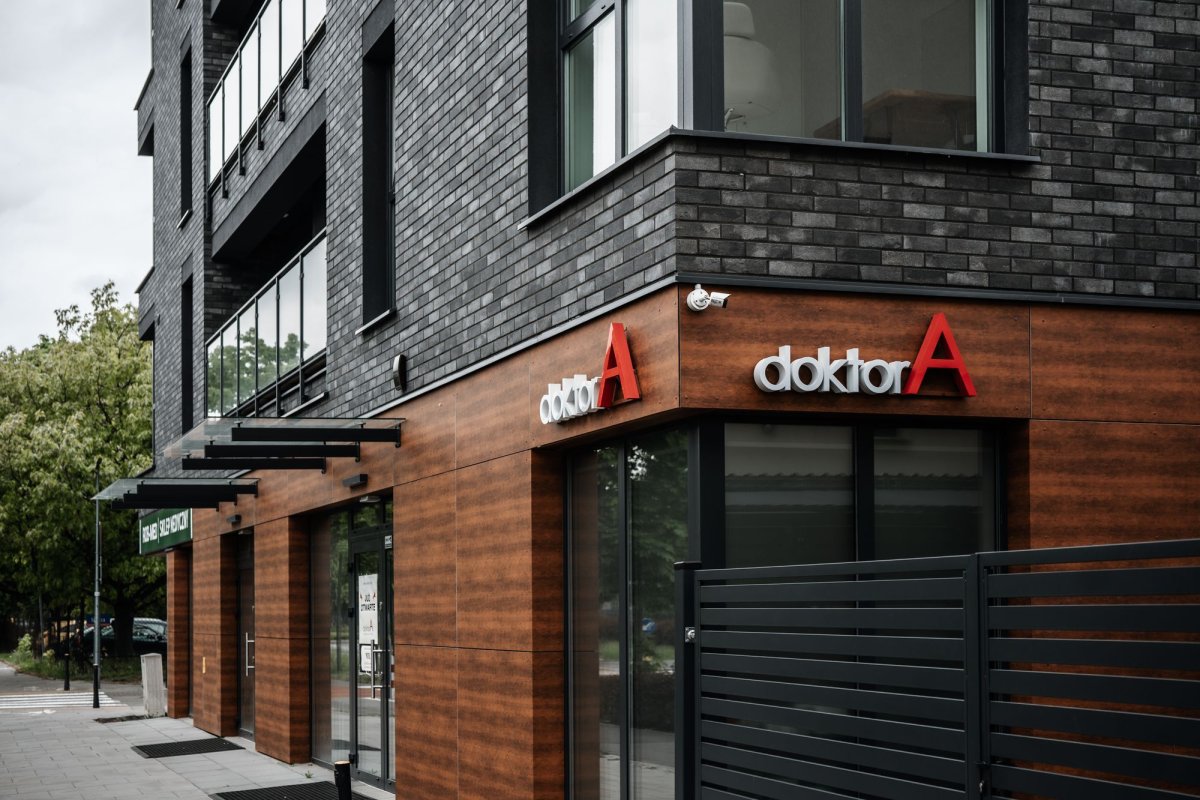
Centrum Medyczne doktorA
بولندا, وارسو


تمت مراجعة المقالة طبيا من قبل
فهد مولود
تتأثر تكلفة علاج الصدفية في بولندا بمدى شدة المرض والاختيار بين الرعاية الصحية العامة أو الخاصة. من $650. وغالباً ما يوفر المرضى ما بين 60 إلى 80% مقارنة بالولايات المتحدة. تشمل أفضل المدن للرعاية الجلدية كراكوف، ووارسو، وودج.
تكاليف علاج الصدفية النموذجية في بولندا
رؤية خبراء Bookimed: يجب على المرضى الذين يبحثون عن خبرة طبية راسخة التفكير في المراكز ذات الكثافة العالية للحالات المعقدة. يُعد المستشفى الجامعي في كراكوف أحد أشهر المؤسسات في بولندا، حيث يعمل به أكثر من 1000 طبيب في 103 أقسام. وبالنسبة لأولئك الذين يحتاجون إلى رعاية خارجية متخصصة، يعالج مركز RMED Kopernika في وودج 6000 مريض سنوياً، وهو خيار متكرر للزوار الدوليين من جميع أنحاء أوروبا.
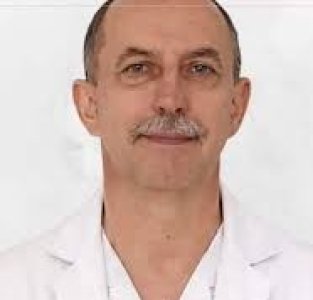
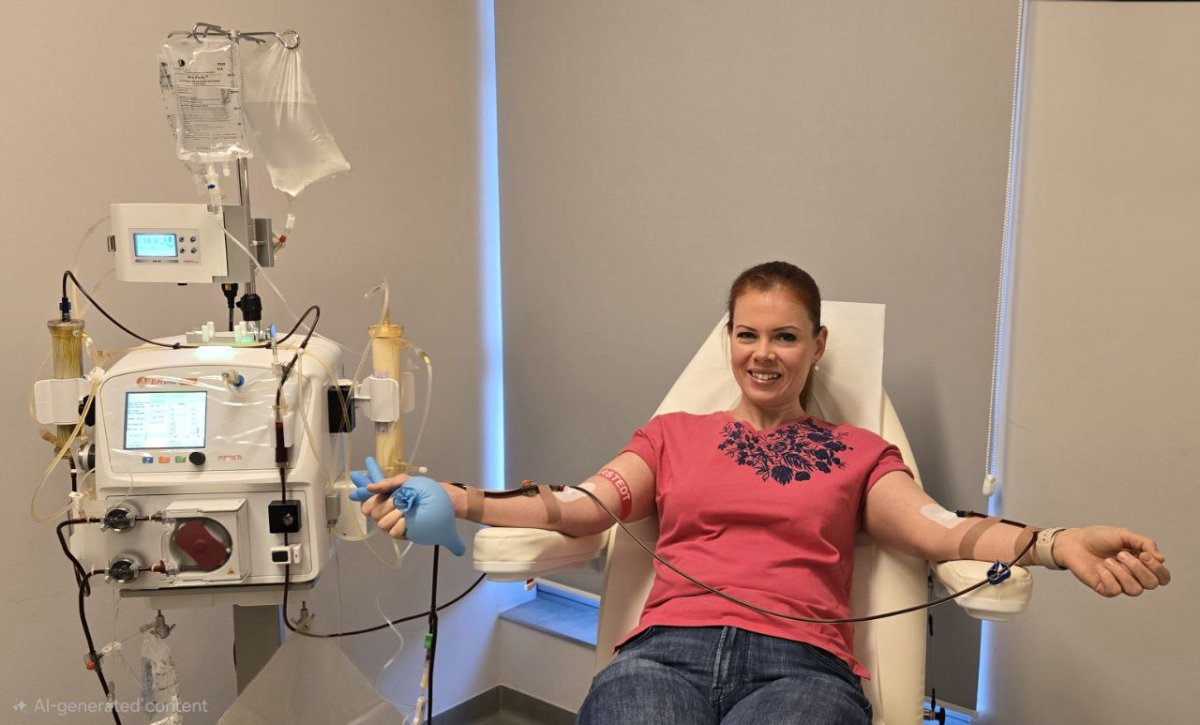
الدكتور Adam Macech جرّاح عام وطبيب طب الطوارئ، بخبرة تزيد على 40 عاماً في بولندا وخارجها. يرأس قسم الطوارئ في مستشفى وارسو الجنوبي، ويشرف كذلك على تنقية الدم (الفِصادة) في Nowoczesna Afereza. شغل منصب خبير طبي مع القوة العسكرية البولندية في العراق، وعمل في الصفوف الأمامية في مستشفيات مخصّصة لكوفيد-19، وقدّم أيضاً الرعاية الطبية على متن سفينة في شمال المحيط الهادئ.
تخرّج في جامعة لوبلين الطبية، وأتم تدريباً سريرياً ضمن هيئة الخدمات الصحية الوطنية (NHS) في دورشستر بالمملكة المتحدة. يحمل
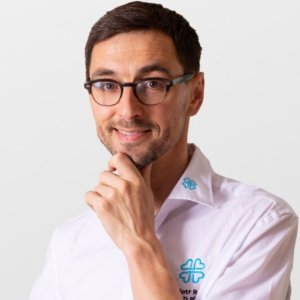
الدكتور بيوتر راك هو أخصائي في الجراحة العامة وجراحة الأورام وطب التجميل. بدأ مسيرته الطبية عام 1995، وأجرى حوالي 460 عملية إعادة زراعة أطراف. كما طور طريقة فريدة لإعادة التأهيل البيوميكانيكي للأطراف المزروعة. في عام 2009، حصل على درجة الدكتوراه في العلوم الطبية من جامعة جدانسك الطبية، وركز بحثه على تأثير العلاج الكيميائي على المركبات العضوية السيليكونية في إعادة بناء الثدي.
أكمل الدكتور راك تدريبات دولية في الجراحة المجهرية وعلاج سرطان الثدي. أشرف على برنامج الكشف المبكر عن سرطان الث
 Anna Leonova
يتبع أطباء الجلدية البولنديون إرشادات الجمعية البولندية للأمراض الجلدية، مع إعطاء الأولوية لنهج متدرج. تتراوح العلاجات من الكورتيكوستيرويدات القشرية الموضعية للحالات الخفيفة إلى العلاجات البيولوجية المتقدمة للحالات الشديدة. تستخدم مراكز مثل المستشفى الجامعي في كراكوف طرق تشخيص حديثة مثل المخططات المناعية والتحليلات الجلدية المعقدة.
رؤية خبير Bookimed: في حين تقدم العديد من العيادات الصغيرة خدمات تجميلية، تتعامل المراكز الأكاديمية الكبيرة مثل المستشفى الجامعي في كراكوف مع أكبر عدد من المرضى. فهي تدير أكثر من 450,000 مريض سنويًا. غالبًا ما يعني هذا الحجم الكبير وصولاً أفضل إلى التشخيصات المعقدة مثل تصوير دوبلر بالموجات فوق الصوتية وتحديد الملف الهرموني. هذه الاختبارات ضرورية لتحديد المسببات الكامنة التي قد تغفل عنها العيادات الخاصة الصغيرة.
إجماع المرضى: يشير المرضى إلى أن المتخصصين البولنديين يلتزمون بدقة بالإرشادات الأوروبية. ويؤكدون على أهمي
العلاج البيولوجي الحديث متاح على نطاق واسع في بولندا. تستخدم البلاد الأجسام المضادة وحيدة النسيلة وبروتينات الاندماج للحالات المزمنة مثل الصدفية اللويحية. يتم إعطاء هذه العلاجات المتقدمة عادةً في أجنحة المستشفيات المتخصصة. يتطلب الوصول إليها استيفاء معايير طبية محددة من خلال البرامج الصحية الوطنية.
رؤية خبير Bookimed: بينما تقدم 86 عيادة في جميع أنحاء بولندا علاجات متنوعة، فإن الوصول الأكثر موثوقية إلى العلاجات البيولوجية يحدث في المراكز الأكاديمية الكبيرة. يخدم مستشفى جامعة كراكوف 455,000 مريض سنوياً ويضم 103 أقسام متخصصة. غالباً ما يضمن هذا النطاق وصولاً أكثر اتساقاً إلى أحدث برامج الأدوية الوطنية مقارنة بالمرافق الخاصة الأصغر.
إجماع المرضى: يشير المرضى إلى أن هذه العلاجات غالباً ما توفر تنظيفاً للبشرة يغير الحياة وتحسناً في الثقة. ويؤكدون على أهمية الاحتفاظ بسجلات مفصلة للعلاجات السابقة الفاشلة لتسريع عملية الموافقة.
يتم علاج الصدفية الشديدة والتهاب المفاصل الصدفي في بولندا في المستشفيات الجامعية الكبرى ومعاهد البحوث الوطنية. يعد المستشفى الجامعي في كراكوف مزوداً عالي الكفاءة يدير 455,000 مريض سنوياً. توفر البرامج المتخصصة علاجات بيولوجية في مرافق معتمدة من JCI أو حاصلة على شهادة ISO في كراكوف ووارسو وودج.
رؤية خبير Bookimed: تُظهر المستشفيات التابعة للجامعات في بولندا قدرة فائقة على التعامل مع الحالات الجهازية. يدير المستشفى الجامعي في كراكوف وحده 103 أقسام ويعمل به أكثر من 1000 طبيب. يضمن هذا النطاق حصول مرضى الصدفية المعقدة على فحص متعدد التخصصات من قبل أطباء الجلد والروماتيزم.
إجماع المرضى: يشير المرضى إلى أن أعراض المفاصل غالباً ما تضمن وصولاً أسرع إلى الرعاية البيولوجية المتقدمة. يوصي معظمهم بالبحث عن برامج قائمة على المستشفيات بدلاً من العيادات الخارجية لضمان علاج جهازي منسق.
تتضمن أول استشارة لمرض الصدفية فحصاً بصرياً للجلد وتاريخاً طبياً مفصلاً. يقوم أطباء الجلد في بولندا عادةً بتقييم اللويحات الموجودة على المرفقين والركبتين وفروة الرأس. كما يقومون بفحص الأظافر والمفاصل بحثاً عن أي التهاب. تؤكد الاختبارات التشخيصية مثل خزعات الجلد أو تحاليل الدم النوع المحدد من الصدفية.
رؤية خبير Bookimed: توفر بولندا حجماً سريرياً مرتفعاً حيث يخدم المستشفى الجامعي في كراكوف 455,000 مريض سنوياً. غالباً ما توفر المراكز الأكاديمية الكبيرة لوحات تشخيصية أكثر شمولاً بما في ذلك تصوير دوبلر بالموجات فوق الصوتية والملفات الهرمونية. هذا العمق في الاختبارات أكثر ندرة في العيادات الخاصة الصغيرة ويساعد في استبعاد المشاكل الالتهابية الكامنة.
إجماع المرضى: يلاحظ المرضى أن أطباء الجلد يركزون بشكل كبير على آلام المفاصل والتاريخ العائلي خلال الزيارة الأولى. يوصون بإحضار صور لنوبات التوهج السابقة لأن الجلد قد يبدو أكثر صفاءً في يوم الموعد الفعلي.
يمكن للمرضى الدوليين الوصول إلى رعاية متقدمة لمرض الصدفية من خلال شبكة بولندا الواسعة من العيادات الخاصة والمستشفيات المتخصصة. توفر المرافق علاجات جهازية حديثة وبروتوكولات تشخيصية. يفضل معظم الزوار المراكز الخاصة لتجنب فترات الانتظار الطويلة. غالبًا ما تضم هذه العيادات متخصصين يتحدثون الإنجليزية وأقسامًا دولية مخصصة للتنسيق.
رؤية خبير Bookimed: تحتل بولندا المرتبة الرابعة عالميًا في بيانات السوق الخاصة بنا لطلبات السياحة العلاجية. بينما تعد كراكوف ووارسو مراكز رئيسية، توفر مدن أصغر مثل لودز مراكز خاصة ذات حجم كبير. يخدم مركز RMED Kopernika آلاف المرضى الخارجيين الدوليين سنويًا على الرغم من قلة عدد أسرة المستشفى. يشير هذا إلى أن هذه العيادات تتفوق في إدارة الصدفية الخارجية المتخصصة والفعالة للمسافرين.
إجماع المرضى: يشير المرضى إلى أن العيادات الخاصة في المدن الكبرى هي الأكثر تجهيزًا لتلبية الاحتياجات الدولية. ويؤكدون على أهمية طلب وثائق باللغة الإنجليزية كتابةً قبل بدء بروتوكولات العلاج التي تتطلب زيارات متعددة.
إلى جانب الأدوية القياسية، تقدم بولندا علاجات بيولوجية متخصصة وعلاجاً بالاستحمام الطبيعي (العلاج بالبالنيو) للتحكم في الصدفية الشديدة. توفر مراكز الأمراض الجلدية الكبيرة أجساماً مضادة أحادية النسيلة مثل أداليموماب وسيكوكينوماب للتحكم الجهازي. يوفر العلاج بالكهوف تحت الأرض الفريد وعلاجات المياه المالحة الساحلية تخفيفاً طبيعياً للأعراض من خلال مناخات دقيقة غنية بالمعادن وينابيع المياه المالحة.
رؤية خبير Bookimed: بولندا وجهة عالية التصنيف، حيث تحتل المرتبة الرابعة عالمياً بين مراكز السياحة العلاجية. تدير المراكز متعددة التخصصات الكبيرة مثل مستشفى الجامعة في كراكوف أكثر من 455,000 مريض سنوياً. يسمح هذا الحجم الكبير للأطباء باكتساب خبرة واسعة في إدارة حالات الصدفية المعقدة والمقاومة للأدوية التي قد تراها المراكز الأصغر بشكل أقل تكراراً.
إجماع المرضى: يشير المرضى إلى أن العلاج البيولوجي هو الخطوة التالية الأكثر فعالية عندما تفشل الكريمات القياسية. ويؤكدون أن التنقل في عملية الإحالة هو التحدي الأكبر للوصول إلى هذه ال
يمكنك المشاركة في التجارب السريرية للصدفية في بولندا. تعد البلاد مركزًا أوروبيًا رئيسيًا للبحوث الجلدية. تجري المراكز المتخصصة في مدن مثل وارسو وكراكوف دراسات المرحلة الثانية والثالثة للمستحضرات البيولوجية المتقدمة. تتبع هذه التجارب بروتوكولات صارمة يشرف عليها مكتب تسجيل المنتجات الطبية.
رؤية خبير Bookimed: يتركز مشهد التجارب السريرية في بولندا بشكل كبير في المراكز الأكاديمية الكبيرة مثل المستشفى الجامعي في كراكوف، الذي يخدم 455,000 مريض سنويًا. غالبًا ما يؤدي هذا الحجم الكبير من المرضى إلى فترات تسجيل أسرع مقارنة بالعيادات الأوروبية الأصغر. إذا كنت تستهدف علاجات أحدث مثل تطبيقات الخلايا الجذعية، فإن خبراء مثل الدكتور بيوتر راك في غدانسك لديهم خبرة محددة في المشاركة في دراسات بحثية دولية واسعة النطاق.
إجماع المرضى: يشير المرضى إلى أنه من المهم الاستعداد لفترات غسل صارمة حيث يجب إيقاف العلاجات الحالية قبل بدء التجربة. ويؤكدون أنه على الرغم من أن الأدوية مجانية، إلا أن السفر المتكرر لتحاليل الدم والتصوير يتطلب التزامًا كبيرًا بالوقت.
تُقدم جراحة الأعصاب في بولندا رعاية عالية الجودة في مرافق معتمدة من قبل اللجنة الدولية المشتركة (JCI) والمنظمة الدولية للمعايير (ISO). يلتزم جراحو الأعصاب البولنديون بمعايير تدريب صارمة معتمدة من قبل الاتحاد الأوروبي. وقد أكمل العديد منهم زمالات في الولايات المتحدة أو ألمانيا. وتتوفر التقنيات المتقدمة، مثل جهاز سايبر نايف وجهاز جاما نايف والأنظمة الروبوتية، على نطاق واسع في المراكز الخاصة.
رأي خبراء بوكيمد: تُظهر البيانات وجود علاقة وثيقة بين تخصص العيادة وأصول مرضاها. تعالج عيادة KCM أكثر من 700 مريض دولي سنويًا، وهي متخصصة في جراحة العمود الفقري طفيفة التوغل. يُمكّنها هذا الحجم من العمل من تقديم باقات خدمات متخصصة، تشمل غالبًا حواجز تشخيصية وزرعات محددة،
يُعدّ جراحو الأعصاب البولنديون متخصصين ذوي كفاءة عالية، إذ أتموا ما لا يقل عن 13 عامًا من التدريب الطبي المكثف. يشمل ذلك ست سنوات من الدراسة في كلية الطب، و13 شهرًا من التدريب العملي، وست سنوات من الإقامة. ويجب عليهم اجتياز امتحان التخصص الحكومي (PES)، وغالبًا ما يحصلون على شهادة من الجمعية الأوروبية لجمعيات جراحة الأعصاب (EANS).
رأي خبراء بوكيميد: تشير البيانات إلى أن جراحي الأعصاب البولنديين غالبًا ما يتخصصون في تقنيات بالغة التخصص، مثل نظام ApiFix أو نظام SED-YESS لتنظير الفقرات القطنية. ويجمع أخصائيون مثل الدكتور ستانيسواف كويك من عيادة KCM بين أبحاث ما بعد الدكتوراه والممارسة الجراحية النشطة. هذا المزيج من المعرفة الأكاديمية المتعمقة والخبرة الجراحية الوا
من بين أفضل عيادات جراحة الأعصاب في بولندا مستشفى كارولينا، وعيادة KCM، ومراكز أكاديمية رائدة مثل مستشفى جامعة كراكوف. تقدم هذه المؤسسات علاجات متطورة لأمراض العمود الفقري والدماغ، مطابقة لمعايير الجودة ISO، وتضم أخصائيين أعضاء في منظمات دولية مثل AO Spine.
رأي خبراء بوكيمد: بينما يتجه الكثيرون إلى أكبر المستشفيات، تُظهر البيانات أن عيادات مثل مستشفى كارولينا تُقدم كفاءة أعلى في العمليات الجراحية الاختيارية. فمع وجود أكثر من 40 طبيباً متخصصاً في هذه المنشأة التي تضم 30 سريراً، تكون نسبة الأطباء إلى المرضى أعلى بكثير مما هي عليه في المراكز الجامعية الحكومية. وهذا يعني رعاية ما بعد الجراحة أكثر عناية، وجدولة أسرع بكثير لإجراءات مثل علاج الانزلاق الغضروفي