علاج أورام الغدد الصم العصبية البنكرياس في تركيا: 30 مستشفيات


تمت مراجعة المقالة طبيا من قبل
فهد مولود
كيف نعمل؟
ما هي تكلفة أورام الغدد الصم العصبية البنكرياس إجراءات التشخيص والعلاج في تركيا؟ اعرف الآن
تختلف تكلفة علاج أورام البنكرياس العصبية الصماء في تركيا اعتمادًا على الإجراءات المحددة وخطط العلاج. يبدأ سعر فحص PET-CT من حوالي $650، ويمكن أن يصل سعر فحص PET-CT المتخصص باستخدام مادة مشعة (Ga-68 DOTA-TATE) للكشف عن الأورام العصبية الصماء إلى $1,700. تتراوح جلسات العلاج الكيميائي من $2,500 إلى $3,800. يتراوح سعر جلسة العلاج المناعي بين $6,500 و $7,000. يتم تخصيص خطة العلاج بناءً على تقييم فردي لحالة المريض.
| تركيا | إسبانيا | ألمانيا | |
|---|---|---|---|
| نانو نايف NanoKnife | ≈ $9,500 | ≈ $9,500 | ≈ $9,500 |
| سايبر نايف CyberKnife | من $4,900 | من $14,800 | من $9,000 |
| العلاج بالأنتيوم-225 | من $20,500 | ≈ $28,000 | ≈ $18,000 |
| استئصال الورم على البنكرياس | من $15,000 | ≈ $11,500 | ≈ $15,500 |
اكتشف أفضل أورام الغدد الصم العصبية البنكرياس العيادات في تركيا: 30 خيارات معتمدة والأسعار
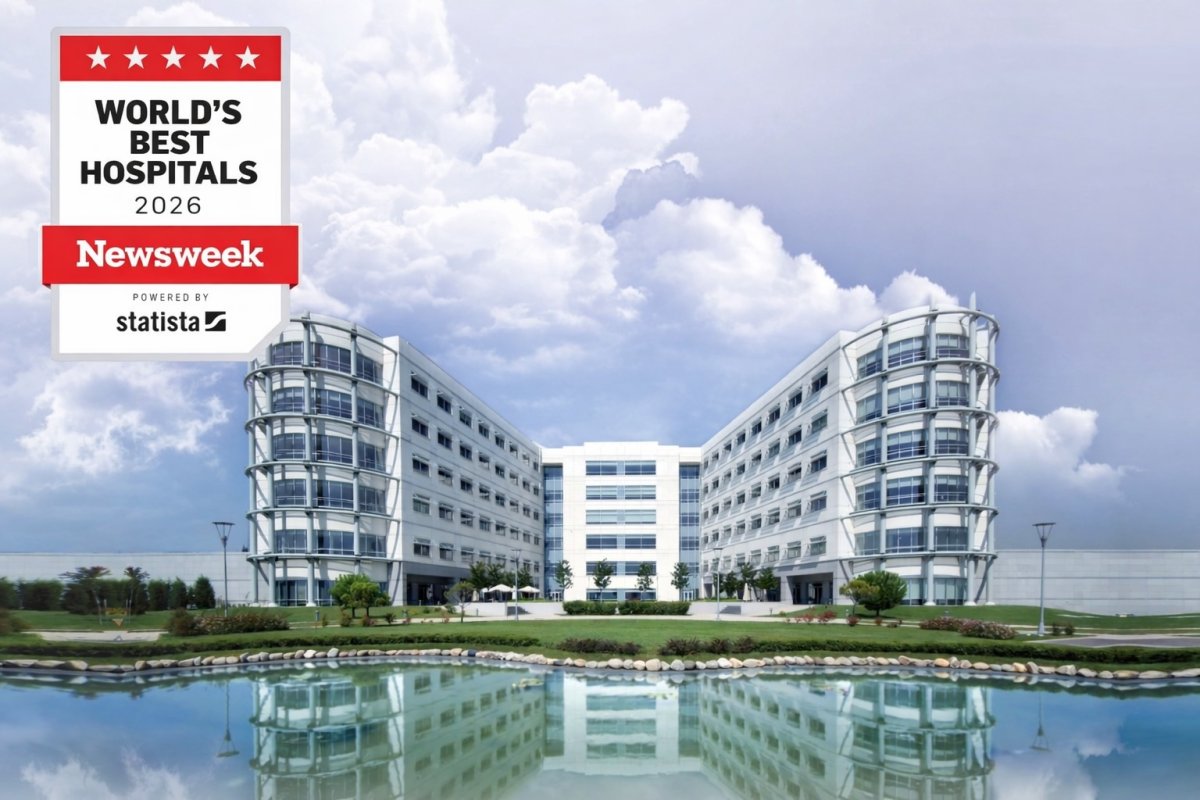








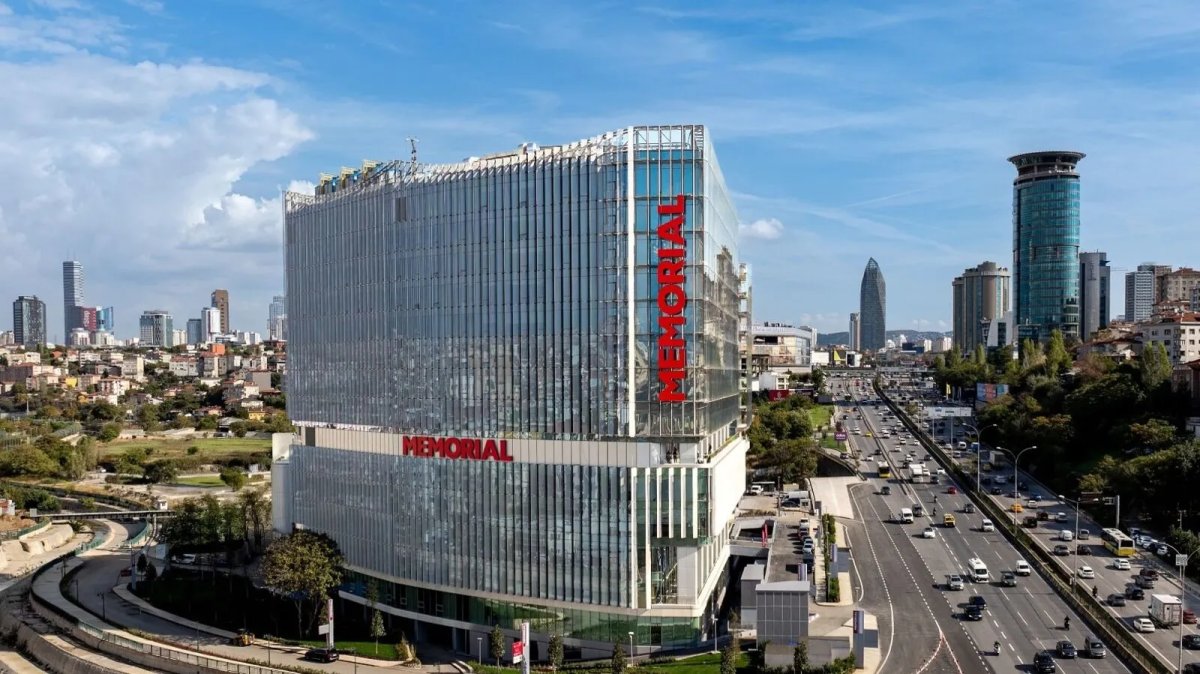
Memorial Göztepe Hospital


Memorial Ankara Hospital


احصل على تقييم طبي لـ في تركيا. استشر الآن 46 أطباء ذوي الخبرة.
عرض جميع الأطباء
Bulent Karagoz
يتخصص الدكتور بولنت كاراغوز في مناعة الأورام والعلاجات الموجهة لأورام البنكرياس العصبية الصماوية في مركز الأناضول الطبي.
- أكثر من 33 سنة من الخبرة في طب الأورام
- أستاذ في كلية الطب بجامعة إسطنبول أوكان
- رئيس سابق لقسم طب الأورام في مستشفى غاتا حيدر باشا التعليمي
- نشر أكثر من 40 ورقة بحثية في دراسات السرطان
- عضو في الجمعية التركية لطب الأورام

Cuneyt Turkmen
الدكتور جونيت توركمان هو أخصائي طب نووي في مستشفى ميموريال شيشلي في إسطنبول. وقد نشر أكثر من 80 ورقة علمية حول الأورام والتصوير الطبي. أكمل الدكتور توركمان زمالة مهنية في مستشفى جامعة سالغرينسكا في السويد. وهو يركز على العلاج بالنويدات المشعة الموجه لسرطانات الكبد والبروستاتا والغدة الدرقية.
- يجري عمليات الانصمام الإشعاعي وعلاج اللوتيتيوم-177 لحالات السرطان المتقدمة.
- خبير في إشعاع الأكتينيوم-225 ومسح الأميلويد بالتصوير المقطعي بالإصدار البوزيتروني (PET).
- عضو في الجمع
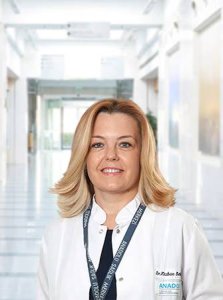
Kezban Berberoglu
الدكتورة كيزبان بيربيروغلو هي أستاذة في الطب النووي في مركز الأناضول الطبي في إسطنبول. أكملت تدريبها في كلية الطب بجامعة جونز هوبكنز في بالتيمور. تتخصص الدكتورة بيربيروغلو في الأورام النووية وأمراض القلب النووية. تعالج سرطانات الغدة الدرقية والبروستاتا باستخدام علاجات النظائر المشعة. وهي عضو في الجمعية الأوروبية للطب النووي.
- تجري علاجات اللوتيتيوم-177 والأكتينيوم-225 لمرضى الأورام.
- خبيرة في تصوير PET-CT باستخدام الغاليوم 68 لحالات الأورام.
- عضو في مجموعة عمل أمرا

Abdulcabbar Kartal
الدكتور عبد الجبار كارتال هو جراح قولون ومستقيم وجراح عام في مركز الأناضول الطبي. وهو متخصص في جراحة HIPEC وجراحات السمنة. أجرى أكثر من 500 عملية جراحية للسمنة. الدكتور كارتال حاصل على شهادة من الجمعية الأوروبية لجراحة القولون والمستقيم (FEBS-C). يعمل في عيادة تابعة لـ Johns Hopkins Medicine.
- أكمل أكثر من 650 عملية جراحية في كبرى المستشفيات في تركيا.
- حاصل على شهادة من الجمعية الجراحية التركية لمؤهلاته الجراحية.
- يستخدم تقنيات الليزر لأمراض البواسير والإجراءات الت
المراجعات
جميع المراجعاتمشاركة المحتوى
قصص فيديو من مرضى Bookimed
 Anna Leonova
أسئلة متكررة حول علاج أورام الغدد الصم العصبية البنكرياس في تركيا
ما هي طرق العلاج الرئيسية المقدمة في تركيا لأورام البنكرياس العصبية الصماوية (PanNETs)؟
توفر تركيا علاجات متخصصة لأورام البنكرياس العصبية الصماوية (PanNETs) باستخدام نهج متعدد التخصصات. تشمل الخيارات الرئيسية الجراحة الأورام، وعلاج الببتيد المشع بمستقبلات الراديونوكليد (PRRT)، والعلاج الجزيئي الموجه. تستخدم المراكز المعتمدة من JCI في إسطنبول فحوصات DOTA PET لتحديد مرحلة الورم بدقة، وActinium-225 أو Lutetium-177 للحالات المتقدمة.
- الاستئصال الجراحي: يقوم الجراحون بإجراء عمليات ويبل، واستئصال البنكرياس البعيد، والاستئصال الموضعي للأورام.
- النظائر المشعة المتقدمة: توفر مراكز مثل مركز الأناضول الطبي علاج Actinium-225 لسرطان الغدد الصماء العصبية النقيلي.
- التصوير النووي: يستخدم المتخصصون تصوير DOTA PET ومسح مستقبلات السوماتوستاتين لتحديد مرحلة الورم بدقة.
- العلاج الموجه: يصف أطباء الأورام الإيفيروليموس أو السونيتينيب لتثبيط مسارات نمو الورم المتقدمة.
رؤية خبير Bookimed: بينما تقدم العديد من البلدان Lutetium-177 فقط، توفر المراكز التركية المتخصصة علاج Actinium-225 المتقدم. تظهر البيانات أن عيادات مثل مركز الأناضول الطبي تحافظ على معايير صارمة لـ Johns Hopkins لبروتوكولات الطب النووي هذه. وهذا يوفر بديلًا حيويًا للمرضى الذين لم تعد أورامهم تستجيب لعلاجات PRRT القياسية.
إجماع المرضى: يؤكد المرضى على سهولة الخدمات المتكاملة حيث يتم إجراء التشخيصات مثل DOTA PET والعلاجات مثل PRRT في نفس المنشأة. يلاحظ الكثيرون أن وجود منسق مخصص يتحدث الروسية أو الإنجليزية يساعد في إدارة الجدول الزمني المعقد لدورات الطب النووي.
ما هي المستشفيات التركية التي تتمتع بسمعة معترف بها في علاج أورام الغدد الصماء العصبية البنكرياسية (PanNETs)؟
تشمل أفضل المستشفيات التركية لأورام الغدد الصماء العصبية البنكرياسية (PanNETs) مركز أناضولو الطبي، ومستشفى ميموريال شيشلي، ومستشفى جامعة ميديبول ميغا. تقدم هذه المرافق المعتمدة من اللجنة الدولية المشتركة (JCI) علاجات متقدمة مثل أكتينيوم-225 وCyberKnife. وهي تضم خبراء متخصصين من مايو كلينك وMD Anderson وتوفر رعاية متعددة التخصصات في إسطنبول.
- مركز أناضولو الطبي: تابع لـ Johns Hopkins Medicine، ويقدم علاج أكتينيوم-225 للسرطان العصبي الصماوي.
- جامعة ميديبول ميغا: توفر إشعاع CyberKnife متقدم وطب نووي متخصص للأورام المعقدة.
- مستشفى ميموريال شيشلي: يضم أطباء أورام بخبرة تزيد عن 25 عامًا وجهاز PET/CT رقمي لتحديد المراحل بدقة.
- مستشفى هيسار انتركونتيننتال: يضم وحدة متخصصة في الكبد والبنكرياس والقنوات الصفراوية أسسها جراحون تدربوا في مايو كلينك.
رؤية خبير Bookimed: يتميز مركز أناضولو الطبي لأن برنامج الطب النووي الخاص به يتبع معايير Johns Hopkins بشكل مباشر. في حين أن العديد من العيادات تقدم أورامًا عامة، توفر أناضولو حزم أكتينيوم-225 محددة بتكلفة تتراوح بين 23,000 إلى 24,700 دولار. تظهر بياناتنا أن د. كيزبان بيربيروغلو هي خيار متكرر لعلاجات النويدات المشعة هذه. هذا المستوى من التخصص نادر خارج المراكز الأكاديمية من الدرجة الأولى.
إجماع المرضى: يشير المرضى إلى أنه من المفيد الإقامة في فنادق تابعة للعيادات والتي توفر غالبًا حافلات مكوكية مجانية كل 30 دقيقة. يؤكد الكثيرون أن وجود منسق مخصص يتحدث الروسية أو الإنجليزية مثل الموجود
هل تتمتع فرق الأورام التركية بخبرة في التعامل مع أورام الغدد الصماء العصبية البنكرياسية المتقدمة أو النقيلية؟
توفر فرق الأورام التركية خبرة واسعة في علاج أورام الغدد الصماء العصبية البنكرياسية (pNETs) المتقدمة. تستخدم المراكز المتخصصة بنية تحتية معتمدة من JCI ولجان أورام متعددة التخصصات. وهي توفر علاجات متقدمة مثل Actinium-225 وLutetium-177 (PRRT). غالبًا ما يحمل الخبراء شهادات من الجمعية الأوروبية لعلم الأورام الطبي (ESMO) ويتبعون البروتوكولات الدولية.
- العلاج بالنويدات المشعة الموجهة: تستهدف علاجات Actinium-225 وLutetium-177 الخلايا النقيلية بشكل خاص.
- تقنيات جراحية متخصصة: يقوم الجراحون بإجراء عمليات استئصال الأورام المعقدة وعمليات استئصال البنكرياس الكبرى.
- تصوير الأورام المتقدم: تستخدم المرافق مسوحات DOTA PET لتحديد مراحل أورام الغدد الصماء العصبية بدقة.
- الخلفية الأكاديمية للخبراء: يقود أساتذة مثل الدكتور Sezer Sağlam برامج تعليمية دولية حول أورام الغدد الصماء العصبية.
رؤية خبير Bookimed: تشير بيانات المرضى إلى أن مركز الأناضول الطبي هو خيار متميز للحالات النقيلية. وهو يتبع معايير Johns Hopkins ويحافظ على بروتوكولات محددة لعلاج Actinium-225. هذا أمر نادر، حيث تقدم معظم العيادات Lutetium-177 فقط. تشمل باقاتهم التي تبلغ حوالي 23,000 دولار متابعة كاملة في الطب النووي، وهو أمر حيوي لإدارة الأمراض المتقدمة.
إجماع المرضى: غالبًا ما يشعر المرضى بالارتياح للسرعة التي يمكنهم بها جدولة مسوحات PET ودورات PRRT مقارنة ببلدانهم الأصلية. ويؤكدون على أهمية التأكد من أن العيادة لديها فريق متعدد التخصصات مخصص تحديدًا لحالات الغدد الصماء
ما هي المدة المعتادة للبقاء في المستشفى إذا كانت هناك حاجة لاستئصال جراحي؟
عادةً ما تستغرق فترة الإقامة في المستشفى بعد جراحة أورام الغدد الصماء العصبية البنكرياسية في تركيا ما بين 5 إلى 10 أيام. تسمح عمليات الاستئصال طفيفة التوغل غالباً بخروج المريض في غضون 3 إلى 5 أيام. أما الإجراءات المعقدة مثل جراحة ويبل (Whipple) فتتطلب عادةً البقاء من 7 إلى 10 ليالٍ في المستشفى لضمان التعافي الآمن.
- نوع الإجراء: يتطلب استئصال البنكرياس البعيد عادةً من 4 إلى 7 أيام من المراقبة في المستشفى.
- النهج الجراحي: تقلل الطرق بالمنظار والجراحة الروبوتية فترات الإقامة بمقدار 2 إلى 3 أيام عادةً.
- معايير الخروج: يجب أن يكون المريض قادراً على تحمل الطعام عن طريق الفم وإدارة الألم دون الحاجة إلى أدوية وريدية.
- إدارة المصارف (الدراين): غالباً ما ينتظر الجراحون حتى تستقر المصارف الجراحية قبل السماح بالخروج.
رؤية خبراء Bookimed: بينما تُعتبر الإقامة في المستشفى أمراً قياسياً، يطلب الأخصائيون في تركيا، مثل الدكتور كيفانش ديريا بيكر، غالباً قضاء 5 إلى 7 أيام إضافية في فندق قريب. يوفر هذا الإجراء الاحترازي فرصة لإزالة المصارف وإجراء الفحوصات النهائية قبل عودة المرضى إلى ديارهم جواً. ويساعد هذا النهج في تحديد أي تسريبات بنكرياسية متأخرة قد تحدث أثناء الرحلة الجوية.
آراء المرضى: يشير المرضى إلى أنه على الرغم من أن الإقامة في المستشفى غالباً ما تكون لمدة أسبوع، إلا أن الأيام الأولى في المنزل أو الفندق تكون الأكثر إرهاقاً. ويؤكد معظمهم أن وجود منسق محلي، مثل منسقي Medipol Mega، يساعد بشكل كبير في إدارة الانتقال من الرعاية السر