علاج أورام الغدد الصم العصبية البنكرياس في إسبانيا: 4 مستشفيات


تمت مراجعة المقالة طبيا من قبل
فهد مولود
كيف نعمل؟
ما هي تكلفة أورام الغدد الصم العصبية البنكرياس إجراءات التشخيص والعلاج في إسبانيا؟ اعرف الآن
تعد تكلفة علاج أورام الغدد الصماء العصبية البنكرياسية في إسبانيا أقل بنسبة 40-60% تقريبًا مقارنة بالولايات المتحدة أو المملكة المتحدة. من $14,800. تعتمد النفقات الإجمالية على مرحلة الورم، والتدخل الجراحي اللازم، واختيار المستشفى. وتعد برشلونة ومدريد المركزين الرئيسيين لرعاية الأورام المتخصصة هذه.
تكاليف علاج أورام الغدد الصماء العصبية البنكرياسية النموذجية في إسبانيا
- CyberKnife: من $14,800
- علاج الأكتينيوم-225: $28,000 – $45,000
- NanoKnife: $9,500 – $15,500
رؤية خبراء Bookimed: بالنسبة للأورام الهضمية المعقدة، توفر الرعاية متعددة التخصصات في المراكز المعتمدة من اللجنة الدولية المشتركة (JCI) مثل Centro Médico Teknon خبرة جراحية عالية. يستفيد المرضى الذين يحتاجون إلى علاج إشعاعي متقدم من عيادات GenesisCare، التي تستخدم أحدث تقنيات CyberKnife عبر شبكتها المتخصصة. قد يفكر المرضى الدوليون الباحثون عن تشخيصات مبتكرة في مستشفى Hospital Universitario HM Sanchinarro، حيث كانت خدمة الأورام لديه، بقيادة الدكتور أنطونيو كوبيلو غراسيان، رائدة في برامج الخزعة السائلة في إسبانيا لمراقبة الأورام بدقة.
| تركيا | إسبانيا | ألمانيا | |
|---|---|---|---|
| نانو نايف NanoKnife | ≈ $9,500 | ≈ $9,500 | ≈ $9,500 |
| سايبر نايف CyberKnife | من $4,900 | من $14,800 | من $9,000 |
| العلاج بالأنتيوم-225 | من $20,500 | ≈ $28,000 | ≈ $18,000 |
| استئصال الورم على البنكرياس | من $15,000 | ≈ $11,500 | ≈ $15,500 |
اكتشف أفضل أورام الغدد الصم العصبية البنكرياس العيادات في إسبانيا: 4 خيارات معتمدة والأسعار






GenesisCare Clinics

Hospital HM Sanchinarro
Antonio Cubillo Gracián


احصلوا على تقييم طبي لـ أورام الغدد الصم العصبية البنكرياس في إسبانيا: استشيروا أطباء ذوي خبرة الآن
عرض جميع الأطباء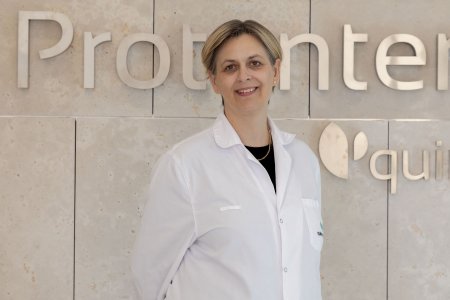
Stephanie Lilianne E Bolle
الدكتورة ستيفاني ليليان إي. بولي اختصاصية علاج الأورام بالإشعاع ورئيسة قسم علاج الأورام بالإشعاع في مركز كيرونسالود للعلاج بالبروتون في مدريد. تتولى قيادة القسم منذ يوليو/تموز 2024. يُعد المركز أول مرفق للعلاج بالبروتون في إسبانيا.
دكتوراه في الطب، جامعة لييج (1998). حاصلة على البورد في علاج الأورام بالإشعاع (2003). عضو نشط في الجمعية الأوروبية لطب أورام الأطفال وتعمل مع مجموعة أورام الدماغ ومجموعة عمل علاج الأورام بالإشعاع التابعة لها.
نشرت أكثر من 120 مقالة علمية حول أورام دما
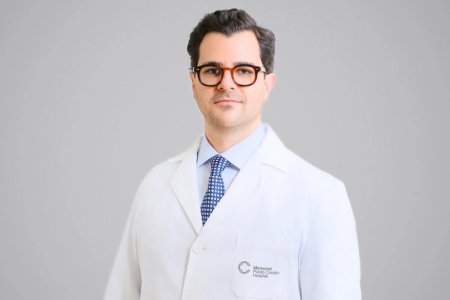
Pedro Nespral Torres
الدكتور بيدرو نيسبال توريس هو طبيب في الطب النووي في مستشفى بوبليو كوردون التذكاري في مدريد. يعالج حالات الغدة الدرقية والسرطان باستخدام العلاج باليود المشع. يعمل الدكتور توريس في حالات سرطان البروستاتا وأورام الغدد الصم العصبية في البنكرياس.
يمارس عمله في منشأة معتمدة من قبل اللجنة الدولية المشتركة (JCI). يضم المستشفى أكثر من 100 متخصص ويتبع البروتوكولات السريرية الأوروبية.
Antonio Cubillo Gracián
يتخصص الدكتور أنطونيو كوبيلو غراسيان في علم الأورام مع التركيز على أورام البنكرياس الغدد الصماء العصبية في مستشفى HM Sanchinarro الجامعي.
- مدير درجة الماجستير في البحوث السريرية والتطبيقية في علم الأورام
- أستاذ مشارك في درجة الماجستير في تكون الأورام مع خبرة تدريسية واسعة في علم الأورام
- مدرب في أمراض الجهاز الهضمي
مشاركة المحتوى
قصص فيديو من مرضى Bookimed
 Anna Leonova
أسئلة متكررة حول علاج أورام الغدد الصم العصبية البنكرياس في إسبانيا
كيف يتم تحديد مراحل الأورام العصبية الصماوية البنكرياسية (PanNETs) وتقييمها للعلاج في إسبانيا؟
تقوم مراكز الأورام الإسبانية بتحديد مراحل الأورام العصبية الصماوية البنكرياسية باستخدام تصنيف TNM الخاص بـ AJCC والتقييم البيولوجي لمنظمة الصحة العالمية. تقوم مجالس الأورام متعددة التخصصات المتخصصة في العيادات المعتمدة من JCI بتقييم قابلية الاستئصال، والوظيفة الهرمونية، ومؤشر تكاثر Ki-67. تشمل أدوات التشخيص الرئيسية تصوير PET-CT بـ 68Ga-DOTATATE والتصوير بالرنين المغناطيسي عالي الدقة لرسم خرائط دقيقة للورم.
- التصوير التشخيصي: يكتشف تصوير PET-CT بـ 68Ga-DOTATATE تعبير مستقبلات السوماتوستاتين لتوجيه قرارات العلاج الموجه.
- التقييم البيولوجي: يستخدم علماء الأمراض مؤشر Ki-67 لتصنيف الأورام من G1 بطيئة النمو إلى G3 العدوانية.
- تأكيد الأنسجة: يوفر التصوير بالموجات فوق الصوتية بالمنظار مع خزعة الإبرة الدقيقة عينات عالية الدقة لعلم الأنسجة النهائي وتحديد المراحل.
- العلاجات المتقدمة: يعتمد الاختيار بين علاج CyberKnife أو NanoKnife أو Actinium-225 على موقع الورم وانتشاره.
رؤية خبير Bookimed: غالبًا ما تعطي مراكز الأورام الرائدة في إسبانيا الأولوية لاستئصال الورم مع الحفاظ على العضو للأورام التي يقل حجمها عن 2 سم بدلاً من الاستئصال الجذري. تُظهر البيانات أن مراكز مثل Centro Médico Teknon أو Hospital Universitario HM Sanchinarro تعالج آلاف الحالات الأورام المعقدة سنويًا. يسمح هذا الحجم الكبير لمجالسهم متعددة التخصصات بالتحول بنجاح بين المراقبة للأورام منخفضة الدرجة والتدخلات العدوانية مثل PRRT دون المساس بالسلامة.
إجماع المرضى: ي
هل الجراحة مطلوبة دائمًا لورم الغدد الصماء العصبية في البنكرياس؟
لا تكون الجراحة مطلوبة دائمًا لأورام الغدد الصماء العصبية في البنكرياس. غالبًا ما يوصي الأطباء بالمراقبة النشطة للأورام الصغيرة غير الوظيفية التي يقل حجمها عن 2 سم. تعتمد القرارات على حجم الورم، ومعدل النمو، والنشاط الهرموني، والصحة العامة. تتطلب الأمراض النقيلية المتقدمة أحيانًا علاجات جهازية بدلاً من الجراحة الأولية.
- المراقبة النشطة: تراقب فحوصات التصوير بالرنين المغناطيسي أو الأشعة المقطعية بانتظام الأورام بطيئة النمو والتي لا تظهر عليها أعراض بأمان.
- النشاط الهرموني: تتطلب الأورام الوظيفية التي تسبب أعراضًا مثل انخفاض نسبة السكر في الدم عادةً تدخلًا جراحيًا.
- حجم الورم: تحمل الأورام التي يتجاوز حجمها 2 سم مخاطر أعلى للانتشار وعادة ما تستلزم الاستئصال.
- الطب النووي: تستهدف الخيارات المتقدمة مثل الأكتينيوم-225 أو العلاج بالنويدات المشعة لمستقبلات الببتيد (PRRT) الخلايا السرطانية دون جراحة مفتوحة.
- أدوات الجراحة الإشعاعية: غالبًا ما تستخدم المرافق تقنيات CyberKnife أو NanoKnife لتدمير الورم بدقة وبشكل غير جراحي.
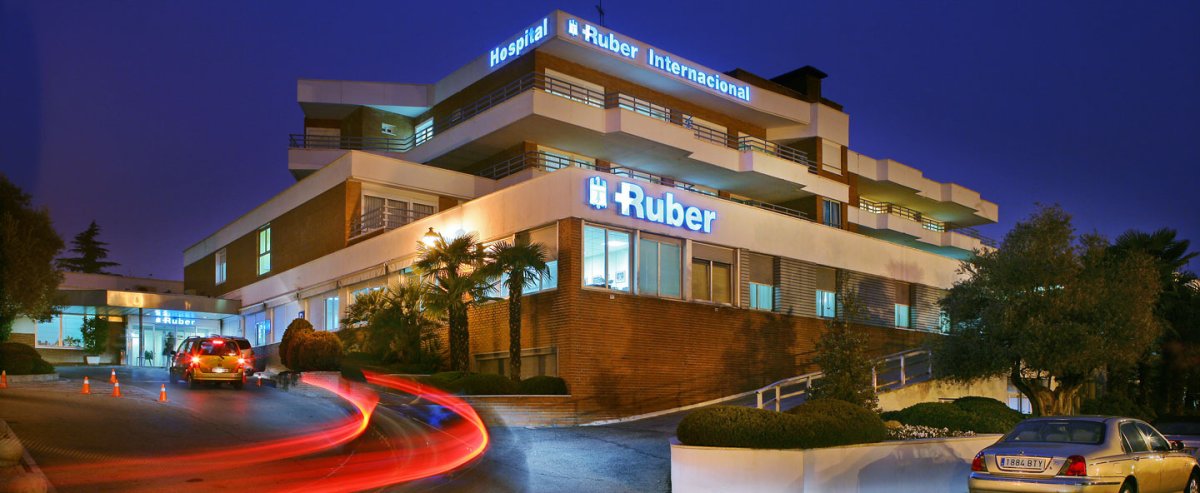
رؤية خبير Bookimed: بينما تظل الجراحة هي المعيار للحالات الموضعية، تعطي المراكز ذات الحجم الكبير في إسبانيا الأولوية لاتخاذ القرار متعدد التخصصات. في مستشفى روبير الدولي (Hospital Ruber Internacional)، يستخدم المتخصصون التصوير بالرنين المغناطيسي بقوة 3 تسلا وأنظمة دافنشي إكس آي (Da Vinci Xi) لتحديد ما إذا كان المريض يحتاج حقًا إلى عملية جراحية. إن اختيار مرفق يتمتع بقدرات جراحية وعلاج إشعاعي متقدم يضمن عدم
ما هي العلاجات الجهازية المتاحة إذا تعذر استئصال الورم جراحيًا؟
تركز العلاجات الجهازية لأورام الغدد الصماء العصبية البنكرياسية غير القابلة للاستئصال في إسبانيا على السيطرة على نمو الورم وإدارة إفراز الهرمونات. تشمل خيارات العلاج نظائر السوماتوستاتين، والعلاجات الموجهة مثل سونيتينيب، والعلاج بالنويدات المشعة لمستقبلات الببتيد. تستخدم مراكز الأورام الإسبانية تشخيصات دقيقة لاختيار الدواء بناءً على درجة الورم.
- نظائر السوماتوستاتين: تعمل أدوية مثل أوكتريوتيد أو لانريوتيد على تثبيت الأورام والتحكم في الأعراض الناجمة عن الهرمونات.
- العلاج الموجه: تعمل مثبطات الجزيئات الصغيرة مثل سونيتينيب على حجب البروتينات التي تعزز بقاء الخلايا السرطانية.
- العلاج بالنويدات المشعة: يوصل العلاج بالنويدات المشعة لمستقبلات الببتيد (PRRT) إشعاعًا موجهًا مباشرة إلى الخلايا التي تعبر عن مستقبلات سوماتوستاتين محددة.
- العلاج الكيميائي السام للخلايا: تستهدف عوامل مثل كابيسيتابين وتيموزولوميد الخلايا الورمية العدوانية أو سريعة النمو.
رؤية خبير Bookimed: تقدم المراكز الإسبانية مثل مستشفى HM Sanchinarro الجامعي ومجموعة GenesisCare تقنيات إشعاعية متخصصة للغاية بما في ذلك CyberKnife وعلاج الأكتينيوم-225. تظهر البيانات أن العيادات في مدريد وبرشلونة تعالج غالبًا أكثر من 10,000 مريض سنويًا. يسمح هذا الحجم الكبير للمتخصصين مثل الدكتور أنطونيو كوبيلو غراسيان بتحسين البروتوكولات الجهازية المعقدة. يستفيد المرضى من المرافق التي تجمع بين معايير السلامة المعتمدة من JCI والوصول إلى شبكات البحث الدولية.
إجماع المرضى: يشير المر
ما هي الخيارات المتاحة إذا انتشرت أورام الغدد الصماء العصبية البنكرياسية إلى الكبد؟
تعالج مراكز الأورام الإسبانية أورام الغدد الصماء العصبية البنكرياسية النقيلية باستخدام استراتيجيات متعددة الوسائط. تشمل الخيارات الاستئصال الجذري للآفات المعزولة أو الجراحة الاختزالية لإزالة 70% إلى 90% من كتلة الورم. تستخدم المراكز المتقدمة الجراحة الإشعاعية CyberKnife، والعلاج بالنويدات المشعة لمستقبلات الببتيد (PRRT)، والعلاجات الموجهة للكبد للسيطرة على المرض وإدارة الأعراض.
- الاستئصال الجراحي: يقوم الجراحون بإزالة الورم الأولي وآفات الكبد إذا بقي 30% من الكبد سليمًا.
- العلاج الموجه للكبد: تقنيات مثل الانصمام، أو SIRT، أو NanoKnife تستهدف الآفات مع الحفاظ على أنسجة الكبد السليمة.
- العلاج الجهازي: تعمل نظائر السوماتوستاتين والأدوية الموجهة مثل إيفيروليموس على إبطاء النمو وتقليل الأعراض الهرمونية.
- العلاج بالنويدات المشعة: يوفر العلاج بـ Lutetium-177 أو Actinium-225 إشعاعًا دقيقًا مباشرة إلى الخلايا الورمية.
رؤية خبير Bookimed: توفر إسبانيا تركيزًا فريدًا لمراكز الأورام عالية التخصص مثل مستشفى روبير الدولي (Hospital Ruber Internacional) وHM Sanchinarro في مدريد. تخدم هذه المراكز أكثر من 425,000 مريض مجتمعين كل عام. يسمح هذا الحجم الكبير للجراحين مثل الدكتور أنطونيو كوبيلو غراسيان بتقديم إجراءات معقدة مثل التثقيب الكهربائي غير القابل للانعكاس (NanoKnife). تعالج هذه التقنية أورام الكبد القريبة من الأوعية الدموية الرئيسية التي غالبًا ما تعتبر محفوفة بالمخاطر بالنسبة للجراحة التقليدية.
إجماع المرضى: يشير المرضى إلى أنه
أين توجد أفضل المستشفيات لعلاج أورام الغدد الصماء العصبية البنكرياسية (PanNET) في إسبانيا؟
تستضيف إسبانيا مراكز معترف بها عالميًا لأورام الغدد الصماء العصبية البنكرياسية (PanNET)، بقيادة مستشفى فال ديهيبرون الجامعي (Hospital Universitari Vall d'Hebron). تعمل هذه المنشأة كمركز تميز تابع للجمعية الأوروبية لأورام الغدد الصماء العصبية (ENETS). تشمل المؤسسات الرائدة الأخرى مركز تكنون الطبي (Centro Médico Teknon) ومستشفى روبر الدولي (Hospital Ruber Internacional) لطب الأورام الدقيق.
- مركز التميز: يحمل مستشفى فال ديهيبرون شهادة ENETS النادرة لإدارة أورام الغدد الصماء العصبية المتخصصة.
- الجراحة الإشعاعية المتقدمة: يستخدم مستشفى روبر الدولي تقنية سايبر نايف (CyberKnife) لاستئصال الأورام بدقة وبطريقة غير جراحية.
- الدقة الجراحية: مركز تكنون الطبي معتمد من اللجنة الدولية المشتركة (JCI) ويحظى بتقدير كبير في عمليات استئصال البنكرياس المعقدة.
- طب الأورام المتخصص: يقود الدكتور أنطونيو كوبيلو غراسيان أبحاث الأورام في مستشفى HM سانشينارو الجامعي.
رؤية خبير Bookimed: بينما تعالج العديد من المستشفيات العامة سرطان البنكرياس، يجب على مرضى PanNET إعطاء الأولوية للمراكز المعتمدة من JCI في مدريد أو برشلونة. تظهر البيانات أن هذه المدن تضم مرافق مثل مستشفى روبر الدولي ومركز تكنون الطبي. تجري هذه المراكز آلاف العمليات الجراحية سنويًا وتستخدم تقنية CyberKnife المتقدمة لحالات الغدد الصماء العصبية.
إجماع المرضى: يؤكد المرضى على أهمية العثور على برنامج مخصص لأورام الغدد الصماء العصبية بدلاً من وحدة الجراحة العامة. تحظى الآراء الثانية للخ
هل يمكن للمرضى الدوليين الوصول إلى تجارب سريرية جديدة لـ PanNET في إسبانيا؟
يمكن للمرضى الدوليين الوصول إلى تجارب سريرية جديدة لـ PanNET في إسبانيا من خلال مراكز الأورام الأكاديمية الكبرى. يعتمد القبول على استيفاء معايير إدراج صارمة مثل الطفرات الجينية أو درجات الورم. تستضيف إسبانيا أكثر من 900 تجربة أورام سنويًا. غالبًا ما تتميز هذه التجارب بعلاجات متقدمة مثل Actinium-225 أو تقنية NanoKnife.
- قبول الموقع: يجب على الباحثين الرئيسيين الموافقة رسميًا على المرضى غير المقيمين للتسجيل في تجارب محددة.
- الأهلية السريرية: يجب على المرضى تقديم شرائح علم الأمراض، ومؤشر Ki-67، وسجلات التصوير الكاملة.
- متطلبات اللغة: نماذج الموافقة المستنيرة مطلوبة قانونًا باللغة الإسبانية أو اللغات الإقليمية مثل الكتالونية.
- الخدمات اللوجستية: عادةً ما يغطي رعاة التجارب تكاليف الأدوية. يدفع المرضى عادةً تكاليف السفر والفحوصات القياسية بأنفسهم.
رؤية خبير Bookimed: تتعامل مراكز الإحالة الإسبانية مثل مستشفى Hospital Universitario HM Sanchinarro مع أعداد كبيرة من المرضى. يقود الدكتور أنطونيو كوبيلو غراسيان الأبحاث هناك أثناء تدريب أطباء الأورام المستقبليين. تُظهر بياناتنا أن هذه البيئات الأكاديمية المكثفة غالبًا ما توفر المسارات الأكثر موثوقية للبروتوكولات الجديدة. إن استهداف العيادات التي لديها مديرو أبحاث مخصصون يبسط الانتقال من الرعاية القياسية إلى التجارب التجريبية.
إجماع المرضى: يجد المرضى أن تجهيز ملف طبي موثق يجعل عملية التسجيل أكثر سلاسة. ويشيرون إلى أن البقاء بالقرب من العيادة غالبًا ما يكون ضروريًا بسبب زيارات ال
هل توفر المستشفيات الإسبانية دعمًا باللغة الإنجليزية للسياح الطبيين؟
توفر المستشفيات الخاصة الإسبانية الكبرى دعمًا واسع النطاق باللغة الإنجليزية من خلال أقسام مخصصة للمرضى الدوليين. توظف المرافق في مدريد وبرشلونة متخصصين في الأورام يتحدثون الإنجليزية بطلاقة. في حين أن الطاقم السريري غالبًا ما يتحدث الإنجليزية، فإن الدعم الإداري يختلف. تدير Bookimed جميع الخدمات اللوجستية والترجمة والتواصل مع المستشفى لضمان رعاية سلسة.
- أقسام متخصصة: تتعامل أجنحة المرضى الدوليين مع الجدولة والفواتير باللغة الإنجليزية.
- الدعم اللغوي: يساعد المترجمون خلال استشارات الأورام المعقدة والتخطيط الجراحي.
- الوثائق الطبية: توفر المراكز الرائدة ملخصات الخروج وتقارير علم الأمراض باللغة الإنجليزية.
- التركيز الجغرافي: توفر مستشفيات مدريد وبرشلونة أعلى نسب للموظفين ثنائيي اللغة.
رؤية خبير Bookimed: تظهر البيانات أن حجم المرضى في المستشفى يرتبط ارتباطًا مباشرًا بعمق الخدمات اللغوية. تدير المراكز الكبيرة مثل مستشفى Universitario HM Sanchinarro وCentro Médico Teknon آلاف الحالات الدولية سنويًا. تحافظ هذه المرافق ذات الحجم الكبير على بروتوكولات ترجمة متسقة تفتقر إليها العيادات الأصغر غالبًا.
إجماع المرضى: يشير المرضى إلى أنه على الرغم من أن الجراحين والمتخصصين يتحدثون الإنجليزية بطلاقة عادةً، إلا أن التواصل مع طاقم التمريض والإدارة قد يكون أكثر صعوبة. ويؤكدون على أهمية طلب نسخ مكتوبة باللغة الإنجليزية لجميع تقارير علم الأمراض والأشعة قبل الخروج.