علاج أورام الغدد الصم العصبية البنكرياس في النمسا: 1 مستشفى


تمت مراجعة المقالة طبيا من قبل
فهد مولود
ما هي تكلفة أورام الغدد الصم العصبية البنكرياس إجراءات التشخيص والعلاج في النمسا؟ اعرف الآن
تتراوح تكلفة علاج أورام الغدد الصماء العصبية البنكرياسية في النمسا عادةً ما بين $7,500 و $12,000 للجراحة الإشعاعية المتقدمة مثل سايبر نايف (CyberKnife)، بينما تتراوح تكلفة الطب النووي المتخصص مثل علاج الأكتينيوم-225 بين $12,500 و $21,000. تعتمد النفقات الإجمالية على مرحلة الورم، والتدخل الجراحي اللازم، ومستوى العيادة المختارة. وغالباً ما يجد المرضى وفورات كبيرة مقارنة بالولايات المتحدة. وتعد فيينا الوجهة الرئيسية لهذه الإجراءات الأورامية المتخصصة.
تكاليف علاج أورام الغدد الصماء العصبية البنكرياسية النموذجية في النمسا
- سايبر نايف (CyberKnife): $7,500 – $12,000
- علاج الأكتينيوم-225: $12,500 – $21,000
- نانو نايف (NanoKnife): $25,000 – $35,000
رؤية خبراء Bookimed: بالنسبة للحالات الأورامية المعقدة، يجب على المرضى إعطاء الأولوية للمراكز التي تضم مجالس متعددة التخصصات. تدمج عيادة فيينا الخاصة (Wiener Privatklinik) أكثر من 30 قسماً وتضم كبار المتخصصين مثل الأستاذ الجامعي الدكتور كريستوف زيلينسكي. يستفيد المرضى الذين يبحثون عن طب السرطان الشخصي من قيادته في مركز الأورام الدولي. هذا المرفق مثالي للمرضى الدوليين نظراً لبيئته متعددة اللغات وحصوله على شهادة الأيزو (ISO). تضمن هذه المؤهلات معايير رعاية عالية المستوى لإدارة الأورام المتقدمة في فيينا.
| النمسا | تركيا | إسبانيا | |
|---|---|---|---|
| نانو نايف NanoKnife | ≈ $25,000 | ≈ $9,500 | ≈ $9,500 |
| سايبر نايف CyberKnife | ≈ $7,500 | من $4,900 | من $14,800 |
| العلاج بالأنتيوم-225 | ≈ $12,500 | من $20,500 | ≈ $28,000 |
| استئصال الورم على البنكرياس | ≈ $17,500 | من $15,000 | ≈ $11,500 |
مزاياك وضماناتك مع Bookimed
أسعار مباشرة
Bookimed لا يضيف رسوماً إضافية على أسعار علاج أورام الغدد الصم العصبية البنكرياس. الأسعار مأخوذة من قوائم الأسعار الرسمية للعيادات. تدفع مباشرة في العيادة مقابل علاجك عند وصولك إلى البلد.
عيادات وأطباء معتمدون فقط
Bookimed ملتزم بسلامتك. نحن نعمل فقط مع المؤسسات الطبية التي تحافظ على معايير دولية عالية في علاج أورام الغدد الصم العصبية البنكرياس ولديها التراخيص اللازمة لخدمة المرضى الدوليين في جميع أنحاء العالم.
مساعدة مجانية على مدار الساعة
Bookimed يقدم مساعدة خبراء مجانية. منسق طبي شخصي يدعمك قبل وأثناء وبعد العلاج، ويحل أي مشاكل. لن تكون وحيداً أبداً في رحلة علاج أورام الغدد الصم العصبية البنكرياس.

منسقك الطبي الشخصي في Bookimed
- يدعمك في كل مرحلة
- المساعدة في اختيار العيادة الطبية المناسبة والطبيب المناسب
- يضمن الوصول السريع والمريح إلى المعلومات
اكتشف أفضل أورام الغدد الصم العصبية البنكرياس العيادات في النمسا: 1 خيار معتمدة والأسعار
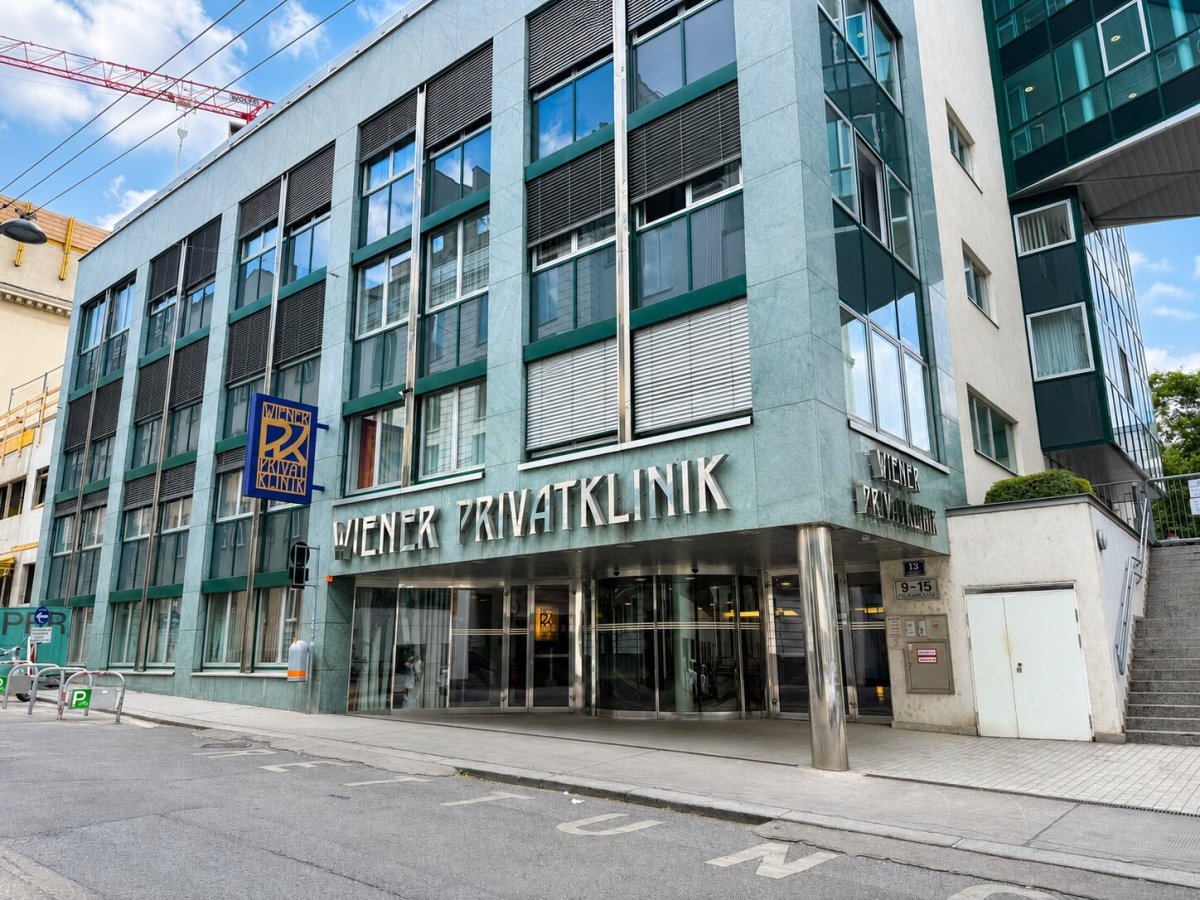




احصلوا على تقييم طبي لـ أورام الغدد الصم العصبية البنكرياس في النمسا: استشيروا أطباء ذوي خبرة الآن
عرض جميع الأطباء
Christoph Zielinski
أسس البروفيسور كريستوف زيلينسكي مركز فيينا الشامل للسرطان - وهو رائد في علاجات الأورام الشخصية التي تجمع بين العلاج المناعي وبيولوجيا الأورام.
- متخصص في أمراض الدم والأورام الطبية لمدة 44 سنة
- يرأس المركز الدولي للأورام في عيادة فيينا الخاصة (Wiener Privatklinik)
- الرئيس السابق للمجموعة التعاونية لأورام وسط أوروبا
- رائد في علاجات السرطان الفردية القائمة على التنميط الجزيئي

Wolfgang Köstler
يُعد البروفيسور كوستلر مرجعاً معترفاً به دولياً في طب الأورام الدقيق، حيث يركز على علاجات السرطان الموجهة والعلاج المناعي في عيادة فيينا الخاصة (Wiener Privatklinik).
- أكثر من عقدين من الخبرة في الطب الباطني والأورام
- نائب رئيس قسم الأورام السابق في جامعة فيينا الطبية
- متخصص في سرطان الثدي، والأورام الخبيثة النسائية، والأورام الصلبة
- يركز على تطوير المؤشرات الحيوية والعلاج الجهازي الفردي للسرطان
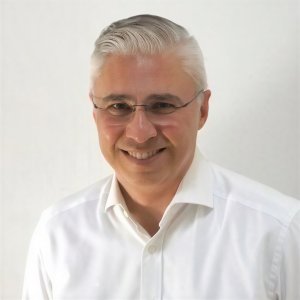
Alexander Hauswirth
الأستاذ المشارك Priv.-Doz. د. ألكسندر دبليو. هاوسويرث اختصاصي في الطب الباطني وأمراض الدم والأورام في JUVENIS. ومنذ عام 2010 يتولى منصب الطبيب الاستشاري المسؤول عن أمراض الدم/علم الإرقاء والأورام في قسم الطب الباطني الأول بجامعة فيينا الطبية/مستشفى فيينا العام (AKH)، أكبر مستشفيات النمسا.
حصل على شهادة الطب من جامعة فيينا عام 1999. نال التأهيل الجامعي (venia docendi) عام 2010 وعُيّن أستاذاً مشاركاً عام 2012. أكمل تأهيلاً إضافياً في أمراض الدم والأورام عام 2014. كزميل بمنحة شرودنغر في س
مشاركة المحتوى
قصص فيديو من مرضى Bookimed
 Anna Leonova
أسئلة متكررة حول علاج أورام الغدد الصم العصبية البنكرياس في النمسا
أين يمكنني أن أجد في النمسا علاجاً متخصصاً لأورام الغدد الصماء العصبية البنكرياسية؟
تتركز العلاجات المتخصصة لأورام الغدد الصماء العصبية البنكرياسية في النمسا في فيينا، في مراكز التميز المعتمدة من قبل الشبكة الأوروبية لأورام الغدد الصماء العصبية (ENETS) ومراكز الأورام الخاصة. وتقدم مؤسسات مثل عيادة فيينا الخاصة أحدث أساليب العلاج، بما في ذلك العلاج بالأكتينيوم-225، والاستئصال بالنانوكايف، والتحليل الدقيق للأورام من خلال استشارات الأورام متعددة التخصصات.
- الجراحة المتخصصة: يقوم الجراحون بإجراء عمليات ويبل المعقدة واستئصال الأورام.
- الطب النووي: يتم إجراء العلاج الإشعاعي باستخدام اللوتيتيوم-177 والتصوير المقطعي بالإصدار البوزيتروني/التصوير المقطعي المحوسب باستخدام الغاليوم-68 في العيادات.
- علم الأورام المتقدم: تستخدم المراكز العلاج الإشعاعي الموجه باستخدام الأكتينيوم-225 لعلاج الحالات النقيلية.
- الخبرة: يقود متخصصون مثل البروفيسور كريستوف زيلينسكي برامج متخصصة في علم الأورام.
رأي خبراء بوكيمد: تجمع عيادة فيينا الخاصة بشكل فريد بين الخبرة الأكاديمية وسرعة الرعاية الطبية في بيئة خاصة. يعمل فيها أكثر من 400 طبيب، من بينهم العديد من أساتذة جامعة فيينا الطبية. يتيح هذا للمرضى الوصول إلى أفضل أخصائيي الغدد الصماء العصبية في البلاد دون فترات الانتظار الطويلة ا
ما هي العلاجات المتاحة لأورام الغدد الصماء العصبية البنكرياسية في العيادات النمساوية؟
تُقدّم النمسا علاجات متطورة متعددة التخصصات لأورام الغدد الصماء العصبية البنكرياسية. وتُوفّر مراكز متخصصة في فيينا خدمات استئصال الأورام جراحياً، والعلاج بالنظائر المشعة (مثل الأكتينيوم-225)، وعلاج الأورام الدقيق. وغالباً ما تجمع خطط العلاج بين العوامل الجزيئية المُستهدفة وتقنيات الاستئصال المبتكرة، مثل تقنية نانو نايف، لتحسين فرص بقاء المريض على قيد الحياة.
- الطب النووي: توفر العيادات الأكتينيوم-225 واللو-177 دوتاتيت لعلاج الأمراض الإيجابية للمستقبلات.
- الدقة الجراحية: يقوم الجراحون بإجراء عمليات استئصال الأورام، واستئصال الجزء البعيد من البنكرياس، وعمليات ويبل المعقدة.
- استئصال الأورام: تستهدف تقنيات NanoKnife و CyberKnife غير الحرارية الأورام القريبة من الأوعية الدموية الحساسة.
- العلاج الجهازي: يستخدم أطباء الأورام العلاج المناعي الفردي، ونظائر السوماتوستاتين، والمثبطات الجزيئية المستهدفة.
رأي خبراء بوكيميد: تتميز عيادة فيينا الخاصة بميزة كبيرة بفضل وجود أساتذة من جامعة فيينا الطبية ضمن فريق مركز الأورام التابع لها. يربط هؤلاء المتخصصون، بمن فيهم الدكتور كريستوف زيلينسكي، بين البحث الأكاديمي والممارسة السريرية. ويستفيد المرضى من هذا الربط من خلال إمكانية الوصول الم
هل تقدم النمسا علاجات متقدمة لأورام الغدد الصماء العصبية البنكرياسية مثل العلاج الإشعاعي بالببتيدات المشعة والعلاج الإشعاعي ألفا؟
تُعدّ النمسا مركزًا أوروبيًا رئيسيًا لعلاج أورام الغدد الصماء العصبية. وتُقدّم فيها علاجاتٌ مثل العلاج الإشعاعي بمستقبلات الببتيد (PRRT) والعلاج الإشعاعي الموجّه بأشعة ألفا (TAT). وتتوفر هذه العلاجات في مؤسسات أكاديمية مثل مستشفى فيينا العام، وفي عيادات متخصصة مثل مستشفى فيينا الخاص. وتستخدم البروتوكولات المعتمدة من وكالة الأدوية الأوروبية (EMA) اللوتيتيوم-177 لعلاج الحالات المتقدمة.
- تشمل العلاجات المتاحة العلاج الإشعاعي الموجه باستخدام اللوتيتيوم-177 والعلاج الإشعاعي الموجه باستخدام الأكتينيوم-225.
- المتطلبات التشخيصية: يجب أن يُظهر المرضى امتصاصًا كبيرًا للمستقبلات في فحص DOTATATE أو DOTATOC.
- العلاجات المتقدمة: تقدم المراكز المحلية خيارات متخصصة مثل تقنيات CyberKnife و NanoKnife.
- الخبرة السريرية: يتخصص أطباء مثل الدكتور كريستوف زيلينسكي في العلاج الفردي للسرطان الجهازي.
رأي خبراء بوكيمد: على الرغم من أن العديد من العيادات تقدم رعاية عامة للأورام، إلا أن قوة النمسا تكمن في الروابط بين العيادات الخاصة والأوساط الأكاديمية. فالأخصائيون في عيادة فيينا الخاصة هم أيضاً أساتذة في جامعة فيينا الطبية. وهذا يتيح للمرضى الحصول على رعاية طبية تضاهي تلك التي تقدمها العيادات ال
ما هي خيارات العلاج المتاحة في حالة عدم إمكانية إجراء جراحة لعلاج ورم الغدد الصماء العصبية في البنكرياس؟
تُعالج أورام الغدد الصماء العصبية البنكرياسية غير القابلة للجراحة بالعلاج الجهازي والموضعي لتحقيق استقرار المرض. تشمل خيارات العلاج الرئيسية نظائر السوماتوستاتين، والعلاج الإشعاعي بمستقبلات الببتيد باستخدام اللوتيتيوم-177 (PRRT)، والعوامل الموجهة مثل إيفيروليموس. كما يستخدم الأخصائيون العلاج الكيميائي CAPTEM والإجراءات الموجهة للكبد للسيطرة على انتشار النقائل.
- العلاج الجهازي: تعمل نظائر السوماتوستاتين مثل لانريوتيد على تثبيت الأورام بطيئة النمو والتحكم في مستويات الهرمونات.
- التشعيع الموجه: يقوم العلاج الإشعاعي الموجه باستخدام Lu-177 بتوصيل الإشعاع الموضعي مباشرة إلى الخلايا التي تعبر عن مستقبلات السوماتوستاتين.
- مثبطات جزيئية: يمنع إيفيروليموس أو سونيتينيب الخلايا السرطانية من الانقسام والانتشار.
- تقنيات الاستئصال: تقنية NanoKnife للثقب الكهربائي غير القابل للعكس تدمر أنسجة الورم باستخدام نبضات كهربائية دقيقة.
رأي خبراء بوكيمد: في عيادة فيينا الخاصة، يركز أطباء الأورام المرموقون، مثل الدكتور كريستوف زيلينسكي، على علاج السرطان المُخصّص لكل مريض بدلاً من البروتوكولات القياسية. تُظهر بياناتنا أن كبار المتخصصين النمساويين غالباً ما يجمعون بين العلاج الإشعاعي المُوجّه، م
من هم أبرز المتخصصين في أورام الغدد الصماء العصبية البنكرياسية في النمسا؟
يُعدّ البروفيسور كريستوف زيلينسكي والبروفيسور فولفغانغ كوستلر من أبرز المتخصصين في أورام الغدد الصماء العصبية البنكرياسية في النمسا. يقدم هذان الخبيران رعاية متعددة التخصصات باستخدام أحدث تقنيات طب الأورام والعلاج الموجه، ويتخصصان في وضع خطط علاجية فردية لأورام خلايا جزر لانغرهانس النادرة.
- القيادة في علم الأورام: الدكتور كريستوف زيلينسكي يرأس مركز فيينا للسرطان.
- عمق الخبرة: الدكتور فولفغانغ كوستلر متخصص في علم الأورام الجزيئي وتطوير المؤشرات الحيوية.
- تصنيف المستشفيات: تم اختيار مستشفى فيينا الخاص (Wiener Privatklinik) كواحد من أفضل المستشفيات في العالم لعام 2021 وفقًا لمجلة نيوزويك.
- العلاجات المتقدمة: يوفر الأخصائيون إمكانية الوصول إلى العلاج المناعي والعلاج الموجه للسرطان.
رأي خبراء بوكيميد: يتميز مستشفى فيينا الخاص (Wiener Privatklinik) بميزة فريدة، إذ يضم أكثر من 400 طبيب، العديد منهم أساتذة نشطون في جامعة فيينا الطبية. يتيح هذا الهيكل للمرضى الوصول الخاص إلى خبرات أكاديمية رفيعة المستوى. ويضمن الدكتور كريستوف زيلينسكي والدكتور فولفغانغ كوستلر استمرارية الرعاية، وهو أمر يصعب تحقيقه في كثير من الأحيان في أنظمة الجامعات الحكومية الكبيرة.
ما هو التركيز الأساسي في علاج أورام الغدد الصماء العصبية البنكرياسية في مراحلها المبكرة؟
يُعدّ الاستئصال الجراحي الكامل العلاج الأساسي لأورام الغدد الصماء العصبية البنكرياسية في مراحلها المبكرة. ويُعتبر هذا النهج العلاج الوحيد المُحتمل للأورام الموضعية من المرحلتين الأولى والثانية. ويهدف الجراحون إلى استئصال الورم بالكامل مع الحفاظ على أكبر قدر ممكن من أنسجة البنكرياس السليمة.
- الاستئصال الجراحي: الإجراء العلاجي القياسي للأورام الموجودة في البنكرياس.
- الاستئصال: إزالة الأورام الصغيرة السطحية مع الحفاظ على الأنسجة السليمة المحيطة بها.
- عملية ويبل: إجراء جراحي معقد لإزالة الأورام الموجودة في الرأس العريض للبنكرياس.
- المراقبة النشطة: دراسات تصوير منتظمة للكشف عن الأورام غير الوظيفية بطيئة النمو التي يقل حجمها عن 2 سنتيمتر.
رأي خبراء بوكيمد: على الرغم من أن الجراحة هي العلاج الأساسي، إلا أن المراكز النمساوية مثل عيادة فيينا الخاصة تقدم رعاية متخصصة في علاج الأورام. يعمل الدكتور كريستوف زيلينسكي والدكتور فولفغانغ كوستلر ضمن فرق متعددة التخصصات لتحديد ما إذا كان الورم وظيفيًا. هذا التمييز بالغ الأهمية، إذ تتطلب الأورام الوظيفية استقرارًا طبيًا قبل أي تدخل جراحي.
رأي المرضى: غالبًا ما يؤكد المرضى عل
هل توجد مراكز معترف بها للتميز في علاج أورام الغدد الصماء العصبية في النمسا؟
تضم النمسا مراكز مرموقة لعلاج أورام الغدد الصماء العصبية، بما في ذلك مرافق معتمدة من الجمعية الأوروبية لأورام الغدد الصماء العصبية (ENETS). توفر هذه المرافق أحدث أدوات التشخيص، مثل التصوير المقطعي بالإصدار البوزيتروني/التصوير المقطعي المحوسب باستخدام الغاليوم-68 (DOTATOC). كما تقدم علاجات متخصصة، تشمل العلاج الإشعاعي بمستقبلات الببتيد (PRRT) والجراحات المعقدة للأحشاء، والتي تُجرى بواسطة فرق متعددة التخصصات في طب الأورام.
- جودة معتمدة: جامعة فيينا الطبية هي مركز امتياز رسمي تابع للشبكة الأوروبية لأمراض الغدد الصماء العصبية (ENETS).
- التسلسل الهرمي للخبراء: يرأس البروفيسور الدكتور كريستوف زيلينسكي المركز الدولي للسرطان التابع لمستشفى فيينا الخاص.
- التقنيات المتقدمة: تستخدم المختبرات تقنية NanoKnife لعلاج الأورام غير القابلة للجراحة والطب النووي الموجه.
- التكامل الأكاديمي: تتعاون عيادة فيينا الخاصة مع أكثر من 400 طبيب وأستاذ من الجامعات الطبية.
رأي خبراء بوكيمد: بينما تُقدّم المستشفيات الجامعية رعاية أكاديمية عالية الجودة، تُوفّر المراكز الخاصة في فيينا ميزة فريدة، إذ تُتيح للمرضى الوصول المباشر إلى أساتذة الجامعة أنفسهم في بيئة أسرع وأكثر تخصيصًا. يُشدّد البروفيسور كريس