علاج الانبثاث في الكبد في تركيا — احصل على 3 عيادات مختارة خصيصاً لك


تمت مراجعة المقالة طبيا من قبل
فهد مولود
كيف نعمل؟
ما هي تكلفة الانبثاث في الكبد إجراءات التشخيص والعلاج في تركيا؟ اعرف الآن
تختلف تكلفة علاج النقائل في الكبد في تركيا بناءً على خطة العلاج. تتراوح تكلفة الاستشارات الأولية مع طبيب الأورام الجراحي والأشعة بين $100 و $150. يمكن أن تكلف الإجراءات التشخيصية الأساسية مثل التصوير المقطعي المحوسب مع التباين $450، بينما يكلف التصوير بالرنين المغناطيسي مع التباين $600. تبلغ تكلفة اختبارات الدم وتحليل الطفرات الجينية $1,400. أما لوحات الدم الشاملة التي تشمل مؤشرات التهاب الكبد والسرطان فتبلغ $1,600. تتراوح تكلفة العلاج الموجه من $800 إلى $2,200 لكل دورة. تبدأ دورات العلاج الكيميائي من $1,650 للجلسة الأولى، مع الجلسات اللاحقة بسعر $1,400 لكل جلسة. تتراوح تكلفة الجراحة بين $6,500 و $7,500. يتم تخصيص خطة العلاج لكل مريض بعد تقييم دقيق من قبل الفريق الطبي.
| تركيا | إسبانيا | ألمانيا | |
|---|---|---|---|
| العلاج الكيميائي لسرطان الكبد | من $2,400 | من $2,300 | من $3,000 |
| استئصال سرطان الكبد | من $12,000 | من $24,000 | ≈ $30,000 |
| استئصال راديوي للكبد | ≈ $3,500 | من $13,400 | من $8,000 |
| استئصال الكبد | من $9,300 | من $18,700 | من $18,000 |
| العلاجَ الكيميائي الموضعي للكبد | من $7,800 | من $9,000 | ≈ $5,200 |
اكتشف أفضل الانبثاث في الكبد العيادات في تركيا: 28 خيارات معتمدة والأسعار






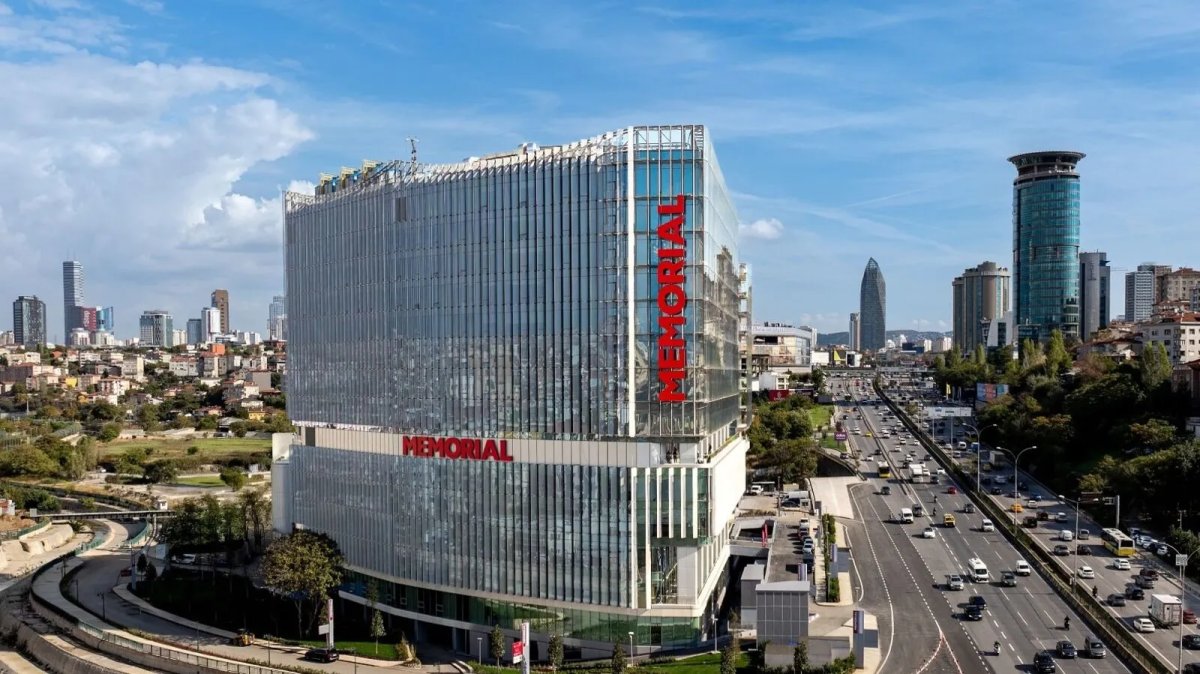
Memorial Göztepe Hospital


Memorial Ankara Hospital


احصل على تقييم طبي لـ في تركيا. استشر الآن 49 أطباء ذوي الخبرة.
عرض جميع الأطباء
Bulent Karagoz
الطبيب هو أخصائي أورام طبية تركي ذو خبرة عالية متخصص في الساركوما، الليمفوما، سرطان البنكرياس، سرطان الرئة، وسرطان الثدي. مع أكثر من 20 عامًا من الخبرة، يركز الطبيب على بيولوجيا الأورام، علم المناعة للأورام، العلاج المناعي للسرطان، والعلاجات المستهدفة. منذ عام 2019، يعمل الطبيب كأخصائي أورام طبية في مركز الأناضول الطبي وكان قد شغل سابقًا مناصب قيادية في كلية الطب بجامعة إسطنبول أوكان ومستشفى التدريب غاتا حيدر باشا. قام الطبيب بتأليف أكثر من 40 منشورًا في أبحاث السرطان وهو عضو في جمعية الأورام

Serdar Turhal
ترأس الدكتورة إيدا تانريكولو قسم الأورام الطبية في مركز الأناضول الطبي، وهي متخصصة في علاج السرطان بخبرة 27 سنة.
- تحتل المرتبة الثالثة في تركيا في تخصص الأورام الطبية
- قادت وحدات الأورام الطبية في مستشفى حيدر باشا نوموني للتدريب والبحوث
- مساعدة وباحثة رئيسية في الدراسات السريرية الدولية
- متخصصة في الأورام الطبية والعلاج الكيميائي

Vafi Atalay
الدكتور وافي أتالاي جراح أورام وجراحة عامة ذو خبرة تزيد عن 17 عامًا. يختص في جراحات البنكرياس والقولون والمستقيم والكبد، ويجري أيضًا إجراءات تنظيرية متقدمة. نشر 31 مقالة في مجلات محلية ودولية، مساهماً بشكل كبير في الأدبيات الطبية.
حصل على الجائزة الأولى في مسابقة الأبحاث بالمؤتمر العشرين، وجائزة أفضل بحث في المؤتمر الخامس لجراحة الأبحاث. الدكتور أتالاي عضو في الجمعية التركية للجراحة، وجمعية الأطباء الفلسطينيين، والجمعية الدولية للجراحة، ويعكس نشاطه في هذه المنظمات التزامه بالتطور المه
Banu Atalar
الدكتورة بانو أتالار طبيبة أورام إشعاعية حاصلة على شهادة البورد (تركيا، 2004). تشغل منصب أستاذة في جامعة أجيبادم MAA (2018–الآن) وطبيبة سريرية في مركز الأناضول الطبي (2026–الآن). تلقت تدريبها في جامعة إسطنبول وكلية جراح باشا. في عام 2011 أتمّت زمالة أبحاث سريرية بجامعة ستانفورد في الجراحة الإشعاعية التجسيمية. يتركز عملها على أورام الجهاز العصبي المركزي والأورام الصدرية وأورام الجهاز الهضمي. نحو 75% من رعايتها تشمل الجراحة الإشعاعية التجسيمية SRS وSRS التكيفية الموجّهة بالرنين المغناطيسي.
المراجعات
جميع المراجعاتمشاركة المحتوى
قصص فيديو من مرضى Bookimed
 Anna Leonova
أسئلة متكررة حول علاج الانبثاث في الكبد في تركيا
هل السفر إلى تركيا لعلاج نقائل الكبد آمن؟
تُعد تركيا وجهة آمنة لعلاج نقائل الكبد. تلتزم المراكز المعتمدة من قبل اللجنة الدولية المشتركة (JCI) في إسطنبول وأنقرة ببروتوكولات السلامة الدولية. ترتبط مراكز مثل Anadolu Medical Center بمستشفى جونز هوبكنز. تضمن الأدوات المتقدمة مثل نظام دا فينشي الروبوتي واستئصال الترددات الراديوية نتائج دقيقة بأقل قدر من التدخل الجراحي.
- معايير الاعتماد: تحافظ العيادات على شهادات JCI و ISO لضمان سلامة المرضى بصرامة.
- الخبرة المتخصصة: يحمل أطباء مثل الأستاذ المشارك مراد دوكدوك شهادات أوروبية في طب الأورام التداخلي.
- التكنولوجيا المتقدمة: يستخدم الجراحون روبوتات دا فينشي و CyberKnife لاستهداف الأورام بدقة عالية.
- التشخيص الشامل: تشمل البروتوكولات فحوصات الأشعة المقطعية ثلاثية الأبعاد و PET/CT ومراجعة الأنسجة المرضية قبل الجراحة.
رؤية خبير Bookimed: الإشارة الحقيقية للسلامة في تركيا هي مجلس الأورام متعدد التخصصات. تخدم المراكز الرائدة مثل Anadolu Medical Center أكثر من 65,000 مريض سنوياً وتنسق الرعاية بين الأورام والأشعة. أجرى الدكتور كيفانش ديريا بيكر أكثر من 200 عملية جراحية للكبد. يؤدي حجم المرضى المرتفع في هذه المستشفيات الضخمة إلى خبرة جراحية أكثر دقة وإدارة أفضل للتعافي.
إجماع المرضى: يلاحظ المرضى أن الرعاية منظمة بشكل جيد حتى مع وجود أعداد كبيرة من المرضى. يؤكدون على أهمية وجود مترجمين طبيين وإحضار جميع ملاحظات علم الأمراض السابقة لإجراء مراجعة شاملة.
ما هي خيارات العلاج الرئيسية القائمة على الأدلة لنقائل الكبد في تركيا؟
يركز علاج نقائل الكبد في تركيا على الرعاية متعددة التخصصات التي تجمع بين الاستئصال الجراحي، والأورام التداخلية، والعلاجات الجهازية. تستخدم المستشفيات التركية الرائدة أنظمة da Vinci الروبوتية للإزالة الدقيقة للأورام والاستئصال بالترددات الراديوية للآفات الأصغر. يؤكد الأخصائيون على البروتوكولات المخصصة التي غالباً ما تتم مراجعتها من قبل مجالس الأورام.
- الاستئصال الجراحي: يقوم الجراحون بإزالة الأورام المعزولة لتوفير نتيجة علاجية محتملة.
- تقنيات الاستئصال: يستخدم أخصائيو الأشعة التداخلية الاستئصال بالترددات الراديوية (RFA) لتدمير الآفات بالحرارة.
- الانصمام الكيميائي (TACE): التوصيل المعتمد على القسطرة لجرعات عالية من العلاج الكيميائي مباشرة إلى ورم الكبد.
- الجراحة الروبوتية: يتيح نظام da Vinci استئصالاً طفيف التوغل لتعافي أسرع.
- طب الأورام: يقدم الأخصائيون علاجاً مناعياً مستهدفاً أو علاجاً كيميائياً للسيطرة على انتشار السرطان الجهازي.
رؤية خبير Bookimed: تُظهر مراكز الأورام التركية نمطاً قوياً لدمج خبرات الجراحة والأشعة التداخلية. على سبيل المثال، يستخدم مركز الأناضول الطبي أخصائيي أشعة معتمدين من EBIR جنباً إلى جنب مع جراحين تدربوا في مؤسسات مثل Mayo Clinic. يسمح هذا النهج التعاوني بالعلاج العدواني للنقائل التي قد تعتبرها بعض المراكز غير قابلة للجراحة.
إجماع المرضى: يشير المرضى إلى أنه من الضروري التأكد مما إذا كانت الحالة قد تمت مراجعتها من قبل مجلس أورام متعدد التخصصات. ويؤكدون أنه بينما توفر
هل يمكن علاج نقائل الكبد بدون جراحة مفتوحة في تركيا؟
تعالج مراكز الأورام التركية نقائل الكبد بدون جراحة مفتوحة باستخدام تقنيات الاستئصال والروبوت المتقدمة. توفر المرافق المعتمدة من JCI الاستئصال بالترددات الراديوية (RFA)، والانصمام الكيميائي، والإجراءات بالمنظار. تقلل هذه الطرق ذات التدخل الجراحي المحدود من فترات الإقامة في المستشفى بشكل كبير. يعود معظم المرضى إلى منازلهم خلال يوم إلى يومين بعد الاستئصال.
- الجراحة الروبوتية: يستخدم الجراحون أنظمة da Vinci لاستئصال الكبد بدقة وبأقل تدخل جراحي.
- الاستئصال بالترددات الراديوية: يقوم أخصائيو الأشعة التداخلية بتدمير الآفات الفردية باستخدام الطاقة الحرارية المعتمدة على الإبرة.
- الانصمام الكيميائي: يقدم الأطباء جرعات عالية من العلاج الكيميائي مباشرة إلى الأورام عبر الشريان الكبدي.
- الإقامة في المستشفى: يبقى مرضى الاستئصال عادةً لمدة يوم واحد. تتطلب الجراحة الروبوتية حوالي 10 أيام.
رؤية خبير Bookimed: بينما يبحث الكثيرون عن جراحين عامين، تأتي العلاجات غير الجراحية الأكثر فعالية في تركيا من أخصائيي الأشعة التداخلية. يتخصص الدكتور مراد دوكدود في مركز الأناضول الطبي في هذه العلاجات المعتمدة على الإبر. تخدم المراكز ذات الحجم الكبير مثل Medipol Mega مليون مريض سنوياً. وغالباً ما يكون لديهم خيارات تقنية أكثر من العيادات الأصغر.
إجماع المرضى: يجد المرضى عملية العلاج منظمة بشكل استثنائي وغير مؤلمة. يشير الكثيرون إلى الجودة العالية للمترجمين وعدم وجود أي إزعاج أثناء التصوير التشخيصي المعقد.
ما هي الاعتمادات ومعايير الجودة التي يجب أن أبحث عنها عند اختيار مستشفى تركي لعلاج نقائل الكبد؟
ابحث عن اعتماد اللجنة الدولية المشتركة (JCI) وشهادات ISO كمعايير أساسية للجودة. يجب أن تحافظ المراكز التركية المتخصصة في نقائل الكبد على مجالس أورام متعددة التخصصات وأقسام متخصصة للغاية. تأكد من أن الجراحين أعضاء في الجمعية الأوروبية لطب الأورام (ESMO) أو المنظمات الدولية المماثلة.
- الاعتماد الدولي: تضمن JCI و ISO 9001 بروتوكولات موحدة لسلامة ورعاية المرضى.
- شهادات الأورام: ابحث عن العضوية في ESMO أو منظمة معاهد السرطان الأوروبية (OECI).
- التقنيات المتقدمة: يجب أن توفر المؤسسات تصوير بالرنين المغناطيسي 3T مع الذكاء الاصطناعي، و PET/CT، وأنظمة Da Vinci الروبوتية.
- الخبرة المتخصصة: يستخدم الجراحون، مثل البروفيسور جمال الدين أيدين، التقنيات الروبوتية لعمليات استئصال الكبد المعقدة.
رأي خبراء Bookimed: قارن اعتماد JCI بمعدلات نجاح علاج الكبد لتحقيق أفضل نتائج السلامة. على سبيل المثال، يحقق مستشفى ميموريال أتاشهير نسبة نجاح 99.5% في عمليات زراعة الكبد. هذه الخبرة الكبيرة في زراعة الأعضاء تؤدي غالباً إلى نتائج ممتازة في عمليات الاستئصال وإعادة بناء الكبد النقيلية المعقدة.
رأي المرضى: يشير المرضى إلى أنه حتى مع تدفق المرضى الكبير، تظل المستشفيات الرائدة، مثل مركز الأناضول الطبي، منظمة بشكل جيد وتوفر مترجمين ودودين وعاليي الكفاءة. تؤكد مراجعات المرضى أن وجود منسق شخصي يسهل بشكل كبير التنقل في جداول التشخيص المعقدة.
كم من الوقت يجب أن يتوقع المسافر الطبي البقاء في تركيا لعلاج نقائل الكبد؟
يبقى المسافرون الطبيون عادةً في تركيا لمدة 10 إلى 15 يوماً لإجراء استئصال الكبد. تتطلب العلاجات طفيفة التوغل مثل الاستئصال بالترددات الراديوية 2 إلى 3 أيام فقط. وتتطلب عمليات زراعة الكبد المعقدة إقامة أطول تتراوح بين 60 و90 يوماً لضمان التعافي والمراقبة المناسبة.
- إقامة التعافي الجراحي: يتضمن الاستئصال 7 إلى 10 أيام في المستشفى بالإضافة إلى 5 أيام للتعافي المحلي.
- إطار زمني للاستئصال: يتطلب الاستئصال بالترددات الراديوية عادةً ليلة واحدة فقط في المستشفى للمراقبة.
- مرحلة التشخيص: خصص 2 إلى 3 أيام لمسح PET-CT والمراجعة النسيجية المرضية قبل العلاج.
- تصريح السفر: يتلقى المرضى عادةً تصريحاً طبياً للطيران بعد 10 إلى 14 يوماً من الجراحة.
رؤية خبير Bookimed: بينما يمكن التنبؤ بمدة الإقامة الجراحية، تظهر البيانات أن مراجعة الأنسجة هي المتغير الرئيسي. يضمن اختيار مركز ذي حجم كبير مثل مركز الأناضول الطبي، الذي يخدم 65,000 مريض سنوياً، معالجة تشخيصية أسرع. يمكن لهذه الكفاءة تقليل مدة رحلتك الإجمالية بما يصل إلى 3 أيام مقارنة بالعيادات الأصغر.
إجماع المرضى: يشير المرضى إلى أهمية الوصول مبكراً لبضعة أيام لإجراء الفحوصات قبل الجراحة. ويؤكدون أن العيادات جيدة التنظيم تدير أعداد المرضى الكبيرة بكفاءة، مما يضمن سير جميع الفحوصات وفق الجدول الزمني.
لماذا يختار العديد من المرضى الدوليين تركيا تحديداً لإجراءات علاج السرطان الموجهة للكبد؟
يختار العديد من المرضى الدوليين تركيا لإجراءات علاج الكبد بسبب سرعة الوصول إلى تقنيات متقدمة مثل جراحة دافنشي الروبوتية والعلاج الكيميائي بالانصمام. توفر المراكز المعتمدة من اللجنة الدولية المشتركة (JCI) في إسطنبول مجالس أورام متخصصة في أمراض الكبد والقنوات الصفراوية. وغالباً ما تقوم هذه المراكز بتنسيق خطط تشخيصية وجراحية معقدة في غضون أيام.
- تكنولوجيا متقدمة: تستخدم المرافق أنظمة دافنشي الروبوتية وMR Linac للاستهداف الدقيق للورم.
- شهادات الخبراء: يحمل المتخصصون شهادات من الجمعية الأوروبية لعلم الأورام الطبي (ESMO) وشهادات في الأشعة التداخلية.
- سرعة الجدولة: تنظم العيادات التصوير والخزعات في غضون أيام بدلاً من أشهر للحالات التي تتطلب استجابة سريعة.
- مراكز ذات حجم كبير: تخدم المستشفيات الرائدة مثل مركز الأناضول الطبي 65,000 مريض أورام سنوياً.
رؤية خبير Bookimed: بينما تفصل العديد من الدول بين العلاجات الجراحية والإشعاعية، غالباً ما تجمع المراكز التركية بين الأشعة التداخلية مثل الاستئصال بالترددات الراديوية والاستئصال الجراحي. نرى أن الباقات في مركز الأناضول الطبي ومستشفيات ميديبول غالباً ما تشمل استشارات متعددة التخصصات كإجراء قياسي. يسمح هذا النهج المتكامل بعلاج أكثر قوة لنقائل الكبد التي قد تعتبرها مناطق أخرى غير قابلة للجراحة.
إجماع المرضى: يشير المرضى إلى أن المستشفيات ذات المستوى العالمي توفر تنظيماً سلساً مع مترجمين ودودين وجداول زمنية سريعة للتشخيص. يؤكد الكثيرون على ضرورة التأكد مما إذا كانت الباقات تشمل جميع