عيادات استئصال المريء في ألمانيا


تمت مراجعة المقالة طبيا من قبل
فهد مولود
كيف نعمل؟
ما هي تكلفة استئصال المريء في ألمانيا؟ اكتشف الآن
من $16,600. تعتمد التكاليف الإجمالية على التقنية الجراحية المتبعة، والمكانة الأكاديمية للمستشفى، ومدة الإقامة في العناية المركزة. تشمل الباقات عادةً الفحوصات قبل العملية، والإجراء الجراحي، والتخدير، وإقامة في المستشفى تتراوح بين 14 و 17 يوماً.
- الجراحة الروبوتية: تزيد التكلفة الأساسية بنسبة 20-25% نظراً لاستخدام تقنيات متخصصة.
- المراكز الرئيسية: تضم مدن كبرى مثل هامبورغ وفرانكفورت ودوسلدورف المراكز الطبية الرئيسية.
- اعتماد العيادات: قد تفرض العيادات المعتمدة من الجمعية الألمانية للسرطان رسوماً أعلى لخبراتها التخصصية في الأورام.
- الحالات المعقدة: غالباً ما تتجاوز الأسعار في مراكز رئيسية مثل برلين النطاق المعتاد بنسبة 15%.
رأي خبراء Bookimed: يوفر اختيار مستشفى جامعي في مدن مثل هامبورغ أو دوسلدورف قيمة كبيرة. تعتمد مراكز مثل أسكليبيوس ألتونا أو مستشفى جامعة دوسلدورف على الجراحة الروبوتية والذكاء الاصطناعي. غالباً ما تتضمن الباقات في المراكز المعتمدة فحوصات شاملة مثل PET-CT. أجرى خبراء كبار، مثل البروفيسور بوريس فافنباخ، أكثر من 9,000 جراحة، مما يضمن خبرة واسعة. بالنسبة للمرضى الدوليين، تُصنّف عيادات هامبورغ بانتظام في المرتبة الأولى من قبل تحالف جودة السفر الطبي.
| تركيا | إسبانيا | ألمانيا | |
|---|---|---|---|
| استئصال المريء | من $12,000 | من $26,000 | من $16,600 |
اكتشف أفضل استئصال المريء العيادات في ألمانيا: 10 خيارات معتمدة والأسعار







Department of Urology at Dortmund Clinic





نظرة عامة على استئصال المريء في ألمانيا
- جراحة سرطان المعدة - من $20,000
تزيل هذه العملية أورام المعدة ، وتساعد في الحد من انتشار السرطان وتخفيف الأعراض ، وتساعد في البقاء على قيد الحياة والرفاهية بشكل عام.
- قطع الثرب - من $9,500
تزيل العملية الطبقة الدهنية في البطن والمعروفة باسم الثرب لعلاج أمراض البطن أو الوقاية منها.
- استئصال المريء - من $16,600
يتضمن الإجراء إزالة جزء من المريء لعلاج العديد من التشوهات ، مما يضمن تحسين القدرة على البلع.
- Gastroectomy - من $20,000
تقوم العملية بإزالة معدتك بالكامل أو جزء منها لعلاج أمراض المعدة وتحسين نوعية حياتك.
- دافنشي استئصال المعدة - من $24,000
تستهدف هذه الجراحة ، التي تتم آليًا ، مشاكل المعدة عن طريق إزالة أجزاء منها أو كلها ، مما يوفر دقة وسرعة في الشفاء.
- استئصال المريء - من $27,000
تتضمن العملية إزالة جزء من أنبوب الطعام لعلاج أمراض معينة ، مما يعود بالفائدة على صحة المريض.
اليوم 1
- وصوله الى البلاد.
- التحويل للعيادة.
- الإقامة في العيادة (إن وجدت).
اليوم الثاني
- استشارة أولية مع أخصائي.
- الخضوع للفحوصات الطبية اللازمة.
- مناقشة حول الإجراء وخطة العملية.
يوم 3
- الفحص الصحي قبل الجراحة.
- لقاء مع طبيب التخدير.
- إجراءات إضافية إذا لزم الأمر.
اليوم الرابع
- يوم استئصال المريء.
- يتم إعطاء التخدير العام.
- تستغرق العملية 3-6 ساعات.
يوم 5-14
- رعاية ما بعد الجراحة في العيادة.
- الفحوصات الدورية والمراقبة من قبل الطاقم الطبي.
- يبقى المريض في العيادة لمدة 10 أيام.
الأسبوع 2-6
- بدء عملية إعادة التأهيل.
- تمارين منتظمة لاستعادة القوة والحركة.
- استشارات المتابعة مع المختص.
الأسبوع السابع
- العودة إلى العمل ، اعتمادًا على تقدم الاسترداد.
- العودة التدريجية لممارسة الرياضة والأنشطة الأخرى.
- يمكن رؤية النتيجة النهائية في هذه المرحلة.
يرجى ملاحظة أن هذا دليل عام وقد تختلف كل حالة.
- إيداع Bookimed: 200 دولار أو 200 يورو.
- وديعة العيادة: ادفع نسبة محددة مقدمًا.
بصفتنا المنصة العالمية الرائدة في مجال السياحة العلاجية ، فإننا نتحمل مسؤولية كبيرة أمام عملائنا - المرضى والمراكز الطبية على حد سواء. تستند جميع المعلومات المقدمة على Bookimed.com إلى البحث والاستبصار والخبرة وتفي بالاهتمام الكبير المتعلق بالمنتج وما يلي:
نظام التصنيف التلقائي الذكي
نحن نشكل قوائمنا للعيادات والأطباء مع لوائح صارمة لنظام التصنيف التلقائي الذكي الخاص بنا. يعتمد النظام على أسعار Bookimed الحقيقية للمرضى لتوفير المعلومات الأكثر موضوعية وشفافية حول العيادات والخدمات الطبية هناك.
يجمع عالم البيانات ذو الخبرة لدينا البيانات يوميًا ، ويراقب ويحسن نظام التصنيف باستخدام التعلم الآلي والذكاء الاصطناعي لضمان تحديث نظام التصنيف وتقديم نتائج دقيقة.
تجربة الناس الحقيقية فقط
نحن نجمع آراء عملاء Bookimed فقط بعد الحصول على خبرة طبية مع العيادة - لذلك يمكن للجميع على المنصة الوثوق بالمنشأة التي يختارونها. نحن نسعى جاهدين لجعل المحتوى على منصتنا مفيدًا قدر الإمكان ونضمن حرية التعبير عن الآراء النقدية. وبالتالي ، ننشر مراجعات إيجابية وسلبية ، بهدف أن نكون مصدرًا لاتخاذ قرارات مستنيرة لعملائنا في المستقبل.
مواضيع ذات مستويات عالية من الخبرة والسلطة والجدارة بالثقة
على موقع Bookimed.com ، قد تجد الاختيار والراحة للعثور على أفضل الحلول الطبية من كبار مزودي الخدمات الطبية في مكان واحد فقط ، وغالبًا بأسعار تنافسية. للتأكد من تقديم أحدث المعلومات ، يقوم ممثلو العيادة بتحديث السير الذاتية للأطباء ، وقدرات العيادات ، والصور قبل وبعد ، والأسعار ، والحزم ، والعروض الخاصة بأنفسهم قريبًا. يمكنك مقابلة ممثل العيادة والتحقق من تاريخ المحتوى المحدث في صفحة كل عيادة للتأكد من مصداقيتها.
تم إنشاء مدونتنا والقطع الداعمة من قبل مؤلفين محترفين يتمتعون بخبرة لا تقل عن 3 سنوات في الكتابة الطبية ويتم تحريرها بواسطة متخصصين طبيين يتمتعون بخبرة إكلينيكية وبحثية ذات صلة - تم تعيينهم جميعًا بعناية في الفريق. نحن نسعى جاهدين لتعزيز وصول المريض إلى المعلومات الصحية ، مما يجعلها خبيرة ولكن يسهل فهمها. تتبع جميع القطع إرشادات التحرير الخاصة بـ Bookimed.
القيم المحجوزة
نحن مصنوعون من الناس ومن أجلهم - وهذه هي قيمتنا الأساسية. هذا هو السبب في أن جميع البيانات المقدمة على المنصة يتم جمعها وتحريرها ومراجعتها وتحديثها بانتظام من قبل مرضانا وعياداتنا الشريكة وفريقنا ، بما في ذلك المجلس الاستشاري الطبي Bookimed ، الذي يتكون من أطباء مشهورين عالميًا يتمتعون بخبرة قيمة في أكثر من 20 عاما من الممارسة وسمعة طيبة. تعلم المزيد عنا وعن مهمتنا .
في حال وجدت أي خطأ أو لديك أي أسئلة حول المعلومات المقدمة على Bookimed.com ، فلا تتردد في الاتصال بنا على marketing@bookimed.com .
احصل على تقييم طبي لـ استئصال المريء في ألمانيا. استشر الآن 7 أطباء ذوي الخبرة.
عرض جميع الأطباء
Boris Pfaffenbach
رئيس قسم أمراض الجهاز الهضمي والأورام في مستشفى جامعة سولينغن - متخصص في حالات الجهاز الهضمي المعقدة.
- 34 سنة من الخبرة في أمراض الجهاز الهضمي والطب الباطني
- مؤلف أكثر من 130 منشوراً حول علاجات الجهاز الهضمي
- متخصص في الأورام الخبيثة للأعضاء الداخلية
- عضو الجمعية الأوروبية لأمراض الجهاز الهضمي والتنظير

Viktor Alexander Krol
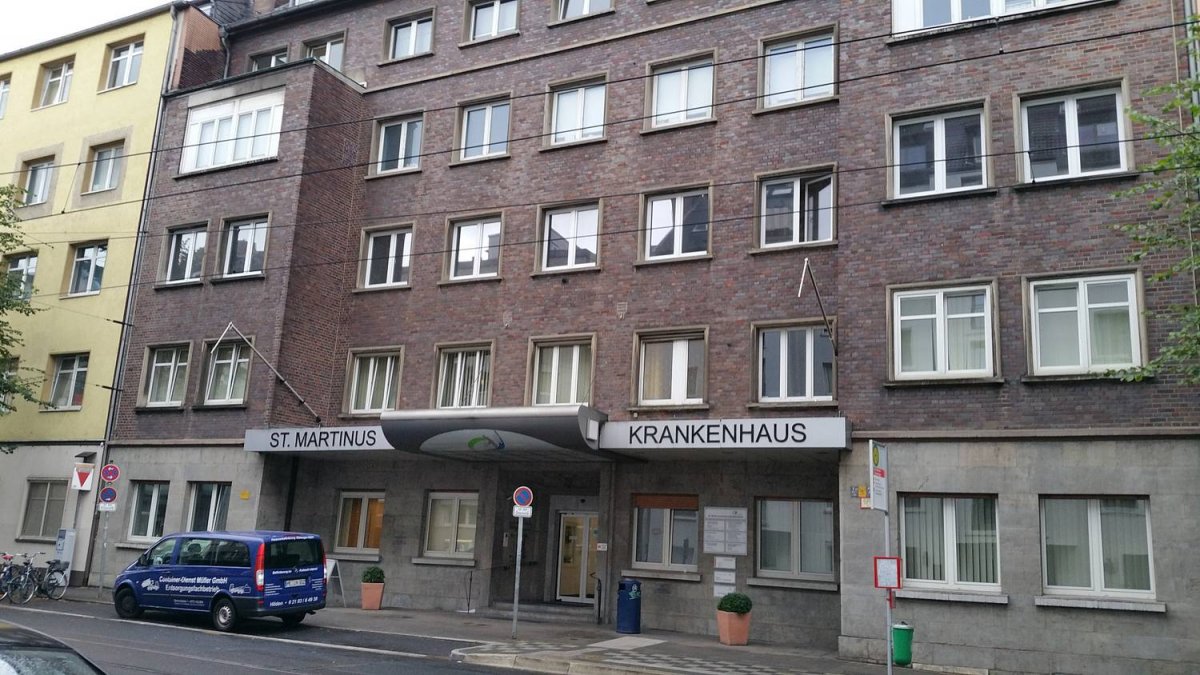
يقود الدكتور فيكتور ألكسندر كرول أقسام أمراض الجهاز الهضمي والطب الباطني في مستشفى سانت مارتينوس، وهو متخصص في علاجات الجهاز الهضمي المتقدمة.
- مدير مركز علاج السمنة المعتمد
- يستخدم أحدث التقنيات التنظيرية والجراحية
- خبير في جراحة السمنة واضطرابات التمثيل الغذائي
- نهج شامل لأمراض الجهاز الهضمي

Viola Fox
كبيرة الأطباء في مركز السرطان المعتمد في BKZ Solingen – الدكتورة فيولا فوكس تقود علاجات مبتكرة لأمراض الأورام.
- متخصصة في العلاج الكيميائي، والعلاج المناعي، والعلاجات الموجهة
- أخصائية مؤهلة في علم الوراثة منذ عام 2016
- نشطة في أبحاث البيولوجيا الجزيئية لعلاجات السرطان
- عضو في جمعيات الأورام الألمانية والأمريكية

Peter Schenker
يتخصص البروفيسور شينكر في استئصال المريء طفيف التوغل مع 19 سنة من الخبرة في جراحة أورام الجهاز الهضمي. يرأس قسم الجراحة في المستشفى الأكاديمي في زولينجن.
- مركز منسق لسرطان البنكرياس – معتمد من Oncocert
- رائد في التقنيات الجراحية الحديثة وطرق التعافي بعد الجراحة
- خبير في إجراءات الجهاز الهضمي بمساعدة الروبوت
- محاضر في الجامعات الطبية حول جراحة الأورام
قصص فيديو من مرضى Bookimed
المراجعات
جميع المراجعاتمشاركة المحتوى
 Anna Leonova
حقائق سريعة عن استئصال المريء
استئصال المريء
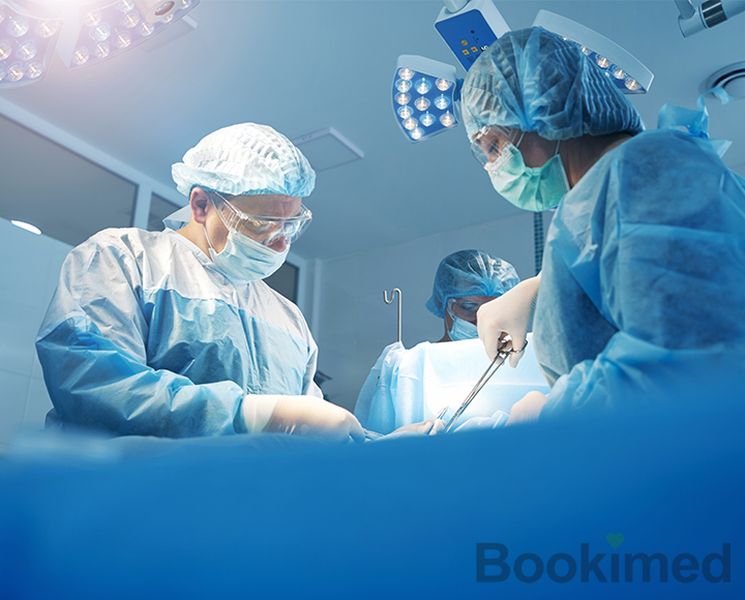
استئصال المريء هو إجراء جراحي لاستئصال جزء من المريء أو المريء كله، وغالباً ما يستخدم لعلاج سرطان المريء.
أسئلة متكررة حول استئصال المريء في ألمانيا
ما هي معدلات النجاح والبقاء على قيد الحياة لعمليات استئصال المريء في ألمانيا؟
تحافظ ألمانيا على معدلات بقاء عالية الموثوقية لعمليات استئصال المريء، حيث تتراوح نسبة البقاء على قيد الحياة لمدة 5 سنوات بين 40% إلى 61% بعد العلاجات متعددة الوسائط الحديثة. تحقق مراكز السرطان المتخصصة معدل نجاح استئصال R0 بنسبة 97%، بينما تظل معدلات الوفيات داخل المستشفيات منخفضة عند 6.3% إلى 7.1% على الصعيد الوطني.
- معدل النجاح: يحقق الجراحون إزالة كاملة للورم بنسبة 97% ضمن برامج مخصصة لأورام الصدر.
- معايير البقاء: تصل نسبة البقاء على قيد الحياة على المدى الطويل لمدة 5 سنوات إلى 72.9% لسرطانات الغدية في مراحلها المبكرة دون إصابة الغدد الليمفاوية.
- حجم العمليات في المستشفى: المراكز ذات الحجم الكبير التي تجري أكثر من 62 عملية جراحية سنويًا تقلل معدلات الوفيات بنسبة 50%.
- معدل الوفيات خلال 90 يومًا: تبلغ المرافق المتخصصة عن معدل وفيات خلال 90 يومًا يتراوح بين 6.8% و 6.9%.
رؤية خبير Bookimed: تظهر البيانات من العيادات الألمانية الرائدة مثل المركز الطبي في سولينغن وعيادة نوردويست انتقالًا واضحًا نحو الأنظمة المساعدة بالروبوت. يستخدم جراحون مثل البروفيسور بيتر شينكر هذه الأساليب بشكل متزايد لخفض معدلات المضاعفات التنفسية، التي تؤثر حاليًا على 15% من المرضى على الصعيد الوطني. يعد اختيار مركز معتمد من قبل الجمعية الألمانية للسرطان (DKG) أمرًا ضروريًا، حيث يجب أن تخضع هذه المؤسسات لعمليات تدقيق دورية لإثبات أن نتائجها تلبي معايير السلامة الوطنية.
إجماع المرضى: يؤكد المرضى أن التعافي يتضمن تغييرات دائمة في نمط الحياة، مثل تن
ما هي أفضل المستشفيات المعتمدة لاستئصال المريء في ألمانيا؟
تشمل أفضل المستشفيات المعتمدة لاستئصال المريء في ألمانيا المراكز المعتمدة من قبل الجمعية الألمانية للسرطان مثل المركز الطبي في سولينغن وعيادة نوردويست. تعطي هذه المرافق الأولوية للرعاية متعددة التخصصات، باستخدام التكنولوجيا المساعدة بالروبوت وأقسام جراحة الأحشاء المتخصصة لضمان دقة جراحية عالية وسلامة المرضى.
- الجمعية الألمانية للسرطان: تضمن الشهادة الالتزام الصارم بأحجام الجراحات ومقاييس السلامة.
- المركز الطبي في سولينغن: مستشفى أكاديمي تابع لجامعة كولونيا يستخدم الموجات فوق الصوتية ثلاثية الأبعاد والروبوتات.
- عيادة نوردويست: معترف بها من قبل مجلتي نيوزويك وفوكس للابتكار في الأورام والجراحة.
- مستشفى جامعة دوسلدورف: مركز أبحاث طبية عالي الحجم يقوم بعمليات استئصال المريء المتقدمة بمساعدة الروبوت.
رؤية خبير Bookimed: في حين أن المراكز الجامعية مثل إيسن أو دوسلدورف تتعامل مع أعلى أحجام المرضى، فإن المستشفيات الأكاديمية المعتمدة الأصغر مثل المركز الطبي في سولينغن تقدم خبرة متخصصة. قام البروفيسور بيتر شينكر في سولينغن بتحديث قسمه خصيصًا باستخدام الروبوتات المتقدمة، مما قد يوفر نهجًا جراحيًا أكثر تخصيصًا من المؤسسات الأكبر والأكثر ازدحامًا.
إجماع المرضى: يؤكد المرضى على اختيار مراكز ذات حجم كبير مع مجالس أورام متعددة التخصصات لضمان دعم متخصص في العناية المركزة. غالبًا ما يعتمد النجاح على الخدمات اللوجستية بعد الجراحة، وتحديداً دعم التغذية وخدمات إعادة تأهيل الحركة المبكرة المقدمة في الموقع.
ما هي التقنيات الجراحية التي يستخدمها الجراحون الألمان لاستئصال المريء؟
يعطي الجراحون الألمان الأولوية لإجراء إيفور لويس باستخدام استئصال المريء طفيف التوغل بمساعدة الروبوت (RAMIE) كمعيار لرعاية سرطان المريء. يستخدم هذا النهج منصات متعددة الأذرع مثل نظام دافنشي لإجراء تشريح دقيق وإعادة بناء سحب المعدة داخل الصدر مع تقليل المضاعفات.
- الجراحة بمساعدة الروبوت: يستخدم الجراحون منصات متعددة الأذرع للحصول على دقة تشريحية عالية وحصاد فائق للعقد الليمفاوية.
- نهج طفيف التوغل: تقلل مراحل تنظير الصدر والبطن التقليدية من الصدمات مقارنة بجراحة الصدر المفتوح التقليدية.
- التقنيات الهجينة: تجمع بين تحريك البطن بالمنظار وبضع الصدر المفتوح المحدود للحالات المعقدة أو الانتقالية.
- معيار إيفور لويس: مفضل لأورام المريء السفلية، ويتضمن مراحل جراحية بطنية وصدرية على مرحلتين.
رؤية خبير Bookimed: تؤكد المراكز الجامعية الألمانية مثل المركز الطبي في سولينجن على حالة مركز السرطان المعتمد، والتي تتطلب أحجاماً سنوية عالية. تظهر البيانات أن جراحين مثل بيتر شينكر يستخدمون غالباً أنظمة روبوتية لإنشاء وصلات داخل الصدر، مما قد يقلل من خطر مشاكل الجهاز التنفسي مقارنة بإعادة البناء على مستوى الرقبة.
إجماع المرضى: يؤكد المرضى على مناقشة خطط التحويل، حيث قد ينتقل الجراحون من الجراحة طفيفة التوغل إلى الجراحة المفتوحة أثناء الإجراء. تسلط التجارب المشتركة الضوء على أن التركيز على حجم الحالات السنوي للمركز أكثر أهمية من التكنولوجيا المحددة المستخدمة.
هل سأحتاج إلى أنبوب تغذية بعد استئصال المريء؟
يحتاج المرضى دائمًا تقريبًا إلى أنبوب تغذية مؤقت عن طريق فغر الصائم بعد استئصال المريء لضمان التغذية السليمة أثناء التئام الوصلة الهضمية الجديدة. يدعم هذا الأنبوب تناول السعرات الحرارية خلال الشهرين الأولين ويمنع الضغط على مواقع الجراحة أثناء التعافي.
- حماية الالتئام: يمنع الإجهاد الهضمي على الوصلة الجديدة بين المعدة والمريء المتبقي.
- الدعم الغذائي: يوصل العناصر الغذائية السائلة عالية السعرات الحرارية مباشرة إلى الأمعاء الدقيقة لمنع فقدان الوزن.
- المدة المعتادة: يحتفظ معظم المرضى بالأنبوب لمدة 4 إلى 8 أسابيع بعد الخروج من المستشفى.
- عملية الانتقال: يبدأ التناول عن طريق الفم بالسوائل ويتطور إلى 5-7 وجبات صغيرة يوميًا.
رؤية خبير Bookimed: على الرغم من أن التغذية بالأنبوب هي المعيار، إلا أن المراكز الألمانية مثل المركز الطبي في سولينغن وعيادة نوردويست تعطي الأولوية للتقنيات المساعدة بالروبوت. غالبًا ما تؤدي هذه الأساليب طفيفة التوغل إلى التئام داخلي أسرع. قد يسمح هذا للمرضى بالانتقال إلى الأطعمة اللينة عن طريق الفم بشكل أسرع من مرضى الجراحة المفتوحة التقليدية.
إجماع المرضى: يجد العديد من المرضى أن دورة التغذية الليلية عبر المضخة هي الأكثر فعالية. يسمح هذا الإعداد بالحركة أثناء النهار ويساعد في استعادة الشهية الطبيعية للوجبات الخفيفة مع تقدم الشفاء.
ما هي مدة الإقامة في المستشفى والجدول الزمني للتعافي الفوري؟
تتراوح فترات الإقامة في المستشفى لإجراء استئصال المريء في ألمانيا عادةً من 10 إلى 21 يوماً للحالات غير المعقدة. يقضي المرضى الأيام الأولى في العناية المركزة للمراقبة مع إدارة الألم والمصارف وتمارين التنفس. يتم الخروج بمجرد استقرار الحالة، على الرغم من أن الانتقال إلى نظام غذائي طبيعي يستغرق عدة أسابيع.
- التحريك المبكر: يتم تشجيع المشي من اليوم الأول لمنع مضاعفات مثل الالتهاب الرئوي وتجلط الأوردة العميقة (DVT).
- إدارة المصارف: يراقب الأطباء الأنابيب والمصارف الجراحية لمدة تتراوح بين 3 إلى 7 أيام تقريباً بعد الجراحة.
- التدرج الغذائي: يبدأ المرضى بتناول الأطعمة السائلة أو اللينة قبل الانتقال إلى وجبات صغيرة ومتكررة.
- إعادة التأهيل في المنزل: غالباً ما يستمر التعب وفقدان الوزن لعدة أشهر بعد مغادرة المستشفى.
رؤية خبير Bookimed: غالباً ما تستخدم المستشفيات الجامعية الألمانية مثل دوسلدورف أو إيسن تقنيات بمساعدة الروبوت لهذا الإجراء. هذه الأساليب طفيفة التوغل، على الرغم من أنها تتطلب دقة تقنية، غالباً ما تسمح بتحريك مبكر مقارنة بالجراحة المفتوحة. اختيار عيادة معتمدة من قبل الجمعية الألمانية للسرطان يضمن توفر طاقم تمريض متخصص لإدارة الأنابيب والمصارف المعقدة.
إجماع المرضى: غالباً ما يوصف الأسبوع الأول بأنه الأكثر تحدياً بسبب تمارين التنفس المكثفة وإدارة الارتجاع. يقترح العديد من المرضى الاستعداد لتعافي طويل ومرحلي يعطي الأولوية لوجبات صغيرة جداً ومتكررة بمجرد بدء التغذية عن طريق الفم.
كيف يتم إعادة بناء المريء بعد استئصاله؟
تتضمن إعادة بناء المريء إنشاء مسار هضمي جديد باستخدام المعدة أو القولون أو الأمعاء الدقيقة. يقوم الجراحون عادةً بإعادة تشكيل المعدة إلى أنبوب (سحب المعدة - gastric pull-up) ونقلها إلى الصدر أو الرقبة. هذا يعيد القدرة على البلع وهضم الطعام بعد استئصال المريء.
- سحب المعدة (Gastric pull-up): يتم إعادة تشكيل المعدة إلى أنبوب ضيق ونقلها إلى الصدر.
- استبدال القولون: يتم استخدام جزء من الأمعاء الغليظة ليحل محل المريء إذا كانت المعدة غير متاحة.
- نقل الصائم: تُستخدم أجزاء من الأمعاء الدقيقة كطُعم، وغالبًا ما تتطلب جراحة مجهرية لضمان تدفق الدم.
- مواقع المفاغرة (Anastomosis): يقوم الجراحون بتوصيل القناة الجديدة بالمريء المتبقي في الرقبة أو الصدر.
رؤية خبراء Bookimed: تستخدم المستشفيات الجامعية الألمانية، مثل دوسلدورف أو إيسن، بشكل متكرر أنظمة مساعدة روبوتية لهذه العمليات. تُظهر البيانات أن عيادات مثل سولينجن، التي تجري أكثر من 9000 عملية جراحية، تعطي الأولوية للمفاغرة داخل الصدر للأورام المنخفضة لتقليل ندبات الرقبة. غالبًا ما تجمع هذه المراكز المتخصصة بين إعادة البناء والتشخيص الجزيئي المتقدم لتخصيص خطة التعافي بعد الجراحة.
إجماع المرضى: غالبًا ما يتفاجأ المرضى بمعرفة أن معدتهم قد تم نقلها إلى منطقة الصدر أو الرقبة. على الرغم من نجاح الجراحة، يؤكد معظمهم أن التعافي يتطلب الصبر عند إعادة تعلم كيفية تناول وجبات أصغر وأبطأ.
كيف تتغير الحياة والنظام الغذائي بشكل دائم بعد الإجراء؟
تتطلب الحياة بعد استئصال المريء تعديلات غذائية دائمة تركز على وجبات صغيرة ومتكررة ووضعية جسم مستقيمة. ينتقل المرضى إلى تناول 6 إلى 8 وجبات صغيرة يومياً مع الفصل الصارم بين المواد الصلبة والسوائل. تشمل التعديلات الأساسية إدارة الارتجاع مدى الحياة والمراقبة الغذائية الدقيقة للحفاظ على الوزن ومنع النقص الغذائي.
- تكرار الوجبات: يجب على المرضى تناول 6 إلى 8 حصص صغيرة مغذية بدلاً من الوجبات الكبيرة المعتادة.
- وضعية ما بعد الأكل: تجنب الاستلقاء بشكل مسطح بعد الأكل لمنع الارتجاع أو ارتجاع الحمض الشديد.
- توقيت شرب السوائل: افصل السوائل عن المواد الصلبة لتجنب الشعور المبكر بالشبع أو أعراض متلازمة الإفراغ السريع.
- الوعي بالشبع: توقف عن الأكل عند أول علامة على الشبع لأن الوصلة لا يمكنها التمدد.
رؤية خبير Bookimed: تؤكد مراكز الأورام الألمانية مثل المركز الطبي في سولينغن على تطوير أنظمة غذائية علاجية متخصصة. يدمج البروفيسور بوريس فافنباخ، بخبرة 34 عاماً، التغذية مباشرة في التعافي الجراحي. هذا التركيز السريري حيوي لأن تحمل الطعام فردي للغاية. قد يعود بعض المرضى في النهاية إلى أنظمة غذائية شبه طبيعية، بينما يحتاج آخرون إلى مكملات غنية بالسعرات الحرارية بشكل دائم.
إجماع المرضى: يفيد الناجون أنه على الرغم من أن الحياة تظل مرضية، إلا أن النجاح يعتمد على الاستماع إلى حدود الجسم الجديدة. يجد الكثيرون أن النوم في وضع مائل ضروري للتحكم في الارتجاع الدائم وتجنب التعب المفاجئ بعد الوجبات الثقيلة.
ما هي المستشفيات في ألمانيا التي تحظى بأعلى التقييمات في جراحة الأعصاب؟
تضم ألمانيا بعضًا من أرقى أقسام جراحة الأعصاب في العالم، بقيادة مستشفى شاريتيه الجامعي في برلين ومستشفى جامعة هايدلبرغ. وتتميز هذه المراكز بخبرتها الواسعة في علاج أورام الدماغ المعقدة وأمراض الأوعية الدموية الدماغية. ولتحقيق أقصى قدر من الفعالية في عملياتها، تستخدم هذه المراكز أحدث التقنيات، مثل التصوير بالرنين المغناطيسي أثناء الجراحة والتوجيه العصبي بمساعدة الحاسوب.
- مستشفى شاريتيه برلين: يُجري أكثر من 5000 عملية جراحية سنوياً. ويرأس العيادة جراح الأعصاب الشهير الدكتور بيتر فايكوتشي.
- المركز الطبي في سولينجن: أجرى الدكتور رالف بوهل أكثر من 4000 عملية جراحية، بما في ذلك جراحات العمود الفقري طفيفة التوغل.
- عيادة أسكليبيوس نورد: مجهزة بنظام التصوير بالرنين المغناطيسي الثنائي الوحيد في ألمانيا أثناء الجراحة لضمان الدقة الجراحية في الوقت الحقيقي أثناء إزالة الورم.
- عيادة نوردويست: تم الاعتراف بها من قبل مجلة نيوزويك كمستشفى رائد في مجال الابتكار في تكنولوجيا الموجات فوق الصوتية ثلاثية الأبعاد.
رأي خبراء بوكيمد: تشير البيانات إلى أن اختيار المراكز ذات الحجم الجراحي الكبير غالبًا ما يؤدي إلى توصيات علاجية أكثر تحفظًا. ففي مركز سولينجن الطبي، الذي يعالج أكثر من 60,000 مريض
ما هي نسب نجاح العمليات الجراحية العصبية المعقدة في ألمانيا؟
في ألمانيا، تتميز العمليات الجراحية العصبية بالغة التعقيد بمستوى أمان استثنائي. تصل نسبة نجاح عمليات دمج الفقرات إلى 99%، بينما تبلغ نسبة النجاة بعد استئصال أورام الدماغ الأولية 97%. كما يتمتع المرضى بقدرة عالية على الاعتماد على أنفسهم في أداء وظائفهم اليومية، حيث يغادر أكثر من 82% منهم المستشفى مباشرةً بعد العلاج. وتولي المراكز الألمانية اهتماماً بالغاً بالحفاظ على الوظائف العصبية باستخدام أحدث تقنيات التخطيط العصبي.
- استئصال الورم: يحقق الجراحون استئصالًا كاملاً للورم في 87.2% من حالات النقائل الدماغية.
- النجاح في علاج أمراض الأوعية الدموية: أفادت المستشفيات الألمانية بنسبة نجاة بلغت 98.7% لحالات تمدد الأوعية الدموية غير الممزقة.
- تحسن الحالة العصبية: يشهد ما يقرب من 43% من المرضى تحسناً في المعايير الوظيفية بعد عمليات الاستئصال المعقدة.
- سلامة التدخلات الجراحية: في المراكز الجراحية الكبيرة، تتراوح معدلات بقاء المرضى على قيد الحياة بعد جراحة العمود الفقري بين 98-99%.
رأي خبراء بوكيمد: يُجري جراحون ذوو خبرة، مثل الدكتور أوفه كولر من عيادة أسكليبيوس ألتونا، أكثر من 2000 عملية جراحية سنويًا. تُشير البيانات إلى أن هؤلاء المتخصصين يحافظون على معدلات نجاح تصل إلى 90%، حتى
ما هي التقنيات المتقدمة المتوفرة عادةً في عيادات جراحة الأعصاب الألمانية؟
تُدخل عيادات جراحة الأعصاب الألمانية بانتظام أدوات رقمية عالية الدقة وتقنيات تصوير فوري في الممارسة الجراحية. تشمل التقنيات الرئيسية الملاحة العصبية الحاسوبية لجراحات الدماغ والحبل الشوكي. تستخدم مؤسسات مثل عيادة أسكليبيوس نورد التصوير بالرنين المغناطيسي أثناء الجراحة للتحقق من استئصال الورم في الوقت الفعلي. توفر هذه الأنظمة للجراحين نظام ملاحة ثلاثي الأبعاد.
- الملاحة العصبية: توفر تصورًا ثلاثي الأبعاد وتتبعًا فوريًا للأدوات لتحقيق دقة جراحية تصل إلى مستوى أقل من المليمتر.
- التصوير أثناء العملية: تسمح أنظمة مثل التصوير بالرنين المغناطيسي أثناء العملية (iMRI) والتصوير المقطعي المحوسب ذي الذراع O (O-arm CT) بالتأكيد الفوري على نجاح عملية الاستئصال.
- المراقبة العصبية: تراقب الوظائف الحركية والحسية أثناء الجراحة لحماية الجهاز العصبي.
- التشخيص الفلوري: يتم استخدام صبغة 5-ALA لتسليط الضوء على حدود الورم من أجل إزالته بشكل أكثر اكتمالاً.
- المساعدة الروبوتية: تعمل أنظمة مثل نظام دافنشي على تحسين الدقة في الإجراءات المعقدة ذات التدخل الجراحي البسيط.
رأي خبراء بوكيمد: تُجري مراكز طبية كبيرة، مثل مستشفى شاريتيه الج