علاج متلازمة ضغط الشريان الأورطي المساريقي في تركيا — احصل على 3 عيادات مختارة خصيصاً لك


تمت مراجعة المقالة طبيا من قبل
فهد مولود
كيف نعمل؟
ما هي تكلفة متلازمة ضغط الشريان الأورطي المساريقي إجراءات التشخيص والعلاج في تركيا؟ اعرف الآن
| تركيا | إسبانيا | ألمانيا | |
|---|---|---|---|
| زراعة النخاع العظمي من متبرع قريب | من $55,000 | من $130,000 | ≈ $130,000 |
اكتشف أفضل متلازمة ضغط الشريان الأورطي المساريقي العيادات في تركيا: 25 خيارات معتمدة والأسعار
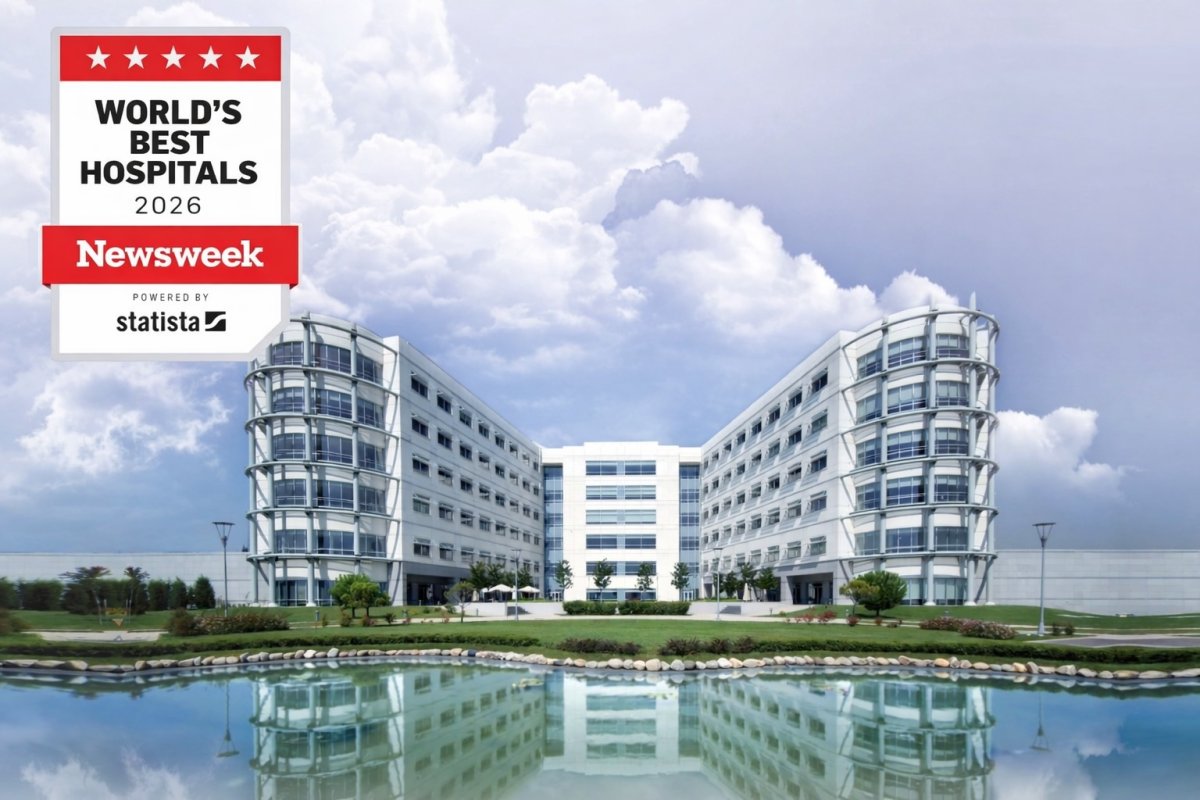









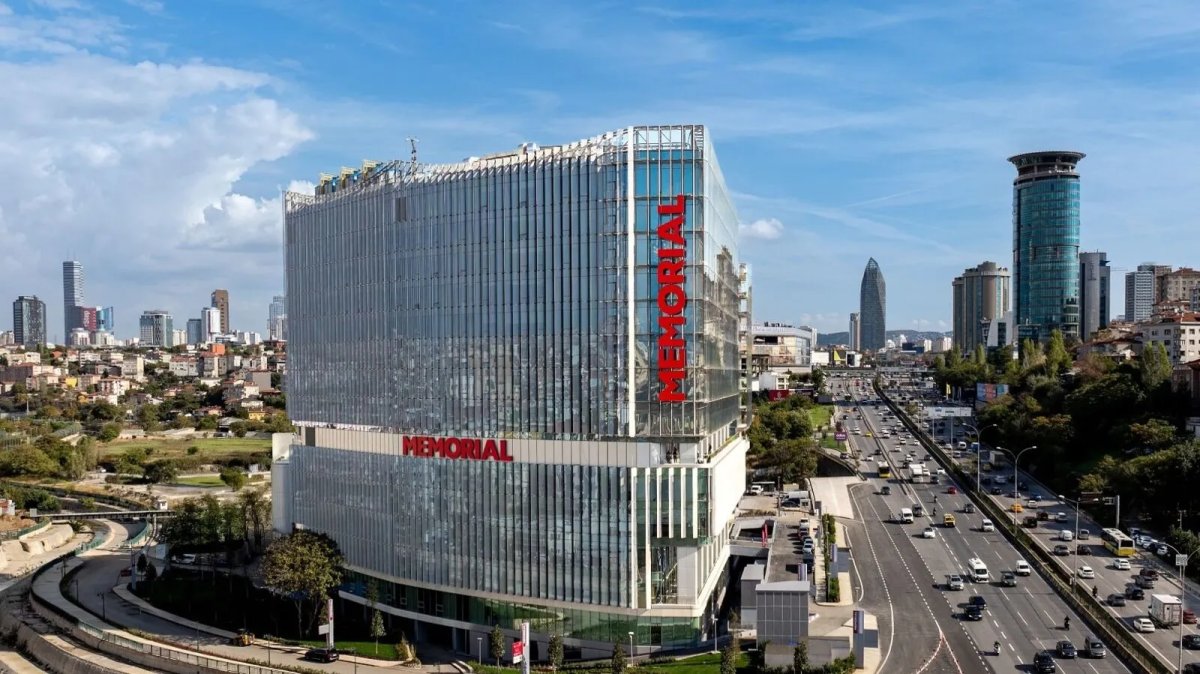
Memorial Göztepe Hospital






احصل على تقييم طبي لـ في تركيا. استشر الآن 22 أطباء ذوي الخبرة.
عرض جميع الأطباء
Ali Fedakar
أجرى البروفيسور علي فيداكار أكثر من 4000 عملية قلب مفتوح، بما في ذلك عمل رائد في عيادات جراحة القلب والأوعية الدموية في جميع أنحاء تركيا.
- متخصص في جراحة الأبهر وعلاجات تمدد الأوعية الدموية
- أسس أقسام جراحة القلب والأوعية الدموية في العديد من المستشفيات
- أجرى أول عمليات زراعة قلب في تركيا كجراح رئيسي
- خبير في التقنيات طفيفة التوغل وجراحات الصمامات المتكررة
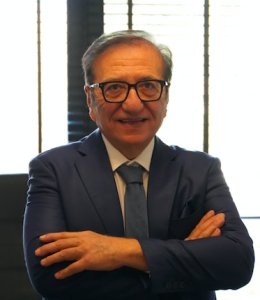
Öztekin Oto

Ertan Sagbas
يتخصص البروفيسور الدكتور إرتان ساغباس في جراحة القلب والأوعية الدموية طفيفة التوغل في مستشفى إسطنبول فلورنس نايتنجيل.
- خبير في جراحة القلب الروبوتية باستخدام نظام دافنشي الروبوتي
- تدرب في معهد أمراض القلب بجامعة إسطنبول
- أستاذ سابق في جامعة إسطنبول بيليم
- يجري جراحات عبر منافذ صغيرة (port access) لتقليل وقت التعافي

David Saba
يتخصص البروفيسور ديفيد سابا في جراحة القلب والأوعية الدموية، ويتمتع بخبرة واسعة في زراعة القلب وحالات الأوعية الدموية المعقدة.
- أكثر من _doctor_9900_ سنوات من الخبرة في جراحة القلب والأوعية الدموية
- تدرب في مؤسسات مرموقة بما في ذلك مستشفى تورنتو العام
- خبرة في زراعة القلب وإجراءات الأوعية الدموية
- أستاذ في كلية الطب بجامعة أولوداغ
- يجري العمليات الجراحية في مستشفى إسطنبول فلورنس نايتنجيل
مشاركة المحتوى
قصص فيديو من مرضى Bookimed
 Anna Leonova
أسئلة متكررة حول علاج متلازمة ضغط الشريان الأورطي المساريقي في تركيا
ما هي طرق العلاج الرئيسية المتاحة في تركيا؟
تقدم تركيا علاجات جراحية وتحفظية متقدمة لمتلازمة الضغط الشرياني الأورطي المساريقي في مراكز معتمدة من قبل اللجنة الدولية المشتركة (JCI). يستخدم متخصصو الأوعية الدموية جراحة الاثني عشر والصائم طفيفة التوغل لتجاوز الانسداد. تدمج المرافق التركية الدعم الأيضي والتصوير المتقدم مثل الأشعة المقطعية والرنين المغناطيسي لضمان التشخيص الدقيق والتعافي على المدى الطويل.
- تحويل المسار الجراحي: يقوم الجراحون بإجراء جراحة الاثني عشر والصائم لتجاوز الجزء المعوي المضغوط بفعالية.
- النهج طفيف التوغل: تتوفر تقنيات تنظير البطن لتقليل الندوب وتسريع الشفاء بعد الجراحة.
- التشخيص المتخصص: تستخدم العيادات التصوير المقطعي بالإصدار البوزيتروني عالي التباين والرنين المغناطيسي للتمييز بين الضغط وخزل المعدة.
- الإدارة الغذائية: غالبًا ما تشمل الباقات إقامات في المستشفى لزيادة الوزن والاستقرار تحت إشراف طبي.
رؤية خبير Bookimed: تشير بيانات حجم المرضى إلى أن اختيار مركز لديه قسم مخصص لجراحة القلب والأوعية الدموية، مثل مستشفى حصار إنتركونتيننتال (Hisar Hospital Intercontinental)، أمر حيوي. أجرى البروفيسور الدكتور علي فداكار أكثر من 4000 جراحة قلب وأوعية دموية، وهو أمر بالغ الأهمية لأن هذه المتلازمة تنطوي على تشريح وعائي معقد. من المرجح أن يقوم الجراحون ذوو الخبرة بالتمييز الصحيح بين هذه الحالة والتشخيصات الخاطئة الشائعة مثل متلازمة القولون العصبي أو القلق.
إجماع المرضى: يشير المرضى إلى أن الأعراض تتحسن ببطء بعد الجراحة ويؤكدون على الحاجة إلى جراح متخصص
هل جراحة متلازمة ضغط الشريان الأورطي المساريقي في تركيا آمنة وفعالة؟
تعتبر جراحة متلازمة ضغط الشريان الأورطي المساريقي في تركيا آمنة وفعالة عند إجرائها من قبل جراحي الأوعية الدموية أو الجراحين العامين ذوي الخبرة. تستخدم المراكز المعتمدة من قبل اللجنة الدولية المشتركة (JCI) في إسطنبول وأنطاليا جراحة الاثني عشر والصائم بالمنظار لحل الأعراض. تضمن هذه التقنيات طفيفة التوغل تعافيًا أسرع ومعدلات نجاح سريري عالية.
- النهج الجراحي: تعطي معظم المراكز الأولوية لجراحة الاثني عشر والصائم بالمنظار من أجل تعافٍ أسرع وتقليل الألم.
- مؤشرات النجاح: تظهر العمليات معدلات عالية في حل أعراض آلام البطن في متابعات لمدة 12 شهرًا.
- معايير الاعتماد: تمتلك المستشفيات الرائدة اعتمادات JCI وتصريح السياحة الصحية الدولية لضمان السلامة.
- وقت التعافي: تسمح الإجراءات طفيفة التوغل بفترات إقامة في المستشفى تصل إلى 3 أيام فقط.
رؤية خبير Bookimed: غالبًا ما يعتمد النجاح في تركيا على حجم العمل متعدد التخصصات في المنشأة. على سبيل المثال، يعالج مستشفى هيسار إنتركونتيننتال أكثر من 500,000 مريض سنويًا. غالبًا ما تضم المستشفيات الكبيرة فرقًا متخصصة في القلب والأوعية الدموية وزراعة الأعضاء مع خبرة في حالات ضغط الأوعية الدموية النادرة. يترجم هذا الحجم المرتفع عادةً إلى رعاية محيطة بالجراحة أكثر دقة ودقة في التشخيص.
إجماع المرضى: يؤكد المرضى أن التحقق من التشخيص من خلال التصوير الواضح قبل الجراحة أمر حيوي. ينصح الكثيرون بطلب رأي ثانٍ لضمان أن التدخل الجراحي يتوافق بشكل صحيح مع الانسداد التشريحي.
ما هي المستشفيات في تركيا التي تتخصص في علاج المتلازمات الوعائية البطنية النادرة مثل ضغط الشريان الأورطي المساريقي؟
تتخصص المستشفيات التركية المعتمدة من JCI في علاج ضغط الشريان الأورطي المساريقي باستخدام فرق وعائية ومعوية متعددة التخصصات. تستخدم مرافق مثل ميموريال شيشلي وميديبول بهجيليفلر تصوير الأوعية المقطعي المتقدم والأنظمة الروبوتية. تقوم هذه المراكز بانتظام بإجراء عمليات فك ضغط مساريقي معقدة لاستعادة وظيفة الاثني عشر الطبيعية وتدفق الدم.
- فرق جراحية متخصصة: يدمج ميموريال بهجيليفلر الجراحة الوعائية والعامة لعلاج حالات الضغط النادرة.
- تكنولوجيا روبوتية متقدمة: يستخدم ميموريال جوزتيبي نظام دا فينشي الحادي عشر (Da Vinci XI) لإجراء جراحة دقيقة.
- دقة التشخيص: يقوم ميديبول بهجيليفلر بتشغيل جهاز PET-CT لكامل الجسم لمدة 5 دقائق وجهاز تصوير مقطعي متقدم بـ 512 شريحة.
- الخبرة السريرية: أجرى البروفيسور الدكتور علي فيداكار أكثر من 4000 إجراء وعائي وأورطي.
رؤية خبير Bookimed: يعتمد النجاح في علاج متلازمة الشريان المساريقي العلوي (SMA) في تركيا على حجم العمليات التي يجريها الجراح وليس فقط على حجم العيادة. أكمل البروفيسور الدكتور علي فيداكار في مستشفى هيسار أكثر من 4000 إجراء وعائي. غالبًا ما تقدم المراكز ذات الحجم الكبير نتائج أفضل لمتلازمات الضغط النادرة بسبب الرعاية التمريضية المتخصصة.
إجماع المرضى: يؤكد المرضى على الحاجة إلى متخصصين يركزون بشكل خاص على الضغط الوعائي بدلاً من مشاكل الجهاز الهضمي العامة. يوصي الكثيرون بإحضار جميع صور الأشعة المقطعية الأصلية للمراجعة الثانوية من قبل جراحي الأوعية الدموية الأتراك ذوي الخبرة.
كم من الوقت يجب أن أخطط للبقاء في تركيا للعلاج؟
خطط للبقاء من 10 إلى 14 يومًا في تركيا لهذه الجراحة المعقدة. يشمل هذا الإطار الزمني تصوير التشخيص قبل الجراحة، والإجراء، والمراقبة الأساسية. يحتاج الجراحون إلى هذه الفترة الزمنية للتأكد من قدرتك على تحمل التغذية عن طريق الفم والتحكم في الألم قبل العودة إلى المنزل بالطائرة.
- مرحلة ما قبل الجراحة: خصص يومين إلى 3 أيام للتصوير وتحسين التغذية.
- الإقامة في المستشفى: توقع من 3 إلى 7 أيام للمراقبة بعد الجراحة والتعافي.
- المراقبة بعد الخروج: ابقَ في إسطنبول لمدة 5 أيام بعد الخروج من المستشفى.
- الاستعداد للسفر: تأكد من استقرارك في الأكل والمشي قبل القيام برحلات جوية طويلة.
رؤية خبير Bookimed: في حين أن الإجراءات العامة لها جداول زمنية أقصر، غالبًا ما تتطلب هذه الحالة تحسين التغذية قبل الجراحة. يركز الجراحون ذوو الخبرة مثل الدكتور علي فيداكار في مستشفى هيسار إنتركونتيننتال على ضمان الاستقرار القلبي الوعائي. تُظهر البيانات أن كبار المستشفيات في إسطنبول غالبًا ما توفر خدمة نقل كبار الشخصيات (VIP) لإدارة الخدمات اللوجستية بين العيادات والفنادق بأمان أثناء التعافي.
إجماع المرضى: يؤكد المرضى على أهمية البقاء لفترة كافية للتحكم في الانتفاخ والغثيان بعد الجراحة. ويشيرون إلى أن الاستعجال في السفر جواً أثناء التواجد على المحاليل الوريدية أو الشعور بآلام في البطن يجعل السفر أكثر صعوبة بشكل ملحوظ.