متلازمة ضغط الشريان الأورطي المساريقي العلاج في تايلاند - التكاليف 2026


تمت مراجعة المقالة طبيا من قبل
فهد مولود
ما هي تكلفة متلازمة ضغط الشريان الأورطي المساريقي إجراءات التشخيص والعلاج في تايلاند؟ اعرف الآن
| تايلاند | تركيا | إسبانيا | |
|---|---|---|---|
| زراعة النخاع العظمي من متبرع قريب | ≈ $95,000 / 3,230,000฿ | من $55,000 / 1,870,000฿ | من $130,000 / 4,420,000฿ |
مزاياك وضماناتك مع Bookimed
أسعار مباشرة
Bookimed لا يضيف رسوماً إضافية على أسعار علاج متلازمة ضغط الشريان الأورطي المساريقي. الأسعار مأخوذة من قوائم الأسعار الرسمية للعيادات. تدفع مباشرة في العيادة مقابل علاجك عند وصولك إلى البلد.
عيادات وأطباء معتمدون فقط
Bookimed ملتزم بسلامتك. نحن نعمل فقط مع المؤسسات الطبية التي تحافظ على معايير دولية عالية في علاج متلازمة ضغط الشريان الأورطي المساريقي ولديها التراخيص اللازمة لخدمة المرضى الدوليين في جميع أنحاء العالم.
مساعدة مجانية على مدار الساعة
Bookimed يقدم مساعدة خبراء مجانية. منسق طبي شخصي يدعمك قبل وأثناء وبعد العلاج، ويحل أي مشاكل. لن تكون وحيداً أبداً في رحلة علاج متلازمة ضغط الشريان الأورطي المساريقي.

منسقك الطبي الشخصي في Bookimed
- يدعمك في كل مرحلة
- المساعدة في اختيار العيادة الطبية المناسبة والطبيب المناسب
- يضمن الوصول السريع والمريح إلى المعلومات
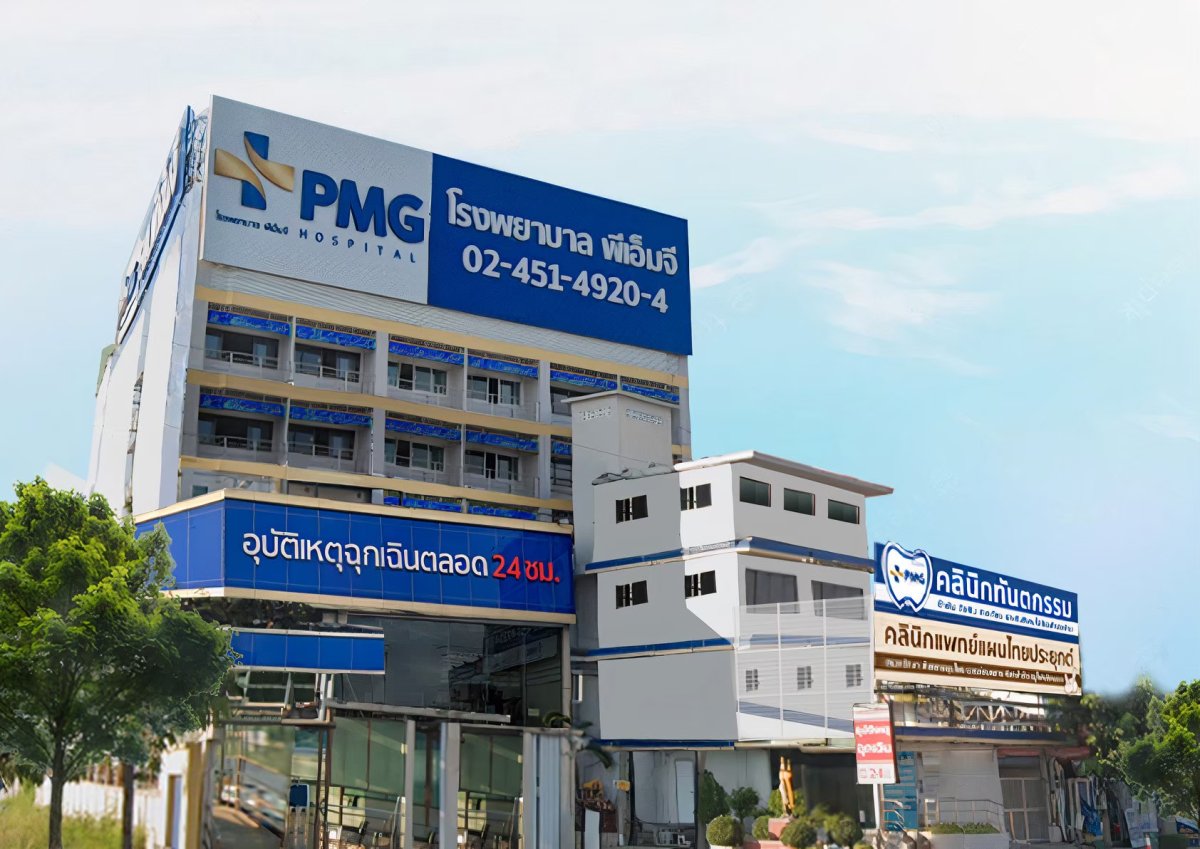
اكتشف أفضل متلازمة ضغط الشريان الأورطي المساريقي العيادات في تايلاند: 3 خيارات معتمدة والأسعار






مشاركة المحتوى
قصص فيديو من مرضى Bookimed
 Anna Leonova
أسئلة متكررة حول علاج متلازمة ضغط الشريان الأورطي المساريقي في تايلاند
ما هي المستشفيات في تايلاند التي تعتبر الأفضل لعلاج متلازمة ضغط الشريان المساريقي العلوي (SMA)؟
يُعد مستشفى بامرونجراد الدولي ومستشفى سيكارين من المراكز التايلاندية الرائدة لعلاج متلازمة ضغط الشريان المساريقي العلوي (SMA). تحمل هذه المرافق في بانكوك اعتماد اللجنة الدولية المشتركة (JCI). يستخدمون جراحة تحويل مسار الاثني عشر والصائم بالمنظار المتقدمة لفك الضغط الوعائي. يبلغ الجراحون عن معدلات نجاح تتجاوز 90% في الإجراءات الهضمية المعقدة.
- معايير الاعتماد: يحافظ كلا المستشفيين على شهادات JCI وISO لسلامة المرضى.
- التكنولوجيا الجراحية: تستخدم المراكز أنظمة روبوتية وتصويراً رقمياً لفك الضغط الوعائي بدقة.
- الحجم السريري: يخدم مستشفى بامرونجراد مليون مريض سنوياً، بما في ذلك 50% من الحالات الدولية.
- الرعاية متعددة التخصصات: تجمع المرافق بين جراحة الجهاز الهضمي، والتقييم الوعائي، وفرق دعم التغذية.
رؤية خبراء Bookimed: يتميز مستشفى بامرونجراد الدولي بأنه يدير 70 قسماً متخصصاً. هذا التخصص العالي مهم لأن علاج متلازمة SMA يتطلب غالباً خبرة وعائية وهضمية متزامنة. تظهر البيانات أن بنيتها التحتية تدعم 1300 طبيب. هذا يسمح باستشارات سريعة عبر الأقسام عندما تبدو الاختبارات القياسية طبيعية. هذا النطاق حيوي لتحديد الضغط الذي قد يغفله التصوير العام.
إجماع المرضى: يؤكد المرضى على أهمية العثور على مستشفى يأخذ فقدان الوزن غير المبرر والألم بعد الوجبات على محمل الجد. يوصون بإحضار جدول زمني مفصل للأعراض لتسريع عملية التشخيص.
هل الجراحة مطلوبة دائماً لعلاج متلازمة الشريان المساريقي العلوي (SMA) في تايلاند؟
لا تتطلب متلازمة الشريان المساريقي العلوي (SMA) جراحة دائماً في تايلاند. تتبع المراكز الطبية التايلاندية البروتوكولات الدولية من خلال إعطاء الأولوية للإدارة التحفظية أولاً. تنجح الأساليب غير الجراحية في 70% إلى 80% من الحالات. يحاول الأطباء عادةً تقديم 4 إلى 6 أسابيع من العلاج الغذائي قبل التفكير في التدخل الجراحي.
- إعادة التأهيل الغذائي: تساعد الأنظمة الغذائية عالية السعرات الحرارية أو أنابيب التغذية في استعادة وسادة الدهون المساريقية.
- العلاج الوضعي: الاستلقاء على الجانب الأيسر أو وضعية الركبة إلى الصدر يخفف من ضغط الشرايين.
- محفزات الجراحة: يوصى بالجراحة في حالات القيء المستمر، أو الألم الشديد، أو فشل التجارب التحفظية.
- المرافق المتقدمة: تستخدم المراكز المعتمدة من اللجنة الدولية المشتركة (JCI) في بانكوك الجراحة الروبوتية لجراحة تحويل مسار الاثني عشر والصائم الأقل توغلاً.
رؤية خبراء Bookimed: تعالج المستشفيات التايلاندية مثل مستشفى بامرونجراد أكثر من مليون مريض سنوياً، بما في ذلك العديد من الحالات الهضمية المعقدة. يعني الحجم الكبير للمرضى الدوليين لديهم أن الأخصائيين يتمتعون بخبرة استثنائية في خطط استعادة الوزن غير الجراحية. بينما قد تركز العيادات الصغيرة على الجراحة، غالباً ما تمتلك هذه المراكز الضخمة المعتمدة من JCI فرق تغذية مخصصة لتجنب العمليات تماماً.
إجماع المرضى: يؤكد المرضى أن استعادة الوزن هي أهم خطوة للتعافي. يلاحظ الكثيرون أن أوضاعاً معينة، مثل الاستلقاء على الجانب الأيسر بعد الأكل، توفر راحة فورية أثناء
ما هي الخيارات الجراحية المتاحة في تايلاند في حال فشل العلاج التحفظي؟
توفر المراكز الطبية التايلاندية جراحة تحويل مسار الاثني عشر والصائم بالمنظار كحل جراحي أساسي في حال فشل الإدارة التحفظية لضغط الشريان الأورطي المساريقي. يستخدم الجراحون في مرافق مثل مستشفى بامرونجراد الدولي تقنيات روبوتية وأقل توغلاً لتجاوز الضغط. تهدف هذه الإجراءات إلى استعادة التدفق الهضمي الطبيعي.
- النهج الجراحي: تعد جراحة تحويل مسار الاثني عشر والصائم بالمنظار هي البديل المفضل الأقل توغلاً.
- التكنولوجيا الروبوتية: تتوفر الجراحة بمساعدة الروبوت في المراكز الرائدة مثل بامرونجراد.
- إجراء بديل: تظل الجراحة المفتوحة خياراً للحالات التشريحية المعقدة.
- شهادة المعايير: تحافظ المرافق الرائدة على اعتماد اللجنة الدولية المشتركة (JCI) لضمان السلامة.
رؤية خبراء Bookimed: في حين أن العديد من الجراحين العامين يمكنهم إجراء عملية تحويل المسار، إلا أن المراكز التايلاندية مثل مستشفى بامرونجراد الدولي تتميز عن غيرها. فهي تعالج أكثر من مليون مريض سنوياً باستخدام الروبوتات والتصوير الرقمي. تشير بياناتنا إلى أن هذه المراكز ذات الحجم الكبير تعطي الأولوية لتحسين الحالة التغذوية قبل الجراحة. هذه الخطوة غالباً ما تحسن نتائج التعافي للمرضى الدوليين.
إجماع المرضى: يؤكد المرضى أن الجراحة هي خطوة نهائية بعد محاولة استعادة الوزن. يلاحظ الكثيرون أن اختيار أخصائي على دراية بضغط الأوعية الدموية أهم من الموقع.
كم تستغرق فترة التعافي بعد جراحة متلازمة الشريان المساريقي العلوي (SMA) بالمنظار في تايلاند؟
تتطلب فترة التعافي بعد جراحة متلازمة الشريان المساريقي العلوي (SMA) بالمنظار في تايلاند إقامة متوسطة في المستشفى لمدة يوم واحد. يعود معظم المرضى إلى أنشطتهم الخفيفة في غضون أسبوع إلى أسبوعين. يستغرق التعافي الكامل عادةً من 4 إلى 6 أسابيع. تقلل التقنيات طفيفة التوغل في المرافق المعتمدة من اللجنة الدولية المشتركة (JCI) من الصدمة الجراحية بشكل كبير مقارنة بالجراحة المفتوحة.
- الخروج من المستشفى: يغادر المرضى المستشفى عادةً في غضون 24 إلى 48 ساعة.
- النشاط الخفيف: يمكن استئناف العمل المكتبي والمشي الخفيف بعد 14 يومًا بشكل عام.
- القيود البدنية: يُمنع رفع أوزان تزيد عن 10 أرطال (حوالي 4.5 كجم) لمدة 4 أسابيع على الأقل.
- الانتقال الغذائي: غالبًا ما يستغرق استعادة أنماط الأكل الطبيعية واكتساب الوزن عدة أشهر.
رؤية خبير بوكيميد: في حين تلتئم الشقوق الصغيرة بسرعة، فإن التعافي الغذائي الداخلي هو التحدي الحقيقي. يعالج مستشفى بامرونجراد الدولي أكثر من 500,000 مريض دولي سنويًا. يشير هذا الحجم الكبير إلى أن فرق الجهاز الهضمي المتخصصة أكثر قدرة على إدارة تقدم النظام الغذائي بعد الجراحة. تعتبر هذه الخبرة حيوية لمرضى متلازمة SMA الذين غالبًا ما يواجهون سوء تغذية مسبق.
إجماع المرضى: يشير المرضى إلى أنه على الرغم من زوال ألم الشق الجراحي بسرعة، إلا أن مستويات الطاقة والشهية تستغرق وقتًا أطول بكثير لتعود إلى طبيعتها. من المهم التخطيط للعودة التدريجية إلى الوجبات العادية بدلاً من توقع تحسن فوري.
هل سيستخدم الجراحون طرقاً مفتوحة أم طفيفة التوغل (بالمنظار)، وما هي الفوائد؟
يختار الجراحون التايلانديون بين طرق المنظار والطرق المفتوحة بناءً على التعقيد التشريحي والتاريخ الجراحي. تستخدم التقنيات طفيفة التوغل مثل ثغر الاثني عشر من 4 إلى 5 شقوق صغيرة. تقلل هذه الطرق من الألم وتسرع من التعافي. وتُخصص الجراحة المفتوحة للمراجعات المعقدة أو حالات الطوارئ التشريحية.
- فوائد المنظار: تؤدي الشقوق الصغيرة إلى صدمة أقل، وألم أقل، ومخاطر عدوى أقل.
- وقت التعافي: تؤدي الأساليب طفيفة التوغل عادةً إلى فترات إقامة أقصر بكثير في المستشفى للمرضى.
- الدقة الجراحية: توفر الكاميرات عالية الدقة رؤية ثلاثية الأبعاد مكبرة لخياطة دقيقة للأمعاء والشرايين.
- النهج المفتوح: تسمح هذه الطريقة بالوصول اليدوي المباشر للحالات عالية الخطورة أو مشاكل الأوعية الدموية المعقدة.
رؤية خبراء Bookimed: تخدم المرافق الرائدة في تايلاند مثل مستشفى بامرونجراد الدولي أكثر من 1,000,000 مريض سنوياً. وهي تدمج الجراحة الروبوتية والتصوير الرقمي في 70 قسماً متخصصاً. إن اختيار مركز معتمد من قبل JCI يضمن اتباع الفريق الجراحي لمعايير السلامة الدولية لهذه الإجراءات المعدية المعوية النادرة.
إجماع المرضى: يشير المرضى إلى أن طرق المنظار هي المفضلة لتعافٍ أسرع. ويؤكدون على أهمية سؤال الجراحين مباشرة عن خبرتهم المحددة في إجراءات SMAS قبل الانتهاء من خطط السفر.
هل يمكن للمرضى الدوليين الحصول على رعاية سلسة لمتلازمة SMA في تايلاند؟
يحصل المرضى الدوليون على رعاية سلسة لمتلازمة SMA في تايلاند من خلال المستشفيات الخاصة المعتمدة من قبل اللجنة الدولية المشتركة (JCI). تخدم مرافق مثل مستشفى بامرونجراد الدولي أكثر من 500,000 مريض دولي سنويًا. وهي توفر خدمات منسقة تشمل الدعم متعدد اللغات، والاختبارات الجينية، والعلاج الغذائي المتقدم لإدارة ضغط الأوعية الدموية بفعالية.
- معايير الاعتماد: يحمل مستشفى بامرونجراد الدولي شهادات GHA و JCI للسياحة الطبية.
- الوصول إلى التكنولوجيا: تستخدم المراكز المتخصصة التصوير الرقمي والسجلات الصحية الإلكترونية (EHR) لتتبع التشخيص بدقة.
- الخدمات المتكاملة: توفر الشبكات الكبرى أقسامًا دولية مخصصة للترجمة وإدارة اللوجستيات.
- نطاق العلاج: تشمل الرعاية استراتيجيات التموضع المحافظة، والدعم الغذائي، والتدخلات الجراحية المتقدمة.
رؤية خبير Bookimed: تم بناء البنية التحتية الخاصة في تايلاند بشكل فريد لرعاية المرضى الدوليين بأعداد كبيرة. يوظف مستشفى بامرونجراد الدولي 1,300 طبيب ويدير 1,000,000 مريض سنويًا. هذا النطاق الهائل يضمن توفر فرق متخصصة في جميع الأوقات. لن تجد نفس اللوجستيات السلسة في المرافق الصغيرة أو العامة.
إجماع المرضى: يشير المرضى إلى أن التعافي هو عملية تدريجية تتضمن زيادة الوزن والتغذية. ويؤكدون على ضرورة تأكيد خطط التصوير للمتابعة قبل مغادرة المستشفى.