علاج مرض الشلل الرعاش في إيطاليا — احصل على 3 عيادات مختارة خصيصاً لك


تمت مراجعة المقالة طبيا من قبل
فهد مولود
كيف نعمل؟
ما هي تكلفة مرض الشلل الرعاش إجراءات التشخيص والعلاج في إيطاليا؟ اعرف الآن
تتأثر التكلفة الإجمالية لعلاج مرض باركنسون في إيطاليا بمكونات مختلفة من خطة العلاج. تبلغ تكلفة الاستشارة العصبية الأولية مع أخصائي حوالي 250 دولارًا، بينما تتراوح تكلفة العلاج بالتحفيز المغناطيسي عبر الجمجمة بين 5,500 دولار و6,600 دولار، بما في ذلك العلاج النفسي والأنشطة المتكاملة. هذه التكاليف جزء من برنامج علاج شامل مصمم لتلبية احتياجات المرضى الفردية ويتم تقييمه من قبل المتخصصين الطبيين.
| إيطاليا | تركيا | إسبانيا | |
|---|---|---|---|
| فحص بالموجات فوق الصوتية الموجهة بالرنين المغناطيسي (MRgFUS) | ≈ $9,000 | من $15,800 | من $39,200 |
| علاج مرض باركنسون بالخلايا الجذعية | ≈ $9,000 | من $12,000 | ≈ $30,000 |
| جراحة التحفيز العميق للدماغ | ≈ $38,000 | من $22,100 | من $64,600 |
| العلاج بالخلايا الجذعية متعددة القدرات المستحثة | ≈ $32,000 | ≈ $6,500 | ≈ $9,000 |
| العلاج الدوائي لمرض الشلل الرعاش | ≈ $2,200 | من $100 | من $2,200 |
اكتشف أفضل مرض الشلل الرعاش العيادات في إيطاليا: 7 خيارات معتمدة والأسعار





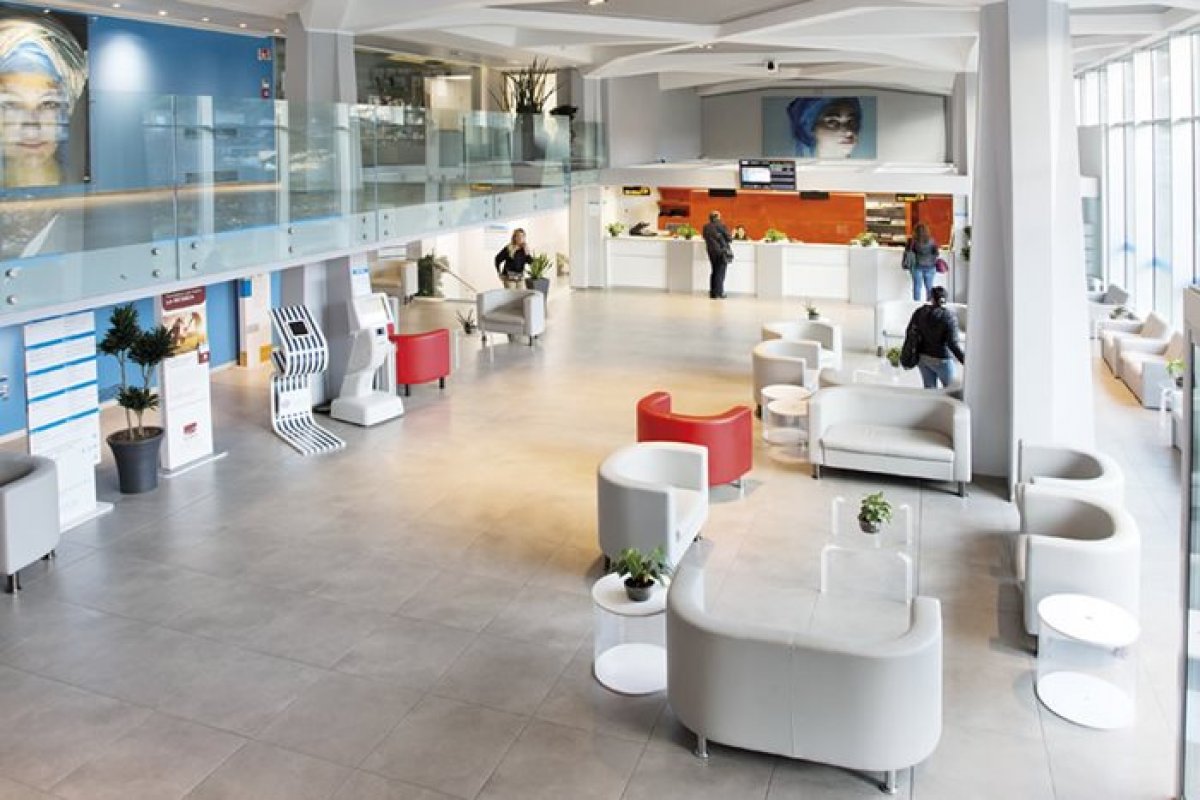
La Madonnina Clinic









احصلوا على تقييم طبي لـ مرض الشلل الرعاش في إيطاليا: استشيروا أطباء ذوي خبرة الآن
عرض جميع الأطباء
Enrico Motti
كان الدكتور موتي رائدًا في أول عملية زرع خلايا دوبامينية في الدماغ لمرض باركنسون في إيطاليا، ويرأس وحدة "جاما نايف" في مستشفى ماريا سيسيليا.
- منسق أحد مراكز علاج "جاما نايف" القليلة في إيطاليا
- عضو نشط في الجمعية الأوروبية لـ "جاما نايف" ومجموعات بحثية أخرى
- حاصل على براءة اختراع لخوذة توجيه مجسمة تتفاعل مع طرق التصوير المقطعي المحوسب
- نظم الاجتماع الأوروبي الأول لمستخدمي "جاما نايف"
- مؤلف لأكثر من 100 منشور في جراحة الأعصاب

Paolo Profice
خبير في مرض باركنسون واضطرابات الحركة - يجمع الدكتور بروفيتشي بين التميز الأكاديمي والخبرة العملية في طب الأعصاب في مستشفى ماتير أولبيا.
- متخصص في طب الأعصاب بمرتبة الشرف من الجامعة الكاثوليكية في روما
- حاصل على درجة الماجستير المتقدمة في أمراض الأوعية الدموية الدماغية
- مدير الوحدة التشغيلية في مستشفى ماتير أولبيا
- يركز على الممارسة السريرية وأبحاث الفيزيولوجيا العصبية
مواد ذات صلة

معدل نجاح العلاج بالخلايا الجذعية لمرض باركنسون: نظرة عامة على الإجراءات، ونتائج الأبحاث، ورؤى المرضى
كتب بواسطة Mariia Mytrofankina

تكلفة التحفيز العميق للدماغ
كتب بواسطة Veronika Kazina

كم تكلفة DBS في 2019؟
كتب بواسطة Veronika Kazina
مشاركة المحتوى
قصص فيديو من مرضى Bookimed
 Anna Leonova
أسئلة متكررة حول علاج مرض الشلل الرعاش في إيطاليا
هل يتم إجراء جراحة التحفيز العميق للدماغ (DBS) لمرض باركنسون تحت التخدير العام أو الموضعي في المراكز الإيطالية؟
تقوم مراكز جراحة الأعصاب الإيطالية بشكل أساسي بإجراء جراحة التحفيز العميق للدماغ (DBS) باستخدام التخدير الموضعي مع التخدير الواعي. يسمح هذا النهج للمريض بالبقاء مستيقظاً للأطباء بمراقبة استجابات المريض في الوقت الفعلي. كما يقدم الجراحون في مرافق مثل مستشفى سان رافاييل ومستشفى ماريا سيسيليا التخدير العام للمرضى الذين يعانون من القلق الشديد أو الرعاش.
- الدقة الجراحية: يقدم المرضى المستيقظون ملاحظات لضمان وضع الأقطاب الكهربائية بشكل مثالي.
- اختبار الحركة: يراقب الجراحون تخفيف الأعراض الفوري أثناء مراحل تسجيل الأقطاب الدقيقة.
- بروتوكول من مرحلتين: تستخدم عملية زرع الأقطاب الكهربائية التخدير الموضعي، بينما تتطلب عملية وضع المحفز العصبي التخدير العام.
- أهلية المريض: تتوفر جراحة DBS تحت التخدير العام لأولئك الذين لا يستطيعون البقاء ثابتين.
رؤية خبير Bookimed: تُظهر المراكز الإيطالية مثل مستشفى ماريا سيسيليا تاريخاً طويلاً من الابتكار، حيث أجرت أول عملية زرع خلايا دوبامينية في دماغ في البلاد عام 1987. يتمتع الدكتور إنريكو موتي في هذه العيادة بخبرة تزيد عن 40 عاماً ويستخدم بروتوكولات معتمدة من JCI. عند اختيار مرفق، تحقق مما إذا كانوا يستخدمون تقنيات التصوير ثلاثي الأبعاد أو تقنيات سكين جاما (Gamma Knife)، حيث ترتبط هذه الأدوات المتخصصة غالباً ببروتوكولات تخدير أكثر دقة مصممة للآفات الوظيفية المعقدة.
إجماع المرضى: يشير المرضى إلى أنه من المفيد الاستعداد ذهنياً للبقاء واعياً أثناء مرحلة اختبار الأقطاب الكهربائية. ويقترحون مناقش
ما هي المدة النموذجية للإقامة في المستشفى بعد جراحة التحفيز العميق للدماغ (DBS) الثنائية لمرض باركنسون في إيطاليا؟
عادةً ما يبقى المرضى الذين يخضعون لجراحة التحفيز العميق للدماغ الثنائية في إيطاليا في المستشفى لمدة 3 أيام. تسمح هذه الفترة للفرق الطبية بمراقبة الأقطاب الجراحية وبدء البرمجة الأولية للجهاز. غالبًا ما تستخدم الفرق الجراحية التخدير العام أثناء الإجراء الذي يستغرق من 3 إلى 4 ساعات.
- مدة الإقامة: يتطلب التعافي القياسي من 72 إلى 96 ساعة من المراقبة داخل المستشفى.
- الإطار الزمني للجراحة: يستغرق وضع الأقطاب الثنائية عمومًا من 3 إلى 5 ساعات.
- العناية بالجروح: يقوم الجراحون عادةً بإزالة الغرز أو الدبابيس بعد 7 إلى 10 أيام من الجراحة.
- معايير الخروج: يغادر المرضى بمجرد السيطرة على الألم وتأكيد عمل الجهاز.
رؤية خبير Bookimed: على الرغم من أن الإقامات في المستشفى قصيرة، إلا أن المراكز الإيطالية المعتمدة من IRCCS مثل سان رافاييل تؤكد على بروتوكولات التعافي القائمة على الأبحاث. تظهر بياناتنا أن المرضى يستفيدون من اختيار المرافق التي يتمتع فيها أطباء الأعصاب مثل الدكتور إنريكو موتي بأكثر من 40 عامًا من الخبرة. غالبًا ما توفر المراكز ذات الحجم الكبير التي تجري أكثر من 50,000 عملية سنويًا جلسات برمجة أكثر كفاءة بعد الجراحة.
إجماع المرضى: يشير المرضى إلى أنه على الرغم من أن الإقامة في المستشفى قصيرة، إلا أن البقاء في مكان قريب لمدة أسبوع واحد أمر ضروري. وهذا يسمح بإجراء تعديلات حاسمة على الأدوية واختبار الأقطاب قبل السفر إلى المنزل.
من يعتبر مرشحاً مناسباً لعملية التحفيز العميق للدماغ (DBS) الثنائية في إيطاليا؟
المرشحون المناسبون للتحفيز العميق للدماغ (DBS) الثنائي في إيطاليا عادة ما يكونون مصابين بمرض باركنسون مجهول السبب لمدة لا تقل عن 4 إلى 5 سنوات. يجب أن يظهروا استجابة إيجابية لليفودوبا مع تحسن في النتيجة الحركية بنسبة 30%. يعاني المرشحون عموماً من تقلبات حركية معطلة أو خلل الحركة على الرغم من العلاج الطبي الأمثل.
- مدة المرض: الحد الأدنى 4 سنوات يضمن التشخيص مجهول السبب بدلاً من الباركنسونية غير النمطية.
- الاستجابة الحركية: تحسن مثبت بنسبة 30% إلى 33% على مقاييس UPDRS الحركية أثناء اختبار الليفودوبا.
- الصحة المعرفية: غياب الخرف أو الحالات النفسية النشطة مثل الاكتئاب الشديد.
- الملف العمري: تفضيل العمر البيولوجي تحت 75 عاماً لضمان السلامة الجراحية.
رؤية خبير Bookimed: تعطي مراكز جراحة الأعصاب الإيطالية مثل مستشفى ماريا سيسيليا أو سان رافاييل الأولوية للأطباء ذوي الخبرة الوظيفية الواسعة. أجرى الدكتور إنريكو موتي أول عملية زرع خلايا دوبامينية في الدماغ في إيطاليا عام 1987 ويدير آفات وظيفية معقدة. اختيار مركز يتمتع بمثل هذه الخبرة التاريخية أمر حيوي لأن وضع الأقطاب الكهربائية الثنائية يتطلب دقة عالية لتجنب الآثار الجانبية المتعلقة بالكلام أو الإدراك.
إجماع المرضى: يشير المرضى إلى أن إظهار تاريخ مستقر للاستجابة لليفودوبا هو العقبة الأكثر أهمية للموافقة. يؤكد الكثيرون أن المراكز في ميلانو وروما قد تختلف حول ما إذا كان يجب إجراء الجراحة الثنائية دفعة واحدة أو استخدام نهج أحادي الجانب على مراحل.
ما الذي يجب أن يتوقعه المرضى فيما يتعلق بالتعافي بعد الجراحة والعناية بالجروح بعد جراحة التحفيز العميق للدماغ؟
يتضمن التعافي بعد جراحة التحفيز العميق للدماغ عادةً البقاء في المستشفى لمدة ليلة أو ليلتين. يجب على المرضى الحفاظ على جفاف الشقوق الجراحية في فروة الرأس والصدر لمدة 72 ساعة. عادة ما تتلاشى الأعراض الأولية مثل الصداع أو التعب مع انخفاض تورم الدماغ خلال الشهر الأول.
- العناية بالجروح: حافظ على جفاف شقوق فروة الرأس والصدر لمدة 3 أيام.
- حدود النشاط: لا ترفع أكثر من 5 أرطال (حوالي 2.3 كجم) لمدة 6 أسابيع.
- حركة الرقبة: تجنب تمديد الرقبة بشكل مفرط لحماية الأسلاك الموصلة الداخلية.
- الجدول الزمني للتنشيط: تبدأ برمجة النظام بعد 4 إلى 5 أسابيع من الجراحة.
رؤية خبير Bookimed: توفر مراكز جراحة الأعصاب الإيطالية مثل مستشفى ماريا سيسيليا وسان رافاييل خبرة واسعة في اضطرابات الحركة المعقدة. يتمتع الدكتور إنريكو موتي في مستشفى ماريا سيسيليا بخبرة تزيد عن 40 عامًا. يعد هذا المستوى من التخصص أمرًا حيويًا لأن التنسيب الدقيق للأسلاك يؤثر بشكل مباشر على مدى سرعة وصول المرضى إلى التحكم الأمثل في الأعراض خلال الأشهر الستة الأولى من البرمجة.
إجماع المرضى: يؤكد المرضى على ارتداء قمصان بأزرار لتجنب سحب الملابس فوق شقوق الرأس. يوصي الكثيرون باستخدام كمادات الثلج للصداع الأولي وتخزين الضمادات المقاومة للماء قبل العودة إلى المنزل.
هل تتوفر أنظمة التحفيز العميق للدماغ (DBS) المتوافقة مع الرنين المغناطيسي والقابلة لإعادة الشحن في المستشفيات الإيطالية، وهل تختلف في طول العمر الافتراضي؟
توفر المستشفيات الإيطالية أنظمة التحفيز العميق للدماغ (DBS) المتوافقة مع الرنين المغناطيسي والقابلة لإعادة الشحن لمرض باركنسون. تسمح هذه الأجهزة المتقدمة بإجراء فحوصات الرنين المغناطيسي بقوة 1.5 تسلا أو 3 تسلا بأمان في ظل ظروف معينة. تتفوق النماذج القابلة لإعادة الشحن بشكل كبير على النماذج غير القابلة لإعادة الشحن من حيث طول العمر، حيث تدوم عادةً من 15 إلى 25 عاماً.
- طول عمر النظام: تدوم الوحدات القابلة لإعادة الشحن لأكثر من 15 عاماً مقارنة بـ 3-5 سنوات للبطاريات التقليدية.
- تكرار الجراحة: يقلل عمر البطارية الممتد من الحاجة إلى عمليات جراحية متكررة لاستبدال مولد النبضات.
- المرافق الرائدة: يستخدم مستشفى IRCCS San Raffaele ومستشفى Maria Cecilia تقنيات التعديل العصبي المتقدمة هذه.
- الأخصائيون الخبراء: أجرى الدكتور إنريكو موتي أول عملية زرع خلايا دماغية في إيطاليا لمرض باركنسون.
رؤية خبير Bookimed: تظهر البيانات الواردة من مراكز جراحة الأعصاب الإيطالية تحولاً واضحاً نحو مراكز الأبحاث ذات الحجم الكبير مثل San Raffaele. تجري هذه المؤسسات أكثر من 52,000 عملية جراحية سنوياً، مما يوفر البنية التحتية التقنية اللازمة لإدارة معقدة لنظام DBS. غالباً ما يضمن اختيار هذه المراكز ذات القدرة العالية الوصول إلى أحدث المحفزات المزودة بأجهزة استشعار مثل عائلة Medtronic Percept.
إجماع المرضى: يشير المرضى إلى أنه على الرغم من أن الأنظمة القابلة لإعادة الشحن تتطلب صيانة أسبوعية أكثر، إلا أن المقايضة تستحق العناء لتجنب العمليات الجراحية المت
ما هو الجدول الزمني للسفر الذي يجب أن يخطط له المريض الدولي من الوصول إلى العودة الآمنة إلى الوطن بعد إجراء تحفيز عميق للدماغ (DBS) على مرحلتين في إيطاليا؟
يجب على المرضى التخطيط لإقامة تتراوح من 5 إلى 8 أسابيع في إيطاليا لإجراء عملية التحفيز العميق للدماغ (DBS) على مرحلتين. يغطي هذا الجدول الزمني التخطيط، ووضع الأقطاب الكهربائية، وزراعة المحفز العصبي، والبرمجة الأساسية بعد الجراحة. توصي معظم البروتوكولات السريرية الدولية بالانتظار لمدة 6 أسابيع قبل السفر بالطائرة لمسافات طويلة.
- المرحلة قبل الجراحة: الوصول قبل 3 إلى 5 أيام لإجراء تخطيط الرنين المغناطيسي والاختبارات العصبية.
- الفترة الفاصلة بين الجراحتين: الانتظار من 7 إلى 10 أيام بين وضع الأقطاب الكهربائية وزراعة البطارية.
- شفاء الدماغ: السماح بـ 3 إلى 5 أسابيع لتعافي الأنسجة قبل تنشيط الجهاز.
- برمجة الجهاز: تخصيص 2 إلى 4 أسابيع لتعديلات الإعدادات الأولية والاستقرار.
رؤية خبير Bookimed: على الرغم من أن التقديرات الأولية تشير غالبًا إلى أسبوعين، إلا أن البيانات الداخلية تظهر أن الحالات الدولية الناجحة تتطلب ما يقرب من 8 أسابيع. تؤكد المراكز المتخصصة مثل مستشفى ماريا سيسيليا أو مستشفى ماتر أولبيا أن تكرارات البرمجة لا يمكن التنبؤ بها. من الحكمة حجز رحلات عودة مرنة لاستيعاب جلسات استقرار إضافية مع أطباء أعصاب مثل الدكتور باولو بروفيس.
إجماع المرضى: يلاحظ المرضى أن برمجة الجهاز تستغرق وقتًا أطول بكثير من الجراحة نفسها. ويؤكدون على أهمية إحضار مقدم رعاية وحزم ما يكفي من الأدوية لإقامة لمدة شهرين لتجنب التوتر.
ما هي المدن والمستشفيات الإيطالية الأكثر شهرة ببرامج التحفيز العميق للدماغ (DBS) ذات الحجم الكبير التي تلبي احتياجات مرضى باركنسون الدوليين؟
تعد ميلانو وروما المركزين الرئيسيين في إيطاليا لبرامج التحفيز العميق للدماغ (DBS) ذات الحجم الكبير. تمتلك المرافق الرائدة مثل سان رافاييل ومستشفى أغوستينو جيميلي الجامعي اعتماد IRCCS. تقدم هذه المراكز القائمة على الأبحاث رعاية جراحية عصبية متقدمة باستخدام تكنولوجيا عالية الدقة لمرضى باركنسون الدوليين.
- المركز الطبي في ميلانو: يجري سان رافاييل أكثر من 52,000 عملية جراحية سنويًا وفقًا لمعايير معتمدة من JCI.
- التميز في روما: يجمع مستشفى ماتر أولبيا بين خبرة جيميلي IRCCS والخدمات الدولية المخصصة.
- مراكز جراحية متخصصة: يتعامل مستشفى ماريا سيسيليا في بولونيا مع حوالي 1,000 حالة معقدة سنويًا.
- خبرة جراحة الأعصاب: يتمتع الدكتور إنريكو موتي في مستشفى ماريا سيسيليا بخبرة تزيد عن 40 عامًا.
رؤية خبير Bookimed: يعد الحجم السريري هو المؤشر الأكثر موثوقية للسلامة في برامج DBS الإيطالية. يتميز سان رافاييل ومستشفى ماريا سيسيليا بإجراء آلاف العمليات الجراحية سنويًا. تسمح هذه الترددات العالية لهذه المراكز بالحفاظ على معدلات نجاح عالية بشكل استثنائي. يجب على المرضى إعطاء الأولوية لهذه المعاهد المعتمدة من IRCCS لأنها تدمج أحدث الأبحاث مباشرة في البروتوكولات الجراحية.
إجماع المرضى: يشير المرضى إلى أن مراكز ميلانو مثل سان رافاييل تقدم التجربة الأكثر سلاسة للأجانب مع منسقين يتحدثون الإنجليزية. يؤكد الكثيرون على أهمية اختيار الجراحين ذوي الحجم الكبير الذين يجرون ما لا يقل عن 50 إجراء DBS كل عام.