مرض الشلل الرعاش العلاج في الولايات المتحدة الامريكيه - التكاليف 2026


تمت مراجعة المقالة طبيا من قبل
فهد مولود
ما هي تكلفة مرض الشلل الرعاش إجراءات التشخيص والعلاج في الولايات المتحدة الامريكيه؟ اعرف الآن
تتضمن تكلفة علاج مرض باركنسون في الولايات المتحدة الأمريكية عادةً خطوات تشخيصية أولية مثل استشارة طبيب أعصاب تتراوح ما بين $450 إلى $750. وتتراوح تكلفة التدخلات الجراحية مثل جراحة التحفيز العميق للدماغ (DBS) ما بين $65,000 إلى $110,000، بينما تتراوح تكلفة الموجات فوق الصوتية المركزة الموجهة بالرنين المغناطيسي ما بين $14,500 و $20,000. تعتمد التكاليف الإجمالية على مرحلة المرض والرعاية المتخصصة المطلوبة. تشمل أهم المراكز الطبية للعلاج بالتيمور، ونيويورك، وبرينستون.
تكاليف علاج مرض باركنسون النموذجية في الولايات المتحدة الأمريكية
- استشارة طبيب أعصاب: $450 – $750
- تصوير الدماغ بالرنين المغناطيسي مع التباين: $900 – $2,600
- التشخيص المعقد لمرض باركنسون: السعر عند الطلب
- جراحة التحفيز العميق للدماغ (DBS): $65,000 – $110,000
- الموجات فوق الصوتية المركزة الموجهة بالرنين المغناطيسي (MRgFUS): $14,500 – $20,000
- العلاج الدوائي لمرض باركنسون: $2,800 – $6,000
- العلاج بالخلايا الجذعية لمرض باركنسون: $20,000 – $45,000
- استشارة جراح أعصاب: من $320
- تخطيط الأعصاب الكهربائي: $420 – $1,100
- تخطيط النوم (EEG): $900 – $2,000
رؤية خبراء Bookimed: بالنسبة للحالات المعقدة، توفر المستشفيات التعليمية متعددة التخصصات أعلى دقة تشخيصية. يُعد مستشفى جونز هوبكنز خياراً أولياً، حيث يجذب المرضى من 49 ولاية بفضل خبرات كليته الطبية المتكاملة. يجب على المرضى الباحثين عن رعاية من الدرجة الأولى في الشمال الشرقي التفكير في مستشفى برينستون في بلينسبورو، والذي يُصنف ضمن أفضل 5% من المستشفيات الأمريكية. توفر هذه المؤسسات رعاية منسقة عبر تخصصات طب الأعصاب وجراحة الأعصاب.
| الولايات المتحدة الامريكيه | تركيا | إسبانيا | |
|---|---|---|---|
| فحص بالموجات فوق الصوتية الموجهة بالرنين المغناطيسي (MRgFUS) | ≈ $14,500 | من $15,800 | من $29,700 |
| علاج مرض باركنسون بالخلايا الجذعية | ≈ $20,000 | من $12,000 | ≈ $30,000 |
| جراحة التحفيز العميق للدماغ | ≈ $65,000 | من $22,100 | من $64,700 |
| العلاج بالخلايا الجذعية متعددة القدرات المستحثة | ≈ $15,000 | ≈ $6,500 | ≈ $9,000 |
| العلاج الدوائي لمرض الشلل الرعاش | ≈ $2,800 | من $100 | من $2,200 |
مزاياك وضماناتك مع Bookimed
أسعار مباشرة
Bookimed لا يضيف رسوماً إضافية على أسعار علاج مرض الشلل الرعاش. الأسعار مأخوذة من قوائم الأسعار الرسمية للعيادات. تدفع مباشرة في العيادة مقابل علاجك عند وصولك إلى البلد.
عيادات وأطباء معتمدون فقط
Bookimed ملتزم بسلامتك. نحن نعمل فقط مع المؤسسات الطبية التي تحافظ على معايير دولية عالية في علاج مرض الشلل الرعاش ولديها التراخيص اللازمة لخدمة المرضى الدوليين في جميع أنحاء العالم.
مساعدة مجانية على مدار الساعة
Bookimed يقدم مساعدة خبراء مجانية. منسق طبي شخصي يدعمك قبل وأثناء وبعد العلاج، ويحل أي مشاكل. لن تكون وحيداً أبداً في رحلة علاج مرض الشلل الرعاش.

منسقك الطبي الشخصي في Bookimed
- يدعمك في كل مرحلة
- المساعدة في اختيار العيادة الطبية المناسبة والطبيب المناسب
- يضمن الوصول السريع والمريح إلى المعلومات
اكتشف أفضل مرض الشلل الرعاش العيادات في الولايات المتحدة الامريكيه: 4 خيارات معتمدة والأسعار
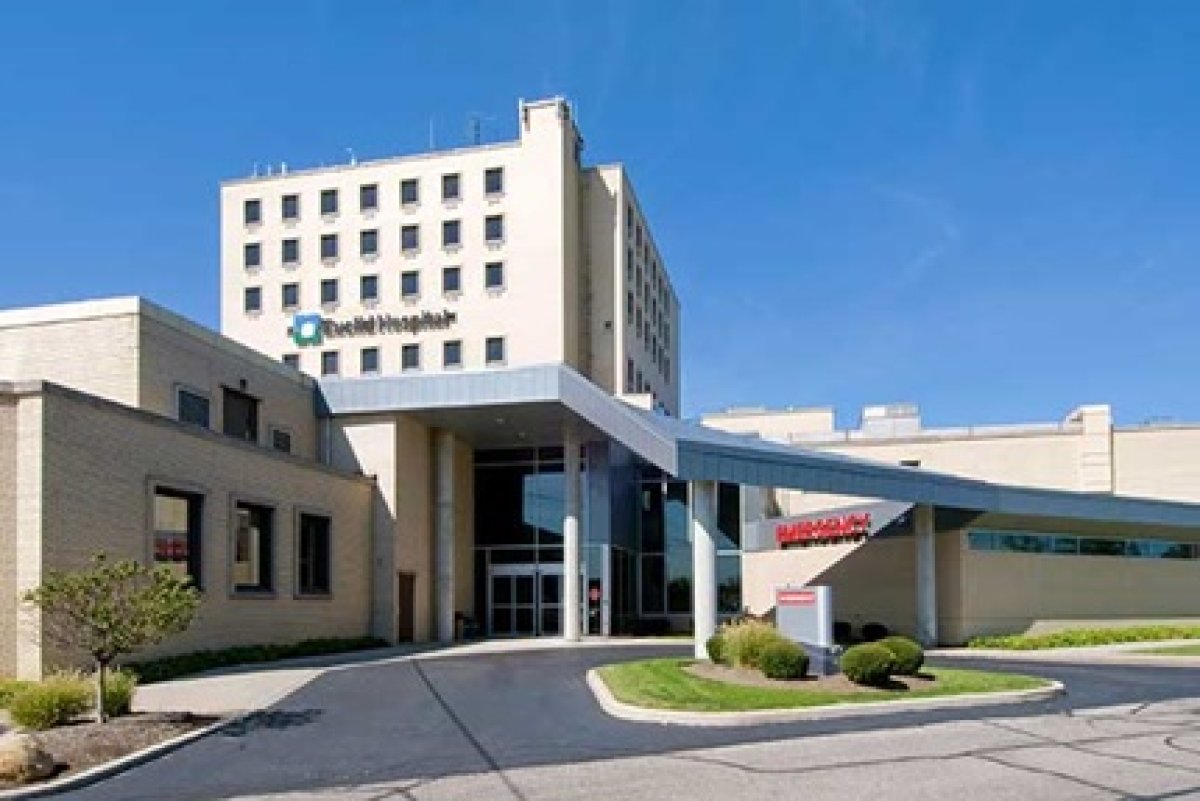





Princeton Hospital at Plainsboro

Johns Hopkins Hospital

Memorial Sloan Kettering Cancer Center
احصلوا على تقييم طبي لـ مرض الشلل الرعاش في الولايات المتحدة الامريكيه: استشيروا أطباء ذوي خبرة الآن
عرض جميع الأطباء
Rafael Cruz
مواد ذات صلة

معدل نجاح العلاج بالخلايا الجذعية لمرض باركنسون: نظرة عامة على الإجراءات، ونتائج الأبحاث، ورؤى المرضى
كتب بواسطة Mariia Mytrofankina

تكلفة التحفيز العميق للدماغ
كتب بواسطة Veronika Kazina

كم تكلفة DBS في 2019؟
كتب بواسطة Veronika Kazina
مشاركة المحتوى
قصص فيديو من مرضى Bookimed
 Anna Leonova
أسئلة متكررة حول علاج مرض الشلل الرعاش في الولايات المتحدة الامريكيه
هل يوجد علاج لمرض باركنسون في الولايات المتحدة؟
لا يوجد علاج نهائي لمرض باركنسون في الولايات المتحدة اعتبارًا من عام 2026. تركز المراكز المتخصصة على إدارة التنكس العصبي من خلال علاجات متقدمة. تنجح العلاجات المعتمدة من قبل إدارة الغذاء والدواء (FDA) مثل التحفيز العميق للدماغ والموجات فوق الصوتية المركزة ثنائية الجانب في السيطرة على الأعراض الحركية. هذه الإجراءات تحسن جودة الحياة بشكل كبير.
- الجراحات المتاحة: التحفيز العميق للدماغ (DBS) والموجات فوق الصوتية المركزة الموجهة بالرنين المغناطيسي غير الجراحية.
- إدارة الأعراض: يظل كاربيدوبا-ليفودوبا المعيار الذهبي لاستعادة مستويات الدوبامين.
- البحث التجريبي: تبحث تجارب المرحلة الثالثة في الخلايا العصبية المشتقة من الخلايا الجذعية لاستبدال الخلايا التالفة.
- المرافق المتخصصة: تتوفر الرعاية متعددة التخصصات في مؤسسات مثل مستشفى جونز هوبكنز.
رؤية خبير Bookimed: تجذب المراكز الطبية الأمريكية مثل مستشفى جونز هوبكنز مرضى من 49 ولاية. يخلق حجمهم الكبير ميزة بيانات مهمة للطب الشخصي. بينما يبحث الكثيرون عن الخلايا الجذعية التجريبية، ركز أولاً على التحفيز العميق للدماغ التكيفي المعتمد من إدارة الغذاء والدواء. تتكيف هذه الأنظمة ذات الحلقة المغلقة مع نشاط الدماغ في الوقت الفعلي لتحقيق استقرار أفضل.
إجماع المرضى: يؤكد المرضى أن التشخيص المبكر وأطباء الأعصاب المتخصصين في اضطرابات الحركة أمر حيوي. يلاحظ الكثيرون أن التمارين عالية الكثافة مثل الملاكمة تساعد في الحفاظ على الحركة إلى جانب الأدوية القياسية.
ما هو الدواء المعياري الذهبي لعلاج الأعراض الحركية؟
يظل ليفودوبا الممزوج بالكاربيدوبا هو الدواء المعياري الذهبي لأعراض مرض باركنسون الحركية. يعبر هذا السلف للدوبامين الحاجز الدموي الدماغي بفعالية. وهو يعوض مستويات الدوبامين المستنفدة لتحسين الحركة. يكون الأداء في أعلى مستوياته بالنسبة للبطء والتصلب والرعشة. توفر المراكز الأمريكية المتخصصة مثل مستشفى جونز هوبكنز هذه العلاجات الدوائية المتقدمة.
- الفعالية الجهازية: يوفر أكبر تحسن في الوظيفة الحركية مقارنة بالعلاجات الأخرى.
- الأهداف العرضية: العلاج الأساسي لبطء الحركة وتصلب العضلات والارتجاف اللاإرادي.
- تنوع التركيبات: تشمل الخيارات أقراصاً فموية، وكبسولات ممتدة المفعول، وحقن هلام معوي.
- الإدارة طويلة الأمد: يعاني معظم المرضى من فعالية عالية لمدة تتراوح بين 5 إلى 10 سنوات.
رؤية خبير Bookimed: تظهر البيانات السريرية اتجاهاً حيث تعطي المستشفيات الأمريكية المدرجة في أفضل 5% من قبل HealthGrades، مثل مستشفى برينستون في بلينسبورو، الأولوية للتشخيصات متعددة التخصصات. غالباً ما تستخدم هذه المراكز اختبارات اليقظة EEG وتصوير الدماغ بالرنين المغناطيسي مع التباين قبل وصف ليفودوبا. وهذا يضمن أن الأعراض الحركية لا تخفي حالات عصبية أخرى تحاكي مرض باركنسون.
إجماع المرضى: غالباً ما يصف المرضى ليفودوبا بأنه يغير الحياة لاستعادة الحركة بسرعة. ينصح الكثيرون بتتبع الأعراض اليومية في وقت مبكر لمساعدة أطباء الأعصاب على تعديل الجرعات قبل أن تبدأ التقلبات الحركية.
ما هي العلاجات المعتمدة من قبل إدارة الغذاء والدواء (FDA) التي أصبحت متاحة في 2024–2025؟
تشمل علاجات مرض باركنسون المعتمدة من قبل إدارة الغذاء والدواء في 2024–2025 عقار Vyalev، وهو مضخة حقن تحت الجلد لليفودوبا/كاربييدوبا تم اعتمادها في أكتوبر 2024. يوفر هذا النظام توصيلاً مستمراً على مدار 24 ساعة لتقليل التقلبات الحركية. كما حصلت تقنية التحفيز العميق للدماغ التكيفي (aDBS) على تصريح موسع للاستخدام السريري الأوسع.
- الحقن تحت الجلد: يستبدل Vyalev الأدوية الفموية النهارية بمضخة مستمرة تعمل على مدار 24 ساعة.
- التحكم الحركي: يمكن للحقن المستمر تقليل وقت «التوقف» (off time) اليومي بنحو 50%.
- التحفيز العميق للدماغ التكيفي: يقوم نظام Percept PC من Medtronic المزود بتقنية BrainSense بتعديل التحفيز تلقائياً بناءً على إشارات الدماغ.
- فوائد التنقل: تظهر البيانات السريرية أن التحفيز العميق للدماغ التكيفي قد يوفر 2-3 ساعات إضافية من وقت «التشغيل» (on time).
رؤية خبراء Bookimed: يعتمد وصول المرضى إلى هذه العلاجات عالية التقنية بشكل كبير على حجم المرضى في المنشأة بدلاً من مجرد القرب الجغرافي. المراكز الأكاديمية الرائدة مثل مستشفى جونز هوبكنز أو مستشفى برينستون في بلينسبورو مجهزة بشكل أفضل للتعامل مع تصاريح التأمين المعقدة المطلوبة لمضخات الحقن الجديدة. كما أن اختيار مركز ذو حجم كبير للتحفيز العميق للدماغ التكيفي يقلل من الحاجة إلى زيارات متكررة للبرمجة اليدوية.
إجماع المرضى: يفيد المرضى أنه على الرغم من أن Vyalev يحسن الاستقرار بشكل كبير، إلا أن بدء عملية الموافقة على التأمين قبل 3 إلى 6 أشهر أمر ضروري لتجنب التأخير الطو
متى يُنصح بالتحفيز العميق للدماغ (DBS)؟
يُنصح بالتحفيز العميق للدماغ لمرض باركنسون عندما تفشل الأدوية في السيطرة على التقلبات الحركية أو تسبب آثارًا جانبية شديدة. عادةً ما يكون لدى المرشحين تاريخ تشخيصي مدته 4 سنوات. يعالج الإجراء بفعالية الرعاش المعيق وخلل الحركة الناجم عن الليفودوبا مع اشتراط استجابة إيجابية لليفودوبا.
- المعايير التشخيصية: يجب أن يظهر المرضى تحسنًا ملحوظًا عند تناول الليفودوبا أثناء الاختبارات السريرية.
- الصحة الإدراكية: يحتاج المرشحون إلى ذاكرة وتفكير سليمين. قد يؤدي التحفيز العميق للدماغ إلى تفاقم الخرف الموجود مسبقًا.
- الأعراض الحركية: يعالج الحركات اللاإرادية، والتصلب، والرعاش التي تعيق الحياة اليومية.
- الاستعداد الطبي: يشمل التقييم تصوير الدماغ بالرنين المغناطيسي للتأكد من عدم وجود مرض وعائي دماغي كبير.
رؤية خبراء Bookimed: تجذب المراكز الأمريكية الرائدة مثل مستشفى جونز هوبكنز مرضى من 49 ولاية بسبب الخبرة المتخصصة. تظهر البيانات أن النتائج الناجحة تعتمد على رسم خرائط مفصل قبل الجراحة. يتطلب هذا غالبًا تشخيصات معقدة مثل انتقالات اليقظة إلى النوم عبر تخطيط كهربية الدماغ (EEG) والجهود البصرية المستثارة لضمان وضع الأقطاب الكهربائية بدقة.
إجماع المرضى: يؤكد المرضى أن التحفيز العميق للدماغ أكثر فعالية في تسوية فترات التشغيل والإيقاف غير المتوقعة بدلاً من إصلاح التوازن. يشير الكثيرون إلى أن الاختبار الإدراكي الرسمي هو خطوة إلزامية يمكن أن تحدد ما إذا كانت الجراحة ستمضي قدمًا.
ما هي العلاجات المعدلة للمرض التي تخضع لتجارب سريرية في الولايات المتحدة؟
تركز التجارب السريرية الحالية في الولايات المتحدة لمرض باركنسون على تراكم ألفا-سينوكلين، والالتهاب العصبي، والمسارات الأيضية. تشمل العلاجات الاستقصائية الرئيسية براسينيزوماب (Prasinezumab)، وبونتانيتاب (Buntanetap)، ومنشطات مستقبلات GLP-1 مثل إكسيناتيد (Exenatide). تهدف هذه الاستراتيجيات المعدلة للمرض إلى إبطاء التنكس العصبي بدلاً من مجرد إدارة الأعراض الحركية.
- أهداف ألفا-سينوكلين: يهدف براسينيزوماب وبونتانيتاب إلى منع انتشار البروتينات السامة.
- منشطات GLP-1: يظهر ليكسيسيناتيد وإكسيناتيد إمكانات لتقليل العجز الحركي.
- مثبطات NLRP3: تستهدف أدوية مثل VTX3232 الالتهاب العصبي للحفاظ على وظائف المخ.
- مسار LRRK2: تعالج مثبطات الكيناز مثل IkT-148009 المحركات الجينية لتطور المرض.
رؤية خبير Bookimed: تتحول التجارب السريرية في الولايات المتحدة نحو التصنيف البيولوجي بدلاً من الأعراض الجسدية وحدها. تتخصص المراكز الأكاديمية مثل مستشفى جونز هوبكنز في هذه التجارب للحالات المعقدة. يجب على المرضى ملاحظة أنه في حين أن تجارب الأدوية قد تكلف ما بين 4500 إلى 8500 دولار، فإن تجارب الخلايا الجذعية أو الجراحية تتضمن التزامات موارد أعلى بكثير.
إجماع المرضى: يؤكد المرضى على ضرورة التحقق من موقع clinicaltrials.gov أسبوعياً لتأمين فرص التسجيل المبكر. يشير الكثيرون إلى أنه على الرغم من أن العلاجات الجديدة مثل براسينيزوماب واعدة، إلا أنها لا ينبغي أن تحل محل العلاجات الحالية التي تركز على الدوبامين.
كيف يمكنني العثور على أخصائي باركنسون مؤهل في الولايات المتحدة؟
يمكنك العثور على أخصائي باركنسون مؤهل من خلال البحث عن أخصائي اضطرابات الحركة (MDS) الحاصل على تدريب زمالة. يكمل هؤلاء الأطباء العصبيون عامين إضافيين من التدريب المتخصص في مرض باركنسون. توفر المنظمات الوطنية مثل مؤسسة باركنسون (Parkinson Foundation) والجمعية الدولية لمرض باركنسون واضطرابات الحركة (International Parkinson and Movement Disorder Society) أدلة للأخصائيين المعتمدين.
- التحقق من الشهادة: تأكد من أن طبيب الأعصاب الخاص بك قد أكمل زمالة محددة في اضطرابات الحركة.
- المراكز الأكاديمية: تقدم مؤسسات مثل مستشفى جونز هوبكنز في ماريلاند رعاية شاملة ومتعددة التخصصات.
- حالة المركز: أعط الأولوية للمرافق المعينة كمراكز تميز من قبل مؤسسة باركنسون.
- الإحالة الأولية: اطلب إحالة مباشرة من طبيبك الأساسي إلى أخصائي اضطرابات حركة ضمن شبكتك الطبية.
رؤية خبير Bookimed: تستقبل أفضل المستشفيات الأمريكية مثل جونز هوبكنز مرضى من 49 ولاية سنوياً. يشير هذا الحجم الكبير إلى أنهم يتعاملون مع حالات معقدة قد يراها أطباء الأعصاب المحليون نادراً. عند اختيار عيادة، ابحث عن تلك الموجودة في مجلس المستشفيات التعليمية والأنظمة الصحية (COTH) لضمان الوصول إلى التحفيز العميق للدماغ (DBS) والموجات فوق الصوتية المركزة.
إجماع المرضى: يؤكد المرضى على أهمية سؤال الطبيب بالضبط عن عدد مرضى باركنسون الذين يعالجهم أسبوعياً. يوصي الكثيرون بالحصول على رأي ثانٍ في مركز أكاديمي إذا تطورت الأعراض أو أصبحت الأدوية أقل فعالية.