علاج مرض الشلل الرعاش في الصين — احصل على 3 عيادات مختارة خصيصاً لك


تمت مراجعة المقالة طبيا من قبل
فهد مولود
كيف نعمل؟
ما هي تكلفة مرض الشلل الرعاش إجراءات التشخيص والعلاج في الصين؟ اعرف الآن
من $250
تكاليف علاج مرض باركنسون النموذجية في الصين
- التصوير بالرنين المغناطيسي للدماغ مع التباين: من $250
- تعداد الدم الكامل: من $50
- جراحة التحفيز العميق للدماغ (DBS): من $26,500
- العلاج بالخلايا الجذعية لمرض باركنسون: $22,500 – $37,500
- جراحة الموجات فوق الصوتية المركزة الموجهة بالرنين المغناطيسي (MRgFUS): من $9,000
- العلاج الدوائي لمرض باركنسون: $900 – $2,300
- العلاج بالخلايا الجذعية المستحثة متعددة القدرات: من $47,500
رؤية خبراء Bookimed: يستفيد المرضى الذين يبحثون عن رعاية عالية المستوى من مرافق الفئة (أ) من المستوى الثالث مثل مستشفى ياندا الدولي (Yanda International Hospital). يقدم هذا المركز المعتمد من اللجنة الدولية المشتركة (JCI) بروتوكولات دولية متكاملة ونهجاً صينياً تقليدياً لأكثر من 2.5 مليون مريض سنوياً. بالنسبة للتعديل العصبي المتخصص، يتميز مستشفى الدكتور إيبر للدماغ (Dr. Eber Brain Hospital) في تيانجين برعاية من المستوى الثالث لاستعادة الوظائف الحركية. تُدار الحالات المعقدة بشكل أفضل من قبل خبراء مثل شاو مينغ، الذي تدرب في جامعة هارفارد وجامعة تكساس.
| الصين | تركيا | إسبانيا | |
|---|---|---|---|
| فحص بالموجات فوق الصوتية الموجهة بالرنين المغناطيسي (MRgFUS) | من $9,000 | من $15,800 | من $39,400 |
| علاج مرض باركنسون بالخلايا الجذعية | ≈ $22,500 | من $12,000 | ≈ $30,000 |
| جراحة التحفيز العميق للدماغ | من $26,500 | من $22,100 | من $64,800 |
| العلاج بالخلايا الجذعية متعددة القدرات المستحثة | من $47,500 | ≈ $6,500 | ≈ $9,000 |
| العلاج الدوائي لمرض الشلل الرعاش | ≈ $900 | من $100 | من $2,300 |
اكتشف أفضل مرض الشلل الرعاش العيادات في الصين: 4 خيارات معتمدة والأسعار


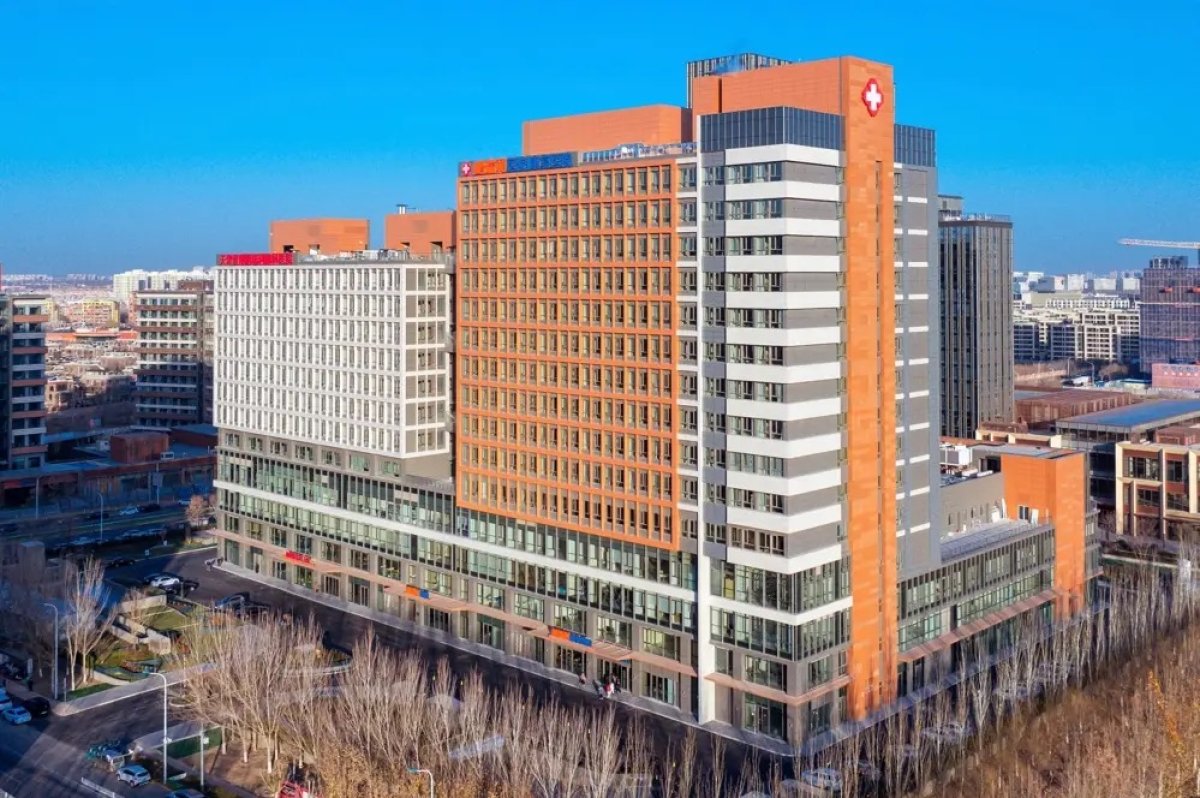
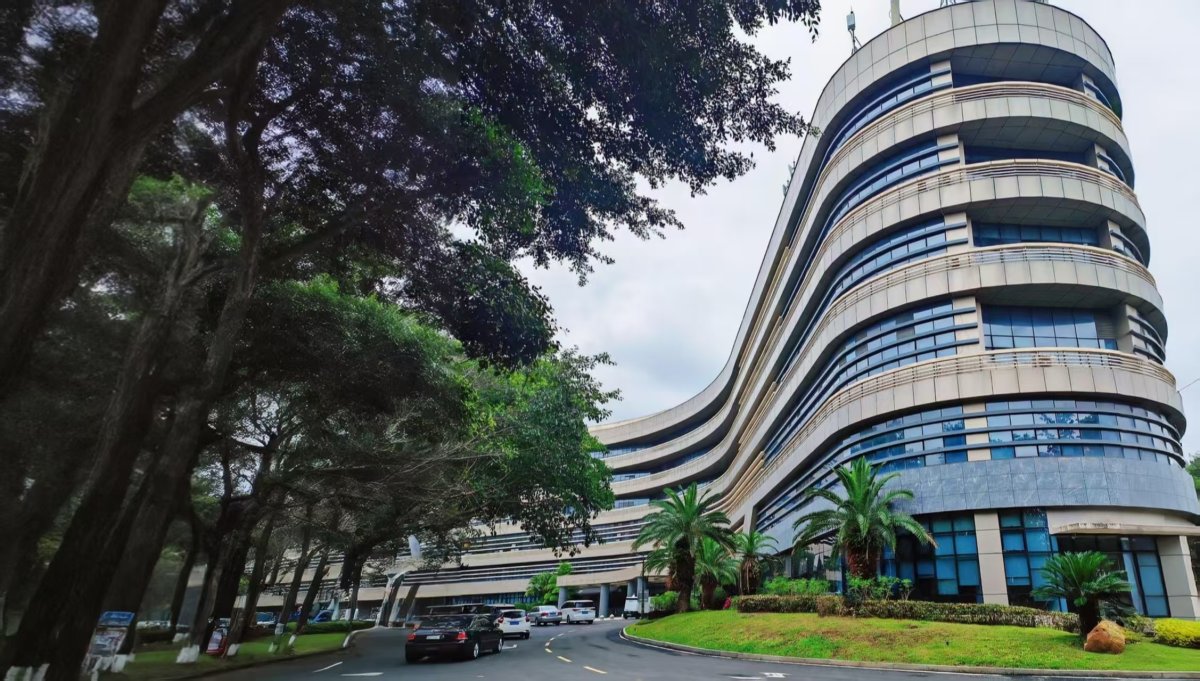
Boao International Medical Center
احصل على تقييم طبي لـ في الصين. استشر الآن 7 أطباء ذوي الخبرة.
عرض جميع الأطباء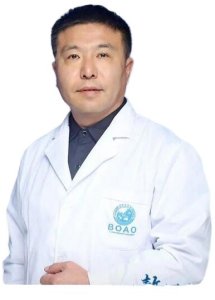
Li Yanwen
الدكتور لي يانوين من الرواد الأوائل في جراحة الأعصاب الوظيفية في الصين، وهو من مؤسسي تقنية الملاحة الجراحية في هذا المجال في البلاد. يشغل منصب أستاذ زائر في جامعة تورينو. تشمل جوائزه الجائزة الأولى لجائزة شنتشن للتقدم في العلوم والتكنولوجيا، والجائزة الثالثة لجائزة مقاطعة غوانغدونغ للتقدم في العلوم والتكنولوجيا.
يتخصص في جراحة الأعصاب التوضيعية والوظيفية، ولديه أكثر من 20 عاماً من الخبرة، وقد أجرى أكثر من 10,000 إجراء توضيع جراحي لمرضى باركنسون والشلل الدماغي والصرع. متمرس في تقنيات ال

Sun Chen Yang
البروفيسور صن تشن يانغ هو طبيب رائد وعالم طبي في الطب الصيني القديم تشيهوانغ، متخصص في مرض باركنسون في مستشفى تيانجين إيبر للدماغ.
- مدير معهد الطب الصيني التقليدي والغربي التكاملي، جامعة بكين
- مؤلف أكثر من 100 مقال في مجلات SCI وغيرها
- المدير التنفيذي للجمعية الصينية للطب الصيني التقليدي
- خبير استشاري في اللجنة المركزية للصحة ومواهب الطب الصيني التقليدي في بكين

Shao Ming
_doctor_8787_سنوات_ من الخبرة في طب الأعصاب – الدكتور شاو مينغ متخصص في اضطرابات الحركة مثل مرض باركنسون في مستشفى تيانجين إيبر بيرينيال للدماغ.
- زميل ما بعد الدكتوراه في جامعة هارفارد وجامعة تكساس
- مؤلف أكثر من 50 مقالاً علمياً، بما في ذلك أبحاث رائدة في مجال الصرع
- رئيس العديد من لجان الفيزيولوجيا العصبية والصرع في الصين
- أجرى أكثر من 900 إجراء عصبي باستخدام تقنيات مراقبة متقدمة
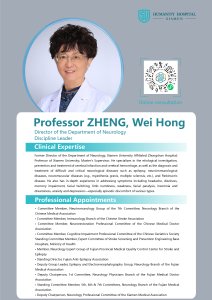
Zheng Wei Hong
البروفيسور تشنغ وي هونغ هو مدير قسم طب الأعصاب وقائد التخصص. شغل سابقًا منصب مدير قسم الأعصاب في مستشفى تشونغشان التابع لجامعة شيامن. وهو أستاذ بجامعة شيامن ومشرف على طلاب الماجستير.
يركّز عمله السريري على الاستقصاء السببي والوقاية وعلاج احتشاء الدماغ والنزف الدماغي. كما يشخّص ويعالج الأمراض العصبية المعقّدة، بما فيها الصرع، والاضطرابات العصبية‑المناعية والعصبية‑العضلية (الوهن العضلي الوبيل، التصلّب المتعدد)، ومرض باركنسون.
العضويات والمناصب: عضو في مجموعة علم المناعة العصبية (ف
مواد ذات صلة

معدل نجاح العلاج بالخلايا الجذعية لمرض باركنسون: نظرة عامة على الإجراءات، ونتائج الأبحاث، ورؤى المرضى
كتب بواسطة Mariia Mytrofankina

تكلفة التحفيز العميق للدماغ
كتب بواسطة Veronika Kazina

كم تكلفة DBS في 2019؟
كتب بواسطة Veronika Kazina
مشاركة المحتوى
قصص فيديو من مرضى Bookimed
 Anna Leonova
أسئلة متكررة حول علاج مرض الشلل الرعاش في الصين
ما هي العلاجات الرئيسية لمرض باركنسون المتوفرة في الصين؟
في الصين، يجمع علاج مرض باركنسون الأولي بين المعايير الدوائية الغربية، والتقنيات الجراحية العصبية المتقدمة، والطب الصيني التقليدي. وتقدم مراكز متخصصة التحفيز العميق للدماغ والتصوير بالرنين المغناطيسي الوظيفي. كما تجري بعض المؤسسات أبحاثًا حول العلاج بالخلايا الجذعية المحفزة متعددة القدرات لاستعادة وظائف الجهاز العصبي.
- العلاج الدوائي: يستخدم الأطباء ليفودوبا، وكاربيدوبا، ومحفزات الدوبامين مثل براميبكسول.
- التدخل الجراحي: تتضمن جراحة التحفيز العميق للدماغ زرع الأقطاب الكهربائية بالتوجيه التجسيمي ومراقبة تخطيط كهربية الدماغ داخل الجمجمة.
- الطب الصيني التقليدي التكاملي: يساعد الوخز بالإبر، والتشي كونغ، والحبيبات العشبية على التعامل مع الأعراض الحركية وغير الحركية.
- أبحاث الخلايا الجذعية: تقوم المراكز الرئيسية بدراسة إمكانية حقن الخلايا الجذعية الوسيطة (MSCs) من الحبل السري.
رأي خبراء بوكيمد: تتمتع المستشفيات الصينية من الفئة (أ) والمستوى الثالث، مثل مستشفى ياندا الدولي، بميزة هيكلية نادرة، إذ تجمع بين أقسام طب الأعصاب المعتمدة من اللجنة الدولية المشتركة (JCI) والبحوث القديمة في طب تشي هوانغ. وهذا يتيح للمرضى الوصول إلى علاجات متطورة، مثل التحفيز العميق للدماغ (DBS)، إلى
ما مدى فعالية العلاج بالخلايا الجذعية لمرض باركنسون في الصين، وهل هو متاح حالياً؟
في الصين، لا يزال العلاج بالخلايا الجذعية لمرض باركنسون في طور التجارب. تُظهر التجارب السريرية فعالية تصل إلى 80% في تحويل الخلايا الجذعية إلى خلايا عصبية دوبامينية وظيفية. وتقتصر معظم طرق زراعة الخلايا العصبية المتقدمة على تجارب تنافسية في بكين وشنغهاي، ولم تُعتمد بعد كعلاجات قياسية.
- توافر العلاج: متوفر بشكل رئيسي من خلال برامج البحث المدعومة حكومياً والتجارب السريرية.
- الوصول المشروط: دخل ترخيص التسويق المشروط لبعض المنتجات القائمة على الخلايا الجذعية حيز التنفيذ في عام 2025.
- المراكز الرائدة: مستشفى رويجين ومستشفى الدكتور إيبر، المتخصصان في الرعاية العصبية.
- المراكز السريرية: يتم إجراء البحث الرئيسي في المؤسسات الطبية في بكين وشنغهاي وخفي.
رأي خبراء بوكيمد: بينما تتصدر أبحاث الخلايا الجذعية التجريبية عناوين الأخبار، تعالج مؤسسات مرموقة مثل مستشفى جاندا الدولي 2,500,000 مريض سنويًا باستخدام بروتوكولات معتمدة من اللجنة الدولية المشتركة (JCI). تُظهر بياناتنا أن جراحي الأعصاب الصينيين البارزين، مثل الدكتور شاو مينغ، غالبًا ما يحملون زمالات متعددة من جامعة هارفارد أو جامعة كاليفورنيا في لوس أنجلوس (UCLA). ينبغي على المرضى الذين يسعون لعلاج اضطرابات الحركة إعطاء الأولوي
كيف يختلف أسلوب العلاج في الصين عن أسلوب العلاج في الدول الغربية؟
في الصين، يُدمج الطب الصيني التقليدي مع جراحة الأعصاب الحديثة والعلاج الخلوي. ويبدأ العلاج غالبًا في مراحل مبكرة من المرض مقارنةً بالبروتوكولات الغربية. وتُجري مراكز متخصصة كبيرة عمليات تحفيز الدماغ العميق والجراحة باستخدام الموجات فوق الصوتية المركزة تحت توجيه التصوير بالرنين المغناطيسي. ويهدف هذا النهج الاستباقي إلى تحقيق التوازن بين أجهزة الجسم وتخفيف الأعراض الحركية.
- نهج تكاملي للعلاج: تجمع العيادات بين الوخز بالإبر والطب العشبي مع بروتوكولات علاج ليفودوبا الغربية القياسية.
- توقيت الجراحة: قد يقوم الجراحون بإجراء التحفيز العميق للدماغ في المراحل المبكرة من مرض هوهن ومرض يار.
- التكنولوجيا المتطورة: تقدم مؤسسات مثل مستشفى جاندا الدولي عمليات جراحية باستخدام الموجات فوق الصوتية المركزة تحت توجيه التصوير بالرنين المغناطيسي.
- الوصول المباشر: غالباً ما يتجاوز المرضى أطباءهم العامين ويتوجهون مباشرة إلى أخصائيي جراحة الأعصاب.
رأي خبراء بوكيمد: تُظهر البيانات السريرية من مستشفى ياندا الدولي كيف تتعامل الصين مع التدفق الهائل للمرضى. تعالج هذه المؤسسة المعتمدة من قبل اللجنة الدولية المشتركة 2,500,000 مريض سنويًا. يُمكّن هذا الحجم الكبير من العمل الأخصائيين الصينيين من اكتسا
هل التاي تشي مجرد تقليد ثقافي، أم أنه في الواقع يبطئ بشكل كبير من تطور مرض باركنسون؟
يُبطئ التاي تشي بشكل ملحوظ من تطور مرض باركنسون، ويُحسّن الوظائف الحركية وغير الحركية. وتؤكد الدراسات السريرية أنه يُقلل من الاعتماد على الأدوية ويُحسّن التواصل العصبي في الدماغ. كما تُحسّن الممارسة المنتظمة التوازن والمشي. ويُعدّ التاي تشي أكثر فعالية من تمارين التمدد التقليدية في الوقاية من السقوط والحدّ من الالتهاب العصبي.
- التحكم في الوظائف الحركية: إبطاء التدهور في درجات مقياس التقييم الموحد لمرض باركنسون.
- العواقب العصبية: تُظهر صور الرنين المغناطيسي الوظيفي تحسناً في أداء الشبكات العصبية المشاركة في الذاكرة والوظائف التنفيذية.
- تخفيض الجرعة: يحتاج الأطباء إلى زيادات سنوية أصغر في الجرعة اليومية المكافئة من ليفودوبا.
- الوقاية من المضاعفات: تقليل وتيرة الحركات اللاإرادية والضعف الإدراكي الخفيف.
يقول خبراء بوكيمد: تتحقق أفضل النتائج من خلال الجمع بين تقنيات الحركة التقليدية والتشخيصات المتقدمة. مراكز مثل مستشفى ياندا الدولي معتمدة من قبل اللجنة الدولية المشتركة وتستخدم أكثر من 28000 تقنية حديثة. يستفيد المرضى عندما يدمج أخصائيون مثل الدكتور صن تشن يانغ طب تشي هوانغ القديم مع البروتوكولات الغربية. يضمن هذا النهج المزدوج أنه بينما يخفف التاي تشي الأعراض، تعالج الخبر
ما هو دور الطب الصيني التقليدي في علاج مرض باركنسون؟
يُستخدم الطب الصيني التقليدي في الصين كعلاج شامل ومُكمّل لمرض باركنسون. وتجمع العيادات المتخصصة بين الوخز بالإبر والطب العشبي مع علاجات تقليدية مثل التحفيز العميق للدماغ. ويهدف هذا النهج المُتكامل إلى تخفيف الأعراض الحركية، والحد من الآثار الجانبية للأدوية، وتحسين جودة النوم على المدى الطويل.
- آليات الحماية العصبية: تهدف التركيبات العشبية مثل تيانما غوتينغ إلى تقليل الالتهاب العصبي والإجهاد التأكسدي.
- تخفيف أعراض الحركة: يمكن أن يساعد الوخز بالإبر والوخز بالإبر الكهربائية في إدارة الرعاش والتصلب وعدم استقرار الوضعية.
- بروتوكولات المستشفيات المتكاملة: تجمع مستشفيات المستوى الثالث من الفئة أ بين البروتوكولات الغربية والأساليب الصينية التقليدية.
- إعادة التأهيل الشاملة: تمارين العقل والجسم مثل التاي تشي فعالة في تحسين التوازن وتقليل حالات السقوط.
رأي خبراء بوكيمد: تُظهر بيانات بوكيمد أن المؤسسات الطبية الصينية الرائدة، مثل مستشفى ياندا الدولي، تعمل وفقًا للمستوى الثالث من الفئة (أ)، وهو أعلى مستوى طبي في الصين. تُعالج هذه المراكز أكثر من 2,500,000 مريض سنويًا، وتُركز على اتباع نهج متعدد التخصصات في العلاج. بالنسبة لمرض باركنسون، يعني هذا أن المرضى غالبًا ما يتلقون الرعاية
هل يمكن للمرضى الأجانب تلقي العلاج بالخلايا الجذعية أو غيرها من العلاجات المتقدمة في الصين؟
في الصين، يُمكن للمرضى الأجانب الحصول على علاجات متقدمة لمرض باركنسون، تشمل العلاج بالخلايا الجذعية، والتحفيز العميق للدماغ، والموجات فوق الصوتية المركزة الموجهة بالرنين المغناطيسي (MRgFUS). تُقدم هذه العلاجات العصبية المتقدمة من قِبل مؤسسات متخصصة، مثل مستشفى الدكتور إيبر للدماغ ومستشفى ياندا الدولي المعتمد من اللجنة الدولية المشتركة (JCI). ويتطلب الحصول على هذه العلاجات عادةً دعوة رسمية للحصول على تأشيرة طبية.
- خيارات العلاج: تشمل الخيارات السريرية التحفيز العميق للدماغ والعلاج بالخلايا الجذعية المستحثة متعددة القدرات.
- معايير الخدمة في المستشفيات: تُصنف أفضل المؤسسات الطبية مثل مستشفى جاندا الدولي ضمن الفئة أ، المستوى الثالث.
- الوصول إلى الخبراء: أكمل خبراء مثل الدكتور شاو مينغ تدريب ما بعد الدكتوراه في جامعة هارفارد وجامعة تكساس.
- تتضمن الحزمة: غالبًا ما تتضمن حزم فحص السوابق الجنائية 15 يومًا من الإقامة في المستشفى والتشخيص والنقل إلى عيادة محلية.
رأي خبراء بوكيمد: على الرغم من تركيز العديد من المرضى على العلاج بالخلايا الجذعية، تُظهر بيانات بوكيمد طلبًا مرتفعًا على العمليات الجراحية المنظمة. تبلغ تكلفة عملية التحفيز العميق للدماغ في مستشفى شيامن الإنساني حوالي 4