علاج التهاب الأوعية الدموية في إسبانيا: 2 مستشفيات


تمت مراجعة المقالة طبيا من قبل
فهد مولود
ما هي تكلفة التهاب الأوعية الدموية إجراءات التشخيص والعلاج في إسبانيا؟ اعرف الآن
| تركيا | إسبانيا | ألمانيا | |
|---|---|---|---|
| تبادل البلازما | ≈ $3,900 | ≈ $2,400 | ≈ $3,800 |
| الفصل العلاجي للدم | من $4,500 | ≈ $1,400 | ≈ $1,400 |
| الفصل الانتقائي للدم | ≈ $1,600 | ≈ $1,800 | ≈ $2,800 |
| البلازما | من $3,200 | من $12,300 | ≈ $2,200 |
مزاياك وضماناتك مع Bookimed
أسعار مباشرة
Bookimed لا يضيف رسوماً إضافية على أسعار علاج التهاب الأوعية الدموية. الأسعار مأخوذة من قوائم الأسعار الرسمية للعيادات. تدفع مباشرة في العيادة مقابل علاجك عند وصولك إلى البلد.
عيادات وأطباء معتمدون فقط
Bookimed ملتزم بسلامتك. نحن نعمل فقط مع المؤسسات الطبية التي تحافظ على معايير دولية عالية في علاج التهاب الأوعية الدموية ولديها التراخيص اللازمة لخدمة المرضى الدوليين في جميع أنحاء العالم.
مساعدة مجانية على مدار الساعة
Bookimed يقدم مساعدة خبراء مجانية. منسق طبي شخصي يدعمك قبل وأثناء وبعد العلاج، ويحل أي مشاكل. لن تكون وحيداً أبداً في رحلة علاج التهاب الأوعية الدموية.

منسقك الطبي الشخصي في Bookimed
- يدعمك في كل مرحلة
- المساعدة في اختيار العيادة الطبية المناسبة والطبيب المناسب
- يضمن الوصول السريع والمريح إلى المعلومات
اكتشف أفضل التهاب الأوعية الدموية العيادات في إسبانيا: 2 خيارات معتمدة والأسعار




مشاركة المحتوى
قصص فيديو من مرضى Bookimed
 Anna Leonova
أسئلة متكررة حول علاج التهاب الأوعية الدموية في إسبانيا
هل التهاب الأوعية الدموية قابل للشفاء، ومتى يمكن إيقاف الدواء؟
معظم أنواع التهاب الأوعية الدموية هي حالات مزمنة لا يوجد لها علاج نهائي شامل. يركز العلاج على تحقيق الهجوع للقضاء على الالتهاب والأعراض. يعيش العديد من المرضى حياة نشطة من خلال الإدارة طويلة الأمد. يبدأ تقليل الأدوية عادةً فقط بعد استقرار الحالة لفترة طويلة تحت إشراف أخصائي الروماتيزم.
- هدف الهجوع: يهدف العلاج إلى تحقيق هجوع مستحث دوائياً باستخدام مثبطات المناعة أو الستيرويدات.
- الجدول الزمني للتقليل: يحدث التخفيض عادةً بعد سنة إلى سنتين من الاستقرار.
- محفزات العدوى: تؤدي إزالة محفزات معينة مثل العدوى أحياناً إلى الشفاء التام.
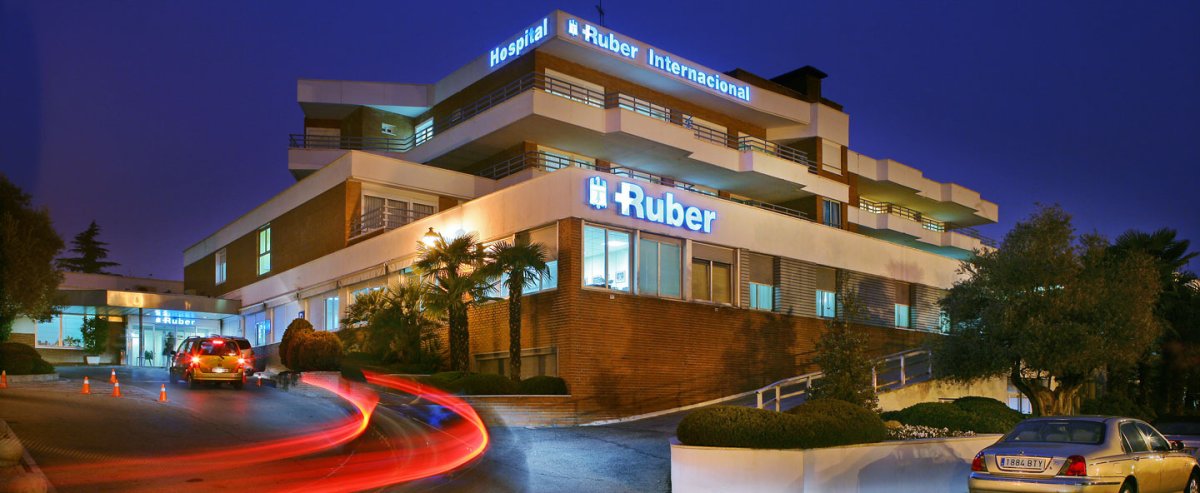
- معايير المراقبة: تستخدم المرافق السريرية مثل مستشفى روبر الدولي (Hospital Ruber Internacional) بروتوكولات سلامة معتمدة من اللجنة الدولية المشتركة (JCI).
رؤية خبير بوكيميد (Bookimed): توفر المراكز الطبية الإسبانية رعاية عالية القدرة. يخدم مستشفى جامعة إتش إم سانشينارو (Hospital Universitario HM Sanchinarro) 400,000 مريض سنوياً. يدعم هذا الحجم الكبير عبر أكثر من 20 قسماً تحديد مراحل التهاب الأوعية الدموية المعقدة. يستفيد المرضى من فرق متعددة التخصصات حيث يتعاون أخصائيو الروماتيزم مع أخصائيي الكلى. هذه الرعاية المتكاملة حيوية لمنع تلف الأعضاء النموذجي للنوبات الجهازية.
إجماع المرضى: يؤكد المرضى أن الهجوع لا يعني اختفاء المرض. يشير الكثيرون إلى أن إيقاف الدواء في وقت مبكر جداً يؤدي غالباً إلى انتكاسات حادة. يوصون بتتبع علامات الالتهاب بدقة وبناء خطة عمل للتعامل مع النوبات.
ما هي بروتوكولات العلاج المستخدمة في إسبانيا لالتهاب الأوعية الدموية؟
تتبع بروتوكولات التهاب الأوعية الدموية الإسبانية إرشادات التحالف الأوروبي لجمعيات الروماتيزم. يتضمن العلاج مرحلتين: تحفيز الهجوع والصيانة. تستخدم المراكز المتخصصة جرعات عالية من الكورتيكوستيرويدات إلى جانب مثبطات المناعة مثل ريتوكسيماب. يعطي الأطباء في مدريد وبرشلونة الأولوية للخزعة السريعة لتعديل الدواء بدقة.
- علاج التحفيز: يستخدم الأطباء نبضات ميثيل بريدنيزولون الوريدية للحالات الشديدة.
- العوامل البيولوجية: توفر العيادات أفاكوبان وتوسيليزوماب للحالات المقاومة أو لتقليل الاعتماد على الستيرويد.
- مرحلة الصيانة: ينتقل المرضى إلى الآزاثيوبرين أو الميثوتريكسيت لمدة 18 شهرًا على الأقل.
- الإجراءات المساعدة: تجري المراكز فصادة البلازما لإزالة الأجسام المضادة الضارة أثناء النوبات التي تهدد الحياة.
رؤية خبير Bookimed: تدعم البنية التحتية للرعاية الصحية الإسبانية حجمًا هائلاً من المرضى. على سبيل المثال، يخدم مستشفى جامعة HM Sanchinarro 400,000 مريض سنويًا. يضمن هذا الحجم الكبير عبر 82 عيادة على مستوى البلاد أن الأطباء يديرون أنواعًا نادرة من التهاب الأوعية الدموية بشكل متكرر. غالبًا ما يوفر اختيار منشأة في مدريد وصولاً أسرع إلى فرق متعددة التخصصات من أكثر من 40 قسمًا متخصصًا. هذا النطاق حيوي لتنسيق الرعاية المعقدة بين الروماتيزم وأمراض الكلى.
إجماع المرضى: يشير المرضى إلى أن الخزعات المبكرة ضرورية للحصول على البروتوكول الصحيح. يؤكد الكثيرون على بدء الوقاية من العدوى فورًا عند البدء في استخدام مثبطات المناعة القوية مثل ريتوكسيم
ما هي المستشفيات الإسبانية التي تتمتع بخبرة متخصصة في التهاب الأوعية الدموية؟
توفر المستشفيات الإسبانية مثل مستشفى كلينيك دي برشلونة (Hospital Clinic de Barcelona) وHM سانشينارو (HM Sanchinarro) رعاية متخصصة لالتهاب الأوعية الدموية. تتميز هذه المراكز بوجود وحدات مخصصة لأمراض المناعة الذاتية وأقسام بحثية. ينتمي العديد منها إلى شبكة المرجعية الأوروبية للأمراض المناعية النادرة. وهذا يضمن الوصول إلى العلاجات البيولوجية المتقدمة وبروتوكولات التشخيص المبكر.
- مراكز مرجعية: يستضيف مستشفى كلينيك دي برشلونة أبحاثاً وورش عمل متخصصة في التهاب الأوعية الدموية.
- رعاية متعددة التخصصات: يعالج HM سانشينارو 400,000 مريض سنوياً باستخدام أساليب تشخيصية حديثة.
- خبرة مدريد: يحافظ مستشفى روبر الدولي (Hospital Ruber Internacional) على اعتماد JCI ويضم 42 قسماً طبياً.
- أخصائيون إقليميون: يوفر مستشفى فال دي هيبرون (Hospital Vall d Hebron) علاجاً مخصصاً لمرض بهجت والتهاب الشرايين تاكاياسو.
رؤية خبير Bookimed: غالباً ما يشير حجم المرضى إلى أماكن تركز الحالات المناعية الذاتية المعقدة في إسبانيا. يتعامل HM سانشينارو مع 400,000 مريض ويحمل تكريمات من المؤسسة الأوروبية لإدارة الجودة. يشير هذا الحجم الكبير إلى أنهم يديرون حالات جهازية نادرة بشكل متكرر. اختيار المراكز ذات الانتماءات الجامعية يضمن عادةً وصولاً أسرع إلى التجارب السريرية الجديدة.
إجماع المرضى: يلاحظ المرضى أن المستشفيات الجامعية الكبرى في برشلونة ومدريد توفر فرق مناعة ممتازة. وغالباً ما يوصون بإحضار نتائج الاختبارات السابقة لتسريع عملية الإحالة.
ما هي الآثار الجانبية الرئيسية واحتياجات المراقبة لأدوية التهاب الأوعية الدموية المستخدمة في إسبانيا؟
تتطلب أدوية التهاب الأوعية الدموية في إسبانيا مراقبة صارمة لفقدان كثافة العظام، وسمية الكبد، ومخاطر العدوى. تركز البروتوكولات الإسبانية على فحوصات الدم المنتظمة واختبارات وظائف الأعضاء لإدارة آثار الكورتيكوستيرويدات ومثبطات المناعة. تستهدف العوامل البيولوجية الأحدث مثل ريتوكسيماب الخلايا البائية ولكنها تتطلب فحوصات نصف سنوية لمستويات الغلوبولين المناعي.
- آثار الستيرويد: زيادة الوزن، وارتفاع ضغط الدم، وفقدان كبير في كثافة العظام تتطلب المراقبة.
- صحة العظام: يستخدم الأطباء فحوصات DEXA لتتبع هشاشة العظام ويصفون مكملات فيتامين د.
- تتبع السمية: اختبارات الدم ووظائف الكبد المتكررة إلزامية للميثوتريكسيت والآزاثيوبرين.
- الوقاية من العدوى: يتطلب الاستخدام طويل الأمد للعوامل البيولوجية فحصاً منتظماً لنقص المناعة الثانوي.
رؤية خبير Bookimed: تدير المراكز الإسبانية مثل مستشفى Hospital Universitario HM Sanchinarro أكثر من 400,000 مريض سنوياً بخبرة عالية. يسمح هذا الحجم للأقسام المتخصصة باستخدام معايرة دقيقة للأدوية بناءً على سرعة نتائج المختبر. تتبع المرافق الحاصلة على اعتماد JCI، مثل مستشفى Hospital Ruber Internacional، بروتوكولات سلامة صارمة لعلاجات التحريض الحديثة. هذه البنية التحتية حيوية عند التحول من الستيرويدات التقليدية إلى الخيارات البيولوجية المستهدفة.
إجماع المرضى: يؤكد المرضى على أهمية فحوصات العظام الأساسية قبل البدء في تناول بريدنيزون طويل الأمد. يذكر الكثيرون أن إدارة العدوى المتكررة والغثيان أسهل مع تعديلات الجرعة
كيف يتم الكشف عن الانتكاس وإدارته في الممارسة الإسبانية؟
تكتشف الممارسة السريرية الإسبانية انتكاس التهاب الأوعية الدموية من خلال مراقبة المختبر عالية الدقة وتتبع الأعراض السريرية. يعطي أطباء الروماتيزم الأولوية لاتجاهات معدل ترسب كريات الدم الحمراء والبروتين التفاعلي C لتحديد الالتهاب في وقت مبكر. تتضمن الإدارة تعديلات سريعة للكورتيكوستيرويد أو التحول إلى عوامل الخط الثاني الموفرة للستيرويد مثل ميكوفينولات موفيتيل أو مثبطات الكالسينيورين.
- مراقبة المختبر: فحوصات دم منتظمة للتحقق من ارتفاع علامات الالتهاب ESR و CRP.
- فحص الأعراض: يراقب الأطباء عودة التعب أو آلام المفاصل أو ظهور طفح جلدي جديد.
- تتبع الكلى: يراقب أطباء الكلى مستويات البروتين في البول بدقة لاكتشاف نوبات التهاب الأوعية الدموية المرتبطة بالكلى.
- تعديل الدواء: تشمل الاستجابة القياسية زيادة الكورتيكوستيرويدات أو إدخال علاجات مثبطة للمناعة.
رؤية خبير Bookimed: تحتل إسبانيا مرتبة عالية في الرعاية الصحية العالمية، لكن بيانات حجم المرضى تظهر اختلافات كبيرة في التخصص. يدير مستشفى Hospital Universitario HM Sanchinarro 400,000 مريض سنويًا مع التركيز على رعاية البالغين. في المقابل، يحافظ مستشفى Hospital Ruber Internacional على سعة أصغر تبلغ 129 سريرًا ولكنه يقدم خدمات طب الأطفال المتخصصة. يجب على المرضى اختيار العيادات بناءً على نسب الحجم إلى السرير هذه لضمان مراقبة أكثر تخصيصًا أثناء النوبات.
إجماع المرضى: يشير المرضى إلى أن تتبع اتجاهات المختبر الشخصية والاحتفاظ بمذكرات الأعراض أمر حيوي للكشف المبكر. ويؤكدون على أهمية ا
كم من الوقت سأحتاج للبقاء في إسبانيا للتقييم الأولي وعلاج التهاب الأوعية الدموية؟
يتطلب التقييم والعلاج الأولي في إسبانيا عادةً من 7 إلى 14 يومًا. تستغرق مراقبة العلاج الأساسي بالكورتيكوستيرويد من 6 إلى 7 أيام. الحالات التي تحتاج إلى مثبطات المناعة أو جراحة الأوعية الدموية تتطلب ما يصل إلى 14 يومًا. قد تستغرق الفحوصات التشخيصية المعقدة في المستشفيات الإسبانية متوسط 13 يومًا.
- الجدول الزمني للتشخيص: غالبًا ما تتطلب الفحوصات الكاملة 13 يومًا لحالات التهاب الأوعية الدموية المعقدة.
- بدء العلاج: تستغرق جرعات الكورتيكوستيرويد والمراقبة السريرية الأولية من 6 إلى 7 أيام.
- الإجراءات المتقدمة: تتطلب عملية فصل البلازما أو جراحة الأوعية الدموية عادةً إقامة في المستشفى لمدة 14 يومًا.
- التعافي من الخزعة: تتطلب خزعات الكلى فترة مراقبة مدتها 24 ساعة بعد الإجراء.
رؤية خبير Bookimed: تشير بيانات حجم المرضى إلى أن المراكز الإسبانية تتعامل مع قدرات هائلة. يعالج مستشفى Hospital Universitario HM Sanchinarro 400,000 مريض سنويًا. غالبًا ما تمتلك المرافق الكبيرة أقسامًا مخصصة لعلم الأمراض. يمكن أن يؤدي هذا إلى تسريع نتائج الخزعة مقارنة بالعيادات الصغيرة. اختر المراكز ذات الحجم الكبير لتقليل التأخيرات التشخيصية لتأكيد الأنسجة.
إجماع المرضى: يشير المرضى إلى أن جدولة الخزعات غالبًا ما تضيف أسبوعين إلى العملية. يقترحون جدولة المواعيد مسبقًا عبر قسم الروماتيزم لتقليل أوقات الانتظار.
هل يوجد موظفون وخدمات دعم يتحدثون الإنجليزية لمرضى التهاب الأوعية الدموية الدوليين؟
يجد مرضى التهاب الأوعية الدموية الدوليون في إسبانيا دعمًا واسع النطاق باللغة الإنجليزية. توظف المستشفيات الجامعية الكبرى في مدريد وبرشلونة أطباء روماتيزم يتقنون اللغة الإنجليزية. تتميز هذه المراكز بوجود مكاتب للمرضى الدوليين. وهي تتعامل مع الجدولة والسجلات الطبية والخدمات اللوجستية باللغة الإنجليزية. تضمن الشهادات القياسية بما في ذلك JCI وISO معايير اتصال عالية.
- مكاتب المرضى الدوليين: مكاتب مخصصة للمساعدة في التأشيرات والمواعيد والفواتير.
- أطباء روماتيزم متخصصون: غالبًا ما يتحدث المتخصصون الإنجليزية بطلاقة بفضل التدريب الدولي.
- المساعدة اللغوية: تستخدم المستشفيات منسقين يتحدثون الإنجليزية للترجمات الطبية المعقدة.
- الأدوات الرقمية: يستخدم العديد من الجراحين تطبيق WhatsApp باللغة الإنجليزية للتواصل بعد الزيارة.
- المرافق المعتمدة: تحافظ المراكز المعتمدة من JCI مثل مستشفى روبر الدولي (Hospital Ruber Internacional) على مستوى عالٍ من الأمان.
رؤية خبير Bookimed: تحتل إسبانيا المرتبة الخامسة عالميًا في الطلبات الطبية، وتخدم آلاف المرضى الدوليين. تُظهر البيانات أن مستشفى Universitario HM Sanchinarro يخدم 400,000 مريض سنويًا. يرتبط الحجم الكبير في عيادات مدريد بطلاقة أفضل في اللغة الإنجليزية. تحافظ هذه المراكز الأكبر على أقسام دولية دائمة على عكس العيادات الريفية الصغيرة. اختيار منشأة كبيرة في مدريد يضمن دعمًا إداريًا أكثر سلاسة لرعاية التهاب الأوعية الدموية.
إجماع المرضى: يشير المرضى إلى أنه على الرغ