علاج التهاب القولون التقرحي في إسبانيا — احصل على 3 عيادات مختارة خصيصاً لك


تمت مراجعة المقالة طبيا من قبل
فهد مولود
كيف نعمل؟
ما هي تكلفة التهاب القولون التقرحي إجراءات التشخيص والعلاج في إسبانيا؟ اعرف الآن
تتراوح تكلفة علاج التهاب القولون التقرحي في إسبانيا عادةً ما بين $150 و $380 لاستشارة طبيب الجهاز الهضمي، وما بين السعر عند الطلب و السعر عند الطلب لعلاج التهاب القولون التقرحي بالخلايا الجذعية. تعتمد النفقات على شدة المرض، والحاجة إلى العلاجات البيولوجية، ومكانة العيادة. وغالباً ما يوفر المرضى ما بين 40-60% مقارنة بالولايات المتحدة. وتشمل أفضل المدن للرعاية المتخصصة برشلونة ومدريد.
تكاليف علاج التهاب القولون التقرحي النموذجية في إسبانيا
- استشارة طبيب الجهاز الهضمي: $150 – $380
- تحليل صورة الدم الكاملة: من $50
- علاج التهاب القولون التقرحي بالخلايا الجذعية: السعر عند الطلب
- علاج الكركمين الوريدي: $450 – $900
رؤية خبراء Bookimed: بالنسبة للحالات المعقدة، يجب على المرضى إعطاء الأولوية للمراكز الحاصلة على اعتماد اللجنة الدولية المشتركة (JCI) مثل مركز تيكنون الطبي (Centro Médico Teknon). يقدم الدكتور ميكيل سانس كوفي في تيكنون خبرة متخصصة في أمراض الأمعاء الالتهابية. ويجد المرضى الأطفال رعاية عالمية المستوى في مستشفى SJD برشلونة للأطفال. وبالنسبة لأولئك الذين يبحثون عن أساليب مبتكرة، يوفر مستشفى كيرون برشلونة خيارات جراحية روبوتية وتشخيصات متقدمة. وتوفر المراكز ذات الكثافة العالية في مدريد وبرشلونة أكثر باقات العلاج الدولية تنافسية.
| تركيا | إسبانيا | ألمانيا | |
|---|---|---|---|
| الفصل الانتقائي للدم | ≈ $1,600 | ≈ $1,800 | ≈ $2,800 |
| العلاج الوريدي بالكركمين | ≈ $900 | ≈ $450 | ≈ $1,300 |
اكتشف أفضل التهاب القولون التقرحي العيادات في إسبانيا: 9 خيارات معتمدة والأسعار









SJD Barcelona Children’s Hospital





Medical and Surgical Center ServiDigest



احصل على تقييم طبي لـ في إسبانيا. استشر الآن 7 أطباء ذوي الخبرة.
عرض جميع الأطباء
Michel Blé

Miquel Sans Cuffí
أخصائي في أمراض الأمعاء الالتهابية مع أكثر من 150 منشوراً وأكثر من 500 عرض تقديمي في المؤتمرات. تدرب في جامعة كيس وسترن ريسرف في كليفلاند.
- أكمل تدريب MIR في مستشفى كلينيك دي برشلونة
- دكتوراه في الطب من جامعة برشلونة مع "دبلوم متميز"
- عضو سابق في اللجنة العلمية لـ ECCO
- نسق المشروع الأوروبي 'IBDChip'
- يعمل في مركز تكنون الطبي منذ عام 2011

Dr Sanchez Yague
رائد في إسبانيا في مجال الاستئصال بالمنظار تحت المخاطية – قدم الدكتور سانشيز ياغي هذه التقنية المتقدمة إلى الأندلس في عام 2011.
- _doctor_8312_سنوات من الخبرة في أمراض الجهاز الهضمي
- أول من استخدم دعامة AXIOS مقاس 15 مم في العالم لتصريف البنكرياس
- زميل كلية أمراض الجهاز الهضمية الأمريكية والجمعية الأمريكية للمناظير الهضمية
- حاصل على الميدالية الذهبية من الجمعية الأندلسية لأمراض الجهاز الهضمي
- متخصص في الإجراءات التنظيرية المعقدة لاضطرابات الجهاز الهضمي
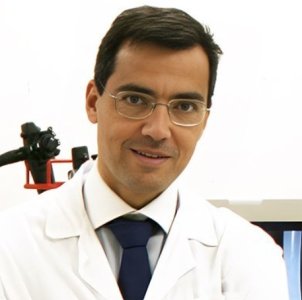
José Miguel Esteban Lopez-jamar
الدكتور خوسيه ميغيل إستيبان لوبيث-خامار طبيب أمراض الجهاز الهضمي. يتولى رئاسة وحدتي التنظير الهضمي وأمراض الجهاز الهضمي في مستشفى روبر إنترناسيونال منذ عام 2007. يمتلك خبرة تزيد على 20 عامًا، ويعد من الرواد الإسبان في التصوير بالموجات فوق الصوتية بالتنظير الداخلي (EUS). يشمل عمله التنظير التشخيصي والتداخلي، ويستخدم تقنيات مبتكرة طفيفة التوغل لعلاج أمراض الجهاز الهضمي المعقدة.
شغل منصب رئيس قسم التنظير (2008–2012) ورئيس الابتكار في مجال التنظير (2012–2014) في مستشفى كلينيكو سان كارلوس.
المراجعات
جميع المراجعاتمشاركة المحتوى
قصص فيديو من مرضى Bookimed
 Anna Leonova
أسئلة متكررة حول علاج التهاب القولون التقرحي في إسبانيا
هل يتم إجراء استئصال القولون لالتهاب القولون التقرحي في إسبانيا بالمنظار، وهل يقلل ذلك من معدلات المضاعفات؟
يعد استئصال القولون بالمنظار هو النهج الجراحي القياسي لالتهاب القولون التقرحي في إسبانيا. تقلل هذه التقنية طفيفة التوغل بشكل كبير من حالات العدوى بعد الجراحة وفقدان الدم أثناء العملية. تشير التقارير في المراكز الإسبانية إلى أن ما يصل إلى 66% من الحالات يتم إجراؤها بالمنظار. يرتبط هذا التحول بانخفاض معدلات المضاعفات وتسريع تعافي المرضى.
- خطر العدوى: يعمل المنظار كعامل حماية ضد حالات العدوى المبكرة في موقع الجراحة.
- الإقامة في المستشفى: عادةً ما يقضي المرضى فترة إقامة في المستشفى أقصر بمقدار يومين إلى 3 أيام.
- مقاييس التعافي: تسمح الشقوق الجراحية الصغيرة بعودة وظائف الأمعاء بشكل أسرع وتقليل الحاجة إلى مسكنات الألم.
- الصحة على المدى الطويل: تساعد قلة الالتصاقات البطنية في الحفاظ على خصوبة الإناث وتبسيط العمليات الجراحية الترميمية المستقبلية.
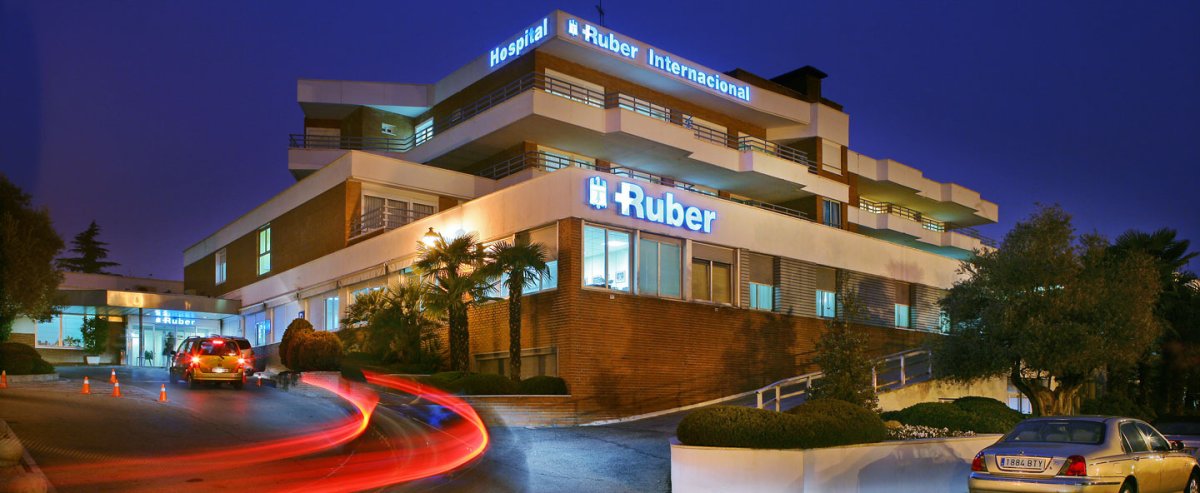
رؤية خبراء Bookimed: تعطي مراكز الرعاية الصحية الإسبانية الأولوية للخبرة المتخصصة، كما يظهر في مستشفى روبير الدولي (Hospital Ruber Internacional) الذي يخدم 25,000 مريض سنوياً. في حين تقدم العديد من العيادات جراحة القولون والمستقيم بالمنظار، يجب على المرضى البحث عن مقدمي الخدمة الذين يدمجون أيضاً تشخيصات متقدمة مثل التصوير بالموجات فوق الصوتية بالمنظار. يضمن هذا النهج الشامل تحديد مرحلة مرض التهاب الأمعاء بالكامل قبل بدء التدخل الجراحي.
إجماع المرضى: يشير المرضى إلى أن جراحة المنظار غالباً ما تتضمن 4 شقوق صغيرة فقط وتسمح بالخروج من المستشفى في غضون 4 أيام. يؤكد الكثيرون على أهمية اتب
ما هي المؤهلات التي يجب أن أبحث عنها في جراح إسباني يعالج التهاب القولون التقرحي؟
يجب على الجراحين الإسبان المؤهلين إكمال برنامج Médico Interno Residente (طبيب مقيم) وتحديداً في الجراحة العامة والجهاز الهضمي. ابحث عن متخصصين حاصلين على اعتماد متقدم من الجمعية الإسبانية لطب القولون والمستقيم ولديهم خبرة في مراكز التميز المعتمدة من قبل مجموعة العمل الإسبانية لمرض كرون والتهاب القولون التقرحي.
- لقب متخصص: يتطلب إكمال إقامة MIR في الجراحة العامة والجهاز الهضمي.
- اعتماد AECP: يشير إلى تدريب متقدم في طب القولون والمستقيم وكفاءة في وحدات القولون والمستقيم.
- شهادة GETECCU: تضمن أن الجراح يعمل ضمن وحدة تميز متعددة التخصصات معتمدة.
- التقنيات الجراحية: يجب أن تشمل الخبرة إجراءات تنظير البطن، والجراحة بمساعدة الروبوت، وإجراءات الحقيبة اللفائفية الشرجية.
- المؤهلات العالمية: ابحث عن زمالات من الجمعية الأوروبية لطب القولون والمستقيم.
رؤية خبير Bookimed: في حين أن العديد من الجراحين يحملون مؤهلات عامة في الجهاز الهضمي، فإن كبار المتخصصين مثل الدكتور ميكيل سانس كوفي في مركز تكنون الطبي (Centro Médico Teknon) غالباً ما يحملون درجات الدكتوراه الأكاديمية وأدواراً بحثية دولية. إن اختيار طبيب يتمتع بخبرة مزدوجة في الجراحة والقيادة السريرية، مثل أولئك الموجودين في المرافق المعتمدة من قبل JCI في برشلونة أو مدريد، يضمن الوصول إلى علاجات متقدمة مثل العلاج بالخلايا الجذعية.
إجماع المرضى: يشير المرضى إلى أن اختيار متخصصين في مراكز رئيسية مثل برشلونة أو مدريد يوفر وصولاً أفضل بكثير إلى فرق متعددة التخ
كم من الوقت سأحتاج للبقاء في إسبانيا إذا خضعت لعملية استئصال القولون بالمنظار على مرحلتين؟
يحتاج المرضى عادةً من 10 إلى 14 يومًا في إسبانيا لكل مرحلة جراحية. تسمح عملية استئصال القولون بالمنظار بالخروج من المستشفى في غضون 2 إلى 5 أيام. يوصي المتخصصون بالبقاء محليًا لمدة 7 إلى 10 أيام أخرى لمراقبة الشفاء ووظيفة الأمعاء قبل السفر جوًا.
- الإقامة في المستشفى: توقع من 2 إلى 5 أيام لجراحة التهاب القولون التقرحي بالمنظار في إسبانيا.
- المراقبة بعد الجراحة: خطط لمدة 7 إلى 10 أيام في مكان قريب لمواعيد المتابعة الأساسية والتعافي.
- الفترة الفاصلة بين المرحلتين: عادةً ما يحدد الجراحون المرحلة الثانية بعد حوالي 8 إلى 12 أسبوعًا من المرحلة الأولى.
- سلامة الطيران: ينصح معظم المتخصصين بالانتظار لمدة لا تقل عن 2 إلى 3 أسابيع قبل السفر لمسافات طويلة.
رؤية خبير Bookimed: تدير المراكز الإسبانية مثل Centro Médico Teknon و HM Hospitales أحجامًا كبيرة من المرضى الداخليين تتجاوز 75,000 سنويًا. غالبًا ما تؤدي هذه الحركة العالية إلى بروتوكولات متعددة التخصصات محسنة تعطي الأولوية للتحرك المبكر. يمكن أن يساعد اختيار عيادة بها منسقو فنادق متكاملون في إدارة إقامة التعافي المحلية الإلزامية لمدة 10 أيام بشكل أكثر راحة.
إجماع المرضى: يؤكد المرضى على أهمية تخصيص ميزانية لليالي فندقية إضافية كهامش أمان. يلاحظ الكثيرون أن وجود مرافق مفيد خلال الأسبوعين الأولين بعد الجراحة.
هل سأفقد الحقيبة اللفائفية (ileal pouch) إذا أصبت بالتهاب الحقيبة (pouchitis) بعد الجراحة في إسبانيا؟
من غير المرجح أن تفقد الحقيبة اللفائفية بسبب التهاب الحقيبة. حوالي 80% من الحالات الحادة في إسبانيا تُشفى بدورة مضادات حيوية مدتها 14 يوماً. يظل فشل الحقيبة نادراً، حيث يؤثر على 6% إلى 13% فقط من المرضى. عادةً ما يفكر الأخصائيون في الإزالة فقط بعد سنوات من الالتهاب المزمن المقاوم للأدوية.
- معدل النجاح: تنجح المضادات الحيوية مثل سيبروفلوكساسين في حل حوالي 90% من نوبات التهاب الحقيبة الأولية.
- خطر الفشل: يحتاج 6% إلى 13% فقط من المرضى إلى إزالة الحقيبة أو إجراء فغر اللفائفي الدائم.
- العلاجات المتقدمة: تستخدم العيادات الإسبانية علاجات بيولوجية مثل فيدوليزوماب وإنفليكسيماب للحالات المزمنة المستعصية.
- الرعاية الوقائية: تساعد البروبيوتيك والستيرويدات الموضعية في الحفاظ على الهجوع طويل الأمد ومنع المزيد من النوبات.
رؤية خبير Bookimed: توفر مراكز أمراض الجهاز الهضمي الإسبانية ميزة فريدة من خلال الأبحاث المحلية والخبرة في التعامل مع أعداد كبيرة من الحالات. قام الدكتور ميكيل سانس كوفي في مركز تيكنون الطبي (Centro Médico Teknon) بتنسيق مشاريع أوروبية كبرى تركز بشكل خاص على علامات الالتهاب في أمراض الأمعاء الالتهابية (IBD). يعني هذا التركيز البحثي العميق أن الأخصائيين الإسبان غالباً ما يعطون الأولوية للتشخيصات الدقيقة مثل الموجات فوق الصوتية بالمنظار قبل التفكير في المراجعات الجراحية الغازية. تخدم عيادات مثل مستشفى روبر الدولي (Hospital Ruber Internacional) ومركز تيكنون الطبي أكثر من 10,000 إلى 25,000 مريض سنوياً، مما يضمن رؤية الجراحين لحالات معقدة كا
ما هي المدن الإسبانية التي تضم مستشفيات تستقبل بانتظام مرضى التهاب القولون التقرحي الدوليين؟
تعد برشلونة ومدريد المركزين الإسبانيين الرئيسيين لرعاية مرضى التهاب القولون التقرحي الدوليين. تضم هذه المدن مرافق معتمدة من قبل اللجنة الدولية المشتركة (Joint Commission International) ومتخصصة في الحالات المعقدة لأمراض الأمعاء الالتهابية. كما تعمل مراكز كبرى في ماربيا وبامبلونا وأليكانتي لخدمة المرضى الدوليين الذين يحتاجون إلى رعاية متقدمة في أمراض الجهاز الهضمي.
- مراكز برشلونة: يوفر مركز Centro Médico Teknon ومستشفى Hospital Clinic وحدات متعددة التخصصات لأمراض الأمعاء الالتهابية.
- مراكز مدريد: يدير مستشفى Hospital Ruber Internacional وQuironsalud Madrid أعداداً كبيرة من المرضى الدوليين.
- التخصص في طب الأطفال: يعالج مستشفى SJD Barcelona Children's Hospital المرضى الدوليين الذين تقل أعمارهم عن 18 عاماً.
- خبراء متخصصون: يقود الدكتور ميكيل سانس كوفي والدكتور خوسيه ميغيل إستيبان لوبيز-جامار الرعاية القائمة على الأبحاث.
رؤية خبير Bookimed: غالباً ما تعطي العيادات في برشلونة مثل Centro Médico Teknon الأولوية للعلاجات المتخصصة. بينما تتعامل مستشفيات مدريد مع أحجام كبيرة من المرضى الخارجيين، غالباً ما تقود مراكز برشلونة العلاجات المتخصصة مثل أبحاث الخلايا الجذعية. بالنسبة لحالات الأطفال، تعد برشلونة الوجهة النهائية، حيث تضم واحدة من أفضل ثلاث مستشفيات متخصصة للأطفال في أوروبا.
إجماع المرضى: يشير المرضى إلى أن المراكز الكبرى في برشلونة غالباً ما تتطلب الحجز قبل أشهر. يقترح الكثيرون التركيز على المرافق التي تحتوي على مكاتب مخص