علاج التهاب القولون التقرحي في بولندا — احصل على 3 عيادات مختارة خصيصاً لك


تمت مراجعة المقالة طبيا من قبل
فهد مولود
كيف نعمل؟
ما هي تكلفة التهاب القولون التقرحي إجراءات التشخيص والعلاج في بولندا؟ اعرف الآن
من $90. أما التدخلات المتخصصة مثل العلاج بالكركمين عن طريق الوريد فتتراوح تكلفتها بين $450 و $1,300، في حين تتراوح تكلفة العلاج بالخلايا الجذعية لالتهاب القولون التقرحي بين السعر عند الطلب و السعر عند الطلب. تعتمد النفقات الإجمالية على نشاط المرض، واحتياجات العلاج البيولوجي، ومستوى العيادة. وغالباً ما يوفر المرضى ما بين 40-60% مقارنة بالأسعار في الولايات المتحدة. تشمل مراكز العلاج الرائدة كراكوف، وودج، وجيلينيا غورا.
تكاليف علاج التهاب القولون التقرحي النموذجية في بولندا
- استشارة طبيب الجهاز الهضمي: من $90
- العلاج بالكركمين عن طريق الوريد: $450 – $1,300
- العلاج بالخلايا الجذعية لالتهاب القولون التقرحي: السعر عند الطلب
رؤية خبراء Bookimed: الحالات المزمنة التي تتطلب إدارة متعددة التخصصات يتم التعامل معها بشكل أفضل في المراكز الأكاديمية واسعة النطاق. يستقبل المستشفى الجامعي في كراكوف 455,000 مريض سنوياً، وهو مجهز بمعدات تقنية واسعة النطاق للتشخيصات المعقدة. يستفيد المرضى الدوليون الباحثون عن رعاية مبسطة من عيادات مثل KCM Clinic، التي توفر معايير معتمدة من ISO وبرامج مخصصة للمرضى من أوروبا الغربية. وهذا يضمن إشرافاً عالي الجودة لخطط صيانة القولون على المدى الطويل.
| بولندا | تركيا | إسبانيا | |
|---|---|---|---|
| الفصل الانتقائي للدم | من $3,200 | ≈ $1,600 | ≈ $1,800 |
| العلاج الوريدي بالكركمين | ≈ $450 | ≈ $900 | ≈ $450 |
اكتشف أفضل التهاب القولون التقرحي العيادات في بولندا: 3 خيارات معتمدة والأسعار




University Hospital in Krakow
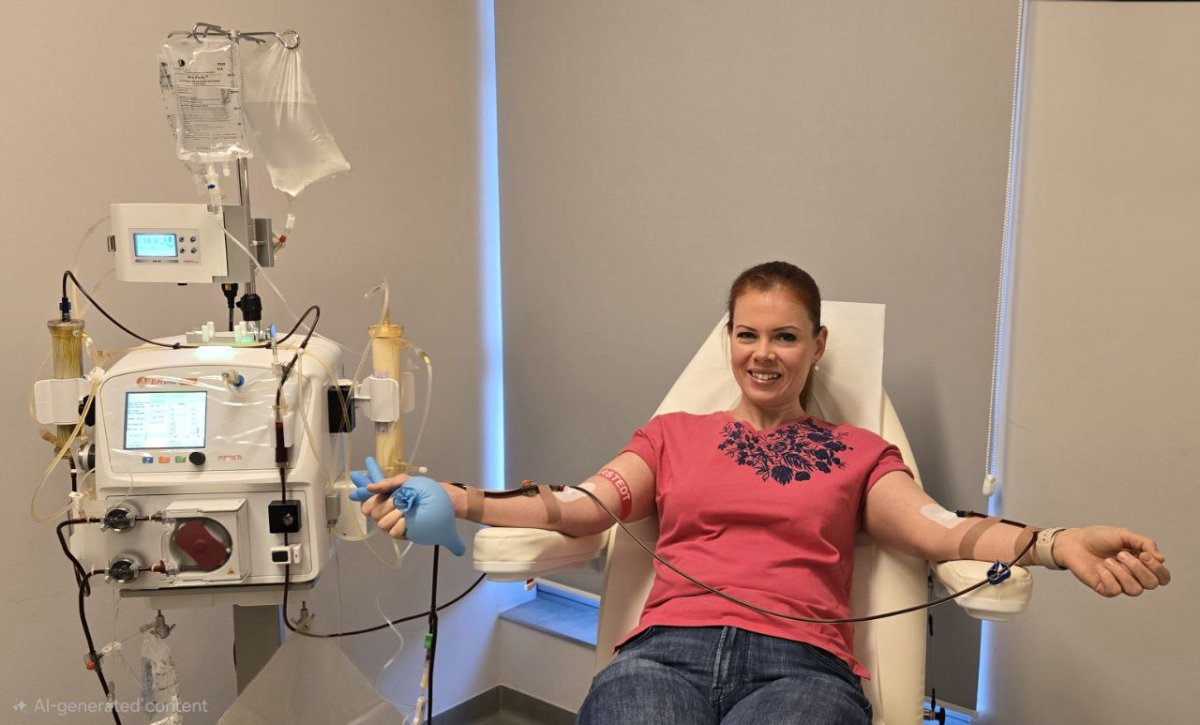
DNTRIPLED Medical Services مركز العلاج بالأفريز العلاجي
Rmed Kopernika
احصلوا على تقييم طبي لـ التهاب القولون التقرحي في بولندا: استشيروا أطباء ذوي خبرة الآن
عرض جميع الأطباء
Jacek Sobocki
البروفيسور جاسيك سوبوكي هو أخصائي في الجراحة العامة وأمراض الجهاز الهضمي. يقوم بتقييم وعلاج سرطانات الجهاز الهضمي في عيادة الجراحة الأورام بمستشفى سانت إليزابيث. وهو رئيس قسم الجراحة في مستشفى CMKP السريري.
يعالج الحالات في جميع أنحاء الجهاز الهضمي. يجري عمليات جراحية مفتوحة، وبالمنظار، وبالجراحة الروبوتية. تشمل مجالات تركيزه المعدة، والقولون، والبنكرياس، والفتق. وهو أستاذ في الجراحة. جراح روبوتي معترف به في بولندا. يحاضر ويدرب الجراحين على التقنيات الروبوتية. تدرب في بولندا وفي مراكز
مشاركة المحتوى
قصص فيديو من مرضى Bookimed
 Anna Leonova
أسئلة متكررة حول علاج التهاب القولون التقرحي في بولندا
ما هي مؤهلات ومستويات خبرة جراحي القولون والمستقيم البولنديين الذين يجرون استئصال المستقيم والقولون الترميمي لالتهاب القولون التقرحي؟
عادة ما يكون جراحو القولون والمستقيم البولنديون الذين يجرون استئصال المستقيم والقولون الترميمي متخصصين معتمدين في الجراحة العامة مع زمالات إضافية. غالبًا ما يحمل الخبراء مؤهل المجلس الأوروبي للجراحة في طب القولون والمستقيم. يعمل معظمهم في مراكز أكاديمية مثل المستشفى الجامعي في كراكوف. عادة ما يكمل الجراحون ذوو الحجم الكبير أكثر من 50 عملية استئصال للقولون والمستقيم.
- التعليم الطبي: يكمل الجراحون إقامة لمدة 6 سنوات قبل اجتياز امتحان الجراحة العامة الوطني.
- التحقق من الخبرة: يقوم النادي البولندي لطب القولون والمستقيم باعتماد مراكز مرجعية للجراحة المتخصصة.
- المعايير الدولية: غالبًا ما يحصل كبار المتخصصين على مؤهل المجلس الأوروبي للجراحة (EBSQ) في طب القولون والمستقيم.
- النهج الجراحي: يستخدم الجراحون مجالس متعددة التخصصات لتخطيط الإجراءات المعقدة المكونة من مرحلتين أو ثلاث مراحل.
رؤية خبير Bookimed: تظهر البيانات فرقًا واضحًا في النطاق بين العيادات الخاصة والمراكز الأكاديمية الكبيرة في بولندا. بينما تخدم عيادة KCM 2500 مريض سنويًا، يعالج المستشفى الجامعي في كراكوف أكثر من 450 ألف مريض. بالنسبة للإجراءات الترميمية المعقدة مثل مفاغرة اللفائفي والشرج، يعد استهداف هذه البيئات الجامعية ذات الحجم الكبير أمرًا حيويًا. تمتلك هذه المؤسسات أكثر من 100 قسم وآلاف الموظفين، مما يضمن الدعم متعدد التخصصات اللازم لجراحة التهاب القولون التقرحي.
إجماع المرضى: يؤكد المرضى على التحقق مما إذا كان الجراح قد أكمل زمالات في ألمانيا أو المملكة ا
ما هي النتائج الوظيفية طويلة المدى ومعدلات النجاح لجراحة الجيب المعوي (J-pouch) التي يتم إجراؤها في بولندا؟
تُظهر جراحة الجيب المعوي في بولندا معدل نجاح طويل المدى بنسبة 95% في الحفاظ على وظيفة الجيب. تشير المراكز البولندية ذات الخبرة إلى أن 82% من المرضى يحققون تحكماً كاملاً في البراز. يعاني معظم الأفراد من نتائج وظيفية مستقرة لأكثر من 15 عاماً. ويبلغ حوالي 90% من المرضى عن رضا عالٍ عن نتائجهم.
- التكرار اليومي: يبلغ متوسط عدد مرات التبرز لدى المرضى عادةً من 5 إلى 6 مرات خلال اليوم.
- التحكم الليلي: تحدث حوالي 1 إلى 2 حركة أمعاء ليلاً مع وجود بقع يمكن التعامل معها.
- استقرار الجيب: تتراوح معدلات الفشل طويلة المدى بين 7.6% و 11.4% في المجموعات البولندية.
- التعافي المهني: يعود أكثر من 91% من المرضى بنجاح إلى وضعهم المهني السابق.
رؤية خبير Bookimed: تُظهر البيانات الواردة من المراكز البولندية الكبرى مثل مستشفى جامعة كراكوف قدرة هائلة على التعامل مع الحالات المعقدة، حيث يتم علاج أكثر من 455,000 مريض سنوياً. هذا الحجم الكبير هو مؤشر رئيسي على الكفاءة الجراحية. عند اختيار منشأة، ابحث عن تلك التي لديها نسبة عالية من المرضى الدوليين، مثل عيادة KCM في جيلينيا غورا. غالباً ما تمتلك هذه المراكز بروتوكولات أكثر تبسيطاً لرعاية المتابعة عن بُعد.
إجماع المرضى: غالباً ما يصف المرضى النتائج بأنها مغيرة للحياة على الرغم من الحاجة إلى التعامل مع كثرة التبرز. يؤكد الكثيرون على أهمية استخدام المضادات الحيوية أو البروبيوتيك للتعامل بفعالية مع نوبات التهاب الجيب الشائعة.
ما هي المخاطر الصحية الأولية وملفات تعريف المضاعفات المرتبطة بجراحة التهاب القولون التقرحي التي يجب على المرضى مناقشتها مع الفرق الجراحية البولندية؟
تتضمن جراحة التهاب القولون التقرحي في بولندا عادةً استئصال المستقيم والقولون الترميمي مع مفاغرة كيسية شرجية لفائفية. يجب على المرضى مناقشة معدل مضاعفات إجمالي يبلغ 40.3% مع الفرق الجراحية. تشمل المخاطر الأولية مشاكل الجروح، بينما يعتمد النجاح على المدى الطويل على إدارة التهاب الكيس ومنع فشل الكيس المحتمل.
- مخاطر العدوى: يؤثر تقيح الجروح على 22.6% من المرضى في دراسات بولندية مهمة.
- التهاب الكيس: يحدث التهاب الكيس في 20% إلى 50% من الحالات خلال العمر.
- انسداد الأمعاء: تؤثر انسدادات الأمعاء الناتجة عن الأنسجة الندبية على 10% إلى 20% من المرضى.
- مؤشرات النجاح: تزيد مستويات CRP المرتفعة قبل الجراحة وانخفاض مستويات الألبومين بشكل كبير من المخاطر الجراحية.
رؤية خبير Bookimed: تشير البيانات الصادرة عن المستشفى الجامعي في كراكوف، الذي يعالج 455,000 مريض سنوياً، إلى أن المراكز الأكاديمية ذات الحجم الكبير توفر البنية التحتية الأكثر استقراراً لإدارة مضاعفات الكيس على شكل حرف J المعقدة. يجب على المرضى إعطاء الأولوية لهذه المرافق على العيادات الخاصة الصغيرة للجراحة الترميمية. غالباً ما تمتلك هذه المؤسسات الكبيرة فرقاً متعددة التخصصات لمعالجة أوجه القصور الغذائي قبل العملية.
إجماع المرضى: يؤكد المرضى على أهمية مناقشة مخاطر الصحة الجنسية والخصوبة لأن تلف الأعصاب الحوضية نادراً ما يُذكر أثناء الاستشارات. يوصي الكثيرون بالسؤال تحديداً عن الحجم السنوي لإجراءات الكيس على شكل حرف J للجراح لضمان استقرار الخزان على المدى الطويل.
أي مرضى التهاب القولون التقرحي هم مرشحون لاستئصال القولون بالمنظار طفيف التوغل مقابل الجراحة المفتوحة في بولندا؟
يشمل المرشحون لاستئصال القولون بالمنظار في بولندا المرضى المستقرين الذين يحتاجون إلى جراحة اختيارية بسبب مرض مقاوم للعلاج الطبي. تُفضل هذه التقنية طفيفة التوغل للأفراد غير المصابين بالسمنة الذين تقل أعمارهم عن 50 عامًا. تظل الجراحة المفتوحة هي المعيار للحالات الطارئة مثل الانثقاب أو تضخم القولون السمي أو عدم الاستقرار الديناميكي الحراري.
- الملاءمة للمنظار: تُفضل للاستئصال الاختياري، أو عدم تحمل الأدوية، أو خلل التنسج الموضعي.
- الاستقرار السريري: يتطلب ضغط دم مستقر وعدم وجود مضاعفات التهابية حادة.
- معايير الجراحة المفتوحة: ضرورية في حالات تضخم القولون السمي المهدد للحياة أو انثقاب القولون الشديد.
- عوامل المريض: مؤشر كتلة جسم أقل وعدد أقل من العمليات الجراحية السابقة يحسن من فرص إجراء المنظار.
رؤية خبير Bookimed: تقدم بولندا مزيجًا من المراكز الأكاديمية التاريخية والعيادات الخاصة الحديثة. يخدم المستشفى الجامعي في كراكوف 455,000 مريض سنويًا. غالبًا ما يرتبط هذا الحجم الكبير بخبرة أكبر في جراحة الجهاز الهضمي المعقدة. يجب على المرضى إعطاء الأولوية للمرافق ذات الخبرة الموثقة في إدارة حالات التهاب القولون التقرحي المقاومة للعلاج الطبي.
إجماع المرضى: يشير المرضى إلى أن كونهم صغارًا وفي حالة بدنية جيدة يساعد في تأمين نهج المنظار. يؤكد الكثيرون أن تقليل الستيرويدات تدريجيًا قبل الجراحة يحسن الشفاء ويتجنب الإجراءات المفتوحة.
ما الذي يتضمنه بروتوكول الرعاية وإعادة التأهيل النموذجي بعد الجراحة لمرض التهاب القولون التقرحي في المراكز الطبية البولندية؟
تتبع الرعاية بعد الجراحة لالتهاب القولون التقرحي في بولندا مسار التعافي المعزز بعد الجراحة (ERAS). تشمل البروتوكولات التحريك السريري في غضون 24 ساعة والبقاء في المستشفى لمدة تتراوح بين 3 إلى 7 أيام. يركز التعافي على المراقبة متعددة التخصصات من قبل أطباء الجهاز الهضمي والمتخصصين في مرافق مثل مستشفى جامعة كراكوف.
- التحريك المبكر: يبدأ المرضى بالجلوس أو المشي في غضون 24 ساعة لتحفيز وظيفة الأمعاء.
- التدرج الغذائي: يحدث الانتقال من السوائل إلى الأطعمة اللينة ومنخفضة الألياف في غضون 4 إلى 6 أسابيع.
- إدارة الألم: تجمع الأساليب متعددة الوسائط بين التخدير الموضعي والأدوية غير الأفيونية للحد من تباطؤ الأمعاء.
- رعاية المتابعة: تشمل المراقبة اختبارات الكالبروتكتين في البراز وتنظير الجيب (pouchoscopy) للمرضى الذين خضعوا لعملية مفاغرة الجيب اللفائفي الشرجي.
رؤية خبير Bookimed: توفر بولندا قدرة سريرية عالية حيث يخدم مستشفى جامعة كراكوف 455,000 مريض سنوياً. في حين توفر المراكز الأكاديمية الكبرى رعاية متخصصة، غالباً ما تكون إعادة تأهيل قاع الحوض في العيادات الخارجية محدودة. نوصي بترتيب علاج طبيعي خاص أو استخدام تطبيقات متخصصة لدعم تعافي الجيب (J-pouch) بعد الخروج من المستشفى.
إجماع المرضى: يشير المرضى إلى أن المشي من اليوم الأول وصعود الدرج بحلول اليوم الثالث يساعد في منع جلطات الدم. يوصي الكثيرون بإحضار إمدادات شخصية من مشروبات الإلكتروليت ومواد فغر القولون لضمان الترطيب المستمر والعناية بالبشرة.
هل تمتلك المستشفيات البولندية التي تعالج التهاب القولون التقرحي اعتمادات وشهادات دولية؟
تحافظ المستشفيات البولندية التي تعالج التهاب القولون التقرحي على معايير عالية من خلال شهادات المنظمة الدولية للمعايير (ISO) واعتمادات وزارة الصحة الوطنية. تمتلك المراكز الرائدة مثل عيادة KCM حالة ISO 9001. وتتبع المراكز الأكاديمية الكبرى بروتوكولات المنظمة الأوروبية لمرض كرون والتهاب القولون (ECCO) لضمان سلامة المرضى.
- شهادة ISO 9001: توحيد إدارة الجودة في مراكز مثل عيادة KCM ومستشفى Matopat.
- معايير ECCO: تتبع المراكز الأكاديمية في كراكوف وتشستوخوفا هذه الإرشادات السريرية الأوروبية.
- اعتماد CMJ: تتحقق وزارة الصحة البولندية من بروتوكولات السلامة في المستشفيات الكبرى.
- حالة JCI: تحافظ مرافق بولندية مختارة من الدرجة الأولى على اعتماد المعيار الذهبي من اللجنة الدولية المشتركة (Joint Commission International).
رؤية خبراء Bookimed: بينما يبحث الكثيرون عن شارات JCI، فإن مؤشر الجودة الحقيقي في بولندا هو حجم المرضى في المراكز الجامعية. على سبيل المثال، يخدم المستشفى الجامعي في كراكوف 455,000 مريض سنوياً على الرغم من افتقاره إلى الملصقات الدولية البراقة. غالباً ما يترجم هذا الحجم الكبير إلى فرق جراحية أكثر خبرة لحالات التهاب القولون التقرحي المعقدة.
إجماع المرضى: يشير المرضى إلى أنه على الرغم من ندرة مناقشة الشارات الدولية المحددة، فإن النظافة والبروتوكولات السريرية في العيادات البولندية الخاصة تتوافق مع معايير أوروبا الغربية. يوصي الكثيرون بهذه المرافق الخاصة تحديداً بسبب وجود موظفين يتحدثون الإنجليزية وسرعة الوصول إلى العلا
ما هي مدة الإقامة الموصى بها في بولندا للمرضى الدوليين الذين يخضعون لاستئصال القولون الكامل مع بناء كيس لفائفي؟
عادةً ما يبقى المرضى الدوليون الذين يخضعون لاستئصال القولون الكامل مع بناء كيس لفائفي في بولندا لمدة تتراوح بين 14 إلى 21 يوماً. تغطي هذه الفترة الإقامة في المستشفى والمراقبة بعد الجراحة. غالباً ما يتم التعافي على مراحل عبر إجراءين أو ثلاثة إجراءات جراحية منفصلة تفصل بينها أشهر.
- مدة الإقامة في المستشفى: يقضي المرضى عادةً من 5 إلى 10 أيام في جناح المستشفى.
- فترة المراقبة: البقاء محلياً لمدة 16 يوماً بعد الخروج يضمن التئاماً آمناً.
- النهج الجراحي: قد تؤدي إجراءات تنظير البطن إلى تقصير إجمالي الإقامة إلى حوالي 10 إلى 14 يوماً.
- التعافي على مراحل: يحدث عكس فغر اللفائفي النهائي عادةً بعد 3 إلى 6 أشهر من بناء الكيس الأولي.
رؤية خبير Bookimed: توفر بولندا قدرة سريرية عالية مع مرافق كبيرة مثل مستشفى جامعة كراكوف الذي يخدم 455,000 مريض سنوياً. في حين تركز العيادات الخاصة الأصغر مثل عيادة KCM على الباقات الدولية، فإن الحجم الكبير في المراكز الجامعية يشير إلى خبرة عميقة في عمليات إعادة البناء المعقدة. يجب على المرضى التحقق مما إذا كانت المنشأة المختارة تتعامل مع جميع المراحل الجراحية لتجنب السفر بفتحة إخراج (فغرة) حديثة.
إجماع المرضى: غالباً ما يوصي المرضى بالبقاء لمدة 4 أسابيع على الأقل لإدارة المشكلات المبكرة المحتملة مثل الجفاف أو بطء وظيفة الكيس. ينصح الكثيرون بإحضار مستلزمات فغر إضافية والبقاء بالقرب جداً من المستشفى خلال الشهر الأول من أجل السلامة.
ما مدى جودة جراحة الأعصاب في بولندا؟
تُقدم جراحة الأعصاب في بولندا رعاية عالية الجودة في مرافق معتمدة من قبل اللجنة الدولية المشتركة (JCI) والمنظمة الدولية للمعايير (ISO). يلتزم جراحو الأعصاب البولنديون بمعايير تدريب صارمة معتمدة من قبل الاتحاد الأوروبي. وقد أكمل العديد منهم زمالات في الولايات المتحدة أو ألمانيا. وتتوفر التقنيات المتقدمة، مثل جهاز سايبر نايف وجهاز جاما نايف والأنظمة الروبوتية، على نطاق واسع في المراكز الخاصة.
- المؤهلات التخصصية: غالباً ما يكون الأطباء أعضاء في الرابطة الأوروبية لجمعيات جراحة الأعصاب.
- التقنيات المتقدمة: تستخدم العيادات أنظمة CyberKnife والموجات فوق الصوتية المركزة الموجهة بالرنين المغناطيسي لعلاج الدماغ غير الجراحي.
- الحجم السريري: تعالج المراكز الرائدة مثل مستشفى الجامعة في كراكوف أكثر من 455000 مريض سنوياً.
- جراحون ذوو خبرة: أجرى الدكتور ماسيج بوجكو من مستشفى كارولينا أكثر من 2500 عملية جراحية بمفرده.
رأي خبراء بوكيمد: تُظهر البيانات وجود علاقة وثيقة بين تخصص العيادة وأصول مرضاها. تعالج عيادة KCM أكثر من 700 مريض دولي سنويًا، وهي متخصصة في جراحة العمود الفقري طفيفة التوغل. يُمكّنها هذا الحجم من العمل من تقديم باقات خدمات متخصصة، تشمل غالبًا حواجز تشخيصية وزرعات محددة،
ما هي مؤهلات جراحي الأعصاب البولنديين؟
يُعدّ جراحو الأعصاب البولنديون متخصصين ذوي كفاءة عالية، إذ أتموا ما لا يقل عن 13 عامًا من التدريب الطبي المكثف. يشمل ذلك ست سنوات من الدراسة في كلية الطب، و13 شهرًا من التدريب العملي، وست سنوات من الإقامة. ويجب عليهم اجتياز امتحان التخصص الحكومي (PES)، وغالبًا ما يحصلون على شهادة من الجمعية الأوروبية لجمعيات جراحة الأعصاب (EANS).
- التعليم: يتلقى الأطباء تعليمهم الطبي (الطب) بعد 6 سنوات من الدراسة في الجامعة.
- التخصص: تشمل الإقامة 6 سنوات من التدريب المعياري في جراحة الأعصاب السريرية وعلم الأشعة العصبية.
- حجم العمليات الجراحية: غالبًا ما يقوم الأطباء المقيمون بإجراء أكثر من 1000 عملية جراحية، وهو ما يتجاوز متوسط حجم التدريب في المناطق الأخرى.
- الشهادات: العديد من المتخصصين أعضاء في منظمة AO Spine أو الجمعية البولندية لجراحة العمود الفقري.
رأي خبراء بوكيميد: تشير البيانات إلى أن جراحي الأعصاب البولنديين غالبًا ما يتخصصون في تقنيات بالغة التخصص، مثل نظام ApiFix أو نظام SED-YESS لتنظير الفقرات القطنية. ويجمع أخصائيون مثل الدكتور ستانيسواف كويك من عيادة KCM بين أبحاث ما بعد الدكتوراه والممارسة الجراحية النشطة. هذا المزيج من المعرفة الأكاديمية المتعمقة والخبرة الجراحية الوا
ما هي أفضل عيادات جراحة الأعصاب في بولندا؟
من بين أفضل عيادات جراحة الأعصاب في بولندا مستشفى كارولينا، وعيادة KCM، ومراكز أكاديمية رائدة مثل مستشفى جامعة كراكوف. تقدم هذه المؤسسات علاجات متطورة لأمراض العمود الفقري والدماغ، مطابقة لمعايير الجودة ISO، وتضم أخصائيين أعضاء في منظمات دولية مثل AO Spine.
- مستشفى كارولينا: مركز التميز الطبي التابع للفيفا، والمتخصص في جراحات العمود الفقري المعقدة ذات التدخل الجراحي المحدود.
- عيادة KCM: معترف بها دوليًا لجودة إجراءات تنظير العمود الفقري، وتخدم أكثر من 700 مريض دولي سنويًا.
- مستشفى جامعة كراكوف: مركز متعدد التخصصات كبير يقوم بإجراء أكثر من 800 عملية جراحية عصبية سنوياً منذ عام 1788.
- لوكسميد: مركز طبي خاص مرموق في وارسو متخصص في جراحة العمود الفقري المتقدمة للمرضى الدوليين.
رأي خبراء بوكيمد: بينما يتجه الكثيرون إلى أكبر المستشفيات، تُظهر البيانات أن عيادات مثل مستشفى كارولينا تُقدم كفاءة أعلى في العمليات الجراحية الاختيارية. فمع وجود أكثر من 40 طبيباً متخصصاً في هذه المنشأة التي تضم 30 سريراً، تكون نسبة الأطباء إلى المرضى أعلى بكثير مما هي عليه في المراكز الجامعية الحكومية. وهذا يعني رعاية ما بعد الجراحة أكثر عناية، وجدولة أسرع بكثير لإجراءات مثل علاج الانزلاق الغضروفي