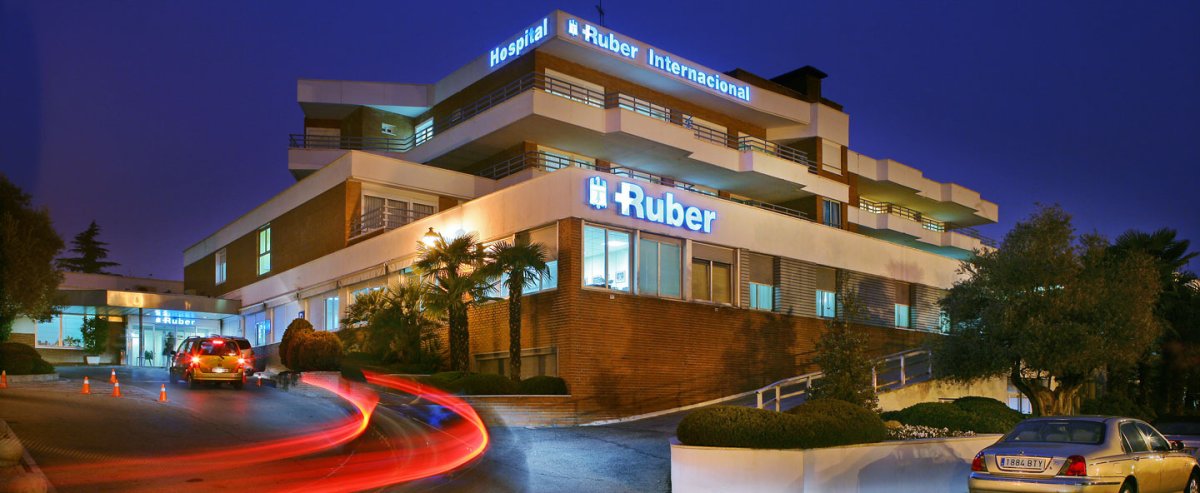
Centro Médico Teknon
إسبانيا, برشلونة
Bartolome Oliver
50سنة خبره ١٦ سنة • تم تنفيذ 280+ علاجات

الاعتمادات : 
العيادة معتمدة من قبل : 





تمت مراجعة المقالة طبيا من قبل
فهد مولود
من $130. تعتمد النفقات الإجمالية على موقع الخراج، والنهج الجراحي، ومستوى العيادة. وغالباً ما يوفر المرضى ما يقرب من 30-50% مقارنة بالولايات المتحدة. تتركز معظم إجراءات جراحة الأعصاب في برشلونة ومدريد.
تكاليف علاج خراج الحبل الشوكي النموذجية في إسبانيا
رؤية خبراء Bookimed: بالنسبة لعدوى العمود الفقري المعقدة، توفر المراكز ذات القدرات الروبوتية دقة أعلى. يُعد مركز تيكنون الطبي (Centro Médico Teknon) خياراً أولياً، حيث كان أول مركز في جنوب أوروبا يستخدم نظام Mazor Robotics لجراحة العمود الفقري. يستفيد المرضى الذين يحتاجون إلى رعاية متعددة التخصصات من 23 غرفة عمليات في مستشفى كيرون برشلونة (Hospital Quiron Barcelona) واعتماده من اللجنة الدولية المشتركة (JCI). يقدم الدكتور بارتولومي أوليفر تدخلاً جراحياً عصبياً خبيراً مع أكثر من 40 عاماً من الخبرة المتخصصة.
| تركيا | إسبانيا | ألمانيا | |
|---|---|---|---|
| منظومة دا فينشي الجراحية | من $23,900 | ≈ $9,500 | ≈ $17,500 |
| سايبر نايف CyberKnife | من $4,900 | من $14,800 | من $9,000 |
| العلاج بالبروتون (انظر العلاج بحزم البروتون) | من $25,000 | من $43,400 | ≈ $24,000 |
| استئصال ورم الحبل الشوكي | من $11,000 | من $34,800 | من $20,200 |


الدكتور بارتولومي أوليفر هو رائد في جراحة العمود الفقري الروبوتية، حيث يجري أكثر من 200 عملية جراحية سنويًا في مركز تكنون الطبي (Centro Médico Teknon).

_doctor_1728_عاماً_ من الجراحة التجميلية والترميمية الرائدة – يدمج الدكتور هيريرو التخطيط الافتراضي ثلاثي الأبعاد لتحقيق الدقة.

مدير جراحة الأعصاب في مركز تيكنون الطبي، أجرى الدكتور كونيسا أكثر من 1100 عملية جراحية في النخاع الشوكي والدماغ خلال مسيرته المهنية التي امتدت لـ 38 عاماً.
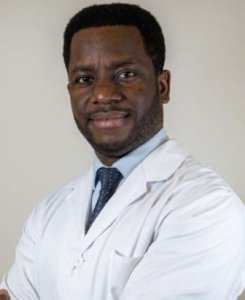
الدكتور Nnamdi Elenwoke جرّاح أعصاب في Neuroinstitut – Centro Médico Teknon (برشلونة)، وهو مركز رائد في أوروبا. يتخصص في الجراحة العصبية طفيفة التوغل والجراحة العصبية الوظيفية، ويتمتع بخبرة خاصة في تشوه أرنولد-كياري واضطرابات الوصل القحفي الفقري. تعتمد ممارسته على التقنيات المجهرية المتقدمة، وجراحة قاعدة الجمجمة بالمنظار، وجراحة الأعصاب بمساعدة الروبوت.
التعليم والتدريب: دكتوراه في الطب (2007). إقامة اختصاص جراحة الأعصاب (MIR) في مستشفى ميغيل سيرفيت، سرقسطة. تدريب متقدم في جراحة قاعدة
 Anna Leonova
في إسبانيا، يتضمن علاج خراج الحبل الشوكي دخول المستشفى فوراً لإجراء عملية تخفيف الضغط الجراحي العصبي العاجلة والعلاج بالمضادات الحيوية الوريدية. يستخدم المتخصصون مراقبة عصبية متقدمة للحفاظ على الوظيفة الحركية. عادةً ما يقوم الجراحون بإجراء استئصال الصفيحة الفقرية لتصريف العدوى. تتبع المراكز ذات الكثافة العالية في برشلونة ومدريد بروتوكولات أوروبية موحدة لهذه الحالات الطارئة الحرجة.
رؤية خبير Bookimed: تدمج مراكز جراحة الأعصاب الإسبانية مثل Centro Médico Teknon تقنيات مساعدة روبوتية مثل نظام Mazor Robotics Renaissance. يسمح هذا النمط من تبني التكنولوجيا العالية للجراحين بالتنقل في هياكل العمود الفقري المعقدة بدقة 1.5 مليمتر. بالنسبة للخراجات، تساعد هذه الدقة في تجنب إتلاف طبقات الأعصاب الرقيقة أثناء التصريف. يجب على المرضى البحث عن المراكز التي تجمع بين هذه الدقة الروبوتية وجراحي الأعصاب المخضرمين الذين لديهم خبرة تزيد عن 30 عاماً مثل البروفيسور الدكتور بارتولومي أوليفر أو الدكتور جيراردو كونيسا بيرتران.
إجماع المرضى: يلاحظ المرضى
يعد العلاج الطبيعي ضروريًا بعد جراحة خراج الحبل الشوكي لاستعادة الحركة والاستقرار. فهو يعالج العجز العصبي مثل ضعف العضلات أو فقدان الإحساس الناتج عن ضغط الأعصاب. تعمل البرامج المتخصصة على إعادة تدريب المسارات العصبية. كما أنها تمنع حدوث مضاعفات مثل تيبس المفاصل أو جلطات الدم.
رؤية خبير Bookimed: غالبًا ما تدمج المراكز الإسبانية إعادة التأهيل العصبي في مرحلة التعافي من خلال اتفاقيات متخصصة. على سبيل المثال، يتعاون مستشفى HM Nou Delfos مع معهد Guttmann لإعادة التأهيل المتقدم. هذا أمر حيوي لأن القوة السريرية قد تعود قبل التوازن. يجب على المرضى البحث عن مراكز معتمدة من JCI تقدم تصوير الجهاز العضلي الهيكلي EOS لتتبع التعافي بدقة.
إجماع المرضى: يشير المرضى إلى أن العلاج الرسمي أمر بالغ الأهمية في حالات الضعف الشديد ولا ينبغي تخطيه. ويؤكدون على البدء فقط بعد موافقة الجراح لحماية موقع الجراحة أثناء التئامه.
يعد تأخير علاج خراج الحبل الشوكي حالة طبية طارئة وحرجة. يؤدي تراكم القيح السريع داخل القناة الشوكية إلى الإضرار بالجهاز العصبي. بدون تدخل فوري، يمكن أن يتطور الألم الموضعي إلى تلف عصبي لا رجعة فيه أو الوفاة. يعد إجراء تخفيف الضغط الجراحي العاجل واستخدام المضادات الحيوية أمراً ضرورياً للحفاظ على وظيفة الحبل الشوكي.
رؤية خبير Bookimed: على الرغم من أن إسبانيا تحتل المرتبة الثالثة عالمياً في الطلبات الطبية على منصتنا، إلا أن المرضى غالباً ما يغفلون عن أن مراكز مثل Centro Médico Teknon أو Hospital Quiron Barcelona تستخدم أنظمة روبوتية مثل Mazor Robotics لحالات العمود الفقري المعقدة. تعمل هذه الأدوات المتقدمة على تحسين الدقة عند تخفيف الضغط عن المناطق المصابة. يعد اختيار منشأة ذات حجم جراحي مرتفع - حيث يقوم البعض بإجراء أكثر من 23,000 عملية سنوياً - أمراً حيوياً لإدارة مثل هذه المضاعفات الحساسة للوقت بفعالية.
إجماع المرضى: يؤكد المرضى أن آلام الظهر تتصاعد بسرعة ويحذرون من أن مشاكل الأمعاء أو المثانة هي علامات حمراء
يمكن للمضادات الحيوية وحدها علاج خراج الحبل الشوكي في حالات نادرة ومحددة فقط. عادة ما يقصر جراحو الأعصاب الإسبان هذا النهج التحفظي على المرضى الذين لا يعانون من عجز عصبي. تتطلب معظم الحالات تصريفاً جراحياً طارئاً مقترناً بعلاج وريدي مكثف لمنع الشلل الدائم أو انضغاط الحبل الشوكي.
رؤية خبراء Bookimed: غالباً ما تدمج مراكز جراحة الأعصاب الإسبانية تقنيات تصوير متقدمة مثل EOS أو التصوير بالرنين المغناطيسي عالي الدقة للمراقبة. تظهر البيانات أن عيادات مثل Centro Médico Teknon أو Hospital Ruber Internacional تتعامل مع أعداد كبيرة من حالات العمود الفقري المعقدة. تشير ملاحظاتنا إلى أن اختيار مركز يستخدم أنظمة مساعدة روبوتية، مثل Mazor Robotics Renaissance، يضمن جاهزية الدعم الجراحي في حال فشل العلاج بالمضادات الحيوية.
إجماع المرضى: يشير المرضى إلى أن أي ضعف جديد أو صعوبة في المشي تتطلب تقييماً طارئاً فورياً. ويؤكدون أنه على الرغم من أن بعض المناطق الالتهابية الصغيرة قد تشفى بالأدوية، إلا أن الخراج الحقيقي غالباً ما يتطلب تدخلاً ج
توفر برشلونة ومدريد رعاية جراحية عصبية عالية الجودة لخراجات العمود الفقري في إسبانيا. تضم هذه المدن مراكز معتمدة من قبل اللجنة الدولية المشتركة (JCI) مثل Centro Médico Teknon و Hospital Ruber Internacional. توفر هذه المرافق تشخيصات الرنين المغناطيسي للطوارئ على مدار الساعة طوال أيام الأسبوع وفرقًا متعددة التخصصات متخصصة ضرورية لإزالة الضغط الجراحي السريع.
رؤية خبير Bookimed: بينما تعد مدريد وبرشلونة مراكز رئيسية، تتفوق Clínica Universidad de Navarra في بامبلونا باستمرار على العديد من المراكز الأخرى من حيث الحجم. فهي تدير حوالي 140,000 مريض سنويًا. بالنسبة لخراجات العمود الفقري، يشير تصنيفها 5.0 إلى تنسيق متفوق بين الجراحة العصبية ووحدات العناية المركزة. هذا النموذج المتكامل ضروري عند علاج الالتهابات الجهازية التي تتطلب مراقبة طويلة الأمد للمضادات الحيوية بعد الجراحة.
إجماع المرضى: يؤكد المرضى أن اختيار مستشفى جامعي كبير أمر حيوي للحالات المعقدة. ويشيرون إلى أن الوصول الفوري إلى قدرة التصريف
يتطلب التعافي بعد جراحة خراج العمود الفقري في إسبانيا إقامة في المستشفى تتراوح من 5 إلى 14 يوماً. يخضع المرضى لعلاج بالمضادات الحيوية عن طريق الوريد لمدة تتراوح من 6 إلى 12 أسبوعاً للقضاء على العدوى. غالباً ما يمتد التجدد الكامل للأعصاب وإعادة التأهيل البدني من 3 إلى 12 شهراً. تبدأ الحركة المبكرة عادةً في غضون 48 ساعة.
رؤية خبير Bookimed: تُعد إسبانيا وجهة رائدة لجراحات الأعصاب المعقدة، حيث تخدم عيادات مثل Centro Médico Teknon أكثر من 10,000 مريض سنوياً. تُظهر بياناتنا أن كبار المتخصصين الإسبان، مثل الدكتور بارتولومي أوليفر، يستخدمون تقنيات الحفاظ على الحركة والأنظمة الروبوتية. اختيار منشأة ذات حجم كبير تجري أكثر من 20,000 عملية سنوياً يضمن الوصول إلى التصوير المتقدم اللازم لمراقبة حل العدوى.
إجماع المرضى: يشير المرضى إلى أن تلقي المضادات الحيوية عبر خط PICC في المنزل يجعل التعافي يبدو طويلاً. ويؤكدون على أهمية ترتيب المساعدة للأسابيع القليلة الأولى بسبب التعب الشديد ومحدودية الحركة.
تعد إعادة التأهيل البدني ضرورية بعد علاج خراج الحبل الشوكي في إسبانيا لمعالجة العجز العصبي وتدهور حالة العضلات. تركز البرامج المتخصصة على استعادة الحركة واستقرار الجذع والتحكم الحركي. يمنع التحريك المبكر تيبس المفاصل، بينما يساعد إعادة التأهيل العصبي المكثف المرضى على استعادة استقلاليتهم بعد ضغط الأعصاب.
رؤية خبير Bookimed: تتمثل إحدى المزايا الرئيسية في إسبانيا في الشراكة الرسمية بين مستشفيات الرعاية الحادة رفيعة المستوى ومؤسسات إعادة التأهيل المتخصصة. على سبيل المثال، يحتفظ مستشفى HM Nou Delfos باتفاقية مباشرة مع معهد Guttmann، وهو رائد عالمي في إعادة التأهيل العصبي. وهذا يضمن انتقالاً طبياً سلساً، وهو أمر بالغ الأهمية لأن بياناتنا تظهر أن عيادات العمود الفقري المتخصصة مثل Centro Médico Teknon غالباً ما تجري أكثر من 23,000 عملية جراحية سنوياً. تعطي المراكز ذات الحجم الكبير الأولوية للانتقال السريع إلى إعادة التأهيل لتعظيم إمكانية التعافي الوظيفي بنسبة 95% التي تظهر في رعاية العمود الفقري الحديثة.
إجماع