علاج خراج الحبل الشوكي في كوريا الجنوبية: 13 مستشفيات


تمت مراجعة المقالة طبيا من قبل
فهد مولود
ما هي تكلفة خراج الحبل الشوكي إجراءات التشخيص والعلاج في كوريا الجنوبية؟ اعرف الآن
من $120. تعتمد التكاليف الإجمالية على موقع الخراج، ومستوى المستشفى، وفترة التعافي المطلوبة. يمكن للمرضى توفير ما يقرب من 30-50% مقارنة بالولايات المتحدة. تشمل أفضل المدن لهذا العلاج سيول وإنشيون.
تكاليف علاج خراج الحبل الشوكي النموذجية في جمهورية كوريا
- التصوير الومضاني (Scintigraphy): من $120
- استشارة جراح أعصاب: من $53
- استشارة طبيب أعصاب: من $55
- تحليل الدم الكيميائي الحيوي: $60 – $130
- تحليل تخثر الدم (Coagulogram): $40 – $100
- تحليل دم شامل: من $200
- تخطيط كهربائية القلب (ECG): من $30
- نظام دافنشي الجراحي الروبوتي: $14,000 – $21,000
- استئصال ورم الحبل الشوكي: $16,000 – $26,000
- سايبر نايف (CyberKnife): $14,000 – $19,000
رؤية خبراء Bookimed: بالنسبة لحالات العمود الفقري المعقدة، توفر الرعاية متعددة التخصصات أفضل النتائج. يستخدم مستشفى جامعة سيول الوطنية في بوندانغ (SNUBH) نظام BESTcare لتقليل الأخطاء الطبية أثناء العمليات الجراحية الحرجة. يجب على المرضى الذين يبحثون عن دقة متقدمة التفكير في مستشفى سيفيرانس، الحاصل على اعتماد اللجنة الدولية المشتركة (JCI) والرائد في الجراحة الروبوتية. وبالنسبة لأولئك الذين يحتاجون إلى التركيز على التعافي من جراحة الأعصاب، يوفر مستشفى جانجنام سيفيرانس أقسامًا متخصصة في طب الأعصاب وجراحة الأعصاب تحظى باعتراف عالمي.
| كوريا الجنوبية | تركيا | إسبانيا | |
|---|---|---|---|
| منظومة دا فينشي الجراحية | ≈ $14,000 | من $23,900 | من $16,800 |
| سايبر نايف CyberKnife | ≈ $14,000 | من $4,900 | من $14,800 |
| العلاج بالبروتون (انظر العلاج بحزم البروتون) | ≈ $22,000 | من $25,000 | من $43,300 |
| استئصال ورم الحبل الشوكي | ≈ $16,000 | من $12,000 | من $34,800 |
مزاياك وضماناتك مع Bookimed
أسعار مباشرة
Bookimed لا يضيف رسوماً إضافية على أسعار علاج خراج الحبل الشوكي. الأسعار مأخوذة من قوائم الأسعار الرسمية للعيادات. تدفع مباشرة في العيادة مقابل علاجك عند وصولك إلى البلد.
عيادات وأطباء معتمدون فقط
Bookimed ملتزم بسلامتك. نحن نعمل فقط مع المؤسسات الطبية التي تحافظ على معايير دولية عالية في علاج خراج الحبل الشوكي ولديها التراخيص اللازمة لخدمة المرضى الدوليين في جميع أنحاء العالم.
مساعدة مجانية على مدار الساعة
Bookimed يقدم مساعدة خبراء مجانية. منسق طبي شخصي يدعمك قبل وأثناء وبعد العلاج، ويحل أي مشاكل. لن تكون وحيداً أبداً في رحلة علاج خراج الحبل الشوكي.

منسقك الطبي الشخصي في Bookimed
- يدعمك في كل مرحلة
- المساعدة في اختيار العيادة الطبية المناسبة والطبيب المناسب
- يضمن الوصول السريع والمريح إلى المعلومات
اكتشف أفضل خراج الحبل الشوكي العيادات في كوريا الجنوبية: 13 خيارات معتمدة والأسعار












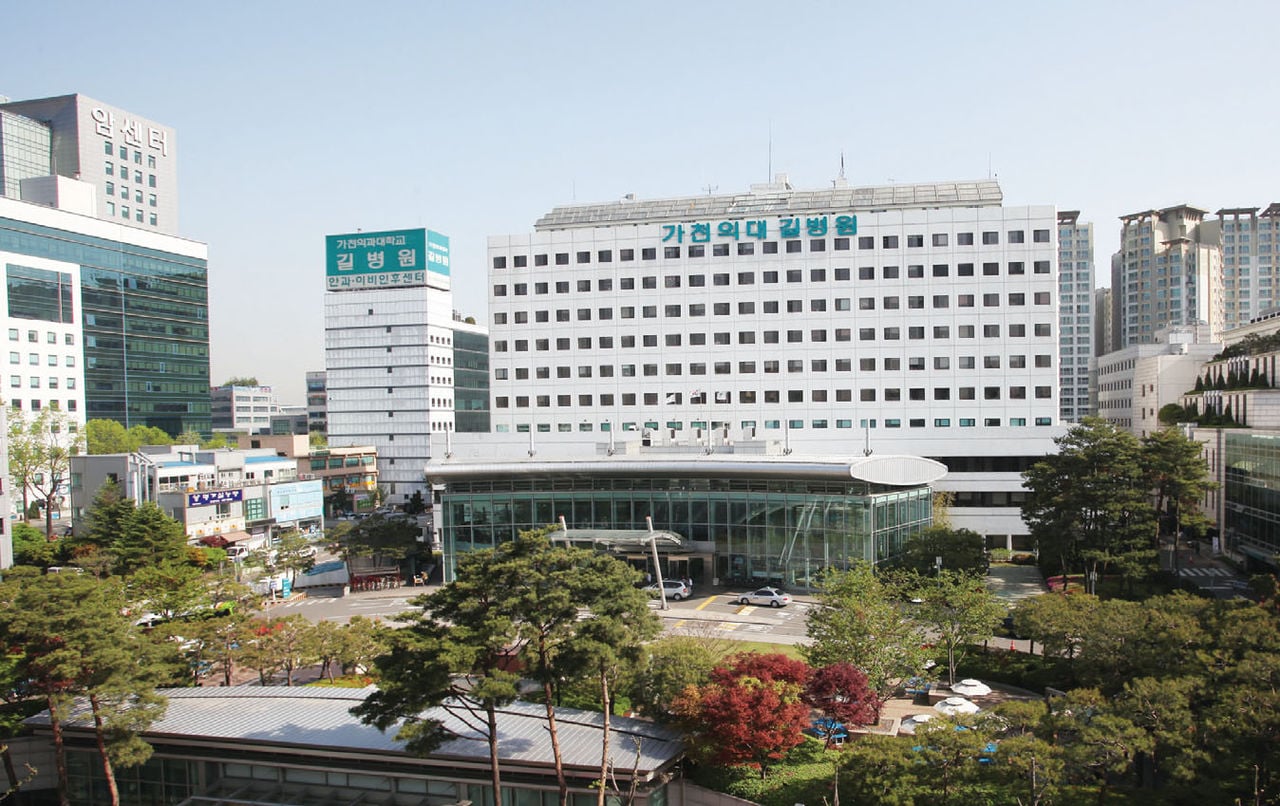




Bumin Hospital Seoul
Wellton Hospital

Wiltse Memorial Hospital
احصلوا على تقييم طبي لـ خراج الحبل الشوكي في كوريا الجنوبية: استشيروا أطباء ذوي خبرة الآن
عرض جميع الأطباء
Hyeunsung Harrison Kim
متخصص في جراحة العمود الفقري طفيفة التوغل – يقود الدكتور كيم برنامج العمود الفقري في مستشفى نانوري باستخدام تقنيات تنظيرية متقدمة.
- تدرب في ألمانيا وكوريا الجنوبية على إجراءات العمود الفقري المتخصصة
- عضو هيئة التدريس في الجمعية الكورية لأبحاث جراحة العمود الفقري طفيفة التوغل
- نشر أكثر من 50 ورقة بحثية حول علاجات العمود الفقري ونتائجها
- حاصل على جائزة بافيز كامبين لعام 2018 للابتكار في جراحة العمود الفقري

Jaehyeon Lim
رائد في جراحة ثقب الفقرات العنقية الأمامية في كوريا ومطور جراحة دمج الفقرات المصغرة – يجلب الدكتور ليم عقوداً من الخبرة المتخصصة في العمود الفقري إلى مستشفى نانوري.
- أكثر من _doctor_3790_ عاماً في جراحة الأعصاب مع التركيز على حالات العمود الفقري
- أستاذ في مستشفى بايك بجامعة إينجي – مؤسسة طبية رائدة
- مدير الجمعية الكورية لجراحة أعصاب العمود الفقري
- تدرب على جراحة العمود الفقري طفيفة التوغل في ممفيس، تينيسي
- نشر العديد من الأبحاث العلمية حول نتائج جراحة العمود الفقري
مشاركة المحتوى
قصص فيديو من مرضى Bookimed
 Anna Leonova
أسئلة متكررة حول علاج خراج الحبل الشوكي في كوريا الجنوبية
ما هي المضاعفات المحتملة في حال تأخر علاج خراج الحبل الشوكي؟
يؤدي تأخير علاج خراج الحبل الشوكي إلى شلل دائم، وتلف عصبي لا رجعة فيه، وعدوى جهازية تهدد الحياة. تعمل خراجات العمود الفقري كجيوب متوسعة من القيح داخل القناة الفقرية. أي تأخير في التصريف أو العلاج بالمضادات الحيوية يهدد أنسجة الحبل الشوكي بشكل مباشر من خلال الضغط أو نقص التروية.
- تلف عصبي: يسبب الضغط شللاً نصفيًا أو رباعيًا دائمًا أو خدرًا تامًا تحت منطقة الإصابة.
- خلل وظيفي ذاتي: غالبًا ما يعاني المرضى من فقدان دائم لوظائف الأمعاء أو المثانة أو الوظيفة الجنسية.
- الانتشار الجهازي: قد تؤدي مسببات الأمراض إلى تحفيز تعفن الدم أو الانتقال لتسبب التهاب السحايا في الجهاز العصبي المركزي.
- مضاعفات جسدية: تزيد الحركة المحدودة لفترات طويلة من مخاطر الإصابة بتجلط الأوردة العميقة وقرح الضغط الشديدة.
رؤية خبير Bookimed: بينما تركز البروتوكولات العامة على المضادات الحيوية، تعطي المراكز الكورية الجنوبية مثل مستشفى جامعة سيول الوطنية بوندانغ الأولوية للفرز الرقمي السريع عبر أنظمة متكاملة مع الذكاء الاصطناعي. تظهر البيانات أن العيادات في سيول تستخدم غالبًا أنظمة مجهرية وروبوتية، مثل نظام دافنشي الروبوتي، لإزالة الضغط بدقة. تساعد هذه التقنيات المتقدمة الجراحين على التنقل في المساحة الفقرية الضيقة بشكل أكثر أمانًا من الطرق المفتوحة التقليدية، وهو أمر بالغ الأهمية عندما يكون الوقت هو العامل الأساسي في منع الشلل الدائم.
إجماع المرضى: يؤكد المرضى أن ضعف الساقين الجديد أو تغيرات المثانة تتطلب تقييمًا طارئًا فوريًا. ويشيرون إلى أن الأعراض غا
ما هو العلاج الطبي القياسي لخراج الحبل الشوكي؟
يتضمن العلاج الطبي القياسي لخراج الحبل الشوكي جراحة طارئة لإزالة الضغط مدمجة مع مضادات حيوية وريدية طويلة الأمد. يقوم الجراحون بإجراء استئصال الصفيحة الفقرية لتخفيف الضغط وتصريف السوائل المصابة. يمنع هذا النهج المزدوج الشلل الدائم ويعالج العامل الممرض الأساسي المسبب للعدوى.
- إزالة الضغط الجراحي: يزيل استئصال الصفيحة الفقرية العظام لتقليل الضغط على الحبل الشوكي.
- تصريف الخراج: يستخدم الجراحون شفط الإبرة أو بضع النخاع لإخلاء القيح المتراكم بأمان.
- العلاج بالمضادات الحيوية: تستمر الأدوية الوريدية عالية الجرعة لمدة 4 إلى 6 أسابيع.
- تحديد العامل الممرض: توجه مزارع السوائل الانتقال من مضادات الميكروبات واسعة الطيف إلى المستهدفة.
رؤية خبير Bookimed: توفر كوريا الجنوبية ميزة لوجستية فريدة لهذه الحالات الطارئة. المؤسسات الرائدة مثل مستشفى جامعة سيول الوطنية بوندانغ ومستشفى سيفيرانس رقمية بالكامل. وهذا يسمح لجراحي الأعصاب بالوصول إلى نتائج التصوير بالرنين المغناطيسي فوراً عبر الأقسام. حتى أن مركز غاشون الجامعي الطبي يضم مركزاً متخصصاً للعمود الفقري. تضمن هذه البنية التحتية حدوث إزالة الضغط المنقذة للحياة ضمن النافذة الحرجة لمنع الضرر العصبي.
إجماع المرضى: يؤكد المرضى أن آلام الظهر المصحوبة بحمى أو خدر مفاجئ تتطلب تقييماً فورياً في غرفة الطوارئ. ويشيرون إلى أن انتظار الأدوية الفموية أمر خطير ويدعون إلى استشارة جراحية عصبية مباشرة عند تطور الأعراض.
في أي مستشفيات يمكن للمرضى الأجانب الحصول على رعاية متطورة لخراجات الحبل الشوكي في كوريا الجنوبية؟
يمكن للمرضى الأجانب الحصول على رعاية متطورة لخراجات الحبل الشوكي في المراكز الطبية الكورية الجنوبية مثل مركز أسان الطبي ومستشفى جامعة سيول الوطنية في بوندانغ. تدمج هذه المرافق المعتمدة من اللجنة الدولية المشتركة (JCI) بين أقسام جراحة الأعصاب والأمراض المعدية. وهي توفر إزالة الضغط المجهري العاجل وبروتوكولات المضادات الحيوية الوريدية الموجهة للتعافي العصبي.
- دقة التشخيص: تستخدم المرافق فحوصات التصوير بالرنين المغناطيسي والأشعة المقطعية المتقدمة لتحديد موقع العدوى بسرعة.
- الخبرة الجراحية: يقوم الجراحون بإجراء جراحة مجهرية للعمود الفقري أو استئصال الصفيحة الفقرية لتصريف الخراجات بأمان.
- سعة المرفق: تحتفظ المراكز الكبرى مثل مستشفى سيفيرانس بـ 3700 سرير ورعاية مركزة متخصصة للأعصاب.
- الوصول للطوارئ: يوفر مركز جاشون الجامعي الطبي للنقل السريع في غضون ساعة واحدة من إنتشون.
رؤية خبير Bookimed: بينما تركز عيادات العمود الفقري المتخصصة على حالات العظام، تتطلب خراجات الحبل الشوكي البنية التحتية متعددة التخصصات العميقة الموجودة في مشاريع ضخمة مثل مركز أسان الطبي. يجري مركز أسان أكثر من 65000 عملية سنويًا ويحافظ على معدل نجاح 90% في الإجراءات المعقدة. يضمن هذا الحجم توفر أخصائيي الأمراض المعدية وجراحي الأعصاب دائمًا للتنسيق عالي المخاطر الذي تتطلبه هذه الحالات.
إجماع المرضى: يشير المرضى إلى أنه من الضروري التوجه مباشرة إلى قسم الطوارئ في حالات عدوى العمود الفقري العاجلة. ويؤكدون أن العيادات الدولية ممتازة للخدمات اللوجستية، لكن فرز
هل من الممكن علاج خراج الحبل الشوكي بالمضادات الحيوية فقط؟
علاج خراج الحبل الشوكي باستخدام المضادات الحيوية فقط ممكن ولكنه نادر. يحتفظ الأطباء بهذا الخيار في المقام الأول للحالات المبكرة التي لا تعاني من ضعف عصبي. يحتاج معظم المرضى إلى تصريف جراحي عاجل إلى جانب المضادات الحيوية الوريدية لمنع الشلل الدائم وتلف الأعصاب في المرافق الكورية الجنوبية المعتمدة من قبل JCI.
- الضرورة الجراحية: التصريف الفوري هو المعيار للخراجات التي تسبب ضعفاً أو ألماً شديداً.
- الإدارة الطبية: تنطبق المضادات الحيوية وحدها فقط على التجمعات الصغيرة في المرحلة المبكرة دون عجز.
- مدة العلاج: تتطلب الحالات الطبية البحتة من 4 إلى 8 أسابيع من العلاج الوريدي المكثف.
- تخفيف المخاطر: يتم إجراء جراحة طارئة إذا أظهرت فحوصات التصوير بالرنين المغناطيسي المتابعة تقدم الخراج.
رؤية خبير Bookimed: على الرغم من أن الخراجات الصغيرة تُعالج أحياناً طبياً، إلا أن جراحي الأعصاب الكوريين غالباً ما يفضلون التدخل المبكر. يتخصص أخصائيون مثل الدكتور لي سانغ غو والبروفيسور إيلتاي جانغ في جراحة العمود الفقري المجهرية. يسمح هذا النهج الدقيق بتصريف الخراج من خلال شقوق صغيرة. إنه يقلل بشكل كبير من خطر ضغط الحبل الشوكي الدائم مقارنة بانتظار مفعول المضادات الحيوية.
إجماع المرضى: يحذر المرضى من أن انتظار مفعول المضادات الحيوية قد يكون مقامرة بصحة العمود الفقري. ويؤكدون أنه على الرغم من أنهم كانوا يأملون في البداية في رعاية غير جراحية، إلا أن التصريف كان ضرورياً في كثير من الأحيان لأن الأعراض تقدمت بسرعة كبيرة.
هل ستكون إعادة التأهيل البدني ضرورية بعد علاج خراج الحبل الشوكي؟
تعد إعادة التأهيل البدني ضرورية دائمًا تقريبًا بعد علاج خراج الحبل الشوكي في كوريا الجنوبية. يركز التعافي على عكس العجز العصبي واستعادة الوظيفة الحركية. تساعد البرامج التي يقودها الخبراء المرضى على استعادة التنسيق والاستقلالية بعد جراحة العمود الفقري أو علاجات المضادات الحيوية الوريدية.
- تحفيز المرونة العصبية: تساعد التمارين المتخصصة الجهاز العصبي على التكيف واستعادة الوظائف المفقودة.
- استعادة الحركة: يركز المعالجون على تدريب المشي لمعالجة الضعف أو مشاكل التنسيق.
- الوقاية من المضاعفات: تمنع الحركة المبكرة تصلب المفاصل وتشنجات العضلات وجلطات الأوردة العميقة.
- العلاج الوظيفي: يساعد المتخصصون المرضى في إعادة تعلم الأنشطة اليومية بأمان بعد الخروج من المستشفى.
رؤية خبير Bookimed: غالبًا ما تدمج المراكز الطبية الكورية الجنوبية حلولاً عالية التقنية في التعافي. على سبيل المثال، يعمل مستشفى جامعة سيول الوطنية بوندانغ كمستشفى رقمي بالكامل. وهذا يسمح بمراقبة دقيقة لتقدم المريض. إن اختيار مركز به قسم إعادة تأهيل متكامل، مثل مستشفى سيفيرانس، يضمن عمل الجراحين والمعالجين لديك وفقًا لنفس الجدول الزمني للتعافي.
إجماع المرضى: يشير المرضى إلى أنه حتى لو كانت الجراحة ناجحة، فإن تدهور الحالة بعد الراحة في الفراش يجعل العلاج المهني أمرًا حيويًا. يعد التحكم في آلام الأعصاب في وقت مبكر أمرًا ضروريًا، لأنه يسمح بمشاركة أكثر فعالية في التمارين البدنية.
ما مدى جودة تواصل المستشفيات الكورية الجنوبية مع المرضى الأجانب أثناء علاج خراج الحبل الشوكي؟
توفر المستشفيات الكورية الجنوبية من المستوى الثالث تواصلاً منظماً لعلاج خراج الحبل الشوكي من خلال مراكز مخصصة للمرضى الدوليين. تربط هذه المراكز المرضى الأجانب بمنسقين يتحدثون الإنجليزية أو الروسية أو الصينية بطلاقة. يقومون بترجمة الملاحظات الطبية وتنسيق فرق متعددة الأقسام تضم جراحي الأعصاب وأخصائيي الأمراض المعدية.
- دعم اللغة: يسد المنسقون الشخصيون الفجوات باللغات الإنجليزية والروسية والصينية والعربية واليابانية والفرنسية.
- الشفافية الرقمية: تضمن منصات مثل BESTcare في مستشفى جامعة سيول الوطنية (SNUBH) وصول جميع الأخصائيين إلى سجلات المرضى المزامنة.
- التنسيق المتخصص: تترجم الأقسام الدولية التقارير الجراحية وملخصات الخروج وتعليمات الأدوية إلى اللغات الأم.
- الاستشارات عن بعد: يراجع أخصائيو العمود الفقري صور الرنين المغناطيسي عبر الطب عن بعد لوضع خطط العلاج قبل وصول المريض.
رؤية خبير Bookimed: بينما تهم السمعة، فإن البنية التحتية للترجمة في المستشفى هي إشارة الأمان الحقيقية لجراحات الأعصاب الطارئة. تظهر البيانات أن عيادات مثل مستشفى سيفيرانس ومركز أسان الطبي تحافظ على دعم متعدد اللغات لأنها تخدم آلاف المرضى الدوليين. إذا اخترت أخصائياً مثل الدكتور لي سانغ جو في مستشفى نا-أون، فتأكد من أن المنشأة لديها مكتب دولي يعمل على مدار الساعة طوال أيام الأسبوع للتعامل مع التحديثات العاجلة ليلاً.
إجماع المرضى: يشير المرضى إلى أنه من الضروري طلب ملخصات مكتوبة لأن الأطباء غالباً ما يستخدمون لغة إنجليزية طبية معقدة أثناء علاجات العدوى