علاج تكيس المبايض في إسبانيا: 9 مستشفيات


تمت مراجعة المقالة طبيا من قبل
فهد مولود
كيف نعمل؟
ما هي تكلفة تكيس المبايض إجراءات التشخيص والعلاج في إسبانيا؟ اعرف الآن
اكتشف أفضل تكيس المبايض العيادات في إسبانيا: 9 خيارات معتمدة والأسعار









SJD Barcelona Children’s Hospital









ProcreaTec
احصل على تقييم طبي لـ في إسبانيا. استشر الآن 10 أطباء ذوي الخبرة.
عرض جميع الأطباء
Guillermo Luis Bassols
يتخصص الدكتور غييرمو لويس باصولس في الغدد الصماء النسائية والطب الإنجابي في مركز تيكنون الطبي (Centro Médico Teknon)، مع أكثر من 39 سنة من الخبرة.
- أكمل فترة الإقامة في معهد ديكسوس الجامعي (Institut Universitari Dexeus)
- حاصل على الشهادة الأوروبية في الجراحة التنظيرية في أمراض النساء
- أجرى أكثر من 1100 عملية في التوليد وأمراض النساء
- عضو في الطاقم الطبي لمركز تيكنون الطبي منذ عام 1999

Antonio Fernandez Oliva
يتخصص الدكتور فرنانديز أوليفا في تكيس المبايض مع خبرة مركزة في إدارة الهرمونات والخصوبة. يجمع نهجه بين أحدث التقنيات طفيفة التوغل.
- تخرج بمرتبة الشرف من جامعة برشلونة المستقلة
- أكمل الإقامة في طب التوليد وأمراض النساء في مستشفى فال ديبرون
- محاضر في أكاديمية CTO الطبية - يقوم بتدريب الجيل القادم من أطباء النساء
- حضر مؤتمرات ESGE و SEGO حول الطب الإنجابي
Jordi Antoni Vives
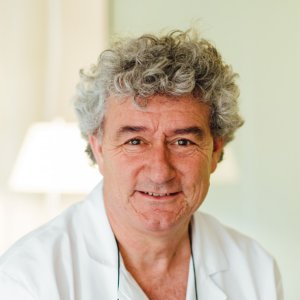
الدكتور جوردي أنطوني فيفيس اختصاصي أمراض النساء والتوليد في تيكنوجين (Centro Médico Teknon، برشلونة). يركّز على جراحة أورام أمراض النساء، وأمراض الرحم والحوض المعقّدة، وتنسيق لجنة الأورام. يقود قسم التوليد في مستشفى CIMA منذ 2015. وهو طبيب استشاري في Parc Taulí منذ 1990.
التعليم/الاعتمادات: درجة في الطب والجراحة، جامعة برشلونة (1983). إقامة MIR في أمراض النساء والتوليد (1990). دبلوم الجامعة الأوروبية في التنظير الجراحي في أمراض النساء، المستوى المتقدم (2000). اعتماد الجراحة الروبوتية ب
مشاركة المحتوى
قصص فيديو من مرضى Bookimed
 Anna Leonova
أسئلة متكررة حول علاج تكيس المبايض في إسبانيا
ما هي أكثر العلاجات أماناً والمبنية على الأدلة لمتلازمة تكيس المبايض المتوفرة في إسبانيا؟
توفر المراكز الطبية الإسبانية إدارة قائمة على الأدلة لمتلازمة تكيس المبايض (PCOS) من خلال برامج نمط الحياة والأدوية. تستخدم البروتوكولات الدولية الميتفورمين لمقاومة الأنسولين وموانع الحمل الفموية المركبة لتنظيم الدورة الشهرية. تعطي العيادات التي تركز على الخصوبة الأولوية للتروزول (Letrozole) وثقب المبيض بالمنظار للمريضات اللواتي يسعين للحمل.
- العلاج الهرموني: تعمل الحبوب المركبة على تثبيط إنتاج الأندروجين للتحكم في حب الشباب والشعرانية.
- الدعم الأيضي: يحسن الميتفورمين حساسية الأنسولين وينظم الدورات في الحالات الأيضية.
- تحفيز الإباضة: يعمل التروزول كعلاج خط أول للمريضات اللواتي يعانين من مشاكل العقم.
- الخيار الجراحي: يُستخدم ثقب المبيض بالمنظار عندما تظل التدخلات الدوائية غير ناجحة.
- التشخيص المتقدم: تستخدم العيادات تنظير الرحم وتحاليل الدم الموسعة لتحديد المرحلة الهرمونية بدقة.
رؤية خبير Bookimed: توفر مجمعات الرعاية الصحية الإسبانية ميزة فريدة من خلال شبكات متخصصة مثل HM Hospitales أو Quironsalud. تجمع هذه المرافق بين رعاية أمراض النساء والبحث السريري المتقدم. على سبيل المثال، توفر بعض المراكز في مدريد فرصاً للانضمام إلى تجارب سريرية تستكشف علاجات للأسباب الجذرية. يسمح هذا الوصول للمرضى بالاستفادة من العلاجات الناشئة التي لم تتوفر بعد على نطاق واسع في أماكن أخرى.
إجماع المرضى: يشير المرضى إلى أنه من المهم اختيار العيادات التي تقدم لوحات تشخيصية شاملة. غالباً ما يقدرون عندما يجمع متخصصون مثل
ما هي فترة التعافي أو المتابعة النموذجية بعد جراحة ثقب المبيض في إسبانيا؟
يستغرق التعافي بعد جراحة ثقب المبيض بالمنظار في إسبانيا عادةً من أسبوع إلى أسبوعين للأنشطة اليومية. تعود معظم المريضات إلى العمل المكتبي في غضون 5 أيام. يحدث الشفاء التام والعودة إلى التمارين الشاقة في غضون 4 إلى 6 أسابيع، حيث تستأنف الدورة الشهرية الطبيعية غالبًا.
- الراحة الأولية: يلزم الراحة النسبية لمدة 48 ساعة لمنع النزيف الداخلي والمضاعفات.
- استئناف النشاط: يُشجع على المشي الخفيف بعد 3 أيام للمساعدة في تخفيف آلام الغازات الجراحية.
- توقيت المتابعة: يحدد الأخصائيون الإسبان موعدًا للفحص بعد الجراحة في غضون 10 إلى 14 يومًا.
- المراقبة طويلة المدى: يتتبع الأطباء الإباضة ومستويات الهرمونات لمدة 6 أشهر لتقييم النجاح.
رؤية خبير Bookimed: تحتل إسبانيا المرتبة الرابعة عالميًا في الطلبات المتخصصة، مما يعكس المعايير العالية في رعاية أمراض النساء. يتمتع أخصائيون ذوو خبرة مثل الدكتور غييرمو لويس باسولس في مركز تكنون الطبي بأكثر من 30 عامًا من الخبرة. هذه الخبرة حيوية لأنهم يراقبون دورات الإباضة لمدة تصل إلى 12 شهرًا. يضمن تتبع البيانات طويل المدى هذا انتقال المريضات إلى علاجات بديلة مثل التلقيح الصناعي (IVF) إذا لم يحدث الحمل خلال الفترة المثالية.
إجماع المريضات: تشير المريضات إلى أن تقلصات الحوض وآلام الكتف الناتجة عن الغازات الجراحية شائعة خلال الأسبوع الأول. وتؤكد معظمهن أن القيام بمشي قصير في وقت مبكر يساعد بشكل كبير في تسريع عملية التعافي.
من يُعتبر مرشحاً مثالياً لعلاج تحفيز الإباضة مقابل التلقيح الصناعي (IVF) لمتلازمة تكيس المبايض (PCOS) في إسبانيا؟
المرشحات المثاليات لتحفيز الإباضة هن عادةً تحت سن 35 عاماً مع تأكيد سلامة قنوات فالوب وخصوبة طبيعية للشريك الذكر. تعطي العيادات الإسبانية المعتمدة من JCI الأولوية لهذا النهج الأقل توغلاً لمريضات تكيس المبايض اللواتي يعانين من انقطاع الإباضة. يُوصى بالتلقيح الصناعي (IVF) إذا فشل التحفيز بعد 3-6 دورات أو للمريضات فوق سن 38 عاماً.
- الملف العمري: النساء تحت سن 35 عاماً مؤهلات عادةً لأدوية الخط الأول مثل ليتروزول أو كلوميفين.
- المعايير السريرية: يجب أن تكون لدى المرشحات قنوات فالوب مفتوحة ومؤشر كتلة جسم أقل من 30.
- مؤشرات التلقيح الصناعي: يُوصى به في حالات بطانة الرحم المهاجرة الشديدة، انسداد القنوات، أو تقدم عمر الأم فوق 38 عاماً.
- تغيير البروتوكول: يقترح الأطباء التلقيح الصناعي لحالات مقاومة الأنسولين أو أولئك الذين يحتاجون إلى فحص جيني (PGT).
رؤية خبير Bookimed: تظهر البيانات من المراكز الإسبانية الرائدة مثل Centro Médico Teknon أن المتخصصين ذوي الخبرة العالية، بما في ذلك الدكتورة كايتانا باربيد التي تتمتع بخبرة تزيد عن 15 عاماً في الطب الإنجابي، يستخدمون غالباً بروتوكولات التلقيح الصناعي المصغر (mini-IVF) للمريضات اللواتي لديهن مستوى مرتفع من هرمون AMH. تسد هذه الاستراتيجية الفجوة بين التحفيز والتلقيح الصناعي الكامل، مما يقلل من مخاطر فرط تحفيز المبيض مع تعظيم جودة البويضات للمريضات اللواتي لديهن عدد كبير من الجريبات.
إجماع المرضى: يشير المرضى إلى أن العيادات الخاصة في مدريد وبرشلونة توفر وصولاً أسرع بكثير إلى التلقيح
ما هي المؤهلات التي يجب أن يحملها أطباء النساء الإسبان لعلاج متلازمة تكيس المبايض (PCOS)، وكيف يمكن للمرضى التحقق منها؟
يجب أن يحمل أطباء النساء الإسبان الذين يعالجون متلازمة تكيس المبايض شهادة في الطب ويكملوا إقامة MIR لمدة 4 سنوات في التوليد وأمراض النساء. غالبًا ما يحصل المتخصصون على شهادات إضافية في الطب الإنجابي أو الغدد الصماء. يمكن للمرضى التحقق من هذه المؤهلات عبر السجل الوطني للأطباء (OMC) أو كليات الطب الإقليمية.
- شهادة الطب: يجب أن يحمل الأطباء درجة Grado en Medicina من جامعة معترف بها.
- إقامة MIR: إكمال التدريب المتخصص في التوليد وأمراض النساء إلزامي.
- التسجيل الإقليمي: العضوية النشطة في Colegio Oficial de Médicos المحلي مطلوبة قانونًا.
- لقب متخصص: يجب أن يكون لدى الأطباء المدربين في الخارج ألقاب مصدقة من وزارة الصحة الإسبانية.
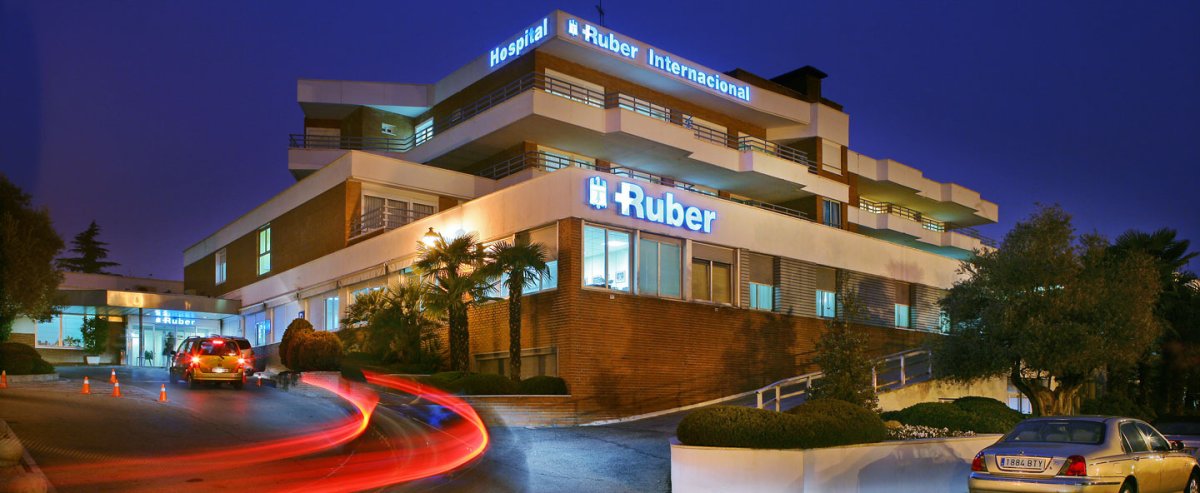
رؤية خبير Bookimed: ابحث عن متخصصين في عيادات معتمدة من JCI مثل Centro Médico Teknon أو Hospital Ruber Internacional. تُظهر بياناتنا أن خبراء متلازمة تكيس المبايض الأعلى تقييمًا، مثل الدكتور غييرمو لويس باسولس، غالبًا ما يتمتعون بأكثر من 30 عامًا من الخبرة وشهادات أوروبية إضافية في الجراحة التنظيرية. غالبًا ما ترتبط هذه المؤهلات المتخصصة برضا أعلى للمرضى ونتائج تشخيصية أكثر دقة.
إجماع المرضى: يشير المرضى إلى أنه من المهم التأكد من أن الطبيب عضو في الجمعية الإسبانية لأمراض النساء والتوليد (SEGO). غالبًا ما يشعرون بثقة أكبر عندما يؤكد الجراحون على الرعاية منخفضة التدخل والجداول الزمنية الواضحة للتشخيص.
هل تكون الشقوق أو الندبات مرئية بعد عملية ثقب المبيض بالمنظار، وكيف يتم إغلاقها؟
تترك عملية ثقب المبيض بالمنظار من 3 إلى 5 شقوق صغيرة يتراوح قياسها بين 5 مم و12 مم. عادة ما تتلاشى علامات ثقب المفتاح الصغيرة هذه لتصبح خطوطاً رفيعة وشاحبة في غضون عام واحد. معظم الندبات تكون غير مرئية تقريباً حيث يتم وضعها بالقرب من السرة أو تحت خط البكيني.
- حجم الشق: يقوم الجراحون بعمل فتحات صغيرة يتراوح طولها بين 0.5 سم و1 سم.
- إغلاق الجرح: يستخدم الأطباء خيوطاً جراحية قابلة للامتصاص، أو غراء جراحي، أو شريطاً لاصقاً معقماً.
- الجدول الزمني للشفاء: يزول معظم الاحمرار والتورم في غضون 4 إلى 6 أسابيع.
- العناية بالندبات: تستخدم المريضات هلام السيليكون أو واقي الشمس لمنع التصبغ الدائم.
رؤية خبير Bookimed: تدمج العيادات الإسبانية مثل Centro Médico Teknon التكنولوجيا المساعدة بالروبوت للحالات النسائية المعقدة. في حين أن عملية الثقب إجراء قياسي، فإن اختيار جراح حاصل على شهادة أوروبية في الجراحة بالمنظار يضمن استخدام تقنيات خياطة متقدمة. تساعد هذه الخبرة في تقليل الالتصاقات الداخلية، والتي تعد أكثر أهمية للخصوبة المستقبلية من علامات الجلد الخارجية.
إجماع المرضى: تشير المريضات إلى أن الشقوق تبدو كنقاط صغيرة أو خطوط بيضاء يسهل إخفاؤها تحت ملابس السباحة. تبلغ الكثيرات أن استخدام الغراء الجراحي بدلاً من الغرز التقليدية أدى إلى تعافٍ أسرع في غضون أسبوعين مع حد أدنى من الندبات المرئية.
ما هي المدن الإسبانية التي تقدم أكثر برامج علاج متلازمة تكيس المبايض (PCOS) شمولاً وباللغة الإنجليزية للمرضى الدوليين؟
تهيمن برشلونة ومدريد على المشهد الطبي في إسبانيا لعلاج متلازمة تكيس المبايض. تتميز هذه المدن بمرافق معتمدة من اللجنة الدولية المشتركة (JCI) مثل Centro Médico Teknon و Hospital Ruber Internacional. وهي توفر رعاية متعددة التخصصات تشمل أطباء أمراض النساء وأطباء الغدد الصماء. تدير معظم المراكز الخاصة من الدرجة الأولى أقساماً دولية مخصصة مع منسقين يتحدثون الإنجليزية بطلاقة.
- مراكز برشلونة: يقدم Centro Médico Teknon أكثر من 30 عاماً من الخبرة في الغدد الصماء النسائية.
- مرافق مدريد: يخدم Hospital Ruber Internacional أكثر من 25,000 مريض دولي سنوياً مع دعم باللغة الإنجليزية.
- التشخيص الشامل: تستخدم العيادات التصوير بالرنين المغناطيسي (MRI)، والأشعة المقطعية (CT)، وتحليلات الدم الموسعة لتحديد الملف الهرموني.
- وحدات متخصصة: يتميز Quironsalud Madrid بوحدة مخصصة للمساعدة على الإنجاب لمشاكل الخصوبة المتعلقة بمتلازمة تكيس المبايض.
رؤية خبراء Bookimed: بينما يركز العديد من المرضى على برشلونة، تدير مراكز مدريد مثل HM Hospitales أحجاماً هائلة مع أكثر من 2.3 مليون مريض خارجي سنوياً. غالباً ما يعني هذا المستوى العالي من النشاط بروتوكولات أكثر انسيابية لإدارة حالات متلازمة تكيس المبايض المعقدة بسرعة. يمكن أن يؤدي اختيار شبكة ضخمة مثل HM أو Quironsalud إلى تقليل أوقات الانتظار للتصوير التشخيصي مثل فحوصات PET-CT أو الرنين المغناطيسي.
إجماع المرضى: يشير المرضى إلى أنه من المهم تأكيد الطلاقة في اللغة الإنجليزية من خلال التواصل المباشر بدلاً