علاج تكيس المبايض في النمسا — احصل على 3 عيادات مختارة خصيصاً لك


تمت مراجعة المقالة طبيا من قبل
فهد مولود
كيف نعمل؟
ما هي تكلفة تكيس المبايض إجراءات التشخيص والعلاج في النمسا؟ اعرف الآن
من $140. تعتمد النفقات الإجمالية على المرحلة السريرية، والحاجة إلى تدخلات الخصوبة مثل التلقيح الصناعي (IVF)، ومستوى المستشفى المختار. غالبًا ما يجد المرضى الذين يزورون النمسا لهذه الإجراءات أعلى معايير الرعاية في فيينا وغراتس.
تكاليف علاج تكيس المبايض النموذجية في النمسا
- استشارة طبيب أمراض النساء: من $140
- تنظير الرحم: $550 – $1,100
- تحليل دم موسع: $150 – $400
- تخطيط تخثر الدم (Coagulogram): $50 – $150
- تخطيط كهربائية القلب (ECG): من $60
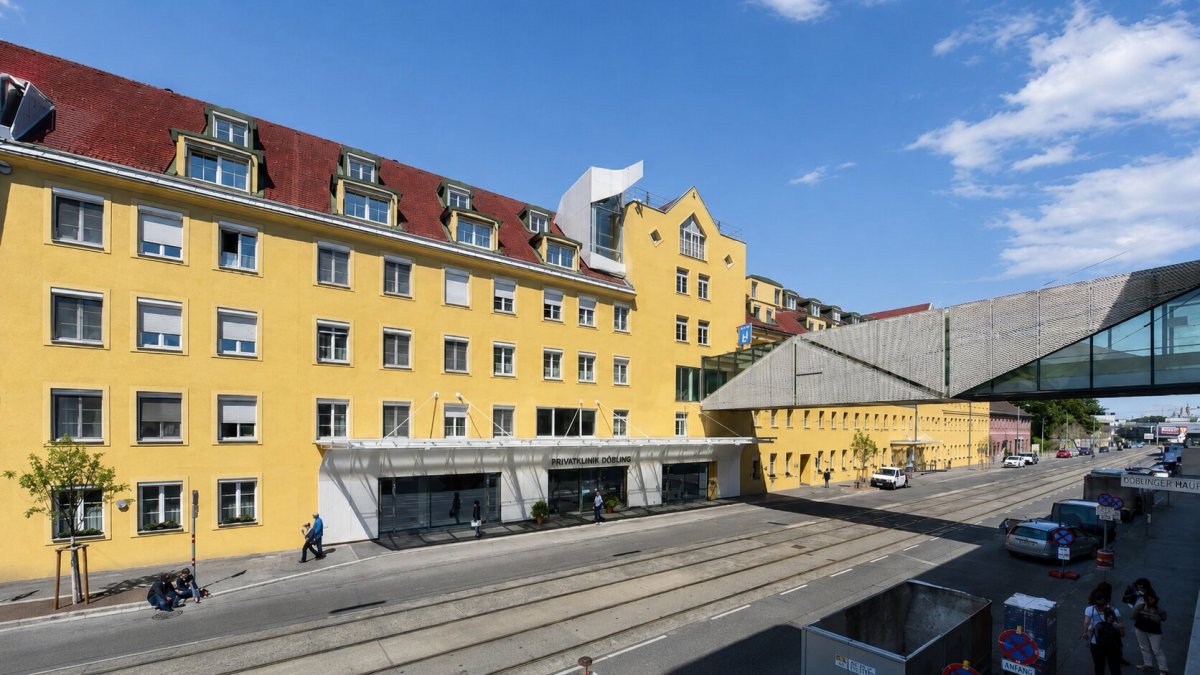
رؤية خبراء Bookimed: يجب على المرضى الذين يبحثون عن نتائج تشخيصية عالية الدقة التفكير في المراكز التابعة للجامعات. يوفر مستشفى فيينا العام (AKH) إمكانية الوصول إلى 42 معهدًا متخصصًا وتشخيصات مخبرية متقدمة. بالنسبة لأولئك الذين يعطون الأولوية للسلامة والرعاية الخاصة، يطبق مستشفى دوبلينج الخاص (Döbling Private Hospital) أهداف سلامة المرضى الدولية مع معدلات مضاعفات منخفضة. أما الأفراد الذين يحتاجون إلى تشخيصات جراحية في بيئة حديثة، فيجدون عيادة ليتش الخاصة (Leech Private Clinic) في غراتس فعالة للفحوصات المتعلقة بالغدد الصماء.
اكتشف أفضل تكيس المبايض العيادات في النمسا: 3 خيارات معتمدة والأسعار




Leech Private Clinic
مشاركة المحتوى
قصص فيديو من مرضى Bookimed
 Anna Leonova
أسئلة متكررة حول علاج تكيس المبايض في النمسا
ما هي العيادات في النمسا التي تحظى بأعلى التقييمات لعلاج متلازمة تكيس المبايض؟
من بين أفضل العيادات النمساوية لعلاج متلازمة تكيس المبايض، توجد مؤسسات حاصلة على شهادة الأيزو في فيينا وغراتس. وتقدم مراكز رائدة، مثل مستشفى دوبلينغ الخاص ومستشفى فيينا العام (AKH)، رعاية متعددة التخصصات. وتتخصص هذه المؤسسات في طب الغدد الصماء النسائية، وتنظيم الهرمونات، وطب الإنجاب للحالات المعقدة.
- التشخيص المتخصص: تستخدم العيادات تنظير الرحم، وتصوير التخثر، واختبارات الدم المتقدمة للوصول إلى التشخيص.
- التخصص العلمي: يدير مستشفى مدينة فيينا 42 عيادة جامعية لأبحاث الغدد الصماء المتطورة.
- سلامة المرضى: في مستشفى دوبلينغ الخاص، معدلات المضاعفات أقل بكثير من المعايير الدولية.
- رعاية جراحية عالية الكفاءة: تقدم عيادة ليتش الخاصة فحوصات متقدمة للغدد الصماء وإجراءات تنظير البطن المتخصصة.
رأي خبراء بوكيمد: يمكن للمرضى الاختيار بين مستشفى فيينا العام ذي السعة الكبيرة والنهج الشخصي الذي يقدمه مستشفى دوبلينغ الخاص. فبينما يعالج مستشفى فيينا العام 595 ألف مريض سنويًا باستخدام أحدث التقنيات الجامعية، يوفر مستشفى دوبلينغ قسمًا متخصصًا يضم 160 سريرًا. ويحافظ كلا المستشفيين على مستوى عالٍ من الخبرة، نظرًا لعملهما ضمن أحد أكثر أنظمة الرعاية الصحية صرامة في أوروبا.
هل يغطي التأمين الصحي النمساوي علاج متلازمة تكيس المبايض؟
يُغطي نظام التأمين الصحي العام النمساوي علاج متلازمة تكيس المبايض كجزء من الرعاية النسائية والطبية المتخصصة. ويُغطي صندوق التأمين الصحي النمساوي (ÖGK) تكاليف الخدمات التشخيصية بالكامل، بما في ذلك تحاليل الدم والتصوير بالموجات فوق الصوتية. ولضمان التغطية، يجب على المرضى استخدام بطاقة التأمين الصحي الإلكترونية الخاصة بهم في المؤسسات المتعاقدة معهم.
- الخدمات التشخيصية: يتم تغطية فحوصات الموجات فوق الصوتية وفحوصات الدم للهرمونات بالكامل بواسطة تأمين ÖGK.
- اختيار الطبيب: يقدم الأطباء الذين أبرموا اتفاقية مع كاسينارت خدماتهم دون أي دفع مسبق من المريض.
- تكاليف الأدوية: يتم تغطية الأدوية الأساسية مثل الميتفورمين من قبل التأمين بعد دفع رسوم الوصفة الطبية القياسية.
- الأطباء الخاصون: تتطلب زيارات الأخصائيين الخاصين (Wahlarzt) دفعًا مقدمًا مع استرداد جزئي بنسبة 80٪ من التكلفة.
رأي خبراء بوكيمد: غالبًا ما تعتمد جودة علاج متلازمة تكيس المبايض في النمسا على حجم المستشفى وتاريخه. يعالج مستشفى فيينا العام (AKH) أكثر من 595,000 مريض سنويًا، ويضم 42 معهدًا جامعيًا. يتيح هذا الحجم الوصول إلى أخصائيي الغدد الصماء النادرين غير المتوفرين في العيادات الصغيرة. اختر المراكز الجامعية للحصول على
ما هي العلاجات القياسية لمتلازمة تكيس المبايض المستخدمة في المراكز النمساوية؟
تستخدم العيادات النمساوية العلاج الهرموني والعلاجات الأيضية لعلاج متلازمة تكيس المبايض. تشمل البروتوكولات القياسية حبوب منع الحمل المركبة والميتفورمين لعلاج مقاومة الأنسولين. يُستخدم الليتروزول لتحفيز الإباضة. تقدم مراكز متخصصة، مثل عيادة دوبلينغ الخاصة، علاجات أحدث، مثل استئصال المبيض بالمنظار أو التلقيح الصناعي.
- التنظيم الهرموني: تعمل موانع الحمل الفموية المركبة على تنظيم الدورة الشهرية وتقليل الأعراض المرتبطة بالأندروجين.
- الدعم الأيضي: يعالج الميتفورمين مقاومة الأنسولين ويساعد في إدارة الوزن.
- خيارات علاج العقم: يحفز الليتروزول أو الكلوميفين الإباضة لدى المرضى الذين يرغبون في الحمل.
- التدخل الجراحي: استئصال المبيض بالمنظار هو خيار علاجي من الدرجة الثانية لعلاج العقم.
رأي خبراء بوكيمد: يعالج مستشفى فيينا العام ما يقارب 595,000 مريض سنويًا. يضمن هذا الحجم الكبير من العمل، الموزع على 42 معهدًا متخصصًا، مستوى عالٍ من الخبرة التشخيصية. كما يتيح الوصول إلى ستة مختبرات داخلية إجراء فحوصات هرمونية واستقلابية أسرع. ويستفيد المرضى من هذه البنية التحتية المركزية في حالات الغدد الصماء المعقدة.
ملاحظات المرضى: يش