علاج التهاب العصب في العصب الوجهي في إسبانيا — احصل على 3 عيادات مختارة خصيصاً لك


تمت مراجعة المقالة طبيا من قبل
فهد مولود
كيف نعمل؟
ما هي تكلفة التهاب العصب في العصب الوجهي إجراءات التشخيص والعلاج في إسبانيا؟ اعرف الآن
من $130
تكاليف علاج التهاب العصب الوجهي النموذجية في إسبانيا
- استشارة طبيب أعصاب: من $130
- الأشعة المقطعية للجيوب الأنفية: من $680
- تحليل دم موسع: من $210
- تحليل تخثر الدم (Coagulogram): $30 – $60
- تخطيط كهربائية القلب (ECG): من $110
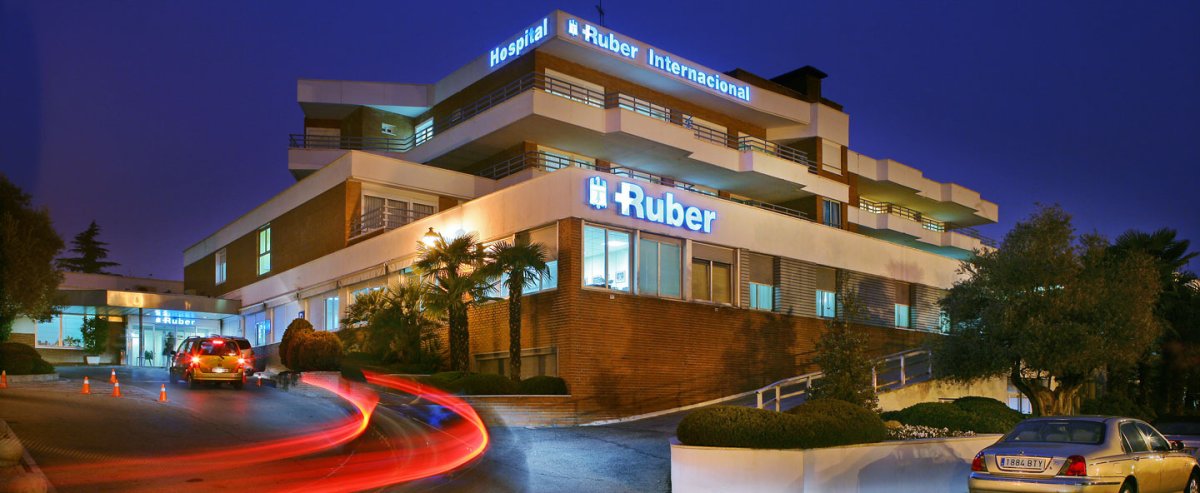
رؤية خبراء Bookimed: يجب على المرضى الذين يعانون من تلف شديد في الأعصاب إعطاء الأولوية للمراكز المعتمدة من قبل اللجنة الدولية المشتركة (JCI) مثل Centro Médico Teknon. فهي تقدم برامج مكثفة لإعادة التأهيل العصبي من أجل التعافي على المدى الطويل. بالنسبة للحالات المعقدة التي تتطلب خبرة متعددة التخصصات، يخدم مستشفى Hospital Ruber Internacional عدداً كبيراً من المرضى الدوليين. وتعد Clinica Universidad de Navarra مثالية لأولئك الذين يبحثون عن أبحاث سريرية من الدرجة الأولى، حيث تم تصنيفها مراراً وتكراراً ضمن أفضل المستشفيات في العالم من قبل مجلة نيوزويك. إن اختيار المراكز التي تضم وحدات أعصاب متخصصة يضمن الوصول إلى متخصصين مثل الدكتورة آنا بوجول، التي تنسق بروتوكولات متقدمة لإعادة التأهيل العصبي.
اكتشف أفضل التهاب العصب في العصب الوجهي العيادات في إسبانيا: 9 خيارات معتمدة والأسعار









SJD Barcelona Children’s Hospital








احصل على تقييم طبي لـ في إسبانيا. استشر الآن 6 أطباء ذوي الخبرة.
عرض جميع الأطباء
Anna Pujol
تم إجراء أكثر من 900 علاج عصبي – يتخصص الدكتور بوجول في الحالات العصبية المعقدة في مركز تكنون الطبي (Centro Médico Teknon).
- _doctor_8193_سنوات_ من الخبرة في طب الأعصاب
- باحث وأستاذ في مؤسسات رائدة
- نشر أبحاث في مجلات وطنية ودولية
- عضو في الأكاديمية الأمريكية لطب الأعصاب

Erika María Torres San Narciso
رئيس وحدة العلوم العصبية المتقدمة في Quirónsalud – الدكتور توريس متخصص في طب الأعصاب مع التركيز على الرعاية التي تتمحور حول المريض.
- يقود فرق أعصاب متعددة التخصصات للحالات المعقدة
- متخصص في الصرع واضطرابات الحركة
- عضو في الجمعيات الإسبانية والفالنسية لطب الأعصاب
- نشط في الأبحاث السريرية والمساهمات العلمية

Rafael Arroyo González
رئيس قسم الأعصاب في مستشفى كيرونسالود مدريد مع أكثر من _doctor_8448_ سنوات_ من القيادة. باحث رئيسي في أبحاث التصلب المتعدد والالتهابات العصبية.
- باحث رئيسي في أكثر من 100 تجربة سريرية في علوم الأعصاب
- نشر 139 مقالاً دولياً في مجلات مرموقة
- أستاذ الطب مع اعتماد وطني
- متخصص في الاضطرابات العصبية المعقدة
Irene Sánchez Miranda
مواد ذات صلة

كم يكلف علاج التهاب العصب الوجهي؟
كتب بواسطة Veronika Kazina
مشاركة المحتوى
قصص فيديو من مرضى Bookimed
 Anna Leonova
أسئلة متكررة حول علاج التهاب العصب في العصب الوجهي في إسبانيا
ما هي العلاجات الطبية الأساسية المستخدمة في العيادات الإسبانية لالتهاب العصب الوجهي؟
تعالج العيادات الإسبانية التهاب العصب الوجهي باستخدام جرعات عالية من الكورتيكوستيرويدات والتآزر المضاد للفيروسات لتقليل التهاب الأعصاب. توفر المراكز عالية التخصص في مدريد وبرشلونة رعاية متعددة التخصصات. تشمل العلاجات إعادة التأهيل البدني، ومعدلات الأعصاب، والجراحة المجهرية. يظل التدخل المبكر في غضون 72 ساعة هو الأولوية لتحقيق التعافي الأمثل.
- العلاج الدوائي: يصف الأطباء الكورتيكوستيرويدات مثل بريدنيزون لتقليل تورم الأعصاب.
- النهج الفيروسي: تُضاف مضادات الفيروسات بما في ذلك فالاسيكلوفير في حالات الاشتباه في الإصابة بفيروس الهربس النطاقي.
- العناية بالعين: تمنع أنظمة الترطيب تلف القرنية باستخدام الدموع الاصطناعية وغرف الرطوبة.
- إعادة التأهيل العصبي العضلي: يستخدم المتخصصون الارتجاع البيولوجي وتمارين محددة لإعادة تدريب عضلات الوجه.
- إعادة التأهيل الجراحي: يقوم الجراحون بإجراء ترقيع الأعصاب أو نقل العضلات في حالات الشلل المستمر.
رؤية خبير Bookimed: توفر أقسام الأعصاب الإسبانية عمقاً تشخيصياً مبهراً قبل بدء العلاج. غالباً ما تجري عيادات مثل Centro Médico Teknon أو Ruber Internacional تصوير مقطعي للجيوب الأنفية واختبارات التخثر. وهذا يضمن أن الالتهاب ليس عرضاً لمشاكل وعائية أو هيكلية كامنة. يجب على المرضى إعطاء الأولوية للعيادات التي تضم وحدات إعادة تأهيل عصبي متكاملة لضمان انتقال سلس من العلاج الدوائي إلى العلاج الطبيعي.
إجماع المرضى: يؤكد المرضى أن الحصول على موعد مع متخصص في الأيام الثلاثة الأولى
ما هي المستشفيات والعيادات الإسبانية الأكثر خبرة في العلاج الحاد وإعادة التأهيل طويل الأمد لشلل الوجه المحيطي؟
توفر المراكز الطبية الإسبانية مثل مستشفى جامعة لا باز (Hospital Universitario La Paz) ومركز تكنون الطبي (Centro Médico Teknon) رعاية متقدمة لشلل الوجه. تستخدم هذه المرافق وحدات متعددة التخصصات للتشخيص الحاد وإعادة البناء بالجراحة المجهرية. تقدم المراكز المتخصصة مثل معهد جوتمان (Institut Guttmann) إعادة تأهيل عصبي مكثف لإدارة الآثار العصبية طويلة الأمد.
- وحدات متخصصة: يضم مستشفى جامعة لا باز وحدة متعددة التخصصات تغطي ثمانية تخصصات طبية.
- خبرة جراحية: يتخصص مركز تكنون الطبي في جراحة إعادة التنشيط المجهرية ذات الحجم الكبير لإصلاح الأعصاب.
- القيادة العصبية: يقود الدكتور خيسوس روميرو إمبرودا الوحدات العصبية في كويرونسالود ملقا وماربيا.
- إعادة التأهيل المتكامل: يتعاون مستشفى HM Nou Delfos مع معهد جوتمان لبرامج التعافي العصبي المعقدة.
- الوصول التشخيصي: تقدم العيادات الخاصة تخطيط كهربية العضل (EMG) السريع لتقييم تلف الأعصاب في غضون 14 يوماً.
رؤية خبير Bookimed: تظهر بيانات الرعاية الصحية الإسبانية تمييزاً واضحاً بين مراكز الجراحة الحادة ومرافق التعافي. بينما يعالج مستشفى روبر الدولي (Hospital Ruber Internacional) 25,000 مريض سنوياً للتدخلات الجراحية، غالباً ما يتطلب التعافي المتخصص شراكات ثانوية. يجب على المرضى الذين يسعون لاستعادة الوظائف الكاملة البحث عن عيادات مثل HM Nou Delfos. لديهم اتفاقيات رسمية مع معهد جوتمان لسد الفجوة بين الجراحة وإعادة التأهيل العصبي المكثف.
إجماع المرضى: غالباً ما يجد الم
ما مدى سرعة توقع التعافي، وما هي المعالم الموضوعية التي يتم اتباعها؟
عادةً ما يلاحظ المرضى تعافيًا أوليًا في غضون 2 إلى 6 أسابيع عند بدء التدخل الطبي المبكر. غالبًا ما يستغرق التماثل الكامل للوجه ووظيفة الأعصاب من 3 إلى 9 أشهر حتى تستقر. تراقب المراكز الإسبانية التقدم من خلال طرق تشخيصية متخصصة بما في ذلك تخطيط كهربية العضل وتحليلات الدم التفصيلية.
- المرحلة المبكرة: غالبًا ما تظهر التحسينات الأولية في توتر عضلات الوجه في غضون 14 إلى 45 يومًا.
- التشخيص السريري: يستخدم الخبراء في Centro Médico Teknon تخطيط القلب الكهربائي ومخططات التخثر لمراقبة الصحة الجهازية.
- التتبع الوظيفي: تعمل فحوصات إغلاق العين الأسبوعية كمعلم حاسم للتنبؤ طويل الأمد.
- النافذة طويلة الأمد: قد يستغرق حل جفاف العين المستمر أو ضعف الجفن 12 شهرًا.
رؤية خبير Bookimed: تُظهر البيانات من أفضل العيادات الإسبانية مثل مستشفى HM Nou Delfos ميزة كبيرة في شراكتهم مع معهد جوتمان. يوفر هذا التعاون إمكانية الوصول إلى إعادة التأهيل العصبي المتخصص غير المتاح في المستشفيات العادية. غالبًا ما يؤدي اختيار منشأة لديها اتفاقيات إعادة تأهيل عصبي مخصصة إلى رعاية متابعة أكثر تنظيمًا لحالات الأعصاب المعقدة.
إجماع المرضى: يشير المرضى إلى أنه من المهم البدء بتدليك الوجه وحماية العين على الفور لتسريع التعافي المحتمل. ويؤكدون أنه على الرغم من أن الابتسامة قد تعود مبكرًا، إلا أن عدم التماثل قد يستمر لأكثر من 6 أشهر.
ما هي الخيارات المتقدمة المتاحة إذا توقف التعافي أو ظهرت مضاعفات مثل التشنج المصاحب (Synkinesis)؟
توفر مراكز الأعصاب الإسبانية تعديلاً عصبياً متقدماً وتدخلات جراحية لتعافي العصب الوجهي المتوقف. تشمل الخيارات حقن توكسين البوتولينوم لإدارة التشنج المصاحب والتحلل العصبي الانتقائي للحركات غير الطبيعية. تعمل إعادة التنشيط الجراحي المجهري باستخدام نقل الأعصاب أو ترقيع العضلات على استعادة العفوية في الحالات المزمنة من خلال مرافق معتمدة من JCI.
- علاج البوتوكس: تعمل الحقن المتخصصة على إضعاف العضلات المفرطة النشاط لاستعادة تناسق الوجه والراحة.
- إعادة التدريب العصبي العضلي: تعمل تمارين المرآة المتخصصة والارتجاع البيولوجي على عزل الحركات المقصودة عن التشنجات اللاإرادية.
- التحلل العصبي الانتقائي: يقوم الجراحون بقص فروع الأعصاب بشكل انتقائي لإيقاف إغلاق العين أثناء الابتسام.
- نقل العضلات: تعمل عمليات زرع عضلة غراسيلس من الفخذ على استعادة القدرة على الابتسام المفقودة بعد سنوات.
- نقل الأعصاب: يتم إعادة توجيه أعصاب العضلة الماضغة أو تحت اللسان لتنشيط عضلات الوجه المشلولة.
رؤية خبير Bookimed: تظهر البيانات أن المراكز الإسبانية مثل مستشفى روبر الدولي ومركز تيكنون الطبي توفر تركيزاً عالياً من أطباء الأعصاب ذوي الخبرة التي تزيد عن 30 عاماً. هذه الخبرة حيوية للتشخيصات المعقدة. في حالة توقف التعافي، ابحث عن متخصصين مثل الدكتور أوريول فرانش الذين يركزون على الحالات العصبية العضلية النادرة. غالباً ما تعتمد النتائج الناجحة على هذه الآراء الثانية للمسارات الجراحية غير القياسية.
إجماع المرضى: يؤكد المرضى على أهمية ا
ماذا يعني "الرعاية متعددة التخصصات" في المراكز الإسبانية، وما هي التخصصات المشاركة؟
تتضمن الرعاية متعددة التخصصات في المراكز الإسبانية فريقاً منسقاً من المتخصصين الذين يتوصلون إلى إجماع بشأن العلاج من خلال اجتماعات منتظمة. بالنسبة لالتهاب العصب الوجهي، تضم الفرق عادةً أطباء أعصاب، وأطباء أنف وأذن وحنجرة، وأطباء عيون. يتعاون هؤلاء الخبراء لمنع حدوث مضاعفات مثل تلف القرنية أو التشنج المصاحب.
- طب الأعصاب: يدير أطباء مثل الدكتور أوريول فرانش التهاب الأعصاب والوظائف الحركية.
- طب الأنف والأذن والحنجرة: يقوم المتخصصون بتقييم إصابة الأذن الوسطى أو المحفزات الفيروسية التي تؤثر على العصب.
- طب العيون: يحمي الخبراء العين إذا فشل الجفن في الانغلاق بشكل صحيح.
- العلاج الطبيعي: يقدم المتخصصون إعادة تأهيل مبكرة للحفاظ على قوة العضلات ومنع الضمور.
رؤية خبير Bookimed: تعطي المراكز الصحية الإسبانية الأولوية للتنسيق واسع النطاق، حيث يتعاون مستشفى HM Nou Delfos مع معاهد متخصصة مثل معهد جوتمان (Institut Guttmann) لإعادة التأهيل العصبي. تظهر البيانات أن المستشفيات الجامعية الكبرى في مدريد وبرشلونة تدمج من 4 إلى 6 تخصصات في مسار علاجي واحد للمريض. يؤدي هذا التكامل الهيكلي إلى تشخيصات أكثر دقة، مثل استخدام تصوير EOS عالي الدقة إلى جانب الاستشارات العصبية.
إجماع المرضى: يشير المرضى إلى أنه من الضروري طلب "فريق متعدد التخصصات" (equipo multidisciplinar) عند الدخول لضمان تواصل جميع المتخصصين. ويؤكدون أن التنسيق المبكر بين أطباء الأعصاب وأخصائيي العلاج الطبيعي يساعد في اكتشاف الآثار الجانبية للستيرويدات ويسرع التعافي.
هل يمكن للمرضى الأجانب الحصول على رأي أو خطة علاج قبل السفر إلى إسبانيا؟
يمكن للمرضى الدوليين الحصول على آراء طبية مفصلة وخطط علاج من متخصصين إسبان قبل السفر. توفر المراكز الرائدة تقييمات عن بُعد عبر بوابات آمنة أو استشارات فيديو. يقوم الأطباء بمراجعة التاريخ المرضي والاختبارات التشخيصية مثل التصوير بالرنين المغناطيسي أو الأشعة المقطعية لوضع بروتوكولات لالتهاب العصب الوجهي.
- التقييمات عن بُعد: يقدم المتخصصون تقارير مكتوبة وآراء ثانية في غضون 2-5 أيام عمل.
- استشارات الفيديو: تقدم عيادات مثل Centro Médico Teknon و Clinica Universidad de Navarra مكالمات فيديو مباشرة.
- إمكانية الوصول اللغوي: يتم قبول السجلات باللغة الإنجليزية أو الإسبانية في المرافق الرئيسية المعتمدة من JCI.
- خبرة في طب الأعصاب: يقدم أطباء مثل الدكتور أوريول فرانش آراء ثانية معقدة للمرضى الدوليين.
رؤية خبير Bookimed: بينما تحتل إسبانيا المرتبة الرابعة عالمياً من حيث طلبات المرضى، تكشف بياناتنا عن ممر متخصص عالي الحجم في برشلونة ومدريد. تدير مؤسسات مثل Hospital Ruber Internacional و HM Madrid ما يصل إلى 75,000 مريض داخلي سنوياً، مما يضمن أن أطباء الأعصاب عن بُعد لديهم خبرة واسعة في أمراض الأعصاب النادرة. للحصول على أسرع استجابة، غالباً ما يضمن اختيار العيادات التي تستقبل أكثر من 10,000 مريض سنوياً وجود أقسام دولية أكثر قوة وتنسيقاً رقمياً أكثر سلاسة.
إجماع المرضى: يشير المرضى إلى أنه من الضروري تحميل صور عالية الجودة في وقت مبكر لتجنب التأخير في تلقي تأكيدات الجدوى الجراحية. يشارك الكثيرون أن الدفع مقابل خطة عن بُعد هو استثمار
ما هي المدة المعتادة للإقامة في البلد لإجراء التقييم والعلاج الأولي؟
عادة ما يبقى المرضى في إسبانيا لمدة تتراوح بين 5 إلى 10 أيام لتقييم التهاب العصب الوجهي. تنتهي الفحوصات التشخيصية مثل تخطيط كهربية العضل والتصوير عادةً في غضون 3 أيام. تبدأ بروتوكولات الكورتيكوستيرويد أو العلاج الطبيعي الأولية على الفور. يسمح هذا الإطار الزمني بالاستقرار الكامل قبل السفر.
- فترة التقييم: عادة ما يتم تجميع الاختبارات التشخيصية في غضون 3 إلى 5 أيام من الوصول.
- بدء العلاج: يبدأ العلاج بالكورتيكوستيرويد أو العلاج الطبيعي عادةً بحلول اليوم الثاني.
- الإقامة في المستشفى: تستمر المراقبة داخل المستشفى من 2 إلى 4 أيام إذا كانت هناك حاجة إلى دخول المستشفى.
- الحالات المعقدة: قد تؤدي الأعراض الشديدة أو التشخيصات المعقدة إلى تمديد الإقامة إلى 14 يوماً.
رؤية خبير Bookimed: تعد برشلونة مركزاً استراتيجياً للتشخيص العصبي السريع. يحافظ مركز Centro Médico Teknon ومستشفى Hospital Quiron Barcelona على أحجام كبيرة من المرضى وقدرة تصوير واسعة النطاق. غالباً ما تقوم هذه المراكز بتجميع الاختبارات التشخيصية مثل الأشعة المقطعية والاستشارات العصبية. تساعد هذه الكفاءة المرضى الدوليين على إكمال تقييم كامل في غضون 5 أيام.
إجماع المرضى: يشير المرضى إلى أن التخطيط لرحلة مدتها 7 إلى 10 أيام يوفر هامشاً ضرورياً للجدولة. يوصي الكثيرون بتأكيد خيارات المتابعة عن بُعد قبل المغادرة لأن معظم مراقبة التعافي تتم في المنزل.