التهاب العصب في العصب الوجهي العلاج في ألمانيا - التكاليف 2026


تمت مراجعة المقالة طبيا من قبل
فهد مولود
ما هي تكلفة التهاب العصب في العصب الوجهي إجراءات التشخيص والعلاج في ألمانيا؟ اعرف الآن
من $220. تعتمد النفقات الإجمالية على المرحلة السريرية، والحاجة إلى إزالة الضغط الجراحي، ومستوى العيادة المختارة. غالباً ما يوفر المرضى ما بين 20-40% مقارنة بالولايات المتحدة. تشمل أفضل المدن لهذا العلاج هامبورغ، وبرلين، وفرانكفورت أم ماين.
تكاليف علاج التهاب العصب الوجهي النموذجية في ألمانيا
- استشارة طبيب أعصاب: $190 – $340
- أشعة مقطعية للجيوب الأنفية: من $220
- تحليل دم موسع: من $150
- تحليل تخثر الدم (Coagulogram): من $40
- تخطيط كهربائية القلب (ECG): $50 – $60
رؤية خبراء Bookimed: يستفيد المرضى الذين يعانون من تلف معقد في الأعصاب من المستشفيات الجامعية متعددة التخصصات. يوفر مستشفى شاريتيه - مستشفى جامعة برلين إمكانية الوصول إلى تشخيصات متقدمة بمساعدة الذكاء الاصطناعي لرسم خرائط دقيقة للأعصاب. بالنسبة للتدخلات الجراحية المجهرية، تقدم عيادة نوردويست رعاية عالية القيمة تحت إشراف البروفيسور بيتر أولريش، وهو متخصص يتمتع بخبرة 39 عاماً. تُعد عيادة أسكليبيوس نورد مثالية للحالات التي تتطلب خبرة مشتركة في جراحة الوجه والفكين والأعصاب في مكان واحد.
مزاياك وضماناتك مع Bookimed
أسعار مباشرة
Bookimed لا يضيف رسوماً إضافية على أسعار علاج التهاب العصب في العصب الوجهي. الأسعار مأخوذة من قوائم الأسعار الرسمية للعيادات. تدفع مباشرة في العيادة مقابل علاجك عند وصولك إلى البلد.
عيادات وأطباء معتمدون فقط
Bookimed ملتزم بسلامتك. نحن نعمل فقط مع المؤسسات الطبية التي تحافظ على معايير دولية عالية في علاج التهاب العصب في العصب الوجهي ولديها التراخيص اللازمة لخدمة المرضى الدوليين في جميع أنحاء العالم.
مساعدة مجانية على مدار الساعة
Bookimed يقدم مساعدة خبراء مجانية. منسق طبي شخصي يدعمك قبل وأثناء وبعد العلاج، ويحل أي مشاكل. لن تكون وحيداً أبداً في رحلة علاج التهاب العصب في العصب الوجهي.

منسقك الطبي الشخصي في Bookimed
- يدعمك في كل مرحلة
- المساعدة في اختيار العيادة الطبية المناسبة والطبيب المناسب
- يضمن الوصول السريع والمريح إلى المعلومات
اكتشف أفضل التهاب العصب في العصب الوجهي العيادات في ألمانيا: 16 خيارات معتمدة والأسعار








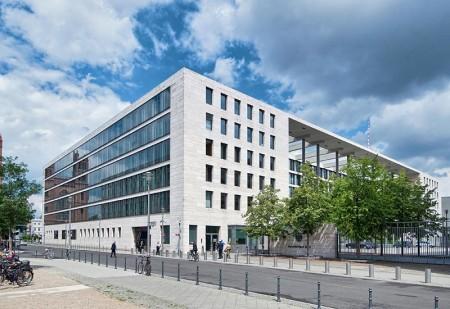
University Hospital Magdeburg

St. Marienstift Clinic

Elbland Clinic

Leopoldina Hospital Schweinfurt


احصلوا على تقييم طبي لـ التهاب العصب في العصب الوجهي في ألمانيا: استشيروا أطباء ذوي خبرة الآن
عرض جميع الأطباء
Marcel Dihne
البروفيسور ديني خبير في تجديد الجهاز العصبي، حيث يجمع بين المعرفة التشريحية العميقة والرعاية الشخصية لالتهاب العصب الوجهي.
- أكثر من _doctor_6627_عاماً_ من الخبرة في طب الأعصاب، بما في ذلك _doctor_6627_عاماً_ في رئاسة قسم
- حائز على جوائز لأبحاثه المتميزة في التطبيقات السريرية للخلايا الجذعية
- متخصص في تجديد الجهاز العصبي باستخدام مصفوفات القطب الكهربائي الدقيق
- رئيس قسم سابق في مستشفى سانت لوكاس في سولينجن

Peter Ulrich
يرأس الدكتور بيتر أولريش قسم جراحة الأعصاب في عيادة نوردويست، ويتمتع بخبرة في ممارسة جراحة الأعصاب المتخصصة.
- متخصص في الجراحة المجهرية للدماغ والعمود الفقري والأوعية الدموية
- باحث منشور في علم الأعصاب ومعترف به دولياً
- تدرب في جامعة غوته وجامعة غوتنبرغ
- عضو في العديد من الجمعيات المرموقة لجراحة الأعصاب في جميع أنحاء العالم
- رئيس سابق لأقسام جراحة الأعصاب في أربع عيادات ألمانية
مواد ذات صلة

كم يكلف علاج التهاب العصب الوجهي؟
كتب بواسطة Veronika Kazina
مشاركة المحتوى
قصص فيديو من مرضى Bookimed
 Anna Leonova
أسئلة متكررة حول علاج التهاب العصب في العصب الوجهي في ألمانيا
هل علاج شلل بيل (التهاب العصب الوجهي مجهول السبب) في ألمانيا آمن وفعال؟
يعد علاج شلل بيل في ألمانيا آمنًا وفعالًا للغاية، حيث يتبع إرشادات الجمعية الألمانية لطب الأعصاب الصارمة. تحقق المراكز المتخصصة تعافيًا كاملاً لمعظم المرضى باستخدام بروتوكولات التدخل المبكر. تضمن التشخيصات المتقدمة مثل تخطيط كهربية العضل والتصوير بالرنين المغناطيسي استهدافًا دقيقًا داخل المستشفيات المعتمدة من قبل JCI أو ISO في برلين وهامبورغ وفرانكفورت.
- العلاج الأولي: تظل الكورتيكوستيرويدات هي المعيار الأول لتعزيز التعافي الكامل لوظيفة العصب.
- الدقة التشخيصية: تستخدم العيادات الأشعة المقطعية للجيوب الأنفية وتحاليل الدم لاستبعاد الالتهابات.
- الخبرة المتخصصة: يتخصص أطباء الأعصاب مثل الدكتور مارسيل ديني في تجديد الجهاز العصبي المعقد.
- النجاح الجراحي: قد تتلقى الحالات المستعصية إعادة بناء للأعصاب بمعدلات نجاح تتجاوز 80-90%.
رؤية خبير Bookimed: غالبًا ما تدمج أقسام الأعصاب الألمانية معاهد الأبحاث مباشرة في رعاية المرضى. على سبيل المثال، تضم عيادة نوردويست 5 معاهد بحثية و11 مركزًا متخصصًا. يسمح هذا الهيكل للمرضى بالوصول إلى بروتوكولات مبتكرة لتجديد الأعصاب قد لا تكون معيارية بعد في العيادات الخاصة الصغيرة.
إجماع المرضى: يؤكد المرضى أن بدء العلاج بالستيرويد خلال أول 72 ساعة أمر حيوي للنجاح. يشير الكثيرون أيضًا إلى أن حماية العين المستمرة، بما في ذلك استخدام اللاصق والقطرات، ضرورية لمنع تلف القرنية الدائم أثناء التعافي.
ما هي خيارات العلاج المتاحة لالتهاب العصب الوجهي في ألمانيا؟
تقدم ألمانيا علاجاً شاملاً لالتهاب العصب الوجهي وفقاً للمبادئ التوجيهية الصارمة للجمعية الألمانية لطب الأعصاب. يركز العلاج على نافذة زمنية مدتها 72 ساعة باستخدام الكورتيكوستيرويدات الفموية مثل بريدنيزولون. توفر المراكز المتخصصة في هامبورغ وبرلين وفرانكفورت تشخيصات متقدمة، بما في ذلك تخطيط كهربائية العضل (EMG) والأشعة المقطعية.
- الأدوية الحادة: يعتبر البريدنيزولون المعيار الذهبي لتقليل التهاب الأعصاب في غضون 72 ساعة.
- حماية العين: تمنع الدموع الاصطناعية والدروع المحافظة على الرطوبة تلف القرنية.
- إعادة التأهيل العضلي: تعمل العلاجات التعبيرية المتخصصة وعلاج النطق على استعادة تنسيق عضلات الوجه.
- إعادة التنشيط الجراحي: تعالج عمليات نقل الأعصاب المجهرية أو زراعة العضلات الشلل الدائم.
رؤية خبير Bookimed: يستفيد المرضى الذين يبحثون عن العلاج في ألمانيا من التركيز العالي للمستشفيات الجامعية متعددة التخصصات. تدمج مستشفى شاريتيه - برلين وعيادة أسكليبيوس ألتونا بين طب الأعصاب والجراحة التجميلية في نفس المنشأة. تظهر البيانات أن هذه المراكز تدير أحجاماً كبيرة، حيث تخدم شاريتيه أكثر من 800,000 مريض سنوياً. يسمح هذا النطاق بالانتقال السريع من العلاج الطبي إلى الجراحة الترميمية المتخصصة إذا تعثر التعافي الأولي.
إجماع المرضى: يؤكد المرضى على أهمية البدء في تناول الستيرويدات فوراً لتحسين النتائج. يلاحظ الكثيرون أن تتبع التقدم من خلال الصور الأسبوعية واختبارات EMG يساعد في مراقبة نمو الأعصاب بفعالية.
كم تستغرق فترة التعافي وما هو الجدول الزمني النموذجي للرعاية في ألمانيا؟
تستغرق عملية التعافي من التهاب العصب الوجهي في ألمانيا عادةً من 3 إلى 6 أشهر لتحقيق تحسن ملحوظ. قد يستمر تجدد العصب بالكامل لمدة 12 شهرًا. يشمل العلاج استخدام الكورتيكوستيرويدات وإعادة التأهيل العصبي العضلي المتخصص في مراكز معتمدة من اللجنة الدولية المشتركة (JCI) مثل مستشفى أسكليبيوس بارمبيك أو عيادة نوردويست.
- مرحلة التشخيص: تشمل التصوير بالرنين المغناطيسي، والموجات فوق الصوتية ثلاثية الأبعاد، وتحاليل الدم الموسعة في غضون 48 ساعة.
- الرعاية الحادة: علاج فوري بالكورتيكوستيرويدات ومضادات الفيروسات لتقليل التهاب العصب والضغط عليه.
- إعادة التأهيل العصبي العضلي: يبدأ العلاج الطبيعي المكثف وتمارين الوجه أثناء فترة الإقامة في المستشفى.
- المتابعة: يراقب أطباء الأعصاب التقدم لمدة 6 أشهر لضمان الأداء السليم للعصب.
رؤية خبير Bookimed: غالبًا ما تدمج أقسام الأعصاب الألمانية تقنيات التصوير المتقدمة بالرنين المغناطيسي بقوة 1.5 تسلا أو 3 تسلا لتحديد الموقع الدقيق لانضغاط العصب. تستخدم عيادات مثل عيادة نوردويست الموجات فوق الصوتية ثلاثية الأبعاد لمراقبة تورم العصب في الوقت الفعلي. تسمح هذه الدقة للمتخصصين مثل الدكتور مارسيل ديني بتعديل بروتوكولات العلاج الطبيعي بناءً على التعافي الهيكلي بدلاً من الأعراض المرئية فقط. يستفيد المرضى من هذا النهج القائم على البيانات، حيث يساعد في منع التشنجات اللاإرادية أو حركات العضلات غير الطوعية أثناء مرحلة الشفاء.
إجماع المرضى: يؤكد المرضى أن البدء في تناول الستيرويدات خلال أول 72 ساعة أمر حيوي للحص
ما هي المضاعفات المعترف بها أو التبعات طويلة المدى لالتهاب العصب الوجهي على الرغم من العلاج وفق المعايير الألمانية؟
تشير المعايير العصبية الألمانية إلى أن 10% إلى 30% من المرضى يواجهون مضاعفات دائمة. غالبًا ما يؤدي نمو الأعصاب في اتجاه خاطئ إلى حدوث تشنجات لاإرادية أو حركات وجه غير طوعية. قد يؤدي الشلل الرخو المزمن أيضًا إلى عدم تناسق الوجه. تستخدم العيادات الألمانية الجراحة لاستعادة التناسق ووظيفة العين.
- التشنج الحركي: تحدث تقلصات عضلية لاإرادية أثناء تعبيرات الوجه الطبيعية.
- المخاطر العينية: قد يؤدي عدم انغلاق الجفن بشكل كامل إلى قرحة القرنية أو العمى.
- دموع التذوق: تسبب متلازمة دموع التمساح ذرف الدموع بشكل لا إرادي أثناء الأكل.
- العجز الوظيفي: قد يعاني المرضى من صعوبات في الكلام أو الأكل أو اضطراب في حاسة التذوق.
رؤية خبراء Bookimed: تدمج المراكز الألمانية مثل مستشفى أسكليبيوس بارمبيك تشخيصات شاملة بما في ذلك الأشعة المقطعية للجيوب الأنفية. يساعد هذا الفحص عالي المستوى في استبعاد الأسباب الثانوية في وقت مبكر. تدير العيادات في شبكة أسكليبيوس أكثر من 80,000 مريض سنويًا. يضمن هذا الحجم أن الجراحين يتمتعون بكفاءة عالية في تقنيات إعادة بناء الأعصاب.
إجماع المرضى: يؤكد المرضى أن حماية العين المبكرة أمر حيوي لمنع فقدان البصر الدائم. يشير الكثيرون إلى أن التأثير العاطفي لعدم تناسق الوجه يتطلب دعمًا نفسيًا مخصصًا.
كيف تقوم العيادات الألمانية بفحص المرضى لاحتمالية التشخيص الخاطئ لالتهاب العصب الوجهي وما هي الاختبارات التي يتم إجراؤها بشكل روتيني للسياح الطبيين؟
تحدد العيادات الألمانية التشخيص الخاطئ لالتهاب العصب الوجهي عن طريق استبعاد الأسباب غير مجهولة السبب مثل الأورام أو مرض لايم. يستخدم المتخصصون في مراكز مثل مستشفى أسكليبيوس بارمبيك بروتوكولات الرأي الثاني. يقومون بإعادة فحص التصوير والأنسجة السابقة لاكتشاف التفاصيل التي تم تجاهلها مثل الأورام العصبية الصوتية الصغيرة.
- استشارات متخصصة: يلتقي المرضى بأطباء الأعصاب وأخصائيي الأنف والأذن والحنجرة لإجراء فحوصات بدنية شاملة.
- تصوير متقدم: يكتشف التصوير بالرنين المغناطيسي عالي الدقة مع التباين التهاب الأعصاب الطفيف أو الأورام.
- التشخيص الكهربائي: يقوم تخطيط كهربية العضل (EMG) وتخطيط كهربية العصب (ENoG) بتقييم مدى تلف الأعصاب.
- فحص المختبر: يحدد تحليل الدم الموسع علامات الفيروسات أو مرض السكري أو حالات المناعة الذاتية.
رؤية خبير Bookimed: بينما تعتمد العديد من البلدان على الملاحظة السريرية، تعطي المستشفيات الأكاديمية الألمانية مثل شاريتيه أو مستشفى جامعة دوسلدورف الأولوية للفيزيولوجيا الكهربائية الموضوعية قبل بدء العلاج. تظهر بياناتنا أن هذه المرافق تدمج أقسام الأنف والأذن والحنجرة والأعصاب بشكل وثيق. هذا النهج متعدد التخصصات حيوي لأن ما يصل إلى 40٪ من حالات الشلل لها أسباب غير مجهولة السبب غالبًا ما تغفلها الفحوصات العامة.
إجماع المرضى: يشير المرضى إلى أنه من المهم إحضار نتائج المصل الأصلية لفيروس HSV ومرض لايم. ويقترحون توضيح الحالات المحددة التي استبعدتها العيادة لضمان عدم إخفاء أي عدوى كامنة بسبب علاجات الستيرويد القياسي
ما هي المدن أو المستشفيات الألمانية المعروفة دولياً بخبرتها في أعصاب الوجه وهل توفر تنسيقاً متخصصاً للسياحة العلاجية؟
تستضيف المدن الألمانية مثل هامبورغ وبرلين وفرانكفورت مراكز مشهورة عالمياً لالتهاب العصب الوجهي. توفر هذه المرافق رعاية متعددة التخصصات تشمل طب الأعصاب والجراحة المجهرية. تدير المكاتب الدولية المخصصة في عيادات أسكليبيوس ونوردويست التنسيق ودعم التأشيرات والترجمات الطبية للمرضى الدوليين.
- التنسيق المتخصص: عيادة أسكليبيوس بارمبيك معتمدة من قبل تحالف جودة السفر الطبي.
- المراكز متعددة التخصصات: يتميز مستشفى جامعة يينا بمركز مخصص لأعصاب الوجه للحالات المعقدة.
- الخبرة العصبية: تقدم عيادة نوردويست فرانكفورت جراحة مجهرية لحالات الرأس والأوعية الدموية.
- التميز الأكاديمي: تعالج مستشفى شاريتيه برلين أكثر من 800,000 مريض سنوياً باستخدام تشخيصات متقدمة.
رؤية خبير بوكيميد: بينما توفر المستشفيات الجامعية مثل شاريتيه عمقاً تشخيصياً هائلاً، غالباً ما توفر الشبكات الخاصة وصولاً أسرع. تخدم عيادات أسكليبيوس في هامبورغ أكثر من 70,000 مريض سنوياً وتحمل شهادات محددة للسياحة العلاجية. يساعد هذا التوازن بين الحجم الكبير والتنسيق المخصص المرضى الدوليين على تخطي قوائم الانتظار التي تتراوح من 4 إلى 12 أسبوعاً والشائعة في المؤسسات العامة.
إجماع المرضى: يشير المرضى إلى أن الاتصال المباشر بالأقسام الدولية أمر حيوي لتأكيد الخبرة في التعامل مع شلل بيل. يوصي الكثيرون بالبحث عن عيادات بها وحدات متخصصة في الأعصاب الطرفية بدلاً من أقسام الأنف والأذن والحنجرة العامة.
ما هي المدة المتوقعة للإقامة في ألمانيا لتشخيص وعلاج شلل بيل للزوار الأجانب؟
عادةً ما يقيم الزوار الأجانب في ألمانيا لمدة تتراوح بين أسبوع إلى 3 أسابيع لعلاج شلل بيل. تسمح هذه الفترة بالوصول إلى تشخيص عصبي نهائي وبدء العلاج بالستيرويدات أو مضادات الفيروسات. غالبًا ما تكمل العيادات المتخصصة التصوير الطبي وتحاليل الدم الأساسية خلال الأيام الخمسة الأولى.
- مرحلة التشخيص: تستغرق الفحوصات الأولية عادةً من يومين إلى 5 أيام في معظم المراكز الكبرى.
- العلاج الحاد: غالبًا ما يتم وصف الكورتيكوستيرويدات أو مضادات الفيروسات فورًا عند الاستشارة الأولى.
- الإقامة في المستشفى: معظم الحالات تكون خارجية (بدون تنويم)، لكن الحالات الجراحية تتطلب من 7 إلى 14 يومًا.
- فترة إعادة التأهيل: يوصي المتخصصون بـ 2 إلى 4 أسابيع من العلاج الطبيعي المكثف للتعافي.
رؤية خبراء Bookimed: تُصنف ألمانيا ضمن أفضل وجهتين عالميتين لطب الأعصاب المعقد، حيث تخدم أكثر من 3000 طلب دولي سنويًا. في حين أن فترات الانتظار العامة في ألمانيا قد تصل إلى 40 يومًا، فإن الأقسام الدولية في عيادات مثل Nordwest أو Solingen تعطي الأولوية للزوار الأجانب. غالبًا ما يقومون بجدولة فحوصات الرنين المغناطيسي واستشارات المتخصصين مع أساتذة مثل الدكتور بيتر أولريش في غضون 48 ساعة من الوصول. تساعد هذه الكفاءة المرضى على تقليل تكاليف الإقامة في الفنادق مع الوصول إلى خبرات عالية المستوى.
إجماع المرضى: يشير المرضى إلى أن الحصول على تشخيص في ألمانيا أسرع بكثير من الانتظار في المملكة المتحدة أو الولايات المتحدة. يؤكد الكثيرون على أهمية إحضار السجلات الطبية السابقة لمساع
ما هي المستشفيات في ألمانيا التي تحظى بأعلى التقييمات في جراحة الأعصاب؟
تضم ألمانيا بعضًا من أرقى أقسام جراحة الأعصاب في العالم، بقيادة مستشفى شاريتيه الجامعي في برلين ومستشفى جامعة هايدلبرغ. وتتميز هذه المراكز بخبرتها الواسعة في علاج أورام الدماغ المعقدة وأمراض الأوعية الدموية الدماغية. ولتحقيق أقصى قدر من الفعالية في عملياتها، تستخدم هذه المراكز أحدث التقنيات، مثل التصوير بالرنين المغناطيسي أثناء الجراحة والتوجيه العصبي بمساعدة الحاسوب.
- مستشفى شاريتيه برلين: يُجري أكثر من 5000 عملية جراحية سنوياً. ويرأس العيادة جراح الأعصاب الشهير الدكتور بيتر فايكوتشي.
- المركز الطبي في سولينجن: أجرى الدكتور رالف بوهل أكثر من 4000 عملية جراحية، بما في ذلك جراحات العمود الفقري طفيفة التوغل.
- عيادة أسكليبيوس نورد: مجهزة بنظام التصوير بالرنين المغناطيسي الثنائي الوحيد في ألمانيا أثناء الجراحة لضمان الدقة الجراحية في الوقت الحقيقي أثناء إزالة الورم.
- عيادة نوردويست: تم الاعتراف بها من قبل مجلة نيوزويك كمستشفى رائد في مجال الابتكار في تكنولوجيا الموجات فوق الصوتية ثلاثية الأبعاد.
رأي خبراء بوكيمد: تشير البيانات إلى أن اختيار المراكز ذات الحجم الجراحي الكبير غالبًا ما يؤدي إلى توصيات علاجية أكثر تحفظًا. ففي مركز سولينجن الطبي، الذي يعالج أكثر من 60,000 مريض
ما هي نسب نجاح العمليات الجراحية العصبية المعقدة في ألمانيا؟
في ألمانيا، تتميز العمليات الجراحية العصبية بالغة التعقيد بمستوى أمان استثنائي. تصل نسبة نجاح عمليات دمج الفقرات إلى 99%، بينما تبلغ نسبة النجاة بعد استئصال أورام الدماغ الأولية 97%. كما يتمتع المرضى بقدرة عالية على الاعتماد على أنفسهم في أداء وظائفهم اليومية، حيث يغادر أكثر من 82% منهم المستشفى مباشرةً بعد العلاج. وتولي المراكز الألمانية اهتماماً بالغاً بالحفاظ على الوظائف العصبية باستخدام أحدث تقنيات التخطيط العصبي.
- استئصال الورم: يحقق الجراحون استئصالًا كاملاً للورم في 87.2% من حالات النقائل الدماغية.
- النجاح في علاج أمراض الأوعية الدموية: أفادت المستشفيات الألمانية بنسبة نجاة بلغت 98.7% لحالات تمدد الأوعية الدموية غير الممزقة.
- تحسن الحالة العصبية: يشهد ما يقرب من 43% من المرضى تحسناً في المعايير الوظيفية بعد عمليات الاستئصال المعقدة.
- سلامة التدخلات الجراحية: في المراكز الجراحية الكبيرة، تتراوح معدلات بقاء المرضى على قيد الحياة بعد جراحة العمود الفقري بين 98-99%.
رأي خبراء بوكيمد: يُجري جراحون ذوو خبرة، مثل الدكتور أوفه كولر من عيادة أسكليبيوس ألتونا، أكثر من 2000 عملية جراحية سنويًا. تُشير البيانات إلى أن هؤلاء المتخصصين يحافظون على معدلات نجاح تصل إلى 90%، حتى
ما هي التقنيات المتقدمة المتوفرة عادةً في عيادات جراحة الأعصاب الألمانية؟
تُدخل عيادات جراحة الأعصاب الألمانية بانتظام أدوات رقمية عالية الدقة وتقنيات تصوير فوري في الممارسة الجراحية. تشمل التقنيات الرئيسية الملاحة العصبية الحاسوبية لجراحات الدماغ والحبل الشوكي. تستخدم مؤسسات مثل عيادة أسكليبيوس نورد التصوير بالرنين المغناطيسي أثناء الجراحة للتحقق من استئصال الورم في الوقت الفعلي. توفر هذه الأنظمة للجراحين نظام ملاحة ثلاثي الأبعاد.
- الملاحة العصبية: توفر تصورًا ثلاثي الأبعاد وتتبعًا فوريًا للأدوات لتحقيق دقة جراحية تصل إلى مستوى أقل من المليمتر.
- التصوير أثناء العملية: تسمح أنظمة مثل التصوير بالرنين المغناطيسي أثناء العملية (iMRI) والتصوير المقطعي المحوسب ذي الذراع O (O-arm CT) بالتأكيد الفوري على نجاح عملية الاستئصال.
- المراقبة العصبية: تراقب الوظائف الحركية والحسية أثناء الجراحة لحماية الجهاز العصبي.
- التشخيص الفلوري: يتم استخدام صبغة 5-ALA لتسليط الضوء على حدود الورم من أجل إزالته بشكل أكثر اكتمالاً.
- المساعدة الروبوتية: تعمل أنظمة مثل نظام دافنشي على تحسين الدقة في الإجراءات المعقدة ذات التدخل الجراحي البسيط.
رأي خبراء بوكيمد: تُجري مراكز طبية كبيرة، مثل مستشفى شاريتيه الج