علاج التهاب العصب في العصب الوجهي في الصين: 1 مستشفى


تمت مراجعة المقالة طبيا من قبل
فهد مولود
ما هي تكلفة التهاب العصب في العصب الوجهي إجراءات التشخيص والعلاج في الصين؟ اعرف الآن
مزاياك وضماناتك مع Bookimed
أسعار مباشرة
Bookimed لا يضيف رسوماً إضافية على أسعار علاج التهاب العصب في العصب الوجهي. الأسعار مأخوذة من قوائم الأسعار الرسمية للعيادات. تدفع مباشرة في العيادة مقابل علاجك عند وصولك إلى البلد.
عيادات وأطباء معتمدون فقط
Bookimed ملتزم بسلامتك. نحن نعمل فقط مع المؤسسات الطبية التي تحافظ على معايير دولية عالية في علاج التهاب العصب في العصب الوجهي ولديها التراخيص اللازمة لخدمة المرضى الدوليين في جميع أنحاء العالم.
مساعدة مجانية على مدار الساعة
Bookimed يقدم مساعدة خبراء مجانية. منسق طبي شخصي يدعمك قبل وأثناء وبعد العلاج، ويحل أي مشاكل. لن تكون وحيداً أبداً في رحلة علاج التهاب العصب في العصب الوجهي.

منسقك الطبي الشخصي في Bookimed
- يدعمك في كل مرحلة
- المساعدة في اختيار العيادة الطبية المناسبة والطبيب المناسب
- يضمن الوصول السريع والمريح إلى المعلومات
اكتشف أفضل التهاب العصب في العصب الوجهي العيادات في الصين: 1 خيار معتمدة والأسعار


احصلوا على تقييم طبي لـ التهاب العصب في العصب الوجهي في الصين: استشيروا أطباء ذوي خبرة الآن
عرض جميع الأطباء
Sun Chen Yang
يجمع البروفيسور صن تشن يانغ بين الطب الصيني التقليدي والنهج الغربي لعلاج حالات العصب الوجهي. يعمل في مستشفى تيانجين إيبر بيرينيال للدماغ.
- أستاذ وطبيب رائد في طب الأعصاب
- طبيب وعالم متخصص في طب تشيهوانغ الصيني
- مؤلف لأكثر من 100 مقال بحثي
- يشغل أدواراً قيادية متعددة في جمعيات الطب الصيني
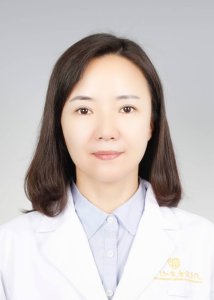
Liang Xiaoxiao
الأستاذة ليانغ شياوشياو مديرة القسم ورئيسة الأطباء في إعادة التأهيل العصبي. تحمل درجة الماجستير في طب الأعصاب. متمرسة في التعديل العصبي لاضطرابات الوعي والإدراك والحركة. يتركز عملها على حالات ناجمة عن أمراض الأوعية الدموية الدماغية، ومرض باركنسون، وحالات ذات صلة. كما تُجري حقن توكسين البوتولينوم بتوجيه الموجات فوق الصوتية لعلاج تشنج الجفن، وتشنج نصف الوجه، وتشنج الأطراف، وفرط سيلان اللعاب، وآلام الأعصاب.
الاعتمادات والمناصب: عضوة في لجان إعادة التأهيل العصبي، وإعادة تأهيل اضطرابات الإد
مواد ذات صلة

كم يكلف علاج التهاب العصب الوجهي؟
كتب بواسطة Veronika Kazina
مشاركة المحتوى
قصص فيديو من مرضى Bookimed
 Anna Leonova
أسئلة متكررة حول علاج التهاب العصب في العصب الوجهي في الصين
هل علاج التهاب العصب الوجهي آمن في الصين للمرضى الأجانب؟
يُعدّ علاج شلل العصب الوجهي في الصين آمناً في المؤسسات المعتمدة من المستوى الثالث. وتلتزم المراكز المعتمدة من قبل اللجنة الدولية المشتركة (JCI)، مثل مستشفى ياندا الدولي، بمعايير السلامة العالمية. وتجمع هذه المستشفيات بين استخدام الستيرويدات الغربية والوخز بالإبر التقليدي. وتضمن البروتوكولات الموحدة معدلات شفاء عالية للمرضى الدوليين في أقسام طب الأعصاب المتخصصة.
- اعتماد المستشفيات: أفضل العيادات حاصلة على شهادة ذهبية من اللجنة الدولية المشتركة (JCI).
- تدفق كبير للمرضى: يخدم مستشفى جاندا الدولي أكثر من 2,500,000 مريض سنوياً.
- بروتوكولات موحدة: يستخدم الأطباء علاجات الستيرويد الغربية المثبتة إلى جانب الطب الصيني التقليدي.
- التخصص: يقود البروفيسور صن تشنغ يانغ الأبحاث في مجال الطب التكاملي في جامعة بكين.
رأي خبراء بوكيمد: تعتمد سلامة المرضى في الصين على تصنيف المستشفيات، وليس فقط على السعر. تمثل مستشفيات الفئة (أ) / المستوى الثالث، مثل مستشفى ياندا، أعلى مستوى في نظام الرعاية الصحية الصيني. تضم هذه المؤسسات 3000 سرير و39 قسمًا متخصصًا. وهي توفر مستوى أعلى من الأمان للمرضى الدوليين مقارنةً بالعيادات الخاصة الصغيرة التي تعد بعلاجات غير مثبتة الفعالية.
ما هي التخصصات الطبية في الصين لعلاج التهاب العصب الوجهي وما هي مؤهلاتهم؟
من أبرز المتخصصين الصينيين في علاج شلل العصب الوجهي الدكتور سون تشن يانغ والدكتور فان يون بينغ. يعمل هؤلاء الخبراء عادةً في مستشفيات من المستوى الثالث، الفئة أ. وهم حاصلون على أعلى الشهادات السريرية، ويحققون معدلات نجاح عالية في العلاج. يجمع العديد منهم بين طب الأعصاب الغربي وبروتوكولات الطب الصيني التقليدي للتعافي.
- الدكتور صن تشنغ يانغ: أستاذ في مستشفى الدكتور إيبر، متخصص في أمراض الدماغ، ولديه أكثر من 35 عامًا من الخبرة في علم الأعصاب.
- الدكتور فان يون بينغ: كبير الأطباء في مستشفى ياندا الدولي، والذي أجرى أكثر من 1100 عملية جراحية عصبية.
- الدكتور باو يوهاي: خبير جراحة الأعصاب يُبلغ عن نسبة نجاح 95% في الحفاظ على وظيفة العصب الوجهي.
- الاعتماد المؤسسي: المراكز الرائدة مثل مستشفى جاندا الدولي معتمدة من قبل اللجنة الدولية المشتركة (JCI).
رأي خبراء بوكيمد: بينما يلجأ الكثيرون إلى أخصائيي طب الأعصاب العامين، توفر مستشفيات الفئة الثالثة (أ) في الصين مزايا متخصصة. تعالج مراكز مثل مستشفى ياندا الدولي 2.5 مليون مريض سنويًا. يتيح هذا العدد الهائل من الحالات للأطباء رؤية أشكال نادرة من التهاب الأعصاب يوميًا. نلاحظ أن أنجح النتائج غالبًا ما تتحقق في أقسام الطب التكاملي، حيث تسد
كيف يتم تشخيص وعلاج التهاب العصب الوجهي في الصين؟
في الصين، يُستخدم بروتوكول طبي تكاملي يجمع بين الكورتيكوستيرويدات الغربية والطب الصيني التقليدي. يشمل التشخيص فحصًا سريريًا وتخطيطًا كهربائيًا للعضلات لتقييم سلامة الأعصاب. وتعتمد مراكز متخصصة، مثل مستشفى ياندا الدولي، هذا النهج المزدوج لتسريع تعافي عضلات الوجه واستعادة تناسقها.
- المعيار التشخيصي: يستخدم الأطباء الفحص السريري وتخطيط كهربية العضل للتمييز بين الآفات الطرفية والمركزية.
- العلاج الأساسي: تتضمن البروتوكولات الغربية البريدنيزون والأدوية المضادة للفيروسات لتقليل التورم والتهاب الأعصاب.
- نهج شامل للعلاج: للحصول على أفضل النتائج، عادة ما تبدأ جلسات الوخز بالإبر اليومية في غضون 7 أيام من بداية الحالة.
- المرافق المتخصصة: توفر مستشفيات المستوى الثالث من الفئة أ مثل مستشفى ياندا الدولي رعاية عصبية معتمدة من قبل اللجنة الدولية المشتركة.
رأي خبراء بوكيمد: في الصين، يُعدّ عدد المرضى أهم مؤشر على جودة الرعاية الصحية. يعالج مستشفى ياندا الدولي 2,500,000 مريض سنويًا في 39 قسمًا. يُمكّن هذا العدد الكبير من المتخصصين، مثل البروفيسور سون تشنغ يانغ، من علاج المضاعفات العصبية النادرة بدقة عالية. يضمن اختيار مستشفى من الفئة (أ) الوصول إلى معايير اللجنة الدولية المشتركة (JCI) و
ما هي أوقات التعافي النموذجية ونسب النجاح؟
في الصين، عادةً ما يؤدي التعافي من شلل العصب الوجهي إلى عودة ملحوظة للوظيفة الطبيعية خلال 3 إلى 6 أشهر. ويحقق المرضى في كثير من الأحيان نسبة نجاح تتراوح بين 70 و90% في استعادة الحركة. وتجمع البروتوكولات الصينية عادةً بين الطب الغربي والوخز بالإبر. ويظل التدخل المبكر خلال 72 ساعة العامل الأهم للنجاح.
- في مرحلة التعافي الأولية: غالباً ما تعود الحركة المرئية في غضون 4-8 أسابيع مع العلاج المركب.
- معدلات النجاح: يحقق ما يقرب من 75% من المرضى مستوى عالٍ من التعافي الوظيفي في غضون عام واحد.
- أقصى قدر من الشفاء: قد يستغرق إعادة تشكيل العصب داخليًا ونضجه بالكامل من 6 إلى 12 شهرًا.
- المعيار السريري: توفر المؤسسات المعتمدة من قبل اللجنة الدولية المشتركة (JCI) مثل مستشفى جاندا الدولي إعادة تأهيل عصبي منظم.
رأي خبراء بوكيمد: تتميز الصين بميزة فريدة، إذ تجمع بين معايير مستشفيات الفئة الثالثة (أ) والأساليب التقليدية المتخصصة. فعلى سبيل المثال، يطبق الدكتور سون تشنغ يانغ من مستشفى الدكتور إيبر أساليب تكاملية تُستخدم في المستشفيات الجامعية الرائدة في الصين. ويهدف هذا النهج المزدوج غالبًا إلى تحقيق إغلاق سريع للعين في غضون شهرين. وينبغي على المرضى إعطاء الأولوية للمراكز المعتمدة من قبل
ما هي المدن في الصين الأكثر تجهيزاً لعلاج اضطرابات العصب الوجهي؟
تُعدّ بكين وتيانجين من أبرز المراكز المتخصصة في علاج العصب الوجهي الشامل في الصين. تجمع هاتان المدينتان بين أحدث تقنيات الجراحة المجهرية والأساليب العلاجية التقليدية. تتخصص المراكز الطبية في بكين في إعادة بناء الأعصاب المعقدة، بينما تشتهر تيانجين ببرامجها المكثفة لإعادة التأهيل العصبي وتقنيات الوخز بالإبر. وتستوفي معظم المؤسسات معايير الاعتماد الدولية.
- تبلغ الطاقة الاستيعابية لمستشفى بكين ياندا الدولي 2,500,000 مريض سنوياً، وهو مصنف كمؤسسة طبية من الدرجة الثالثة (أ).
- رعاية جراحية عالية المهارة: يرأس البروفيسور صن تشنغ يانغ قسم جراحة الأعصاب التكاملية في مستشفى الدكتور هيبر في بكين.
- التخصص في تيانجين: يتخصص المستشفى الأول التابع لجامعة تيانجين في إعادة تأهيل المرضى المصابين بالشلل وتجديد الألياف العصبية.
- التقنيات الجراحية: تستخدم المراكز المعتمدة من قبل اللجنة الدولية المشتركة أحدث المجاهر الجراحية وغرف العمليات الهجينة لجراحة الأعصاب الوظيفية.
رأي خبراء بوكيمد: يضم مستشفى جاندا الدولي 1500 موظف و3000 سرير. يتيح هذا الحجم التشخيص السريع والخبرة الجراحية الواسعة. وبينما يلجأ معظم المرضى إلى العيادات المحلية لتلقي العلاج، تُجري هذه المرافق المصنفة ضمن الفئة (أ) الثال
كم من الوقت سأضطر للبقاء في الصين، ومتى يمكنني العودة إلى الوطن؟
يتطلب علاج شلل العصب الوجهي في الصين عادةً الإقامة في المستشفى لمدة تتراوح بين 14 و21 يومًا. تضمن هذه المدة التعافي التام بفضل بروتوكولات العلاج الشاملة. يمكنك العودة إلى بلدك بعد أن يؤكد الأخصائيون استقرار حالة العصب. يُسمح لمعظم المرضى بالسفر جوًا بعد 14 يومًا من العلاج.
- فترة السفر المناسبة: ينبغي على المرضى البقاء في الصين لمدة تتراوح بين أسبوعين وثلاثة أسابيع.
- السلامة أثناء الطيران: لتجنب مشاكل ضغط المقصورة، تجنب الطيران لمدة 14 يومًا بعد العملية.
- الإقامة في المستشفى: توقع 10 أيام من الرعاية المركزة، مثل الستيرويدات الوريدية والوخز بالإبر.
- قيود التأشيرة: يحق لمواطني العديد من الدول الدخول بدون تأشيرة لمدة 30 يومًا للزيارات الطبية حتى عام 2026.
رأي خبراء بوكيميد: تتمتع المؤسسات الطبية الصينية من الفئة الثالثة (أ)، مثل مستشفى ياندا الدولي، بخبرة واسعة وفريدة. يعالج هذا المركز المعتمد من قبل اللجنة الدولية المشتركة (JCI) 2.5 مليون مريض سنويًا. تُظهر بياناتنا أن أطباء الأعصاب البارزين، مثل البروفيسور سون تشنغ يانغ، غالبًا ما يجمعون بين البروتوكولات الدولية والأساليب التقليدية. توفر هذه المراكز الرائدة الاستقرار اللازم لتعافي العصب الوجهي قبل الرحلات الجوية الطويلة
هل أحتاج إلى أي تطعيمات خاصة أو وثائق صحية قبل السفر؟
يتطلب السفر إلى الصين لتلقي علاج اضطرابات العصب الوجهي الحصول على التطعيمات الأساسية وتقديم إقرار صحي خاص. ويُشترط عادةً الحصول على جرعات تنشيطية من لقاحات التهاب الكبد الوبائي أ، والتيفوئيد، والكزاز قبل السفر. يجب عليك تقديم جواز سفر ساري المفعول، وترجمة لسجلك الطبي إلى الإنجليزية أو الصينية، وإثبات التأمين الصحي.
- التطعيمات الإلزامية: توصي السلطات الصحية بتطعيم المسافرين ضد التهاب الكبد الوبائي أ وحمى التيفوئيد لأسباب طبية.
- وثائق الدخول: يجب أن يكون جواز السفر ساري المفعول لمدة ستة أشهر على الأقل عند الدخول.
- السجلات الطبية: تتطلب مستشفيات مثل مستشفى جاندا الدولي ترجمة السجلات الطبية لأطباء الأعصاب.
- الامتثال لمتطلبات الصيدلية: احتفظ بجميع الأدوية الموصوفة في عبواتها الأصلية والمُعَلَّمة.
رأي خبراء بوكيمد: مستشفى ياندا الدولي هو مستشفى من الفئة أ، المستوى الثالث، معتمد من قبل اللجنة الدولية المشتركة (JCI). وهذا يعني أنه يعالج 2,500,000 مريض سنويًا وفقًا لأعلى معايير السلامة. يجب على المرضى الاستعداد لإجراء فحوصات في المستشفى، حيث غالبًا ما تتطلب المستشفيات الكبيرة في بكين تصوير الصدر بالأشعة السينية. قد تضيف فحوصات السل هذه يومًا أو يومين إلى عملية التشخيص الأولية.