مرض الغدة الدرقية العلاج في كوريا الجنوبية - التكاليف 2026


تمت مراجعة المقالة طبيا من قبل
فهد مولود
ما هي تكلفة مرض الغدة الدرقية إجراءات التشخيص والعلاج في كوريا الجنوبية؟ اعرف الآن
من $80. تعتمد التكاليف الإجمالية على الاختيار بين الجراحة الروبوتية أو الجراحة المفتوحة ومستوى المستشفى. وغالباً ما تصل نسبة التوفير إلى 30-50% مقارنة بالولايات المتحدة. وتشمل أهم المدن سيول وسيونغنام.
تكاليف علاج أمراض الغدة الدرقية النموذجية في جمهورية كوريا
- اختبار الدم للملف الهرموني: من $80
- تخطيط كهربية القلب (ECG): من $30
- تحليل الدم الموسع: من $200
رؤية خبراء Bookimed: يجب على المرضى الذين يسعون للحصول على نتائج تجميلية فائقة التفكير في مركز إيوا الجامعي الطبي (Ewha Womans University Medical Center). فهم متخصصون في إجراءات الغدة الدرقية من خلال شقوق صغيرة لضمان عدم وجود ندبات مرئية. بالنسبة للحالات المتقدمة التي تتطلب خبرة روبوتية، يعد مستشفى جامعة كوريا أنام (Korea University Anam Hospital) رائداً عالمياً. وقد طور الدكتور كيم هون-يوب في مستشفى أنام أول عملية استئصال روبوتية للغدة الدرقية عن طريق الفم في العالم. ويظل مستشفى جامعة سيول الوطنية (SNUH) الخيار الأفضل لحالات الأورام المعقدة.
مزاياك وضماناتك مع Bookimed
أسعار مباشرة
Bookimed لا يضيف رسوماً إضافية على أسعار علاج مرض الغدة الدرقية. الأسعار مأخوذة من قوائم الأسعار الرسمية للعيادات. تدفع مباشرة في العيادة مقابل علاجك عند وصولك إلى البلد.
عيادات وأطباء معتمدون فقط
Bookimed ملتزم بسلامتك. نحن نعمل فقط مع المؤسسات الطبية التي تحافظ على معايير دولية عالية في علاج مرض الغدة الدرقية ولديها التراخيص اللازمة لخدمة المرضى الدوليين في جميع أنحاء العالم.
مساعدة مجانية على مدار الساعة
Bookimed يقدم مساعدة خبراء مجانية. منسق طبي شخصي يدعمك قبل وأثناء وبعد العلاج، ويحل أي مشاكل. لن تكون وحيداً أبداً في رحلة علاج مرض الغدة الدرقية.

منسقك الطبي الشخصي في Bookimed
- يدعمك في كل مرحلة
- المساعدة في اختيار العيادة الطبية المناسبة والطبيب المناسب
- يضمن الوصول السريع والمريح إلى المعلومات
اكتشف أفضل مرض الغدة الدرقية العيادات في كوريا الجنوبية: 8 خيارات معتمدة والأسعار













احصلوا على تقييم طبي لـ مرض الغدة الدرقية في كوريا الجنوبية: استشيروا أطباء ذوي خبرة الآن
عرض جميع الأطباء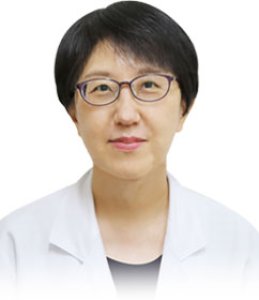
Kim Yeonsun
الدكتور كيم يونسون أخصائي غدد صماء ورئيس قسم الغدد الصماء في مستشفى نايون. يعالج السكري، وأمراض الغدة الدرقية، ومتلازمة الأيض، وارتفاع الكوليسترول، وهشاشة العظام، وغيرها من اضطرابات الغدد الصماء.
حصل على درجة الطب من كلية الطب بجامعة سيول الوطنية. أنهى تدريب الدراسات العليا في الطب الباطني بجامعة غاتشون، ثم عمل زميلًا سريريًا في الغدد الصماء بمركز سامسونغ الطبي.
شغل سابقًا منصب رئيس قسم الطب الباطني في مستشفى الصليب الأحمر بسيول. كما شغل منصب أستاذ طب الغدد الصماء والتمثيل الغذا

Chung Hwan Baek
رئيس قسم جراحة الرأس والرقبة في مركز سامسونج الطبي – الدكتور بايك متخصص في أمراض الغدة الدرقية.
- أخصائي أنف وأذن وحنجرة ذو خبرة واسعة
- يقود فريقاً متخصصاً لجراحات الرأس والرقبة
- يعمل في أحد أفضل المراكز الطبية في كوريا الجنوبية

Kim Hoon-yub
طوّر أول عملية استئصال للغدة الدرقية عن طريق الفم باستخدام الروبوت في العالم - وهو تقدم رائد في جراحة الغدة الدرقية.
- زميل الجمعية الدولية لأبحاث المراقبة العصبية
- عضو دائم في العديد من الجمعيات الجراحية المرموقة بما في ذلك الجمعية الأمريكية للغدة الدرقية
- أستاذ باحث في كلية الطب بجامعة جونز هوبكنز
- عضو نشط في الجمعية الكورية لجراحي الغدة الدرقية والغدد الصماء
المراجعات
جميع المراجعاتمشاركة المحتوى
قصص فيديو من مرضى Bookimed
 Anna Leonova
أسئلة متكررة حول علاج مرض الغدة الدرقية في كوريا الجنوبية
ما هي خيارات العلاج الأساسية لأمراض الغدة الدرقية في كوريا؟
تقدم كوريا الجنوبية علاجات متقدمة لأمراض الغدة الدرقية. يتلقى معظم المرضى أدوية مضادة للغدة الدرقية أو علاجاً هرمونياً في البداية. توفر المراكز المتخصصة عمليات جراحية بمساعدة الروبوت وبدون ندبات لعقيدات الغدة الدرقية والسرطان. تحافظ المستشفيات الرائدة مثل مستشفى سيفيرانس على اعتماد اللجنة الدولية المشتركة (Joint Commission International) لسلامة المرضى والتميز السريري.
- رعاية فرط نشاط الغدة الدرقية: يفضل الأطباء العلاج بالأدوية المضادة للغدة الدرقية لمدة 12-24 شهراً بدلاً من اليود المشع.
- الجراحة `بدون ندبات`: تسمح استئصال الغدة الدرقية عن طريق الفم بمساعدة الروبوت بإزالة الورم عبر الفم دون ترك ندبات في الرقبة.
- مراقبة السرطان: المراقبة النشطة هي المعيار المتبع لسرطانات الغدة الدرقية الحليمية الدقيقة منخفضة المخاطر التي يقل حجمها عن 1 سم.
- تقنيات الاستئصال: يستخدم المتخصصون الاستئصال بالترددات الراديوية (RFA) لتقليص العقيدات الحميدة من خلال الحرارة.
رؤية خبير Bookimed: تنبع هيمنة كوريا في رعاية الغدة الدرقية من أعداد المرضى الكبيرة. يخدم مستشفى جامعة سيول الوطنية في بوندانغ أكثر من 1,500,000 مريض سنوياً. يسمح هذا النطاق الهائل لأطباء مثل الدكتور كيم هون-يوب بابتكار إجراءات رائدة. وقد طور أول عملية استئصال للغدة الدرقية عن طريق الفم بمساعدة الروبوت في العالم عام 2014. يستفيد المرضى من هذه الخبرة المتخصصة لأنها تضمن دقة عالية ونتائج جمالية أفضل.
إجماع المرضى: يقدر المرضى كفاءة مراكز التشخيص الكورية. ويشيرون إلى أن المست
ما هو معدل نجاح علاج سرطان الغدة الدرقية في كوريا الجنوبية؟
تفتخر كوريا الجنوبية بمعدل بقاء نسبي لمدة 5 سنوات يصل إلى 100.2% لمرضى سرطان الغدة الدرقية. تنبع النتائج الناجحة من الكشف المبكر والبروتوكولات الجراحية المتقدمة. تشمل معظم الحالات سرطان الغدة الدرقية الحليمي. يستجيب هذا النوع بشكل استثنائي للتدخلات الحديثة في المراكز الكورية المتخصصة.
- معدل البقاء على قيد الحياة: يصل معدل البقاء النسبي لمدة 10 سنوات لسرطان الغدة الدرقية إلى 100.8%.
- الرعاية طفيفة التوغل: يحافظ استئصال الغدة الدرقية الروبوتي على الجماليات مع الحفاظ على معدل بقاء بنسبة 99.8%.
- الكشف المبكر: يتم تشخيص أكثر من 50% من الحالات في المرحلة الموضعية التي يسهل علاجها للغاية.
- الخبرة السريرية: تبلغ مرافق مثل مستشفى جامعة سيول الوطنية عن أعلى إحصائيات النجاح في البلاد.
رؤية خبير Bookimed: في حين أن معدلات البقاء على قيد الحياة عالمية تقريبًا في جميع أنحاء سيول، فإن البنية التحتية السريرية هي التي توجه الاختيار. يستخدم مستشفى جامعة سيول الوطنية في بوندانغ نظام BESTcare للقضاء على الأخطاء الطبية. وفي الوقت نفسه، يدير مركز آسان الطبي حجمًا يوميًا هائلاً يبلغ 11800 مريض خارجي. يشير هذا إلى أن المراكز ذات الحجم الكبير توفر دقة تشخيصية لا مثيل لها للحالات المعقدة أو الإقليمية.
إجماع المرضى: يلاحظ المرضى أن سرعة الرعاية مثيرة للإعجاب. يصف الكثيرون تنسيق اختبارات الدم والملفات الهرمونية بأنه سلس. إن الدعم المقدم للمرضى الدوليين من الوصول إلى التعافي يجعل العملية الجراحية المتقدمة تبدو أقل إرهاقًا.
كيف يجب أن أستعد لعلاج اليود المشع (RAI) في كوريا؟
يتطلب التحضير لعلاج اليود المشع في كوريا اتباع نظام غذائي صارم منخفض اليود وتوقيت دقيق للأدوية. يجب عليك التخلص من جميع الأعشاب البحرية والمأكولات البحرية والأطعمة المخمرة مثل الكيمتشي لمدة أسبوع واحد على الأقل. غالبًا ما تتضمن العلاجات بجرعات عالية عزلاً إلزامياً في غرف مستشفى مبطنة بالرصاص لمدة تتراوح بين يومين إلى 5 أيام.
- نظام غذائي منخفض اليود: تجنب الأعشاب البحرية والمأكولات البحرية وملح البحر لمدة 7 إلى 14 يوماً قبل العلاج.
- تعديل الأدوية: توقف عن تناول ليفوثيروكسين لمدة 2 إلى 4 أسابيع لرفع مستويات الهرمون المحفز للغدة الدرقية (TSH).
- بروتوكول العزل: توقع عزلاً داخلياً لمدة 2 إلى 5 أيام للجرعات التي تتجاوز 30-100 مللي كوري.
- ملاحظة السفر: احصل على شهادة طبية إذا كنت ستسافر جواً خلال 95 يوماً لتجاوز أمن المطار.
رؤية خبير Bookimed: كوريا هي رائدة عالمية في البنية التحتية للصحة الرقمية. تستخدم مرافق مثل مستشفى جامعة سيول الوطنية بوندانغ نظام BESTcare لتقليل الأخطاء الطبية. يضمن هذا المستوى العالي من الرقمنة مراقبة جرعة الإشعاع وجدول العزل الخاص بك بدقة متناهية. يحظى كبار المتخصصين مثل الدكتور كيم هون-يوب في مستشفى جامعة كوريا أنام باعتراف عالمي لابتكارات الغدة الدرقية. غالباً ما تعطي بروتوكولاتهم الأولوية لتقليل الندبات المرئية وتعظيم السلامة من خلال المراقبة الرقمية.
ما هي التقنيات الجراحية المتقدمة والأقل بضعاً المتاحة في كوريا لأمراض الغدة الدرقية؟
تقدم كوريا الجنوبية عمليات جراحية طفيفة التوغل للغدة الدرقية رائدة عالمياً مثل استئصال الغدة الدرقية الروبوتي عن طريق الفم والنهج عبر الإبط. تقضي هذه التقنيات على ندبات الرقبة المرئية وتحافظ على معدلات بقاء تتجاوز 98%. تستخدم المراكز المتخصصة المراقبة العصبية أثناء الجراحة لتحقيق أمان عالٍ للأعصاب والسماح بالخروج في اليوم التالي.
- الجراحة الروبوتية عبر الفم: الوصول إلى الغدة الدرقية عبر الشفة السفلية لعدم وجود ندبات خارجية.
- النهج عبر الإبط: وضع شق واحد داخل ثنية الإبط لإخفاء علامات الجراحة.
- النهج الثنائي عبر الإبط والثدي: استخدام أربعة منافذ صغيرة للحصول على رؤية متماثلة وتشريح معقد للسرطان.
- الاستئصال الحراري: استخدام الترددات الراديوية أو الإيثانول لتقليص العقيدات الحميدة دون أي جراحة.
رؤية خبير Bookimed: بينما يعتقد الكثيرون أن الجراحة طفيفة التوغل تجميلية بحتة، تظهر البيانات الكورية مزايا سريرية كبيرة. أجرت مراكز كبيرة مثل مستشفى سيفيرانس أكثر من 10,000 إجراء عبر الإبط. ترتبط الأحجام الكبيرة بأمان الأعصاب، حيث تم الإبلاغ عن إصابة دائمة في العصب الحنجري في 0.2% فقط من الحالات.
إجماع المرضى: يشير المرضى إلى رضا عالٍ عن كفاءة أنظمة التشخيص الكورية والقدرة على مراجعة السجلات السابقة بسلاسة. إنهم يقدرون التركيز على النتائج الجمالية، مما يقلل من العبء العاطفي لجراحة الرقبة المرئية.
ما هي المستشفيات الكورية الأكثر خبرة في رعاية الغدة الدرقية للمرضى الدوليين؟
تشمل أفضل المستشفيات الكورية لرعاية الغدة الدرقية مركز سامسونج الطبي، ومستشفى سيفيرانس، ومركز آسان الطبي. تجري هذه المرافق أكثر من 2000 عملية جراحية سنويًا. وهي توفر استئصال الغدة الدرقية الروبوتي عن طريق الفم المتقدم وجراحة BABA بدون ندبات. تضمن اعتمادات JCI وKOIHA معايير سلامة عالية للمرضى الدوليين.
- حجم الجراحات: يجري مركز سامسونج الطبي أكثر من 2000 جراحة للغدة الدرقية كل عام.
- الابتكار الجراحي: طور الدكتور كيم هون-يوب أول استئصال روبوتي للغدة الدرقية عن طريق الفم في العالم.
- سرعة التشخيص: تقدم عيادة عقيدات الغدة الدرقية في سامسونج فحوصات الموجات فوق الصوتية والخزعات في يوم واحد.
- شهادات الخبراء: يحمل مستشفى سيفيرانس اعتماد JCI وقد عالج مؤخرًا 1.6 مليون مريض خارجي.
رؤية خبير Bookimed: تُظهر المراكز الطبية الكورية الكبرى مثل مستشفى جامعة سيول الوطنية ومستشفى سيفيرانس اتجاهًا قويًا نحو الرقمنة الكاملة. يساعد هذا النظام في منع الأخطاء الطبية. يستفيد المرضى الدوليون بشكل خاص من هذا التنسيق. على سبيل المثال، تضمن المستشفيات التي تستخدم نظام BESTcare انتقالًا سلسًا بين الاختبارات التشخيصية وجراحة الغدة الدرقية المتخصصة.
إجماع المرضى: يلاحظ المرضى الكفاءة العالية والموثوقية في التشخيصات في المستشفيات الجامعية الكورية. إنهم يقدرون كيفية احتفاظ العيادات بالسجلات الطبية لسنوات لضمان رعاية متابعة متسقة.