علاج مرض الغدة الدرقية في الهند: 12 مستشفيات


تمت مراجعة المقالة طبيا من قبل
فهد مولود
ما هي تكلفة مرض الغدة الدرقية إجراءات التشخيص والعلاج في الهند؟ اعرف الآن
مزاياك وضماناتك مع Bookimed
أسعار مباشرة
Bookimed لا يضيف رسوماً إضافية على أسعار علاج مرض الغدة الدرقية. الأسعار مأخوذة من قوائم الأسعار الرسمية للعيادات. تدفع مباشرة في العيادة مقابل علاجك عند وصولك إلى البلد.
عيادات وأطباء معتمدون فقط
Bookimed ملتزم بسلامتك. نحن نعمل فقط مع المؤسسات الطبية التي تحافظ على معايير دولية عالية في علاج مرض الغدة الدرقية ولديها التراخيص اللازمة لخدمة المرضى الدوليين في جميع أنحاء العالم.
مساعدة مجانية على مدار الساعة
Bookimed يقدم مساعدة خبراء مجانية. منسق طبي شخصي يدعمك قبل وأثناء وبعد العلاج، ويحل أي مشاكل. لن تكون وحيداً أبداً في رحلة علاج مرض الغدة الدرقية.

منسقك الطبي الشخصي في Bookimed
- يدعمك في كل مرحلة
- المساعدة في اختيار العيادة الطبية المناسبة والطبيب المناسب
- يضمن الوصول السريع والمريح إلى المعلومات
اكتشف أفضل مرض الغدة الدرقية العيادات في الهند: 12 خيارات معتمدة والأسعار




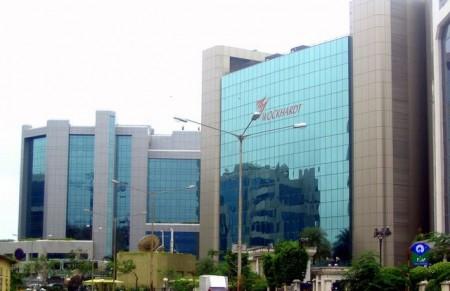
Wockhardt Hospital






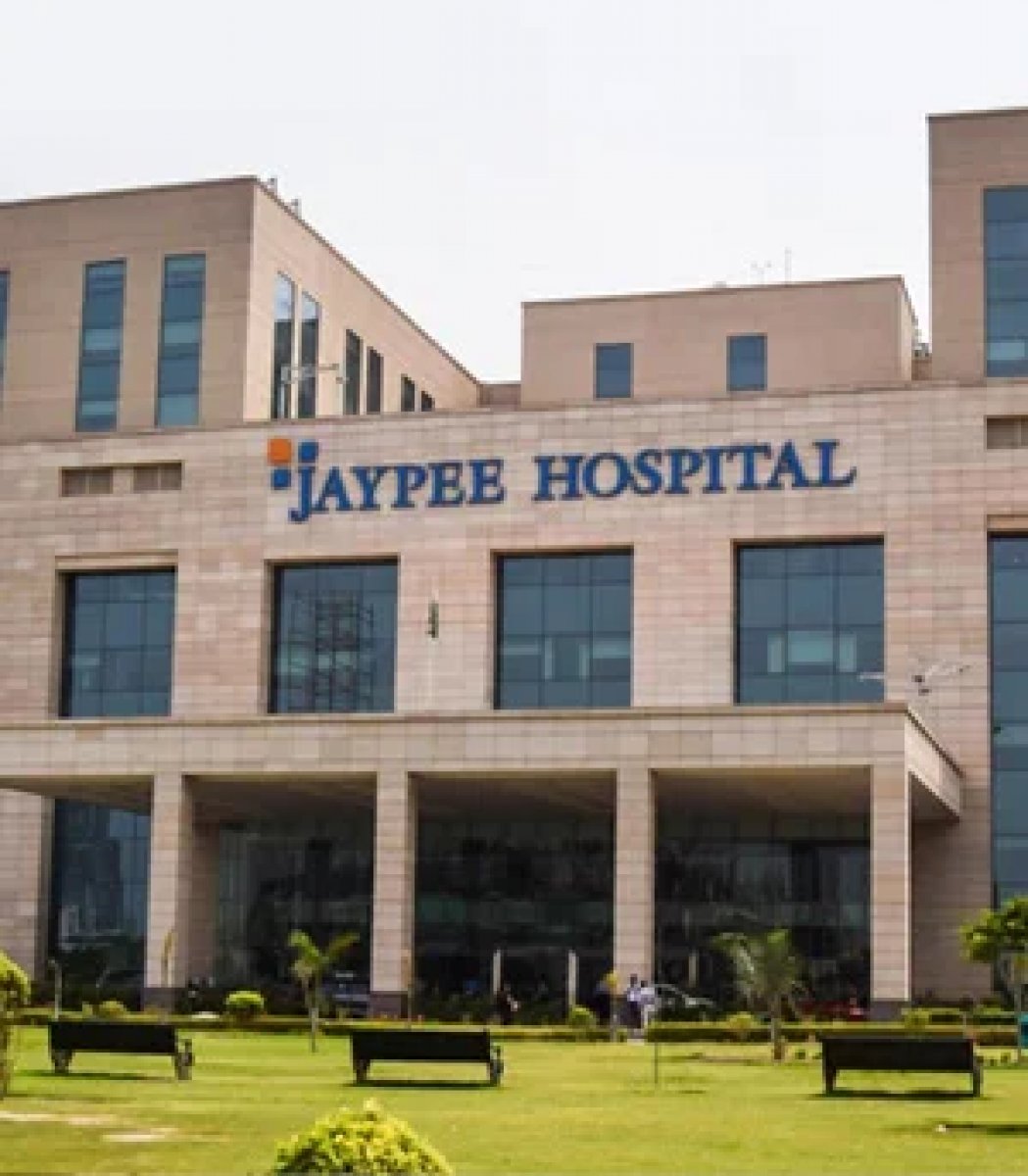
Jaypee Hospital

MGM Hospital

Namasvi PM Ayurveda
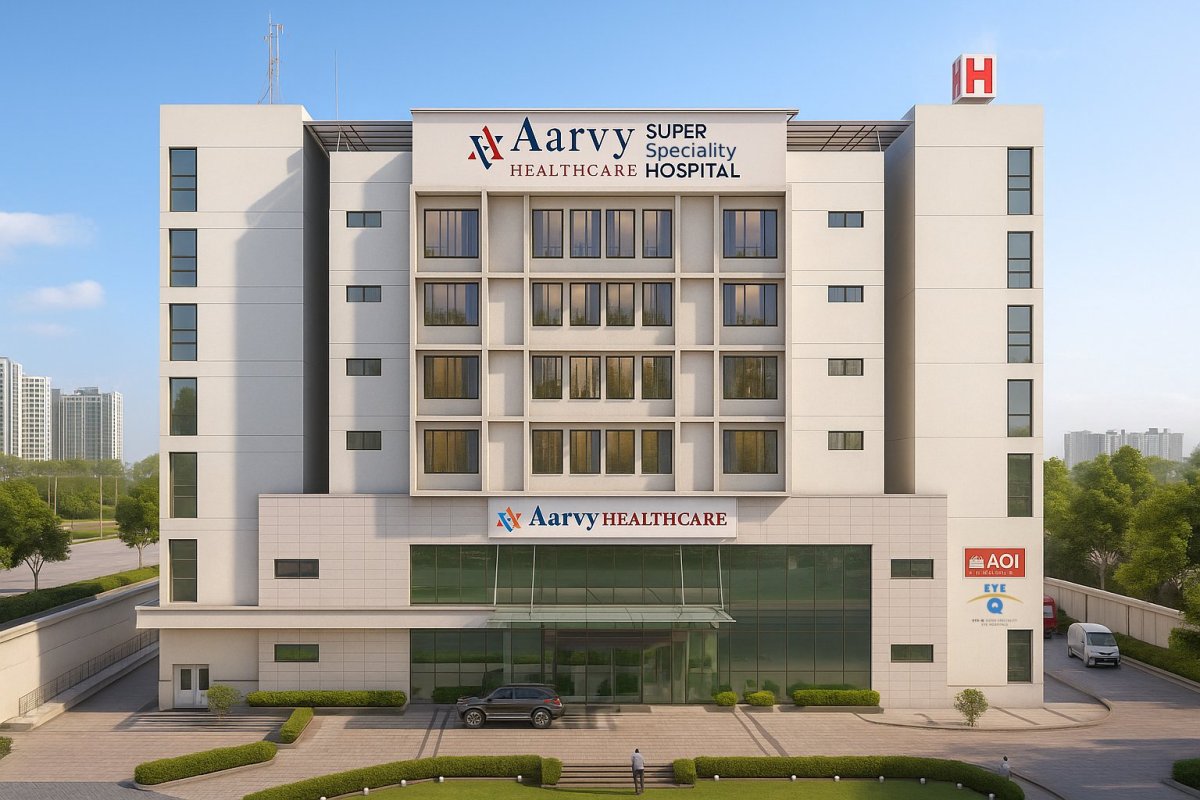
Aarvy Healthcare Super Speciality Hospital
احصلوا على تقييم طبي لـ مرض الغدة الدرقية في الهند: استشيروا أطباء ذوي خبرة الآن
عرض جميع الأطباء
Sushma Kashyap

Sneha S R

Kiranmai Alla
تتخصص الدكتورة كيرانماي ألا في أمراض الغدة الدرقية في مستشفيات مانيبال، حيث تقدم خبرة مركزة في رعاية الغدد الصماء.
- أخصائية غدد صماء ذات ممارسة مخصصة للغدة الدرقية
- تقدم تقييمات شاملة للغدة الدرقية
- تعمل في مستشفيات مانيبال - مؤسسة رعاية صحية رائدة
مشاركة المحتوى
قصص فيديو من مرضى Bookimed
 Anna Leonova
أسئلة متكررة حول علاج مرض الغدة الدرقية في الهند
ما هي أفضل المستشفيات تقييماً لعلاج الغدة الدرقية في الهند؟
تشمل المستشفيات الأعلى تقييماً لعلاج الغدة الدرقية في الهند مستشفى مانيبال (Manipal Hospital)، وميدانتا ذا ميديسيتي (Medanta The Medicity)، وفورتيس للرعاية الصحية (Fortis Healthcare). تحافظ هذه المرافق على اعتمادات JCI وNABH لضمان السلامة. وهي تقدم خدمات متخصصة في الغدد الصماء، واستئصال الغدة الدرقية الروبوتي، وتشخيصات شاملة. وقد عالجت مراكز مثل أبولو تشيناي (Apollo Chennai) أكثر من 15,000 مريض دولي يعانون من مشاكل الغدة الدرقية.
- حجم العمليات الجراحية المتخصصة: يدير معهد AIIMS في نيودلهي أكثر من 5,000 حالة غدة درقية سنوياً.
- خيارات روبوتية متقدمة: تتخصص مستشفيات ميدانتا (Medanta) والمستشفى العالمي في مومباي (Global Hospital Mumbai) في الجراحات الروبوتية طفيفة التوغل.
- معايير الاعتماد: تمتلك المراكز الرائدة شهادات NABH وNABL لدقة التشخيص.
- الأورام متعددة التخصصات: يدير مركز تاتا التذكاري (Tata Memorial) والمستشفى العالمي في تشيناي (Global Hospital Chennai) حالات الأورام الخبيثة المعقدة في الغدة الدرقية.
رؤية خبير Bookimed: تُظهر بيانات المرضى أن اختيار مركز متعدد التخصصات مثل مستشفى مانيبال (Manipal Hospital) مفيد للغاية. تخدم هذه الشبكة 2,000,000 مريض سنوياً وتدمج طب الأورام مع طب الغدد الصماء. وهذا يضمن إمكانية أخذ خزعات من عقيدات الغدة الدرقية وعلاجها جراحياً في مكان واحد. هذا النهج المبسط يقلل بشكل كبير من الوقت بين التشخيص والتعافي.
إجماع المرضى: يشير المرضى إلى أهمية اختيار المستشفيات التي تحتوي على أجنحة دولية
ما هي خيارات العلاج المتقدمة المتاحة في الهند لأمراض الغدة الدرقية؟
توفر الهند رعاية متقدمة للغدة الدرقية من خلال الجراحة الروبوتية والاستئصال الحراري غير الجراحي. تستخدم المراكز المتخصصة نظام Da Vinci Xi لاستئصال الغدة الدرقية بدون ندبات. تقدم مرافق مثل مستشفى Medanta وFortis Gurgaon علاجات عالية الدقة. تحافظ هذه الخيارات على وظيفة الصوت وتضمن تعافياً سريعاً.
- استئصال الغدة الدرقية الروبوتي: يصل الجراحون إلى الغدة الدرقية عبر الإبط لتجنب ندبات الرقبة.
- الاستئصال بالترددات الراديوية: يعمل التسخين بالإبرة غير الجراحي على تقليص العقيدات الحميدة بنسبة 50% إلى 97%.
- مراقبة الأعصاب: تحمي التكنولوجيا أثناء الجراحة العصب الحنجري الراجع خلال الإجراءات الجراحية.
- العلاج الموجه: تعالج مثبطات الكيناز المتعددة السرطانات المتقدمة المقاومة للعلاج باليود المشع.
رؤية خبير Bookimed: تشير بيانات حجم المرضى إلى اختيار المجمعات متعددة التخصصات مثل Medanta أو Manipal Hospitals. تدير هذه العيادات أكثر من 20,000 مريض سنوياً وتدمج مراكز الأبحاث. غالباً ما توفر المؤسسات الكبيرة أجنحة عزل خاصة مبطنة بالرصاص للعلاج باليود المشع. هذه البنية التحتية ضرورية لعلاجات الإشعاع عالية الجرعة الآمنة بعد الجراحات الكبرى.
إجماع المرضى: يسلط الزوار الضوء بشكل متكرر على كيفية اكتشاف التصوير الحديث لمشاكل فاتتها الفحوصات القياسية. إنهم يقدرون أن فرق التمريض المتخصصة تجعل العزل باليود المشع أقل توتراً.
كم من الوقت يجب تناول دواء الغدة الدرقية؟
عادة ما يكون دواء الغدة الدرقية التزامًا مدى الحياة للمرضى الذين يعانون من قصور الغدة الدرقية الدائم. يجب على معظم الأفراد تناول بدائل الهرمونات إلى أجل غير مسمى للحفاظ على التوازن الأيضي. فقط الحالات المؤقتة مثل التهاب الغدة الدرقية بعد الولادة قد تسمح بوقف العلاج. عادة ما يعمل الدواء على استقرار مستويات الدم في غضون 4 إلى 8 أسابيع.
- المدة مدى الحياة: تتطلب معظم حالات قصور الغدة الدرقية علاجًا هرمونيًا بديلًا دائمًا.
- الحالات المؤقتة: قد تُشفى أنواع معينة من التهاب الغدة الدرقية في غضون 12 إلى 18 شهرًا.
- فترة التعديل: تستغرق مستويات الدم من 6 إلى 8 أسابيع لتستقر بعد البدء.
- احتياجات المراقبة: يحتاج المرضى إلى اختبار TSH مرة واحدة على الأقل كل عام.
رؤية خبير Bookimed: غالبًا ما يواجه المرضى في الهند تقلبات في TSH عند التبديل بين العلامات التجارية المحلية. تشير البيانات من مستشفيات مانيبال ومستشفى جلوبال في تشيناي إلى أن الاتساق حيوي للاستقرار. اختر شركة مصنعة موثوقة مثل تلك الموجودة في سلاسل الصيدليات الهندية الكبرى. التزم بتلك العلامة التجارية المحددة لتجنب اختلالات الجرعة. غالبًا ما تمنع هذه الخطوة البسيطة الحاجة إلى تعديلات متكررة في الجرعة.
إجماع المرضى: يؤكد المرضى أن البقاء على نفس العلامة التجارية للدواء أمر ضروري لتجنب ارتفاع الهرمونات. يلاحظ العديد من المسافرين أن تثبيت جرعتك قبل السفر يبسط الإدارة طويلة الأمد في الخارج.
هل من الآمن تناول الخضروات الصليبية مثل الكرنب (الملفوف) مع وجود حالة في الغدة الدرقية؟
يعتبر استهلاك الخضروات الصليبية مثل الكرنب آمناً بشكل عام للمرضى الذين يعانون من حالات الغدة الدرقية. تحتوي هذه الخضروات على مواد مسببة لتضخم الغدة الدرقية (goitrogens) قد تتداخل مع امتصاص اليود. ومع ذلك، فإن طهي هذه الخضروات يعادل هذه المركبات بفعالية. يستفيد معظم المرضى من محتواها العالي من الألياف ومضادات الأكسدة.
- طريقة التحضير: طهي هذه الخضروات يقلل من المركبات المسببة لتضخم الغدة الدرقية بنسبة تصل إلى 90%.
- الحصص الآمنة: يوصي معظم أطباء الغدد الصماء بالحد من تناولها إلى 1-2 حصة يومياً.
- الحماية باليود: قم بإقران هذه الخضروات بمصادر اليود مثل المأكولات البحرية أو الملح المعالج باليود.
- الاستهلاك النيء: تجنب الأشكال النيئة المركزة مثل العصائر الخضراء أو عصائر الكرنب المجعد.
رؤية خبير Bookimed: بينما تحتل الهند المرتبة العاشرة عالمياً في السياحة العلاجية، يجب على المرضى المحليين ملاحظة تفاعلات محددة بين النظام الغذائي والعلاج. على سبيل المثال، تخدم عيادات الغدد الصماء مثل مستشفيات مانيبال أكثر من 2,000,000 مريض سنوياً. يؤكد المتخصصون لديهم، بما في ذلك الدكتورة كيرانماي ألا، أن نقص اليود الشائع في الهند يضخم مخاطر المواد المسببة لتضخم الغدة الدرقية. غالباً ما تسمح مستويات TSH المستقرة بمزيد من المرونة الغذائية في الأطعمة الأساسية المحلية المطبوخة مثل باتا جوبهي.
إجماع المرضى: يشير المرضى إلى أن الكرنب والقرنبيط المطبوخ في الكاري التقليدي لا يسبب أي مشاكل مع أدويتهم. يذكر الكثيرون أن التحول من العصائر الخضراء النيئة
ما هي الممارسات الطبيعية أو التكميلية التي يضيفها المرضى إلى علاج الغدة الدرقية التقليدي؟
غالبًا ما يجمع المرضى بين أدوية الغدة الدرقية التقليدية وتغييرات النظام الغذائي، وإدارة التوتر، والمكملات الغذائية المستهدفة لمعالجة التعب المستمر والتقلبات الهرمونية. تشمل الإضافات الشائعة الأنظمة الغذائية المضادة للالتهابات، والسيلينيوم، وعلاجات العقل والجسم مثل اليوغا. يوصي الخبراء بالحفاظ على فجوة مدتها أربع ساعات بين تناول الدواء وأي مكملات لضمان الامتصاص السليم.
- التعديلات الغذائية: غالبًا ما يتبنى المرضى أنظمة غذائية خالية من الغلوتين أو الألبان لتحسين امتصاص الدواء.
- مكملات المغذيات: يساعد السيلينيوم والزنك في تحويل هرمون T4 إلى هرمون T3 النشط.
- إدارة التوتر: تُستخدم اليوغا والتأمل بشكل متكرر لتحقيق الاستقرار في الإشارات الهرمونية والطاقة.
- الدعم العشبي: أشواغاندا هو مكيّف نباتي شائع يستخدم لتنظيم مستويات الغدة الدرقية والتوتر.
- بروتوكولات السلامة: تجنب تناول الحديد أو المغنيسيوم أو الكالسيوم في غضون أربع ساعات من تناول دواء الغدة الدرقية.
رؤية خبير Bookimed: توفر الهند بيئة سريرية فريدة حيث يمكن للمرضى الوصول إلى أطباء الغدد الصماء المتخصصين، مثل الدكتورة كيرانماي ألا في مستشفيات مانيبال، إلى جانب الرعاية الداعمة التقليدية. في حين تتعامل عيادات مثل مستشفى جلوبال تشيناي مع عدد كبير من الحالات المعقدة، غالبًا ما يجد المرضى النجاح من خلال دمج التشخيصات الحديثة مع الرؤى المحلية حول نقص فيتامين د و ب12، والتي تنتشر في المنطقة وغالبًا ما تؤثر على مستويات الطاقة.
إجماع المرضى: يلاحظ العديد