علاج مرض الغدة الدرقية في إسرائيل — احصل على 3 عيادات مختارة خصيصاً لك


تمت مراجعة المقالة طبيا من قبل
فهد مولود
كيف نعمل؟
ما هي تكلفة مرض الغدة الدرقية إجراءات التشخيص والعلاج في إسرائيل؟ اعرف الآن
اكتشف أفضل مرض الغدة الدرقية العيادات في إسرائيل: 9 خيارات معتمدة والأسعار













Kaplan Medical Center
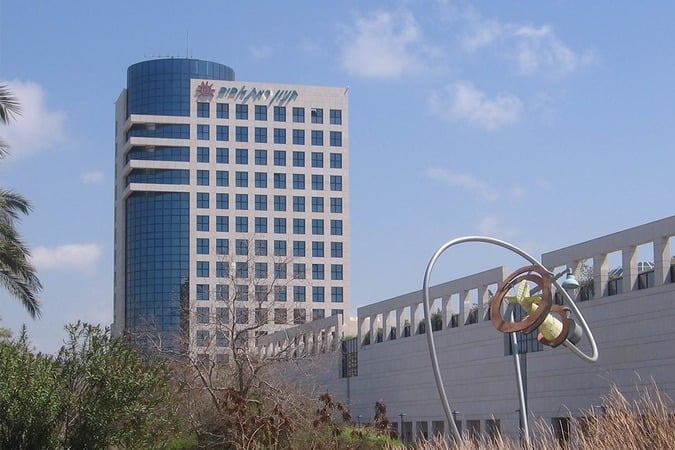
Ramat Aviv Medical Center

Elisha Hospital
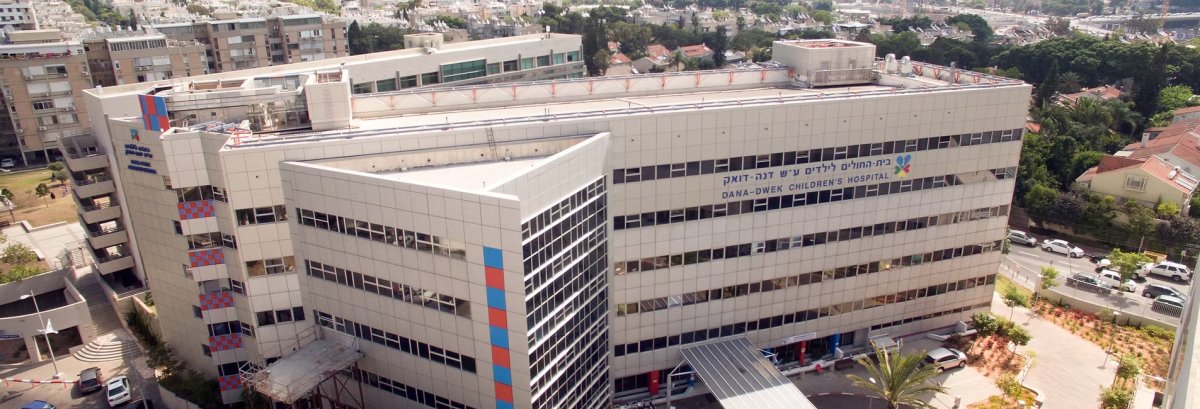
Tel Aviv Sourasky Medical Center (Ichilov)
احصل على تقييم طبي لـ في إسرائيل. استشر الآن 7 أطباء ذوي الخبرة.
عرض جميع الأطباء
Ilana Itzhakov
تتخصص الدكتورة إيلانا إيتزاكوف في أمراض الغدة الدرقية في مركز إيخيلوف الطبي، وتتمتع بخبرة تزيد عن 37 سنة في اضطرابات الغدد الصماء.
- تدربت في طب الغدد الصماء في مركز إيخيلوف الطبي
- تركز على أمراض الغدة الدرقية، والسكري، وقصور الغدة الكظرية المزمن
- تشارك في أبحاث حول علاجات جديدة لاضطرابات الغدد الصماء
- عضو في جمعيات طبية متخصصة

Oren-asaf
يتخصص الدكتور أساف أورين في المشاكل الهرمونية لدى الأطفال في مستشفى كبير للأطفال. وقد أكمل زمالات متقدمة في طب الغدد الصماء للأطفال في كل من تل أبيب وتورنتو.
- يشغل منصب طبيب أول في وحدة الغدد الصماء للأطفال
- مدرب سريري في كلية الطب بجامعة تل أبيب
- تدرب في مستشفى الأطفال المرضى في تورنتو - وهو مركز مشهور عالميًا
- يدرس التمريض وطلاب الطب في مجالي طب الأطفال والغدد الصماء

Naomi Vayntrub
يقود الدكتور فاينتروب قسم الغدد الصماء للأطفال في مركز تل أبيب سوراسكي الطبي منذ 37 سنة، مع التركيز حصرياً على الأطفال والمراهقين.
- 37 سنة من الخبرة في مجال الغدد الصماء للأطفال
- يرأس قسم الغدد الصماء والتمثيل الغذائي للأطفال في مستشفى إيخيلوف
- حاصل على زمالة تدريبية من مستشفى الأطفال بجامعة تورنتو
- نشط في مجال الأبحاث ويقوم بالتدريس في جامعة تل أبيب

Uri Eal
يدير قسم الغدد الصماء العصبية في مستشفى دانا-دويك للأطفال - وهو تخصص فرعي نادر مخصص للاضطرابات الهرمونية والدماغية.
- أكثر من _doctor_3434_عاماً_ من الخبرة في طب الغدد الصماء للأطفال
- أكمل زمالات متقدمة في طب الأطفال وطب الغدد الصماء العصبية للأطفال في الولايات المتحدة الأمريكية
- يشغل منصب محاضر سريري أول في كلية الطب بجامعة تل أبيب
- مؤلف لما يقرب من 30 منشوراً وعرضاً علمياً
- عضو نشط في جمعيات الغدد الصماء والغدد الصماء للأطفال في إسرائيل
مشاركة المحتوى
قصص فيديو من مرضى Bookimed
 Anna Leonova
أسئلة متكررة حول علاج مرض الغدة الدرقية في إسرائيل
ما مدى دقة تشخيص الغدة الدرقية في إسرائيل؟
يحقق تشخيص الغدة الدرقية في إسرائيل دقة بنسبة 95% لحالات السرطان من خلال تقييمات المخاطر المتكاملة. وتقوم المراكز المتخصصة في كثير من الأحيان بتصحيح التشخيصات الأولية الواردة من الخارج. حوالي 34% من المرضى الذين يصلون بتشخيص إصابة بالسرطان يكتشفون عدم تأكيده عند إعادة التقييم. وتستخدم مرافق مثل مركز هداسا الطبي لوحات جزيئية متقدمة.
- الدقة التشخيصية: تظهر خزعة الشفط بالإبرة الدقيقة خصوصية بنسبة 98.5% للعقيدات المنفردة.
- التكنولوجيا المتقدمة: يحدد المسح بالمقاومة الكهربائية 87% من عقيدات الغدة الدرقية الخبيثة بشكل صحيح.
- الاختبارات الجزيئية: تستخدم العيادات لوحات Thyroseq للتمييز بين نتائج Bethesda III أو IV غير المحددة.
- التحقق من الخبراء: تصل الطرق المتخصصة التي تم تطويرها في القدس إلى دقة 94% في الكشف عن السرطان.
رؤية خبير Bookimed: تعكس معدلات نجاح الأورام في إسرائيل معايير تشخيصية عالية، حيث أبلغ مركز سوراسكي الطبي عن معدل نجاح متوسط قدره 90%. يقود البروفيسور نفتالي ستيرن في سوراسكي معهداً يركز على تكامل الطب الباطني والغدد الصماء. تشير البيانات إلى أن اختيار المستشفيات التابعة للجامعات يضمن الوصول إلى الأطباء الذين ينشرون بنشاط تطورات علاجية جديدة. غالباً ما يؤدي هذا الارتباط الأكاديمي إلى اختبارات أجسام مضادة أكثر دقة للحالات المعقدة مثل مرض هاشيموتو.
إجماع المرضى: يشير المرضى إلى أن الحصول على رأي ثانٍ في إسرائيل غالباً ما يمنع العمليات الجراحية غير الضرورية للعقيدات الحميدة. يقترح الكثيرون طلب لوحات أجسام مضاد
ما هي المستشفيات في إسرائيل المتخصصة في علاج أمراض الغدة الدرقية؟
تضم إسرائيل العديد من المرافق ذات المستوى العالمي المتخصصة في أمراض الغدة الدرقية، بما في ذلك مركز شيبا الطبي، ومركز هداسا الطبي، ومركز سوراسكي الطبي. تقدم هذه المؤسسات رعاية شاملة لسرطان الغدة الدرقية، والعقيدات، واضطرابات المناعة الذاتية. وهي تستخدم تشخيصات متقدمة مثل أبحاث النظائر المشعة والشفط بالإبرة الدقيقة الموجه بالموجات فوق الصوتية.
- مركز سوراسكي الطبي: يتميز بمعهد متخصص في الغدد الصماء يدير حجمًا كبيرًا من المرضى سنويًا.
- مركز هداسا الطبي: يوفر رعاية متخصصة لمرض جريفز وحالات العين المرتبطة بالغدة الدرقية.
- مركز شيبا الطبي: مصنف عالميًا من قبل مجلة نيوزويك لوحداته المتقدمة في الغدد الصماء والطب النووي.
- مركز شنايدر للأطفال: متخصص في اضطرابات الغدة الدرقية لدى الأطفال، ومشاكل النمو، وأمراض الغدد الصماء الخلقية.
- مركز رمبام الطبي: يقدم رعاية متكاملة لأمراض الغدة الدرقية والغدد جارات الدرقية باستخدام بروتوكولات مدعومة بالأبحاث.
رؤية خبير Bookimed: يتميز مركز سوراسكي الطبي بتكامله الأكاديمي العالي، حيث يشغل قادة مثل البروفيسور نفتالي شتيرن والبروفيسورة نعومي فاينتروب أدوارًا مزدوجة كرؤساء أقسام وأساتذة جامعيين. وهذا يضمن حصول المرضى على أحدث العلاجات، مثل العلاجات الدوائية الجديدة والبروتوكولات المتخصصة للأطفال. بالنسبة للحالات المعقدة التي تتطلب جراحة متعددة التخصصات، توفر قدرة العيادة البالغة 34,000 عملية سنويًا عمقًا كبيرًا من الخبرة الجراحية.
إجماع المرضى: يشير المرضى إلى أن المراكز
لماذا تُعد إسرائيل واحدة من الوجهات الرائدة في جراحة الأعصاب؟
تُعدّ إسرائيل مركزًا رائدًا في جراحة الأعصاب بفضل مزيجها من التطورات الطبية عالية التقنية والخبرات الجراحية المتميزة. وتستخدم مرافق متطورة مثل مركز شيبا الطبي أنظمة ملاحة تعتمد على الذكاء الاصطناعي والتصوير بالرنين المغناطيسي أثناء الجراحة في الوقت الفعلي. وتشير المراكز المتخصصة إلى نسبة نجاح تصل إلى 98% في العمليات الجراحية المعقدة، بما في ذلك جراحة الدماغ مع اليقظة وعلاج اضطرابات الحركة.
- التكنولوجيا المتقدمة: تستخدم العيادات الموجات فوق الصوتية المركزة الموجهة بالرنين المغناطيسي (MRgFUS) والأنظمة الروبوتية لإجراء الشقوق.
- الخبرة الجراحية: يقود جراحون مثل الدكتور تسفي رام جمعيات دولية بخبرة تزيد عن 25 عامًا.
- الوصول السريع: يمكن للمرضى الدوليين عادةً تحديد مواعيد لإجراء عمليات جراحية معقدة في الدماغ أو العمود الفقري في غضون 2-4 أسابيع.
- الرعاية الطبية المعتمدة: المراكز الكبيرة مثل سوراسكي (إيشيلوف) وأسوتا معتمدة من قبل اللجنة الدولية المشتركة، مما يؤكد سلامتها.
رأي خبراء بوكيمد: تُظهر البيانات فرقًا واضحًا بين خيارات العلاج في القطاعين العام والخاص في إسرائيل. تُجري المراكز الخاصة، مثل مركز أسوتا الطبي، أكثر من 92,000 عملية جراحية سنويًا، وتتيح للمرضى اختيار جراح را
ما هي أنواع الأمراض العصبية التي يتم علاجها في إسرائيل؟
يعالج جراحو الأعصاب الإسرائيليون طيفاً واسعاً من الحالات، بدءاً من أورام الدماغ والحبل الشوكي وصولاً إلى الاضطرابات الوظيفية المعقدة. وتستخدم المراكز المتخصصة أحدث التقنيات، مثل جهاز جاما نايف، والتحفيز العميق للدماغ، والتصوير بالرنين المغناطيسي أثناء الجراحة، لتشخيص دقيق للغاية لحالات الصرع، ومرض باركنسون، وأمراض الأوعية الدموية الدماغية.
- الأمراض السرطانية: علاج الأورام الدبقية والأورام السحائية وأورام الغدة النخامية باستخدام استئصال قاعدة الجمجمة.
- الاضطرابات الوظيفية: علاج مرض باركنسون والرعاش الأساسي باستخدام التحفيز العميق للدماغ.
- أمراض العمود الفقري: تصحيح الجنف، وانزلاق الغضروف، وأورام العمود الفقري باستخدام الأنظمة الروبوتية.
- علاج أمراض الأوعية الدموية الدماغية: العلاج الجراحي لتمدد الأوعية الدموية الدماغية والتشوهات الشريانية الوريدية باستخدام التدخلات داخل الأوعية الدموية.
- جراحة الأعصاب للأطفال: رعاية متخصصة لاستسقاء الرأس والتشوهات الخلقية في مراكز طب الأطفال المتخصصة.
رأي خبراء بوكيمد: غالبًا ما تجمع المستشفيات الإسرائيلية بين تخصصات طبية متعددة لمعالجة الحالات المعقدة. ففي مركز سوراسكي ا
ما هي المستشفيات في إسرائيل التي تشتهر بأقسام جراحة الأعصاب فيها؟
تضم إسرائيل مراكز جراحة أعصاب عالمية المستوى، مثل مركز سوراسكي الطبي، ومركز شيبا الطبي، ومركز هداسا الطبي. وتُعدّ هذه المؤسسات رائدة عالميًا في علاج أورام الدماغ المعقدة، وأمراض العمود الفقري، واضطرابات الحركة. وتستخدم أحدث التقنيات، مثل جهاز جاما نايف، والأنظمة الروبوتية، والتصوير بالرنين المغناطيسي أثناء الجراحة.
- سوراسكي (إيخيلوف): يجري أكثر من 2500 عملية جراحية عصبية سنوياً في تل أبيب بنسبة نجاح تبلغ 98%.
- مركز شيبا الطبي: مصنف ضمن أفضل عشرة مستشفيات في العالم، حيث يعالج 1.9 مليون مريض سنوياً.
- مركز هداسا الطبي: مرشح لجائزة نوبل للسلام. رائد في جراحة الأعصاب للأطفال والعلاج الجيني.
- مركز أسوتا الطبي: أكبر منشأة طبية خاصة في إسرائيل. متخصص في جراحات العمود الفقري والدماغ طفيفة التوغل.
- مستشفى شنايدر للأطفال: مركز رائد في جراحة الأعصاب للأطفال، يعالج 275000 طفل سنوياً.
رأي خبراء بوكيمد: تُظهر بياناتنا أنه بينما يلجأ معظم المرضى للعلاج في تل أبيب، يُقدّم مركز رامبام الطبي في حيفا رعايةً فريدةً لإصابات الدماغ. فهو يضم وحدةً متخصصةً للعناية المركزة العصبية تُعالج ما يقارب مليون مريض سنويًا. وهذا ما يجعله
من هم أبرز جراحي الأعصاب في إسرائيل؟
من بين أبرز جراحي الأعصاب الإسرائيليين البروفيسور تسفي رام، والبروفيسور شلومي كونستانتيني، والبروفيسور إسحاق فريد من مركز سوراسكي الطبي. ويشغل هؤلاء المتخصصون مناصب قيادية في الجمعية الأوروبية لجمعيات جراحة الأعصاب (EANS) والجمعية العالمية لجراحة الأعصاب التجسيمية والوظيفية (WSSFN). ويستخدمون تقنيات رسم الخرائط المتقدمة أثناء الجراحة وأنظمة الروبوتات.
- البروفيسور تسفي رام: خبير في جراحة أورام الدماغ طفيفة التوغل والعلاج الجيني للسرطان.
- الأستاذ شلومي كونستانتيني: متخصص في إجراءات التنظير العصبي المعقدة للأطفال والجراحة المجهرية لأورام الدماغ.
- الأستاذ إسحاق فريد: خبير في جراحة الصرع، ورسم خرائط الدماغ الوظيفية، وتحفيز الدماغ العميق.
- الدكتور إيلي أشكينازي: جراح عظام رائد في مستشفى أسوتا، متخصص في نظام TOPS المبتكر.
رأي خبراء بوكيمد: تشير بيانات مركز سوراسكي وشيبا إلى وجود علاقة وثيقة بين ارتفاع عدد العمليات الجراحية وسلامة المرضى. فعلى سبيل المثال، يُجري مركز سوراسكي أكثر من 34,000 عملية جراحية لعلاج الأورام سنويًا بنسبة نجاح تصل إلى 90%. لذا، ينبغي على المرضى الذين يحتاجون إلى استئصال أورام معقدة إعطاء الأولوية لمراكز كهذه، حيث يُجري الجراحون مئات العمليات الجراحية ا
ما هي متطلبات المرضى الدوليين القادمين الذين يسعون للحصول على رعاية جراحية عصبية؟
يجب على المرضى الأجانب الذين يحتاجون إلى علاج جراحي للأعصاب في إسرائيل تقديم وثائق طبية كاملة، بما في ذلك نتائج التصوير بالرنين المغناطيسي أو التصوير المقطعي المحوسب الحديثة، مترجمة إلى اللغة الإنجليزية. يتطلب دخول المستشفى فحصًا سريريًا من قبل أخصائيين للتأكد من ملاءمة المريض للعلاج. غالبًا ما تطلب المستشفيات دفعًا مسبقًا كاملًا أو دفعة مقدمة كبيرة قبل تأكيد مواعيد الجراحة أو إصدار وثائق التأشيرة.
- السجلات الطبية: تقديم تقارير مفصلة ونتائج التصوير مترجمة إلى اللغة الإنجليزية في غضون 48 ساعة للمراجعة السريرية.
- إثبات القدرة المالية: يرجى تقديم إثبات توفر الأموال بمبلغ تقريبي يتراوح بين _price_from_ و _price_to_ لتغطية تكاليف العلاج.
- دعم التأشيرة: تقوم عيادات مثل مركز سوراسكي الطبي (إيخيلوف) بإصدار خطابات رسمية للحصول على تأشيرة طبية من نوع B-2.
- مرحلة الاستشارة: غالبًا ما يتم إجراء التقييم الأولي عبر استشارة عبر الإنترنت مع جراحين مثل الدكتور شتراوس إيدو.
رأي خبراء بوكيمد: تُظهر البيانات أن المؤسسات الطبية الإسرائيلية الرائدة، مثل مركز شيبا الطبي ومركز هداسا الطبي، تستقبل عددًا هائلًا من المرضى، يتجاوز مليون مريض سنويًا. هذا الطلب المرتفع يعني أن العيادات تُعطي الأول
كم من الوقت سأحتاج للبقاء في إسرائيل لإجراء جراحة الأعصاب والمتابعة؟
تتراوح مدة الإقامة المعتادة في قسم جراحة الأعصاب في إسرائيل بين 10 و14 يومًا للحالات غير المعقدة. أما المرضى الذين يخضعون لإجراءات معقدة، مثل استئصال ورم دماغي أو تحفيز الدماغ العميق، فغالبًا ما يحتاجون إلى الإقامة لمدة تتراوح بين 4 و6 أسابيع. تشمل هذه الفترة التشخيص قبل الجراحة، والجراحة نفسها، والمتابعة اللازمة بعد العملية.
- مدة الإقامة في المستشفى: تستغرق الإجراءات طفيفة التوغل من يوم إلى ثلاثة أيام. أما عمليات فتح الجمجمة التقليدية فتستغرق في المتوسط من ثلاثة إلى عشرة أيام.
- التعافي في الموقع: بعد الخروج من المستشفى، البقاء في إسرائيل لمدة 7-14 يومًا لإجراء فحوصات المتابعة الإلزامية.
- سلامة الطيران: يوصي الجراحون بالانتظار من 4 إلى 6 أسابيع قبل السفر جواً للسماح لضغط الجمجمة الداخلي بالاستقرار.
- جدول المتابعة: عادة ما يتم إجراء الفحوصات السريرية الشخصية في الأيام 3 و7 و14 بعد الجراحة.
رأي خبراء بوكيمد: تُظهر بيانات مركز سوراسكي الطبي أنه يعالج أكثر من 400,000 مريض سنويًا بنسب نجاح عالية. غالبًا ما تتميز العيادات التي تستقبل هذا العدد الكبير من المرضى، مثل هاداسا وأسوتا، بإجراءات خروج مبسطة. وهذا يُسهّل على المرضى الدوليين الانتقال بسرعة أكبر إلى إعادة التأهيل في ا
ما هي التقنيات المتقدمة التي تجعل جراحة الأعصاب في إسرائيل طفيفة التوغل؟
تستخدم جراحة الأعصاب الإسرائيلية أنظمة الملاحة الروبوتية، والتصوير ثلاثي الأبعاد الفوري، والتقنيات غير الجراحية لتقليل الصدمات الجسدية. توفر أنظمة مثل Mazor Robotics دقة تصل إلى أجزاء من المليمتر في زراعة الحبل الشوكي. كما يعالج العلاج بالموجات فوق الصوتية الموجهة بالرنين المغناطيسي (MRgFUS) الرعاش دون الحاجة إلى جراحة. تضمن هذه الأدوات المتقدمة دقة عالية وتقلل فترة النقاهة.
- الأنظمة الروبوتية: تسمح أنظمة مازور وروزا الروبوتية بوضع الأدوات بدقة من خلال شقوق صغيرة.
- العلاج بالموجات فوق الصوتية بدون جراحة: يستخدم العلاج بالموجات فوق الصوتية المركزة الموجهة بالرنين المغناطيسي موجات صوتية عالية الكثافة لعلاج أنسجة المخ بدون تخدير.
- الملاحة الرقمية: يسمح التصوير بالرنين المغناطيسي أثناء العملية والتصوير ثلاثي الأبعاد للجراحين بالتحقق من النتائج في الوقت الفعلي.
- التنظير الداخلي الحديث: تسمح الطرق عبر الأنف وعبر الحجاج بإزالة الأورام دون الحاجة إلى فتح الجمجمة بالطريقة التقليدية.
رأي خبراء بوكيمد: تُطبّق عيادات إسرائيلية مثل سوراسكي وهاداسا تقنيات إسرائيلية خاصة، مثل غرفة العمليات الجراحية، حتى قبل دخولها السوق العالمية. تُظهر بياناتنا أن هذه المراكز تستخدم نماذج الواقع الا
لماذا تُعتبر إسرائيل واحدة من أفضل الأماكن لإجراء جراحة الأعصاب؟
تُعدّ إسرائيل رائدةً عالمياً في جراحة الأعصاب بفضل دمجها للابتكارات الطبية المحلية ومشاركة أخصائيين من مختلف أنحاء العالم. وتُجري مراكز رئيسية مثل مركز سوراسكي الطبي (إيخيلوف) أكثر من 34 ألف عملية جراحية سنوياً. ويتمتع المرضى بإمكانية الوصول إلى أحدث التقنيات، مثل جراحة الدماغ مع اليقظة والتصوير بالموجات فوق الصوتية المركزة الموجهة بالرنين المغناطيسي.
- التكنولوجيا المتقدمة: تستخدم هذه المرافق أنظمة CyberKnife و Gamma Knife والروبوتات لضمان دقة عالية.
- الخبرة: يشغل خبراء مثل الدكتور تسفي رام مناصب قيادية في الجمعيات الأوروبية لجراحة الأعصاب.
- التدريب العالمي: أكمل معظم جراحي الأعصاب ذوي الخبرة لدينا تدريب الزمالة في مؤسسات رائدة في الولايات المتحدة وأوروبا.
- الأقسام المتخصصة: تضم المراكز وحدات متخصصة لجراحة الأعصاب للأطفال، وجراحة قاعدة الجمجمة، والاضطرابات الوظيفية.
رأي خبراء بوكيمد: تتميز جراحة الأعصاب في إسرائيل بتركيزها العالي على الأخصائيين الحاصلين على شهادات مزدوجة. فالعديد من الجراحين البارزين، مثل الدكتور تسفي ليدار، معتمدون لممارسة الجراحة في كل من إسرائيل والولايات المتحدة. وهذا يضمن حصول المرضى على رعاية جراحية بمعايير أمريكية، حتى لو كانوا في تل أبيب أو ال