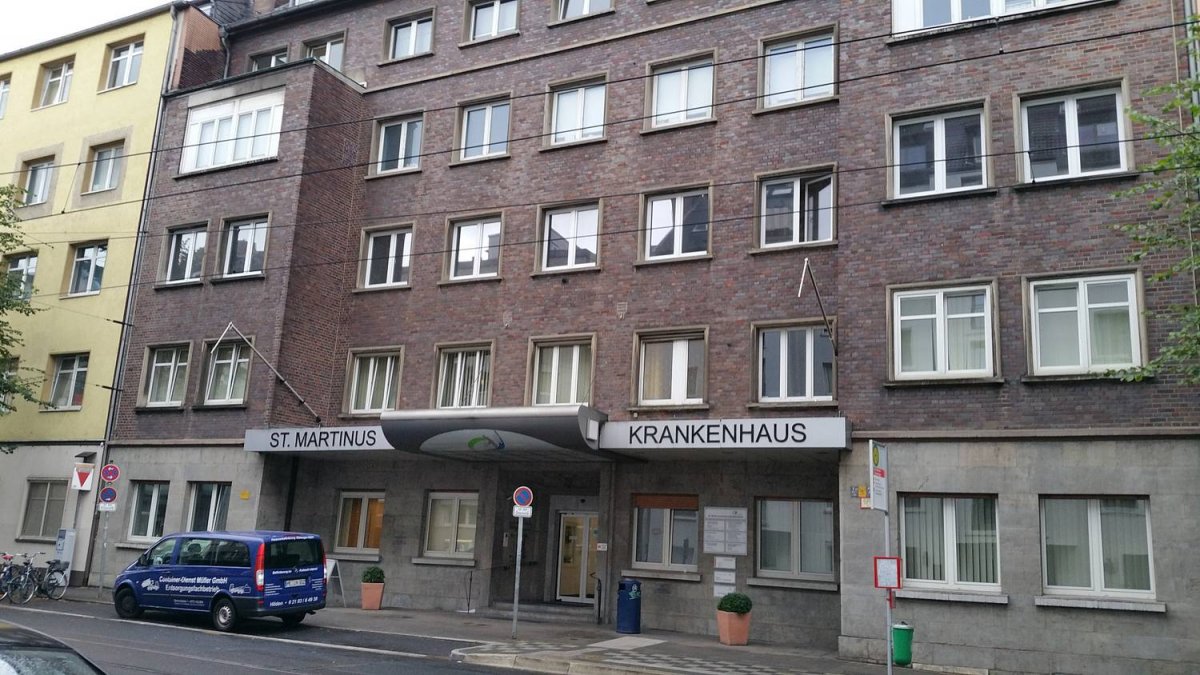
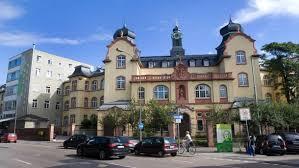
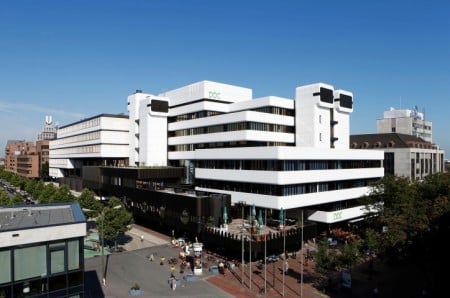
Medical Center in Solingen
ألمانيا, زولينغن
Andreas Sesterhenn
26سنة خبره ١٦ سنة

العيادة معتمدة من قبل : 


تمت مراجعة المقالة طبيا من قبل
فهد مولود
تختلف التكلفة الإجمالية لعلاج أمراض الغدة الدرقية في ألمانيا بناءً على الإجراءات المختارة. عادةً ما تتراوح تكلفة الفحص الأساسي، بما في ذلك تصوير الغدة الدرقية بالموجات فوق الصوتية، بين $1,350 و $1,500، بينما يتم تسعير التصوير بالرنين المغناطيسي الاختياري للرأس بـ $1,300. تُقدم العمليات الجراحية المتخصصة بتكلفة ثابتة قدرها $3,300. تخضع هذه التكاليف للتقييم الفردي ويمكن أن تختلف وفقًا للاحتياجات الخاصة لكل مريض.
يجري البروفيسور سيسترهين أكثر من 4000 تدخل جراحي سنويًا، مع خبرة خاصة في أمراض الغدة الدرقية في عيادة سولينجن.

الدكتور فيكتور ألكسندر كرول، رئيس قسم أمراض الجهاز الهضمي في مستشفى مارتينوس، متخصص في العلاجات المتقدمة لاضطرابات التمثيل الغذائي والجهاز الهضمي.
 Anna Leonova
تضمن ألمانيا سلامة جراحة الغدة الدرقية من خلال المراقبة العصبية أثناء الجراحة الإلزامية والبروتوكولات السريرية الصارمة. تستخدم المراكز المتخصصة مراقبة مستمرة لحماية العصب الحنجري. يحافظ هذا النهج على معايير سلامة عالية في المرافق المعتمدة من قبل الجمعية الألمانية للسرطان وKTQ.
رؤية خبير Bookimed: تُظهر العيادات الألمانية تخصصًا فائقًا من خلال جوائز الأطباء مثل FOKUS Top Mediziner 2024. يجسد البروفيسور الدكتور أندرياس سيسترين في سولينغن هذه الخبرة من خلال 78 منشورًا علميًا. يستفيد المرضى من هذا العمق الأكاديمي، حيث يتعامل هؤلاء الجراحون ذوو الحجم الكبير غالبًا مع أكثر من 15000 حالة سنويًا.
إجماع المرضى: يؤكد المرضى أن البقاء في المستشفى لمدة 24 إلى 48 ساعة لفحوصات الكالسيوم هو إجراء قياسي ومطمئن. ويشيرون إلى أن وجود منسق مخصص لإدارة التاريخ الطبي والمواعيد يجعل العملية المعقدة أكثر سلاسة بكثير.
تعالج العيادات الألمانية فرط نشاط الغدة الدرقية وداء غريفز باستخدام مسار سريري موحد. تشمل الخيارات العلاج بالأدوية المضادة للغدة الدرقية، والاستئصال باليود المشع، واستئصال الغدة الدرقية الكامل. تستخدم المراكز الرائدة مثل مستشفى شاريتيه برلين والمركز الطبي في سولينغن مراقبة الأعصاب أثناء الجراحة لضمان سلامة المريض والحفاظ على الحبال الصوتية.
رؤية خبير Bookimed: تتعامل المستشفيات الجامعية الألمانية مثل شاريتيه برلين ومستشفى جامعة آخن مع أعداد هائلة من المرضى، تتجاوز 250,000 حالة سنوياً. يسمح هذا النطاق بوجود فرق جراحية متخصصة للغاية تحافظ على معدلات مضاعفات منخفضة للغاية. على الرغم من أن الكثيرين يسعون لإجراء الجراحة فوراً، تظهر بياناتنا أن معظم المتخصصين الألمان يعطون الأولوية لتجربة دوائية لمدة 12 شهراً أولاً. يحقق هذا النهج شفاءً دائماً في حوالي
يدير المتخصصون الألمان قصور الغدة الدرقية الناجم عن هاشيموتو من خلال نظام متدرج يتبع بروتوكولات قائمة على الأدلة. يعطي العلاج الأولوية لاستبدال هرمون الليفوثيروكسين الاصطناعي لتطبيع مستويات TSH. يستخدم المتخصصون تصوير الموجات فوق الصوتية عالي الدقة واختبارات الأجسام المضادة الصارمة داخل مراكز معتمدة لضمان تحديد دقيق للمراحل التشخيصية والمراقبة طويلة المدى.
رؤية خبير Bookimed: غالبًا ما تعتمد الرعاية الألمانية على الشهادات المؤسسية بدلاً من حجم العيادة الفردية. بينما يخدم مستشفى شاريتيه برلين أكثر من 800,000 مريض، تمتلك مرافق أصغر مثل مستشفى سانت مارتينوس في دوسلدورف اعتمادًا خاصًا من الجمعية الألمانية للسكري. غالبًا ما تشير هذه الشهادة المتخصصة إلى خبرة أعلى في إدارة الاضطرابات الأيضية المعقدة التي تصاحب غالبًا أمراض الغدة الدرقية المتقدمة.
إجماع المرضى: يشير المرضى إلى أنه على الرغم من أن استبدال الهرمونات هو المعيار، فمن المفيد إحضار مذكرات الأعراض ونتائج المختبرات الخاصة إلى المواعيد. تساعد هذه البيانات عند مناقشة التعب أو ضبابية الدماغ التي تستمر حتى عندما تبدو مستويات TSH طبيعية.
يعد العلاج باليود المشع إجراءً داخلياً صارماً في ألمانيا بسبب قوانين الحماية من الإشعاع الصارمة. يفرض التشريع الألماني الاستشفاء لجميع حالات الإعطاء لمنع تعرض الجمهور للإشعاع. يبقى المرضى في أجنحة طب نووي متخصصة ذات أنظمة فريدة لإدارة النفايات من أجل السلامة.
رؤية خبير Bookimed: تدير العيادات الألمانية مثل مستشفى أسكليبيوس بارمبيك والمركز الطبي في سولينغن أعداداً هائلة من المرضى. غالباً ما تحتوي هذه المراكز على أجنحة مخصصة للطب النووي تضم أكثر من 100 سرير مجتمعة. تضمن هذه السعة العالية مراقبة متخصصة نادراً ما تستطيع العيادات الدولية الصغيرة مطابقتها. عادةً ما تقدم المستشفيات الأكاديمية الكبيرة تتبعاً أكثر تقدماً للجرعات لحالات الغدة الدرقية.
إجماع المرضى: يشير المرضى إلى أنه على الرغم من أن العزل يبدو صارماً، إلا أن الموظفين منظمون للغاية. شعر الكثيرون بأمان أكبر لمعرفتهم أن عائلاتهم محمية من الإشعاع خلال فترة التعافي.
تضم ألمانيا بعضًا من أرقى أقسام جراحة الأعصاب في العالم، بقيادة مستشفى شاريتيه الجامعي في برلين ومستشفى جامعة هايدلبرغ. وتتميز هذه المراكز بخبرتها الواسعة في علاج أورام الدماغ المعقدة وأمراض الأوعية الدموية الدماغية. ولتحقيق أقصى قدر من الفعالية في عملياتها، تستخدم هذه المراكز أحدث التقنيات، مثل التصوير بالرنين المغناطيسي أثناء الجراحة والتوجيه العصبي بمساعدة الحاسوب.
رأي خبراء بوكيمد: تشير البيانات إلى أن اختيار المراكز ذات الحجم الجراحي الكبير غالبًا ما يؤدي إلى توصيات علاجية أكثر تحفظًا. ففي مركز سولينجن الطبي، الذي يعالج أكثر من 60,000 مريض
في ألمانيا، تتميز العمليات الجراحية العصبية بالغة التعقيد بمستوى أمان استثنائي. تصل نسبة نجاح عمليات دمج الفقرات إلى 99%، بينما تبلغ نسبة النجاة بعد استئصال أورام الدماغ الأولية 97%. كما يتمتع المرضى بقدرة عالية على الاعتماد على أنفسهم في أداء وظائفهم اليومية، حيث يغادر أكثر من 82% منهم المستشفى مباشرةً بعد العلاج. وتولي المراكز الألمانية اهتماماً بالغاً بالحفاظ على الوظائف العصبية باستخدام أحدث تقنيات التخطيط العصبي.
رأي خبراء بوكيمد: يُجري جراحون ذوو خبرة، مثل الدكتور أوفه كولر من عيادة أسكليبيوس ألتونا، أكثر من 2000 عملية جراحية سنويًا. تُشير البيانات إلى أن هؤلاء المتخصصين يحافظون على معدلات نجاح تصل إلى 90%، حتى
تُدخل عيادات جراحة الأعصاب الألمانية بانتظام أدوات رقمية عالية الدقة وتقنيات تصوير فوري في الممارسة الجراحية. تشمل التقنيات الرئيسية الملاحة العصبية الحاسوبية لجراحات الدماغ والحبل الشوكي. تستخدم مؤسسات مثل عيادة أسكليبيوس نورد التصوير بالرنين المغناطيسي أثناء الجراحة للتحقق من استئصال الورم في الوقت الفعلي. توفر هذه الأنظمة للجراحين نظام ملاحة ثلاثي الأبعاد.
رأي خبراء بوكيمد: تُجري مراكز طبية كبيرة، مثل مستشفى شاريتيه الج
في ألمانيا، يتعين على جراحي الأعصاب إكمال برنامج إقامة تخصصي لمدة ست سنوات بعد التخرج من كلية الطب. يشمل هذا البرنامج المنظم العناية المركزة، والتدريب السريري، وكتابة مقالات في مجلة جراحية إلزامية. بعد ذلك، يجتاز المرشحون امتحانًا حكوميًا للحصول على لقب طبيب مقيم (Facharzt für Neurochirurgie).
رأي خبراء بوكيميد: يركز التدريب الألماني في جراحة الأعصاب على الخبرة الجراحية الواسعة. فعلى سبيل المثال، أجرى الدكتور رالف بول من المركز الطبي في سولينجن أكثر من 4000 عملية جراحية. ويتمتع الدكتور يورغن كيويت من مستشفى ميوكلينيك بخبرة تزيد عن 25 عامًا. يضمن هذا النظام الدقيق أن يتعامل المتخصصون في المراكز الكبرى مع الحالات المعقدة بدقة مثبتة.
آراء المرضى: يشع
يجب على جراحي الأعصاب الأجانب استيفاء متطلبات لغوية وترخيصية صارمة للالتحاق بالتدريب أو فترة التدريب العملي في ألمانيا. يتطلب التدريب رخصة طبية سارية أو تصريحًا مؤقتًا. أما المتدربون، فيجب عليهم الحصول على إذن من مستشفى محدد. ويتطلب كلا الخيارين إتقانًا عاليًا للغة الألمانية للمشاركة في المناقشات السريرية وإجراء العمليات الجراحية المعقدة بأمان.
رأي خبراء بوكيمد: غالبًا ما تُعطي العيادات الألمانية ذات الأعداد الكبيرة من المرضى، مثل عيادة نوردويست أو أسكليبيوس نورد، الأولوية للمرشحين الذين خضعوا بالفعل لتقييم أولي للوثائق. تُظهر بياناتنا أن أساتذة مثل الدكتور أوفه كولر والدكتور
تضم ألمانيا أعلى نسبة من جراحي الأعصاب في أوروبا، حيث يبلغ عددهم 2.94 متخصصًا لكل 100,000 نسمة. وبفضل 184 قسمًا متخصصًا، تستطيع هذه الكفاءات المتميزة التعامل بسهولة مع تدفق المرضى الدوليين. وتُجري مراكز طبية رئيسية، مثل مستشفى شاريتيه برلين، أكثر من 4,000 عملية جراحية سنويًا. ويُوفر هذا العدد الكبير من المتخصصين قدرة إضافية على التعامل مع الحالات الدولية المعقدة.
رأي خبراء بوكيمد: على الرغم من وجود العديد من المتخصصين ذوي الكفاءة العالية في ألمانيا، إلا أن أساتذةً مثل الدكتور رالف بول أو الدكتور أوفه كولر يتركزون غالبًا في مراكز طبية كبيرة مثل هامبورغ أو سولينغن. تُظهر بياناتنا أن هذه المراكز الكبيرة