علاج مرض الغدة الدرقية في الصين: 2 مستشفيات


تمت مراجعة المقالة طبيا من قبل
فهد مولود
ما هي تكلفة مرض الغدة الدرقية إجراءات التشخيص والعلاج في الصين؟ اعرف الآن
مزاياك وضماناتك مع Bookimed
أسعار مباشرة
Bookimed لا يضيف رسوماً إضافية على أسعار علاج مرض الغدة الدرقية. الأسعار مأخوذة من قوائم الأسعار الرسمية للعيادات. تدفع مباشرة في العيادة مقابل علاجك عند وصولك إلى البلد.
عيادات وأطباء معتمدون فقط
Bookimed ملتزم بسلامتك. نحن نعمل فقط مع المؤسسات الطبية التي تحافظ على معايير دولية عالية في علاج مرض الغدة الدرقية ولديها التراخيص اللازمة لخدمة المرضى الدوليين في جميع أنحاء العالم.
مساعدة مجانية على مدار الساعة
Bookimed يقدم مساعدة خبراء مجانية. منسق طبي شخصي يدعمك قبل وأثناء وبعد العلاج، ويحل أي مشاكل. لن تكون وحيداً أبداً في رحلة علاج مرض الغدة الدرقية.

منسقك الطبي الشخصي في Bookimed
- يدعمك في كل مرحلة
- المساعدة في اختيار العيادة الطبية المناسبة والطبيب المناسب
- يضمن الوصول السريع والمريح إلى المعلومات
اكتشف أفضل مرض الغدة الدرقية العيادات في الصين: 2 خيارات معتمدة والأسعار


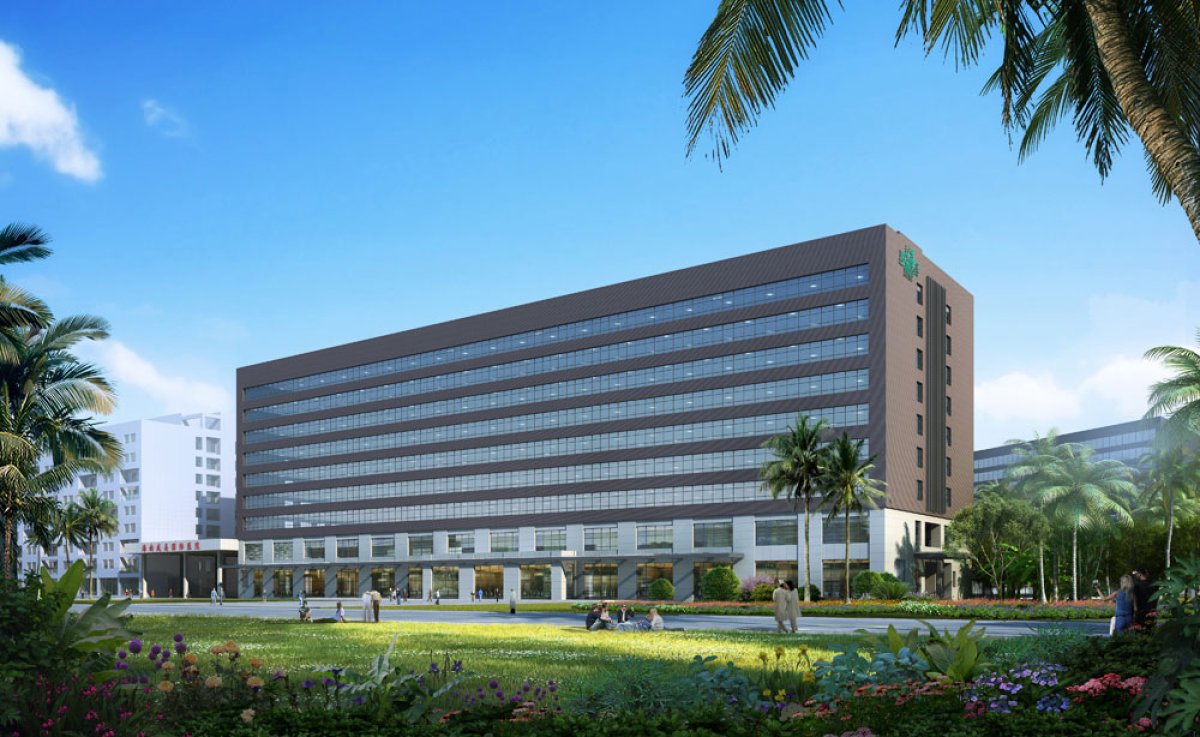
احصل على تقييم طبي لـ في الصين. استشر الآن 7 أطباء ذوي الخبرة.
عرض جميع الأطباء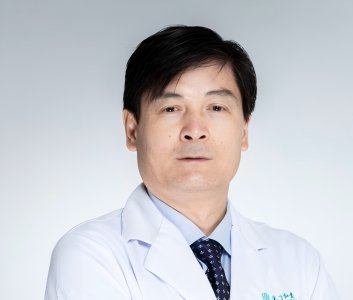
chen Yong Gang
الدكتور CHEN Yonggang: كبير الأطباء. رئيس قسم طب الموجات فوق الصوتية. الخبير الرئيسي لفريق الاستئصال الحراري للغدة الدرقية. مدير سابق لقسم طب الموجات فوق الصوتية بمستشفى تشونغشان التابع لجامعة شيامن.
يمتلك أكثر من 30 عاماً من الخبرة في علاج الأورام طفيفة التوغل والموجات فوق الصوتية التداخلية. يجمع بين التصوير اللحظي والاستئصال الدقيق. كان رائداً في الخزعة باليد الحرة، بإجراء وخز موجّه بيد واحدة من دون أجهزة مساعدة. أتمّ بشكل مستقلّ أكثر من 10,000 إجراء طفيف التوغل. تتركز أعمال الاستئصا
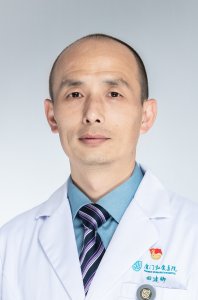
tian Jian Qing
الدكتور Tian Jian Qing مدير قسم الغدد الصماء وخبير أول في علاجات الغدد الصماء والتمثيل الغذائي. لديه أكثر من 20 عامًا من الخبرة السريرية. عمل سابقًا في المستشفى العام لقيادة جيش شينجيانغ وفي مستشفى رينجي، جامعة شنغهاي جياو تونغ.
نشر أكثر من 20 مقالة في مجلات SCI والمجلات الصينية الأساسية، وهو المحرر الرئيسي لأربعة كتب متخصصة والمحرر المشارك لأربعة أخرى. أعدّ أكثر من 1000 مادة للتثقيف الصحي. يشمل تركيزه السريري اضطرابات الغدد الصماء والتمثيل الغذائي، واضطراب سكر الدم، واضطرابات الدهون،

Li Caiyang
مشاركة المحتوى
قصص فيديو من مرضى Bookimed
 Anna Leonova
أسئلة متكررة حول علاج مرض الغدة الدرقية في الصين
هل جراحة الغدة الدرقية آمنة في الصين للمرضى الأجانب؟
تُعدّ جراحة الغدة الدرقية في الصين آمنة للمرضى الدوليين في مستشفيات معتمدة من اللجنة الدولية المشتركة (JCI) من المستوى الثالث (الفئة أ). تُشير هذه المراكز الرائدة إلى معدل شفاء يصل إلى 98.5% لمرضى سرطان الغدة الدرقية. يُجري الجراحون في المؤسسات الطبية الكبرى آلاف العمليات الجراحية سنويًا، مستخدمين أنظمة الروبوت وتقنيات التنظير الداخلي لتجنب التندب.
- اعتماد المستشفيات: المراكز الرائدة مثل مستشفى ياندا الدولي معتمدة من قبل اللجنة الدولية المشتركة، مما يؤكد سلامتها.
- التصنيف السريري: الفئة أ، المستوى الثالث، يمثل أعلى مستوى في الصين.
- الخبرة الجراحية: يحافظ الجراحون المتخصصون على مستوى عالٍ من الخبرة الفنية بفضل العدد الكبير من المرضى سنوياً.
- تقنيات متطورة: تقدم العيادة خدمات الاستئصال بالميكروويف وتشخيص أمراض الغدة الدرقية باستخدام الذكاء الاصطناعي.
رأي خبراء بوكيمد: ترتبط سلامة المرضى في الصين ارتباطًا وثيقًا بنظام تصنيف المستشفيات. يعالج مستشفى ياندا الدولي 2,500,000 مريض سنويًا ويضم 3,000 سرير. يتيح هذا الحجم التخصص في مجال دقيق. فالأخصائيون، مثل الدكتور تيان جيان تشينغ، المتخصص في اضطرابات التمثيل الغذائي والغدة الدرقية، يمتلكون معرفة أعمق من الجراحين العامين.
<ما هي الطرق الجراحية الشائعة الاستخدام لعلاج أمراض الغدة الدرقية في الصين؟
في الصين، تُعطى الأولوية للأساليب الجراحية طفيفة التوغل لعلاج أمراض الغدة الدرقية. ويستخدم الجراحون عادةً تقنيات التنظير الداخلي والروبوتات لإزالة الندوب الظاهرة على الرقبة. وتشمل التقنيات الرئيسية النهج عبر الهالة، والنهج عبر الفم الدهليزي، والتقنيات الإبطية الصدرية الثنائية. كما تستخدم المراكز المتخصصة الاستئصال الحراري لعلاج العُقيدات الحميدة.
- النهج التنظيري: يصل الجراحون إلى الغدة الدرقية من خلال شق هالي أو شق عبر الفم.
- الأنظمة الروبوتية: توفر الأدوات الدقيقة مثل نظام دافنشي تكبيرًا ثلاثي الأبعاد للحالات المعقدة.
- المراقبة العصبية: تُعد المراقبة أثناء العملية إجراءً قياسياً يُستخدم لحماية الأعصاب الصوتية.
- الاستئصال الحراري: يمكن للاستئصال بالترددات الراديوية والاستئصال بالميكروويف تقليل حجم العقد دون الحاجة إلى شقوق جراحية.
رأي خبراء بوكيمد: تُظهر بيانات المرضى أن المستشفيات الصينية من المستوى الثالث (الفئة أ)، مثل مستشفى ياندا الدولي، تجمع بين معايير اللجنة الدولية المشتركة (JCI) الدولية وحجم العمليات الجراحية الكبير. تُجري هذه المراكز ذات الإنتاجية العالية أكثر من 9000 عملية جراحية سنويًا. يُمكّن هذا الحجم المتخصصين من تطوير تقنيات الجراحة الروبوتية عبر الإبط
هل ستظهر ندوب واضحة على رقبتي بعد جراحة الغدة الدرقية في الصين؟
تختلف درجة وضوح الندبة بعد جراحة الغدة الدرقية في الصين باختلاف التقنية الجراحية المختارة. فالجراحة التقليدية المفتوحة تترك ندبة رقيقة ودائمة في ثنايا الرقبة. أما التقنيات الحديثة التي تعتمد على الوصول عن بُعد، مثل الجراحة عبر الفم أو الجراحة عبر الإبط، فتتجنب تمامًا إجراء شقوق في الرقبة. ويستخدم الجراحون ذوو الخبرة خيوطًا جراحية داخلية لضمان تلاشي الندبة بشكل مثالي.
- الجراحة عن بعد: لا تترك التقنيات عبر الفم أو الإبط ندوبًا مرئية على الرقبة.
- الشق التقليدي: الشقوق القياسية، التي يتراوح طولها من 2.5 إلى 5 سم، تندمج عادة مع طيات الجلد الطبيعية في غضون بضعة أشهر.
- إغلاق الجروح الاحترافي: تستخدم المراكز الكبيرة الخيوط الجراحية الداخلية والغراء الطبي لتقليل الندبات.
- العناية بعد العملية: يُعد جل السيليكون والحماية من الشمس ضروريين لمنع ظهور ندبات بارزة.
رأي خبراء بوكيمد: تُظهر بيانات المرضى أن اختيار منشأة طبية معتمدة من اللجنة الدولية المشتركة (JCI) من الفئة A III، مثل مستشفى جاندا الدولي، يضمن الوصول إلى أقسام ذات حجم عمليات كبير تُجري أكثر من 9000 عملية جراحية سنويًا. غالبًا ما تُقدم هذه المراكز المتخصصة نهجًا شاملًا، يجمع بين البروتوكولات الدولية وأساليب التعافي التقل
كم من الوقت أحتاج للبقاء في الصين لإجراء جراحة الغدة الدرقية والرعاية اللاحقة؟
ينبغي على المرضى الدوليين التخطيط للبقاء في الصين لمدة تتراوح بين 10 و21 يومًا. تشمل هذه الفترة الاستشارات قبل العملية، والعملية الجراحية، والمتابعة اللازمة بعد العملية. تتطلب معظم المستشفيات الصينية الإقامة في المستشفى لمدة تتراوح بين 3 و7 أيام. ينبغي على المرضى البقاء في البلاد حتى تستقر مستويات الكالسيوم لديهم.
- فترة الإقامة في المستشفى: عادةً ما تستمر الإقامة في المستشفى من 3 إلى 7 أيام لمراقبة حالة المريض.
- التحضير قبل العملية: تستغرق الفحوصات التشخيصية والاستشارات مع الجراح من يومين إلى خمسة أيام.
- لاجتياز الرقابة الجمركية: غالباً ما تشترط شركات الطيران شهادة طبية تثبت اللياقة للسفر جواً، على أن تصدر في غضون 10 أيام.
- قيود النشاط: تجنب رفع الأثقال والتمارين الشاقة لمدة 3 أسابيع على الأقل.
رأي خبراء بوكيمد: على الرغم من أن البروتوكولات المحلية تسمح عادةً بالخروج بعد خمسة أيام، إلا أنه ينبغي على المرضى الدوليين في المرافق الطبية المعتمدة من قبل اللجنة الدولية المشتركة (JCI)، مثل مستشفى ياندا الدولي، تخصيص فترة إقامة لمدة 14 يومًا. يتيح ذلك إجراء فحوصات الدم الإلزامية والتأكد من استقرار وظيفة الأحبال الصوتية قبل الرحلات الطويلة. وتولي المراكز الرئيسية في بكين وشيام
ما هي فترة التعافي بعد العملية الجراحية وما هي القيود المفروضة على النشاط البدني؟
تستغرق فترة التعافي من جراحة الغدة الدرقية في الصين عادةً من أسبوعين إلى ثمانية أسابيع. ويعود معظم المرضى إلى العمل المكتبي في غضون سبعة أيام. ويُمنع النشاط البدني ورفع الأثقال لمدة ستة أسابيع. وتستخدم المراكز الكبيرة، مثل مستشفى ياندا الدولي، بروتوكولات معتمدة من اللجنة الدولية المشتركة لضمان سلامة المرضى.
- الراحة الفورية: خلال الـ 72 ساعة الأولى، اقتصر على التنقل الضروري فقط.
- ممارسة النشاط البدني الخفيف: ابدأ بالمشي على مهل في اليوم الثالث لمنع تجلط الدم.
- قيود الرفع: تجنب رفع أي شيء يزيد وزنه عن 1.5 كجم خلال الأسبوعين الأولين.
- زيادة شدة التمرين تدريجياً: بعد 4-8 أسابيع، استأنف التمارين منخفضة التأثير، مثل ركوب الدراجات الثابتة.
- التعافي الكامل: العودة إلى ممارسة الرياضات عالية الكثافة وتدريبات القوة في غضون 3-6 أشهر.
يقول خبراء بوكيمد: غالبًا ما يتجاهل المرضى فوائد الطب التكاملي المتوفر في بكين وشيامن. يتخصص الدكتور فان يون بينغ والدكتور تيان جيان تشينغ في الجمع بين البروتوكولات الجراحية الغربية والأساليب الصينية التقليدية. يهدف هذا التضافر إلى تخفيف أعراض التمثيل الغذائي والإرهاق المزمن خلال مرحلة
هل تقبل المستشفيات الصينية نتائج فحوصاتي المخبرية والتشخيصية التي أجريتها في الخارج؟
تقبل المستشفيات الصينية عمومًا نتائج الفحوصات المخبرية والتصوير التشخيصي المُجرى في الخارج للاستشارات الأولية. وتُسجّل أعلى معدلات الموافقة في الأقسام الدولية والمؤسسات المعتمدة من قبل اللجنة الدولية المشتركة (JCI). أما للاستخدام الطبي الرسمي، فغالبًا ما يُشترط إعادة الفحص لضمان المسؤولية القانونية. ويجب ألا يتجاوز تاريخ النتائج ستة أشهر. كما يُشترط تقديم نسخ ورقية مترجمة وملفات صور رقمية للتحقق.
- معدلات القبول: تقبل المستشفيات الدولية البطاقات الطبية الأجنبية أكثر من المستشفيات الحكومية.
- متطلبات التنسيق: يرجى تقديم نتائج فحص الدم الأصلية المختومة والصور على محركات أقراص USB.
- معايير الترجمة: ترجمة الوثائق إلى اللغة الصينية لاستخدامها في الوكالات الحكومية القياسية.
- الصلاحية: يعتقد معظم الخبراء الصينيين أن السجلات صالحة لمدة ستة أشهر فقط.
- الفحص الرسمي: لإجراء فحص طبي عند دخول البلاد، يلزم الحصول على تأكيد من مراكز الخدمات الطبية المحلية للأطباء الزائرين.
رأي خبراء بوكيمد: يُجرى فحص هرمون الغدة الدرقية المتكرر بشكل شبه شامل، حتى داخل نظام الرعاية الصحية الصيني. قد لا يقبل مستشفى نتائج مستشفى آخر. تعالج
ما هي خدمات الدعم المتاحة لمرضى الغدة الدرقية الدوليين؟
يتلقى مرضى الغدة الدرقية الدوليون في الصين الدعم من خلال مستشفيات معتمدة من اللجنة الدولية المشتركة (JCI) وشبكات مناصرة عالمية. وتشمل الخدمات المتخصصة التنسيق متعدد اللغات في مراكز رئيسية مثل مستشفى ياندا الدولي. كما يستفيد المرضى من أنظمة التوفيق الافتراضية والموارد التعليمية التي توفرها منظمات مثل الاتحاد الدولي للغدة الدرقية.
- التنسيق بين المستشفيات: يقدم مستشفى جاندا الدولي دعماً متخصصاً متعدد اللغات للمرضى الدوليين.
- التخصص: يعالج الدكتور تيان جيان تشينغ الحالات المعقدة لأمراض الغدة الدرقية والغدد الصماء أثناء الحمل.
- خدمات اللغة: غالباً ما تتخصص المؤسسات في دعم دراسة اللغة الروسية والعربية واللغات الآسيوية الأخرى.
- الشبكات العالمية: يقدم تحالف سرطان الغدة الدرقية منشورات محلية ومجموعات دعم للمرضى.
رأي خبراء بوكيمد: تستقبل المراكز الرائدة في الصين أعدادًا هائلة من المرضى، حيث يستقبل مستشفى ياندا 2,500,000 مريض سنويًا. يتيح هذا العدد الكبير من الزيارات للأخصائيين، مثل الدكتور فان يون بينغ، اكتساب خبرة سريرية واسعة. ينبغي على المرضى البحث عن أطباء نشروا أبحاثًا علمية غزيرة، ويشغلون مناصب في المجالس الطبية الوطنية. غالبًا ما يطبق هؤلاء الأطباء أحدث بروتوكولات الطب ا