سرطان الغدة الدرقية العلاج في إيطاليا - التكاليف 2026


تمت مراجعة المقالة طبيا من قبل
فهد مولود
ما هي تكلفة سرطان الغدة الدرقية إجراءات التشخيص والعلاج في إيطاليا؟ اعرف الآن
تتضمن تكلفة علاج سرطان الغدة الدرقية في إيطاليا عادةً أساسيات التشخيص مثل الخزعة بالإبرة الدقيقة، والتي تتراوح تكلفتها من السعر عند الطلب إلى السعر عند الطلب. من $7,500. تعتمد التكاليف الإجمالية على التقنية الجراحية ومرحلة الورم. يمكن للمرضى العثور على العلاج في ميلانو وروما وباري.
تكاليف علاج سرطان الغدة الدرقية النموذجية في إيطاليا
- الخزعة بالإبرة الدقيقة: السعر عند الطلب
- تحليل الدم للملف الهرموني: $100 – $250
- فحص التصوير المقطعي بالإصدار البوزيتروني (PET/CT): $750 – $1,400
- استشارة طبيب الأورام: $190 – $300
- التشخيص المعقد لسرطان الغدة الدرقية: السعر عند الطلب
- استئصال الغدة الدرقية: من $7,500
- استئصال جزء من الغدة الدرقية: $8,000 – $13,000
- العلاج باليود المشع: $1,700 – $3,000
- استئصال الغدة الدرقية الجزئي: $6,200 – $9,500
- العلاج باليود المشع لسرطان الغدة الدرقية: $4,200 – $7,200
رؤية خبراء Bookimed: يجب على المرضى الذين يبحثون عن دقة جراحية متقدمة التفكير في العيادات المجهزة بنظام دافنشي (Da Vinci Xi System). تتخصص عيادة رويش (Ruesch Clinic) في نابولي في العمليات الجراحية الكبرى بمساعدة الروبوت للحالات المعقدة. وبالنسبة لأولئك الذين يعطون الأولوية للمكانة المؤسسية، فإن مستشفى سان دوناتو (San Donato Hospital) في ميلانو معترف به ضمن قائمة أفضل مستشفيات العالم لعام 2021. تتعامل هذه المنشأة مع أعداد كبيرة من المرضى، مما يضمن خبرة سريرية عالية للإجراءات الأورام القياسية.
| إيطاليا | تركيا | إسبانيا | |
|---|---|---|---|
| علاج سرطان الغدة الدرقية باليود المشع | ≈ $4,200 | من $5,400 | من $3,000 |
| الغدة الدرقية | من $7,500 | من $3,900 | من $9,000 |
| العلاج باليود المشع | ≈ $1,700 | من $2,500 | من $4,500 |
| العلاج بالبروتون (انظر العلاج بحزم البروتون) | ≈ $22,000 | من $25,000 | من $43,300 |
| العلاج الكيميائي لسرطان الثدي | ≈ $6,500 | من $3,000 | من $1,700 |
مزاياك وضماناتك مع Bookimed
أسعار مباشرة
Bookimed لا يضيف رسوماً إضافية على أسعار علاج سرطان الغدة الدرقية. الأسعار مأخوذة من قوائم الأسعار الرسمية للعيادات. تدفع مباشرة في العيادة مقابل علاجك عند وصولك إلى البلد.
عيادات وأطباء معتمدون فقط
Bookimed ملتزم بسلامتك. نحن نعمل فقط مع المؤسسات الطبية التي تحافظ على معايير دولية عالية في علاج سرطان الغدة الدرقية ولديها التراخيص اللازمة لخدمة المرضى الدوليين في جميع أنحاء العالم.
مساعدة مجانية على مدار الساعة
Bookimed يقدم مساعدة خبراء مجانية. منسق طبي شخصي يدعمك قبل وأثناء وبعد العلاج، ويحل أي مشاكل. لن تكون وحيداً أبداً في رحلة علاج سرطان الغدة الدرقية.

منسقك الطبي الشخصي في Bookimed
- يدعمك في كل مرحلة
- المساعدة في اختيار العيادة الطبية المناسبة والطبيب المناسب
- يضمن الوصول السريع والمريح إلى المعلومات
اكتشف أفضل سرطان الغدة الدرقية العيادات في إيطاليا: 4 خيارات معتمدة والأسعار




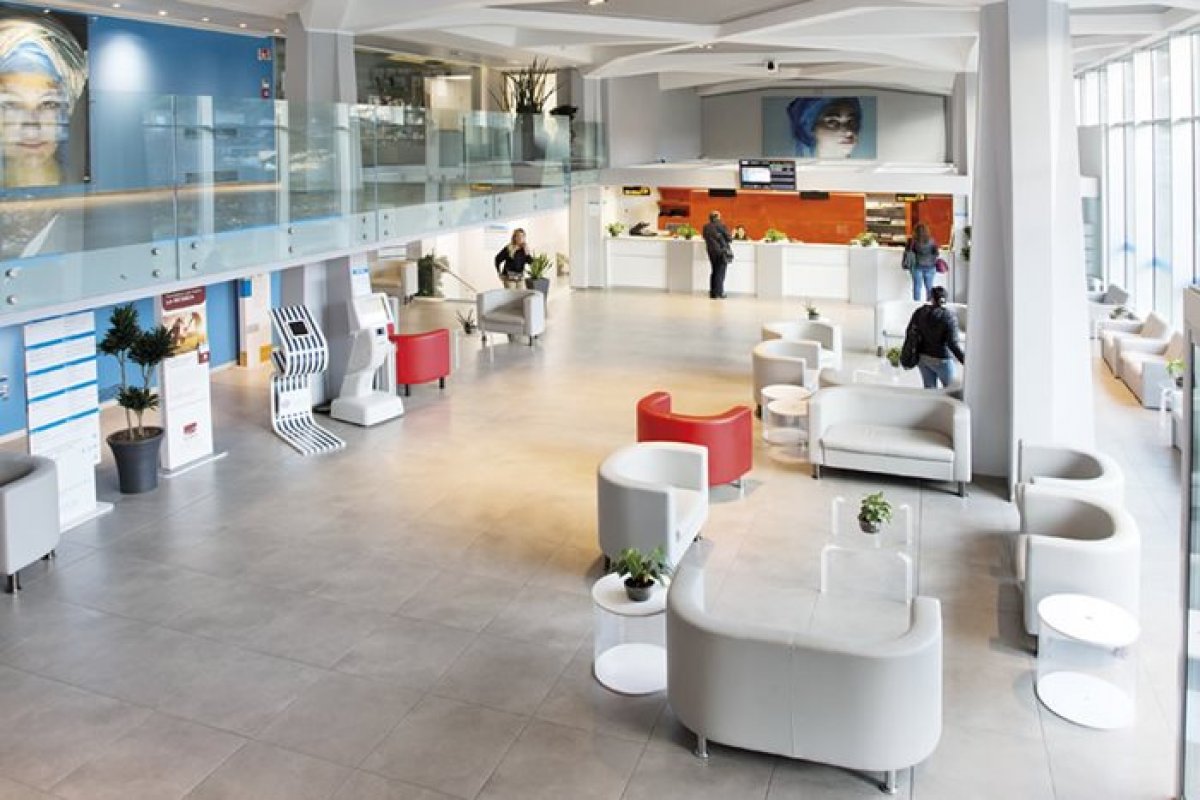


Ruesch Clinic
احصلوا على تقييم طبي لـ سرطان الغدة الدرقية في إيطاليا: استشيروا أطباء ذوي خبرة الآن
عرض جميع الأطباء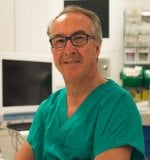
Edoardo Beretta
الطبيب متخصص في الجراحة العامة مع التركيز على أمراض الغدة الدرقية والغدد جارات الدرقية، ويقوم بإجراء أكثر من 200 عملية جراحية سنويًا باستخدام تقنيات طفيفة التوغل. بالإضافة إلى ذلك، يتمتع الطبيب بمهارة في علاج أمراض الغدة الكظرية بالمنظار. يطبق الطبيب خبرة واسعة في تنظيم علاج أمراض الجهاز الهضمي، بما في ذلك المريء والمعدة والقولون والكبد والقنوات الصفراوية والبنكرياس، بالإضافة إلى معالجة أمراض جدار البطن والأورام المعقدة.<\/p>
مواد ذات صلة
عرض المزيد من التفاصيل
أربع مراحل لسرطان الغدة الدرقية. معدل البقاء وطرق العلاج
كتب بواسطة Veronika Kazina

العلاج الفعال لسرطان الغدة الدرقية في جميع مراحله
كتب بواسطة Veronika Kazina

التشخيص المبكر لسرطان الغدة الدرقية. دقة طرق التشخيص
كتب بواسطة Veronika Kazina

أنواع سرطان الغدة الدرقية
كتب بواسطة Veronika Kazina

أعراض سرطان الغدة الدرقية
كتب بواسطة Veronika Kazina
مشاركة المحتوى
قصص فيديو من مرضى Bookimed
 Anna Leonova
أسئلة متكررة حول علاج سرطان الغدة الدرقية في إيطاليا
هل علاج سرطان الغدة الدرقية في إيطاليا آمن ويتبع المعايير الدولية؟
علاج سرطان الغدة الدرقية في إيطاليا آمن للغاية. تلبي المرافق الطبية معايير دولية صارمة مع معدلات بقاء على قيد الحياة تتجاوز متوسط الاتحاد الأوروبي. تمتلك المراكز الرائدة شهادات JCI و OECI. يتبع المتخصصون إرشادات الجمعية الأمريكية للغدة الدرقية. تضمن هذه المعايير بروتوكولات جراحية دقيقة وبروتوكولات اليود المشع.
- معدلات البقاء على قيد الحياة: تبلغ النساء تحت سن 45 عاماً عن نسبة شفاء طويلة الأمد تصل إلى 99%.
- حجم العمليات الجراحية المتخصصة: يقوم متخصصون مثل الدكتور إدواردو بيريتا بإجراء أكثر من 200 عملية جراحية للغدد الصماء سنوياً.
- التكنولوجيا المتقدمة: تستخدم العيادات نظام Da Vinci Xi للإجراءات طفيفة التوغل.
- العلاج الدقيق: يعطي الأطباء الأولوية للاستئصال بالترددات الراديوية للحفاظ على وظائف الغدة الدرقية الأساسية.
رؤية خبير Bookimed: تتفوق الأورام الإيطالية من خلال شبكتها المعتمدة من IRCCS. تجمع هذه المعاهد بين الرعاية السريرية والبحث النشط. يخدم مستشفى سان دوناتو وحده 300,000 مريض كل عام. يترجم هذا الحجم الهائل إلى دقة تشخيصية عالية. اختيار مرفق IRCCS يضمن الوصول إلى أحدث بروتوكولات الغدد الصماء قبل أن تصبح معايير عالمية.
إجماع المرضى: يلاحظ المرضى أن المرافق في شمال إيطاليا غالباً ما توفر وصولاً أسرع ورعاية متخصصة أفضل. من المفيد التأكد من حجم العمليات الجراحية المحدد لجراحك قبل بدء العلاج.
ما الذي يتضمنه مسار العلاج النموذجي لسرطان الغدة الدرقية في إيطاليا؟
يتبع علاج سرطان الغدة الدرقية في إيطاليا مساراً متعدد التخصصات يشمل الجراحة وعلم الأمراض والطب النووي. تبدأ العملية عادةً بالشفط بالإبرة الدقيقة الموجه بالموجات فوق الصوتية. تعطي خطط العلاج الأولوية لاستئصال الغدة الدرقية الكلي أو استئصال الفص في غضون 2-4 أسابيع من التشخيص. قد تتطلب الحالات المتقدمة علاجاً باليود المشع في مراكز متخصصة.
- المعايير التشخيصية: يستخدم الأطباء الإيطاليون نظام EU-TIRADS لتقييم المخاطر بناءً على الموجات فوق الصوتية.
- التفضيل الجراحي: يظل استئصال الغدة الدرقية الكلي هو المعيار للأورام التي يشتبه في وجود نقائل موضعية لها.
- الخيارات طفيفة التوغل: يستخدم متخصصون مثل الدكتور إدواردو بيريتا تقنيات الشق المحدود لأمراض الغدة الدرقية.
- العلاج المساعد: يتراجع استخدام اليود المشع للأورام منخفضة المخاطر التي يقل حجمها عن 1 سم.
- الرعاية طويلة الأمد: يستخدم علاج تثبيط TSH القياسي ليفوثيروكسين لمنع تكرار الإصابة بالسرطان.
رؤية خبير Bookimed: في حين تقدم المستشفيات الكبرى في جميع أنحاء إيطاليا رعاية للغدة الدرقية، فإن البحث عن مراكز معتمدة من IRCCS في شمال إيطاليا غالباً ما يوفر وصولاً أسرع إلى الخدمات المتكاملة. تجمع هذه المؤسسات بين البحث السريري ورعاية المرضى. على سبيل المثال، يحافظ مستشفى سان دوناتو في ميلانو على أعداد كبيرة من المرضى وتصنيفات بحثية. غالباً ما يضمن هذا التكامل تنسيقاً أوثق بين الجراحين وفرق الطب النووي لجدولة اليود المشع بسلاسة.
إجماع المرضى: يشير المرضى إلى أن
ما هي الأساليب الجراحية المقدمة وما مدى وضوح الندبة؟
تقدم المراكز الإيطالية استئصال الغدة الدرقية المفتوح التقليدي، واستئصال الغدة الدرقية طفيف التوغل بمساعدة الفيديو (MIVAT)، والجراحة بمساعدة الروبوت. تؤدي الجراحة المفتوحة إلى ندبة على شكل طوق بطول 3-5 سم. تستخدم التقنيات طفيفة التوغل شقوقاً بطول 1.5-2 سم. غالباً ما تنقل الأساليب الروبوتية الشقوق إلى مناطق أقل وضوحاً مثل الإبط.
- النهج المفتوح: يتم وضع شقوق الطوق التقليدية في ثنايا الجلد الطبيعية لتحسين الشفاء.
- تقنية MIVAT: تستخدم الطرق بمساعدة الفيديو شقوقاً أصغر، مما يقلل بشكل كبير من وضوح الندبة على المدى الطويل.
- النظام الروبوتي: يستخدم الجراحون نظام Da Vinci Xi للحصول على نتائج دقيقة وغالباً ما تكون خالية من الندبات في الرقبة.
- نضج الندبة: تتلاشى معظم الشقوق لتصبح خطوطاً شاحبة ورقيقة في غضون 6 إلى 12 شهراً.
رؤية خبير Bookimed: بينما تركز العديد من المستشفيات العامة على الجراحة المفتوحة، فإن التخصص مهم للنتائج التجميلية. يجري الدكتور إدواردو بيريتا في سان رافاييل أكثر من 200 جراحة غدد صماء سنوياً باستخدام تقنيات الوصول المحدود. غالباً ما يرتبط هذا الحجم الكبير بنتائج جمالية أفضل. توفر المراكز الخاصة التي تمتلك تقنية Da Vinci، مثل عيادة Ruesch، خيارات روبوتية تحافظ على الرقبة خالية تماماً من العلامات الجراحية.
إجماع المرضى: يلاحظ المرضى أن احمرار الندبة غالباً ما يصل إلى ذروته عند 3 أشهر. يؤكد الكثيرون أن استخدام شرائح السيليكون والحماية الصارمة من الشمس خلال السنة الأولى أمر حيوي للحصول على أفضل نتيجة تجميلية.
كم من الوقت سأحتاج للبقاء في إيطاليا ومتى يمكنني السفر إلى المنزل؟
يتطلب علاج سرطان الغدة الدرقية في إيطاليا عادةً من 7 إلى 14 يومًا. يمكن للمرضى عمومًا السفر جوًا بعد 5 إلى 7 أيام من الجراحة. عادة ما يكون السفر آمنًا بمجرد إزالة الجراحين للمصارف الجراحية. غالبًا ما تسمح التقنيات طفيفة التوغل التي يستخدمها المتخصصون الإيطاليون بخروج أسرع من المستشفى.
- الإقامة في المستشفى: توقع من 2 إلى 4 أيام لاستئصال الغدة الدرقية الكامل.
- فترة التعافي: انتظر من 5 إلى 7 أيام قبل ركوب رحلة دولية.
- العلاج باليود المشع: قد يحتاج المرضى الذين يخضعون للاستئصال إلى ما مجموعه 2 إلى 3 أسابيع.
- المتابعة الجراحية: غالبًا ما تكون تحاليل الدم لمستويات الكالسيوم مطلوبة بعد 7 أيام من العملية.
رؤية خبير Bookimed: بينما توفر العيادات الخاصة في روما أو ميلانو راحة ممتدة، تعطي البروتوكولات الجراحية الإيطالية الأولوية للحركة السريعة. يقوم متخصصون مثل الدكتور إدواردو بيريتا في سان رافاييل بإجراء أكثر من 200 عملية سنويًا باستخدام تقنيات الوصول المحدود. غالبًا ما يؤدي هذا الحجم الكبير إلى الخروج في اليوم الثالث. نوصي بحجز سكن بالقرب من العيادة للأسبوع الأول لإدارة فحوصات نقص كلس الدم المحتملة دون تكاليف المستشفى.
إجماع المرضى: يشير المرضى إلى أنه على الرغم من حدوث الخروج بسرعة، فإن إرهاق السفر وإجهاد الصوت أمران شائعان. يقترح الكثيرون البقاء في إيطاليا لمدة 10 أيام على الأقل لضمان الانتهاء من نتائج علم الأمراض وتعديل مكملات الكالسيوم قبل السفر.
ما هي المؤهلات التي يجب أن أبحث عنها في جراح الغدة الدرقية الإيطالي؟
يجب أن يحمل جراحو الغدة الدرقية الإيطاليون المؤهلون شهادة طبية وترخيصاً وطنياً معترفاً به من قبل وزارة الصحة الإيطالية. ابحث عن المتخصصين الذين يمارسون عملهم في مستشفيات الأبحاث المعتمدة من قبل IRCCS. عادةً ما يكمل هؤلاء الجراحون إقامة لمدة خمس سنوات في الجراحة العامة أو طب الأنف والأذن والحنجرة. يجب أن يجري الخبراء ذوو الحالات الكثيرة أكثر من 100 عملية استئصال للغدة الدرقية سنوياً.
- التسجيل المهني: العضوية في المجلس الطبي الإقليمي (Ordine dei Medici) إلزامية.
- الشهادات المتقدمة: ابحث عن اعتماد زميل المجلس الأوروبي للجراحة (FEBS).
- التدريب المتخصص: ابحث عن جراحين حاصلين على درجة الماجستير من المستوى الثاني في جراحة الغدد الصماء.
- الحجم السريري: يقوم كبار المتخصصين مثل الدكتور إدواردو بيريتا بإجراء أكثر من 200 عملية جراحية سنوياً.
رؤية خبير Bookimed: تجمع المراكز الإيطالية المعتمدة من قبل IRCCS مثل مستشفى سان دوناتو بين الرعاية السريرية والأبحاث النشطة. تظهر البيانات أن رؤساء الأقسام في هذه المؤسسات غالباً ما يتخصصون في التقنيات طفيفة التوغل. يضمن اختيار رئيس قسم الجراحة الوصول إلى الإجراءات المساعدة بالروبوت مثل نظام Da Vinci Xi المتاح في عيادة Ruesch. تركز هذه التقنيات على تعظيم الحفاظ على الصوت وتقليل الندبات الجراحية.
إجماع المرضى: يؤكد المرضى على اختيار المراكز في شمال إيطاليا للوصول إلى الجراحة المساعدة بالروبوت. ويشيرون إلى أن مراقبة الأعصاب أثناء العملية ضرورية لحماية الحبال الصوتية أثناء إزالة السرطان.
هل اللغة عائق وهل يوجد دعم مخصص للمرضى الأجانب؟
تختلف حواجز اللغة في إيطاليا حسب نوع المنشأة والموقع. غالبًا ما يكون لدى المراكز الأكاديمية الكبرى في ميلانو أو روما أطباء أورام يتحدثون الإنجليزية. ومع ذلك، غالبًا ما يتحدث طاقم التمريض والإدارة الإيطالية فقط. المكاتب الدولية المخصصة نادرة مقارنة بالمراكز الطبية الأخرى.
- كفاءة الموظفين: غالبًا ما يكون لدى الجراحين في الممارسة الخاصة أو الأكاديمية تدريب دولي.
- الدعم الإداري: تتطلب معظم المستشفيات من المرضى التعامل مع الخدمات اللوجستية الخاصة بهم بشكل مستقل.
- التوثيق: يتم توفير السجلات الطبية وتعليمات الخروج بشكل قياسي باللغة الإيطالية.
- بروتوكولات اللغة: قد يحتاج المرضى إلى مترجمين خاصين للموافقة المعقدة أو علم الأمراض.
رؤية خبير Bookimed: تعمل الرعاية الصحية الإيطالية بشكل مختلف عن وجهات السياحة العلاجية الشائعة. على الرغم من أن مراكز مثل مستشفى سان دوناتو تخدم 300,000 مريض سنويًا، إلا أنها تفتقر إلى مكاتب دولية متخصصة. يمكن أن يكون تنسيق السجلات مثل تقارير علم الأمراض بطيئًا. تسد Bookimed هذه الفجوة من خلال إدارة اتصالات المستشفى وترجمة النتائج الطبية. وهذا يضمن أن فريق الأورام الخاص بك في المنزل يفهم خطة العلاج الإيطالية تمامًا.
إجماع المرضى: يلاحظ المرضى أنه على الرغم من أن كبار الجراحين يتحدثون الإنجليزية جيدًا، فإن التنقل في حياة المستشفى اليومية يتطلب مترجمًا. يوصي الكثيرون بطلب ملخصات باللغة الإنجليزية قبل الخروج لتجنب الارتباك مع أسماء الأدوية المحلية.
ما هي المدن في إيطاليا الأكثر شهرة ببرامج علاج سرطان الغدة الدرقية ذات الحجم الكبير؟
تتميز إيطاليا بتفوقها في رعاية سرطان الغدة الدرقية ضمن ثلاثة مراكز رئيسية. بيزا هي موطن لواحدة من أكثر وحدات الغدد الصماء ازدحاماً في أوروبا. تستضيف ميلانو المعهد الأوروبي للأورام (IEO) ومستشفى سان رافاييل. وتضم روما عيادة جيميلي، وهي أكبر مركز للسرطان في البلاد من حيث الحجم.
- مركز الأورام في ميلانو: تجري مراكز مثل سان رافاييل أكثر من 52,000 عملية جراحية سنوياً.
- حجم العمليات الجراحية في روما: تعالج عيادة جيميلي أكثر من 57,000 مريض أورام كل عام.
- خبراء الجراحة المتخصصون: يجري الدكتور إدواردو بيريتا في ميلانو أكثر من 200 عملية استئصال للغدة الدرقية سنوياً.
- ريادة بيزا: يدير المستشفى الجامعي في بيزا الحالات المعقدة والمتقدمة محلياً.
رؤية خبير Bookimed: يختلف حجم المرضى بشكل كبير حسب المدينة وتركيز المنشأة. يبلغ مستشفى سان دوناتو في ميلانو عن أكثر من 300,000 مريض سنوياً. وفي الوقت نفسه، تعالج المراكز المتخصصة مثل مستشفى سان كارلو دي نانسي في روما حوالي 15,000 مريض. غالباً ما توفر المستشفيات ذات الحجم الكبير وصولاً أفضل إلى فرق متعددة التخصصات. تشمل هذه الفرق جراحي الغدد الصماء وأطباء الأشعة وأطباء الأورام لتشخيص أسرع.
إجماع المرضى: يشير المرضى إلى أن مستشفى جيميلي يجري أكثر من 500 عملية جراحية للغدة الدرقية سنوياً. ويوصون بالتأكد من أن جراحك يتعامل مع ما لا يقل عن 200 حالة سنوياً لضمان نتائج أفضل.