علاج سرطان الغدة الدرقية في إسرائيل — احصل على 3 عيادات مختارة خصيصاً لك


تمت مراجعة المقالة طبيا من قبل
فهد مولود
كيف نعمل؟
ما هي تكلفة سرطان الغدة الدرقية إجراءات التشخيص والعلاج في إسرائيل؟ اعرف الآن
من $16,000. تعتمد النفقات الإجمالية على مرحلة الورم، والحاجة إلى العلاج باليود المشع، ومستوى المستشفى. يمكن للمرضى تحقيق وفورات تتراوح بين 30% إلى 80% مقارنة بالولايات المتحدة. تقع أفضل مراكز العلاج في تل أبيب والقدس وحيفا.
تكاليف علاج سرطان الغدة الدرقية النموذجية في إسرائيل
- تشخيصات معقدة لسرطان الغدة الدرقية: السعر عند الطلب
- فحص التصوير المقطعي بالإصدار البوزيتروني (PET/CT): من $1,500
- مراجعة الأنسجة المرضية: السعر عند الطلب
- استشارة طبيب أورام: من $700
- التصوير المقطعي المحوسب (CT): من $550
- تخطيط كهربية القلب (ECG): من $60
- استئصال الغدة الدرقية: من $16,000
- العلاج باليود المشع: من $16,000
رؤية خبراء Bookimed: بالنسبة للحالات المعقدة، يعد اختيار المراكز التي تضم أقساماً متعددة التخصصات للرأس والرقبة أمراً حيوياً. يُبلغ مركز سوراسكي الطبي عن معدل نجاح في علاج الأورام يصل إلى 90% ويستخدم تقنيات جراحية روبوتية. يجب على المرضى الذين يبحثون عن خبراء مشهورين التفكير في مركز هداسا الطبي، حيث يقود فرق العلاج أطباء مدرجون في قائمة فوربس مثل آرون بوبوفسر. توفر الرعاية الخاصة في مركز أسوتا الطبي أسرع وصول إلى متخصصين مثل آفي حيفيتز للاستشارات الجراحية.
| إسرائيل | تركيا | إسبانيا | |
|---|---|---|---|
| علاج سرطان الغدة الدرقية باليود المشع | ≈ $5,500 | من $5,400 | من $3,000 |
| الغدة الدرقية | من $16,000 | من $3,900 | من $9,000 |
| العلاج باليود المشع | من $16,000 | من $2,500 | من $4,500 |
| العلاج بالبروتون (انظر العلاج بحزم البروتون) | ≈ $30,000 | من $25,000 | من $43,300 |
| العلاج الكيميائي لسرطان الثدي | ≈ $22,500 | من $3,000 | من $1,700 |
اكتشف أفضل سرطان الغدة الدرقية العيادات في إسرائيل: 15 خيارات معتمدة والأسعار





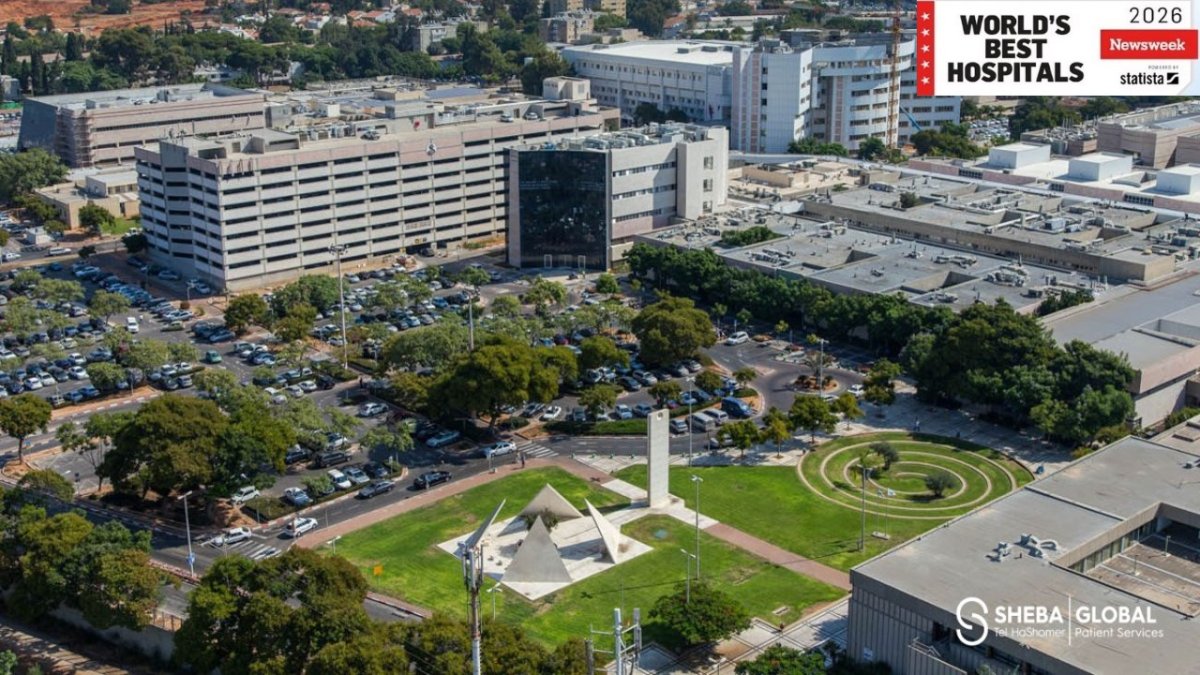









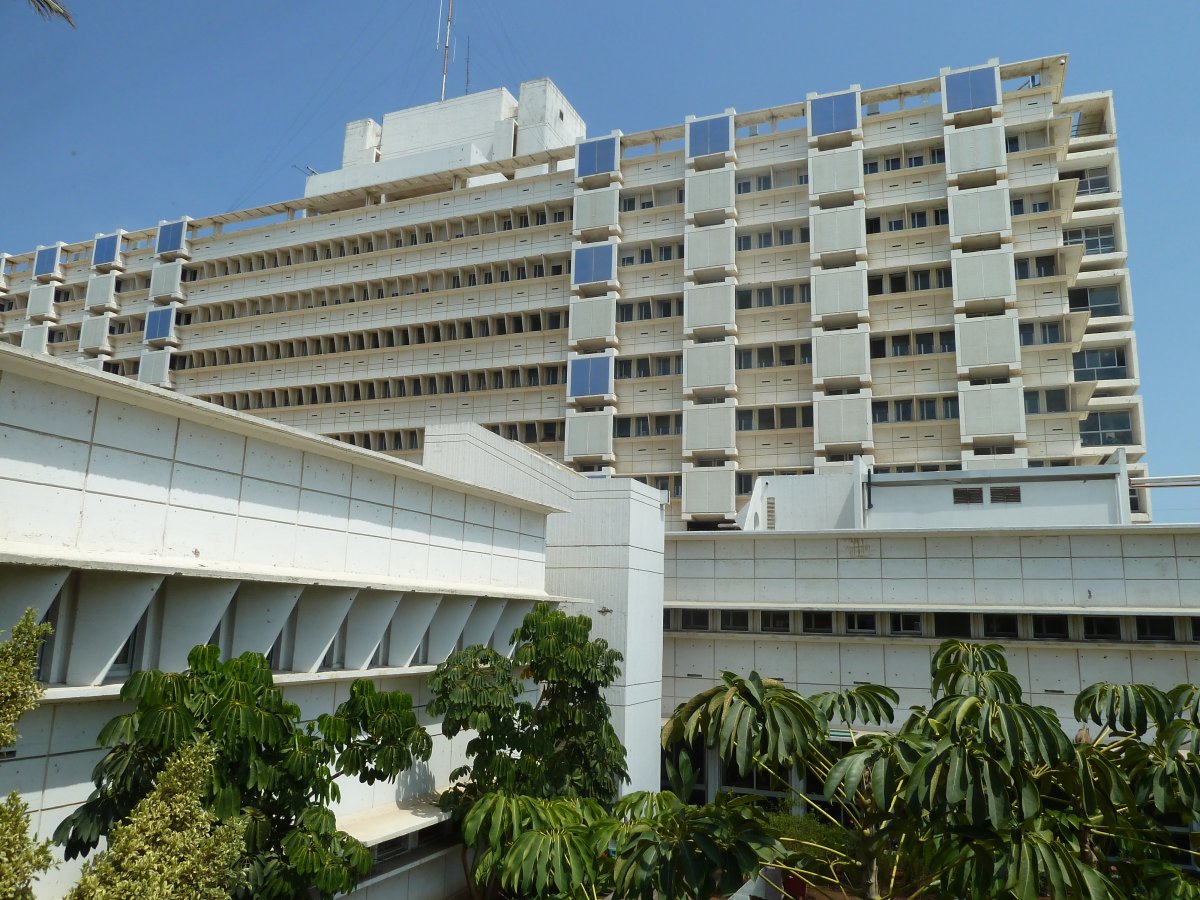
Soroka Medical Center


Herzliya Medical Center
State Hospital Edith Wolfson
احصل على تقييم طبي لـ في إسرائيل. استشر الآن 8 أطباء ذوي الخبرة.
عرض جميع الأطباء
Ofer Merimsky
يرأس البروفيسور ميريمسكي وحدة أورام الأنسجة الرخوة والعظام في مركز سوراسكي الطبي، وهو متخصص في حالات سرطان الغدة الدرقية المعقدة.
- أكثر من _doctor_28_عاماً_ من الخبرة في علم الأورام
- تدريب زمالة في الساركوما في معهد غوستاف روسي، باريس
- أستاذ مشارك في كلية ساكلر للطب
- عضو نشط في ESMO و ASCO
- نشر أبحاثاً مكثفة حول مناعة الأورام
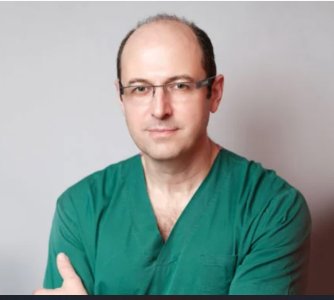
Yuri Goldes
الدكتور يوري غولدس جرّاح عام يتمتع بأكثر من 20 عامًا من الخبرة السريرية. يختص بجراحات الجهاز الهضمي العلوي وجراحة الأورام. يشغل منصب نائب مدير قسم الجراحة العامة وزراعة الأعضاء في مركز شيبا الطبي بتل أبيب، ويرأس وحدة جراحة الجهاز الهضمي العلوي. أُدرِج ضمن قائمة أفضل أطباء فوربس إسرائيل لعام 2025، ومُصنّف ضمن أفضل جراحي الجهاز الهضمي في إسرائيل بحسب فوربس. في 2019، نال جائزة «طبيب العام» من وزارة الصحة الإسرائيلية.
خبير في الجراحة طفيفة التوغل والمتقدمة والروبوتية. يعالج فتق الحجاب الحا

Orit Gutfeld
البروفيسورة أوريت غوتفيلد هي أخصائية رائدة في أورام الرأس والرقبة، بما في ذلك سرطان الغدة الدرقية، وقد أجرت أكثر من 1000 إجراء للعلاج الإشعاعي.
- تعمل كمديرة لمعهد العلاج الإشعاعي في مركز إيخيلوف الطبي
- تخصصت في علاج الأورام بالإشعاع في مركز هداسا الطبي
- أجرت أبحاثاً في مجال الأورام في جامعة ميشيغان
- عضو نشط في العديد من جمعيات الأورام الإسرائيلية والأوروبية
- نشرت أبحاثاً ودرّست في كلية الطب بجامعة تل أبيب

Dan Fliss
دان فليس هو أستاذ وطبيب أورام يتمتع بخبرة واسعة في سرطان الغدة الدرقية، ويمارس عمله في مركز سوراسكي الطبي (إيخيلوف).
- هو متخصص معترف به في هذا المجال
- يعمل في مستشفى كبير مشهور في مجال الأورام
- يعكس لقبه الأكاديمي خبرة وقيادة رفيعة المستوى
مواد ذات صلة
عرض المزيد من التفاصيل
أربع مراحل لسرطان الغدة الدرقية. معدل البقاء وطرق العلاج
كتب بواسطة Veronika Kazina

العلاج الفعال لسرطان الغدة الدرقية في جميع مراحله
كتب بواسطة Veronika Kazina

التشخيص المبكر لسرطان الغدة الدرقية. دقة طرق التشخيص
كتب بواسطة Veronika Kazina

أنواع سرطان الغدة الدرقية
كتب بواسطة Veronika Kazina

أعراض سرطان الغدة الدرقية
كتب بواسطة Veronika Kazina
مشاركة المحتوى
قصص فيديو من مرضى Bookimed
 Anna Leonova
أسئلة متكررة حول علاج سرطان الغدة الدرقية في إسرائيل
ما هي الخيارات الجراحية المتاحة في إسرائيل لسرطان الغدة الدرقية؟
تشمل جراحة سرطان الغدة الدرقية في إسرائيل استئصال الغدة الدرقية الكامل، واستئصال الفص، والتقنيات المتقدمة الخالية من الندبات مثل الإجراءات عبر الفم أو بمساعدة الروبوت. تستخدم المراكز المتخصصة مثل مركز سوراسكي الطبي (إيخيلوف) ومركز شيبا الطبي مراقبة الأعصاب أثناء الجراحة. تحافظ هذه المرافق المعتمدة من اللجنة الدولية المشتركة (JCI) على معدل نجاح في علاج الأورام بنسبة 90٪.
- استئصال الغدة الدرقية الكامل: إزالة كاملة للغدة يتم إجراؤها للحالات المتقدمة لمنع التكرار.
- استئصال فص الغدة الدرقية: إزالة فص واحد للأورام المعزولة بطيئة النمو التي يقل حجمها عن 1 سم.
- الجراحة الروبوتية: إزالة دقيقة من خلال شقوق صغيرة باستخدام نظام دافنشي الروبوتي.
- النهج عبر الفم: جراحة خالية من الندبات حيث يتم إزالة الغدة الدرقية من خلال الشفة السفلية.
رؤية خبراء Bookimed: بينما تعطي العديد من المراكز العالمية الأولوية للإزالة الكاملة، غالبًا ما تفضل البروتوكولات الإسرائيلية في المستشفيات الجامعية مثل هداسا وشيبا استئصال نصف الغدة الدرقية للسرطانات الدقيقة. يساعد هذا التفضيل السريري المحدد المرضى في الحفاظ على وظيفة الغدة الجار درقية الطبيعية وغالبًا ما يلغي الحاجة إلى العلاج بالهرمونات البديلة مدى الحياة. هذا الاتجاه مدعوم بحجم عملياتهم المرتفع الذي يتجاوز 34,000 عملية سنويًا.
إجماع المرضى: يسلط المرضى الضوء على أن العمليات الجراحية غالبًا ما يتم جدولتها في غضون أسابيع ويؤكدون على قيمة الجراحين الذين يتحدثون الإنجليزية. ويشيرون إلى أن مراقبة الأع
ما هي معدلات نجاح علاج سرطان الغدة الدرقية في إسرائيل؟
تُبلغ إسرائيل عن معدلات بقاء على قيد الحياة لمدة 5 سنوات تتجاوز 90% لمرضى سرطان الغدة الدرقية. يُظهر سرطان الغدة الدرقية الحليمي، وهو النوع الأكثر شيوعًا، معدل بقاء بنسبة 95%. تستخدم المراكز المتقدمة المعتمدة من قبل اللجنة الدولية المشتركة (JCI) استئصال الغدة الدرقية الروبوتي واليود المشع للحفاظ على هذه المعايير العالمية العالية للمراحل المبكرة والإقليمية.
- النجاح حسب النوع: تُظهر سرطانات الغدة الدرقية الحليمية والجريبية في مراحلها المبكرة فعالية تتراوح بين 95% إلى 99%.
- توقعات سرطان الغدة الدرقية النخاعي: تحافظ الحالات الموضعية عادةً على معدل بقاء لمدة 10 سنوات بنسبة 90%.
- الاستجابة للعلاج المتقدم: يقلل علاج اليود المشع من الأنسجة السرطانية لدى 95% من المرضى.
- أداء المنشأة: يُبلغ مركز سوراسكي الطبي عن معدل نجاح متوسط في علاج الأورام بنسبة 90%.
رؤية خبير Bookimed: تُظهر البيانات تركيزًا عاليًا للمتخصصين المدرجين في قائمة فوربس، مثل الدكتور آرون بوبوفسر في مركز هداسا الطبي. يقترن هذا المستوى من الخبرة بأحجام هائلة من المرضى. يخدم مركز شيبا الطبي وحده مليوني مريض سنويًا. تخلق هذه الترددات العالية دورة من المهارات الجراحية المكررة التي تساهم بشكل مباشر في معدل النجاح البالغ 98% المُبلغ عنه للإجراءات بمساعدة الروبوت في أفضل العيادات الخاصة.
إجماع المرضى: يشير المرضى إلى أنه على الرغم من أن معدل الشفاء للحالات منخفضة المخاطر مرتفع للغاية، إلا أن استئصال الغدة الدرقية يتطلب تعديلات دوائية مدى الحياة. ويؤكدون على أهمية البح
ما هي أفضل المستشفيات لعلاج سرطان الغدة الدرقية في إسرائيل؟
تشمل أفضل مستشفيات إسرائيل لعلاج سرطان الغدة الدرقية مركز سوراسكي الطبي، ومركز شيبا الطبي، ومركز هداسا الطبي. تستخدم هذه المؤسسات المعتمدة من قبل JCI تشخيصات متقدمة مثل PET/CT وعلاج اليود المشع المتخصص. غالبًا ما تتضمن خطط العلاج جراحة طفيفة التوغل. تضمن الفرق متعددة التخصصات ذات الخبرة معدلات نجاح عالية للحالات الأورام المعقدة.
- مركز سوراسكي الطبي: يبلغ عن معدل نجاح متوسط قدره 90% لمرضى الأورام في تل أبيب.
- مركز شيبا الطبي: صُنف ضمن أفضل مستشفيات العالم من قبل مجلة نيوزويك لسنوات متتالية.
- مركز هداسا الطبي: يضم معهد شاريت، وهو أول مركز شامل للسرطان في إسرائيل.
- مركز أسوتا الطبي: يوفر هذا المرفق الخاص الرائد للمرضى حرية اختيار الجراحين المعالجين لهم.
رؤية خبير Bookimed: تدير مراكز الأورام الإسرائيلية مثل سوراسكي وشيبا أحجامًا هائلة من المرضى، تتجاوز 1.8 مليون سنويًا. يسمح هذا التردد العالي لجراحين مثل الدكتور آفي حيفيتز أو البروفيسور دان فليس بالحفاظ على كفاءة تقنية استثنائية. يجب على المرضى إعطاء الأولوية للعيادات التي تضم أقسامًا متكاملة للطب النووي لتبسيط علاج اليود المشع بعد الجراحة.
إجماع المرضى: يشير المرضى إلى أن الجراحة بمساعدة الروبوت في إسرائيل يمكن أن تقلل بشكل كبير من وقت التعافي مقارنة بالطرق التقليدية. يؤكد الكثيرون على ضرورة حجز جراحي الأنف والأذن والحنجرة في وقت مبكر لأن الجداول الزمنية المتخصصة للمسافرين الدوليين تمتلئ بسرعة كبيرة.
ما هي الأسئلة التي يجب أن أطرحها على جراحي الإسرائيلي قبل جراحة سرطان الغدة الدرقية؟
يجب على المرضى سؤال الجراحين الإسرائيليين عن حجم حالات سرطان الغدة الدرقية السنوي لديهم والمعدلات المحددة للحفاظ على عصب الحبال الصوتية. يجب أن تغطي الاستفسارات الأساس المنطقي لاختيار استئصال الغدة الدرقية الكامل بدلاً من استئصال الفص. يعد تأكيد بروتوكولات اليود المشع وجداول مراقبة الثيروجلوبولين طويلة المدى أمراً ضرورياً للتعافي.
- حجم العمليات الجراحية: اسأل تحديداً عن حالات سرطان الغدة الدرقية، بهدف الوصول إلى 25 إلى 50 حالة سنوياً.
- حماية الأعصاب: تحقق مما إذا كان الجراح يستخدم مراقبة عصبية متقدمة أثناء الجراحة للحبال الصوتية.
- الحوكمة المرضية: اطلب مبرراً مكتوباً للمدى المختار لإزالة الأنسجة أو الغدد الليمفاوية.
- إدارة الهرمونات: وضح أي طبيب غدد صماء سيدير بروتوكولات تثبيط TSH وجرعات ليفوثيروكسين.
- توقيت الاستئصال: حدد العتبة والجدول الزمني لعلاج اليود المشع قبل الإجراء.
رؤية خبير Bookimed: غالباً ما تضم المراكز الإسرائيلية مثل سوراسكي أو هداسا متخصصين تابعين للجامعات يظهرون في قوائم فوربس لأفضل الأطباء. تظهر البيانات أن هذه المرافق ذات الحجم الكبير تعالج أكثر من 1,000,000 مريض سنوياً. يسمح هذا النطاق للجراحين بالتخصص بدقة في الأورام بدلاً من حالات الأنف والأذن والحنجرة العامة. يعد هذا التخصص عاملاً رئيسياً في تحقيق معدلات نجاح بنسبة 90% في رعاية السرطان المعقدة.
إجماع المرضى: يشير المرضى إلى أنه من الضروري تأكيد خطة المتابعة لمراقبة الثيروجلوبولين والموجات فوق الصوتية في وقت مبكر. كما يؤ
لماذا تُعد إسرائيل واحدة من الوجهات الرائدة في جراحة الأعصاب؟
تُعدّ إسرائيل مركزًا رائدًا في جراحة الأعصاب بفضل مزيجها من التطورات الطبية عالية التقنية والخبرات الجراحية المتميزة. وتستخدم مرافق متطورة مثل مركز شيبا الطبي أنظمة ملاحة تعتمد على الذكاء الاصطناعي والتصوير بالرنين المغناطيسي أثناء الجراحة في الوقت الفعلي. وتشير المراكز المتخصصة إلى نسبة نجاح تصل إلى 98% في العمليات الجراحية المعقدة، بما في ذلك جراحة الدماغ مع اليقظة وعلاج اضطرابات الحركة.
- التكنولوجيا المتقدمة: تستخدم العيادات الموجات فوق الصوتية المركزة الموجهة بالرنين المغناطيسي (MRgFUS) والأنظمة الروبوتية لإجراء الشقوق.
- الخبرة الجراحية: يقود جراحون مثل الدكتور تسفي رام جمعيات دولية بخبرة تزيد عن 25 عامًا.
- الوصول السريع: يمكن للمرضى الدوليين عادةً تحديد مواعيد لإجراء عمليات جراحية معقدة في الدماغ أو العمود الفقري في غضون 2-4 أسابيع.
- الرعاية الطبية المعتمدة: المراكز الكبيرة مثل سوراسكي (إيشيلوف) وأسوتا معتمدة من قبل اللجنة الدولية المشتركة، مما يؤكد سلامتها.
رأي خبراء بوكيمد: تُظهر البيانات فرقًا واضحًا بين خيارات العلاج في القطاعين العام والخاص في إسرائيل. تُجري المراكز الخاصة، مثل مركز أسوتا الطبي، أكثر من 92,000 عملية جراحية سنويًا، وتتيح للمرضى اختيار جراح را
ما هي أنواع الأمراض العصبية التي يتم علاجها في إسرائيل؟
يعالج جراحو الأعصاب الإسرائيليون طيفاً واسعاً من الحالات، بدءاً من أورام الدماغ والحبل الشوكي وصولاً إلى الاضطرابات الوظيفية المعقدة. وتستخدم المراكز المتخصصة أحدث التقنيات، مثل جهاز جاما نايف، والتحفيز العميق للدماغ، والتصوير بالرنين المغناطيسي أثناء الجراحة، لتشخيص دقيق للغاية لحالات الصرع، ومرض باركنسون، وأمراض الأوعية الدموية الدماغية.
- الأمراض السرطانية: علاج الأورام الدبقية والأورام السحائية وأورام الغدة النخامية باستخدام استئصال قاعدة الجمجمة.
- الاضطرابات الوظيفية: علاج مرض باركنسون والرعاش الأساسي باستخدام التحفيز العميق للدماغ.
- أمراض العمود الفقري: تصحيح الجنف، وانزلاق الغضروف، وأورام العمود الفقري باستخدام الأنظمة الروبوتية.
- علاج أمراض الأوعية الدموية الدماغية: العلاج الجراحي لتمدد الأوعية الدموية الدماغية والتشوهات الشريانية الوريدية باستخدام التدخلات داخل الأوعية الدموية.
- جراحة الأعصاب للأطفال: رعاية متخصصة لاستسقاء الرأس والتشوهات الخلقية في مراكز طب الأطفال المتخصصة.
رأي خبراء بوكيمد: غالبًا ما تجمع المستشفيات الإسرائيلية بين تخصصات طبية متعددة لمعالجة الحالات المعقدة. ففي مركز سوراسكي ا
ما هي المستشفيات في إسرائيل التي تشتهر بأقسام جراحة الأعصاب فيها؟
تضم إسرائيل مراكز جراحة أعصاب عالمية المستوى، مثل مركز سوراسكي الطبي، ومركز شيبا الطبي، ومركز هداسا الطبي. وتُعدّ هذه المؤسسات رائدة عالميًا في علاج أورام الدماغ المعقدة، وأمراض العمود الفقري، واضطرابات الحركة. وتستخدم أحدث التقنيات، مثل جهاز جاما نايف، والأنظمة الروبوتية، والتصوير بالرنين المغناطيسي أثناء الجراحة.
- سوراسكي (إيخيلوف): يجري أكثر من 2500 عملية جراحية عصبية سنوياً في تل أبيب بنسبة نجاح تبلغ 98%.
- مركز شيبا الطبي: مصنف ضمن أفضل عشرة مستشفيات في العالم، حيث يعالج 1.9 مليون مريض سنوياً.
- مركز هداسا الطبي: مرشح لجائزة نوبل للسلام. رائد في جراحة الأعصاب للأطفال والعلاج الجيني.
- مركز أسوتا الطبي: أكبر منشأة طبية خاصة في إسرائيل. متخصص في جراحات العمود الفقري والدماغ طفيفة التوغل.
- مستشفى شنايدر للأطفال: مركز رائد في جراحة الأعصاب للأطفال، يعالج 275000 طفل سنوياً.
رأي خبراء بوكيمد: تُظهر بياناتنا أنه بينما يلجأ معظم المرضى للعلاج في تل أبيب، يُقدّم مركز رامبام الطبي في حيفا رعايةً فريدةً لإصابات الدماغ. فهو يضم وحدةً متخصصةً للعناية المركزة العصبية تُعالج ما يقارب مليون مريض سنويًا. وهذا ما يجعله
من هم أبرز جراحي الأعصاب في إسرائيل؟
من بين أبرز جراحي الأعصاب الإسرائيليين البروفيسور تسفي رام، والبروفيسور شلومي كونستانتيني، والبروفيسور إسحاق فريد من مركز سوراسكي الطبي. ويشغل هؤلاء المتخصصون مناصب قيادية في الجمعية الأوروبية لجمعيات جراحة الأعصاب (EANS) والجمعية العالمية لجراحة الأعصاب التجسيمية والوظيفية (WSSFN). ويستخدمون تقنيات رسم الخرائط المتقدمة أثناء الجراحة وأنظمة الروبوتات.
- البروفيسور تسفي رام: خبير في جراحة أورام الدماغ طفيفة التوغل والعلاج الجيني للسرطان.
- الأستاذ شلومي كونستانتيني: متخصص في إجراءات التنظير العصبي المعقدة للأطفال والجراحة المجهرية لأورام الدماغ.
- الأستاذ إسحاق فريد: خبير في جراحة الصرع، ورسم خرائط الدماغ الوظيفية، وتحفيز الدماغ العميق.
- الدكتور إيلي أشكينازي: جراح عظام رائد في مستشفى أسوتا، متخصص في نظام TOPS المبتكر.
رأي خبراء بوكيمد: تشير بيانات مركز سوراسكي وشيبا إلى وجود علاقة وثيقة بين ارتفاع عدد العمليات الجراحية وسلامة المرضى. فعلى سبيل المثال، يُجري مركز سوراسكي أكثر من 34,000 عملية جراحية لعلاج الأورام سنويًا بنسبة نجاح تصل إلى 90%. لذا، ينبغي على المرضى الذين يحتاجون إلى استئصال أورام معقدة إعطاء الأولوية لمراكز كهذه، حيث يُجري الجراحون مئات العمليات الجراحية ا
ما هي متطلبات المرضى الدوليين القادمين الذين يسعون للحصول على رعاية جراحية عصبية؟
يجب على المرضى الأجانب الذين يحتاجون إلى علاج جراحي للأعصاب في إسرائيل تقديم وثائق طبية كاملة، بما في ذلك نتائج التصوير بالرنين المغناطيسي أو التصوير المقطعي المحوسب الحديثة، مترجمة إلى اللغة الإنجليزية. يتطلب دخول المستشفى فحصًا سريريًا من قبل أخصائيين للتأكد من ملاءمة المريض للعلاج. غالبًا ما تطلب المستشفيات دفعًا مسبقًا كاملًا أو دفعة مقدمة كبيرة قبل تأكيد مواعيد الجراحة أو إصدار وثائق التأشيرة.
- السجلات الطبية: تقديم تقارير مفصلة ونتائج التصوير مترجمة إلى اللغة الإنجليزية في غضون 48 ساعة للمراجعة السريرية.
- إثبات القدرة المالية: يرجى تقديم إثبات توفر الأموال بمبلغ تقريبي يتراوح بين $16,000 و $70,600 لتغطية تكاليف العلاج.
- دعم التأشيرة: تقوم عيادات مثل مركز سوراسكي الطبي (إيخيلوف) بإصدار خطابات رسمية للحصول على تأشيرة طبية من نوع B-2.
- مرحلة الاستشارة: غالبًا ما يتم إجراء التقييم الأولي عبر استشارة عبر الإنترنت مع جراحين مثل الدكتور شتراوس إيدو.
رأي خبراء بوكيمد: تُظهر البيانات أن المؤسسات الطبية الإسرائيلية الرائدة، مثل مركز شيبا الطبي ومركز هداسا الطبي، تستقبل عددًا هائلًا من المرضى، يتجاوز مليون مريض سنويًا. هذا الطلب المرتفع يعني أن العيادات تُعطي الأول
كم من الوقت سأحتاج للبقاء في إسرائيل لإجراء جراحة الأعصاب والمتابعة؟
تتراوح مدة الإقامة المعتادة في قسم جراحة الأعصاب في إسرائيل بين 10 و14 يومًا للحالات غير المعقدة. أما المرضى الذين يخضعون لإجراءات معقدة، مثل استئصال ورم دماغي أو تحفيز الدماغ العميق، فغالبًا ما يحتاجون إلى الإقامة لمدة تتراوح بين 4 و6 أسابيع. تشمل هذه الفترة التشخيص قبل الجراحة، والجراحة نفسها، والمتابعة اللازمة بعد العملية.
- مدة الإقامة في المستشفى: تستغرق الإجراءات طفيفة التوغل من يوم إلى ثلاثة أيام. أما عمليات فتح الجمجمة التقليدية فتستغرق في المتوسط من ثلاثة إلى عشرة أيام.
- التعافي في الموقع: بعد الخروج من المستشفى، البقاء في إسرائيل لمدة 7-14 يومًا لإجراء فحوصات المتابعة الإلزامية.
- سلامة الطيران: يوصي الجراحون بالانتظار من 4 إلى 6 أسابيع قبل السفر جواً للسماح لضغط الجمجمة الداخلي بالاستقرار.
- جدول المتابعة: عادة ما يتم إجراء الفحوصات السريرية الشخصية في الأيام 3 و7 و14 بعد الجراحة.
رأي خبراء بوكيمد: تُظهر بيانات مركز سوراسكي الطبي أنه يعالج أكثر من 400,000 مريض سنويًا بنسب نجاح عالية. غالبًا ما تتميز العيادات التي تستقبل هذا العدد الكبير من المرضى، مثل هاداسا وأسوتا، بإجراءات خروج مبسطة. وهذا يُسهّل على المرضى الدوليين الانتقال بسرعة أكبر إلى إعادة التأهيل في ا