الالتهاب الرئوي العلاج في الهند - التكاليف 2026


تمت مراجعة المقالة طبيا من قبل
فهد مولود
ما هي تكلفة الالتهاب الرئوي إجراءات التشخيص والعلاج في الهند؟ اعرف الآن
مزاياك وضماناتك مع Bookimed
أسعار مباشرة
Bookimed لا يضيف رسوماً إضافية على أسعار علاج الالتهاب الرئوي. الأسعار مأخوذة من قوائم الأسعار الرسمية للعيادات. تدفع مباشرة في العيادة مقابل علاجك عند وصولك إلى البلد.
عيادات وأطباء معتمدون فقط
Bookimed ملتزم بسلامتك. نحن نعمل فقط مع المؤسسات الطبية التي تحافظ على معايير دولية عالية في علاج الالتهاب الرئوي ولديها التراخيص اللازمة لخدمة المرضى الدوليين في جميع أنحاء العالم.
مساعدة مجانية على مدار الساعة
Bookimed يقدم مساعدة خبراء مجانية. منسق طبي شخصي يدعمك قبل وأثناء وبعد العلاج، ويحل أي مشاكل. لن تكون وحيداً أبداً في رحلة علاج الالتهاب الرئوي.

منسقك الطبي الشخصي في Bookimed
- يدعمك في كل مرحلة
- المساعدة في اختيار العيادة الطبية المناسبة والطبيب المناسب
- يضمن الوصول السريع والمريح إلى المعلومات
اكتشف أفضل الالتهاب الرئوي العيادات في الهند: 8 خيارات معتمدة والأسعار











Dr. Rela Institute & Medical Centre
احصلوا على تقييم طبي لـ الالتهاب الرئوي في الهند: استشيروا أطباء ذوي خبرة الآن
عرض جميع الأطباء
Pooja Doshi
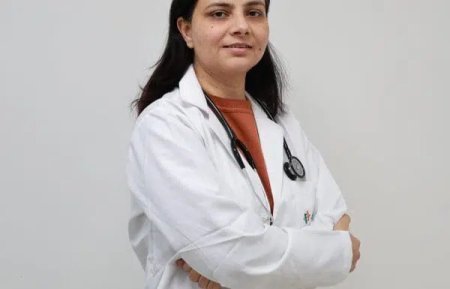
Diksha Tyagi
مشاركة المحتوى
قصص فيديو من مرضى Bookimed
 Anna Leonova
أسئلة متكررة حول علاج الالتهاب الرئوي في الهند
ما هي الأنواع الرئيسية لعلاج الالتهاب الرئوي المتاحة في الهند؟
يركز علاج الالتهاب الرئوي في الهند على العلاج المضاد للميكروبات الموجه والدعم التنفسي المتخصص. توفر المرافق المعتمدة من قبل اللجنة الدولية المشتركة (JCI) علاجاً للبكتيريا باستخدام المضادات الحيوية الوريدية مثل سيفترياكسون. تتلقى الحالات الفيروسية والفطرية بروتوكولات محددة مضادة للفيروسات أو الفطريات. توفر المراكز المتقدمة تقنية الأكسجة الغشائية خارج الجسم (ECMO) والتهوية الميكانيكية للفشل التنفسي الحاد.
- بروتوكولات الأدوية: يستخدم الأطباء خيارات تعتمد على البنسلين أو الماكروليدات للحالات المكتسبة من المجتمع.
- رعاية تنفسية متقدمة: توفر المستشفيات العلاج بالأكسجين، وجهاز ضغط مجرى الهواء الإيجابي ثنائي المستوى (BiPAP)، وتقنية ECMO للمرضى في الحالات الحرجة.
- التصريف الجراحي: يعالج بزل الصدر أو تصريف القسطرة الانصباب الجنبي وخراجات الرئة.
- العلاج الداعم: يساعد العلاج الطبيعي المتخصص للصدر والتبخير في تنظيف إفرازات الرئة المستعصية.
رؤية خبير Bookimed: تمثل الهند مركزاً فريداً للرعاية التنفسية المتخصصة. تحتفظ مستشفيات أرتميس في جورجاون باعتمادات JCI وNABH. يضمن هذا الاعتماد المزدوج معايير السلامة الدولية لحالات العناية المركزة المعقدة. تسمح مراكز التميز الـ 11 الخاصة بهم بتدخل متعدد التخصصات سريع. هذا أمر حيوي عندما يؤدي الالتهاب الرئوي إلى مشاكل ثانوية في القلب أو الكلى.
إجماع المرضى: يشير المرضى إلى أنه من المفيد أن تجمع المستشفيات الهندية بين المتخصصين والتشخيصات في مكان واحد. ويؤكدون على أهمية اتباع دورة المضادات الحيوي
ما مدى سرعة الأطباء في الهند في تحديد البكتيريا أو الفيروس الدقيق المسبب للالتهاب الرئوي؟
يمكن للمنشآت الطبية الهندية تحديد مسببات الالتهاب الرئوي في غضون 15 إلى 30 دقيقة باستخدام اختبارات المستضدات السريعة لبكتيريا معينة. توفر لوحات PCR الجزيئية المتقدمة في المراكز الحضرية الكبرى نتائج مفصلة في غضون 1 إلى 6 ساعات. تتطلب مزارع الدم أو البلغم التقليدية من 24 إلى 72 ساعة لتحديد الهوية بشكل نهائي.
- الفحص السريع: تكتشف اختبارات المستضدات في نقطة الرعاية بكتيريا العقدية الرئوية (Streptococcus pneumoniae) في أقل من 30 دقيقة.
- اللوحات الجزيئية: تحدد أدوات PCR مثل BioFire FilmArray مسببات الأمراض في غضون 1 إلى 6 ساعات.
- المعيار الذهبي: تستغرق المزارع البكتيرية التقليدية من 24 إلى 48 ساعة لنمو الكائنات الحية.
- اختبار الحساسية: يتطلب تحديد فعالية المضادات الحيوية المحددة فترة حضانة إضافية مدتها 24 ساعة.
رؤية خبير Bookimed: سرعة التشخيص عالية في المراكز المعتمدة مثل مستشفى جلوبال في تشيناي ومستشفيات مانيبال. تحمل هذه المرافق اعتماد NABL للتميز المختبري. يضمن هذا الاعتماد أن المختبرات المتخصصة تلبي المعايير الدولية لدقة الاختبار. غالبًا ما تحتفظ المستشفيات الكبيرة التي تضم أكثر من 1000 سرير بتشخيصات جزيئية داخلية على مدار الساعة طوال أيام الأسبوع. تساعد هذه التوافرية في تجنب التأخير لمدة 4 أيام الذي غالبًا ما يوجد في المختبرات الحكومية الأصغر.
إجماع المرضى: يشير المرضى إلى أن المستشفيات الحضرية الخاصة تعيد نتائج المزارع في غضون 72 ساعة. ويوصون بطلب اختبارات البروكالسيتونين ولوحات PCR على الفور لتجنب تقارير "النباتات
ما هي المؤهلات الطبية والخبرة التي يتمتع بها أخصائيو الالتهاب الرئوي في الهند؟
أخصائيو الالتهاب الرئوي في الهند، وعادة ما يكونون أطباء أمراض الرئة أو أطباء الباطنة، يحملون درجة بكالوريوس الطب والجراحة (MBBS) لمدة 5.5 سنوات تليها درجة دكتوراه في الطب (MD) أو دبلوم المجلس الوطني (DNB) لمدة 3 سنوات في طب الجهاز التنفسي أو الطب الباطني. يتابع الكثيرون تخصصاً دقيقاً (DM) لمدة 3 سنوات. يجب أن يكون الجميع مسجلين لدى اللجنة الطبية الوطنية (NMC).
- التعليم الأساسي: إكمال بكالوريوس الطب والجراحة لمدة 5.5 سنوات متبوعاً بتدريب تخصصي بعد التخرج.
- التخصص بعد التخرج: درجة دكتوراه في الطب أو دبلوم المجلس الوطني لمدة 3 سنوات في طب الرئة أو الجهاز التنفسي.
- المؤهلات المتقدمة: درجة دكتوراه في الطب (DM) لمدة 3 سنوات في طب الرئة لإدارة أمراض الجهاز التنفسي المتقدمة.
- التدريب الإجرائي: خبرة عملية في تنظير القصبات، وبزل الصدر، وإدارة أجهزة التنفس الصناعي في العناية المركزة.
رؤية خبير Bookimed: بينما تمتلك الهند أكثر من 1.4 مليون طبيب مسجل، توجد أعلى تركيز للرعاية المتخصصة في المراكز المعتمدة من قبل اللجنة الدولية المشتركة (JCI). على سبيل المثال، يعد مستشفى جلوبال في تشيناي رائداً معترفاً به، حيث أجرى أول عملية زراعة رئة طفيفة التوغل في الهند. يسلط هذا الضوء على سبب وجوب استهداف المرضى للمراكز الكبيرة متعددة التخصصات في مدن مثل جورجاون أو بنغالورو لعلاج الالتهاب الرئوي الحاد، حيث تضم هذه المرافق فرقاً أكبر تصل إلى 400 طبيب متخصص.
إجماع المرضى: يلاحظ المرضى أن الأطباء في المدن الكبرى يقدمون اختبارات أكثر دقة، مثل مزارع
كم من الوقت سأحتاج للبقاء في المستشفى، ومتى يمكنني السفر جواً إلى المنزل بعد علاج الالتهاب الرئوي في الهند؟
عادةً ما يبقى مرضى الالتهاب الرئوي في المستشفيات الخاصة الهندية ما بين 4 إلى 7 أيام لتلقي العلاج. يمكنك عموماً السفر جواً إلى المنزل بعد 10 إلى 14 يوماً من تحسن الأعراض. تتطلب شركات الطيران مثل طيران الهند شهادة لياقة للطيران (Fit to Fly) صادرة خلال 3 أيام من المغادرة.
- مدة الإقامة في المستشفى: تقوم المرافق الخاصة مثل مستشفيات أرتميس (Artemis Hospitals) عادةً بتخريج المرضى بعد 5 أيام.
- الاستقرار السريري: يجب أن تكون خالياً من الحمى لمدة 48 ساعة دون استخدام الأدوية.
- متطلبات الحركة: يجب أن يكون المرضى قادرين على المشي لمسافة 50 متراً دون الشعور بضيق تنفس حاد.
- مستويات الأكسجين: تتطلب شركات الطيران تشبعاً بالأكسجين فوق 92% للسماح بالسفر دون مساعدة.
- الحالات الشديدة: قد تؤدي فترة التعافي من العناية المركزة إلى تمديد فترة الانتظار إلى 6 أسابيع.
رؤية خبير Bookimed: بينما تشير الإرشادات السريرية إلى إمكانية السفر بعد 7 أيام، تخدم المجموعات الهندية الكبرى مثل مستشفيات مانيبال (Manipal Hospitals) أكثر من 2,000,000 مريض سنوياً باحتياجات تعافي متنوعة. تظهر بياناتنا أن شركات التأمين غالباً ما تفرض فترة مراقبة تتراوح بين 10 إلى 21 يوماً قبل السماح بالسفر الدولي. لعودة أكثر أماناً، اختر المراكز المعتمدة من قبل اللجنة الدولية المشتركة (JCI) في جورجاون أو بنغالورو لضمان مطابقة الوثائق لمعايير شركات الطيران الصارمة.
إجماع المرضى: يشير المرضى إلى أن السفر جواً في وقت مبكر جداً قد يسبب انتكاسة بسبب ضغط المقصور
ما هي المدن أو المستشفيات في الهند الأكثر شهرة في رعاية الالتهاب الرئوي وفق المعايير الدولية؟
تعد نيودلهي وجورجاون وتشيناي المراكز الهندية الرائدة لرعاية الالتهاب الرئوي وفق المعايير الدولية. تضم هذه المدن مرافق معتمدة من اللجنة الدولية المشتركة (JCI) مثل مستشفى أرتميس وميدانتا. وهي توفر وحدات عناية مركزة تنفسية متقدمة وأكسجة غشائية خارج الجسم (ECMO) للحالات الشديدة. يتبع أخصائيو أمراض الرئة هنا بروتوكولات صارمة للإشراف على المضادات الحيوية.
- التشخيص المتقدم: تستخدم المرافق فحوصات التصوير المقطعي المحوسب عالية الدقة واختبارات غازات الدم الشرياني (ABG).
- الرعاية الحرجة: يوفر ميدانتا ومستشفى جلوبال تشيناي عمليات زراعة رئة متخصصة ودعم العناية المركزة.
- معايير الاعتماد: تحافظ أفضل المستشفيات على شهادات JCI وNABH لسلامة المرضى.
- الخبرة في طب الأطفال: يتميز مستشفى أرتميس في جورجاون بوحدات متخصصة لرعاية الجهاز التنفسي للأطفال.
رؤية خبراء Bookimed: تُظهر البيانات تمييزًا واضحًا بين العمالقة متعددي التخصصات والعيادات الأصغر لمشاكل الجهاز التنفسي. تخدم مستشفيات مانيبال أكثر من 2,000,000 مريض سنويًا عبر شبكتها. يضمن هذا الحجم الهائل أن يعالج الأطباء مضاعفات الالتهاب الرئوي النادرة يوميًا. تتخصص المجموعات الكبيرة مثل مستشفى جلوبال أيضًا في عمليات زراعة القلب والرئة. وهذا يوفر شبكة أمان للمرضى الذين يحتاجون إلى تدخل متقدم يتجاوز التهوية القياسية.
إجماع المرضى: يؤكد المرضى على اختيار سلاسل المستشفيات الخاصة في المدن الكبرى لضمان الوصول السريع إلى أجهزة التنفس الصناعي والموظفين الناطقين بالإنجليزية. يوصي الكثيرون بإجراء الت
هل تتبع المستشفيات الهندية بروتوكولات الإشراف الدولية على المضادات الحيوية لتقليل المقاومة؟
تتبع المستشفيات الهندية المعتمدة من قبل اللجنة الدولية المشتركة (JCI) و NABH بروتوكولات الإشراف العالمية على المضادات الحيوية بصرامة. تستخدم المراكز الرائدة مثل مستشفيات Artemis ومستشفيات Manipal فرقاً متعددة التخصصات. يقوم هؤلاء المتخصصون بإجراء تدقيق للوصفات الطبية وعلاجات قائمة على المزارع. يقلل هذا النهج بشكل فعال من المقاومة أثناء علاج الالتهاب الرئوي.
- معايير الاعتماد: تفرض إرشادات NABH و JCI وجود فرق إشراف رسمية في المرافق الثالثية.
- الدقة التشخيصية: تجري المختبرات المعتمدة من NABL في مستشفى Global Hospital Chennai اختبارات الحساسية للمضادات الميكروبية.
- قائمة الأدوية المقيدة: تقصر المراكز الثالثية المضادات الحيوية الاحتياطية على متخصصي الأمراض المعدية المصرح لهم فقط.
- مخططات الحساسية المحلية: تتتبع المستشفيات الكبرى أنماط مقاومة البكتيريا لتوجيه العلاج التجريبي للالتهاب الرئوي.
رؤية خبير Bookimed: تظهر البيانات أن حجم المستشفى يرتبط ارتباطاً مباشراً بالامتثال للإشراف. تحافظ الشبكات الكبيرة مثل مستشفيات Manipal، التي تخدم 2,000,000 مريض سنوياً، على بروتوكولات صارمة عبر ولايات متعددة. يجب على المرضى اختيار المستشفيات الحاصلة على شهادات ISO و NABH. من المرجح أن تمتلك هذه المرافق لجاناً قائمة لمنع الإفراط في وصف الأدوية.
إجماع المرضى: يشير المرضى إلى أهمية طلب اختبارات البلغم قبل بدء العلاج. يقترح الكثيرون سؤال أطباء الرئة حول خفض التصعيد إلى أدوية ضيقة الطيف بعد 48 ساعة.
ما هو الدعم المقدم بعد الخروج للمرضى الدوليين المصابين بالالتهاب الرئوي؟
يشمل دعم ما بعد الخروج للمرضى الدوليين المصابين بالالتهاب الرئوي في الهند إدارة منسقة للأدوية وإعادة التأهيل الرئوي. توفر المرافق المعتمدة من JCI خطط متابعة منظمة. تغطي هذه الخطط الانتقال إلى المضادات الحيوية الفموية وتمارين التنفس. تضمن المراقبة عن بعد والتوجيه الغذائي تعافياً آمناً بعد العودة إلى المنزل.
- إدارة الأدوية: يسهل الأطباء الانتقال من العلاج بالمضادات الحيوية الوريدية إلى الفموية.
- العلاج التنفسي: يتلقى المرضى تدريباً على العلاج الطبيعي للصدر واستخدام مقياس التنفس التحفيزي.
- المراقبة المنزلية: تتبع الأدوات الرقمية مستويات تشبع الأكسجين وحالة الجهاز التنفسي عن بعد.
- الرعاية الوقائية: تربط المستشفيات المرضى المعرضين لمخاطر عالية ببرامج التطعيم ضد الإنفلونزا والمكورات الرئوية.
رؤية خبير Bookimed: تخدم شبكات المستشفيات الكبيرة مثل مستشفيات مانيبال أكثر من 2,000,000 مريض سنوياً. إنهم يستخدمون هذا الحجم الهائل لتحسين بروتوكولات الخروج الموحدة. تعمل أقسامهم الدولية المخصصة على سد الفجوة بين رعاية المستشفى والتعافي في المنزل. هذا أمر حيوي للمرضى الذين يسافرون عائدين إلى مناطق زمنية مختلفة.
إجماع المرضى: يقدر المرضى تلقي تعليمات مكتوبة واضحة لأدويتهم قبل السفر إلى المنزل. يذكر الكثيرون أن وجود نقطة اتصال مباشرة لأسئلة المتابعة يقلل من قلق التعافي.