الالتهاب الرئوي العلاج في تايلاند - التكاليف 2026


تمت مراجعة المقالة طبيا من قبل
فهد مولود
ما هي تكلفة الالتهاب الرئوي إجراءات التشخيص والعلاج في تايلاند؟ اعرف الآن
مزاياك وضماناتك مع Bookimed
أسعار مباشرة
Bookimed لا يضيف رسوماً إضافية على أسعار علاج الالتهاب الرئوي. الأسعار مأخوذة من قوائم الأسعار الرسمية للعيادات. تدفع مباشرة في العيادة مقابل علاجك عند وصولك إلى البلد.
عيادات وأطباء معتمدون فقط
Bookimed ملتزم بسلامتك. نحن نعمل فقط مع المؤسسات الطبية التي تحافظ على معايير دولية عالية في علاج الالتهاب الرئوي ولديها التراخيص اللازمة لخدمة المرضى الدوليين في جميع أنحاء العالم.
مساعدة مجانية على مدار الساعة
Bookimed يقدم مساعدة خبراء مجانية. منسق طبي شخصي يدعمك قبل وأثناء وبعد العلاج، ويحل أي مشاكل. لن تكون وحيداً أبداً في رحلة علاج الالتهاب الرئوي.

منسقك الطبي الشخصي في Bookimed
- يدعمك في كل مرحلة
- المساعدة في اختيار العيادة الطبية المناسبة والطبيب المناسب
- يضمن الوصول السريع والمريح إلى المعلومات
اكتشف أفضل الالتهاب الرئوي العيادات في تايلاند: 2 خيارات معتمدة والأسعار

احصلوا على تقييم طبي لـ الالتهاب الرئوي في تايلاند: استشيروا أطباء ذوي خبرة الآن
عرض جميع الأطباء
Dr. Kirachima Nuanthong
مشاركة المحتوى
قصص فيديو من مرضى Bookimed
 Anna Leonova
أسئلة متكررة حول علاج الالتهاب الرئوي في تايلاند
هل الرعاية في المستشفيات لعلاج الالتهاب الرئوي في تايلاند آمنة وتتوافق مع المعايير الدولية؟
تعد الرعاية في المستشفيات لعلاج الالتهاب الرئوي في تايلاند آمنة وتتجاوز المعايير العالمية. تستخدم المرافق الخاصة معايير اللجنة الدولية المشتركة (JCI) لضمان سلامة المرضى. أكثر من 60 مركزاً حاصل على اعتماد JCI. تبلغ المستشفيات الكبرى عن معدل تحسن بنسبة 87% لمرضى الجهاز التنفسي. تركز المرافق على بروتوكولات التشخيص السريع.
- شهادات السلامة: أكثر من 60 مرفقاً حاصل على اعتماد اللجنة الدولية المشتركة (JCI).
- النتائج السريرية: تفيد المستشفيات الجامعية بأن 87.3% من المرضى يتحسنون قبل الخروج.
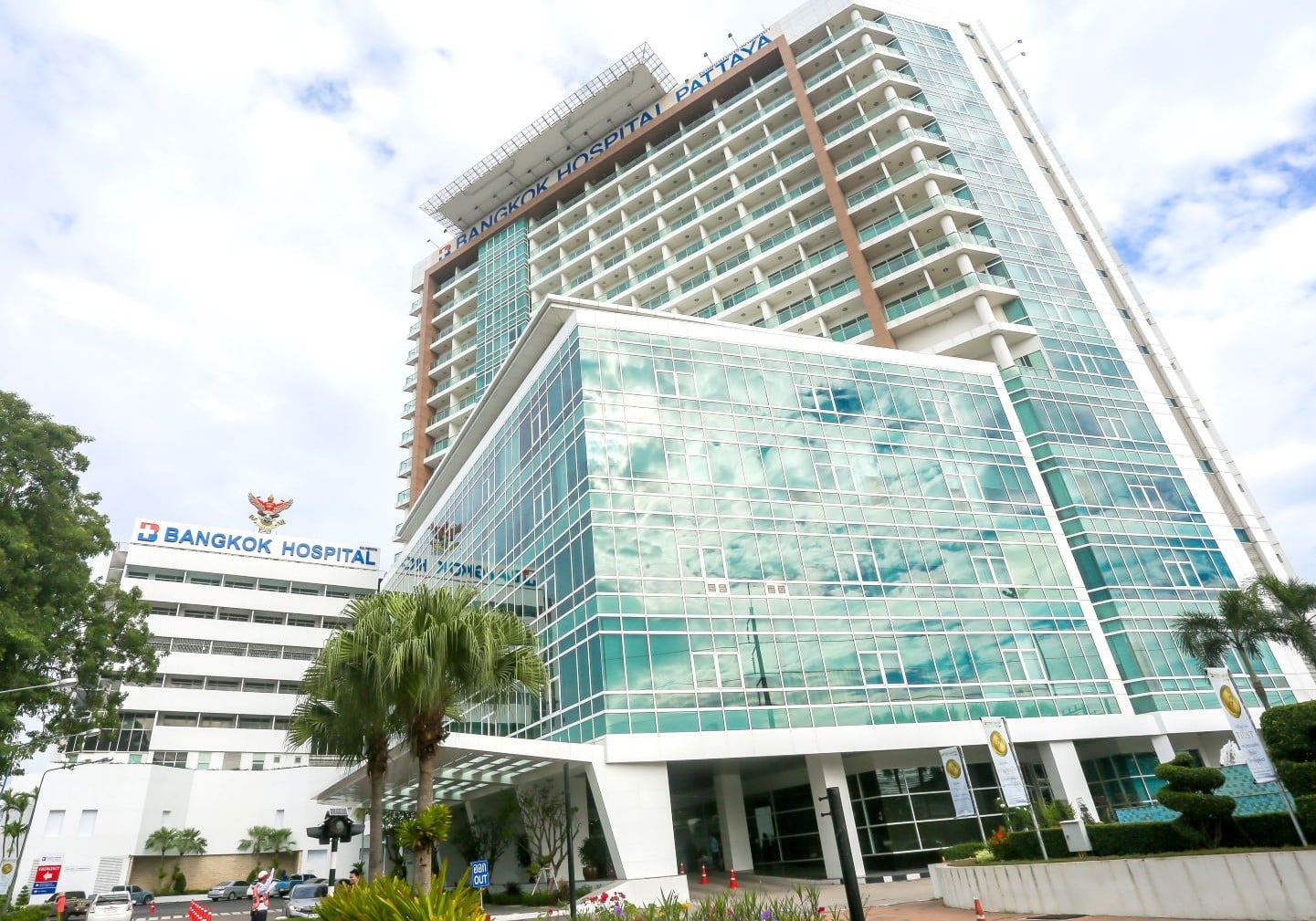
- حجم كبير: يعالج مستشفى بانكوك باتايا 400,000 مريض سنوياً وفقاً لإرشادات JCI.
- رعاية متخصصة: توفر مرافق مثل مستشفى فيجثاني رعاية ثالثية مخصصة للحالات المعقدة.
رؤية خبير Bookimed: تحتل تايلاند المرتبة الرابعة عالمياً في شبكتنا الطبية من حيث البنية التحتية. تظهر بياناتنا فرقاً هائلاً في أحجام المرضى. على سبيل المثال، يدير مستشفى بانكوك باتايا 400,000 مريض سنوياً مع 100 طبيب. هذا الحجم الكبير يبني خبرة سريرية أكثر من العديد من مستشفيات المجتمع الغربية.
إجماع المرضى: يلاحظ المرضى أن المستشفيات الخاصة تضاهي معايير الرعاية الحرجة الغربية. ويؤكدون على اختيار المرافق المعتمدة من JCI للحصول على خدمة أسرع وموظفين يتحدثون الإنجليزية.
ما هي علاجات الالتهاب الرئوي المتقدمة التي يمكنني الحصول عليها في تايلاند والتي قد لا تكون متاحة في بلدي؟
تركز رعاية الالتهاب الرئوي المتقدمة في تايلاند على الوصول السريع إلى أنظمة دعم الحياة والتشخيص عالي الدقة. يحصل المرضى على تقنيات مثل الأكسجة الغشائية خارج الجسم (ECMO) والموجات فوق الصوتية داخل القصبات (E-BUS) دون فترات انتظار. توفر المرافق المعتمدة من قبل اللجنة الدولية المشتركة (JCI) هذه التدخلات التنفسية المتخصصة للحالات الشديدة أو المقاومة للعلاج.
- دعم الحياة: تقوم أجهزة ECMO بأكسجة الدم خارجياً للسماح للرئتين بالوقت للتعافي.
- التشخيص الدقيق: تتيح تقنية E-BUS الكشف طفيف التوغل عن التهابات الرئة العميقة.
- التصوير المتقدم: توفر الأشعة المقطعية منخفضة الجرعة صوراً عالية الدقة للرئة مع الحد الأدنى من التعرض للإشعاع.
- التخطيط السريع: غالباً ما تقدم الفرق متعددة التخصصات التشخيص وخطط العلاج في غضون أسبوع واحد.
رؤية خبير Bookimed: تسمح البنية التحتية الطبية في تايلاند بخدمات لوجستية متخصصة مثل خدمة نقل ECMO الخاصة. وهذا ذو قيمة خاصة للمرضى المصابين بأمراض خطيرة والذين يحتاجون إلى النقل بين المرافق الإقليمية. تستفيد مرافق مثل مستشفى بانكوك باتايا من حجمها ضمن شبكة مستشفيات بانكوك دوسيت الثلاثين لضمان معايير طوارئ متسقة. بالنسبة للمرضى الذين يعانون من الالتهاب الرئوي الحاد، فإن غياب قوائم الانتظار للرعاية الحرجة يعد ميزة منقذة للحياة.
كم من الوقت سأحتاج للبقاء في تايلاند إذا تم إدخالي إلى المستشفى بسبب الالتهاب الرئوي، ومتى يمكنني السفر جواً إلى المنزل؟
عادة ما يستمر الاستشفاء بسبب الالتهاب الرئوي في تايلاند من 4 إلى 7 أيام. يستقر معظم المرضى في غضون 72 ساعة. يجب عليك الانتظار من أسبوع إلى أسبوعين بعد الخروج من المستشفى قبل السفر جواً إلى المنزل. الحالات الشديدة التي تتطلب رعاية مركزة قد تؤخر السفر جواً لمدة 8 إلى 12 أسبوعاً.
- الإقامة في المستشفى: توقع قضاء 4 أيام في منشأة تايلاندية لحالات الالتهاب الرئوي القياسية لدى البالغين.
- الاستعداد للطيران: يجب أن يكون المرضى خاليين من الحمى لمدة 48 ساعة دون استخدام أي دواء.
- الحركة البدنية: يجب أن تكون قادراً على المشي لمسافة 50 متراً دون الشعور بضيق تنفس شديد.
- مستويات الأكسجين: يجب أن يظل تشبع الأكسجين أثناء الراحة عند 92% أو أعلى في هواء الغرفة.
- تصريح السفر: قد تطلب شركات الطيران نموذج معلومات طبية موقعاً من قبل طبيب طيران.
رؤية خبير Bookimed: تحتل تايلاند المرتبة الرابعة عالمياً في طلبات السياحة العلاجية عبر منصتنا. تتعامل عيادات مثل مستشفى بانكوك باتايا مع 400,000 مريض سنوياً. هذا الحجم الكبير يعني أن المستشفيات التايلاندية فعالة للغاية في بروتوكولات الخروج. احصل دائماً على شهادة اللياقة للطيران قبل مغادرة المستشفى. هذه الوثيقة ضرورية لمطالبات التأمين والصعود إلى الطائرة.
من يقرر ما إذا كنت بحاجة إلى دخول المستشفى، وما هي الوثائق التي يجب أن أحضرها؟
يحدد طبيب أمراض الرئة أو طبيب الطوارئ المرخص الدخول بناءً على مستويات الأكسجين ومسح الصدر. الضرورة الطبية هي العامل الوحيد. يجب عليك تقديم جواز سفر ساري المفعول، وتأشيرة، وبوليصة تأمين. تتطلب المرافق الخاصة في تايلاند هذه الوثائق لبدء الرعاية الداخلية.
- القرار السريري: يقوم أطباء الرئة بإدخال المرضى إذا انخفض تشبع الأكسجين عن 92%.
- الهوية المطلوبة: أحضر جواز سفرك الفعلي. تتطلب معظم المستشفيات أيضًا نسخة من التأشيرة.
- وثائق التأمين: احمل بوليصة رقمية أو مطبوعة. غالبًا ما تتطلب المستشفيات التايلاندية موافقة مسبقة.
- التاريخ الطبي: قدم قوائم الأدوية الحالية وأي نتائج اختبارات تشخيصية حديثة.
رؤية خبراء Bookimed: تحتل تايلاند المرتبة الرابعة عالميًا في الطلبات الطبية في شبكتنا. تدير المراكز الكبرى مثل مستشفى بانكوك باتايا 400,000 مريض سنويًا. نظرًا لأن هذه المراكز تتبع معايير اللجنة الدولية المشتركة (JCI)، فإن بروتوكولات القبول الخاصة بهم صارمة للغاية. غالبًا ما يتم تحويل المرضى الذين يعانون من التهاب رئوي مؤكد في العيادات الصغيرة إلى هنا على الفور. إن تجهيز ملفات التأمين الرقمية على هاتفك يسرع هذا الانتقال بشكل كبير.
إجماع المرضى: يؤكد المرضى أن المستشفيات الخاصة تتصرف بسرعة كبيرة بمجرد تأكيد الالتهاب الرئوي. وينصحون بإبقاء ملف PDF للتأمين الرقمي جاهزًا لتجنب تأخير الفواتير أثناء عملية القبول.
هل سيتم عزلي للتحكم في العدوى، وهل يمكن لعائلتي زيارتي؟
يعتمد العزل لمرض الالتهاب الرئوي في تايلاند على مصدر العدوى. تسمح معظم الحالات البكتيرية بغرف خاصة قياسية مع زوار منتظمين. قد تتطلب حالات السلالات الفيروسية المعدية عزلاً بالرذاذ أو غرف ضغط سلبي. يمكن للعائلة عادةً الزيارة ولكن يجب عليها اتباع بروتوكولات السلامة الخاصة بالمرفق.
- نوع العزل: قد تتطلب الجراثيم المعدية بروتوكولات ارتداء الأقنعة والعباءات.
- دخول الزوار: يمكن لأفراد العائلة عادةً الزيارة أثناء ارتداء معدات الحماية الشخصية.
- مرافق المستشفى: يوفر مستشفى بانكوك باتايا 300 سرير لمستويات رعاية مختلفة.
- فحوصات السلامة: قد يقوم الموظفون بفحص الزوار بحثاً عن أعراض البرد أو الأنفلونزا.
- معايير المرفق: تحافظ العيادات المعتمدة من قبل JCI على تحكم صارم في العدوى مع السماح بالزيارات.
رؤية خبير Bookimed: تنظر المستشفيات الخاصة التايلاندية إلى العائلة كجزء من فريق الرعاية. تعطي مرافق مثل مستشفى بانكوك باتايا الأولوية لراحة المريض مع 300 سرير خاص. تشير البيانات إلى أن هذه المراكز غالباً ما تسمح للعائلة بالبقاء طوال الليل في الغرفة. يختلف هذا عن العديد من المستشفيات الغربية التي تحد من الإقامات الليلية للزوار.
إجماع المرضى: يشير المرضى إلى أن المستشفيات الخاصة التايلاندية صديقة للغاية للزوار. يسلط الكثيرون الضوء على أن الممرضات يشجعن أفراد العائلة على إحضار طعام مألوف لراحة المريض.
كيف تتعامل المستشفيات التايلاندية مع مقاومة المضادات الحيوية وتضمن حصولي على الدواء المناسب؟
تدير المستشفيات التايلاندية مقاومة المضادات الحيوية من خلال برامج الإشراف على مضادات الميكروبات والبروتوكولات السريرية الصارمة. تقوم فرق متعددة التخصصات من أطباء الأمراض المعدية والصيادلة السريريين بمراجعة الوصفات الطبية. تستخدم ما يقرب من 90% من المرافق هذه الأنظمة لضمان أن علاجات الالتهاب الرئوي تستهدف البكتيريا المحددة بدقة. يجب على المتخصصين الموافقة المسبقة على الأدوية واسعة النطاق لمنع الإفراط في استخدامها.
- تفويض المتخصصين: تتطلب الأدوية القوية مثل ميروبينيم موافقة خبير في الأمراض المعدية.
- مراجعة الصيدلي السريري: يشارك الصيادلة في الجولات الطبية للتوصية بجرعات دقيقة للأدوية.
- الإشراف التشخيصي: يقوم الأطباء بإجراء اختبارات المزرعة قبل طلب المضادات الحيوية لتحديد العامل الممرض المحدد.
- المراقبة الوطنية: يتتبع المركز الوطني لمراقبة مقاومة مضادات الميكروبات أنماط المقاومة لإبلاغ الإرشادات.
رؤية خبير Bookimed: غالبًا ما تتماشى إشارات الجودة لسلامة المضادات الحيوية مع اعتمادات دولية محددة. يحمل مستشفى بانكوك باتايا كلاً من اعتماد اللجنة الدولية المشتركة (JCI) واعتماد تيموس الدولي للرعاية الصحية. تتبع هذه المرافق المعتمدة مرتين بروتوكولات إدارة الصيدلة الأكثر صرامة. وهذا يضمن حصول المرضى على الدواء الأكثر فعالية دون التعرض غير الضروري للأدوية.
إجماع المرضى: يقترح المرضى طلب مزرعة البلغم واختبار الحساسية للمضادات الحيوية فور دخول المستشفى. كما يشيرون إلى أن السؤال عن أنماط المقاومة المحلية يساعد في ضمان عمل العلاج ال
إذا كنت بحاجة إلى تصوير طبي للمتابعة أو إعادة تأهيل تنفسي بعد الخروج من المستشفى، هل يتم ترتيب ذلك قبل مغادرتي تايلاند؟
تقوم المستشفيات التايلاندية بترتيب رعاية المتابعة والوثائق الطبية قبل مغادرتك للمنشأة. توفر الأقسام الدولية نتائج التصوير وملخصات الخروج. كما أنها تنسق خطط التعافي المحلية أو المنزلية. ستحصل على شهادة لياقة للطيران إذا كان السفر الجوي مطلوباً.
- الوثائق الطبية: توفر المستشفيات صوراً رقمية وملخصات خروج مفصلة.
- تنسيق التعافي: تساعد المراكز الدولية في جدولة المواعيد والنقل المحلي.
- دعم الطب عن بعد: تقدم العديد من المرافق جلسات متابعة افتراضية لمدة تصل إلى 6 أشهر.
- إعادة التأهيل الرئوي: توفر الفرق برامج تمارين منزلية لفترة انتقالك للعودة.
رؤية خبير Bookimed: بينما يتوقع الكثيرون أن يكون الخروج من المستشفى بسيطاً، تعمل المرافق ذات التصنيف العالي مثل مستشفى بانكوك باتايا وفقاً لمعايير JCI. تضمن هذه البروتوكولات أن تكون الملخصات الطبية جاهزة لطبيبك المحلي. تظهر بياناتنا أن المستشفيات في مجموعة بانكوك دوسيت للخدمات الطبية تخدم أكثر من 400,000 مريض سنوياً. هذا الحجم الكبير يعني أن أقسامها الدولية فعالة للغاية في تنسيق الوثائق قبل المغادرة.
إجماع المرضى: يشير المرضى إلى أنه على الرغم من أن المستشفيات تقدم تعليمات واضحة بشأن الأدوية، يجب عليك طلب خطابات الإحالة بشكل صريح. يجد معظم المرضى أنه من المفيد ترتيب مقدمي خدمات إعادة التأهيل في بلدهم الأصلي قبل مغادرة تايلاند لضمان استمرار التعافي.