الالتهاب الرئوي العلاج في ألمانيا - التكاليف 2026


تمت مراجعة المقالة طبيا من قبل
فهد مولود
ما هي تكلفة الالتهاب الرئوي إجراءات التشخيص والعلاج في ألمانيا؟ اعرف الآن
مزاياك وضماناتك مع Bookimed
أسعار مباشرة
Bookimed لا يضيف رسوماً إضافية على أسعار علاج الالتهاب الرئوي. الأسعار مأخوذة من قوائم الأسعار الرسمية للعيادات. تدفع مباشرة في العيادة مقابل علاجك عند وصولك إلى البلد.
عيادات وأطباء معتمدون فقط
Bookimed ملتزم بسلامتك. نحن نعمل فقط مع المؤسسات الطبية التي تحافظ على معايير دولية عالية في علاج الالتهاب الرئوي ولديها التراخيص اللازمة لخدمة المرضى الدوليين في جميع أنحاء العالم.
مساعدة مجانية على مدار الساعة
Bookimed يقدم مساعدة خبراء مجانية. منسق طبي شخصي يدعمك قبل وأثناء وبعد العلاج، ويحل أي مشاكل. لن تكون وحيداً أبداً في رحلة علاج الالتهاب الرئوي.

منسقك الطبي الشخصي في Bookimed
- يدعمك في كل مرحلة
- المساعدة في اختيار العيادة الطبية المناسبة والطبيب المناسب
- يضمن الوصول السريع والمريح إلى المعلومات
اكتشف أفضل الالتهاب الرئوي العيادات في ألمانيا: 5 خيارات معتمدة والأسعار
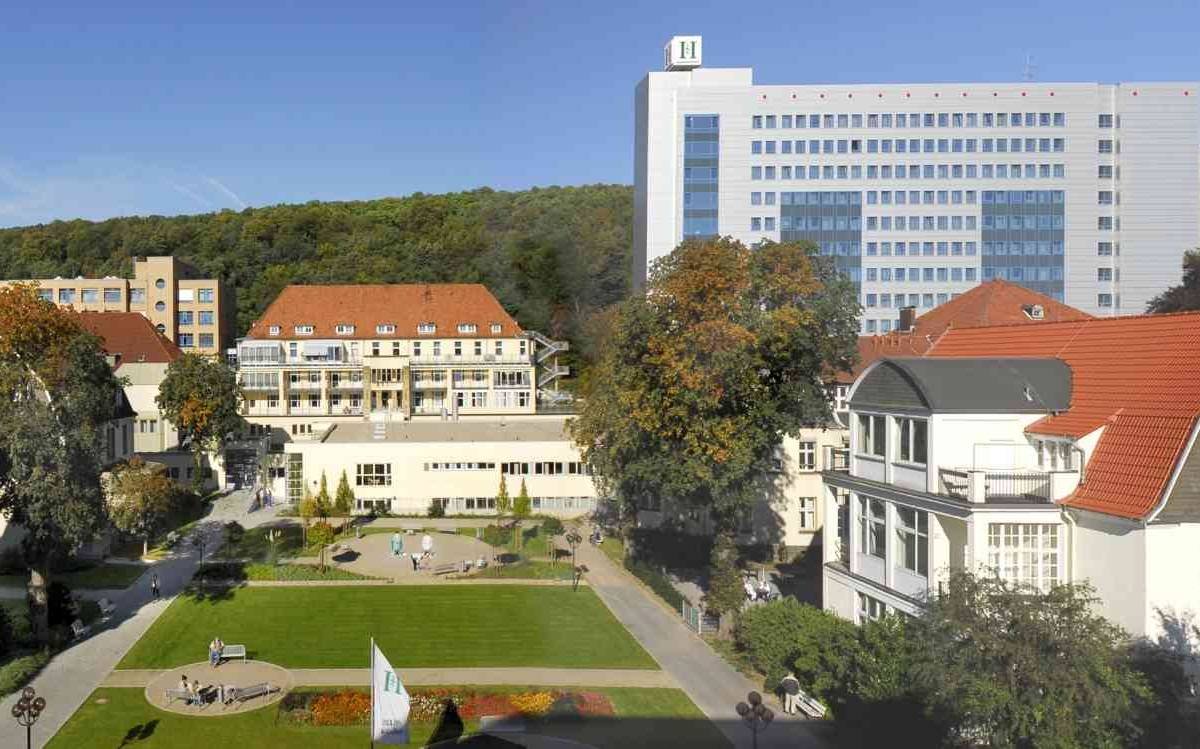








احصلوا على تقييم طبي لـ الالتهاب الرئوي في ألمانيا: استشيروا أطباء ذوي خبرة الآن
عرض جميع الأطباء
Maen Al Zqoul
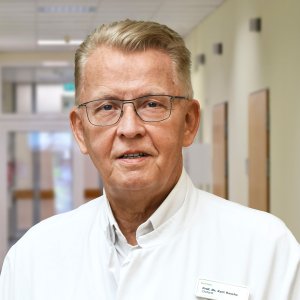
Kurt Rasche Chief Of Pulmonology
الأستاذ الدكتور كورت راشه طبيب أمراض صدرية ألماني يتمتع بأكثر من 40 عامًا من الخبرة السريرية. يشغل منصب رئيس قسم الأمراض الصدرية في مستشفى هيليوس الجامعي بفوبرتال. يقود أقسام الأمراض الصدرية وطب النوم وعلاج التهوية. كما يرأس مركز سرطان الرئة المعتمد.
حاصل على شهادات اختصاص في الطب الباطني والأمراض الصدرية والحساسية وطب النوم والعناية المركزة. يتركز عمله السريري على تشخيص وعلاج أمراض الرئة المزمنة وسرطان الرئة واضطرابات التنفس المرتبطة بالنوم. ويتعاون بشكل وثيق مع اختصاصيين من مجالات أخ
مشاركة المحتوى
قصص فيديو من مرضى Bookimed
 Anna Leonova
أسئلة متكررة حول علاج الالتهاب الرئوي في ألمانيا
هل سأحتاج إلى إعادة تأهيل رئوي بعد إقامتي في المستشفى؟
غالبًا ما تكون إعادة التأهيل الرئوي مطلوبة بعد الإصابة بالالتهاب الرئوي الحاد في ألمانيا لاستعادة وظائف الرئة والقدرة على التحمل. يعد هذا البرنامج الخاضع للإشراف أمرًا حيويًا للمرضى الذين تزيد أعمارهم عن 60 عامًا أو أولئك الذين يعانون من أمراض رئوية كامنة. إن بدء إعادة التأهيل في غضون 3 إلى 4 أسابيع بعد الخروج من المستشفى يقلل بشكل كبير من خطر إعادة الإدخال إلى المستشفى.
- أهلية البرنامج: مطلوب في حالات الالتهاب الرئوي الحاد، ضيق التنفس المستمر، أو بعد دعم التنفس الصناعي.
- المدة المعتادة: تستمر البرامج عادةً من 2 إلى 6 أسابيع كإقامة داخلية أو خارجية.
- تقليل الوفيات: يمكن أن يؤدي البدء المبكر إلى خفض معدلات الوفيات بنسبة 20% إلى 30%.
- المكونات الأساسية: تشمل تمارين التنفس، والتدريب البدني، والتغذية، والدعم النفسي.
- الخطوة الإدارية: يجب على المرضى طلب إحالة في ملخص الخروج الخاص بهم قبل المغادرة.
رؤية خبير Bookimed: بينما تعالج المستشفيات الجامعية الألمانية مثل مستشفى إيسن 370,000 مريض سنويًا، يمكن أن يؤدي الحجم الكبير أحيانًا إلى تأخير الإحالات غير العاجلة. اطلب من طبيبك تحديدًا الحصول على Entlassungsbericht (ملخص الخروج). هذه الوثيقة ضرورية لتأمين مكان في مراكز متخصصة مثل عيادة نوردويست. تظهر بياناتنا أن العيادات المتخصصة غالبًا ما تكون لديها قوائم انتظار أقصر من الأنظمة الجامعية الكبيرة.
إجماع المرضى: يؤكد المرضى أن إعادة التأهيل ليست تلقائية وتتطلب تنسيقًا فوريًا مع التأمين الصحي. يلاحظ الكثي
إلى أين يجب نقل حالات الالتهاب الرئوي الحاد في ألمانيا؟
تتطلب حالات الالتهاب الرئوي الحاد في ألمانيا عناية فورية في قسم الطوارئ بالمستشفى أو عبر رقم الطوارئ 112. تتوفر الرعاية المتخصصة في مراكز الرئة المعتمدة أو المستشفيات الجامعية ذات الكثافة العالية. توفر هذه المرافق العناية المركزة اللازمة ودعم الرئة المتقدم.
- جهة الاتصال للطوارئ: اتصل بالرقم 112 لنقل الإسعاف والتقييم الفوري من قبل المسعفين.
- المرافق المتخصصة: تقدم المستشفيات الجامعية ومراكز الرئة المعتمدة رعاية مركزة تنفسية مخصصة.
- الخبرة السريرية: يعالج مستشفى جامعة إيسن أكثر من 370,000 مريض سنوياً باستخدام تشخيصات مبتكرة.
- المراكز المعتمدة: تحظى عيادة نوردويست في فرانكفورت باعتراف مجلتي Focus و Newsweek لتميزها.
رؤية خبير Bookimed: يجب على المرضى إعطاء الأولوية للعيادات التابعة للجامعات مثل Asklepios Altona أو مستشفى جامعة إيسن للحالات المعقدة. تدير هذه المؤسسات عادةً أحجاماً أكبر من المرضى وتدمج الأبحاث مباشرة في الممارسة السريرية. تظهر بياناتنا أن العيادات التي تستقبل أكثر من 60,000 مريض سنوياً غالباً ما تمتلك بنية تحتية للطوارئ أكثر قوة للفشل التنفسي.
إجماع المرضى: يؤكد المرضى على الذهاب مباشرة إلى قسم الطوارئ بدلاً من انتظار موعد مع طبيب عام. ويشيرون إلى أن قياس مستويات الأكسجين في المنزل يساعد في اتخاذ قرار بشأن متى يجب طلب المساعدة العاجلة.
ما الذي يجعل علاج الالتهاب الرئوي الألماني فعالاً بشكل خاص للمرضى الدوليين؟
يعد علاج الالتهاب الرئوي الألماني فعالاً للغاية بسبب انخفاض معدلات مقاومة المضادات الحيوية والتشخيص السريع. تحدد المراكز مسببات الأمراض في غضون ساعات لتقديم علاج مستهدف. يضمن الالتزام بالمبادئ التوجيهية الوطنية الصارمة S3 رعاية موحدة وقائمة على الأدلة. كما تعمل تقنيات التصوير عالية الدقة والعلاج الطبيعي المتخصص للصدر على تسريع تعافي الرئة للمرضى الدوليين.
- مقاومة منخفضة: تحافظ ألمانيا على أدنى معدلات مقاومة للمضادات الحيوية في العالم لمسببات الأمراض الرئوية.
- التشخيص السريع: تستخدم العيادات فحوصات الأشعة المقطعية عالية الدقة والتعرف السريع على مسببات الأمراض.
- التكنولوجيا المتقدمة: تظهر الابتكارات مثل علاج البلازما الباردة فعالية بنسبة 100% ضد بكتيريا MRSA.
- معايير الجودة: تمتلك مرافق مثل عيادة نوردويست شهادات سلامة TÜV و ISO.
رؤية خبير Bookimed: تظهر بياناتنا ميزة واضحة في اختيار الشبكات الألمانية متعددة التخصصات مثل Gesundheit Nord. تخدم هذه المجموعات، بما في ذلك Bremen-Mitte و Bremen-Ost، أكثر من 59,000 مريض سنوياً. وهي تجمع بين جراحة الرئة المتخصصة والطب الباطني. يضمن هذا الحجم الكبير من المرضى احتفاظ الأطباء بأعلى مستويات الكفاءة في علاج حالات الالتهاب الرئوي المعقدة والمقاومة للأدوية.
إجماع المرضى: يلاحظ المرضى أن إشراك طبيب الرئة في وقت مبكر يقصر بشكل كبير من فترات الإقامة في المستشفى. وهم يقدرون النهج الشفاف القائم على البروتوكول الذي يؤدي غالباً إلى الخروج في غضون 48 ساعة للحالات المستقرة.
ما هي المدة المعتادة للإقامة في المستشفى لعلاج الالتهاب الرئوي المكتسب من المجتمع؟
تتراوح فترات الإقامة في المستشفى لعلاج الالتهاب الرئوي المكتسب من المجتمع في ألمانيا عادةً بين 3 إلى 10 أيام. يبلغ متوسط المدة حوالي 5.4 يوم لمعظم المرضى البالغين. غالبًا ما يحتاج المرضى الذين تزيد أعمارهم عن 65 عامًا إلى 10 إلى 19 يومًا لتحقيق الاستقرار الكامل. قد تبقى الحالات عالية الخطورة التي تحتاج إلى رعاية مركزة لمدة 11 يومًا أو أكثر.
- الاستقرار السريري: عادةً ما يعود معدل ضربات القلب وضغط الدم إلى طبيعتهما بحلول اليوم الثالث.
- التعافي لدى الأطفال: عادةً ما يقضي الأطفال دون سن 15 عامًا فترات إقامة أقصر بمتوسط 3 إلى 4 أيام.
- الانتقال في العلاج: يمكن أن يؤدي التحول المبكر إلى المضادات الحيوية الفموية إلى تقليل فترات الإقامة بأمان إلى 6 أيام.
- عوامل الخطر: غالبًا ما تؤدي الحالات الكامنة مثل مرض السكري أو أمراض القلب إلى إطالة فترة التعافي.
رؤية خبراء Bookimed: تدير العيادات الألمانية مثل Nordwest في فرانكفورت أم ماين أكثر من 60,000 مريض سنويًا. يشير حجم عملهم الكبير إلى وجود بروتوكولات فعالة لنقل المرضى من العلاج الوريدي إلى العلاج الفموي. غالبًا ما يضمن اختيار منشأة بها معاهد بحثية متخصصة الوصول إلى أحدث إرشادات المضادات الحيوية. يمكن أن يؤدي هذا إلى خروج أسرع مقارنة بمقدمي الخدمات المحليين الأصغر.
إجماع المرضى: يشير المرضى إلى أهمية وجود خطة خروج واضحة. إنهم يقدرون عندما يشرح الأطباء الانتقال من رعاية المستشفى إلى إكمال المضادات الحيوية في المنزل.
هل يتم قبول تأمين السفر، وما هي الوثائق المطلوبة؟
تقبل المستشفيات الألمانية على نطاق واسع تأمين السفر الدولي لعلاج الالتهاب الرئوي. تتطلب معظم المرافق ضمان دفع من مزود التأمين الخاص بك. بدون ذلك، قد تحتاج إلى الدفع مقدمًا وطلب استرداد التكاليف. يستخدم سكان الاتحاد الأوروبي/المنطقة الاقتصادية الأوروبية عادةً بطاقة التأمين الصحي الأوروبية للفوترة المباشرة.
- إثبات التأمين: قدم شهادة بوليصة أو بطاقة هوية تحمل اسمك.
- خطاب التفويض: احمل خطابًا رسميًا من شركة التأمين باللغة الألمانية أو الإنجليزية.
- الهوية: قدم جواز سفر ساري المفعول لتسجيل المستشفى والمعالجة.
- وثائق المطالبة: احتفظ بالفواتير المفصلة والتقارير الطبية لجميع الخدمات الطبية.
رؤية خبير Bookimed: يتجاهل العديد من المرضى كفاءة المستشفيات الجامعية الكبيرة في ألمانيا. تدير مرافق مثل مستشفى جامعة إيسن أكثر من 370,000 مريض سنويًا من خلال أنظمة مبسطة. غالبًا ما تمتلك مراكز الأبحاث هذه أقسامًا مخصصة للتعامل مع سير عمل التأمين الدولي بشكل أسرع من العيادات الخاصة الصغيرة.
إجماع المرضى: يشير المرضى إلى أنه من الضروري الاتصال بشركة التأمين الخاصة بك أثناء توجهك إلى المستشفى. يساعد وجود نسخة رقمية من بوليصتك وترجمة ألمانية في تجنب التأخير في تلقي الرعاية.
ما هي الأعراض التي تشير إلى أنه يجب علي الذهاب إلى الطوارئ بدلاً من عيادة الطبيب العام؟
تعد زيارات الطوارئ بسبب الالتهاب الرئوي ضرورية في حالات صعوبة التنفس الشديدة أو ازرقاق الشفاه. اطلب الرعاية الفورية إذا انخفضت قراءات مقياس التأكسج النبضي عن 92%. توفر أقسام الطوارئ الألمانية فرزاً سريعاً للحمى الشديدة التي تتجاوز 40 درجة مئوية أو الارتباك المفاجئ. قد تشير هذه الأعراض إلى مضاعفات خطيرة مثل الإنتان.
- ضيق التنفس الشديد: اللهاث الشديد أو عدم القدرة على نطق جمل كاملة.
- مستويات التشبع: انخفاض تشبع الأكسجين عن 92% كما يكتشفه مقياس التأكسج النبضي.
- الحمى الحرجة: تظل درجة الحرارة فوق 39 درجة مئوية ولا تستجيب للأدوية.
- التغيرات العصبية: ارتباك شديد مفاجئ أو خمول يشير إلى نقص الأكسجين.
رؤية خبير Bookimed: تعالج المستشفيات الجامعية الألمانية مثل مستشفى إيسن أكثر من 370,000 مريض سنوياً وتوفر عمقاً تشخيصياً فائقاً. بينما يتعامل الأطباء العامون المحليون مع الحالات الخفيفة، تمتلك عيادات مثل Nordwest أو Bremen-Ost أقساماً متخصصة للرئة. توفر هذه المرافق تصويراً متقدماً وعلاجات وريدية غير متوفرة في العيادات الخارجية القياسية. اختيار هذه المراكز يضمن الوصول إلى رعاية متخصصة أثناء أزمة الجهاز التنفسي.
إجماع المرضى: يشير المرضى إلى أن الأطباء العامين غالباً ما يفتقرون إلى معدات المراقبة، لذا تتطلب مشاكل التنفس التوجه مباشرة إلى المستشفى. يقترحون الاتصال بالرقم 116117 للحصول على المشورة، ولكن التوجه مباشرة إلى المستشفى خلال عطلات نهاية الأسبوع.
ما هي المستشفيات في ألمانيا التي تحظى بأعلى التقييمات في جراحة الأعصاب؟
تضم ألمانيا بعضًا من أرقى أقسام جراحة الأعصاب في العالم، بقيادة مستشفى شاريتيه الجامعي في برلين ومستشفى جامعة هايدلبرغ. وتتميز هذه المراكز بخبرتها الواسعة في علاج أورام الدماغ المعقدة وأمراض الأوعية الدموية الدماغية. ولتحقيق أقصى قدر من الفعالية في عملياتها، تستخدم هذه المراكز أحدث التقنيات، مثل التصوير بالرنين المغناطيسي أثناء الجراحة والتوجيه العصبي بمساعدة الحاسوب.
- مستشفى شاريتيه برلين: يُجري أكثر من 5000 عملية جراحية سنوياً. ويرأس العيادة جراح الأعصاب الشهير الدكتور بيتر فايكوتشي.
- المركز الطبي في سولينجن: أجرى الدكتور رالف بوهل أكثر من 4000 عملية جراحية، بما في ذلك جراحات العمود الفقري طفيفة التوغل.
- عيادة أسكليبيوس نورد: مجهزة بنظام التصوير بالرنين المغناطيسي الثنائي الوحيد في ألمانيا أثناء الجراحة لضمان الدقة الجراحية في الوقت الحقيقي أثناء إزالة الورم.
- عيادة نوردويست: تم الاعتراف بها من قبل مجلة نيوزويك كمستشفى رائد في مجال الابتكار في تكنولوجيا الموجات فوق الصوتية ثلاثية الأبعاد.
رأي خبراء بوكيمد: تشير البيانات إلى أن اختيار المراكز ذات الحجم الجراحي الكبير غالبًا ما يؤدي إلى توصيات علاجية أكثر تحفظًا. ففي مركز سولينجن الطبي، الذي يعالج أكثر من 60,000 مريض
ما هي نسب نجاح العمليات الجراحية العصبية المعقدة في ألمانيا؟
في ألمانيا، تتميز العمليات الجراحية العصبية بالغة التعقيد بمستوى أمان استثنائي. تصل نسبة نجاح عمليات دمج الفقرات إلى 99%، بينما تبلغ نسبة النجاة بعد استئصال أورام الدماغ الأولية 97%. كما يتمتع المرضى بقدرة عالية على الاعتماد على أنفسهم في أداء وظائفهم اليومية، حيث يغادر أكثر من 82% منهم المستشفى مباشرةً بعد العلاج. وتولي المراكز الألمانية اهتماماً بالغاً بالحفاظ على الوظائف العصبية باستخدام أحدث تقنيات التخطيط العصبي.
- استئصال الورم: يحقق الجراحون استئصالًا كاملاً للورم في 87.2% من حالات النقائل الدماغية.
- النجاح في علاج أمراض الأوعية الدموية: أفادت المستشفيات الألمانية بنسبة نجاة بلغت 98.7% لحالات تمدد الأوعية الدموية غير الممزقة.
- تحسن الحالة العصبية: يشهد ما يقرب من 43% من المرضى تحسناً في المعايير الوظيفية بعد عمليات الاستئصال المعقدة.
- سلامة التدخلات الجراحية: في المراكز الجراحية الكبيرة، تتراوح معدلات بقاء المرضى على قيد الحياة بعد جراحة العمود الفقري بين 98-99%.
رأي خبراء بوكيمد: يُجري جراحون ذوو خبرة، مثل الدكتور أوفه كولر من عيادة أسكليبيوس ألتونا، أكثر من 2000 عملية جراحية سنويًا. تُشير البيانات إلى أن هؤلاء المتخصصين يحافظون على معدلات نجاح تصل إلى 90%، حتى
ما هي التقنيات المتقدمة المتوفرة عادةً في عيادات جراحة الأعصاب الألمانية؟
تُدخل عيادات جراحة الأعصاب الألمانية بانتظام أدوات رقمية عالية الدقة وتقنيات تصوير فوري في الممارسة الجراحية. تشمل التقنيات الرئيسية الملاحة العصبية الحاسوبية لجراحات الدماغ والحبل الشوكي. تستخدم مؤسسات مثل عيادة أسكليبيوس نورد التصوير بالرنين المغناطيسي أثناء الجراحة للتحقق من استئصال الورم في الوقت الفعلي. توفر هذه الأنظمة للجراحين نظام ملاحة ثلاثي الأبعاد.
- الملاحة العصبية: توفر تصورًا ثلاثي الأبعاد وتتبعًا فوريًا للأدوات لتحقيق دقة جراحية تصل إلى مستوى أقل من المليمتر.
- التصوير أثناء العملية: تسمح أنظمة مثل التصوير بالرنين المغناطيسي أثناء العملية (iMRI) والتصوير المقطعي المحوسب ذي الذراع O (O-arm CT) بالتأكيد الفوري على نجاح عملية الاستئصال.
- المراقبة العصبية: تراقب الوظائف الحركية والحسية أثناء الجراحة لحماية الجهاز العصبي.
- التشخيص الفلوري: يتم استخدام صبغة 5-ALA لتسليط الضوء على حدود الورم من أجل إزالته بشكل أكثر اكتمالاً.
- المساعدة الروبوتية: تعمل أنظمة مثل نظام دافنشي على تحسين الدقة في الإجراءات المعقدة ذات التدخل الجراحي البسيط.
رأي خبراء بوكيمد: تُجري مراكز طبية كبيرة، مثل مستشفى شاريتيه الج
ما هي التدريبات المتخصصة التي يتلقاها جراحو الأعصاب الممارسون في ألمانيا؟
في ألمانيا، يتعين على جراحي الأعصاب إكمال برنامج إقامة تخصصي لمدة ست سنوات بعد التخرج من كلية الطب. يشمل هذا البرنامج المنظم العناية المركزة، والتدريب السريري، وكتابة مقالات في مجلة جراحية إلزامية. بعد ذلك، يجتاز المرشحون امتحانًا حكوميًا للحصول على لقب طبيب مقيم (Facharzt für Neurochirurgie).
- الإقامة السريرية: تتطلب من 48 إلى 72 شهرًا من الممارسة المتخصصة في جراحة الأعصاب.
- العناية المركزة: تتضمن فترة تدريب إلزامية لمدة 6 أشهر في وحدة العناية المركزة لجراحة الأعصاب.
- المجلة الجراحية: يوثق الجراحون مئات العمليات الجراحية، بما في ذلك عمليات فتح الجمجمة وجراحات العمود الفقري.
- امتحان الترخيص: يجب على المتقدمين اجتياز امتحان طبي شفوي وعملي تديره الدولة.
رأي خبراء بوكيميد: يركز التدريب الألماني في جراحة الأعصاب على الخبرة الجراحية الواسعة. فعلى سبيل المثال، أجرى الدكتور رالف بول من المركز الطبي في سولينجن أكثر من 4000 عملية جراحية. ويتمتع الدكتور يورغن كيويت من مستشفى ميوكلينيك بخبرة تزيد عن 25 عامًا. يضمن هذا النظام الدقيق أن يتعامل المتخصصون في المراكز الكبرى مع الحالات المعقدة بدقة مثبتة.
آراء المرضى: يشع