علاج الورم الغدي النخامي في كوريا الجنوبية: 11 مستشفيات


تمت مراجعة المقالة طبيا من قبل
فهد مولود
ما هي تكلفة الورم الغدي النخامي إجراءات التشخيص والعلاج في كوريا الجنوبية؟ اعرف الآن
| كوريا الجنوبية | تركيا | إسبانيا | |
|---|---|---|---|
| حج القحف | من $20,000 | من $8,900 | من $32,500 |
| جراحة ورم الغدة النخامية | ≈ $19,500 | من $9,400 | من $39,300 |
| العلاج الإشعاعي لسرطان القولون والمستقيم | ≈ $9,000 | من $5,000 | من $7,500 |
| استئصال ورم عبر الأنف | ≈ $14,000 | من $8,600 | من $24,700 |
| إزالة ورم في المخ | من $19,000 | من $12,000 | من $21,500 |
مزاياك وضماناتك مع Bookimed
أسعار مباشرة
Bookimed لا يضيف رسوماً إضافية على أسعار علاج الورم الغدي النخامي. الأسعار مأخوذة من قوائم الأسعار الرسمية للعيادات. تدفع مباشرة في العيادة مقابل علاجك عند وصولك إلى البلد.
عيادات وأطباء معتمدون فقط
Bookimed ملتزم بسلامتك. نحن نعمل فقط مع المؤسسات الطبية التي تحافظ على معايير دولية عالية في علاج الورم الغدي النخامي ولديها التراخيص اللازمة لخدمة المرضى الدوليين في جميع أنحاء العالم.
مساعدة مجانية على مدار الساعة
Bookimed يقدم مساعدة خبراء مجانية. منسق طبي شخصي يدعمك قبل وأثناء وبعد العلاج، ويحل أي مشاكل. لن تكون وحيداً أبداً في رحلة علاج الورم الغدي النخامي.

منسقك الطبي الشخصي في Bookimed
- يدعمك في كل مرحلة
- المساعدة في اختيار العيادة الطبية المناسبة والطبيب المناسب
- يضمن الوصول السريع والمريح إلى المعلومات
اكتشف أفضل الورم الغدي النخامي العيادات في كوريا الجنوبية: 11 خيارات معتمدة والأسعار












Bumin Hospital Seoul
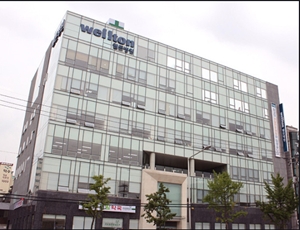
Wellton Hospital

Wiltse Memorial Hospital

مواد ذات صلة

كم تكاليف علاج الورم الحميد في الغدة النخامية
كتب بواسطة Ana Hurevska
مشاركة المحتوى
قصص فيديو من مرضى Bookimed
 Anna Leonova
أسئلة متكررة حول علاج الورم الغدي النخامي في كوريا الجنوبية
ما هي خيارات العلاج الأساسية للورم الغدي النخامي في كوريا الجنوبية؟
يتضمن العلاج الأساسي للورم الغدي النخامي في كوريا الجنوبية الجراحة التنظيرية عبر الوتدي أو الجراحة الإشعاعية عالية الدقة. تستخدم مراكز مثل مركز أسان الطبي (Asan Medical Center) تقنيات Gamma Knife و CyberKnife للتحكم غير الجراحي في الأورام. عادة ما تجمع الفرق متعددة التخصصات بين جراحة الأعصاب والغدد الصماء لإدارة مستويات الهرمونات والحفاظ على الرؤية.
- النهج الجراحي: تسمح الجراحة التنظيرية عبر الأنف بإزالة الورم من خلال الأنف دون الحاجة إلى شقوق خارجية.
- خيارات الجراحة الإشعاعية: تستهدف تقنيات Gamma Knife و CyberKnife الخلايا الورمية المتبقية بدقة دون المليمترية.
- العلاج الطبي: تعمل ناهضات الدوبامين مثل كابيرجولين على تقليص الأورام المفرزة للبرولاكتين بفعالية دون الحاجة إلى جراحة.
- التشخيص المتقدم: يضمن التصوير بالرنين المغناطيسي للدماغ عالي الدقة مع التباين والتحليل الهرموني تحديد مرحلة الورم بدقة.
رؤية خبير Bookimed: تجري المؤسسات الكبيرة في كوريا مثل مركز أسان الطبي أكثر من 65,000 عملية جراحية سنوياً. يؤدي هذا الحجم الهائل إلى كفاءة تقنية عالية في إجراءات جراحة الأعصاب الدقيقة. على الرغم من وجود عيادات أصغر، فإن تركيز الأنظمة الروبوتية والتصوير المقطعي أثناء الجراحة في المراكز الرئيسية في سيول يؤدي غالباً إلى معدلات استئصال ورم أفضل.
إجماع المرضى: يشير المرضى إلى أنه من المهم استشارة كل من جراح الأعصاب وأخصائي الغدد الصماء قبل اختيار الجراحة. يقترح الكثيرون تتبع الأعراض يومياً لاكتشاف التغيرات بعد الجراحة في توازن ا
ما هي المستشفيات في كوريا الجنوبية المعترف بها لرعاية أورام الغدة النخامية عالية الجودة؟
تقدم كوريا الجنوبية رعاية عالية الجودة لأورام الغدة النخامية في مؤسسات معتمدة من قبل اللجنة الدولية المشتركة (JCI) مثل مستشفى سيفيرانس ومركز أسان الطبي. تستخدم هذه المرافق جراحة المناظير عبر الأنف وجراحة غاما نايف الإشعاعية. تدمج المراكز المتخصصة في سيول جراحة الأعصاب مع الغدد الصماء لضمان إدارة هرمونية دقيقة وسلامة مثالية للمرضى.
- مركز أسان الطبي: أكبر مستشفى في كوريا. يتميز بعيادة مخصصة للغدة النخامية للرعاية الأيضية المتكاملة.
- مستشفى سيفيرانس: مرفق معتمد من JCI. يستخدم الجراحة الروبوتية المتقدمة والتصوير الرقمي لإزالة الأورام.
- مستشفى جامعة سيول الوطنية في بوندانغ: أول مستشفى رقمي في كوريا. يستخدم نظام BESTcare لمنع الأخطاء الطبية.
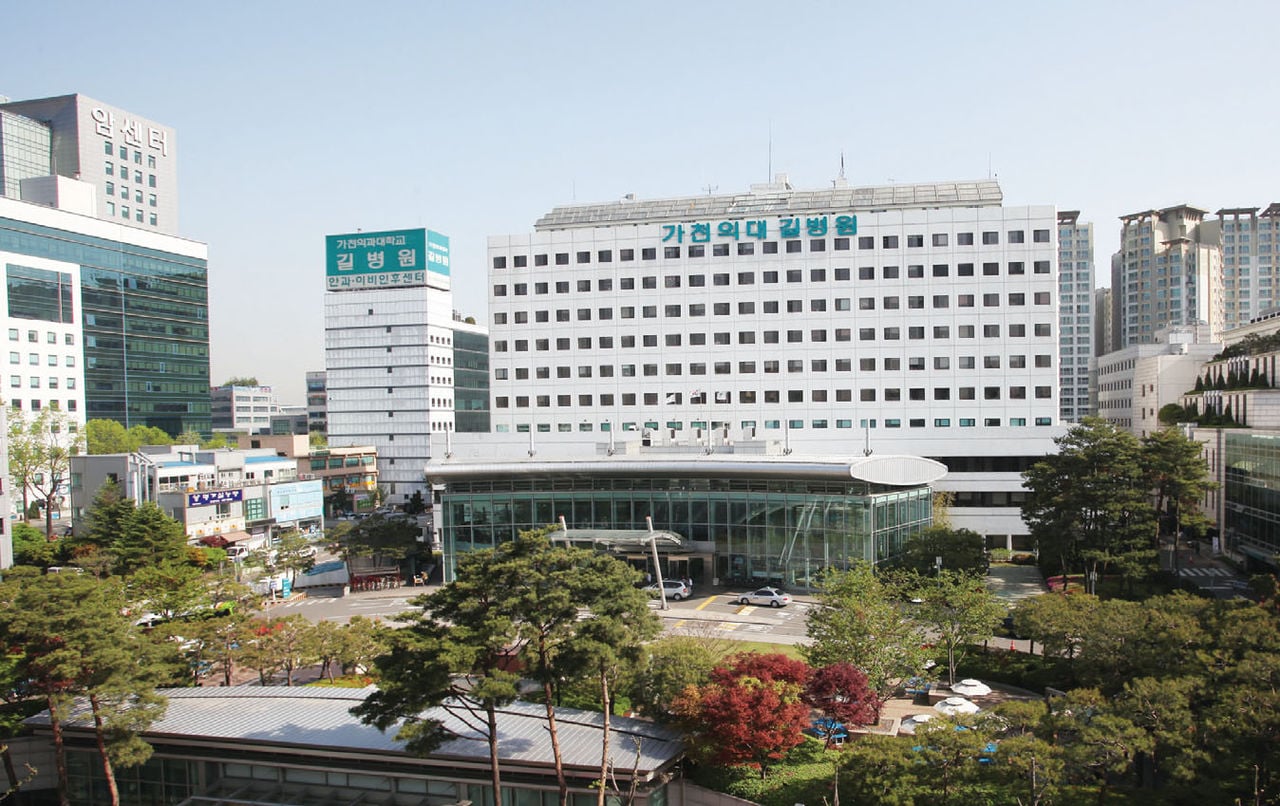
- جامعة غاتشون جيل: مركز رائد في إنتشون. متخصص في جراحة الأعصاب متعددة التخصصات لأورام الدماغ المعقدة.
رؤية خبير Bookimed: حجم الحالات السريرية هو أقوى مؤشر على النجاح لإجراءات الغدة النخامية في كوريا. يدير مستشفى سيفيرانس ومركز أسان الطبي أكثر من 1.6 مليون مريض خارجي سنوياً. يسمح هذا الحجم الكبير للجراحين بالحفاظ على أعلى مستويات الكفاءة التقنية. في مركز أسان الطبي، يقوم الفريق بإجراء حوالي 65,000 عملية كل عام. غالباً ما يرتبط هذا المستوى من النشاط بنتائج أفضل لجراحات المناظير عبر الوتدي الدقيقة.
إجماع المرضى: يؤكد المرضى أن اختيار جراح لديه حجم حالات كبير أكثر أهمية من موقع المستشفى. يشير الكثيرون إلى أن الاستقرار الهرموني بعد الجراحة يتطلب مراقبة دقيقة للغاية من قبل فريق الغدد الصماء
ما هي المدة المعتادة للإقامة في المستشفى والتعافي بعد جراحة عبر الوتدي في كوريا الجنوبية؟
تستغرق الإقامة في المستشفى لجراحة عبر الوتدي في كوريا الجنوبية في المتوسط 5 أيام. غالبًا ما يبقى المرضى الدوليون من 5 إلى 14 يومًا لضمان استقرار السفر. يستغرق التعافي الأولي شهرًا واحدًا. يعود معظم المرضى إلى العمل في غضون 5 أسابيع. تضمن المراقبة المكثفة السلامة قبل الخروج من المرافق المعتمدة من قبل JCI.
- الإقامة في المستشفى: يبلغ متوسط الإقامة المعتادة في المستشفى في كوريا الجنوبية 4.6 يومًا للمرضى المحليين.
- العناية المركزة: يحتاج حوالي 21% من المرضى إلى ليلة واحدة في وحدة العناية المركزة بعد العملية.
- العودة إلى العمل: الإطار الزمني المتوسط لاستئناف المهام المهنية هو حوالي 5 أسابيع.
- النشاط البدني: يُحظر ممارسة التمارين الشاقة أو رفع الأثقال لمدة تتراوح بين 1.5 إلى 2 شهر.
- التعافي طويل الأمد: تستأنف مستويات النشاط البدني الطبيعية عادةً بعد 110 أيام.
رؤية خبير Bookimed: تُظهر البيانات السريرية أن أفضل المستشفيات في سيول مثل سيفيرانس وأسان تستخدم أنظمة رقمية لمنع الأخطاء. تُجري هذه المراكز 45% من أكثر العمليات الجراحية تعقيدًا في كوريا. غالبًا ما تؤدي أحجام المرضى الكبيرة إلى بروتوكولات تعافي محسنة. يمكنك توقع مراقبة هرمونية مركزة في غضون 3 أيام من الجراحة. يقلل هذا البروتوكول بشكل كبير من فرصة حدوث مضاعفات الغدة النخامية على المدى الطويل.
إجماع المرضى: يشير المرضى إلى أن التعب يمثل تحديًا أكبر من الألم خلال الشهر الأول. ويؤكدون أن استخدام غسول المحلول الملحي يوميًا أمر حيوي لمنع التهابات ال
ما هي خدمات دعم اللغة المتاحة للمرضى الدوليين الذين يخضعون لجراحة الغدة النخامية في كوريا؟
يتلقى المرضى الدوليون في كوريا الجنوبية دعمًا لغويًا متعدد المستويات لجراحة الغدة النخامية من خلال مراكز الرعاية الصحية الدولية (IHC) المخصصة. توفر المرافق الرئيسية المعتمدة من قبل اللجنة الدولية المشتركة (JCI) منسقين شخصيين أو مترجمين فوريين. تغطي هذه الخدمات اللغات الإنجليزية والروسية والصينية والعربية والمنغولية لضمان تواصل واضح أثناء إجراءات جراحة الأعصاب المعقدة.
- منسقو المستشفيات: يدير الموظفون متعددو اللغات المواعيد والفواتير والتقارير الطبية.
- الدعم الحكومي: توفر الوكالات العامة مترجمين طبيين محترفين للأمراض الخطيرة.
- الأدوات الرقمية: يستخدم العديد من الجراحين تطبيقات الترجمة الفورية للاستشارات بجانب سرير المريض.
- الخطوط الساخنة على مدار الساعة طوال أيام الأسبوع: توفر المراكز الكبيرة مثل مركز أسان الطبي مساعدة متعددة اللغات على مدار الساعة.
رؤية خبير Bookimed: غالبًا ما يرتبط دعم اللغة وحجم العمل السريري في سيول. تتعامل مؤسسات مثل مستشفى سيفيرانس ومركز أسان الطبي مع ملايين المرضى سنويًا. أجبرهم هذا الحجم الهائل على بناء أقسام IHC الأكثر قوة. قد تعتمد العيادات الصغيرة على مترجمين خارجيين. يضمن اختيار مركز ذو حجم كبير تجربة سلسة مع فرق ترجمة داخلية مخصصة.
إجماع المرضى: يشير المرضى إلى أن المستشفيات الكبرى غالبًا ما تعين مترجمًا شخصيًا واحدًا طوال فترة إقامتهم. ويقترحون تنزيل تطبيقات الترجمة كنسخة احتياطية للتفاعلات غير الرسمية خارج الفريق الطبي.