علاج الورم الغدي النخامي في ألمانيا — احصل على 3 عيادات مختارة خصيصاً لك


تمت مراجعة المقالة طبيا من قبل
فهد مولود
كيف نعمل؟
ما هي تكلفة الورم الغدي النخامي إجراءات التشخيص والعلاج في ألمانيا؟ اعرف الآن
تختلف تكلفة علاج الورم الحميد في الغدة النخامية في ألمانيا حسب خطة العلاج والمنشأة الطبية. تتراوح تكلفة التقييمات التشخيصية، بما في ذلك تحليل الدم المفصل والتحقيقات الغدد الصماء، حوالي 2,000 دولار. وتكلفة التصوير بالرنين المغناطيسي للدماغ حوالي 1,320 دولار، بينما تبلغ تكلفة الاستشارات مع جراح الأعصاب الرئيسي حوالي 550 دولار. تتراوح خيارات العلاج الشاملة، مثل الجراحة الدقيقة أو الجراحة الإشعاعية باستخدام تقنيات متقدمة مثل CyberKnife أو Gamma Knife، من 24,000 دولار إلى 38,250 دولار. يتم تخصيص خطة العلاج بعد تقييم دقيق من قبل المتخصصين الطبيين.
اكتشف أفضل الورم الغدي النخامي العيادات في ألمانيا: 16 خيارات معتمدة والأسعار









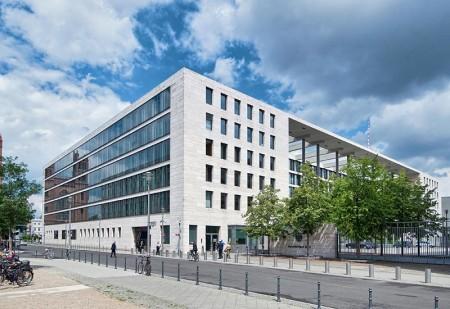
University Hospital Magdeburg

Elbland Clinic
Martin Luther Hospital

Leopoldina Hospital Schweinfurt


احصلوا على تقييم طبي لـ الورم الغدي النخامي في ألمانيا: استشيروا أطباء ذوي خبرة الآن
عرض جميع الأطباء
Otto Bundschuh
Gerhard Horstmann

Peter Vajkoczy
يرأس البروفيسور فاجكوتزي قسم جراحة المخ والأعصاب في مستشفى شاريتيه، الذي يجري أكثر من 4000 عملية جراحية عصبية سنوياً، بما في ذلك العديد من حالات الغدة النخامية المعقدة.
- يرأس قسم جراحة المخ والأعصاب وجراحة المخ والأعصاب للأطفال في مستشفى شاريتيه - كلية الطب بجامعة برلين
- متخصص في أورام الدماغ وقاعدة الجمجمة باستخدام تقنيات جراحية عصبية متقدمة
- حاصل على جائزة أبحاث جراحي الأعصاب الشباب من الاتحاد العالمي لجمعيات جراحة الأعصاب
- تلقى تدريبه في جامعة لودفيغ ماكسيميليان المرموقة في ميونيخ
- حاصل على جائزة هيرمان راين لمساهماته في أبحاث بيولوجيا الأوعية الدموية
المراجعات
جميع المراجعاتمواد ذات صلة

كم تكاليف علاج الورم الحميد في الغدة النخامية
كتب بواسطة Ana Hurevska
مشاركة المحتوى
قصص فيديو من مرضى Bookimed
 Anna Leonova
أسئلة متكررة حول علاج الورم الغدي النخامي في ألمانيا
كيف يتم علاج ورم الغدة النخامية عادةً في ألمانيا؟
يتبع علاج ورم الغدة النخامية في ألمانيا نهجاً متعدد التخصصات يركز على الحفاظ على الوظائف الهرمونية. يتم إجراء أكثر من 90% من الحالات الجراحية باستخدام الاستئصال التنظيري عبر الأنف طفيف التوغل. تتجنب هذه التقنية الندبات الخارجية وتسمح لمعظم المرضى بالعودة إلى العمل في غضون 10 أيام في المراكز ذات الخبرة العالية.
- المعيار الجراحي: الاستئصال التنظيري عبر الوتدي هو الخيار الأساسي لمعظم الأورام غير المفرزة للهرمونات.
- العلاج الدوائي: ناهضات الدوبامين مثل كابيرجولين هي علاجات الخط الأول للأورام المفرزة للبرولاكتين.
- الجراحة الإشعاعية: يتم حجز تقنية "جاما نايف" للبقايا المتبقية أو الأورام المتكررة بعد الجراحة.
- المراقبة: غالباً ما تخضع الأورام الصغيرة غير النشطة لمراقبة منتظمة بالرنين المغناطيسي كل 6-12 شهراً.
رؤية خبير Bookimed: تعطي مراكز جراحة الأعصاب الألمانية مثل المركز الطبي في زولينجن ومستشفى شاريتيه في برلين الأولوية للخبرة الواسعة لضمان السلامة. أجرى الدكتور رالف بول أكثر من 4000 عملية جراحية عصبية، وهو معيار حاسم للإجراءات المعقدة في قاعدة الجمجمة. غالباً ما يستفيد المرضى الذين يختارون العيادات الألمانية من باقات شاملة تقارب 37,000 دولار تشمل الخزعات التشخيصية، وسبعة أيام من الإقامة في المستشفى، والمراقبة الغدد الصماء المتخصصة بعد الجراحة.
إجماع المرضى: يؤكد المرضى على أهمية الفحوصات المبكرة بعد الجراحة لمستويات الصوديوم لتجنب المضاعفات المفاجئة. يشير الكثيرون إلى أن النهج عبر الأنف يبدو أقل توغلاً، حيث أفاد العديد
ما هي المخاطر الرئيسية لجراحة ورم الغدة النخامية؟
جراحة ورم الغدة النخامية في ألمانيا آمنة. تستخدم معظم الإجراءات الاستئصال عبر الأنف بمعدل بقاء على قيد الحياة يبلغ 99%. تشمل المخاطر الشائعة اختلالات هرمونية مثل قصور الغدة النخامية في 5% إلى 10% من الحالات. مرض السكري الكاذب الدائم نادر الحدوث. تحافظ مراكز جراحة الأعصاب الألمانية على معايير سلامة عالية باستخدام الملاحة بمساعدة الكمبيوتر.
- التغيرات الهرمونية: يحدث تلف في الغدة النخامية السليمة في 5-10% من الحالات.
- تنظيم السوائل: يسبب مرض السكري الكاذب المؤقت كثرة التبول في بعض حالات التعافي المبكر.
- السائل النخاعي: تؤثر تسريبات السوائل الشفافة من الأنف على حوالي 1-3.5% من العمليات الجراحية.
- السلامة العصبية: فقدان الرؤية بسبب تلف العصب البصري نادر جداً بنسبة أقل من 2%.
رؤية خبير Bookimed: تركز العيادات الألمانية مثل المركز الطبي في سولينغن على خبرة الجراحين ذوي الحالات الكثيرة لتقليل المخاطر. أجرى الدكتور رالف بول أكثر من 4000 جراحة أعصاب. هذا الحجم مهم لأن البيانات تظهر معدلات مضاعفات أقل عندما يتعامل الجراحون مع المزيد من الحالات. تستخدم مرافق مثل عيادة أسكليبيوس نورد أيضاً الملاحة بمساعدة الكمبيوتر. تساعد هذه التكنولوجيا الجراحين على تجنب الشرايين السباتية والأعصاب الحيوية أثناء الإجراء.
إجماع المرضى: يشير المرضى إلى أنه من المهم الاستعداد لاحتقان الأنف المؤقت والضمادات السميكة بعد الجراحة. يؤكد الكثيرون أن اختيار مرفق ذو تصنيفات عالية، مثل تلك الموجودة في مجلة Focus، وفر لهم راحة بال كبيرة.
ما هو وقت التعافي المتوقع ومعدل النجاح بعد الجراحة؟
يتضمن التعافي بعد جراحة ورم الغدة النخامية في ألمانيا عادةً من 7 إلى 9 أيام في المستشفى. يعود معظم المرضى إلى الأنشطة الخفيفة في غضون 4 إلى 6 أسابيع. غالبًا ما تتجاوز معدلات نجاح إزالة الورم في مراكز جراحة الأعصاب الألمانية المتخصصة 90% للأورام الدقيقة غير الغازية.
- الإقامة في المستشفى: توقع من 7 إلى 9 أيام لمراقبة مستويات الهرمونات والتئام الجروح.
- التعافي الأولي: يستأنف المرضى عمومًا روتينهم اليومي الأساسي في غضون 2 إلى 4 أسابيع بعد العملية.
- النشاط الكامل: عادة ما يستغرق استئناف العمل والتمارين الشاقة من 6 إلى 8 أسابيع.
- مؤشرات النجاح: يتم تعريف النجاح من خلال التوازن الهرموني واستئصال الورم بنسبة 90% أو أكثر.
رؤية خبير Bookimed: تقدم العيادات الألمانية مثل المركز الطبي في سولينغن جراحة مجهرية بمساعدة الملاحة الحاسوبية لزيادة الدقة. تظهر بياناتنا أن كبار جراحي الأعصاب مثل الدكتور رالف بول قد أجروا أكثر من 4000 إجراء. يحقق الجراحون ذوو الحالات الكثيرة نتائج أكثر اتساقًا لأنهم يتعاملون بانتظام مع حالات معقدة عبر الأنف وحالات حج القحف. اختيار مركز يجري أكثر من 60,000 علاج سنويًا يضمن الوصول إلى مراقبة الغدد الصماء المكثفة بعد الجراحة.
إجماع المرضى: يلاحظ المرضى أن فترة ما بعد الجراحة مباشرة تشبه الإصابة بنزلة برد شديدة بسبب حشو الأنف. ويؤكدون أن وجود منسق مخصص يساعد في إدارة جداول خروج المستشفيات الألمانية الصارمة.
ما هي المراكز الألمانية المشهورة بجراحة أورام الغدة النخامية؟
تشمل المراكز الألمانية المشهورة بجراحة أورام الغدة النخامية مستشفى شاريتيه برلين، والمركز الطبي الجامعي في هامبورغ-إيبندورف، والمرافق المتخصصة مثل مستشفى أسكليبيوس بارمبيك. تستخدم هذه المؤسسات تقنيات متقدمة مثل الاستئصال عبر الوتدي بالمنظار. يحمل معظم الجراحين الرائدين شهادات البورد ويجرون أكثر من 300 عملية جراحية للغدة النخامية سنوياً.
- الخبرة الجراحية: يجري البروفيسور الدكتور بيتر فاجكوتشي أكثر من 4000 عملية جراحية عصبية سنوياً في شاريتيه برلين.
- التشخيص المتقدم: تستخدم المراكز التصوير بالرنين المغناطيسي عالي المجال أثناء الجراحة والموجات فوق الصوتية ثلاثية الأبعاد لإزالة الأورام بدقة.
- معايير الاعتماد: تحمل العيادات الكبرى اعتمادات JCI وISO وتصنيفات مجلة Focus لأورام الدماغ.
- التقنيات المتخصصة: توفر المرافق جراحة غاما نايف الإشعاعية والاستئصال بالمنظار عبر الوتدي طفيف التوغل.
رؤية خبير Bookimed: بينما تخدم المستشفيات الجامعية مثل شاريتيه أكثر من 800,000 مريض، توفر الشبكات متعددة التخصصات الأكبر مثل أسكليبيوس أرضية وسطى استراتيجية. تركز أقسامها المتخصصة، مثل أسكليبيوس نورد، بشكل كبير على جراحة الأعصاب مع الحفاظ على نسب مريض إلى موظف أقل من المراكز الأكاديمية الضخمة. تظهر البيانات أن هذه العيادات غالباً ما تحمل تصنيفات محددة ضمن قائمة أفضل 10 في مجلة Focus لأورام الدماغ، مما يشير إلى جودة قابلة للمقارنة بالجامعات ولكن مع لوجستيات دولية قد تكون أكثر انسيابية.
إجماع المرضى: يؤكد المرضى على اختيار المستشفيات الجامعية ا
ما هي المستشفيات في ألمانيا التي تحظى بأعلى التقييمات في جراحة الأعصاب؟
تضم ألمانيا بعضًا من أرقى أقسام جراحة الأعصاب في العالم، بقيادة مستشفى شاريتيه الجامعي في برلين ومستشفى جامعة هايدلبرغ. وتتميز هذه المراكز بخبرتها الواسعة في علاج أورام الدماغ المعقدة وأمراض الأوعية الدموية الدماغية. ولتحقيق أقصى قدر من الفعالية في عملياتها، تستخدم هذه المراكز أحدث التقنيات، مثل التصوير بالرنين المغناطيسي أثناء الجراحة والتوجيه العصبي بمساعدة الحاسوب.
- مستشفى شاريتيه برلين: يُجري أكثر من 5000 عملية جراحية سنوياً. ويرأس العيادة جراح الأعصاب الشهير الدكتور بيتر فايكوتشي.
- المركز الطبي في سولينجن: أجرى الدكتور رالف بوهل أكثر من 4000 عملية جراحية، بما في ذلك جراحات العمود الفقري طفيفة التوغل.
- عيادة أسكليبيوس نورد: مجهزة بنظام التصوير بالرنين المغناطيسي الثنائي الوحيد في ألمانيا أثناء الجراحة لضمان الدقة الجراحية في الوقت الحقيقي أثناء إزالة الورم.
- عيادة نوردويست: تم الاعتراف بها من قبل مجلة نيوزويك كمستشفى رائد في مجال الابتكار في تكنولوجيا الموجات فوق الصوتية ثلاثية الأبعاد.
رأي خبراء بوكيمد: تشير البيانات إلى أن اختيار المراكز ذات الحجم الجراحي الكبير غالبًا ما يؤدي إلى توصيات علاجية أكثر تحفظًا. ففي مركز سولينجن الطبي، الذي يعالج أكثر من 60,000 مريض
ما هي نسب نجاح العمليات الجراحية العصبية المعقدة في ألمانيا؟
في ألمانيا، تتميز العمليات الجراحية العصبية بالغة التعقيد بمستوى أمان استثنائي. تصل نسبة نجاح عمليات دمج الفقرات إلى 99%، بينما تبلغ نسبة النجاة بعد استئصال أورام الدماغ الأولية 97%. كما يتمتع المرضى بقدرة عالية على الاعتماد على أنفسهم في أداء وظائفهم اليومية، حيث يغادر أكثر من 82% منهم المستشفى مباشرةً بعد العلاج. وتولي المراكز الألمانية اهتماماً بالغاً بالحفاظ على الوظائف العصبية باستخدام أحدث تقنيات التخطيط العصبي.
- استئصال الورم: يحقق الجراحون استئصالًا كاملاً للورم في 87.2% من حالات النقائل الدماغية.
- النجاح في علاج أمراض الأوعية الدموية: أفادت المستشفيات الألمانية بنسبة نجاة بلغت 98.7% لحالات تمدد الأوعية الدموية غير الممزقة.
- تحسن الحالة العصبية: يشهد ما يقرب من 43% من المرضى تحسناً في المعايير الوظيفية بعد عمليات الاستئصال المعقدة.
- سلامة التدخلات الجراحية: في المراكز الجراحية الكبيرة، تتراوح معدلات بقاء المرضى على قيد الحياة بعد جراحة العمود الفقري بين 98-99%.
رأي خبراء بوكيمد: يُجري جراحون ذوو خبرة، مثل الدكتور أوفه كولر من عيادة أسكليبيوس ألتونا، أكثر من 2000 عملية جراحية سنويًا. تُشير البيانات إلى أن هؤلاء المتخصصين يحافظون على معدلات نجاح تصل إلى 90%، حتى
ما هي التقنيات المتقدمة المتوفرة عادةً في عيادات جراحة الأعصاب الألمانية؟
تُدخل عيادات جراحة الأعصاب الألمانية بانتظام أدوات رقمية عالية الدقة وتقنيات تصوير فوري في الممارسة الجراحية. تشمل التقنيات الرئيسية الملاحة العصبية الحاسوبية لجراحات الدماغ والحبل الشوكي. تستخدم مؤسسات مثل عيادة أسكليبيوس نورد التصوير بالرنين المغناطيسي أثناء الجراحة للتحقق من استئصال الورم في الوقت الفعلي. توفر هذه الأنظمة للجراحين نظام ملاحة ثلاثي الأبعاد.
- الملاحة العصبية: توفر تصورًا ثلاثي الأبعاد وتتبعًا فوريًا للأدوات لتحقيق دقة جراحية تصل إلى مستوى أقل من المليمتر.
- التصوير أثناء العملية: تسمح أنظمة مثل التصوير بالرنين المغناطيسي أثناء العملية (iMRI) والتصوير المقطعي المحوسب ذي الذراع O (O-arm CT) بالتأكيد الفوري على نجاح عملية الاستئصال.
- المراقبة العصبية: تراقب الوظائف الحركية والحسية أثناء الجراحة لحماية الجهاز العصبي.
- التشخيص الفلوري: يتم استخدام صبغة 5-ALA لتسليط الضوء على حدود الورم من أجل إزالته بشكل أكثر اكتمالاً.
- المساعدة الروبوتية: تعمل أنظمة مثل نظام دافنشي على تحسين الدقة في الإجراءات المعقدة ذات التدخل الجراحي البسيط.
رأي خبراء بوكيمد: تُجري مراكز طبية كبيرة، مثل مستشفى شاريتيه الج
ما هي التدريبات المتخصصة التي يتلقاها جراحو الأعصاب الممارسون في ألمانيا؟
في ألمانيا، يتعين على جراحي الأعصاب إكمال برنامج إقامة تخصصي لمدة ست سنوات بعد التخرج من كلية الطب. يشمل هذا البرنامج المنظم العناية المركزة، والتدريب السريري، وكتابة مقالات في مجلة جراحية إلزامية. بعد ذلك، يجتاز المرشحون امتحانًا حكوميًا للحصول على لقب طبيب مقيم (Facharzt für Neurochirurgie).
- الإقامة السريرية: تتطلب من 48 إلى 72 شهرًا من الممارسة المتخصصة في جراحة الأعصاب.
- العناية المركزة: تتضمن فترة تدريب إلزامية لمدة 6 أشهر في وحدة العناية المركزة لجراحة الأعصاب.
- المجلة الجراحية: يوثق الجراحون مئات العمليات الجراحية، بما في ذلك عمليات فتح الجمجمة وجراحات العمود الفقري.
- امتحان الترخيص: يجب على المتقدمين اجتياز امتحان طبي شفوي وعملي تديره الدولة.
رأي خبراء بوكيميد: يركز التدريب الألماني في جراحة الأعصاب على الخبرة الجراحية الواسعة. فعلى سبيل المثال، أجرى الدكتور رالف بول من المركز الطبي في سولينجن أكثر من 4000 عملية جراحية. ويتمتع الدكتور يورغن كيويت من مستشفى ميوكلينيك بخبرة تزيد عن 25 عامًا. يضمن هذا النظام الدقيق أن يتعامل المتخصصون في المراكز الكبرى مع الحالات المعقدة بدقة مثبتة.
آراء المرضى: يشع
ما هي متطلبات اللغة والترخيص المطلوبة للجراحين الأجانب الراغبين في التدرب أو مراقبة العمليات الجراحية العصبية في ألمانيا؟
يجب على جراحي الأعصاب الأجانب استيفاء متطلبات لغوية وترخيصية صارمة للالتحاق بالتدريب أو فترة التدريب العملي في ألمانيا. يتطلب التدريب رخصة طبية سارية أو تصريحًا مؤقتًا. أما المتدربون، فيجب عليهم الحصول على إذن من مستشفى محدد. ويتطلب كلا الخيارين إتقانًا عاليًا للغة الألمانية للمشاركة في المناقشات السريرية وإجراء العمليات الجراحية المعقدة بأمان.
- المهارات اللغوية: مطلوب مستوى عام في اللغة الألمانية B2 ومستوى في اللغة الطبية C1 (Fachsprachprüfung) للتدريب السريري.
- الترخيص السريري: يحتاج الجراحون إلى تصريح لممارسة دائمة (Approbation) أو تصريح مهني (Berufserlaubnis) للتدريب الداخلي المؤقت الخاضع للإشراف.
- حالة المراقبة: يسمح دخول المستشفى بمراقبة العمليات الجراحية دون تحمل المسؤولية الطبية أو الحصول على ترخيص رسمي.
- تقييم المؤهلات: غالباً ما يتعين على خريجي الطب من خارج الاتحاد الأوروبي الخضوع لعملية التحقق من صحة الشهادة في غضون 3-6 أشهر.
رأي خبراء بوكيمد: غالبًا ما تُعطي العيادات الألمانية ذات الأعداد الكبيرة من المرضى، مثل عيادة نوردويست أو أسكليبيوس نورد، الأولوية للمرشحين الذين خضعوا بالفعل لتقييم أولي للوثائق. تُظهر بياناتنا أن أساتذة مثل الدكتور أوفه كولر والدكتور
هل يوجد عدد كافٍ من جراحي الأعصاب في ألمانيا لعلاج المرضى المحليين والدوليين على حد سواء؟
تضم ألمانيا أعلى نسبة من جراحي الأعصاب في أوروبا، حيث يبلغ عددهم 2.94 متخصصًا لكل 100,000 نسمة. وبفضل 184 قسمًا متخصصًا، تستطيع هذه الكفاءات المتميزة التعامل بسهولة مع تدفق المرضى الدوليين. وتُجري مراكز طبية رئيسية، مثل مستشفى شاريتيه برلين، أكثر من 4,000 عملية جراحية سنويًا. ويُوفر هذا العدد الكبير من المتخصصين قدرة إضافية على التعامل مع الحالات الدولية المعقدة.
- الكثافة التخصصية: يوجد في ألمانيا 2.94 جراح أعصاب لكل 100000 شخص، وهو ضعف المتوسط الأوروبي.
- البنية التحتية السريرية: أكثر من 182 قسمًا متخصصًا في جراحة الأعصاب تضمن سهولة الوصول الجغرافي على نطاق واسع في جميع أنحاء ألمانيا.
- الخبرة الجراحية: يقوم البروفيسور الدكتور بيتر فايكوتشي من مستشفى شاريتيه برلين بإجراء أكثر من 4000 عملية جراحية سنوياً.
- التكنولوجيا المتطورة: تستخدم عيادات مثل عيادة أسكليبيوس نورد التصوير بالرنين المغناطيسي أثناء الجراحة والتوجيه العصبي الحاسوبي.
رأي خبراء بوكيمد: على الرغم من وجود العديد من المتخصصين ذوي الكفاءة العالية في ألمانيا، إلا أن أساتذةً مثل الدكتور رالف بول أو الدكتور أوفه كولر يتركزون غالبًا في مراكز طبية كبيرة مثل هامبورغ أو سولينغن. تُظهر بياناتنا أن هذه المراكز الكبيرة