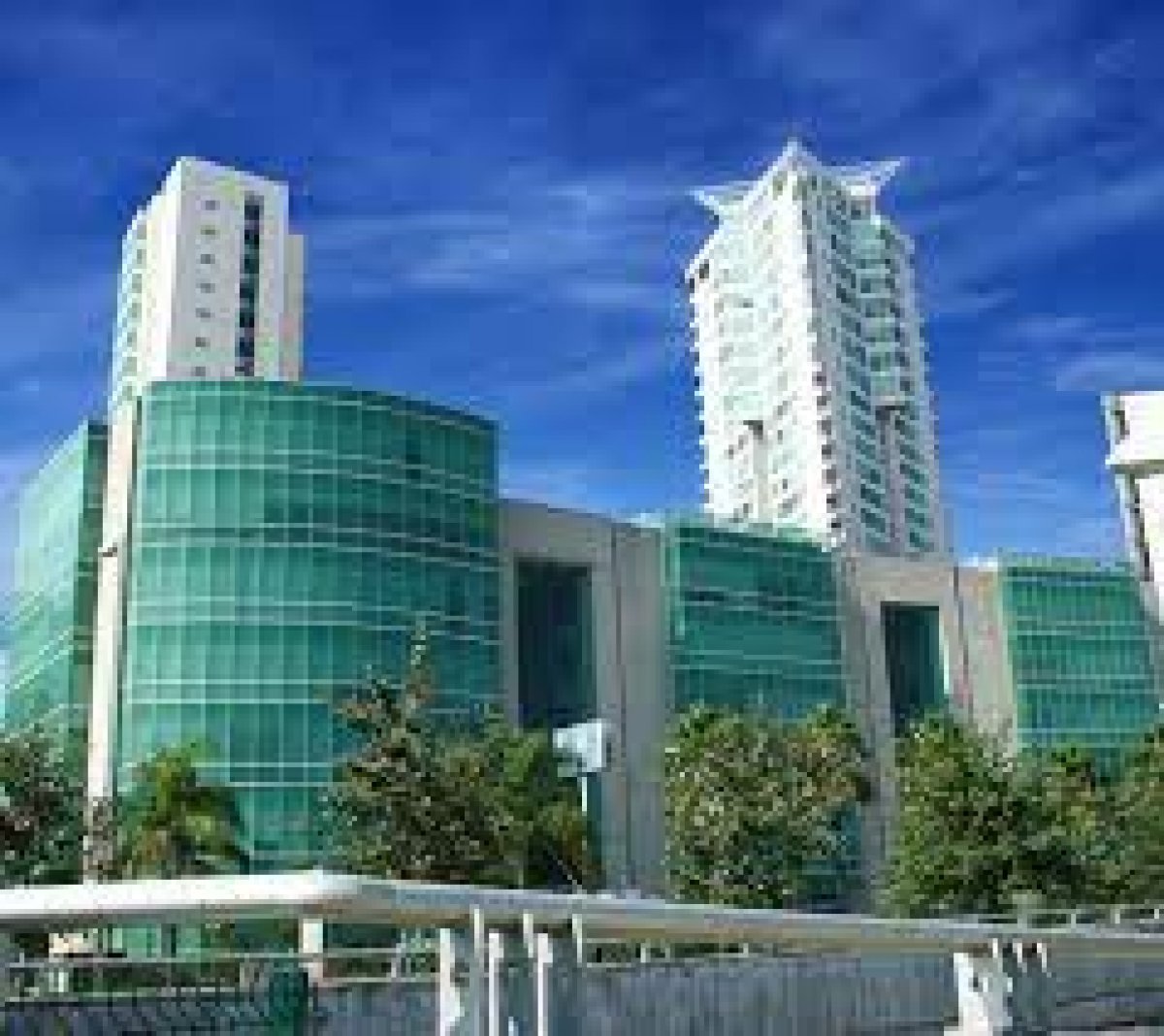
GDL High Specialty Neurosurgery
المكسيك, جوادالاخارا


تمت مراجعة المقالة طبيا من قبل
فهد مولود
Pituitary adenoma treatment cost in Mexico is significantly influenced by the chosen surgical approach and diagnostic complexity. A brain MRI with contrast typically costs $250 to $500, while a transnasal resection of tumor ranges from $11,000 to $18,000. Total expenses depend on tumor size and hospital stay duration. Patients can expect 60-75% savings compared to the US. Top cities include Guadalajara and Puerto Vallarta.
Typical Pituitary Adenoma Treatment Costs in Mexico
Bookimed Expert Insight: Complex tumor cases benefit most from specialized neuro-oncology teams. GDL High Specialty Neurosurgery focuses exclusively on brain and spine cases. They treat nearly 700 patients annually using stereotactic techniques. Patients needing remote planning can utilize online consultations with Dr. Karim Zamora. This approach ensures surgical readiness before traveling. High-specialty centers in Guadalajara offer advanced care at competitive rates.
| المكسيك | تركيا | إسبانيا | |
|---|---|---|---|
| حج القحف | من $12,000 | من $8,900 | من $32,400 |
| جراحة ورم الغدة النخامية | من $15,000 | من $9,400 | من $39,200 |
| العلاج الإشعاعي لسرطان القولون والمستقيم | ≈ $6,500 | من $5,000 | من $7,500 |
| استئصال ورم عبر الأنف | ≈ $11,000 | من $8,600 | من $24,600 |
| إزالة ورم في المخ | من $18,000 | من $12,000 | من $21,500 |
Bookimed لا يضيف رسوماً إضافية على أسعار علاج الورم الغدي النخامي. الأسعار مأخوذة من قوائم الأسعار الرسمية للعيادات. تدفع مباشرة في العيادة مقابل علاجك عند وصولك إلى البلد.
Bookimed ملتزم بسلامتك. نحن نعمل فقط مع المؤسسات الطبية التي تحافظ على معايير دولية عالية في علاج الورم الغدي النخامي ولديها التراخيص اللازمة لخدمة المرضى الدوليين في جميع أنحاء العالم.
Bookimed يقدم مساعدة خبراء مجانية. منسق طبي شخصي يدعمك قبل وأثناء وبعد العلاج، ويحل أي مشاكل. لن تكون وحيداً أبداً في رحلة علاج الورم الغدي النخامي.


الدكتور كريم نو زامورا أميزكوا هو جراح أعصاب في مركز غوادالاخارا للجراحة العصبية عالية التخصص (GDL High Specialty Neurosurgery). يعالج حالات الدماغ والعمود الفقري لدى البالغين والأطفال. يجري الدكتور زامورا أميزكوا عمليات جراحة الأعصاب الوعائية وجراحة أورام الأعصاب. يعمل في عيادة تستقبل ما يقرب من 700 مريض سنوياً.

يتخصص الدكتور بيريز في النهج الشامل في Holistic Bio Spa®، حيث يدمج تقنيات متقدمة لرعاية ورم الغدة النخامية.

الدكتور إدواردو فرنانديز هو واحد من 50 متخصصاً معتمداً فقط في علاج الخلايا الجذعية في المكسيك، وحاصل على مؤهلات اختبار صارم لمدة 8 ساعات من الكلية المكسيكية للخلايا الجذعية.

كتب بواسطة Ana Hurevska
 Anna Leonova
تشمل خيارات العلاج الأساسية للورم الغدي النخامي في المكسيك الاستئصال عبر الأنف، وبضع القحف، والجراحة الإشعاعية باستخدام سكين غاما (Gamma Knife). يستخدم المتخصصون في غوادالاخارا ومكسيكو سيتي تقنيات التنظير لإزالة الأورام عبر تجويف الأنف. يقلل هذا النهج طفيف التوغل من وقت التعافي ويتجنب الندوب المرئية.
رؤية خبير Bookimed: بينما يتطلع العديد من المرضى إلى مكسيكو سيتي، أصبحت غوادالاخارا مركزاً مكثفاً لحجم الجراحات العصبية. يدير مركز GDL للجراحة العصبية عالية التخصص وحده 690 مريضاً سنوياً. يشير هذا الحجم الكبير إلى مستوى من الخبرة الإجرائية التي غالباً ما تنافس مستشفيات العواصم الكبرى، خاصة بالنسبة لعمليات الاستئصال المعقدة عبر الأنف التي يجريها جراحون متخصصون مثل الدكتور كريم نوي زامورا أميزكوا.
إجماع المرضى: يشير المرضى إلى أنه من المهم التواصل مع المتخصصين الذين لديهم خبرة محددة في الحالات الدولية. ويؤكدون على أهمية التحقق من سجل النتائج الجراحية، حيث أن المراجعات الموثقة لهذه الإجراءات المتخصصة قد تكون محدودة.
يحقق علاج ورم الغدة النخامية في المكسيك معدلات نجاح تتراوح بين 85% و 95% لإزالة الورم. يستخدم جراحو الأعصاب المتخصصون جراحة الغدة النخامية بالمنظار عبر الأنف للوصول إلى الأورام من خلال تجويف الأنف. يضمن هذا النهج طفيف التوغل معدل بقاء على قيد الحياة لمدة خمس سنوات بنسبة 97% وأوقات تعافي أسرع.
رؤية خبير Bookimed: تعالج مراكز جراحة الأعصاب ذات الحجم الكبير في المكسيك، مثل GDL High Specialty Neurosurgery، ما يقرب من 700 مريض سنويًا. يعد هذا الحجم مؤشر جودة حاسم. تشير البيانات إلى أن الجراحين الذين يجرون أكثر من 500 حالة غدة نخامية يحققون عادةً معدلات تكرار أقل من 10%. يجب على المرضى التحقق مما إذا كان جراحهم متخصصًا بشكل خاص في التقنيات التنظيرية عبر الأنف بدلاً من جراحة القحف العامة.
إجماع المرضى: يؤكد المرضى على الحاجة إلى التخطيط لعلاج هرموني بديل قد يستمر مدى الحياة حتى بعد إزالة الورم بنجاح. يشير الكثيرون إلى أنه على الرغم من أن التعافي البدني يستغرق أسابيع، فإن إدارة التعب بعد الجراحة تتطلب جدولًا زمنيًا مرنًا للعودة إلى العمل لمدة ثلاثة أشهر.
يتخصص كبار جراحي الأعصاب في المكسيك في التقنيات الحديثة طفيفة التوغل لعلاج ورم الغدة النخامية. يعمل الخبراء في مراكز مثل GDL High Specialty Neurosurgery في غوادالاخارا. توفر هذه المرافق استئصالاً عبر الأنف وعلاجاً إشعاعياً بجهاز جاما نايف. غالباً ما تتمتع مستشفيات مدينة مكسيكو بعضوية شبكة مايو كلينك للرعاية.
رؤية خبير Bookimed: توفر العيادات ذات الحجم الكبير مثل GDL High Specialty Neurosurgery تخصصاً أساسياً يتجاوز جراحة الأعصاب العامة. يعالج هذا المركز ما يقرب من 700 مريض سنوياً مع وجود طبيبين متخصصين فقط. تشير هذه النسبة العالية من المرضى إلى الأطباء إلى خبرة مركزة في مسارات جراحية محددة. يجب على المرضى التحقق مما إذا كان الجراحون يجرون ما لا يقل عن 50 جراحة للغدة النخامية سنوياً.
إجماع المرضى: يؤكد المرضى على الحاجة إلى مختبرات مستقلة للتحقق من مستويات الهرمونات بعد الجراحة. يلاحظ الكثيرون أن اختيار المراكز الخاصة ذات الحجم الكبير يساعد في تجنب تحديات المتابعة الشائعة.
يدفع المرضى الدوليون عادةً تكاليف علاج ورم الغدة النخامية في المكسيك مقدمًا باستخدام بطاقات الائتمان أو التحويلات المصرفية. في حين أن معظم العيادات لا تقدم تمويلًا داخليًا مباشرًا لغير المقيمين، غالبًا ما يحصل المرضى على التمويل من خلال جهات إقراض طبية خارجية أو قروض شخصية من بلدانهم الأصلية.
رؤية خبير Bookimed: في حين تخدم مراكز جراحة الأعصاب العامة في المكسيك مئات المرضى سنويًا، فإن الرعاية المتخصصة تتركز في أماكن معينة. يعالج مركز GDL High Specialty Neurosurgery في غوادالاخارا ما يقرب من 690 مريضًا كل عام بطاقم عمل متخصص. غالبًا ما يؤدي هذا الحجم الكبير إلى ممارسات فوترة طبية أكثر شفافية للحالات الدولية.
إجماع المرضى: يؤكد المرضى على الحاجة إلى تخصيص ميزانية إضافية بنسبة 20% للتكاليف الطبية غير المتوقعة. كما يوصون بتأكيد قبول بطاقة الائتمان في وقت مبكر للاستفادة من مكافآت السفر أو الأميال التي تصدرها البنوك.