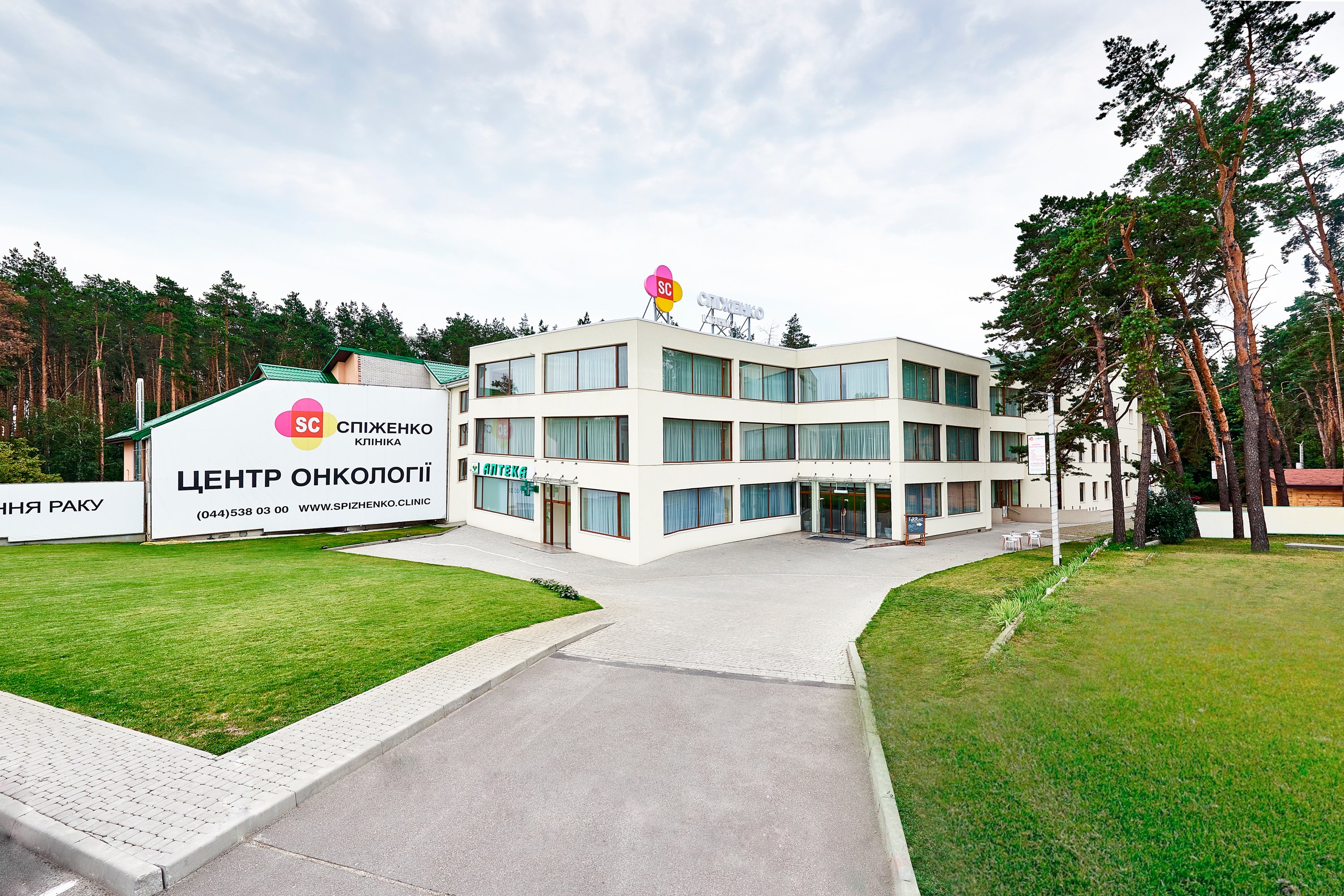
Spizhenko Clinic
أوكرانيا, كييف


تمت مراجعة المقالة طبيا من قبل
فهد مولود
تتضمن تكلفة علاج ورم الغدة النخامية في أوكرانيا عادةً التصوير التشخيصي مثل التصوير بالرنين المغناطيسي للدماغ مع التباين، والذي يتراوح سعره من $100 إلى $150. تتراوح خيارات الجراحة الأولية مثل جراحة ورم الغدة النخامية من $4,500 إلى $7,500، بينما تبلغ تكلفة إجراءات "جاما نايف" غير الجراحية من $3,800 إلى $5,800. تعتمد التكاليف الإجمالية على حجم الورم والنهج الجراحي المستخدم. يمكن للمرضى توفير ما يقرب من 80-90% مقارنة بالأسعار الطبية في الولايات المتحدة. تُعد كييف ولفيف وأوديسا المدن الرائدة لهذه الإجراءات.
تكاليف علاج ورم الغدة النخامية النموذجية في أوكرانيا
رؤية خبراء Bookimed: يجب على المرضى الذين يحتاجون إلى جراحة أعصاب معقدة إعطاء الأولوية للشبكات متعددة التخصصات مثل شبكة "دوبروبوت" الطبية (Dobrobut Medical Network). يجري جراحوهم أكثر من 11,000 عملية سنوياً، مما يضمن كفاءة جراحية عالية. بالنسبة للعلاجات القائمة على الإشعاع، تقدم عيادة "سبيجينكو" (Spizhenko Clinic) رعاية متخصصة تتبع بروتوكولات NCCN الدولية. توفر هذه المنشأة دورة كاملة من علاج الأورام وقد خدمت مرضى من أكثر من 30 دولة.
| أوكرانيا | تركيا | إسبانيا | |
|---|---|---|---|
| حج القحف | ≈ $5,500 | من $8,900 | من $32,500 |
| جراحة ورم الغدة النخامية | ≈ $4,500 | من $9,400 | من $39,300 |
| العلاج الإشعاعي لسرطان القولون والمستقيم | من $3,500 | من $5,000 | من $7,500 |
| استئصال ورم عبر الأنف | ≈ $4,500 | من $8,600 | من $24,700 |
| إزالة ورم في المخ | ≈ $4,500 | من $12,000 | من $21,500 |
Bookimed لا يضيف رسوماً إضافية على أسعار علاج الورم الغدي النخامي. الأسعار مأخوذة من قوائم الأسعار الرسمية للعيادات. تدفع مباشرة في العيادة مقابل علاجك عند وصولك إلى البلد.
Bookimed ملتزم بسلامتك. نحن نعمل فقط مع المؤسسات الطبية التي تحافظ على معايير دولية عالية في علاج الورم الغدي النخامي ولديها التراخيص اللازمة لخدمة المرضى الدوليين في جميع أنحاء العالم.
Bookimed يقدم مساعدة خبراء مجانية. منسق طبي شخصي يدعمك قبل وأثناء وبعد العلاج، ويحل أي مشاكل. لن تكون وحيداً أبداً في رحلة علاج الورم الغدي النخامي.


كتب بواسطة Ana Hurevska
 Anna Leonova
تعد كييف المركز الرئيسي لجراحة ورم الغدة النخامية في أوكرانيا. تشمل المراكز المتخصصة معهد رومودانوف لجراحة الأعصاب وشبكة دوبروبوت الطبية. تستخدم هذه المرافق الاستئصال عبر الأنف بالمنظار والجراحة الإشعاعية التجسيمية. تتبع المستشفيات ذات الحجم الكبير بروتوكولات الشبكة الوطنية الشاملة للسرطان (NCCN) الدولية للعلاج.
رؤية خبير Bookimed: يعمل حجم المرضى كمؤشر جودة حاسم لجراحة الأعصاب المعقدة. تخدم شبكة دوبروبوت الطبية أكثر من 330,000 مريض كل عام عبر 18 قسمًا متخصصًا. تساعد هذه الخبرة السريرية الهائلة في الحفاظ على معدلات نجاح عالية للإجراءات التنظيرية الدقيقة. عالجت عيادة سبيجينكو أكثر من 70,000 مريض دولي، مما يدل على التزام قوي بمعايير NCCN العالمية.
إجماع المرضى: غالبًا ما يؤكد المرضى على أهمية العثور على جراحي أعصاب متخصصين تحديدًا في حالات الغدة النخامية. يشير الكثيرون إلى أن التقنيات طفيفة التوغل متاحة محليًا من قبل جراحين تدربوا في أوروبا.
لا تتطلب جميع أورام الغدة النخامية جراحة. غالبًا ما يدير الأطباء الأورام الغدية الصغيرة بطيئة النمو من خلال المراقبة النشطة مع إجراء فحوصات التصوير بالرنين المغناطيسي بانتظام. تعالج الأدوية بفعالية العديد من الأورام المفرزة للهرمونات، مثل الأورام البرولاكتينية. تصبح الجراحة ضرورية إذا نمت الأورام بسرعة، أو أفرزت هرمونات معينة، أو ضغطت على الأعصاب البصرية.
رؤية خبير Bookimed: تتعامل المراكز الأوكرانية مثل شبكة Dobrobut الطبية مع أعداد كبيرة من المرضى حيث تجري أكثر من 11,000 عملية سنويًا. تظهر بياناتنا أن هذه المرافق تتبع غالبًا معايير ISO وبروتوكولات NCCN. وهذا يعني أن المرضى يتلقون نفس المراقبة الموحدة للأورام العرضية الموجودة في المراكز الأوروبية. اختيار شبكة متعددة التخصصات يضمن مراجعة جراحي الأعصاب وأطباء الغدد الصماء العصبية لحالتك قبل الجراحة.
إجماع المرضى: يؤكد المرضى على أهمية مراقبة تغيرات الرؤية عن كثب. ويوصون بزيارة طبيب الغدد الصماء العصبية لاستكشاف خيارات الإدارة الطبية قبل الالتزام بالجراحة.
النهج الجراحي القياسي لورم الغدة النخامية في أوكرانيا هو الجراحة التنظيرية عبر الأنف. تتضمن هذه التقنية طفيفة التوغل إزالة الورم عبر تجويف الأنف. يفضل جراحو الأعصاب الأوكرانيون هذه الطريقة بشكل متزايد على بضع القحف التقليدي لتجنب الشقوق الخارجية وضمان تعافي المريض بشكل أسرع.
رؤية خبراء Bookimed: على الرغم من أن الشبكات الكبرى مثل شبكة دوبروبوت الطبية تجري أكثر من 11,000 عملية سنوياً، إلا أن الانتقال إلى الهيمنة الكاملة للتنظير لا يزال مستمراً. تظهر البيانات أن التخصص في الأورام وجراحة الأعصاب ذات الحجم الكبير يؤدي إلى معدلات نجاح أعلى. يجب على المرضى التحقق مما إذا كانت المنشأة تتبع بروتوكولات الشبكة الوطنية الشاملة للسرطان (NCCN)، وهو مؤشر جودة رئيسي في عيادات كييف.
إجماع المرضى: يشير المرضى إلى أن معظم الحالات المتخصصة في كييف يتم التعامل معها الآن بالمنظار. ينصح الكثيرون بالتأكد من خبرة الجراح المحددة في أدوات الأنف والاستعداد للعناية بالأنف باستخدام المحلول الملحي أثناء التعافي.
تشمل المخاطر الجراحية لورم الغدة النخامية في أوكرانيا تسرب السائل النخاعي واختلال التوازن الهرموني المؤقت. تسير معظم الإجراءات دون مضاعفات. يستخدم الجراحون تقنيات التنظير عبر الأنف لتقليل الصدمات. تتبع المراكز المتخصصة في كييف بروتوكولات دولية لضمان معايير سلامة عالية لجراحة الأعصاب.
رؤية خبير Bookimed: ترتبط مؤشرات الجودة في أوكرانيا غالبًا بحجم العمليات الجراحية السنوي بدلاً من حجم العيادة. تجري شبكة Dobrobut الطبية أكثر من 11,000 عملية سنويًا عبر مرافقها. يضمن اختيار المراكز ذات الحجم الكبير أن يحافظ الجراحون على البراعة اليدوية المطلوبة لعمليات الاستئصال الدقيقة عبر الأنف. ترتبط هذه الخبرة ارتباطًا مباشرًا بتجنب تلف الغدة النخامية على المدى الطويل.
إجماع المرضى: يؤكد المرضى على مراقبة الإفرازات الأنفية الصافية كأولوية بعد الجراحة. يقترح الكثيرون وجود طبيب غدد صماء جاهز لإدارة العطش ومستويات الهرمونات فورًا أثناء التعافي.
يتوفر العلاج الإشعاعي للأورام الغدية النخامية التي لم تتم إزالتها بالكامل أثناء الجراحة. في أوكرانيا، يستخدم المتخصصون تقنية جاما نايف (Gamma Knife) أو سايبر نايف (CyberKnife) للأنسجة المتبقية. تستهدف هذه العلاجات المساعدة الخلايا المتبقية، مما يساعد في السيطرة على نمو الورم ومنع تكراره. وهو بروتوكول قياسي بعد الجراحة.
رؤية خبير Bookimed: تقوم الشبكات الخاصة مثل شبكة دوبروبوت الطبية (Dobrobut Medical Network) بإجراء أكثر من 11,000 عملية جراحية سنويًا. غالبًا ما يتعاون جراحوهم مع مراكز إشعاعية متخصصة للحصول على رعاية متكاملة. يجب على المرضى البحث عن العيادات التي تستخدم بروتوكولات NCCN لضمان مطابقة الإشعاع المتابع للمعايير العالمية. يشير هذا الحجم الجراحي الكبير إلى خبرة عميقة في إدارة البروتوكولات المعقدة بعد الجراحة للأورام المتبقية.
إجماع المرضى: يشير المرضى إلى أن إجراء تصوير بالرنين المغناطيسي في غضون 3 أشهر بعد الجراحة أمر حيوي. يؤكد الكثيرون أن مراقبة مستويات الهرمونات سنويًا ضرورية لأن الإشعاع قد يؤثر على وظيفة الغدد الصماء بمرور الوقت.
يقضي معظم المرضى من 8 إلى 14 يومًا في أوكرانيا لإجراء جراحة الغدة النخامية. تشمل هذه الفترة من 2 إلى 5 أيام في المستشفى لإزالة الورم بالمنظار. يجب أن تبقى في مكان قريب لمدة 7 أيام أخرى لمراقبة مستويات الهرمونات وضمان التئام الأنف قبل السفر جوًا.
رؤية خبير Bookimed: تركز مؤشرات الجودة في كييف على شبكات جراحية ذات حجم كبير. تجري شبكة Dobrobut الطبية أكثر من 11,000 عملية سنويًا عبر 75 فرعًا. غالبًا ما يؤدي هذا الحجم الكبير من المرضى إلى بروتوكولات تعافي موحدة. تساعد هذه البروتوكولات المرضى الدوليين على التخطيط لنوافذ سفر دقيقة مدتها 14 يومًا دون تمديدات غير متوقعة.
إجماع المرضى: يؤكد المرضى على أهمية تخصيص ميزانية لمدة 10 أيام على الأقل للتعامل مع التقلبات الهرمونية المحتملة. يقترح الكثيرون ترتيب استشارات افتراضية مع طبيب الغدد الصماء في وطنهم لإدارة التعافي طويل الأمد عن بُعد.
تعتبر كييف المركز الرئيسي للسياح الطبيين الذين يبحثون عن جراحة الغدة النخامية في أوكرانيا. تقوم المراكز الرائدة بإجراء عمليات استئصال عبر الوتدي متقدمة وجراحة إشعاعية باستخدام CyberKnife. كما توفر مراكز إقليمية مهمة مثل لفيف خبرة في جراحة الأعصاب. تحافظ المرافق على معايير العلاج الدولية على الرغم من التحديات الإقليمية الحالية.
رؤية خبير Bookimed: توفر مراكز كييف تركيزاً عالياً من الخبرة المتخصصة في جراحة الأعصاب. عالجت عيادة سبيزينكو مرضى من 32 دولة وتوفر رعاية كاملة الدورة. تدير شبكة دوبروبوت الطبية أكثر من 330,000 مريض كل عام. غالباً ما تؤدي هذه الأحجام الكبيرة إلى تقنيات جراحية دقيقة في إجراءات الدماغ طفيفة التوغل.
إجماع المرضى: يشعر المرضى حالياً بالحذر بشأن اختيار أوكرانيا بسبب الوضع الإقليمي. ينصح الكثيرون بإعطاء الأولوية للمراكز الطبية المستقرة لجراحات الدماغ المعقدة في الوقت الحالي. يؤكد البعض على ضرورة التحقق بعناية من حجم حالات الجراحين والبروتوكولات بعد العملية قبل السفر.

