علاج مرض كرون في بولندا — احصل على 3 عيادات مختارة خصيصاً لك


تمت مراجعة المقالة طبيا من قبل
فهد مولود
كيف نعمل؟
ما هي تكلفة مرض كرون إجراءات التشخيص والعلاج في بولندا؟ اعرف الآن
تتأثر تكلفة علاج داء كرون في بولندا بعمق التشخيص والنهج العلاجي المتبع. من $220. تعتمد النفقات الإجمالية على شدة المرض والعمر والأدوية المطلوبة. عادةً ما يوفر المرضى الدوليون ما بين 40 إلى 60% مقارنة بأسعار الخدمات الطبية في الولايات المتحدة. تشمل المراكز السريرية الرائدة كلًا من ييلينيا غورا، ووارسو، وفروتسواف.
تكاليف علاج داء كرون النموذجية في بولندا
- استشارة طبيب أمراض الجهاز الهضمي: من $90
- تنظير الكبسولة: من $220
- تنظير المعدة مع أخذ خزعة: من $180
- تحليل دم موسع: من $650
- العلاج بالخلايا الجذعية: من $9,800
- العلاج الهرموني: $900 – $2,400
- استئصال المرارة: من $4,700
رؤية خبراء Bookimed: يستفيد المرضى الباحثون عن تشخيص عالي الجودة من المرافق الحاصلة على شهادة الأيزو (ISO) مثل عيادة KCM. يخدم هذا المركز 700 مريض دولي سنويًا، ويقدم باقات متخصصة للوافدين من الخارج. بالنسبة لأولئك الذين يحتاجون إلى مراقبة معقدة، فإن قرب العيادة من فروتسواف يوفر وصولًا لوجستيًا مريحًا. تقدم أقسام أمراض الجهاز الهضمي المتخصصة في بولندا تصويرًا متقدمًا بأسعار أقل بكثير من البدائل في أوروبا الغربية. تضمن المعايير الدولية رعاية آمنة وموثوقة لإدارة الحالات المزمنة.
| بولندا | تركيا | إسبانيا | |
|---|---|---|---|
| الفصل الانتقائي للدم | من $3,300 | ≈ $1,600 | ≈ $1,800 |
| العلاج بالهرمونات | ≈ $900 | من $1,100 | من $600 |
| العلاج بالخلايا الجذعية | من $9,800 | من $1,600 | من $33,600 |
| استئصال المرارة | من $4,700 | من $3,000 | من $9,200 |
| استئصال الزوائد الجلدية الشرجية | من $1,200 | ≈ $350 | من $1,700 |
اكتشف أفضل مرض كرون العيادات في بولندا: 2 خيارات معتمدة والأسعار



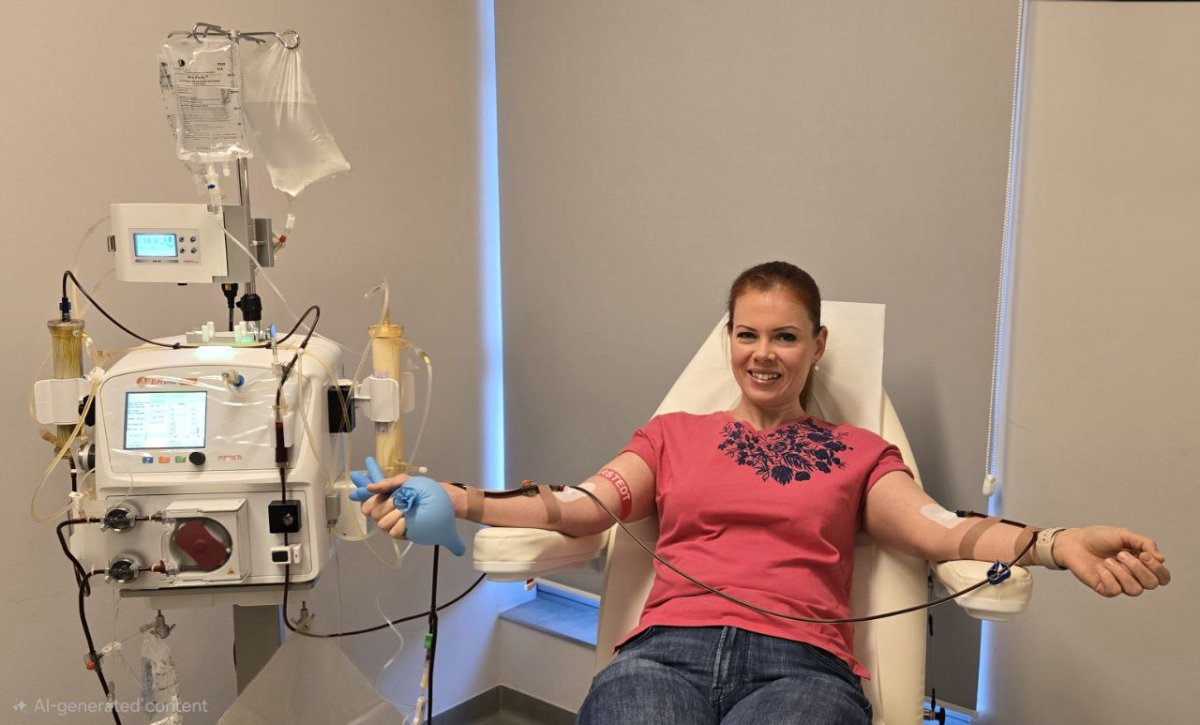
DNTRIPLED Medical Services مركز العلاج بالأفريز العلاجي
احصلوا على تقييم طبي لـ مرض كرون في بولندا: استشيروا أطباء ذوي خبرة الآن
عرض جميع الأطباء
Michał Wszoła
مشاركة المحتوى
قصص فيديو من مرضى Bookimed
 Anna Leonova
أسئلة متكررة حول علاج مرض كرون في بولندا
ما هو مستوى جودة وسلامة علاج مرض كرون في بولندا؟
يلبي علاج مرض كرون في بولندا معايير السلامة الخاصة بالاتحاد الأوروبي. تستخدم العيادات تشخيصات متقدمة مثل تنظير الكبسولة والتصوير بالرنين المغناطيسي. تتبع أقسام أمراض الجهاز الهضمي المتخصصة المبادئ التوجيهية السريرية الدولية. تحافظ مرافق مثل عيادة KCM على شهادة ISO لضمان رعاية عالية الجودة. تبلغ المراكز البولندية عن نجاح كبير في العلاجات البيولوجية.
- معايير الجودة: تتبع المراكز المتخصصة البروتوكولات الدولية ومعايير JCI أو ISO.
- أدوات التشخيص: تستخدم المرافق تنظير الكبسولة وتنظير المعدة لتحديد المرحلة بدقة.
- العلاجات البيولوجية: تظهر الأدوية الحديثة مثل إنفليكسيماب وفيدوليزوماب فعالية عالية.
- المرافق المعتمدة: تخدم عيادة KCM أكثر من 700 مريض دولي سنويًا بسلامة معتمدة.
رؤية خبير Bookimed: بولندا وجهة ذات حجم كبير حيث تم تلبية أكثر من 2000 طلب. في حين تصل فترات الانتظار في القطاع العام إلى 6 أشهر، توفر العيادات الخاصة وصولاً فورياً. غالبًا ما يقوم كبار الأطباء في المراكز المعتمدة من JCI بإجراء أكثر من 1000 إجراء متخصص. تضمن هذه الخبرة السريرية مستويات سلامة جراحية مماثلة لتلك الموجودة في ألمانيا ولكن بتكاليف أقل.
إجماع المرضى: أفاد المرضى أن السلامة ممتازة في المدن الكبرى. غالبًا ما تكون أجنحة المستشفيات المتخصصة مزدحمة، لذا يوصي الكثيرون باستخدام التأمين الخاص لتجنب فترات الانتظار الطويلة.
ما هي الأدوية والتقنيات الجراحية المستخدمة بشكل روتيني لمرض كرون في بولندا؟
تعالج المراكز الطبية البولندية مرض كرون باستخدام الأدوية البيولوجية مثل إنفليكسيماب وأداليموماب إلى جانب أدوية الصيانة مثل آزاثيوبرين. تعطي التدخلات الجراحية الأولوية لاستئصال اللفائفي الأعوري بالمنظار للناسور. كما تقدم المرافق المتقدمة علاجًا تجريبيًا بالخلايا الجذعية الذاتية للحالات الشديدة لتحفيز الهجوع طويل الأمد.
- العلاج البيولوجي: يصف الأطباء بشكل روتيني إنفليكسيماب وفيدوليزوماب للحالات المستعصية.
- أدوية الصيانة: يستخدم الأطباء آزاثيوبرين أو ميثوتريكسات مع مراقبة متكررة للدم.
- التقنيات الجراحية: يعد الاستئصال بالمنظار هو المعيار لإدارة التضيق والناسور.
- العلاجات الناشئة: تقوم مراكز مختارة بإجراء علاج بالخلايا الجذعية المكونة للدم الذاتية للمضاعفات.
- المراقبة التشخيصية: تستخدم العيادات تنظير الكبسولة وتنظير القولون مع الخزعة للمتابعة.
رؤية خبير Bookimed: أصبحت بولندا مركزًا رئيسيًا حيث تم تلبية أكثر من 2000 طلب للعلاجات المعقدة. تظهر البيانات أن مراكز مثل عيادة KCM في جيلينيا جورا تركز بشكل كبير على المرضى الدوليين. وهي حاصلة على شهادة ISO لضمان معايير سلامة عالية لأولئك الذين يسافرون من الخارج. تساعد هذه البنية التحتية المرضى على تجاوز تأخيرات التسريب لمدة 3 أشهر التي توجد غالبًا في الأنظمة العامة.
إجماع المرضى: يشير المرضى إلى أن جراحة المنظار غالبًا ما تسمح بالعودة السريعة إلى العمل في غضون 4 أسابيع. ويؤكدون على أهمية مراقبة العدوى أثناء تناول مثبطات المناعة مثل آزاثيوبرين.
ما هي المدة المعتادة للإقامة في المستشفى وما هي فترة التعافي بعد الجراحة؟
تتراوح فترات الإقامة في المستشفى لعلاج داء كرون في بولندا عادةً من 3 إلى 7 أيام اعتمادًا على الإجراء. غالبًا ما تسمح الجراحات طفيفة التوغل بالخروج في غضون 3 إلى 5 أيام. يتطلب التعافي الكامل بعد الجراحة عادةً من 4 إلى 8 أسابيع للعودة الكاملة إلى الأنشطة اليومية.
- الإقامة في المستشفى: توقع من 4 إلى 7 أيام لمعظم إجراءات البطن الكبرى في العيادات البولندية.
- التعافي الأولي: غالبًا ما يستأنف المرضى العمل المكتبي الخفيف في غضون 1 إلى 3 أسابيع بعد الجراحة.
- النشاط البدني: تتطلب الحركات الشاقة والعمل البدني عادةً من 2 إلى 3 أشهر لتكون آمنة.
- التحريك المبكر: يبدأ المشي عادةً في غضون 24 ساعة لتسريع وظيفة الأمعاء والشفاء العام.
رؤية خبير Bookimed: تدير مراكز التنسيق مثل عيادة KCM في جيلينيا غورا حجمًا كبيرًا من المرضى الدوليين من المملكة المتحدة وألمانيا. تشير بياناتنا إلى أن هذه المرافق تعطي الأولوية لتحسين التغذية قبل الجراحة لتقليل فترات الإقامة في المستشفى. غالبًا ما تطبق العيادات التي تتبع معايير ISO بروتوكولات موحدة تساعد في ضمان معدل تعافي سلس بنسبة 95% دون إعادة إدخال المستشفى.
إجماع المرضى: يشير المرضى إلى أن الاستخدام القياسي للتخدير فوق الجافية يسهل المشي بحلول اليوم الثاني. على الرغم من أن الخروج الأولي سريع، إلا أن الكثيرين يؤكدون أن التعب يستمر لأكثر من 3 أشهر أثناء التعافي في المنزل.
من يُعتبر مرشحاً جيداً للعلاج البيولوجي أو الجراحة في بولندا؟
المرشحون الجيدون للعلاج البيولوجي في بولندا هم مرضى داء كرون الذين يعانون من التهاب متوسط إلى شديد. عادةً ما يكون هؤلاء المرضى لم يستجيبوا للستيرويدات القياسية أو مُعدلات المناعة. تُخصص الجراحة عادةً للحالات الموضعية أو المضاعفات مثل التضيقات والنواسير بعد تجربة العلاجات البيولوجية.
- معايير التشخيص: يجب على المرشحين تقديم دليل تنظيري على وجود التهاب نشط عبر تنظير القولون.
- فشل العلاج: تتطلب الأهلية توثيق فشل علاجين نظاميين قياسيين على الأقل.
- مؤشرات الجراحة: يوصى بالجراحة للحالات المستعصية أو الانسدادات المعوية الجسدية.
- ملف المرشح: غالباً ما يحقق المرضى الشباب، الذين يتمتعون بصحة جيدة بخلاف ذلك، والذين يعانون من مرض موضعي، أفضل النتائج الجراحية.
رؤية خبير Bookimed: بينما يتطلب التأمين العام موافقة اللجنة وإجراء اختبارات جينية، توفر المرافق الخاصة مثل عيادة KCM وصولاً مبسطاً. هذا أمر حيوي للمرضى الدوليين من المملكة المتحدة أو ألمانيا الذين يسعون للحصول على رعاية أسرع. تضمن العيادات الحاصلة على شهادات ISO معايير سلامة عالية لهذه الإجراءات المعوية المعقدة. اختيار مرفق يخدم أكثر من 2500 مريض سنوياً يشير إلى خبرة أقوى في إدارة حالات داء كرون المتقدمة.
إجماع المرضى: يؤكد المرضى على أهمية توثيق كل فشل في الأدوية باستخدام الخزعات لضمان الموافقة على العلاج. يقترح الكثيرون استشارة جراح الجهاز الهضمي مبكراً لتجنب إجراءات الطوارئ لاحقاً.
ما هي خدمات الدعم التي تقدمها بولندا للمرضى الدوليين الذين يخضعون لعلاج داء كرون؟
توفر بولندا لمرضى داء كرون الدوليين تنسيقاً طبياً مخصصاً ومساعدة لوجستية. غالباً ما تشمل المرافق التي تقدم رعاية متخصصة خدمات نقل من المطار وخدمات ترجمة. توفر منظمات مثل J-elita موارد تعليمية. تدير Bookimed التواصل السريري والخدمات اللوجستية. تحافظ العديد من المراكز على فترات انتظار قصيرة للتشخيص.
- التنسيق الطبي: يدير منسقون شخصيون الجدولة والخدمات اللوجستية الطبية.
- الدعم اللوجستي: تشمل الخدمات الاستقبال في المطار والنقل المحلي.
- المساعدة اللغوية: توفر العيادات تطبيقات ترجمة أو موظفين للتواصل.
- الوصول إلى التشخيص: توفر العيادات جدولة سريعة لتنظير الكبسولة والخزعات.
رؤية خبير Bookimed: تخدم عيادة KCM 700 مريض دولي سنوياً لإجراءات مختلفة. يشير هذا الحجم الكبير من المرضى الأجانب إلى وجود أنظمة إدارية قوية. غالباً ما تتمتع العيادات في جيلينيا غورا بخبرة أكبر في الخدمات اللوجستية عبر الحدود مقارنة بمستشفيات المدينة. وهذا يجعلها فعالة في إدارة جداول السفر والتعافي.
إجماع المرضى: يلاحظ المرضى أن العيادات الخاصة تقدم فترات انتظار قصيرة جداً مقارنة ببلدهم الأصلي. من المهم تأكيد متابعة المواعيد عبر مكالمات الفيديو قبل العودة.
ما هي المدن البولندية الأكثر ملاءمة لعلاج داء كرون المتقدم وكم من الوقت يجب أن أخطط للبقاء؟
تعد وارسو وكراكوف أكثر المدن البولندية ملاءمة لعلاج داء كرون المتقدم. فهي توفر مراكز متخصصة لأمراض الأمعاء الالتهابية ومطارات دولية. يجب على المرضى التخطيط للبقاء من 7 إلى 10 أيام من أجل الحقن الوريدي. تتطلب الحالات الجراحية عادةً من 14 إلى 21 يوماً للتعافي الآمن.
- مرافق وارسو: يضم المعهد الطبي الوطني (MSWiA) قسماً مخصصاً للحالات المعقدة.
- الرعاية المتخصصة في كراكوف: يجري المستشفى الجامعي في كراكوف ما يقرب من 900 علاج لداء كرون سنوياً.
- جداول التشخيص: تقدم العيادات الخاصة علاجات بيولوجية متقدمة مثل فيدوليزوماب في غضون 10 أيام تقريباً.
- التعافي الجراحي: تتطلب عمليات استئصال الأمعاء عادةً إقامة في المستشفى لمدة تتراوح بين 9 إلى 14 يوماً.
رؤية خبير Bookimed: بولندا وجهة ذات حجم كبير حيث تضم 86 عيادة تخدم أكثر من 2000 طلب دولي. تتخصص مرافق مثل عيادة KCM في الخدمات اللوجستية الدولية للمرضى المسافرين من المملكة المتحدة وألمانيا. اختيار الرعاية الخاصة يقلل بشكل كبير من طوابير الانتظار العامة التي تصل إلى 3 أشهر لبرامج الحث البيولوجي.
إجماع المرضى: يوصي المرضى بحجز فنادق بالقرب من المستشفى بدلاً من الإقامة الطويلة في المستشفى. ويؤكدون أن استشارات الفيديو قبل الوصول تساعد في تقليل الوقت المستغرق في بولندا.
ما هي احتياطات الرعاية اللاحقة التي تمنع التكرار بعد الجراحة أو أثناء تقليل جرعات الدواء؟
تتطلب الوقاية من تكرار مرض كرون الالتزام الصارم ببروتوكولات تقليل الأدوية والرعاية بعد الجراحة. يجب على المرضى الانتقال ببطء بين الجرعات. يجب عليهم مراقبة مستويات الكالبروتكتين في البراز بانتظام. كما أن الحفاظ على مستويات فيتامين د فوق 50 نانوغرام/مل يدعم الهجوع طويل الأمد في العيادات البولندية مثل عيادة KCM.
- تقليل الأدوية: قلل الأدوية البيولوجية أو الستيرويدات بنسبة 25% كل 4 إلى 8 أسابيع.
- الإدارة الغذائية: اتبع نظاماً غذائياً قليل البقايا لمدة 3 إلى 6 أشهر بعد الجراحة.
- دعم المكملات: تناول Saccharomyces boulardii لمنع النوبات أثناء تقليل الأدوية البيولوجية.
- مراقبة الأعراض: تتبع مستويات الكالبروتكتين لاكتشاف التكرار المبكر قبل ظهور الأعراض.
رؤية خبير Bookimed: تظهر البيانات من المراكز البولندية تفضيلاً للمراقبة التشخيصية المتكاملة أثناء تقليل الجرعات. يجمع المرضى في عيادة KCM بين تحاليل الدم الكيميائية الحيوية وتنظير القولون المنتظم للتحقق من الهجوع. تسمح مراقبة مستويات الكالبروتكتين فوق 150 ميكروغرام/غرام بإجراء تعديلات فورية على الأدوية. غالباً ما يمنع هذا النهج الاستباقي الحاجة إلى عمليات استئصال جراحية متكررة.
إجماع المرضى: يؤكد المرضى أن إعادة إدخال الأطعمة الغنية بالألياف بسرعة كبيرة تسبب ألماً فورياً. يوصون باستخدام مرق العظام والمغنيسيوم للتحكم في النوبات المرتبطة بالتوتر أثناء التعافي.
ما مدى جودة جراحة الأعصاب في بولندا؟
تُقدم جراحة الأعصاب في بولندا رعاية عالية الجودة في مرافق معتمدة من قبل اللجنة الدولية المشتركة (JCI) والمنظمة الدولية للمعايير (ISO). يلتزم جراحو الأعصاب البولنديون بمعايير تدريب صارمة معتمدة من قبل الاتحاد الأوروبي. وقد أكمل العديد منهم زمالات في الولايات المتحدة أو ألمانيا. وتتوفر التقنيات المتقدمة، مثل جهاز سايبر نايف وجهاز جاما نايف والأنظمة الروبوتية، على نطاق واسع في المراكز الخاصة.
- المؤهلات التخصصية: غالباً ما يكون الأطباء أعضاء في الرابطة الأوروبية لجمعيات جراحة الأعصاب.
- التقنيات المتقدمة: تستخدم العيادات أنظمة CyberKnife والموجات فوق الصوتية المركزة الموجهة بالرنين المغناطيسي لعلاج الدماغ غير الجراحي.
- الحجم السريري: تعالج المراكز الرائدة مثل مستشفى الجامعة في كراكوف أكثر من 455000 مريض سنوياً.
- جراحون ذوو خبرة: أجرى الدكتور ماسيج بوجكو من مستشفى كارولينا أكثر من 2500 عملية جراحية بمفرده.
رأي خبراء بوكيمد: تُظهر البيانات وجود علاقة وثيقة بين تخصص العيادة وأصول مرضاها. تعالج عيادة KCM أكثر من 700 مريض دولي سنويًا، وهي متخصصة في جراحة العمود الفقري طفيفة التوغل. يُمكّنها هذا الحجم من العمل من تقديم باقات خدمات متخصصة، تشمل غالبًا حواجز تشخيصية وزرعات محددة،
ما هي مؤهلات جراحي الأعصاب البولنديين؟
يُعدّ جراحو الأعصاب البولنديون متخصصين ذوي كفاءة عالية، إذ أتموا ما لا يقل عن 13 عامًا من التدريب الطبي المكثف. يشمل ذلك ست سنوات من الدراسة في كلية الطب، و13 شهرًا من التدريب العملي، وست سنوات من الإقامة. ويجب عليهم اجتياز امتحان التخصص الحكومي (PES)، وغالبًا ما يحصلون على شهادة من الجمعية الأوروبية لجمعيات جراحة الأعصاب (EANS).
- التعليم: يتلقى الأطباء تعليمهم الطبي (الطب) بعد 6 سنوات من الدراسة في الجامعة.
- التخصص: تشمل الإقامة 6 سنوات من التدريب المعياري في جراحة الأعصاب السريرية وعلم الأشعة العصبية.
- حجم العمليات الجراحية: غالبًا ما يقوم الأطباء المقيمون بإجراء أكثر من 1000 عملية جراحية، وهو ما يتجاوز متوسط حجم التدريب في المناطق الأخرى.
- الشهادات: العديد من المتخصصين أعضاء في منظمة AO Spine أو الجمعية البولندية لجراحة العمود الفقري.
رأي خبراء بوكيميد: تشير البيانات إلى أن جراحي الأعصاب البولنديين غالبًا ما يتخصصون في تقنيات بالغة التخصص، مثل نظام ApiFix أو نظام SED-YESS لتنظير الفقرات القطنية. ويجمع أخصائيون مثل الدكتور ستانيسواف كويك من عيادة KCM بين أبحاث ما بعد الدكتوراه والممارسة الجراحية النشطة. هذا المزيج من المعرفة الأكاديمية المتعمقة والخبرة الجراحية الوا
ما هي أفضل عيادات جراحة الأعصاب في بولندا؟
من بين أفضل عيادات جراحة الأعصاب في بولندا مستشفى كارولينا، وعيادة KCM، ومراكز أكاديمية رائدة مثل مستشفى جامعة كراكوف. تقدم هذه المؤسسات علاجات متطورة لأمراض العمود الفقري والدماغ، مطابقة لمعايير الجودة ISO، وتضم أخصائيين أعضاء في منظمات دولية مثل AO Spine.
- مستشفى كارولينا: مركز التميز الطبي التابع للفيفا، والمتخصص في جراحات العمود الفقري المعقدة ذات التدخل الجراحي المحدود.
- عيادة KCM: معترف بها دوليًا لجودة إجراءات تنظير العمود الفقري، وتخدم أكثر من 700 مريض دولي سنويًا.
- مستشفى جامعة كراكوف: مركز متعدد التخصصات كبير يقوم بإجراء أكثر من 800 عملية جراحية عصبية سنوياً منذ عام 1788.
- لوكسميد: مركز طبي خاص مرموق في وارسو متخصص في جراحة العمود الفقري المتقدمة للمرضى الدوليين.
رأي خبراء بوكيمد: بينما يتجه الكثيرون إلى أكبر المستشفيات، تُظهر البيانات أن عيادات مثل مستشفى كارولينا تُقدم كفاءة أعلى في العمليات الجراحية الاختيارية. فمع وجود أكثر من 40 طبيباً متخصصاً في هذه المنشأة التي تضم 30 سريراً، تكون نسبة الأطباء إلى المرضى أعلى بكثير مما هي عليه في المراكز الجامعية الحكومية. وهذا يعني رعاية ما بعد الجراحة أكثر عناية، وجدولة أسرع بكثير لإجراءات مثل علاج الانزلاق الغضروفي