Crohn's disease treatment cost in China typically includes essential diagnostics like gastroscopy with biopsy, which ranges from $100 to $300, and biochemical blood analysis from $100 to $100. Primary medical interventions such as hormone therapy cost $3,500 to $9,800. Total expenses depend on the need for biologics, surgical stays, and outpatient maintenance requirements. Patients can expect 30-50% savings compared to the US. Top cities for this treatment include Beijing and Shanghai.
Typical Crohn's Disease Treatment Costs in China
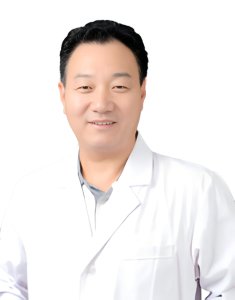
Bookimed Expert Insight: Early tumor screening and accurate staging are best managed by specialized gastroenterologists. Dr. Sun Guanxi in Shanghai brings experience from thousands of endoscopic procedures for precise diagnosis. For complex cases requiring inpatient care, Yanda International Hospital in Beijing offers Joint Commission International (JCI) accredited Class A level III facilities. This high-tier clinical environment is ideal for international patients seeking western-standard hospital safety and multidisciplinary care.
| الصين | تركيا | إسبانيا | |
| العلاج بالهرمونات | من $3,500 | من $400 | من $3,000 |
| العلاج بالخلايا الجذعية | من $11,500 | من $7,200 | من $8,500 |
| استئصال المرارة | من $7,500 | من $2,900 | من $3,000 |
| الفصل الانتقائي للدم | من $3,500 | من $1,550 | - |
Bookimed لا يضيف رسوماً إضافية على أسعار علاج مرض كرون. الأسعار مأخوذة من قوائم الأسعار الرسمية للعيادات. تدفع مباشرة في العيادة مقابل علاجك عند وصولك إلى البلد.
Bookimed ملتزم بسلامتك. نحن نعمل فقط مع المؤسسات الطبية التي تحافظ على معايير دولية عالية في علاج مرض كرون ولديها التراخيص اللازمة لخدمة المرضى الدوليين في جميع أنحاء العالم.
Bookimed يقدم مساعدة خبراء مجانية. منسق طبي شخصي يدعمك قبل وأثناء وبعد العلاج، ويحل أي مشاكل. لن تكون وحيداً أبداً في رحلة علاج مرض كرون.
سون غوانشي، حاصل على دكتوراه في الطب وخبير في تنظير المعدة والأمعاء غير المؤلم. عمل طويلاً في قسم أمراض الجهاز الهضمي ومركز المناظير في أرقى المستشفيات الثلاثية (فئة أ) في البلاد. عضو شعبة المناظير الهضمية في الجمعية الطبية الصينية. أنجز آلاف إجراءات تنظير المعدة والأمعاء تشخيصاً وعلاجاً. يتقن الفحص الدقيق بالمنظار والمعالجة طفيفة التوغل لسرطان المعدة المبكر وسرطان القولون والمستقيم المبكر. يشتهر بإجراءات ثابتة ودقيقة ولطيفة.
يتعاون مع فريق تخدير مخضرم، ويستخدم التخدير الوريدي المهدئ لإجراء تنظير غير مؤلم للمعدة والأمعاء، ما يتيح رصداً أشمل وأدق للغشاء المخاطي، ويرفع معدّل كشف السلائل الصغيرة والآفات المبكرة.
يوفّر بشكل متكامل علاجات طفيفة التوغل مثل الاستئصال البارد/الحراري للسلائل، إيقاف النزف بالمنظار، توسيع التضيق، واستئصال تحت المخاطية بالمنظار (ESD). يركز على تشخيص وعلاج أمراض الجهاز الهضمي بجودة عالية وكفاءة مرتفعة.
تشمل أبرز المستشفيات الصينية لعلاج داء كرون مستشفى جامعة بكين ومستشفى ياندا الدولي. وتعتمد هذه المؤسسات المعتمدة من قبل اللجنة الدولية المشتركة (JCI) على فرق متعددة التخصصات وأحدث العلاجات البيولوجية. وتجمع العديد من المراكز بين الطب الغربي والبروتوكولات التقليدية. وتعالج أقسام متخصصة في أمراض الأمعاء الالتهابية الحالات المعقدة في بكين وشنغهاي وقوانغتشو.
رأي خبراء بوكيمد: يتميز مستشفى ياندا الدولي بدمجه بين معايير اللجنة الدولية المشتركة (JCI) والطب الصيني التقليدي لعلاج الالتهابات المزمنة. فبينما تلتزم العديد من المراكز الوطنية بالبروتوكولات الغربية، يعالج هذا النهج الشامل أكثر من 2,500,000 مريض سنويًا. ويُعدّ المستشفى سهل الوصول إليه بشكل خاص للمرضى الدوليين، حيث يقدم خدمات متخصصة للمرضى الناطقين بالعربية والروسية.
رأي المرضى: ينصح المرضى باختيار أفضل المستشفيات في بكين أو شنغهاي، لكنهم يحذرون من طول فترات الانتظار. وينصح الكثيرون باستخدام تطبيقات المستشفيات لحجز المواعيد قبل عدة أشهر، وإحضار الوثائق الطبية المترجمة.
يتوفر دواءا إنفليكسيماب وأداليموماب على نطاق واسع في الصين، وهما معتمدان لعلاج داء كرون المتوسط إلى الشديد. وتُدرج هذه الأدوية البيولوجية ضمن القائمة الوطنية للأدوية المشمولة بالتأمين الصحي. ويمكن للمرضى الحصول على الأدوية الأصلية أو العديد من البدائل الحيوية المحلية في المؤسسات الطبية المعتمدة.
رأي خبراء بوكيمد: بينما يعتقد الكثيرون أن مراكز الأورام المتخصصة فقط هي التي تملك إمكانية الوصول إلى الأدوية عالية التقنية، فإن المؤسسات المعتمدة من قبل اللجنة الدولية المشتركة (JCI)، مثل مستشفى جاندا الدولي، تعالج عددًا هائلاً من المرضى، يصل إلى 2,500,000 مريض سنويًا. غالبًا ما يضمن هذا الحجم الكبير إمدادًا مستقرًا بالأدوية البيولوجية المعقدة، والتي قد تفتقر إليها العيادات الإقليمية الأصغر.
ملاحظات المرضى: يشير المرضى إلى أن الموافقة على الأدوية البيولوجية قد تستغرق من شهرين إلى ثلاثة أشهر بسبب الفحوصات المطلوبة. وينصحون بالانضمام إلى مجموعات WeChat للعثور على مستشفيات توفر الأدوية اللازمة وطاقمًا طبيًا يتحدث الإنجليزية.
في الصين، يُستخدم الطب الصيني التقليدي كعلاج تكميلي إلى جانب البروتوكولات الغربية. يجمع هذا النهج المزدوج بين الأدوية البيولوجية ومشروبات عشبية متخصصة والوخز بالإبر. يهدف هذا العلاج إلى تنظيم محور الدماغ والأمعاء وتحسين التئام الغشاء المخاطي المعوي لدى المرضى.
رأي خبراء بوكيمد: في الصين، يؤثر عدد المرضى بشكل كبير على جودة التكامل العلاجي. يخدم مستشفى ياندا الدولي 2,500,000 مريض سنويًا. غالبًا ما تمتلك المراكز التي تستقبل أعدادًا كبيرة من المرضى خبرة سريرية واسعة في الجمع الآمن بين العلاجات العشبية والعلاجات الهرمونية الحديثة. يضمن اختيار المؤسسات المعتمدة من قبل اللجنة الدولية المشتركة (JCI) من الفئة A III استخدام تركيبات الطب الصيني التقليدي الموحدة التي تستوفي معايير السلامة الصارمة.
آراء المرضى: يشير المرضى إلى أن الجمع بين الأدوية البيولوجية القياسية والأعشاب المثبتة سريريًا يُحقق أفضل النتائج. ويؤكد الكثيرون أن اتباع بروتوكول شامل يضعه الطبيب أكثر أمانًا من استخدام العلاجات العشبية الفردية أو غير الخاضعة للرقابة.
تركز العيادات الصينية على استقرار الطحال والمعدة باستخدام نهج متكامل. ويؤكد الأطباء على تناول الأطعمة الدافئة والمطبوخة، مثل عصيدة الأرز ومرق العظام، للحد من الالتهاب الداخلي. ويتلقى المرضى في كثير من الأحيان تغذية معوية حصرية على شكل محاليل سائلة لتحقيق هدأة سريرية خلال المراحل النشطة من المرض.
رأي خبراء بوكيمد: في الصين، تُعطى معايير الجودة الأولوية لتصنيف العيادات على حساب حجم الأقسام الفردية. تُصنّف المراكز الرائدة، مثل مستشفى ياندا الدولي، ضمن الفئة (أ)، المستوى الثالث. ويعكس هذا التصنيف المستوى العالي من التطور والتقدم التكنولوجي الذي يتمتع به نظام الرعاية الصحية الصيني. ينبغي على المرضى إعطاء الأولوية لهذه المؤسسات المعتمدة من قبل اللجنة الدولية المشتركة (JCI) عند البحث عن بروتوكولات علاجية شاملة تجمع بين الطب الغربي والطب الصيني التقليدي.
ملاحظات المرضى: يشير المرضى إلى أن النظام الغذائي غالباً ما يتضمن مكونات وظيفية مثل التوت البري والتمر. ويجد الكثيرون أن التحول إلى الأطعمة المطبوخة الدافئة يوفر راحة أكبر من الأنظمة الغذائية الغربية التقليدية قليلة الدسم.
Chinese medical centres treat Crohn's disease using an integrated approach. Doctors combine biological therapies and immunomodulators with traditional Chinese medicine. Care focuses on Class A Level III hospitals. These facilities offer endoscopy and specialised nutritional support during active disease flares.
Bookimed Expert Insight: China has thousands of hospitals. However, seeking treatment at Class A Level III facilities is vital. Yanda International Hospital in Beijing serves 2,500,000 patients annually and holds JCI accreditation. This designation means the facility meets rigorous global safety standards. These standards cover complex procedures like stricture dilation and endoscopic submucosal dissection.
Patient Consensus: Patients note that access to modern biologics is better in major urban tertiary hospitals. There is also better access to experienced IBD specialists. They recommend bringing complete medical records to avoid delays in treatment during consultations in China.
Chinese trials suggest combining Traditional Chinese Medicine with Western protocols improves remission rates. This integrated approach also lowers inflammatory markers. It typically pairs herbal therapies or acupuncture with conventional immunosuppressants. Studies show reduced C-reactive protein levels compared to using Western medicine alone.
Bookimed Expert Insight: While Chinese centres like Yanda International Hospital hold JCI accreditation, their Class A Level III status is the key quality marker. This tiering indicates a tertiary hospital capable of providing complex multidisciplinary care. Patients benefit from infrastructure that supports endoscopy and traditional Chinese wards in one facility.
Patient Consensus: Patients usually use traditional practices to ease pain or digestive issues. Chinese treatments are typically an adjunct to Western therapies rather than a replacement.
Chinese hospitals use biological therapies like Infliximab to treat moderate-to-severe Crohn's disease. Major tertiary centres also provide adalimumab, ustekinumab, and vedolizumab. Doctors typically prescribe these biologics when conventional therapies fail to manage inflammation or induce clinical remission.
Bookimed Expert Insight: While biologics are widely available in China, patient volume data shows concentrated expertise. Yanda International Hospital serves 2,500,000 patients annually across 39 departments. This high volume means specialists manage complex Crohn's cases daily. For Australians, choosing these large multidisciplinary centres provides the infrastructure for regular infusion cycles.
Patient Consensus: Patients note that access to specific biologics depends on the hospital's location. Major academic centres in coastal cities like Beijing or Shanghai offer the most consistent drug availability.
China hosts leading facilities for inflammatory bowel disease (IBD) such as JCI-accredited Yanda International Hospital and Renji Hospital. These Tier-3 Class A centres specialise in biological therapies, stem cell therapy, and faecal microbiota transplantation. Treatment protocols often involve modern gastroenterology and traditional Chinese medicine for complex cases.
Bookimed Expert Insight: While many centres focus on drug therapy, Yanda International Hospital stands out. It serves 2,500,000 patients annually using international protocols and traditional approaches. For Australians, this JCI-accredited hospital near Beijing offers a high-volume clinical environment. This scale often means specialists have handled more diverse refractory Crohn's cases than those in smaller regional centres.
International patients access high-level Crohn's disease care in China through Class 3 Grade A hospitals. These top-tier facilities, such as Yanda International Hospital, often hold JCI accreditation. Specialist gastroenterologists provide diagnostics like painless endoscopy and treatments ranging from hormone therapy to stem cell protocols.
Bookimed Expert Insight: Yanda International Hospital serves 2,500,000 patients annually and operates 39 dedicated departments. Massive patient volumes allow specialists to see rare Crohn's complications daily. Australian patients should note these high-capacity hubs often have 3,000 beds. This helps provide immediate inpatient care during flares.
Patient Consensus: Patients find it vital to confirm a dedicated inflammatory bowel disease unit exists. Many suggest requesting English discharge papers. This helps GPs manage medical follow-up back in Australia.
Managing Crohn's disease in China requires quitting smoking and strict dietary protocols like Exclusive Enteral Nutrition (EEN). Patients use structured exclusion diets to limit processed foods. Leading centres like Yanda International Hospital combine international protocols with traditional Chinese approaches. These JCI-accredited facilities use this dual approach to induce remission.
Bookimed Expert Insight: China's top-tier hospitals often integrate multidisciplinary teams. Yanda International Hospital serves over 2,500,000 patients annually using Class A Level III standards. This high volume allows specialists like Dr Sun Guanxi to specialise in painless, sedated endoscopy. These procedures make regular monitoring more comfortable for international patients.
Patient Consensus: Patients emphasise being strict about food safety and hydration when travelling through China. They suggest carrying a translated medical summary. This helps local doctors understand specific flare-up histories immediately.